

TL;DR: Santa Cristina Gherdëina is a stunning mountain village in Italy’s Val Gardena, offering world-class skiing, breathtaking Dolomite views, authentic Ladin culture, and year-round outdoor adventures. Best visited December-March for skiing or June-September for hiking. Expect to spend €100-200/day for mid-range travel.
- Where Exactly Is This Place?
- Why You’ve Probably Never Heard of It (And Why That’s Great)
- When to Visit (And Why It Matters)
- Getting There Without Losing Your Mind
- Where to Stay: From Budget-Friendly to Seriously Splurgy
- Winter: Your Skiing & Snowboarding Playground
- Summer: Trading Skis for Hiking Boots
- Food: More Than Just Schnitzel and Pasta
- Culture & Language: Welcome to Ladin Country
- Practical Tips for a Smooth Trip
- Day Trips & Nearby Attractions
- Budget Breakdown: What Will This Actually Cost?
- The Bottom Line
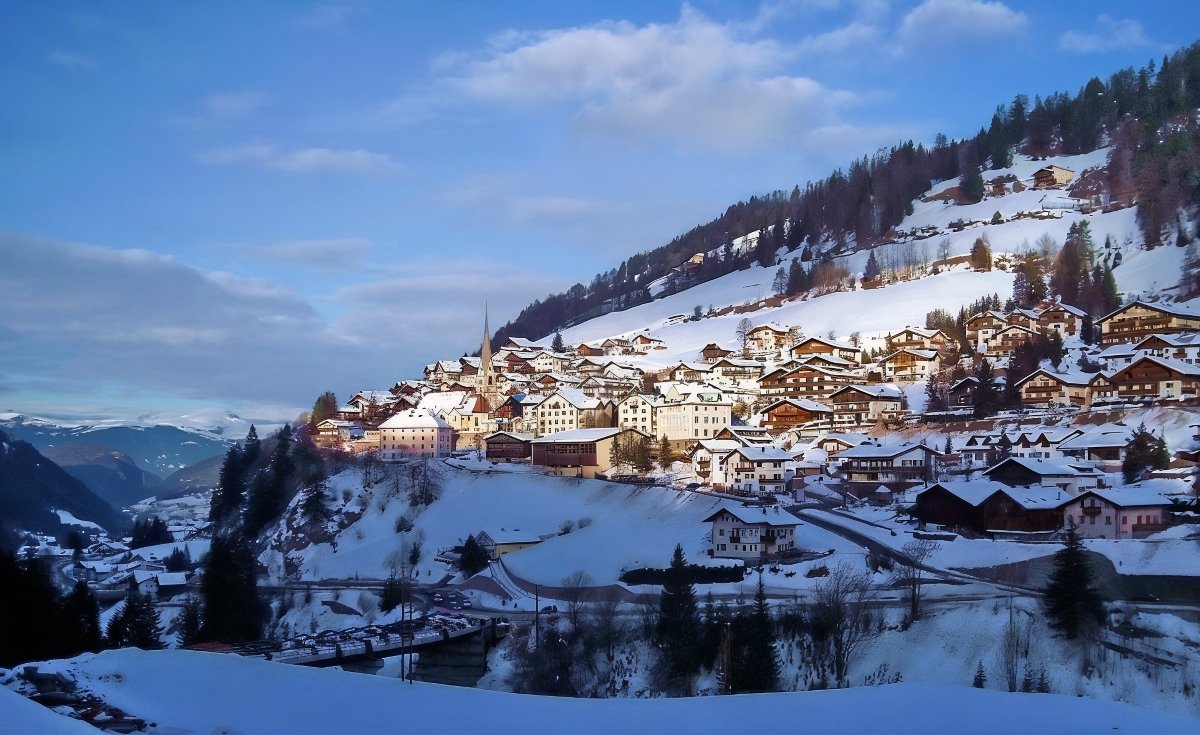
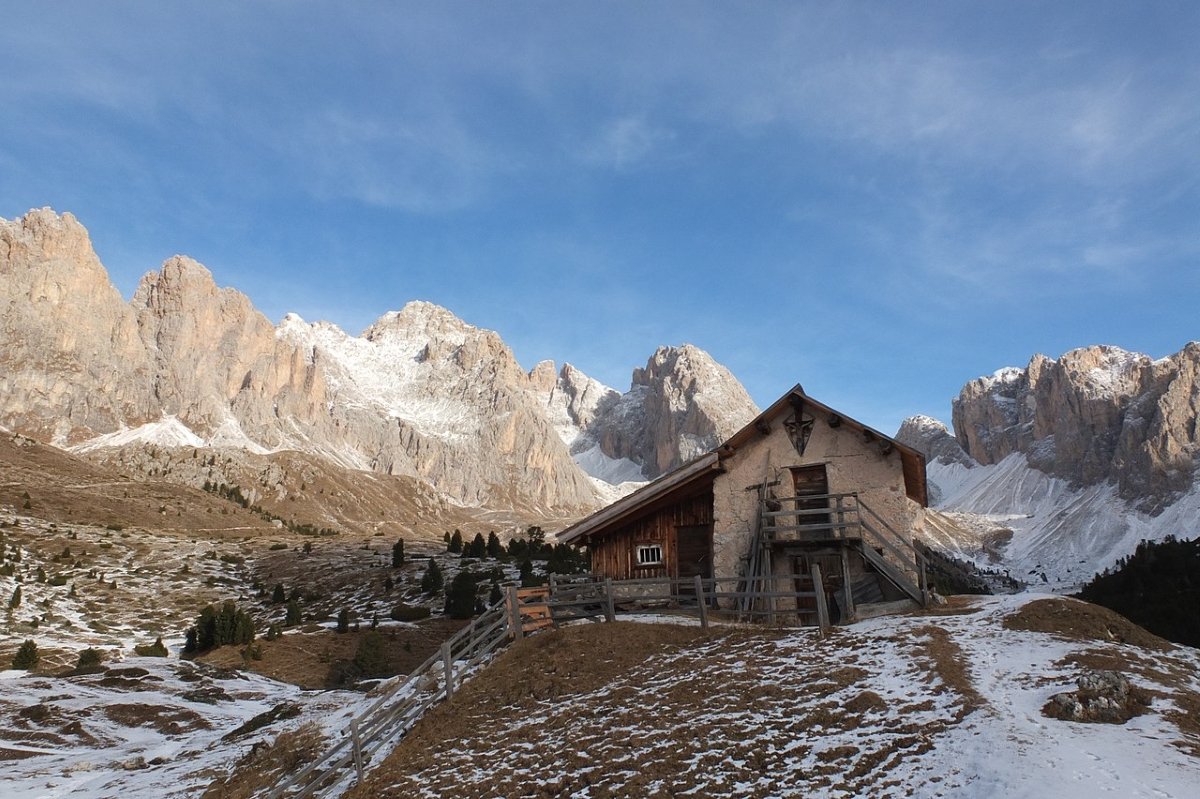
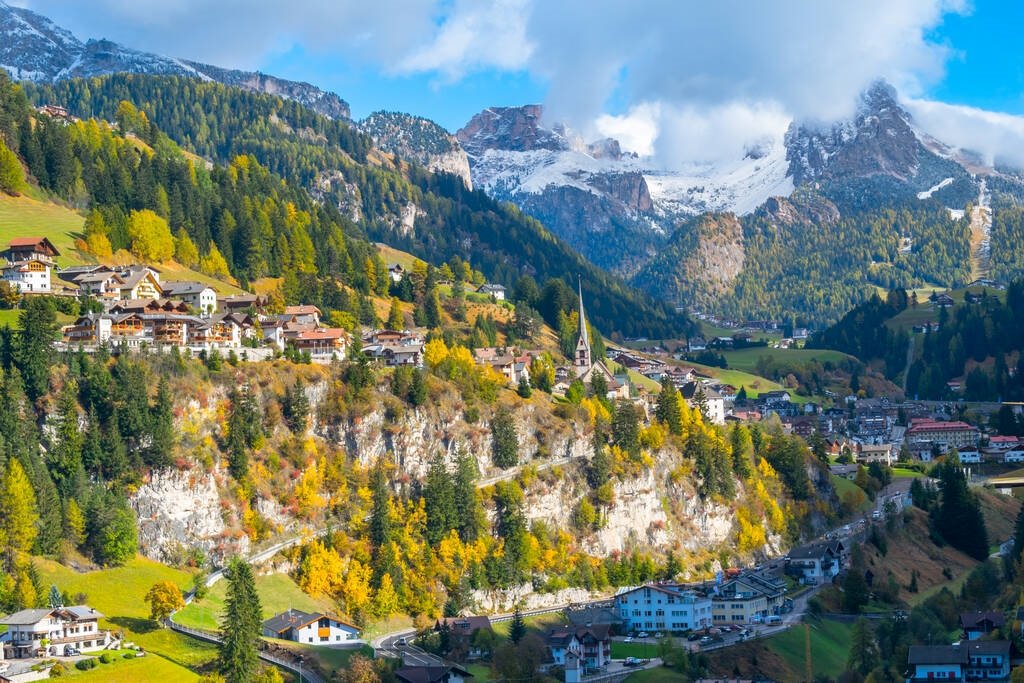
Picture this: you’re standing in a valley surrounded by towering pink-hued mountains that look like they’ve been ripped straight from a fantasy novel. The air smells like fresh pine and woodsmoke. A cable car whisks you up to slopes that connect to over 500 kilometers of pristine ski runs. And the locals? They speak a language you’ve probably never heard of.
Welcome to Santa Cristina Gherdëina (or St. Christina in Gröden, if you prefer German), a mountain paradise that somehow flies under most travelers’ radars while nearby Cortina d’Ampezzo soaks up all the Instagram glory.
Where Exactly Is This Place?
Santa Cristina sits in Val Gardena (Gherdëina in Ladin, Gröden in German), a valley in Italy’s South Tyrol region. You’ll find it located between its sister villages Ortisei and Selva di Val Gardena, about 40 kilometers east of Bolzano and smack in the heart of the UNESCO-protected Dolomites.
The village sits at 1,428 meters (4,685 feet) elevation, which means you’re already halfway to alpine heaven before you even hop on a lift.
Why You’ve Probably Never Heard of It (And Why That’s Great)
Here’s the thing about Santa Cristina: while it’s famous among European skiers and climbers, it hasn’t hit the mainstream international tourist circuit yet. That means you get all the perks of a world-class alpine destination without the crowds, inflated prices, and selfie-stick chaos that plague more famous spots.
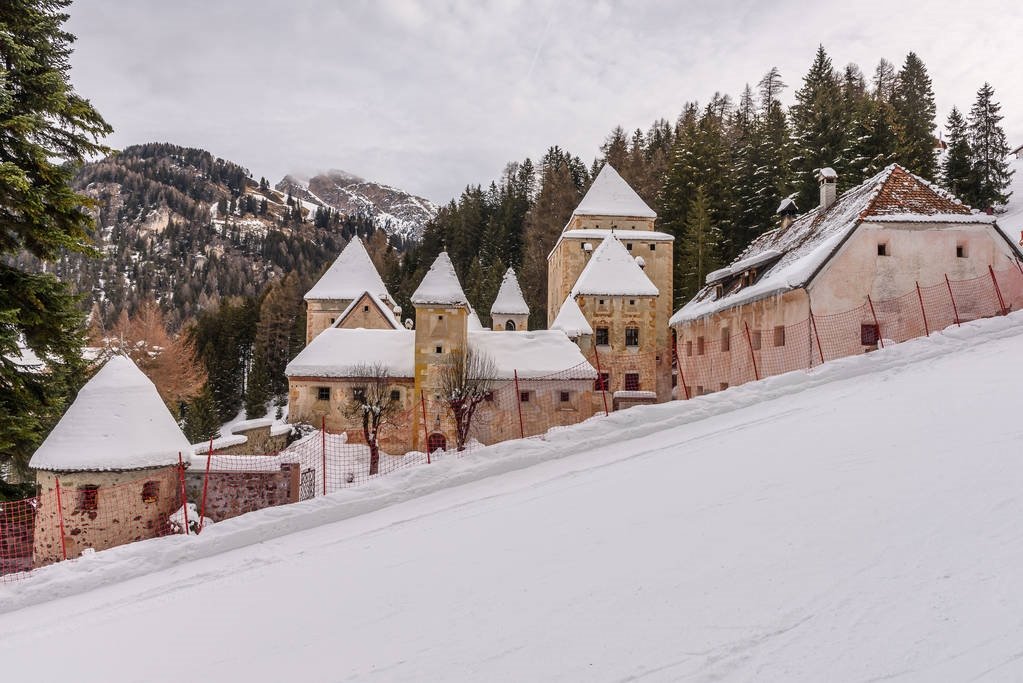
Plus, the village has managed to preserve something increasingly rare: authentic mountain culture. The locals are Ladin people, an ethnic group with their own distinct language and traditions that predate both Italian and German influence in the region. You’ll see trilingual signs everywhere, taste unique local dishes, and experience a culture that’s fiercely proud of its heritage.
When to Visit (And Why It Matters)
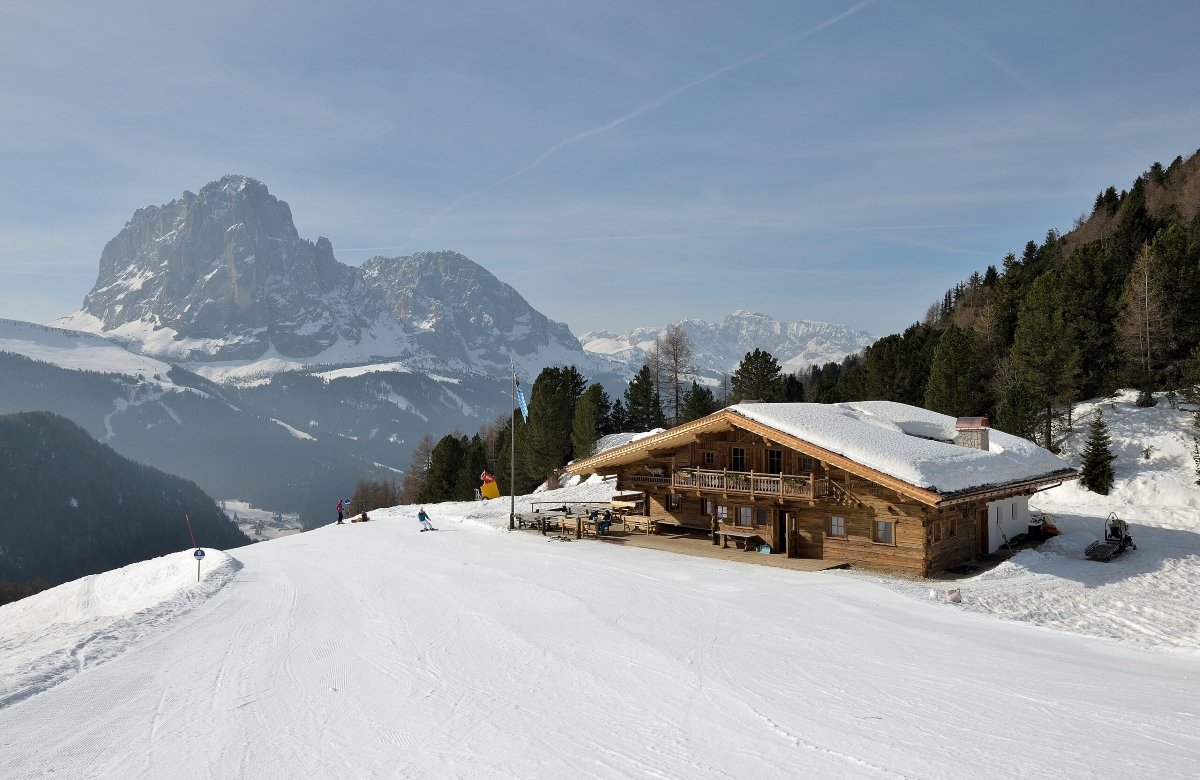
Winter (December-March): This is peak season, and for good reason. Santa Cristina is your gateway to the Dolomiti Superski area, one of the world’s largest ski networks. The famous Sella Ronda circuit starts right here, letting you ski around the entire Sella massif in a single day. Expect crisp conditions, reliable snow, and that magical alpine winter vibe.
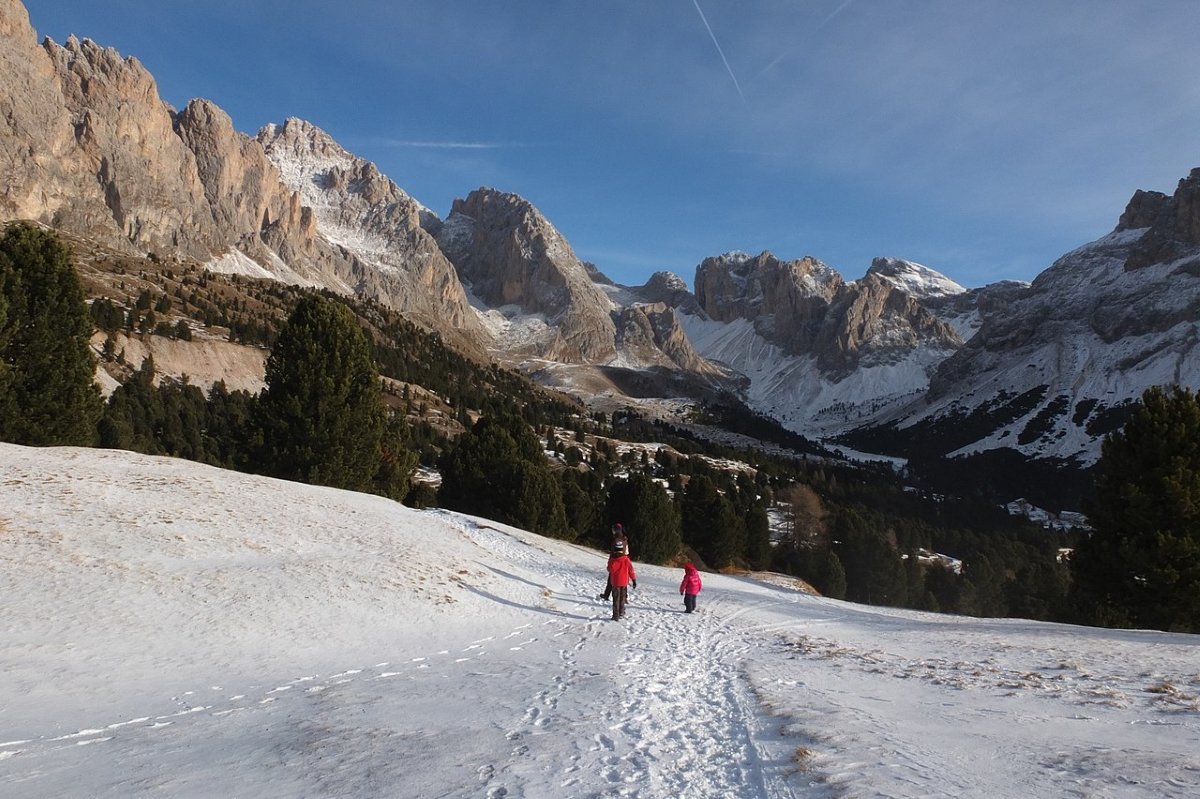
Summer (June-September): The snow melts to reveal an entirely different playground. We’re talking about hiking trails that range from gentle valley walks to serious via ferratas (those metal-ladder mountain routes that make your palms sweat). The meadows explode with wildflowers, and those intimidating peaks become your personal photo backdrop.
Shoulder Seasons (April-May, October-November): Here’s where savvy travelers find deals. Many facilities close, but if you’re okay with limited options, you’ll have the trails largely to yourself and enjoy significantly lower prices. Just check weather conditions carefully.
Getting There Without Losing Your Mind
By Air:
- Closest airports: Bolzano (40km), Innsbruck (110km), or Verona (180km)
- Major hub: Venice Marco Polo (200km)
By Car: This is honestly your best bet for flexibility. From Bolzano, take the SS12 road through the stunning Val Gardena. The drive itself is half the experience. Just know that snow chains or winter tires are mandatory November-April.
By Public Transport: Buses run regularly from Bolzano to Santa Cristina (about 1 hour). In winter, the valley operates an excellent free ski bus system connecting all three villages. The nearest train station is in Bolzano or Bressanone, then you’ll bus it from there.
Where to Stay: From Budget-Friendly to Seriously Splurgy
Budget Options (€60-100/night): Small guesthouses and B&Bs dot the village. Look for “Garni” signs—these family-run spots often include breakfast and give you insider tips on the area.
Mid-Range Hotels (€100-200/night): This is where Santa Cristina really shines. Cozy alpine hotels with wooden interiors, wellness areas with saunas, and often half-board options (breakfast + dinner) that showcase local cuisine. Many offer ski-in/ski-out access or are steps from lifts.
Luxury Lodges (€200+/night): Several high-end properties feature michelin-starred dining, spa facilities that rival any wellness resort, and those jaw-dropping Dolomite views from your bedroom window. Expect impeccable service and design that blends modern comfort with traditional alpine charm.
Pro Tip: Book half-board (mezza pensione) at your hotel. Restaurant options in the village are somewhat limited, and hotel dining often showcases the best local ingredients and recipes.
Winter: Your Skiing & Snowboarding Playground
Let’s get to the good stuff. Santa Cristina connects directly to the Dolomiti Superski area via the Col Raiser and Ciampinoi lifts. This gives you access to:
- 500+ km of interconnected slopes across 12 valleys
- The Sella Ronda: A 40km circular ski route around the Sella massif (doable in 4-6 hours with lunch stops)
- All skill levels: From gentle blue runs perfect for beginners to black runs that’ll test even expert skiers
- Incredible views: You’re literally skiing through a UNESCO World Heritage Site
Lift Passes (2024/2025 season):
- Single day: €60-75 depending on season
- 6-day pass: Around €340
- Consider the Dolomiti Superski pass for maximum flexibility
Equipment Rental: Multiple ski shops in the village offer rentals. Expect to pay €25-40/day for basic ski packages, more for premium or specialty equipment. Many offer online booking with hotel delivery.
Ski Schools: Several schools cater to all ages and abilities. English-speaking instructors are readily available. Private lessons run about €60-80/hour, group lessons are significantly cheaper.
Summer: Trading Skis for Hiking Boots
When the snow melts, Santa Cristina transforms into a hiker’s paradise. The same cable cars that serve skiers now whisk you to high-altitude trailheads.
Must-Do Hikes:
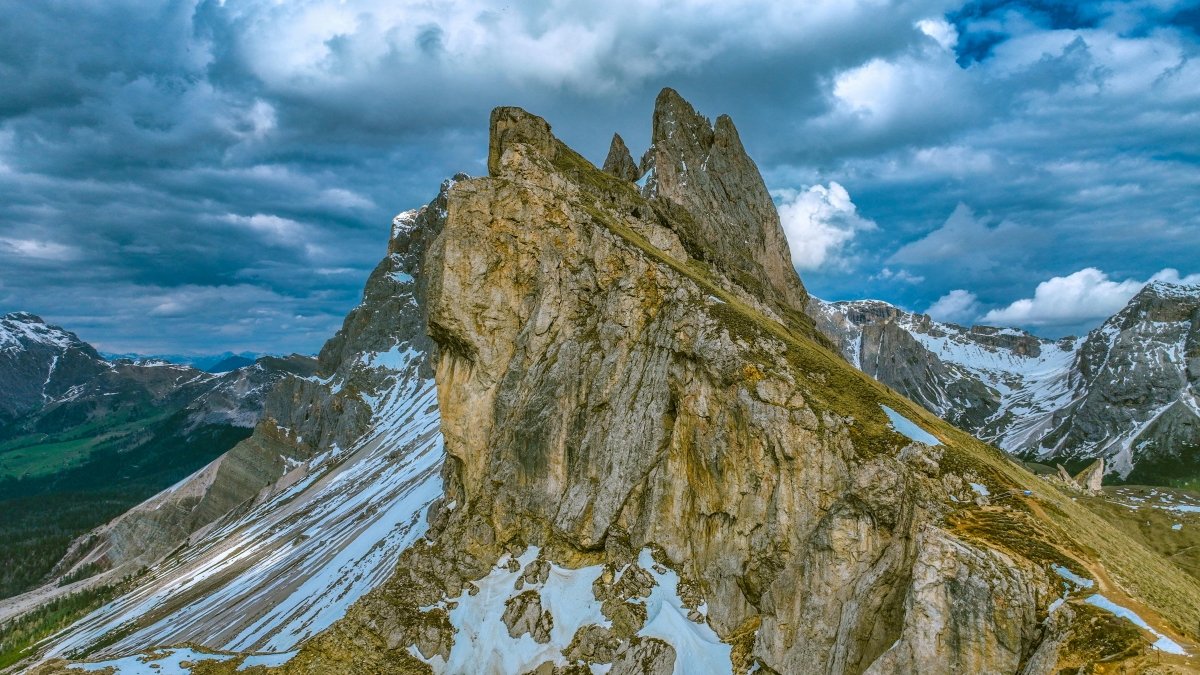
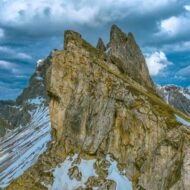
Seceda Ridge (Easy-Moderate, 2-3 hours): Take the cable car up to Seceda (2,500m) for arguably the most photographed view in the Dolomites. The ridge walk offers 360-degree panoramas with relatively gentle terrain. Perfect for families or those easing into alpine hiking.
Col Raiser to Rif. Firenze (Moderate, 3-4 hours): A classic loop that takes you through alpine meadows with the Sassolungo peaks dominating the skyline. The rifugio (mountain hut) serves hearty local dishes with views to match.
Via Ferrata routes: For the adventurous, several protected climbing routes start near Santa Cristina. You’ll need proper equipment and ideally some experience, though guided tours are available for first-timers.
Puez-Odle Nature Park: This protected area offers endless trails through pristine wilderness. Look for marmots, chamois, and if you’re lucky, golden eagles.
Food: More Than Just Schnitzel and Pasta
The South Tyrol’s cuisine reflects its position between Italy and Austria, with the Ladin culture adding its own unique flavors.
Must-Try Dishes:
Cajinci: Ladin ravioli stuffed with spinach and ricotta, served in butter and sage. Simple, delicious, and you won’t find it anywhere else.
Canederli (Knödel): Bread dumplings that come in various versions—cheese, speck (smoked ham), or spinach. Comfort food that sticks to your ribs after a day on the slopes.
Speck: This smoked prosciutto is a South Tyrolean specialty. You’ll see it on every menu, often served with dark bread and pickles.
Apfelstrudel: The apple strudel here rivals anything you’ll find in Austria. Warm, with vanilla sauce or cream, it’s the perfect après-ski treat.
Lagrein Wine: The local red wine variety. Full-bodied and perfect with heartier dishes.
Where to Eat:
Most hotel restaurants are open to non-guests and often serve the best food. In summer, don’t miss lunch at a mountain rifugio—the combination of altitude, views, and simple hearty food is unbeatable. Prices are reasonable: expect €12-20 for main courses, €25-35 for multi-course meals at nicer spots.
Culture & Language: Welcome to Ladin Country
Here’s something special: Santa Cristina is part of one of Europe’s oldest continuously inhabited regions. The Ladin people have lived in these valleys since Roman times, and their language (a Rhaeto-Romance language related to Swiss Romansh) is still spoken by most locals.
You’ll see this trilingualism everywhere:
- Santa Cristina (Italian)
- St. Christina (German)
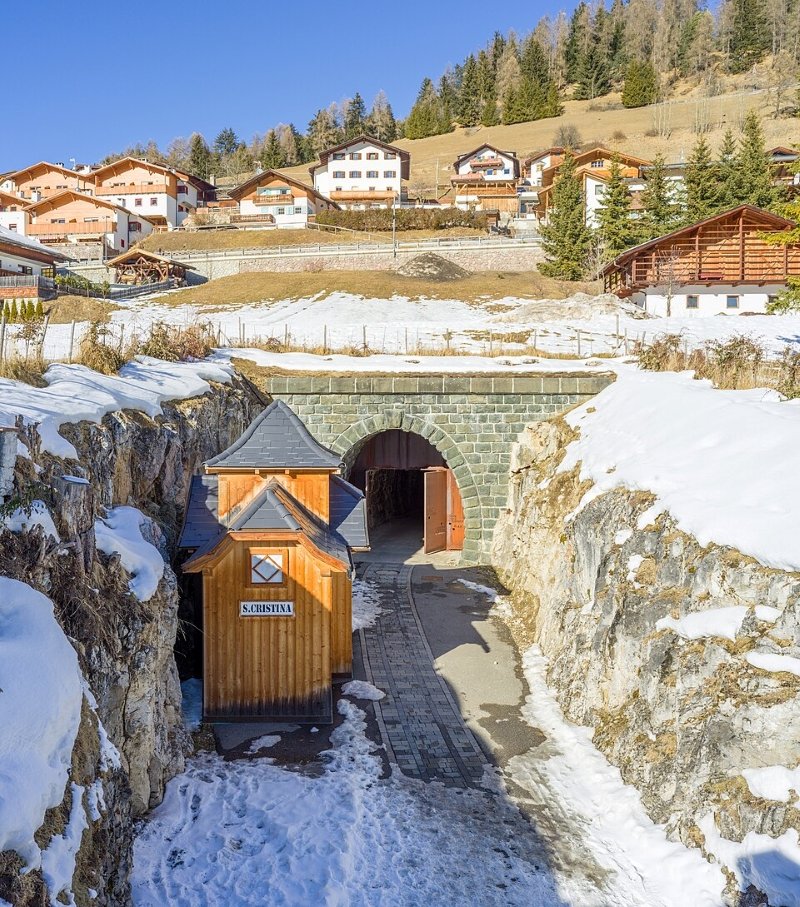
- S. Cristina Gherdëina (Ladin)
Most locals speak all three, plus English. Don’t be surprised if you hear a conversation that switches between languages mid-sentence—it’s just how things work here.
Cultural Experiences:
Visit the Museum Gherdëina in nearby Ortisei to learn about Ladin history and the valley’s famous woodcarving tradition. The intricate religious and secular woodcarvings you’ll see in shops aren’t tourist kitsch—they’re part of a craft tradition going back centuries.
Practical Tips for a Smooth Trip
Money: Italy uses the Euro. Credit cards are widely accepted, but carry some cash for mountain huts and smaller establishments.
Language: Italian, German, and Ladin are official. Most tourism workers speak English. Learning a few Italian basics helps, but you’ll get by fine without fluency.
Mobile Coverage: Generally good in the village, spottier in the mountains. Download offline maps.
What to Pack:
- Winter: Serious warm layers, waterproof gear, sunglasses (alpine sun is intense)
- Summer: Layers (weather changes fast), sturdy hiking boots, sun protection
- Year-round: Reusable water bottle (tap water is excellent and safe)
Accessibility: The main village has decent accessibility, but mountain terrain is inherently challenging. Some cable cars accommodate wheelchairs. Contact facilities directly for specific accessibility information.
Families: The destination is extremely family-friendly with ski schools for kids, gentle slopes, and summer activities suitable for all ages.
Day Trips & Nearby Attractions
Ortisei & Selva di Val Gardena: The valley’s other main villages, each with their own character. Ortisei is slightly larger with more shops; Selva is higher and more sports-focused.
Bolzano: The regional capital (40 minutes) offers urban sophistication with its archaeological museum housing Ötzi the Iceman, Christmas markets (if visiting in December), and excellent wine bars.
Cortina d’Ampezzo: The glamorous ski resort is about 90 minutes away if you want to compare it to Santa Cristina’s more laid-back vibe.
Budget Breakdown: What Will This Actually Cost?
Budget Traveler (€80-120/day):
- Guesthouse accommodation
- Self-catered breakfast, lunch at mountain huts, one restaurant dinner
- Public transport
- Limited lift passes or hiking
Mid-Range (€150-250/day):
- 3-star hotel with half-board
- Multi-day lift pass
- Occasional meal out
- Equipment rental
Luxury (€300+/day):
- 4-5 star hotel with wellness facilities
- Full lift passes
- Fine dining experiences
- Guided activities
- Spa treatments
The Bottom Line
Santa Cristina Gherdëina offers something increasingly rare in the Alps: authenticity without sacrificing quality. You get world-class outdoor activities, stunning natural beauty, rich cultural experiences, and excellent food—all without the pretension or price tags of more famous resorts.
Whether you’re carving turns on the Sella Ronda, hiking to a rifugio for lunch with a view, or simply soaking in a hotel sauna while those improbable Dolomite peaks turn pink at sunset, you’ll understand why those who discover this valley tend to keep coming back.
The hardest part? Not telling everyone about it and keeping it all to yourself.
Ready to go? Start checking flight prices to Verona or Innsbruck, brush up on your Italian basics, and prepare for a mountain experience that’ll reset your entire definition of what an alpine destination can be.
Safe travels, and don’t forget to look up—those peaks are worth the neck strain.