

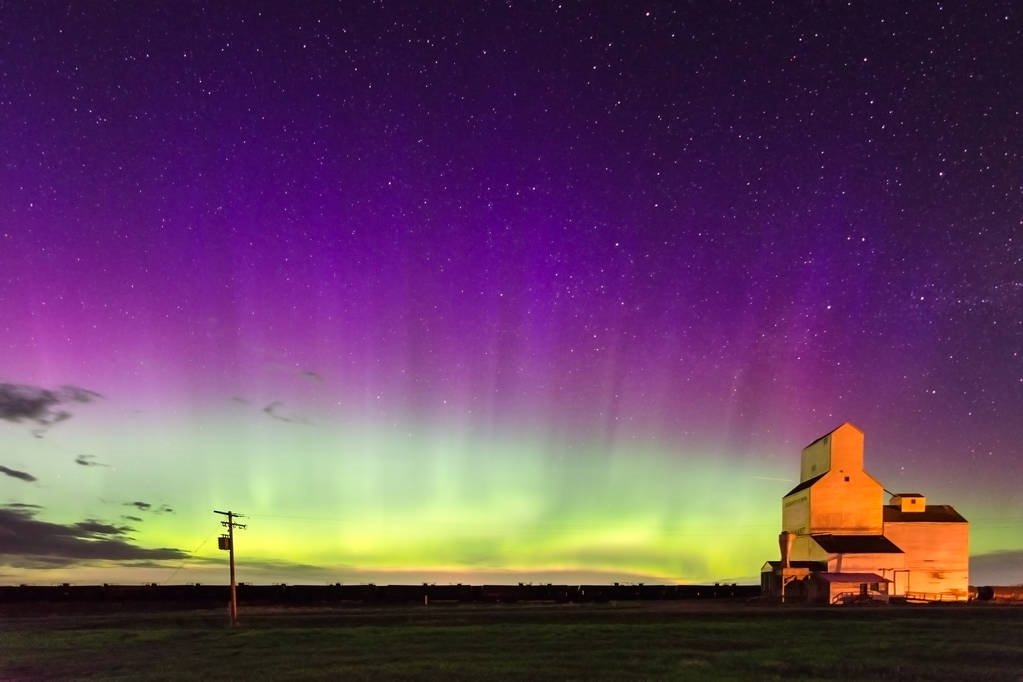

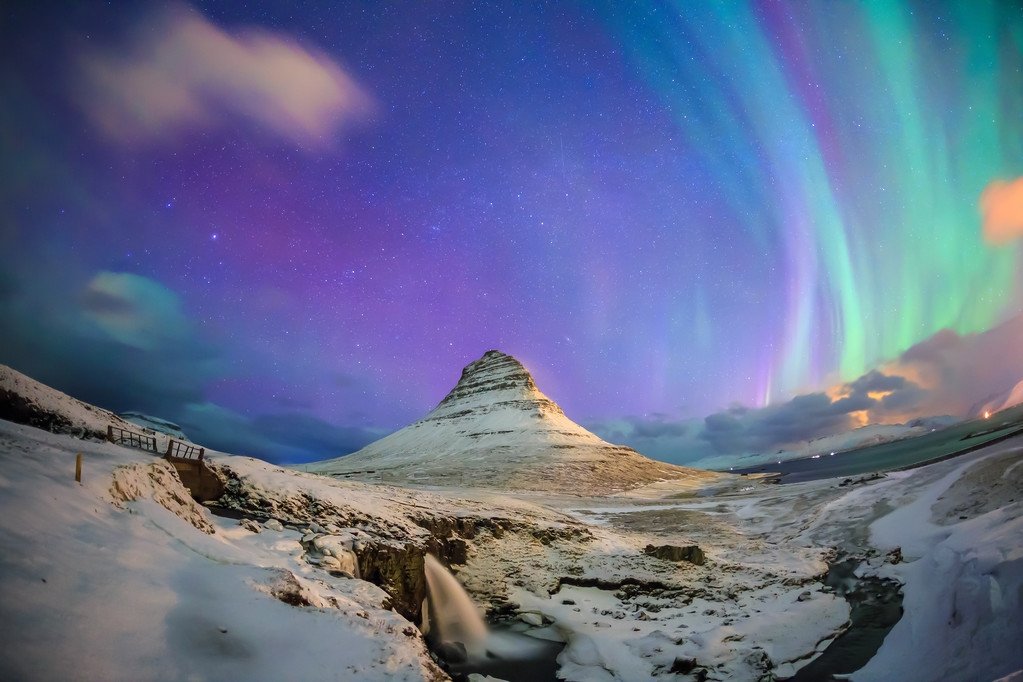
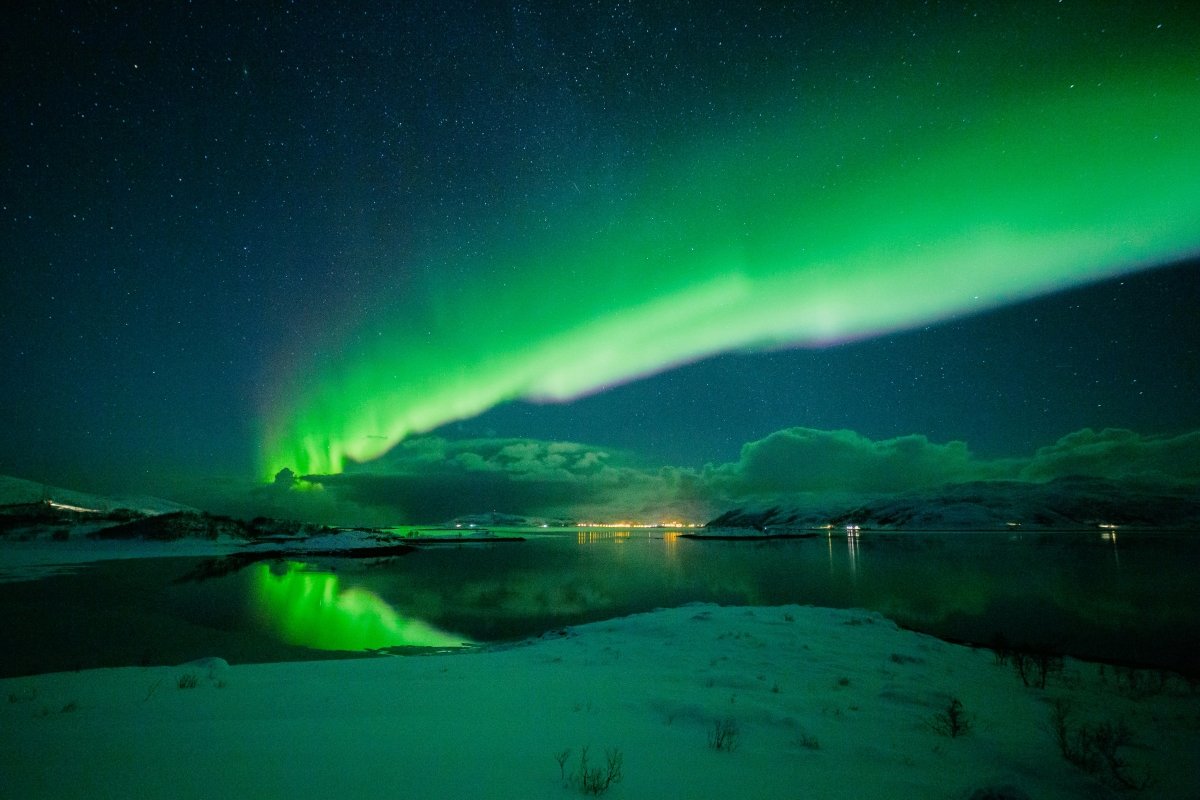
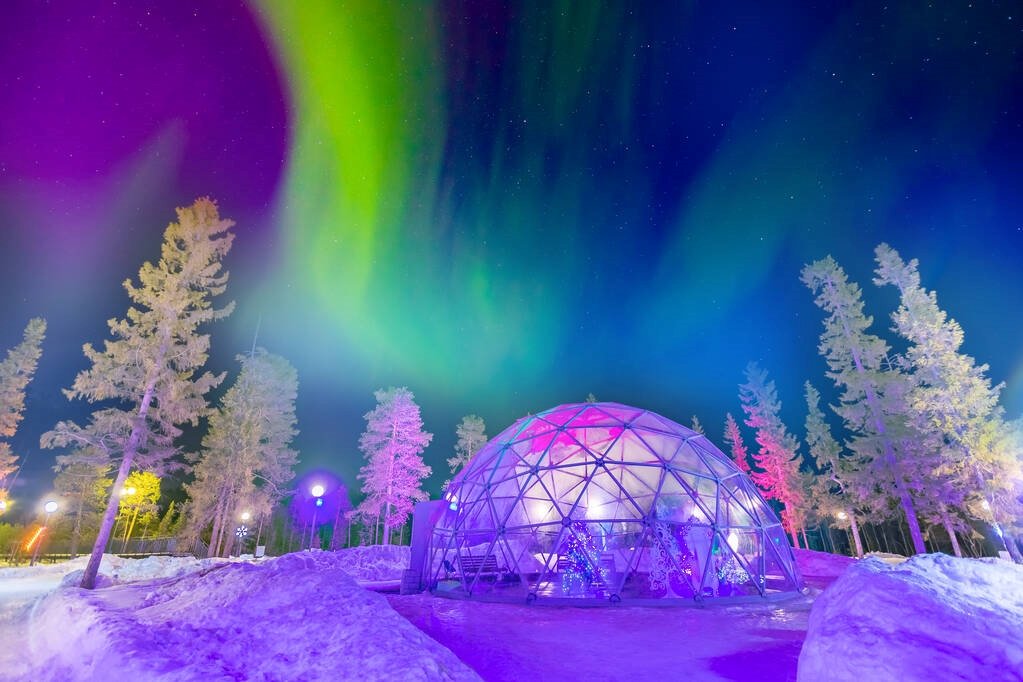




TL;DR: We’re in the middle of a once-in-a-decade solar peak right now (January 2026), and the Northern Lights are absolutely going off. If you’ve been putting off that Arctic bucket list trip, this is your sign to stop scrolling and start booking—because the next show like this won’t happen until the mid-2030s.
- The Sky Isn’t Messing Around Right Now
- What Exactly is a “Kp-9” (And Why Are People Obsessed?)
- Where the “High Stakes” Action is Happening
- 1. The Glass Igloo Capital: Finnish Lapland
- 2. The “Double Header” Destination: Iceland
- 3. The “Front Row” Seat: Tromsø, Norway
- 2026 Timing: The “Equinox Effect”
- The “Pro” Checklist for 2026
- Accessibility Matters: Options for Everyone
- The Bottom Line: We’re at the Summit
The Sky Isn’t Messing Around Right Now
If you’ve been doom-scrolling through photos of neon-pink skies and thinking, “I’ll get to it eventually,” I have some news that might make you want to reach for your passport: The clock is officially ticking.
We are currently sitting in the middle of January 2026, which scientists have dubbed the “Golden Window” for the Northern Lights. Thanks to the Solar Maximum—the peak of the Sun’s 11-year cycle—the sky isn’t just glowing; it’s putting on a “Boss Level” performance that won’t happen again until the mid-2030s.
Here’s everything you need to know about the 2026 peak, the legendary “Kp-9” events, and why you need to book that Arctic cabin yesterday.
What Exactly is a “Kp-9” (And Why Are People Obsessed?)
Think of the Kp-index as the Richter scale for the Northern Lights. It ranges from 0 to 9.
- Kp-2: A pretty green ribbon if you’re in the deep Arctic
- Kp-5: A “Geomagnetic Storm” that starts creeping into the US and UK
- Kp-9: The Holy Grail
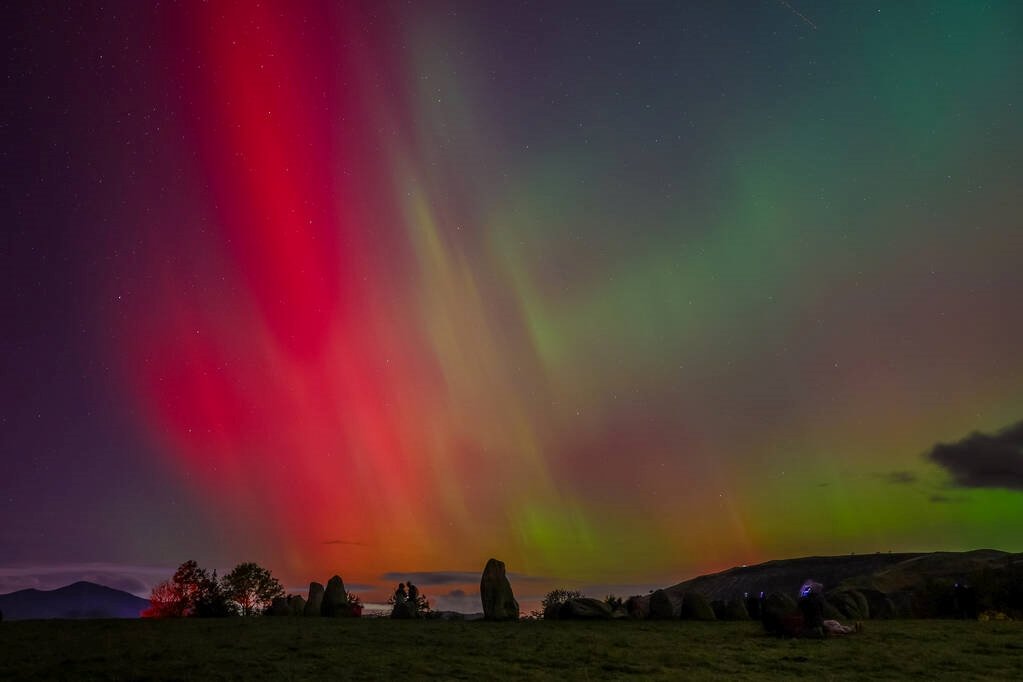
During a Kp-9 event, the “Auroral Oval” expands so much that the lights can be seen as far south as Florida, Southern Europe, and Northern China. But it’s not just about where you see them; it’s about the colors.
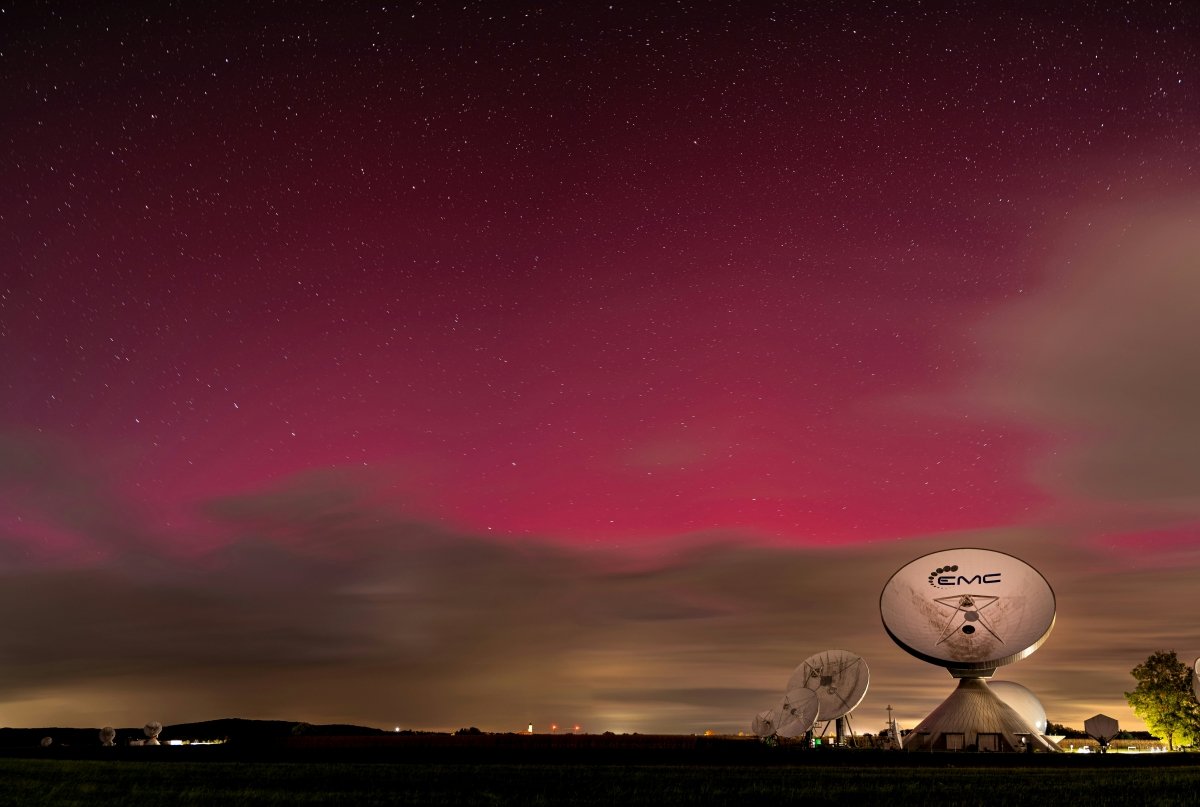
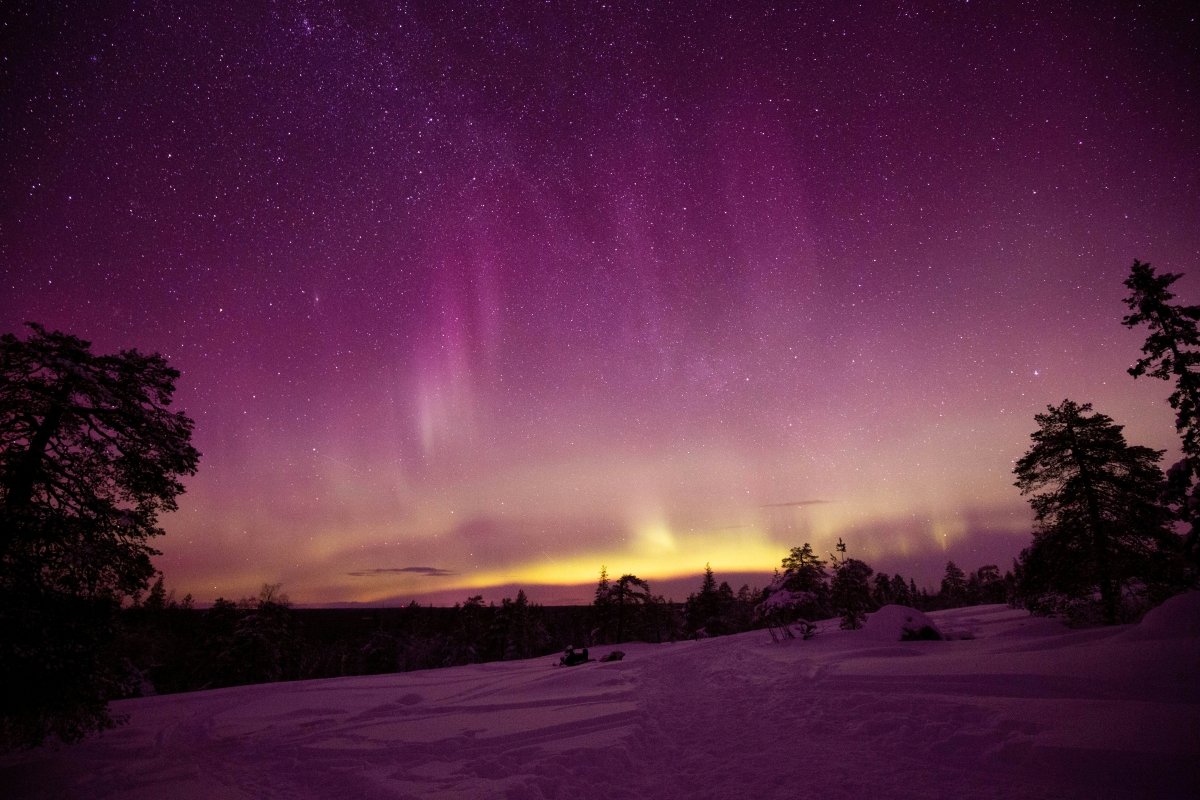
While standard auroras are green, a Kp-9 storm hits the atmosphere with so much energy that it ignites nitrogen, turning the sky vivid red, deep purple, and electric pink. It’s basically nature’s rave, and admission is free (well, minus the plane ticket).
Where the “High Stakes” Action is Happening
If you want the best ROI on your travel budget, you don’t just want to “see” the lights; you want to live under them. Here are the top high-intent spots for 2026:
1. The Glass Igloo Capital: Finnish Lapland
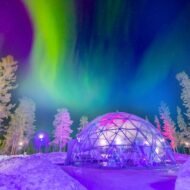
If you’ve seen those viral TikToks of folks lying in bed while the sky dances above them, they’re likely at Levin Iglut or Apukka Resort.
Why now: Because of the Solar Maximum, you don’t even need to leave your heated bed. The activity is so high that the lights are visible almost every clear night this month. No frozen toes, no midnight wake-up calls—just you, a cozy blanket, and the cosmos putting on a show.
Pro tip: Book the northernmost igloos. They face away from light pollution and give you an unobstructed 180-degree view.
2. The “Double Header” Destination: Iceland
2026 is special for Iceland. Not only are we at the solar peak, but on August 12, 2026, a Total Solar Eclipse will pass directly over the island.
The Hook: High-intent travelers are booking “Eclipse-to-Aurora” packages. See the sun disappear during the day, and watch the solar particles hit the atmosphere at night. It’s like getting front-row seats to two cosmic concerts in one trip.
Iceland also offers accessibility—you can fly direct from most major US and European cities, rent a car, and chase the lights on your own schedule. Plus, there’s geothermal pools, black sand beaches, and waterfalls for when you need a daytime activity.
3. The “Front Row” Seat: Tromsø, Norway
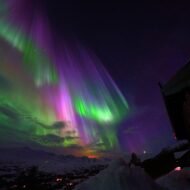
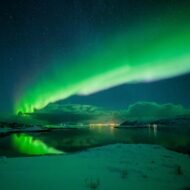
Tromsø is the undisputed king of reliability. Even on nights when the solar wind is “quiet,” Tromsø’s location within the Arctic Circle ensures a show. In 2026, many luxury tour operators are offering private Tesla aurora chases to get you away from the crowds.
Why Tromsø wins: It’s one of the few places where you can combine aurora hunting with whale watching, dog sledding, and Sami cultural experiences. It’s not just a trip—it’s a full Arctic immersion.
Heads up: Accommodation fills fast. If you’re eyeing March (more on that below), book now.
2026 Timing: The “Equinox Effect”
If you can’t make it this week, aim for March 2026. Due to a cool bit of physics called the Russell-McPherron effect, the Earth’s magnetic field actually “cracks open” during the Spring and Autumn equinoxes. This makes it twice as likely for solar flares to trigger a massive Kp-7 or Kp-9 display.
Translation: March and September are when the sun’s magnetic field aligns just right with Earth’s, creating the perfect conditions for those blood-red skies everyone’s chasing.
Mark your calendar:
- March 20, 2026: Spring Equinox (Northern Hemisphere)
- September 22, 2026: Autumn Equinox
The “Pro” Checklist for 2026
Since this is a high-value trip, don’t wing it. Here’s the gear and planning you need to maximize your CTR (Chance To Release… those shutter buttons):
Camera Gear:
In 2026, phone cameras are incredible, but for a Kp-9 event, you want a full-frame mirrorless camera (like the Sony A7S series) to capture those fast-moving red fringes. Pair it with a wide-angle lens (14-24mm) and a sturdy tripod. Set your ISO to 1600-3200, aperture wide open (f/1.4-f/2.8), and experiment with shutter speeds between 5-15 seconds.
Booking Urgency:
Flights to Rovaniemi and Tromsø for the March equinox are already 85% full. If you’re flexible, consider Abisko (Sweden) or Yellowknife (Canada) as backup options.
Travel Insurance:
Make sure yours covers “trip interruption” for weather—the Arctic is beautiful, but a blizzard can hide even the best Kp-9 storm. Companies like World Nomads and Allianz offer solid coverage for northern destinations.
What to Pack:
- Layers: Think thermal base layers, fleece mid-layers, and a waterproof outer shell
- Hand warmers: Your phone battery will drain fast in the cold
- Red flashlight: Preserves your night vision while adjusting camera settings
- Thermos: Hot cocoa tastes even better under the aurora
Accessibility Matters: Options for Everyone
Not everyone can drop everything and fly to the Arctic, and that’s okay. Here are some alternatives:
Budget-friendly: Northern Scotland (especially the Orkney Islands) and Northern Canada offer solid aurora viewing without the Scandinavian price tag.
Mobility considerations: Many glass igloo resorts offer wheelchair-accessible accommodations and don’t require hiking or standing for long periods.
Virtual experiences: NASA’s Aurorasaurus app and live streams from the University of Alaska’s Geophysical Institute let you watch in real-time from anywhere.
The Bottom Line: We’re at the Summit
By 2028, the sun will start its long “cooldown” toward the solar minimum. That means fewer storms, weaker displays, and a much smaller chance of seeing those jaw-dropping red and purple curtains.
If you want to see the sky turn blood-red from the comfort of a luxury glass igloo—or from a remote Icelandic hillside, or while floating in a Norwegian fjord—2026 is your year.
The universe doesn’t wait. The sun’s putting on the show of the decade, and the invitation expires soon.
So: Are you going to watch from your couch, or are you going to be there when the sky catches fire?
Quick Resources:
- Aurora forecasts: Space Weather Live, NOAA’s Aurora Dashboard
- Flight deals: Google Flights, Skyscanner (set alerts for Rovaniemi, Tromsø, Reykjavik)
- Community: r/Aurorae on Reddit for real-time sightings and tips
Safe travels, and may your skies be clear and charged.