








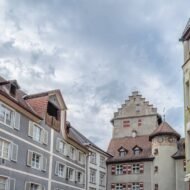
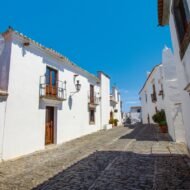
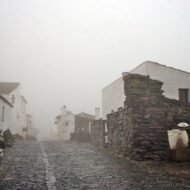
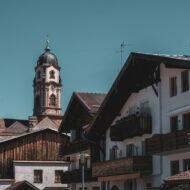

TL;DR: Medieval European towns for cozy winter getaways . Discover five enchanting medieval towns across Europe that transform into winter wonderlands. From Italy’s tower-studded San Gimignano to Portugal’s hilltop Monsaraz, these hidden gems offer cozy atmosphere, rich culture, and unforgettable winter experiences without the crowds of major tourist destinations.
- Why Choose Medieval Towns for Winter Travel?
- 1. San Gimignano, Italy: The Medieval Manhattan
- First Impressions & Atmosphere
- Winter Weather: What to Expect
- Getting There & Around
- Where to Stay
- Food & Dining
- Cultural Identity & Must-See Spots
- Shopping & Local Traditions
- Outdoor Activities
- Events & Festivals
- Interesting Facts
- Budget Breakdown (per day)
- 2. Gruyères, Switzerland: The Quintessential Medieval Fortress
- First Impressions & Atmosphere
- Winter Weather: What to Expect
- Getting There & Around
- Where to Stay
- Food & Dining
- Cultural Identity & Must-See Spots
- Shopping & Local Traditions
- Outdoor Activities
- Events & Festivals
- Interesting Facts
- Budget Breakdown (per day)
- 3. Feldkirch, Vorarlberg, Austria: The Hidden Alpine Gem
- First Impressions & Atmosphere
- Winter Weather: What to Expect
- Getting There & Around
- Where to Stay
- Food & Dining
- Cultural Identity & Must-See Spots
- Shopping & Local Traditions
- Outdoor Activities
- Events & Festivals
- Interesting Facts
- Budget Breakdown (per day)
- 4. Monsaraz, Portugal: The Hilltop Time Capsule
- First Impressions & Atmosphere
- Winter Weather: What to Expect
- Getting There & Around
- Where to Stay
- Food & Dining
- Cultural Identity & Must-See Spots
- Shopping & Local Traditions
- Outdoor Activities
- Events & Festivals
- Interesting Facts
- Budget Breakdown (per day)
- 5. Mittenwald, Germany: The Village of “Living Paintings”
- First Impressions & Atmosphere
- Winter Weather: What to Expect
- Getting There & Around
- Where to Stay
- Food & Dining
- Cultural Identity & Must-See Spots
- Shopping & Local Traditions
- Outdoor Activities
- Events & Festivals
- Interesting Facts
- Budget Breakdown (per day)
- Ranking Summary: Best Winter Medieval Towns
- Best for Budget Travelers: Monsaraz, Portugal
- Best for Food Lovers: San Gimignano, Italy
- Best for Winter Sports: Mittenwald, Germany
- Best for Atmosphere: Gruyères, Switzerland
- Best Hidden Gem: Feldkirch, Austria
- Accessibility Winner: San Gimignano
- Most Romantic: Gruyères
- Best Value Overall: Feldkirch
- Recap: Your Winter Medieval Town Checklist
- Disclaimer
Why Choose Medieval Towns for Winter Travel?
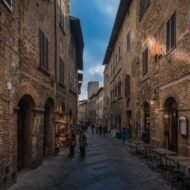
Picture this: cobblestone streets dusted with fresh snow, warm lights glowing from centuries-old windows, and the smell of mulled wine drifting through narrow alleyways. Medieval towns in winter aren’t just destinations—they’re time machines wrapped in blankets of fog and frost.
While everyone else is booking the same tired ski resorts or overcrowded Christmas markets in major cities, savvy travelers are discovering something better. These small medieval gems offer authentic experiences, manageable crowds, and that cozy European charm that Instagram dreams are made of (but way better in person).
1. San Gimignano, Italy: The Medieval Manhattan
First Impressions & Atmosphere
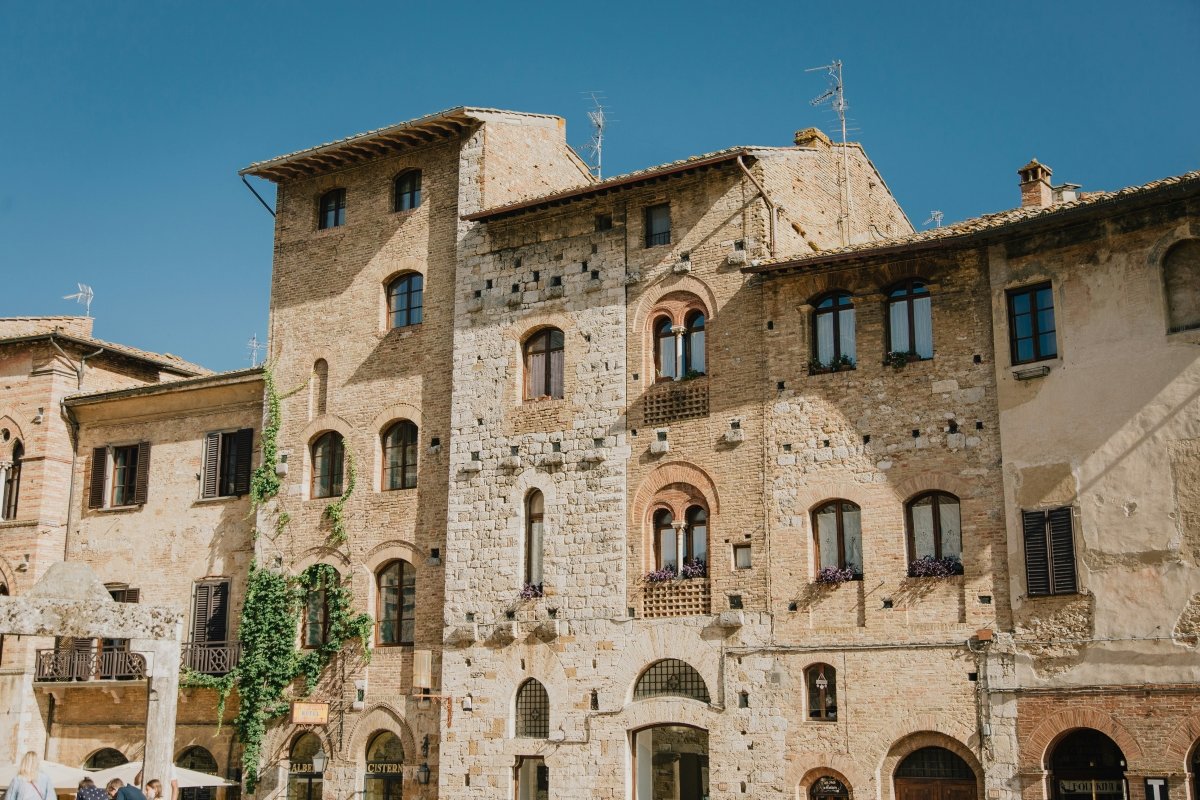
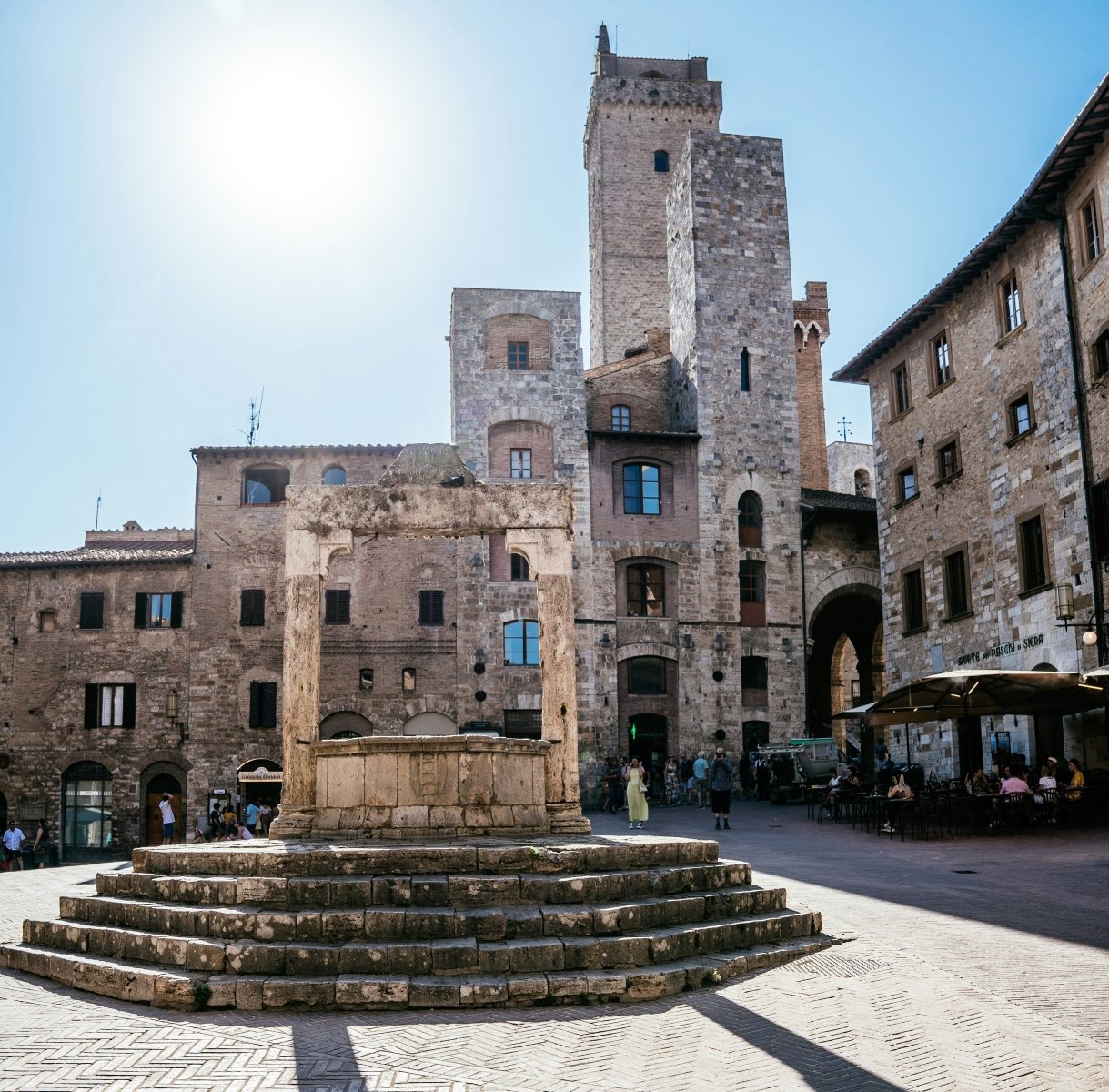
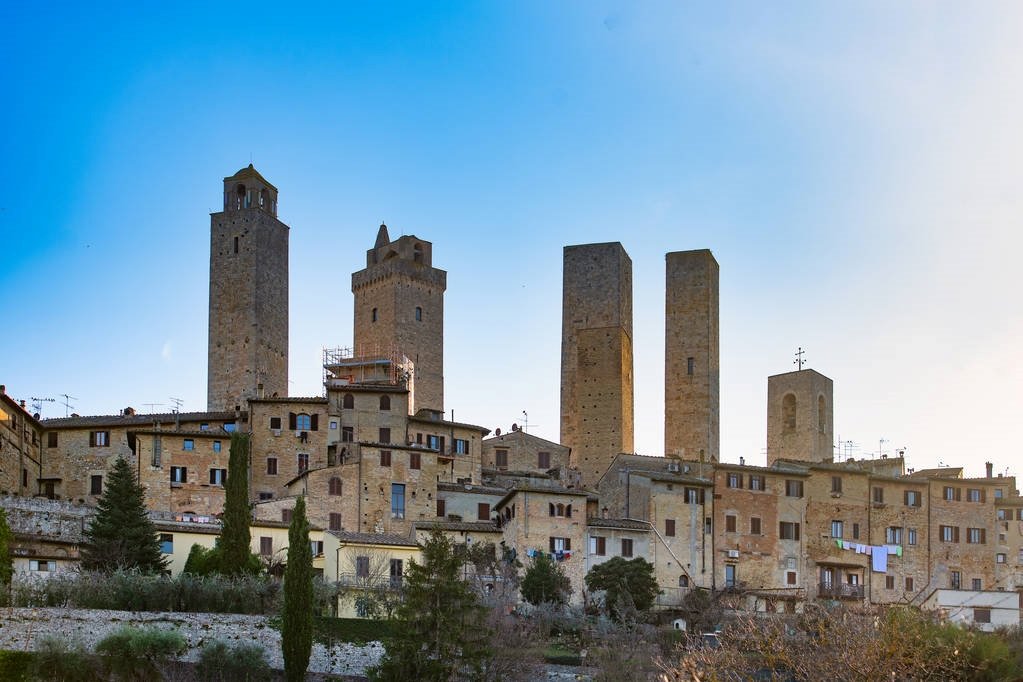
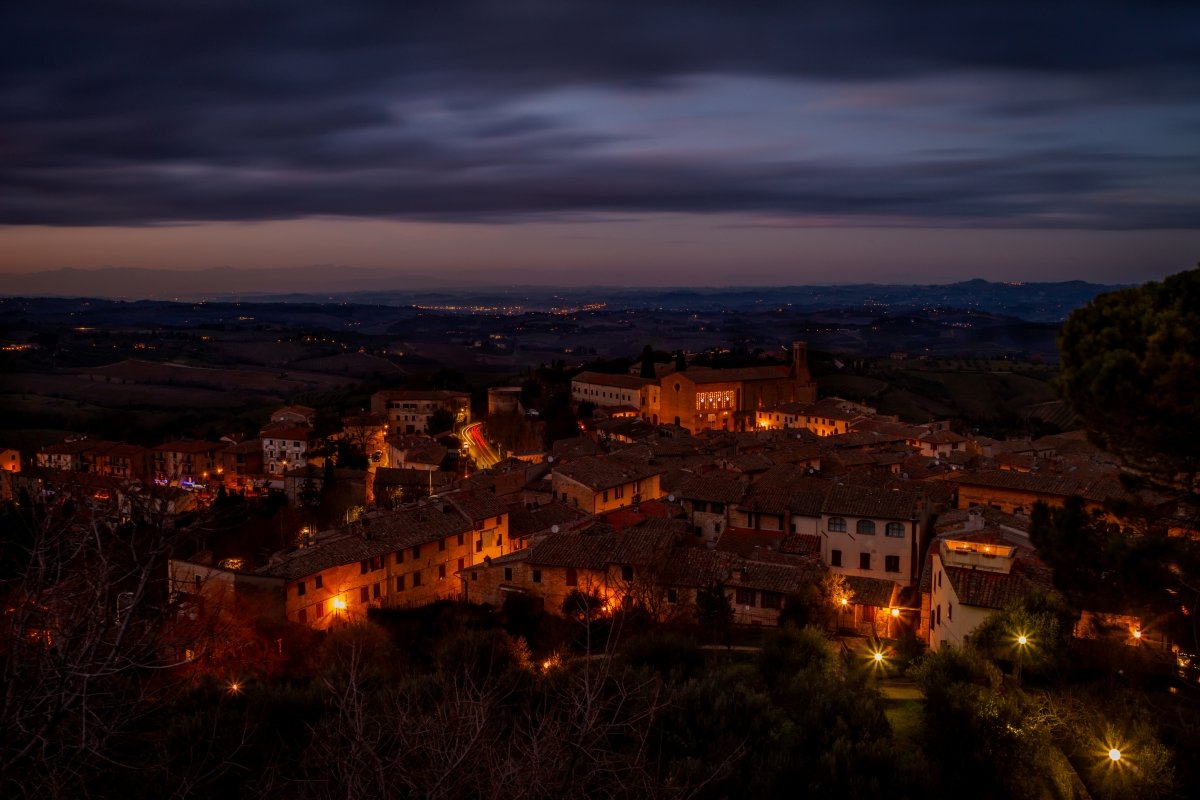
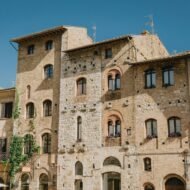
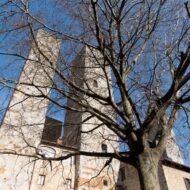
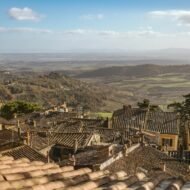
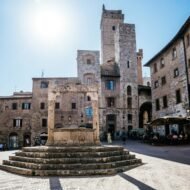
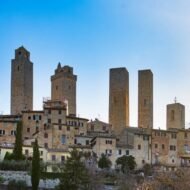
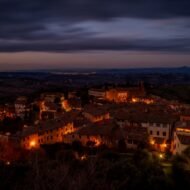
San Gimignano rises from the Tuscan hills like something out of a fantasy novel. Those 14 medieval towers—remnants of the original 72—pierce the winter sky, earning it the nickname “Medieval Manhattan.” When fog rolls through the valleys in winter, the town seems to float above the clouds. It’s legitimately magical.
Winter Weather: What to Expect
Average temperatures: 3°C to 10°C (37°F to 50°F)
Rainfall: Moderate, with occasional crisp, clear days
Snow: Rare but possible, creating postcard-perfect scenes when it happens
Winter here is moody in the best way. Misty mornings give way to golden afternoon light that photographers literally dream about. Pack layers—you’ll want that warm jacket for morning walks and something lighter when the sun breaks through.
Getting There & Around
Nearest airports:
- Florence Airport (65 km, about 1 hour drive)
- Pisa International (85 km, 1.5 hours)
No train station here, which actually preserves the charm. Rent a car for maximum flexibility exploring Tuscany, or take a bus from Florence or Siena. The town itself is car-free (hallelujah), so you’ll be walking those medieval streets the way they were meant to be experienced.
Where to Stay
Budget-friendly: Ostello Bel Soggiorno offers clean, simple rooms from €50/night
Mid-range: Hotel La Cisterna (€90-150) sits right in the historic center with tower views
Splurge-worthy: Palazzo Avignonesi (€200+) delivers luxury in a restored 15th-century palace
Winter means lower prices and actual availability. Book those boutique hotels that are impossible to snag in summer.
Food & Dining
Tuscany in winter equals comfort food perfection. Hunt down these local specialties:
- Ribollita: A hearty bread-and-vegetable soup that’ll warm you from the inside
- Wild boar stew: Rich, savory, and absolutely worth the calorie surrender
- Vernaccia di San Gimignano: Local white wine that’s been produced here since the 1200s
- Gelato at Gelateria Dondoli: Yes, even in winter. World champion gelato doesn’t care about seasons.
Budget tip: Lunch specials run €15-25 for full meals. Dinner at trattorias: €30-50 per person with wine.
Cultural Identity & Must-See Spots
This UNESCO World Heritage site earned its towers through medieval flex culture—wealthy families competed to build the tallest. Today, you can climb Torre Grossa for panoramic views (bring your camera and some cardio prep).
Don’t miss:
- Piazza della Cisterna’s perfect medieval square
- Collegiata di Santa Maria Assunta with mind-blowing frescoes
- The torture museum (if you’re into dark tourism)
Shopping & Local Traditions
Artisan shops line the streets selling ceramics, leather goods, and saffron (San Gimignano produces some of Italy’s finest). Winter means actual conversations with shop owners instead of fighting tourist crowds.
Outdoor Activities
Winter hiking through olive groves and vineyards offers solitude and stunning views. The Via Francigena pilgrimage route passes through here—even a short section makes for a memorable walk.
Events & Festivals
Carnival celebrations (February) bring medieval costumes and parades. It’s quirky, local, and way more authentic than Venice’s version.
Interesting Facts
- The towers were also medieval panic rooms—families retreated to them during feuds
- Dante Alighieri visited in 1300 as a Florentine ambassador
- The town appears in several films, including “Tea with Mussolini”
Budget Breakdown (per day)
- Accommodation: €50-150
- Food: €30-60
- Activities/entrance fees: €10-20
- Transportation within region: €20-40
- Total estimate: €110-270/day
2. Gruyères, Switzerland: The Quintessential Medieval Fortress
First Impressions & Atmosphere
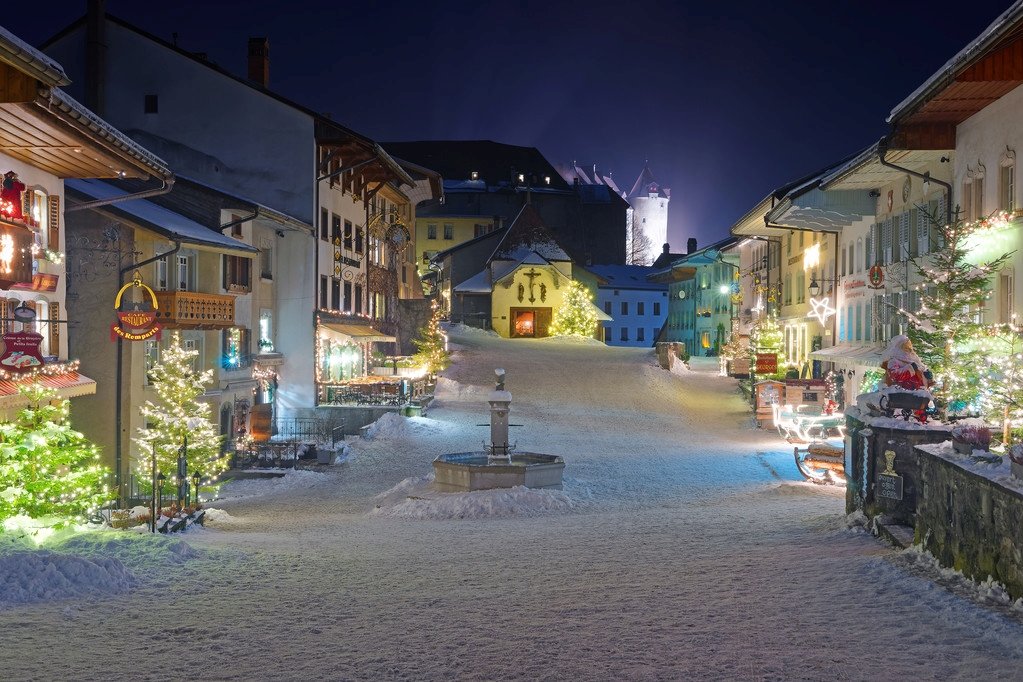
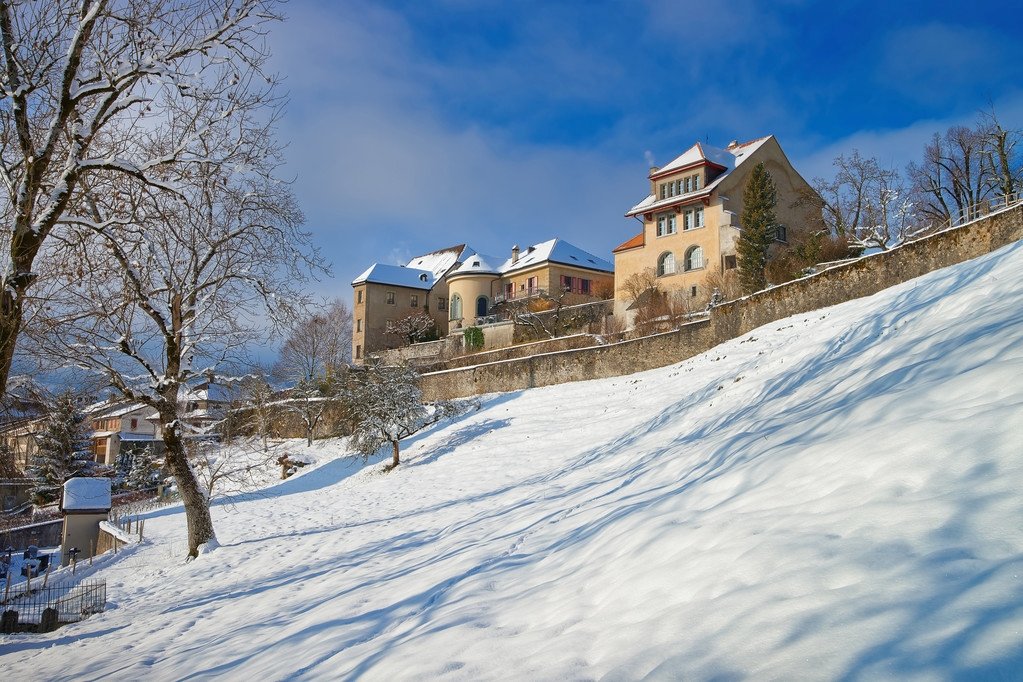
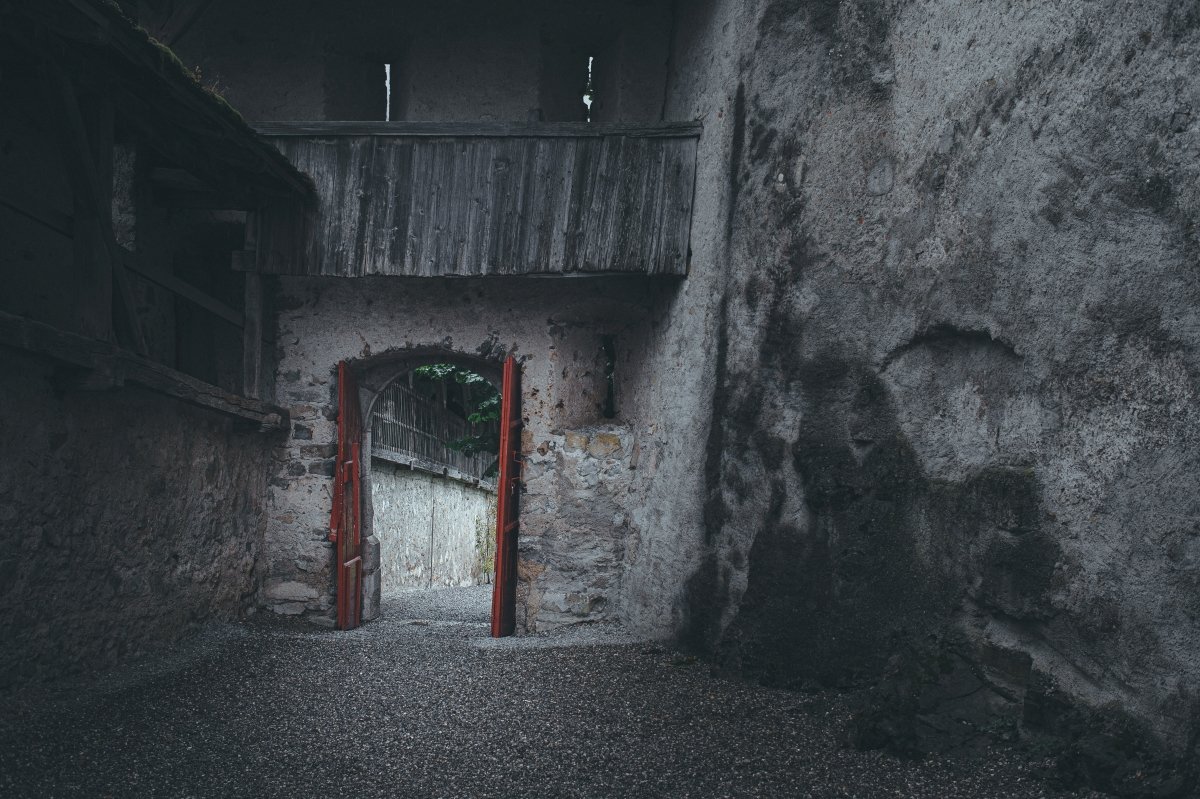
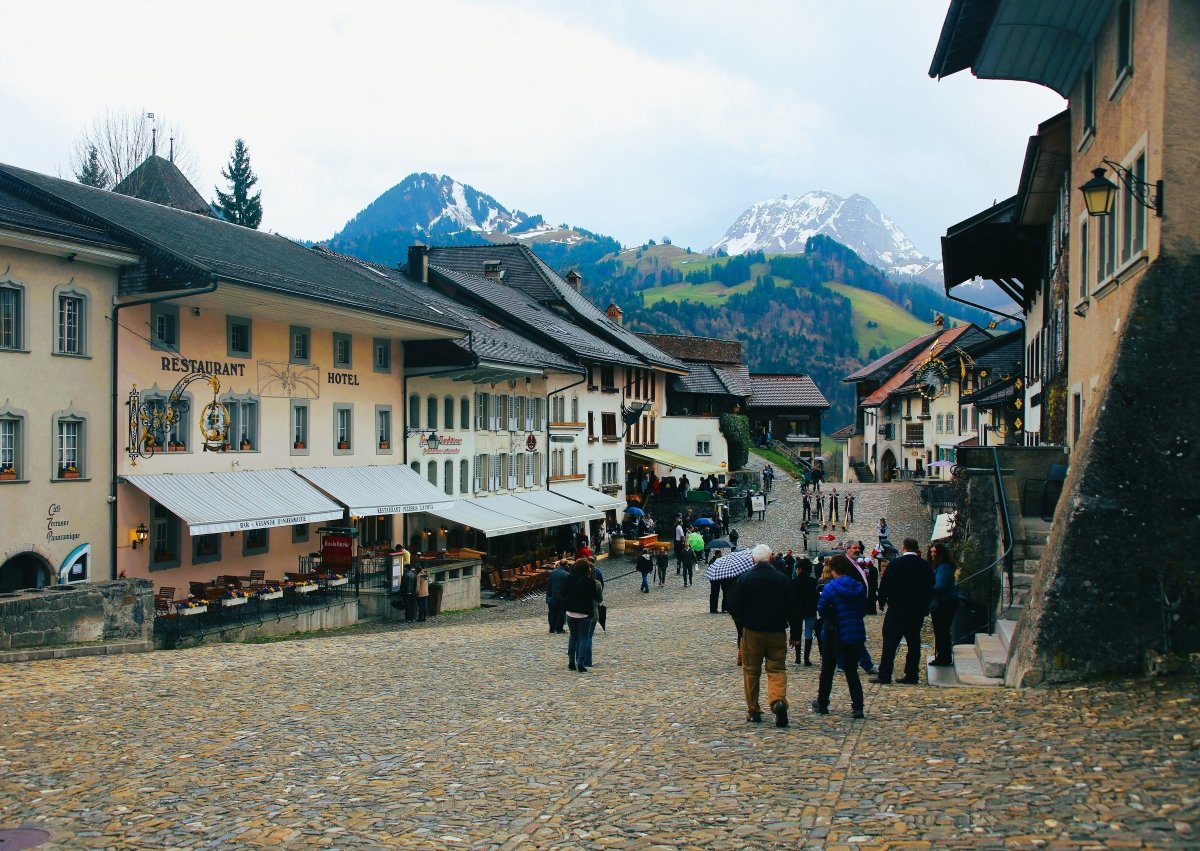
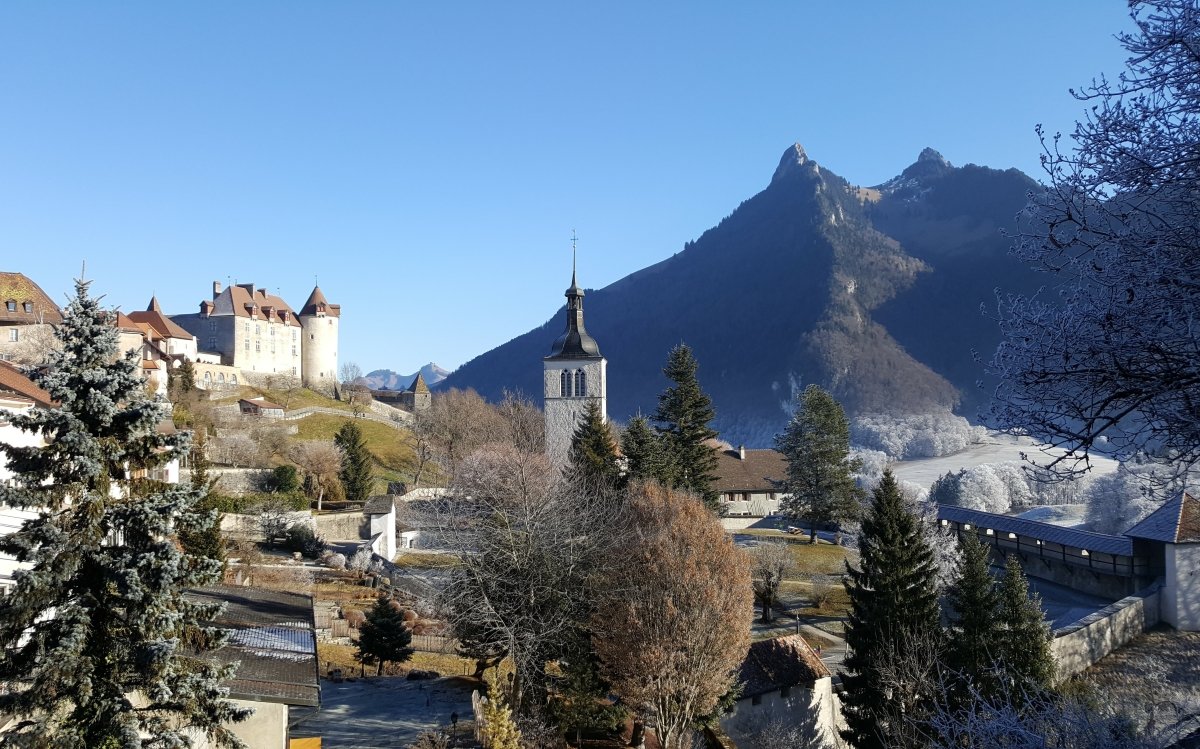
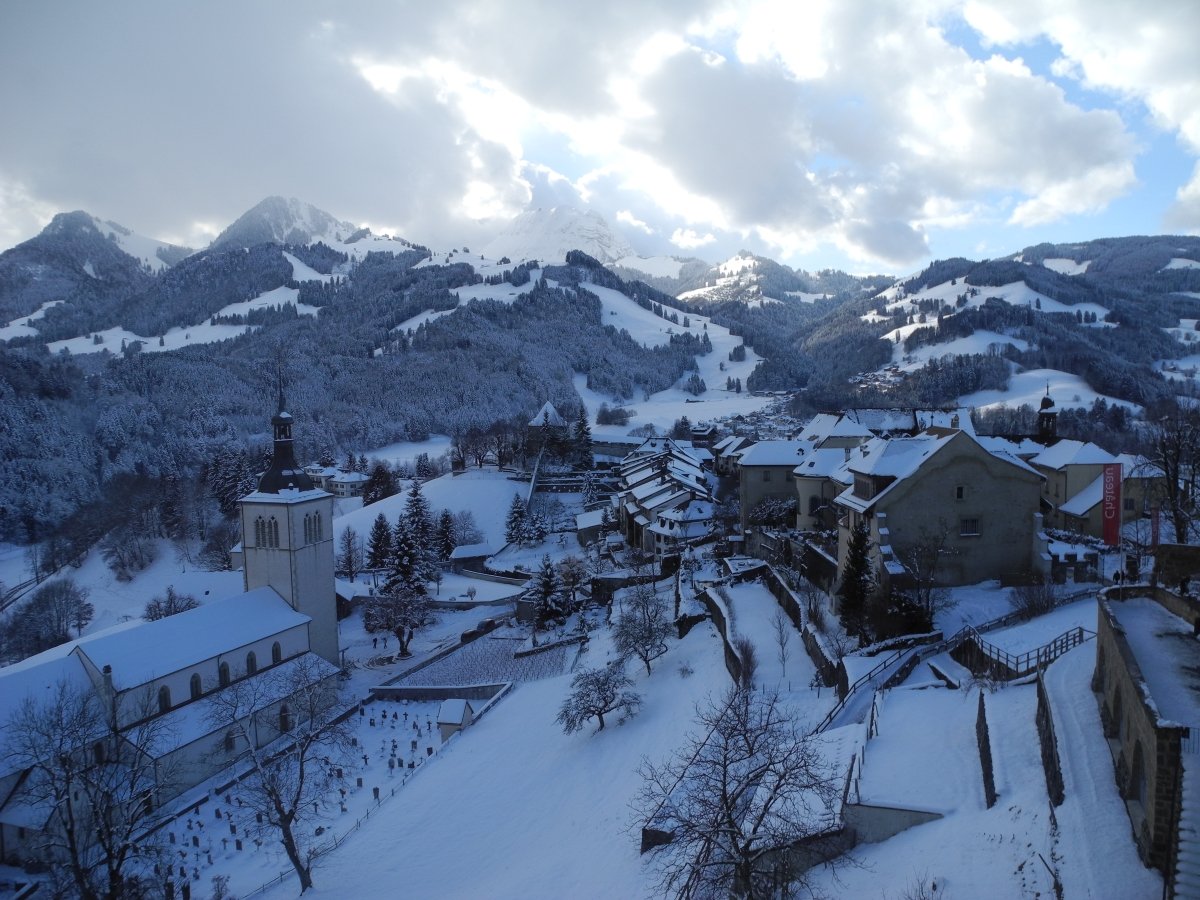
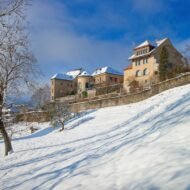
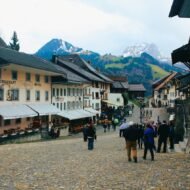
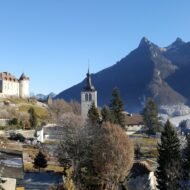
Perched on a hill overlooking the Swiss Alps, Gruyères looks like someone took a fairy tale and carved it into reality. The car-free cobblestone main street leads straight to the castle, with mountains providing a backdrop so perfect it borders on showing off.
Winter Weather: What to Expect
Average temperatures: -2°C to 4°C (28°F to 39°F)
Snow: Highly likely, turning the town into a snow globe
Conditions: Cold and crisp—this is proper Alpine winter
Expect snow-covered rooftops, steaming breath, and that crystalline air that makes everything feel extra alive. Dress like you mean it—thermal layers, good boots, the works.
Getting There & Around
Nearest airports:
- Geneva International (90 km, 1.5 hours)
- Bern Airport (70 km, 1 hour)
Take the train to Bulle, then a 10-minute connecting train to Gruyères. Switzerland’s public transport is so efficient it makes other countries look bad. The village is tiny and entirely walkable.
Where to Stay
Budget-conscious: Stay in nearby Bulle (€70-100) and train in
Mid-range: Hostellerie de Saint-Georges (€120-180) offers cozy Alpine charm
Luxury: Hostellerie des Chevaliers (€200-300) sits right in the medieval center
Pro tip: Switzerland isn’t cheap, but winter rates help. Book packages that include breakfast—Swiss breakfast spreads are legendary.
Food & Dining
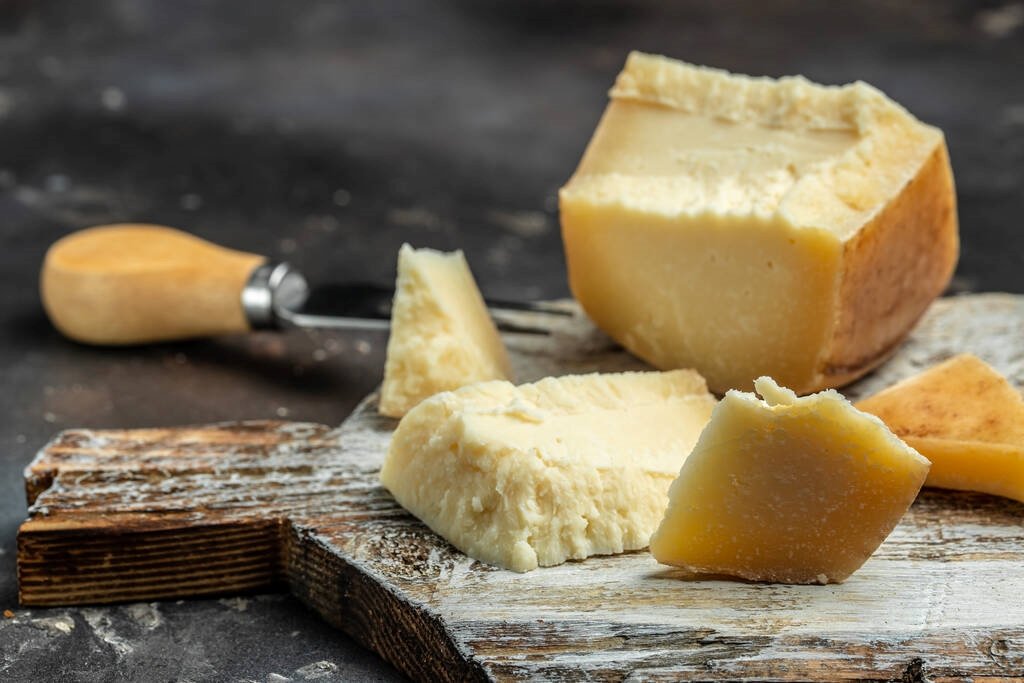
You came to the birthplace of Gruyère cheese. Embrace it.
- Fondue moitié-moitié: The quintessential cheese experience (expect to pay €25-35)
- Double crème de Gruyère: Extra-rich local cheese variety
- Meringues with double cream: Gruyères’ signature dessert, absurdly good
- Raclette: Melted cheese scraped over potatoes and pickles
Visit La Maison du Gruyère dairy for tastings and to watch cheese-making (€7 entry).
Cultural Identity & Must-See Spots
The 13th-century castle dominates everything, and it’s absolutely worth the visit (€12). Eight centuries of history unfold room by room, and the winter views from the ramparts are spectacular.
Must-experiences:
- HR Giger Museum (yes, the “Alien” artist—surprisingly located here)
- Tibet Museum for unexpected cultural contrast
- Cheese dairy tour and tasting
Shopping & Local Traditions
Beyond cheese (which you’ll definitely ship home), look for:
- Swiss chocolates from local chocolatiers
- Hand-painted ceramics
- Regional wines (yes, Switzerland makes excellent wine)
Outdoor Activities
Nearby Moléson mountain offers skiing, snowshoeing, and winter hiking. The village itself is perfect for atmospheric evening strolls when lights glow against snow.
Events & Festivals
La Bénichon (harvest festival, sometimes extends into early winter) celebrates with traditional foods and folk customs passed down for centuries.
Interesting Facts
- The town has only one main street—you literally cannot get lost
- Over 48,000 tons of Gruyère cheese are produced annually in the region
- The castle hosted counts and counts’ wives who threw legendary medieval parties
Budget Breakdown (per day)
Switzerland = pricey. Let’s be real.
- Accommodation: €100-250
- Food: €50-90 (fondue alone runs €25-35)
- Activities: €20-40
- Transportation: €15-30
- Total estimate: €185-410/day
3. Feldkirch, Vorarlberg, Austria: The Hidden Alpine Gem
First Impressions & Atmosphere
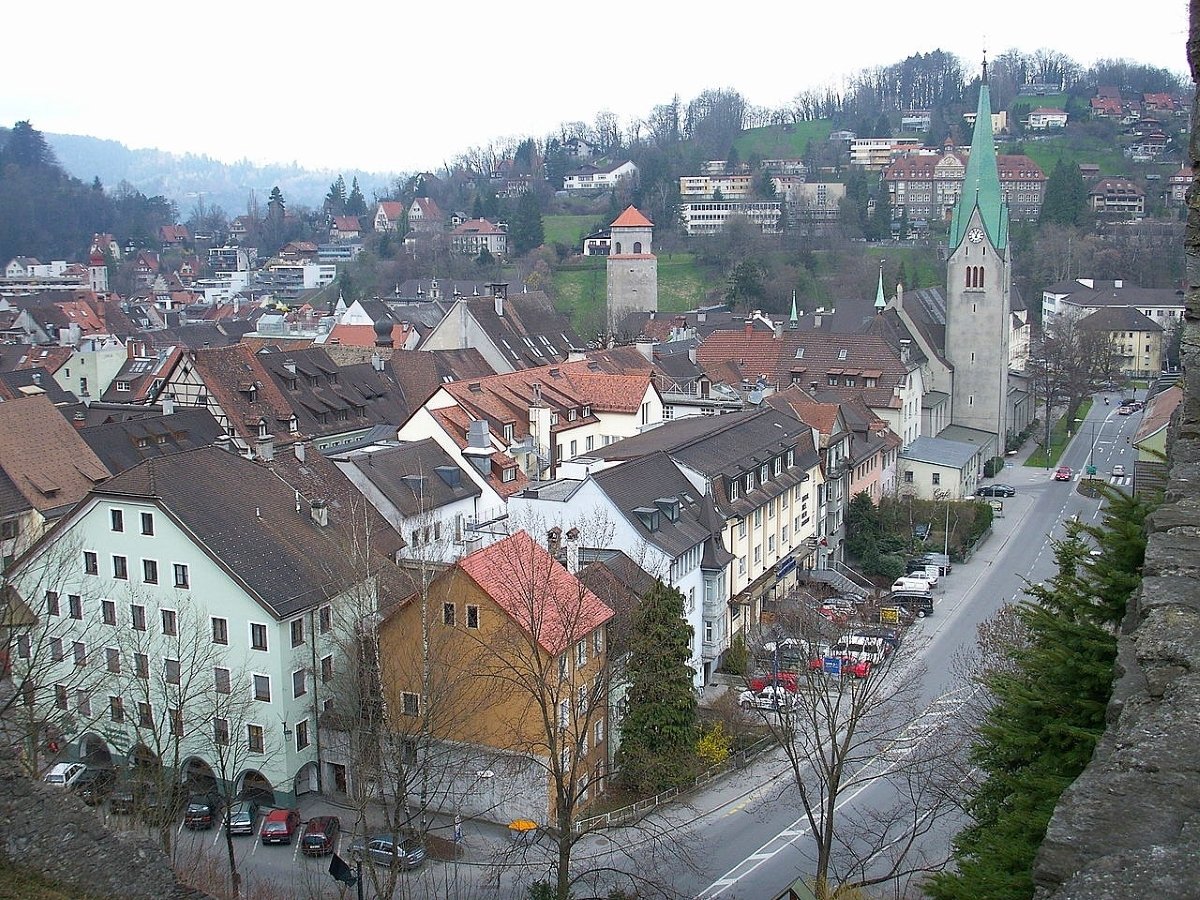
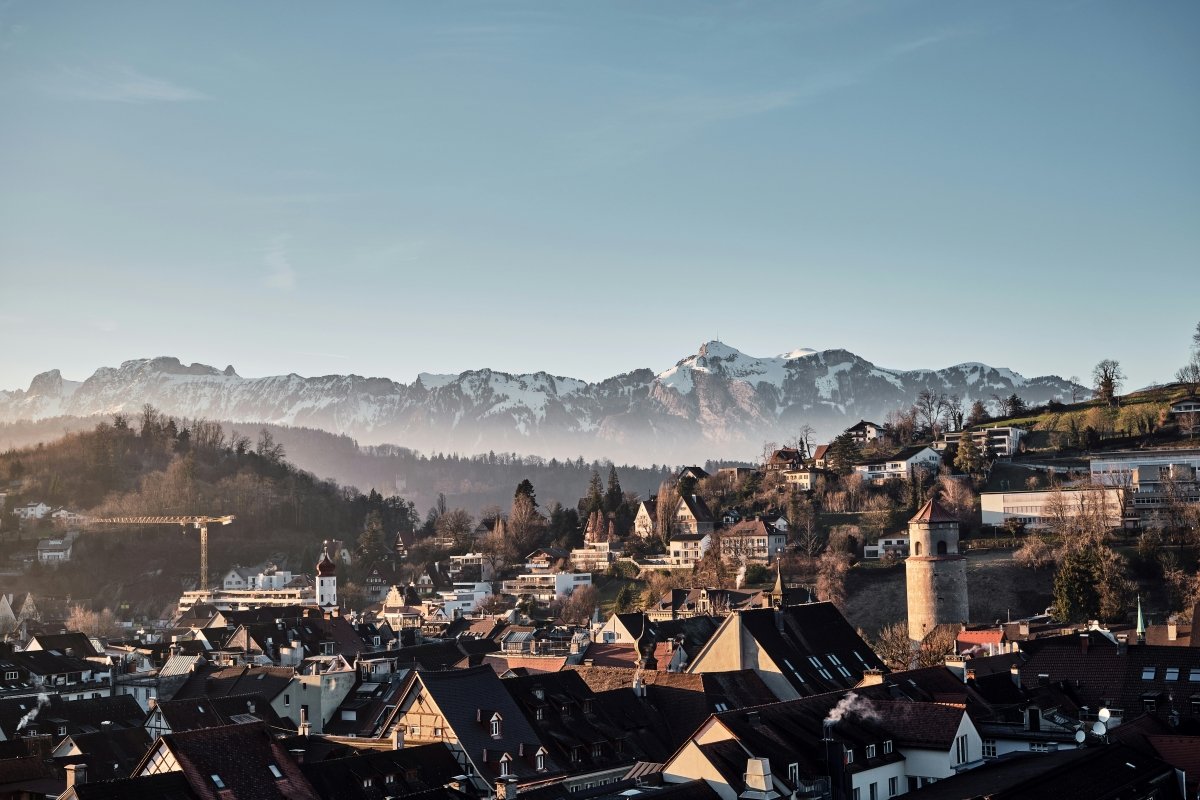
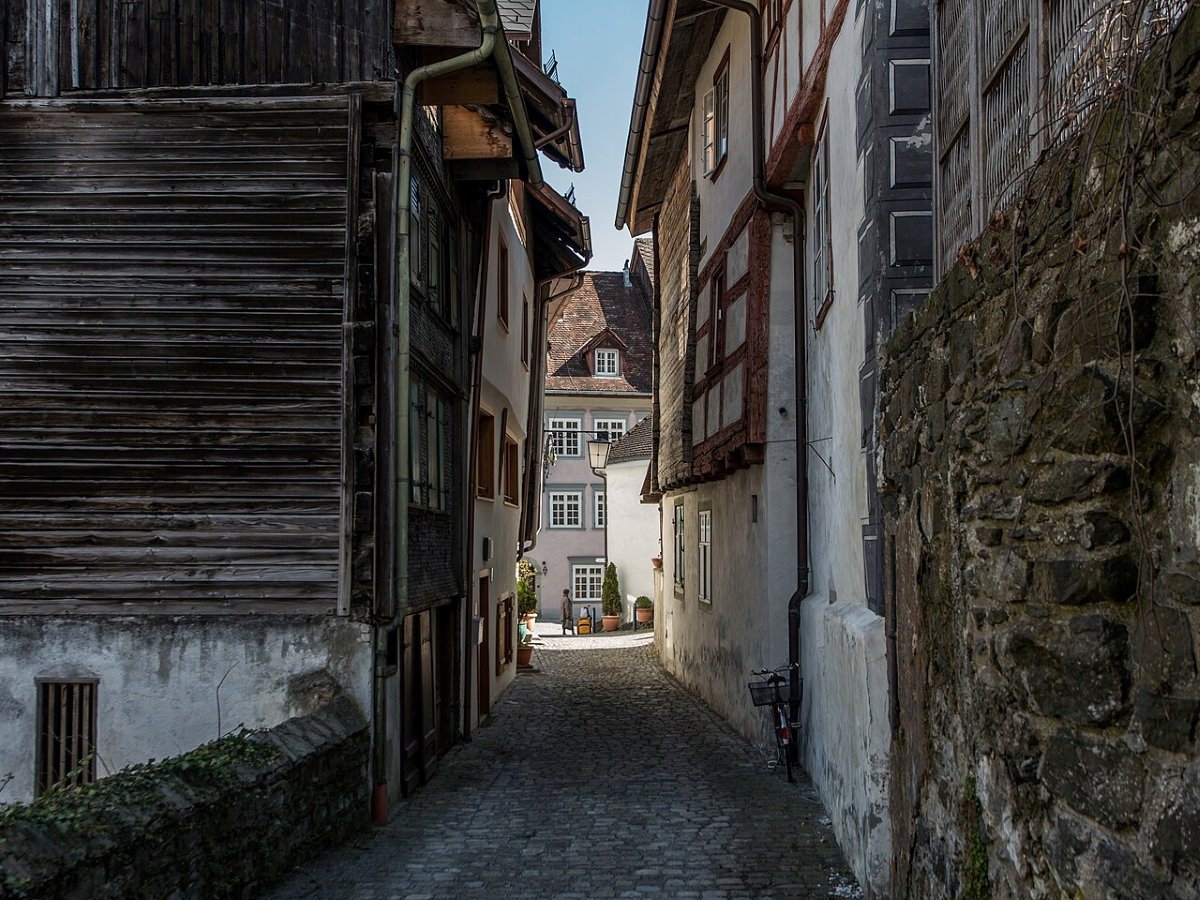
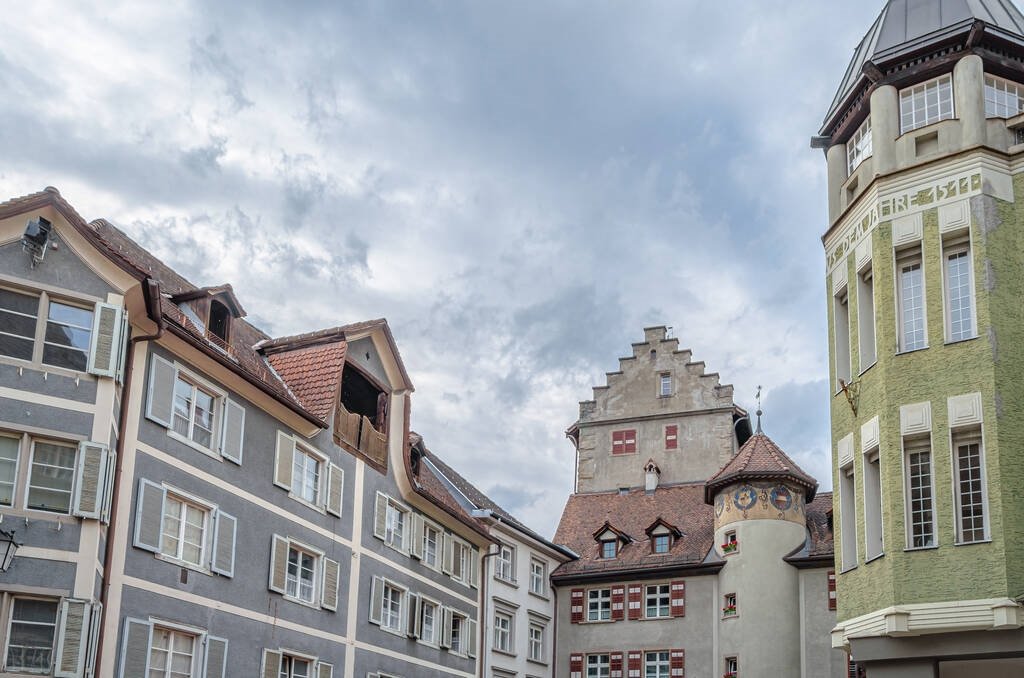
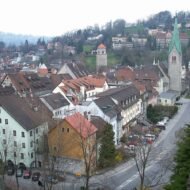
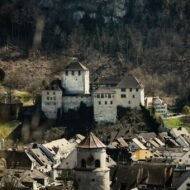
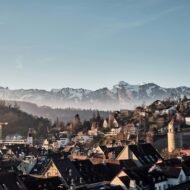
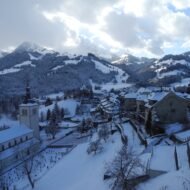
Tucked in Austria’s far western corner near Switzerland and Liechtenstein, Feldkirch flies completely under the tourist radar. This is the medieval town locals don’t want you to know about—authentically Austrian, beautifully preserved, and refreshingly unpretentious.
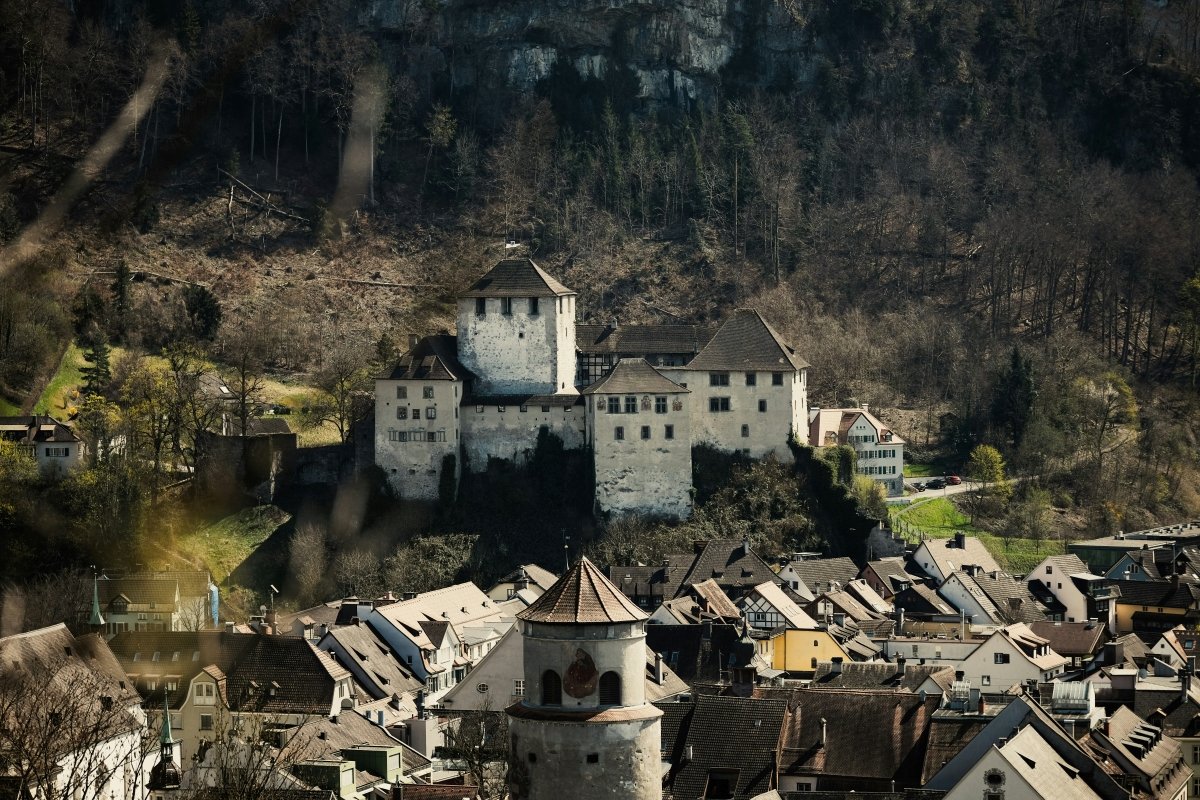
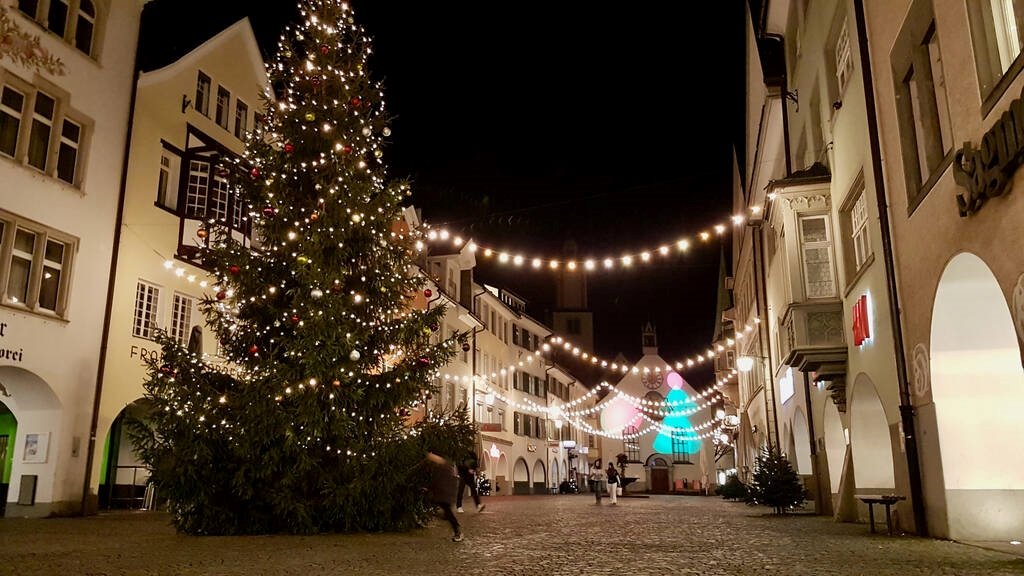
The Schattenburg Castle watches over arcaded streets and painted facades. In winter, Christmas markets transform the squares without the overwhelming crowds of Salzburg or Vienna.
Winter Weather: What to Expect
Average temperatures: -1°C to 5°C (30°F to 41°F)
Snow: Regular occurrences
Mountain influence: Alpine weather brings fresh powder and clear, cold days
It’s proper winter here. When föhn winds blow, temperatures can surprisingly spike, but mostly expect cold, snowy Alpine conditions.
Getting There & Around
Nearest airports:
- Friedrichshafen (60 km, Germany)
- Zurich International (125 km, Switzerland)
- Innsbruck (180 km)
Feldkirch has excellent train connections—Austrian rail makes everything easy. The old town is compact and entirely walkable.
Where to Stay
Budget: Jugendherberge Feldkirch hostel (€30-50) offers clean, simple accommodation
Mid-range: Alpenrose Hotel (€90-140) combines traditional charm with modern comfort
Upscale: Montfort Schlossle (€150-220) delivers boutique luxury in the historic center
Food & Dining
Vorarlberg cuisine blends Austrian, Swiss, and Swabian influences into something unique:
- Käsknöpfle: Cheese spätzle that’ll ruin you for other pasta
- Riebel: A traditional cornmeal dish locals grow up eating
- Vorarlberger Bergkäse: Mountain cheese that rivals Gruyère
- Apfelstrudel: Because you’re in Austria and it’s mandatory
Restaurant budgets: €15-25 lunch, €25-45 dinner per person.
Cultural Identity & Must-See Spots
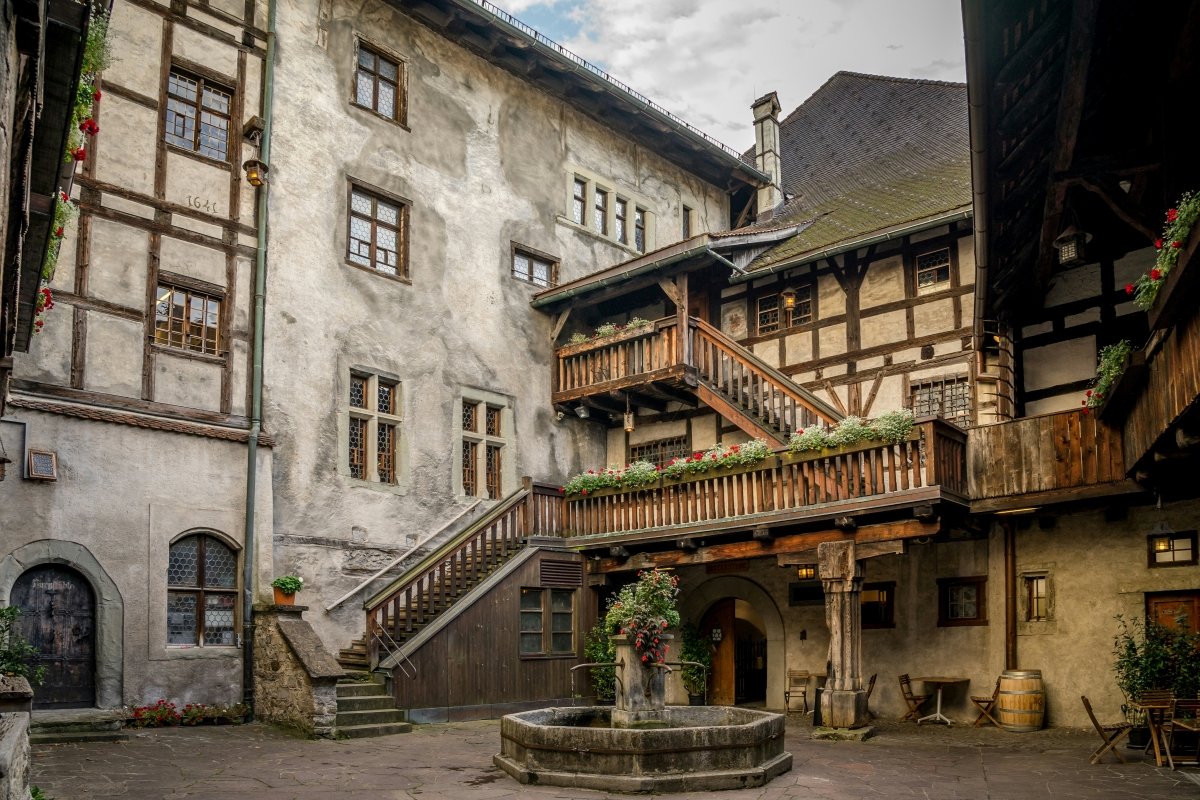
Schattenburg Castle (€7 entry) houses a fascinating medieval museum. The old town’s arcaded streets reveal layers of history—Gothic, Renaissance, and Baroque architecture coexist beautifully.
Key attractions:
- Medieval city gates and fortifications
- Cathedral of St. Nicholas with its twin-tower Gothic facade
- Traditional painted house facades throughout the old town
- Wildlife Park Feldkirch for families
Shopping & Local Traditions
The Saturday market brings farmers from surrounding valleys selling local cheeses, breads, and cured meats. Small boutiques offer Austrian crafts without tourist markup.
Outdoor Activities
The Ill River promenade offers winter walks. Nearby mountains provide skiing, snowshoeing, and winter hiking. Drive 30 minutes to access multiple ski resorts.
Events & Festivals
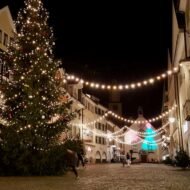
Feldkirch Christmas Market (late November-December) transforms the medieval center into a wonderland. Gauklerfestival (July) is worth noting if planning future visits—it’s one of Europe’s best street performance festivals.
Interesting Facts
- The city successfully defended against Swedish forces in 1647—locals still celebrate this
- Feldkirch was a key medieval trading post between Italy and Germany
- The town once belonged to the Counts of Montfort (yes, like the castle hotel)
Budget Breakdown (per day)
- Accommodation: €60-180
- Food: €35-65
- Activities: €10-30
- Transportation/ski passes: €20-60
- Total estimate: €125-335/day
4. Monsaraz, Portugal: The Hilltop Time Capsule
First Impressions & Atmosphere
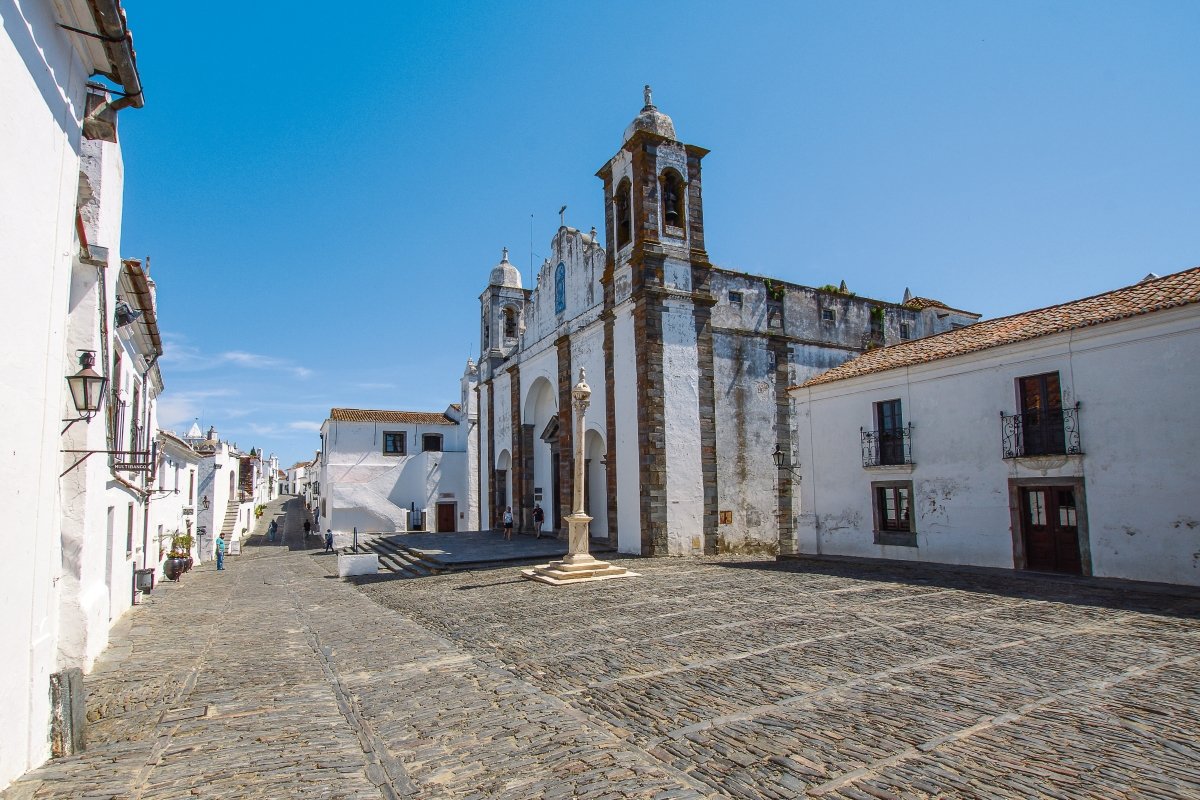
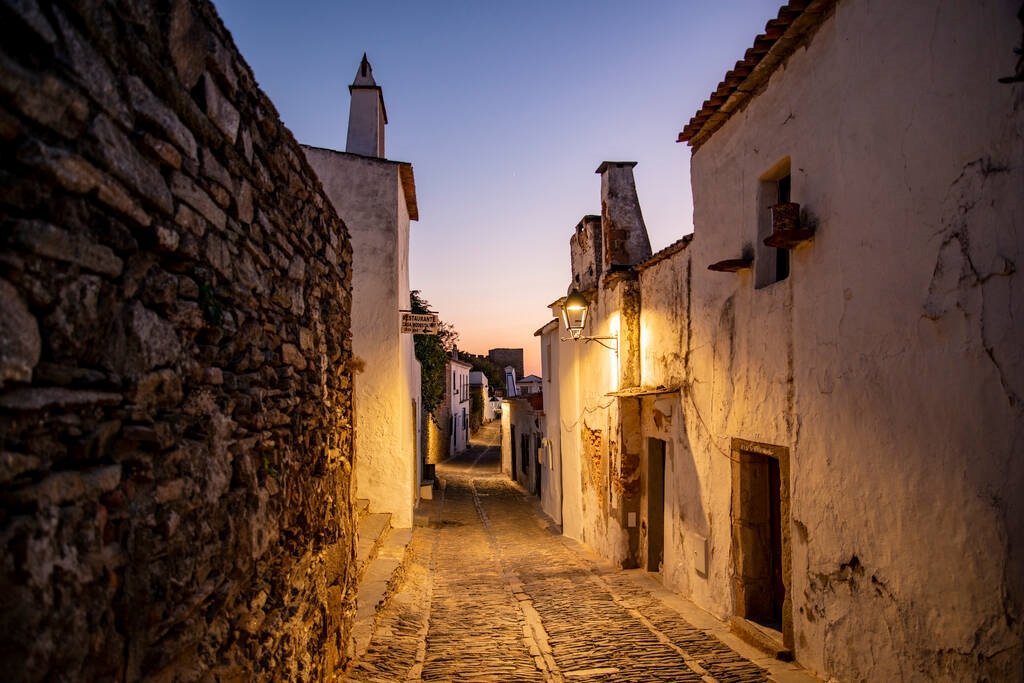
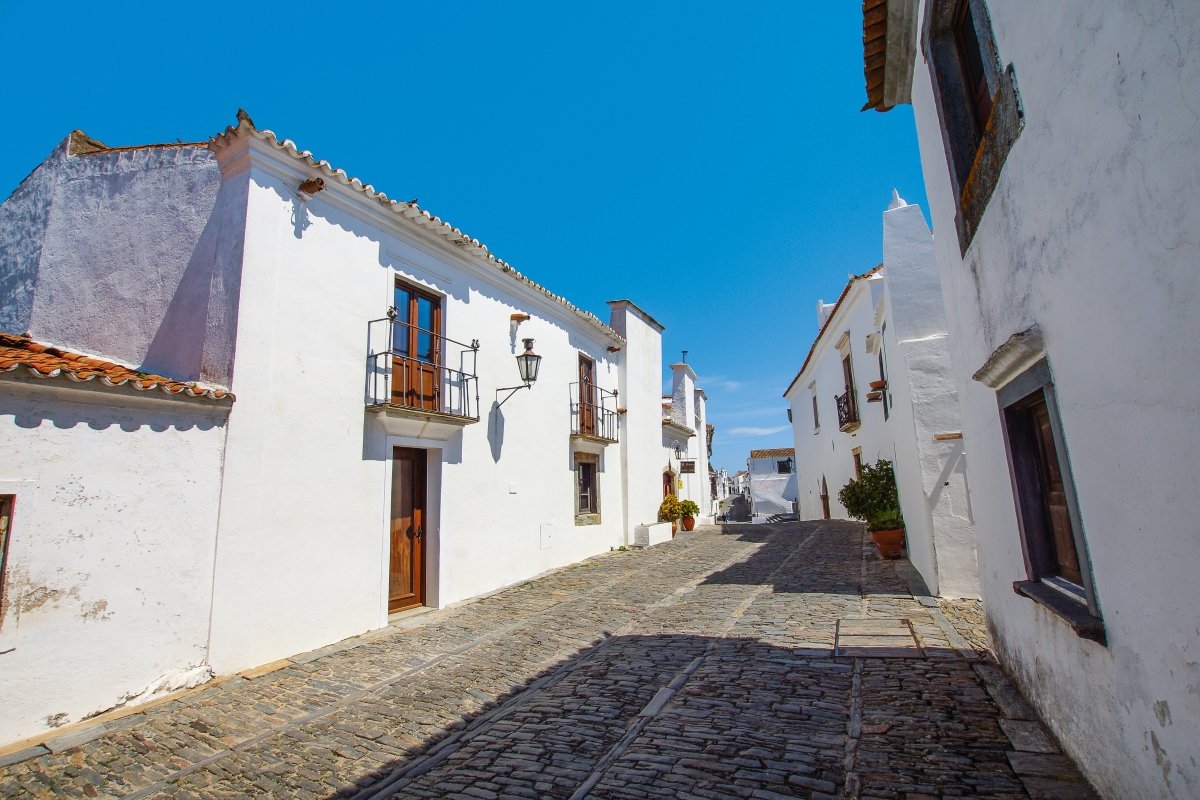
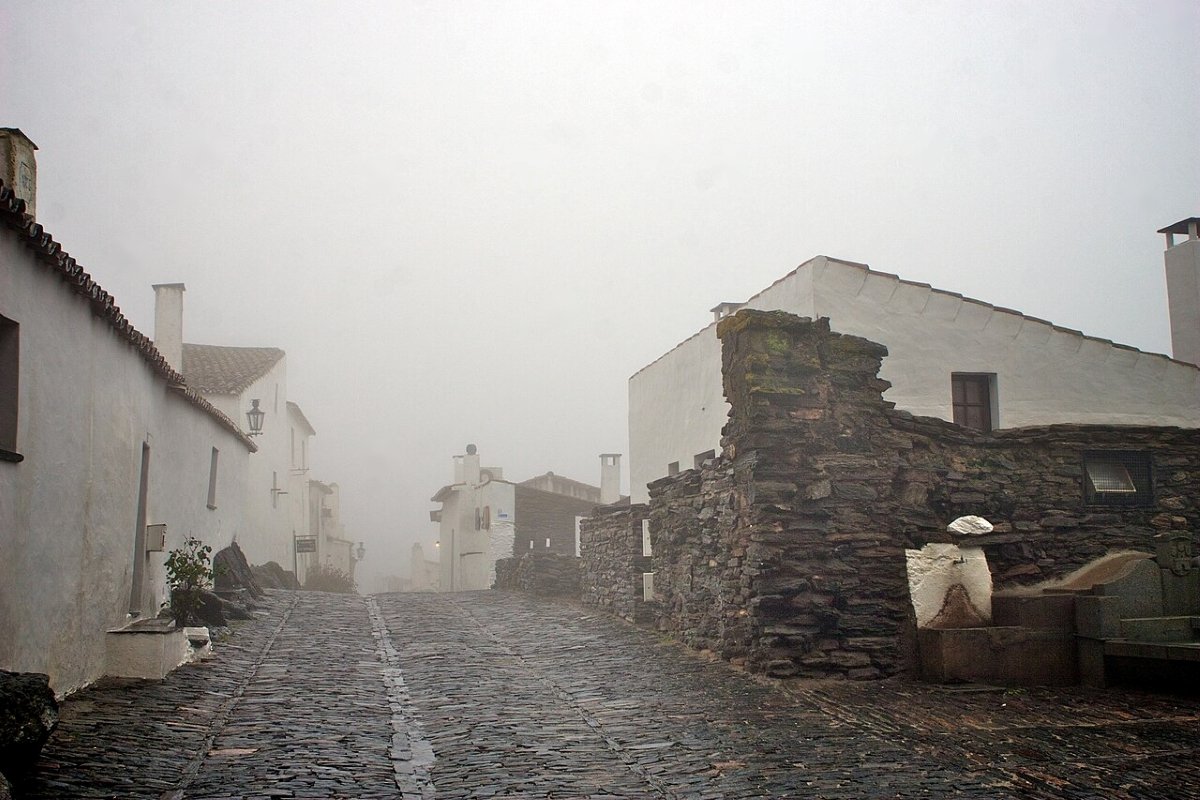
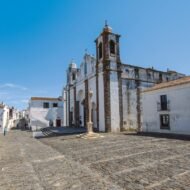
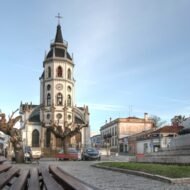
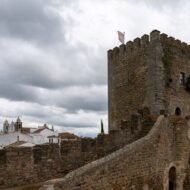
Monsaraz sits atop a hill in Portugal’s Alentejo region like a crown. White-washed medieval buildings enclosed by ancient walls overlook the Alqueva reservoir (Europe’s largest artificial lake) and endless rolling plains.
This isn’t cute-medieval—it’s stark, dramatic, and hauntingly beautiful. Winter adds layers of mystery with fog rolling through valleys and that special quality of light that Portugal does better than anywhere.
Winter Weather: What to Expect
Average temperatures: 5°C to 14°C (41°F to 57°F)
Rainfall: Moderate, with many sunny days
Conditions: Mild compared to northern Europe, but can be windy on the hilltop
This is Mediterranean climate winter—cool but manageable. Occasional rainy days are perfect for museum-hopping and long lunches.
Getting There & Around
Nearest airports:
- Lisbon Portela (200 km, 2 hours)
- Faro (180 km, 2 hours)
Rent a car—essential for exploring Alentejo and reaching this remote gem. The village itself is tiny; you’ll walk everywhere in 20 minutes.
Where to Stay
Budget-friendly: Casa Pinto offers simple rooms (€50-80) in traditional houses
Mid-range: Horta da Moura Hotel (€90-140) sits just outside walls with stunning views
Luxury experience: Casa Dona Antónia (€150-220) delivers boutique charm with modern amenities
Several guesthouses offer authentic Portuguese hospitality at reasonable prices.
Food & Dining
Alentejo cuisine is Portugal’s rustic soul food:
- Carne de porco à alentejana: Pork with clams—sounds weird, tastes incredible
- Açorda: Bread stew with garlic, egg, and coriander
- Queijo de ovelha: Local sheep cheese
- Alentejo wines: This region produces some of Portugal’s best reds
Meals run €10-20 lunch, €20-35 dinner. Wine is criminally affordable.
Cultural Identity & Must-See Spots
This fortified village dates to prehistoric times, with layers of Celtic, Roman, Visigothic, and Moorish history. The castle and church dominate the skyline.
Must-see:
- Walk the complete circuit of medieval walls
- Castle keep with 360-degree views
- Church of Nossa Senhora da Lagoa
- Observatory for stargazing (Alentejo has minimal light pollution)
- Cromeleque do Xerez (nearby megalithic stone circle)
Shopping & Local Traditions
Small shops sell handmade wool blankets, cork products, pottery, and Alentejo wines. Everything feels authentic because it is—this isn’t a tourist village masquerading as medieval.
Outdoor Activities
Winter hiking across Alentejo plains offers solitude and bird-watching. The reservoir enables water sports in milder weather. Nearby cork forests provide unique landscapes.
Events & Festivals
Festa de Nossa Senhora das Candeias (early February) brings religious processions and traditional music. Most festivals happen in summer, making winter appealingly quiet.
Interesting Facts
- Only about 50 people live permanently within the walls
- The reservoir created beneath the village is so large it affects local microclimates
- Monsaraz is one of Portugal’s oldest settlements—over 4,000 years of continuous habitation
- It’s designated one of Portugal’s Historic Villages
Budget Breakdown (per day)
Portugal remains incredibly affordable:
- Accommodation: €50-150
- Food: €25-50
- Activities: €5-15
- Car rental/fuel: €30-50
- Total estimate: €110-265/day
5. Mittenwald, Germany: The Village of “Living Paintings”
First Impressions & Atmosphere
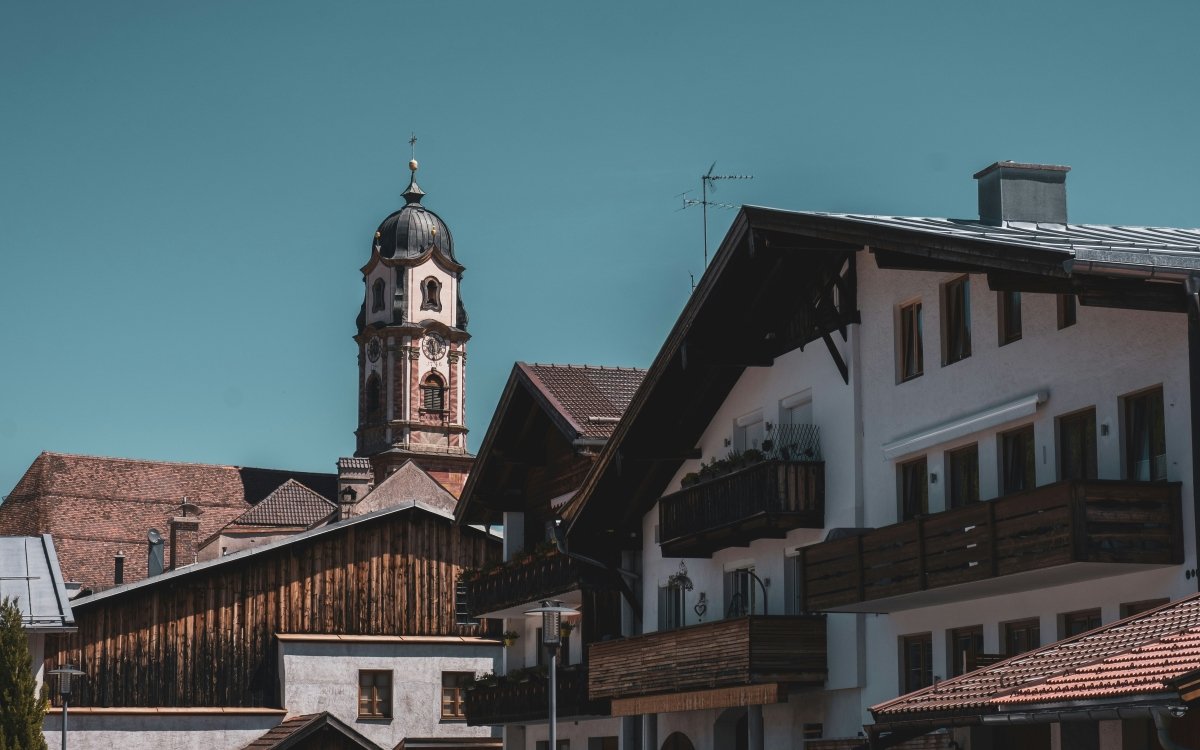
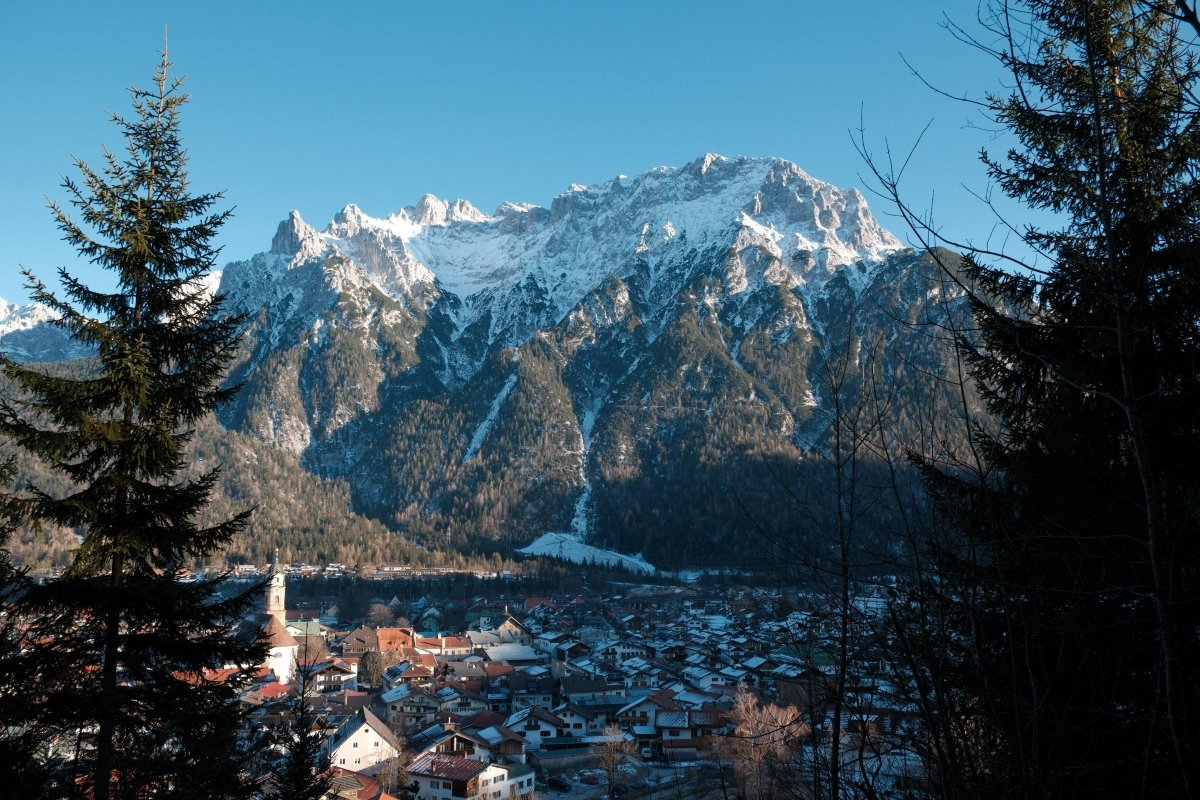
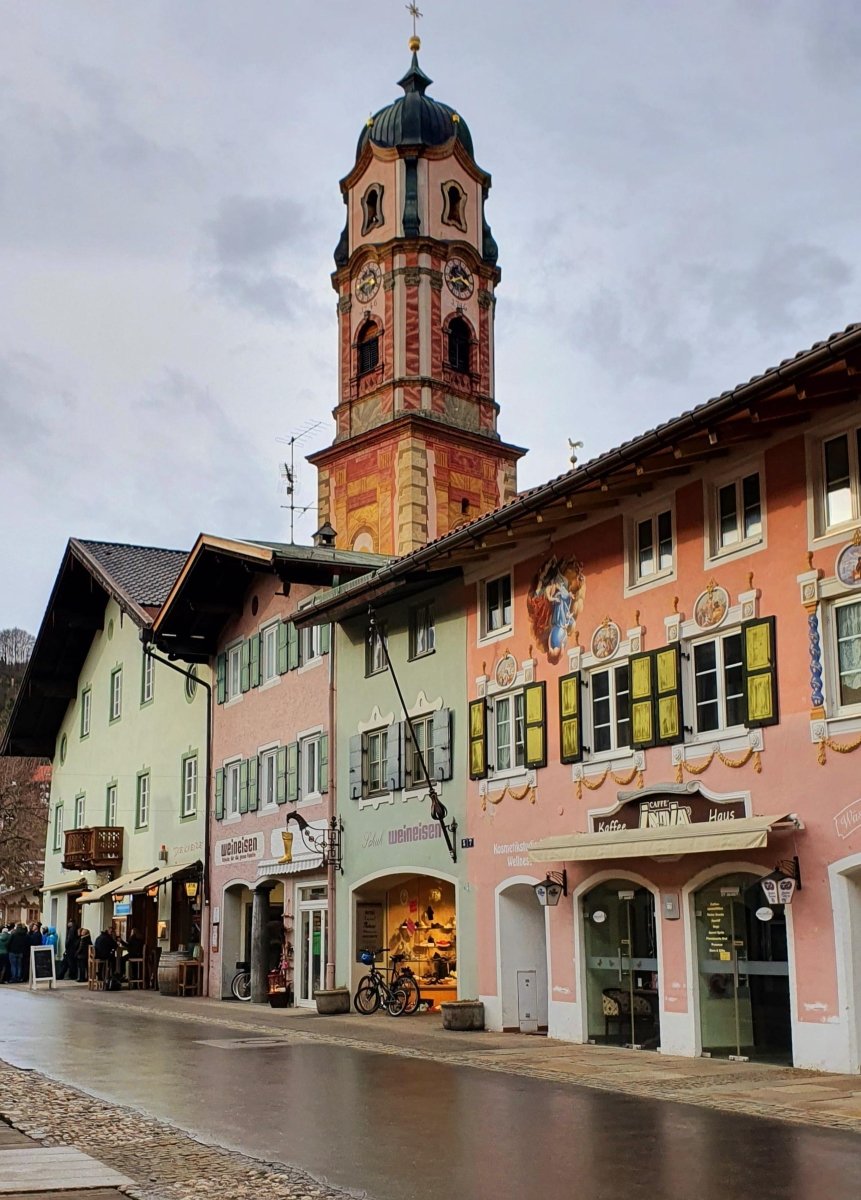
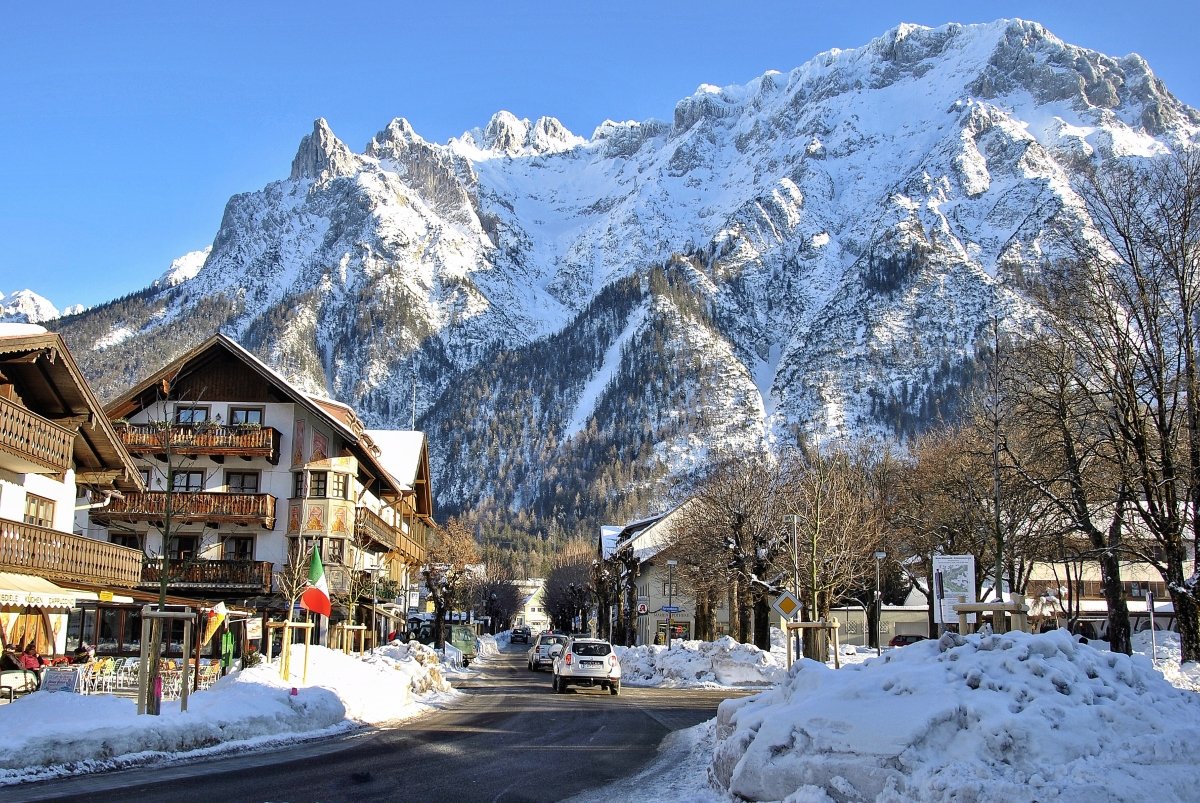
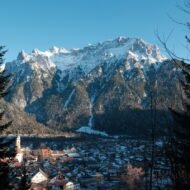
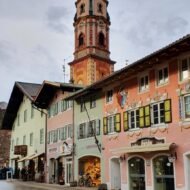
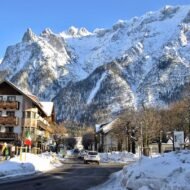
Nestled in the Bavarian Alps near the Austrian border, Mittenwald looks like someone illustrated a storybook and forgot to mention it wasn’t real. Houses explode with Lüftlmalerei—elaborate trompe-l’oeil paintings covering entire facades. Add snow-capped mountains surrounding everything, and you’ve got Bavaria at its most photogenic.
Winter here means Christmas market charm without Munich’s crowds, Alpine sports access, and that cozy Bavarian gemütlichkeit everyone talks about.
Winter Weather: What to Expect
Average temperatures: -5°C to 3°C (23°F to 37°F)
Snow: Abundant—this is proper Alpine territory
Conditions: Cold, snowy, perfect for winter sports
Expect legitimate winter. The mountains create their own weather systems, so snow comes often and stays. Dress accordingly.
Getting There & Around
Nearest airports:
- Munich International (120 km, 1.5 hours)
- Innsbruck (40 km, 45 minutes)
Drive or take the train from Munich—the route through the Alps is spectacular. Local buses connect to ski areas. The village center is pedestrian-friendly.
Where to Stay
Budget: Gästehaus accommodations (€50-80) offer Bavarian hospitality
Mid-range: Hotel Post (€100-150) delivers Alpine charm centrally located
Premium: Alpenhotel Karwendel (€180-260) combines luxury with mountain access
Many hotels include breakfast and have wellness areas (saunas are serious business in Bavaria).
Food & Dining
Bavarian comfort food meets Alpine heartiness:
- Schweinebraten: Roast pork with dumplings and red cabbage
- Käsespätzle: Cheese noodles that’ll make you forget diet goals
- Kaiserschmarrn: Shredded pancake with plum compote—technically dessert, actually a meal
- Glühwein: Mulled wine essential for Christmas markets
- Local beer: This is Bavaria. Beer is practically a food group.
Expect €12-20 lunch, €20-40 dinner.
Cultural Identity & Must-See Spots
Mittenwald built its wealth on violin-making—Matthias Klotz established the tradition in 1684. The Geigenbau Museum (€6) reveals this craft heritage.
Must-experience:
- Walk Obermarkt street to see the painted houses
- St. Peter and Paul Church with trompe-l’oeil ceiling
- Karwendel cable car for mountain views (€20 round trip)
- Violin-making workshops
- Nearby Leutasch Spirit Gorge (winter accessible)
Shopping & Local Traditions
Beyond violin-related crafts, look for:
- Traditional Bavarian dirndls and lederhosen (yes, locals actually wear them)
- Wood carvings and Christmas ornaments
- Alpine herbs and teas
- Local schnapps varieties
Outdoor Activities
This is winter sports central:
- Skiing at Mittenwald’s own slopes or nearby Garmisch
- Cross-country skiing through valley trails
- Winter hiking with marked routes
- Snowshoeing in the Karwendel mountains
- Ice skating on cleared outdoor rinks
Events & Festivals
Christmas Market (late November-December) brings authentic Bavarian holiday atmosphere. Krampuslauf (early December) features scary Alpine demons chasing people—traditional, terrifying, unforgettable.
Interesting Facts
- Over 80% of buildings feature Lüftlmalerei paintings
- The village produced violins that competed with Italian masterpieces
- Mittenwald sits on the historic trade route between Venice and Augsburg
- Richard Strauss composed here, inspired by the mountains
Budget Breakdown (per day)
- Accommodation: €70-200
- Food: €30-60
- Ski passes/activities: €30-60
- Transportation: €20-40
- Total estimate: €150-360/day
Ranking Summary: Best Winter Medieval Towns
Best for Budget Travelers: Monsaraz, Portugal
Affordable accommodation, cheap excellent food, and lower entrance fees make Portugal the wallet-friendly winner. Daily costs can stay under €150 easily.
Best for Food Lovers: San Gimignano, Italy
Tuscan cuisine in winter is peak comfort food. Between the wine, wild boar, and world-champion gelato, your taste buds will never forgive you if you skip this.
Best for Winter Sports: Mittenwald, Germany
Immediate ski access, winter hiking, and Alpine activities combined with medieval charm make it the active traveler’s dream.
Best for Atmosphere: Gruyères, Switzerland
The castle, the Alps, the snow, the cheese—it’s the complete fairy-tale package. Most photogenic option by far.
Best Hidden Gem: Feldkirch, Austria
Authentic, affordable (by Alpine standards), and blissfully uncrowded. Feels like a secret locals are reluctantly sharing.
Accessibility Winner: San Gimignano
Easiest to reach, most accommodation options, and best infrastructure for varying mobility needs.
Most Romantic: Gruyères
If you’re not proposing on the castle ramparts overlooking snowy Alps, you’re doing romance wrong.
Best Value Overall: Feldkirch
Combines Alpine beauty, medieval authenticity, and reasonable costs. Swiss access without Swiss prices.
Recap: Your Winter Medieval Town Checklist
Choose San Gimignano if: You want Tuscan wine country, milder weather, and Italian food culture in a UNESCO World Heritage setting.
Choose Gruyères if: You’re ready to embrace Alpine winter fully, love cheese more than life itself, and want that fairy-tale castle experience.
Choose Feldkirch if: You want authentic Austrian culture without tourist crowds, excellent value, and easy access to multiple countries.
Choose Monsaraz if: You prefer milder Mediterranean winter, dramatic landscapes, affordability, and genuine Portuguese character.
Choose Mittenwald if: Winter sports matter to you, you love Bavarian culture, and painted houses make your photographer heart sing.
Pro tips for all destinations:
- Book accommodation 2-3 months ahead for best rates
- Winter means fewer tourists but some attractions may have reduced hours
- Pack layers—medieval towns equal old buildings with variable heating
- Travel insurance covering winter sports if you ski
- Learn basic local phrases—small towns appreciate the effort
- Allow flexibility for weather-dependent activities
What to pack universally:
- Waterproof boots with good traction
- Thermal layers and waterproof outer shell
- Power adapter (European plugs)
- Portable charger (cold drains batteries)
- Reusable water bottle
- Small day pack for walking
- Camera/phone with extra storage for photos
Disclaimer
Travel information accuracy: This guide was compiled in January 2026. Prices, hours, and availability can change. Always verify current information with official tourism websites, accommodation providers, and local authorities before booking.
Weather variability: Climate patterns shift. While averages provide guidance, actual conditions may differ. Check detailed forecasts as your travel dates approach.
Budget estimates: Costs vary based on exchange rates, personal spending habits, season, and specific choices. Our estimates represent typical mid-range travel and should be used as guidelines rather than guarantees.
COVID-19 and travel restrictions: While not mentioned throughout this guide, verify current entry requirements, health protocols, and any restrictions for each destination and your origin country.
Accessibility: While we’ve noted general accessibility information, visitors with specific mobility needs should contact accommodations and attractions directly to confirm suitability.
Personal safety: These destinations are generally safe, but standard travel precautions apply. Secure valuables, stay aware of surroundings, and follow local guidance.
Activity risks: Winter sports and outdoor activities carry inherent risks. Use appropriate equipment, follow safety guidelines, and consider travel insurance with activity coverage.
Currency: Prices listed in euros (€) are approximate. Switzerland uses Swiss Francs (CHF); conversions provided are estimates.
Affiliate disclosure: This guide contains no affiliate links or paid placements. All recommendations are based on research and are provided for informational purposes.
Now stop reading and start booking. These medieval gems are waiting, and winter doesn’t last forever.