


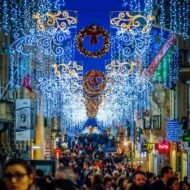
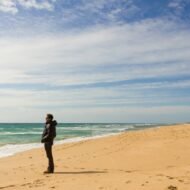
TL;DR: Southern Europe transforms into a winter paradise with mild coastal weather, world-class skiing in the Alps and Pyrenees, festive Christmas markets, and authentic cultural experiences minus the summer crowds. From Greece’s sunny islands to Spain’s Sierra Nevada slopes, these five destinations offer something for every traveler and budget.
1. 🥇 Andalusia, Spain (User Rating: 4.8/5)
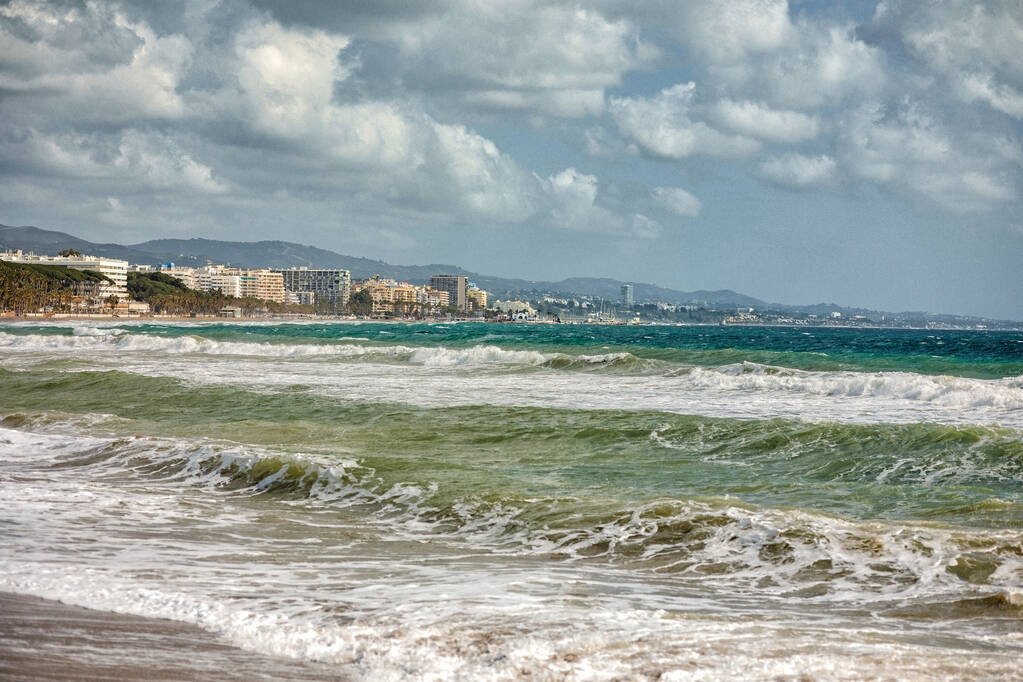
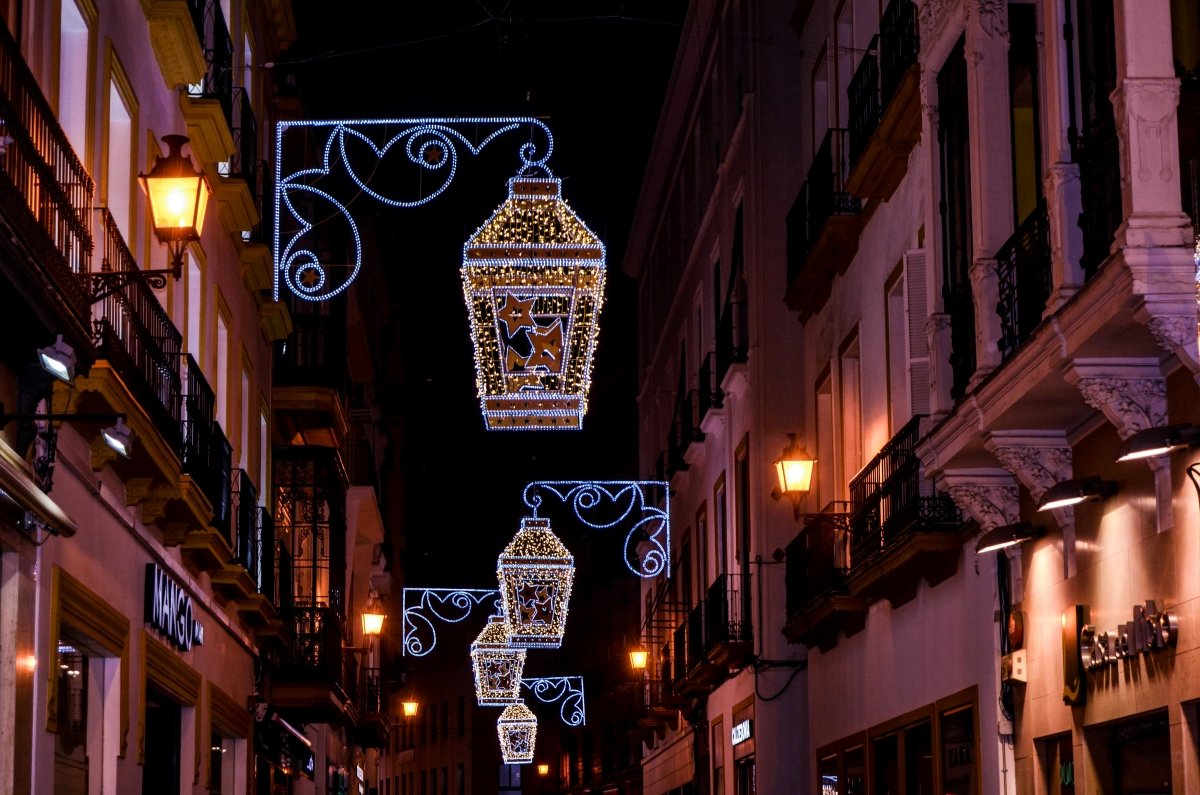
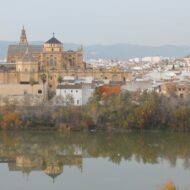
Picture this: you’re sipping café con leche in a sunny plaza while Northern Europe freezes. That’s winter in Andalusia, where temperatures hover around 15-20°C (59-68°F) and the sky stays brilliantly blue.
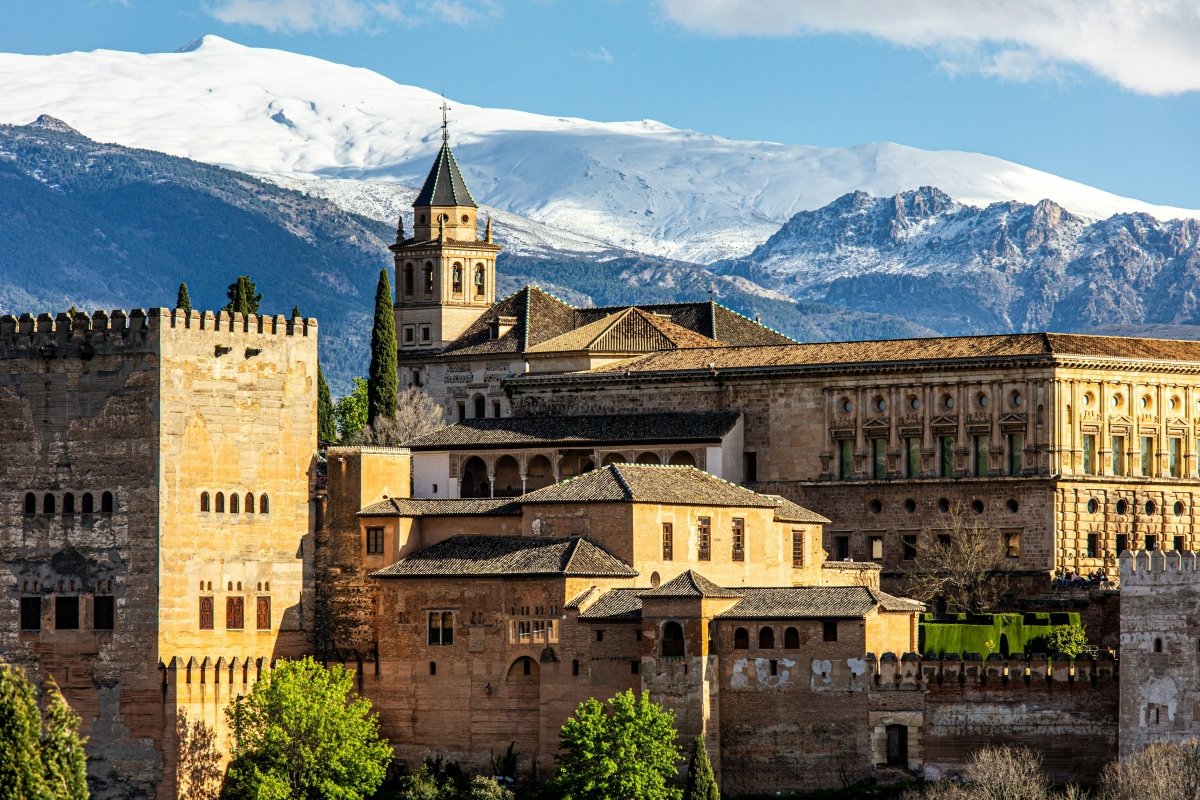
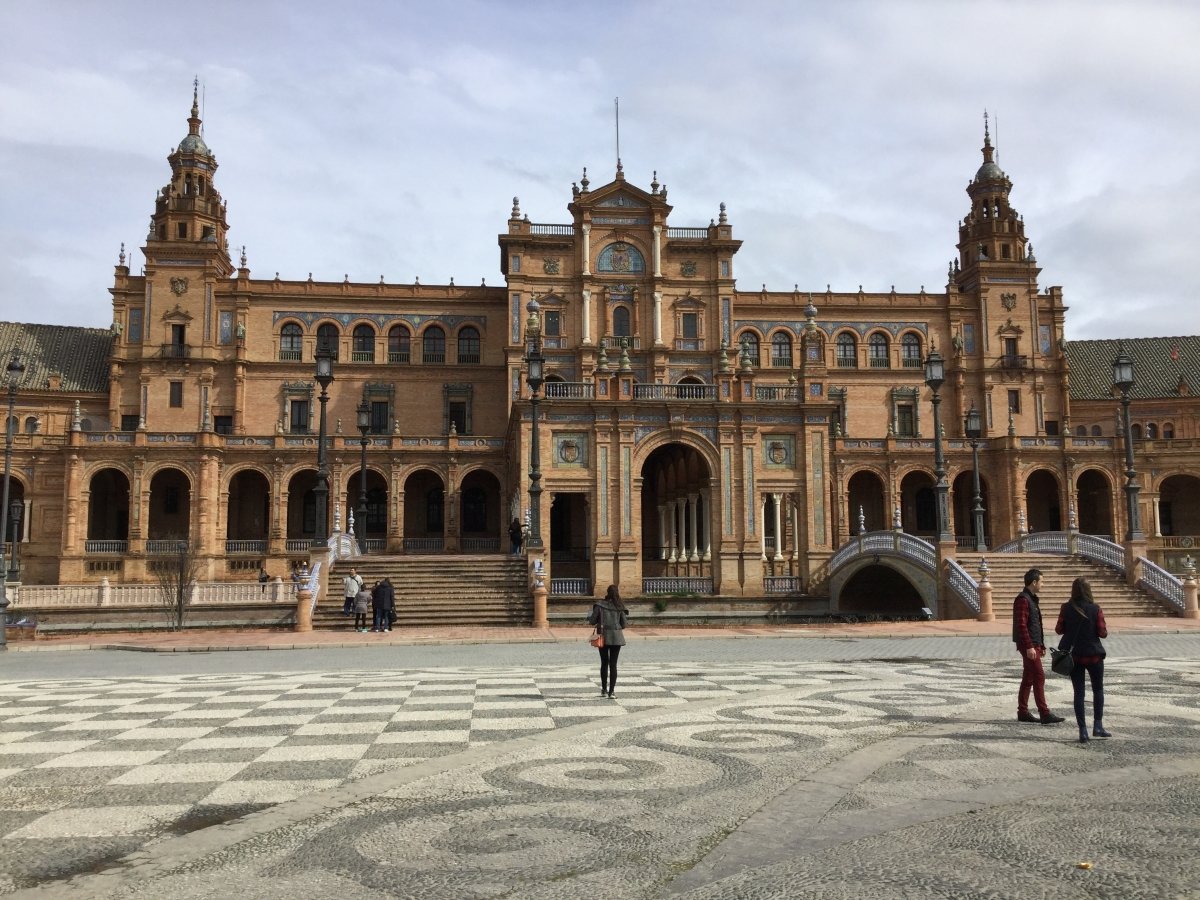
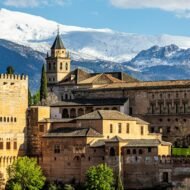
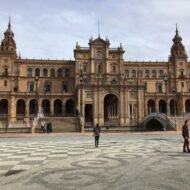
Why Families Love It The beaches might be too cool for swimming, but kids absolutely light up at Seville’s Plaza de España (Star Wars fans, you’ll recognize it), Granada’s Alhambra with its fairy-tale gardens, and the interactive Museo de la Ciencia in Granada. Plus, the slower winter pace means shorter lines and happier little ones.
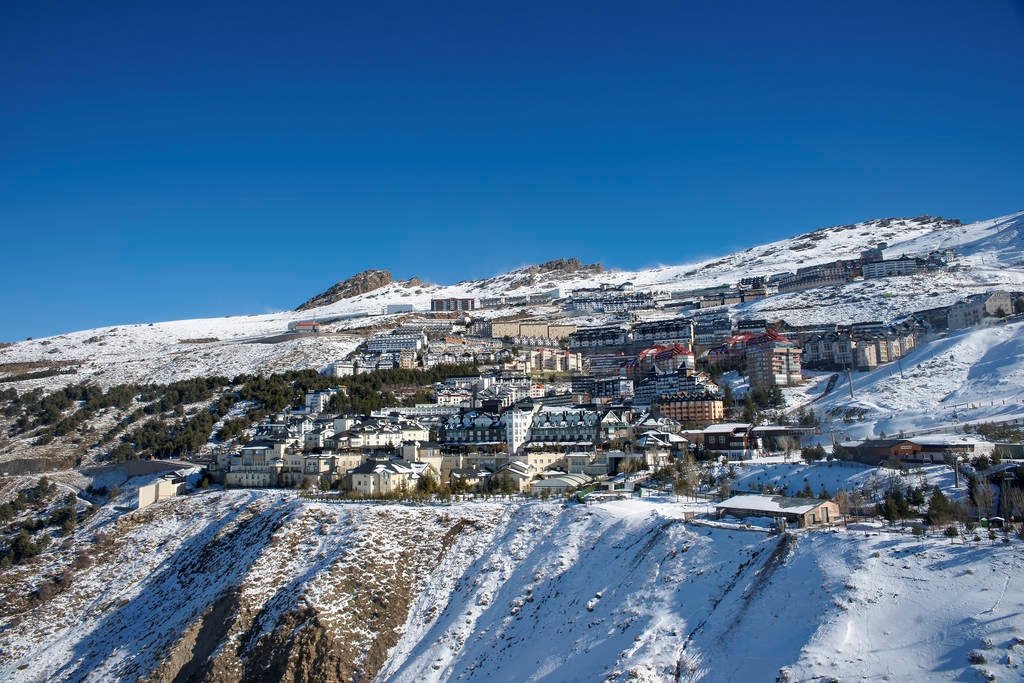
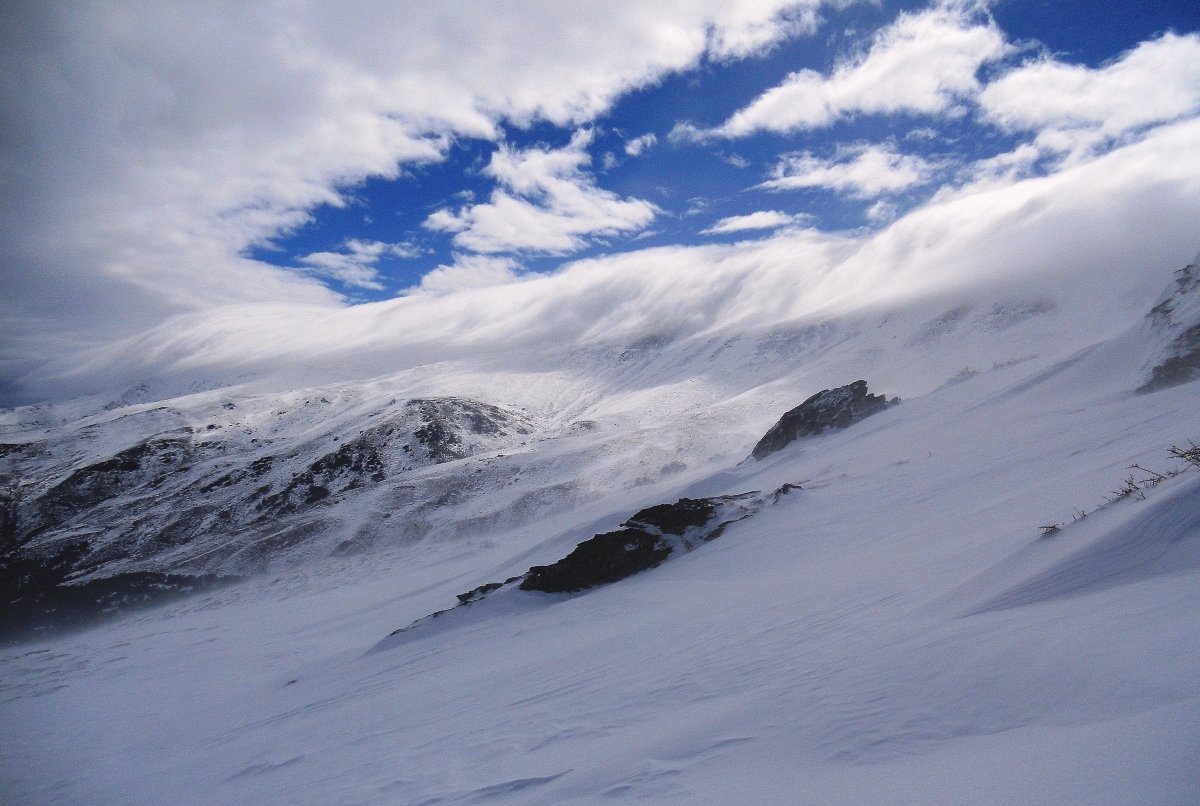
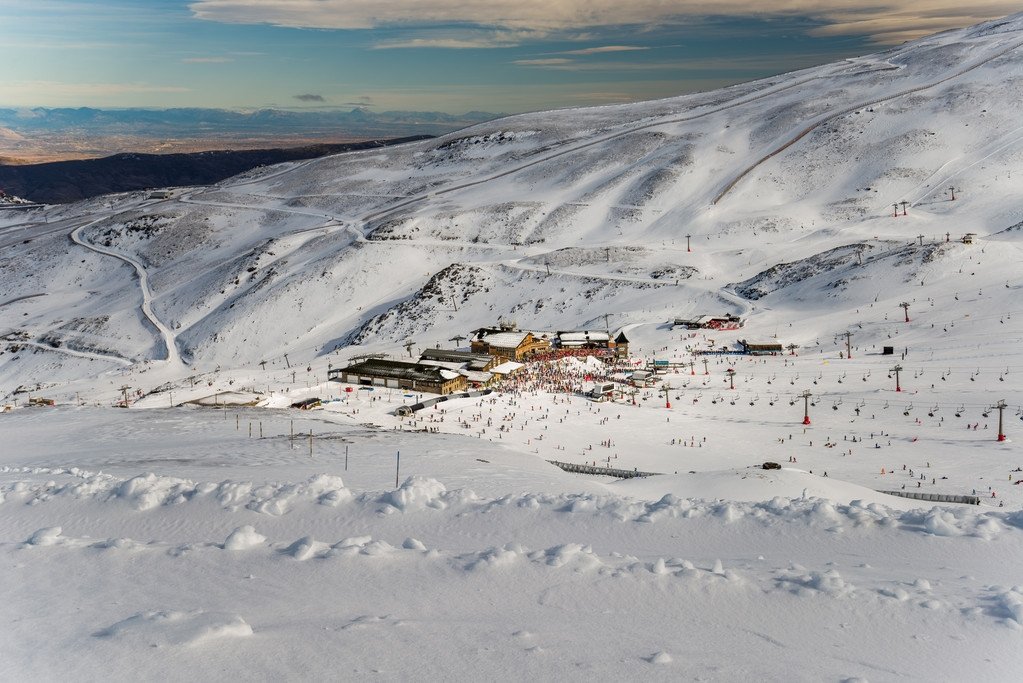
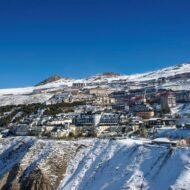
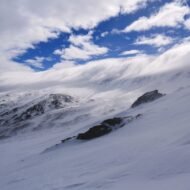
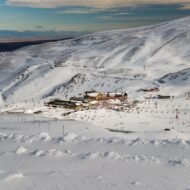
Skiing in Southern Spain? You Bet Sierra Nevada, just 45 minutes from Granada, is Europe’s southernmost ski resort. You can literally ski in the morning and stroll Mediterranean beaches by afternoon. The season runs December through April, with 110km of slopes for all levels. Day passes start around €54.
Budget Breakdown
- Accommodation: €40-80/night (budget to mid-range)
- Meals: €8-15 per person (menu del día is your friend)
- Attractions: Many free (churches, neighborhoods), major sites €10-15
- Pro tip: Visit in January-February for 30-40% cheaper hotels post-holidays
Food You Can’t Miss Winter is comfort food season. Warm up with hearty rabo de toro (oxtail stew), pescaíto frito (fried fish), and churros dipped in thick chocolate. Head to local tapas bars where €3 gets you a drink and a generous tapa.
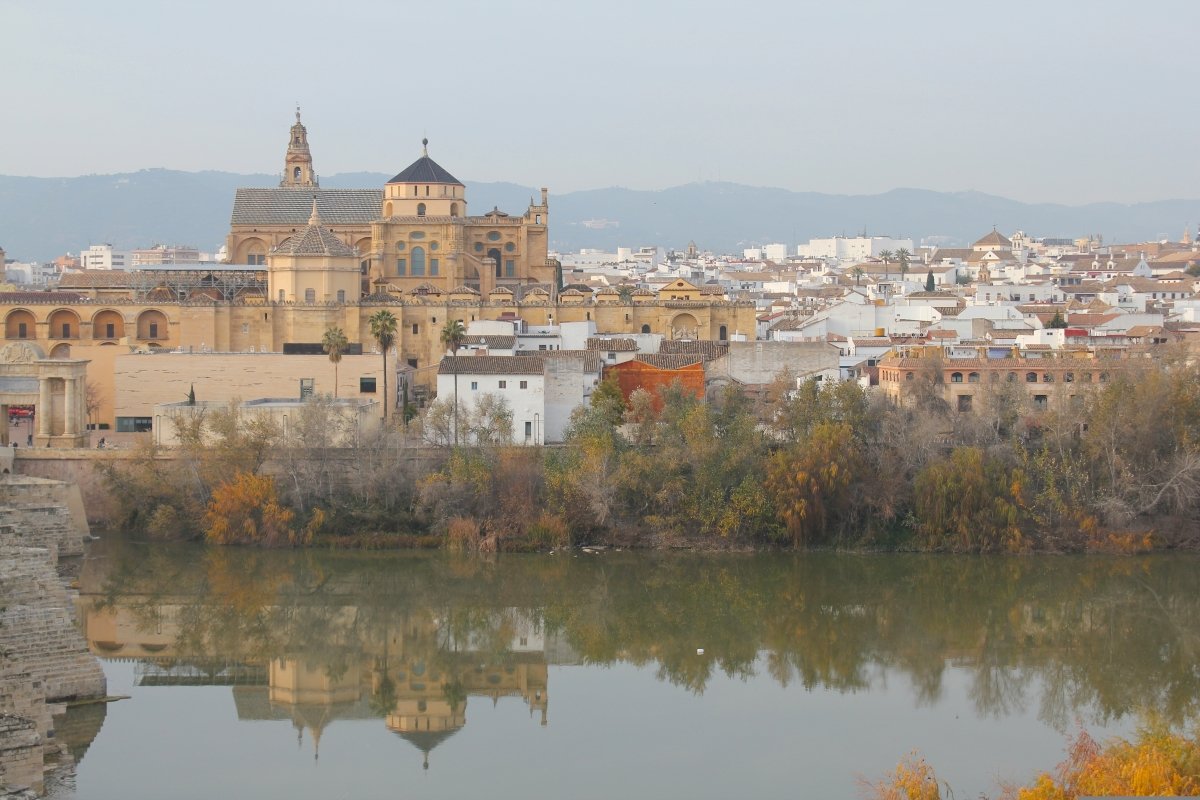
Cultural Deep Dive Witness authentic flamenco in intimate peñas (flamenco clubs) where locals gather, not tourist shows. The Semana Santa preparations begin in winter workshops where artisans craft massive floats for Easter. Visit local olive oil mills during harvest season (November-February) for free tastings.
Can’t-Miss Events
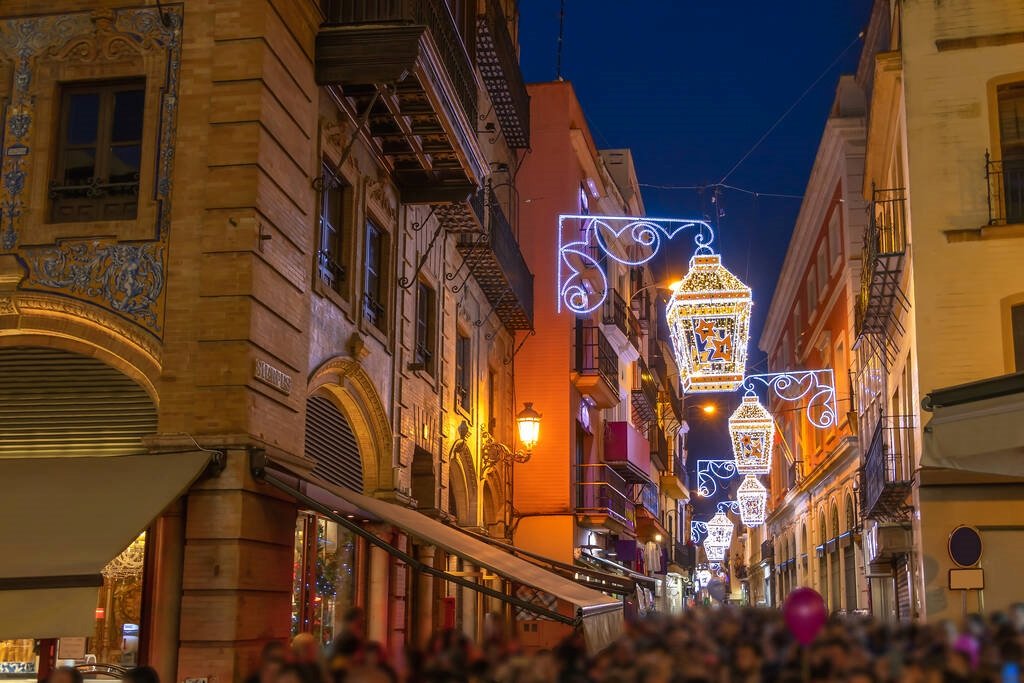
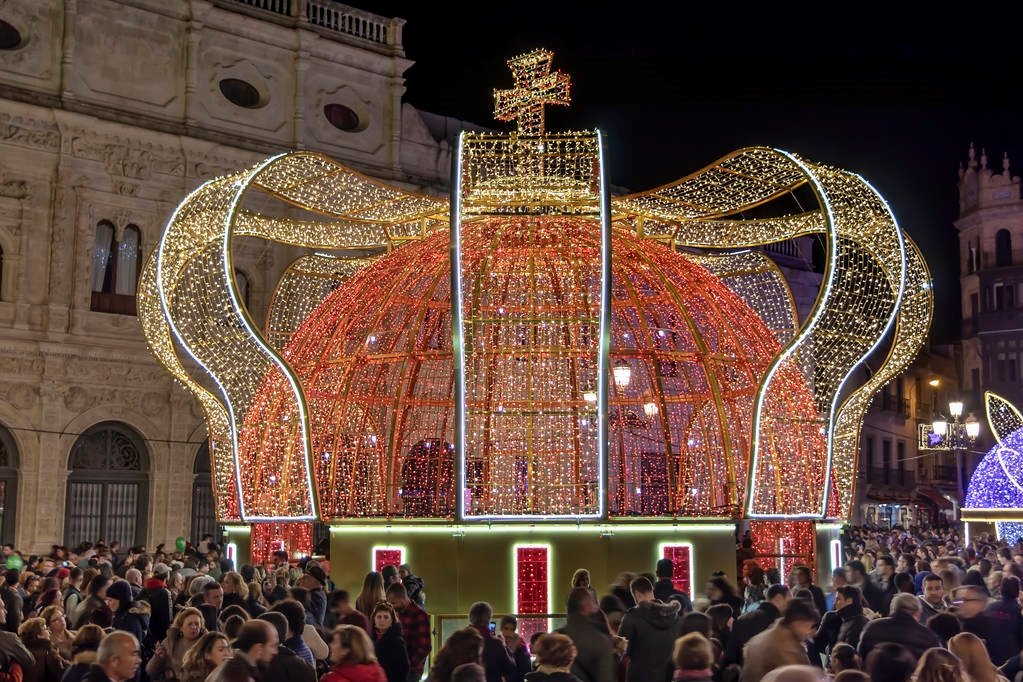
- Three Kings Parade (January 5): The Spanish Christmas, with elaborate floats and candy-throwing
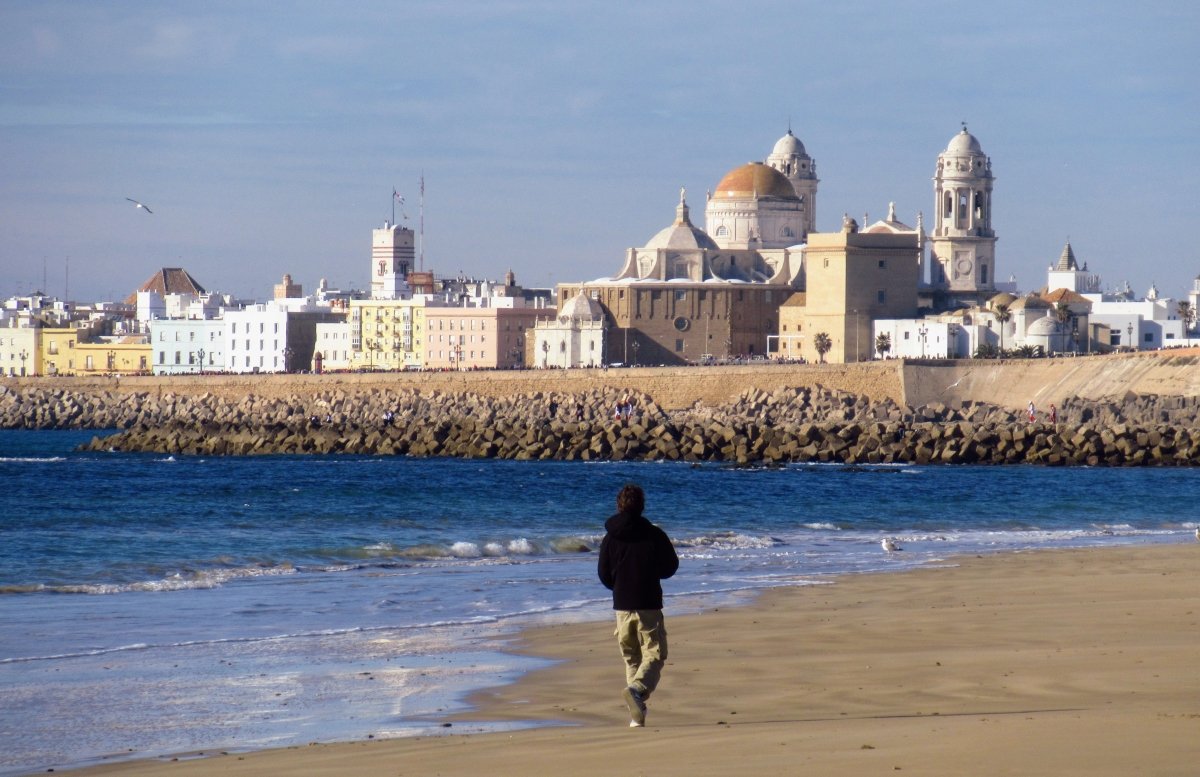
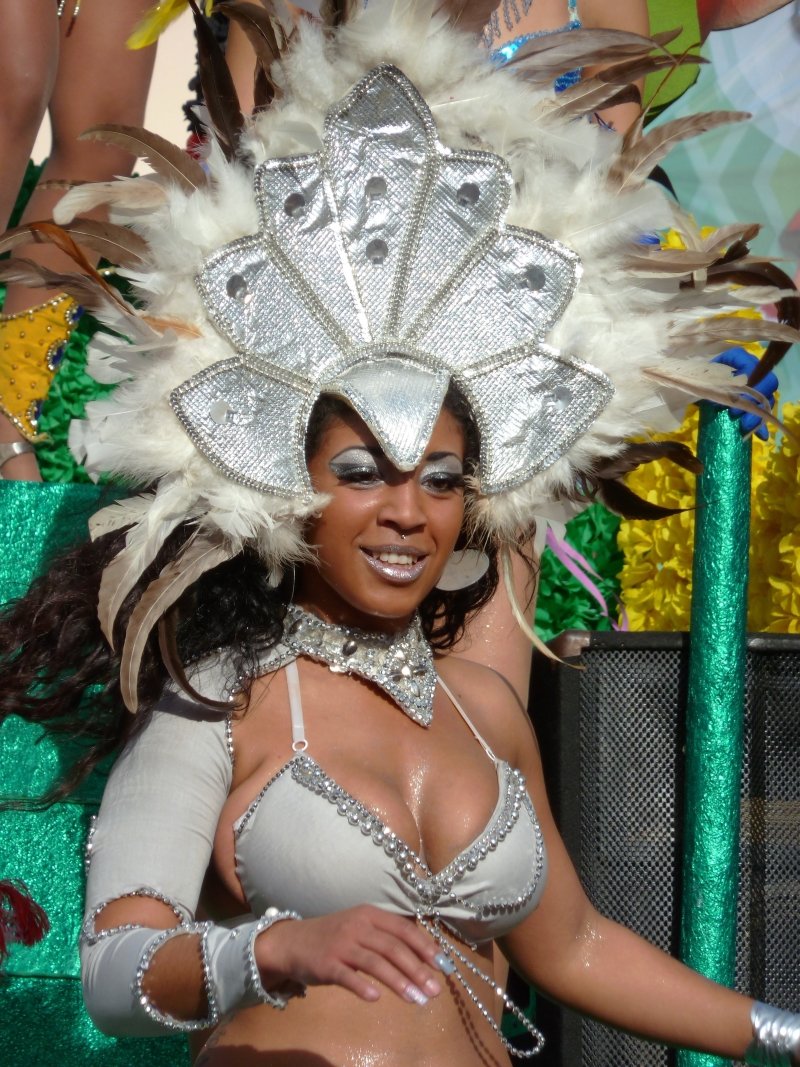
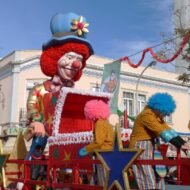
- Carnival in Cádiz (February/March): Spain’s wittiest, most satirical celebration with street performances
- Almond Blossom Season (Late January-February): Pink-white blooms carpet entire valleys
Essential Info Getting around: Rent a car for flexibility, or use ALSA buses between cities. Seville makes an excellent base. Many shops close 2-5pm for siesta, plan accordingly.
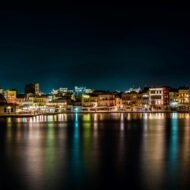
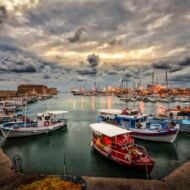
2. 🥈 Crete, Greece (User Rating: 4.7/5)
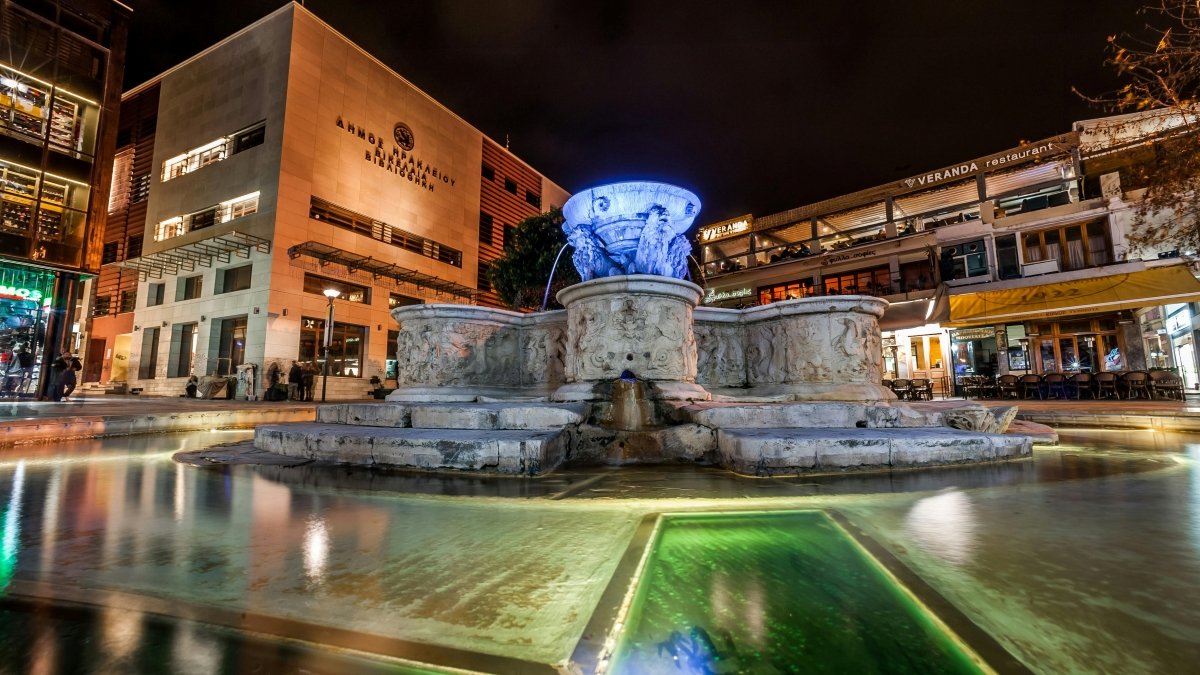
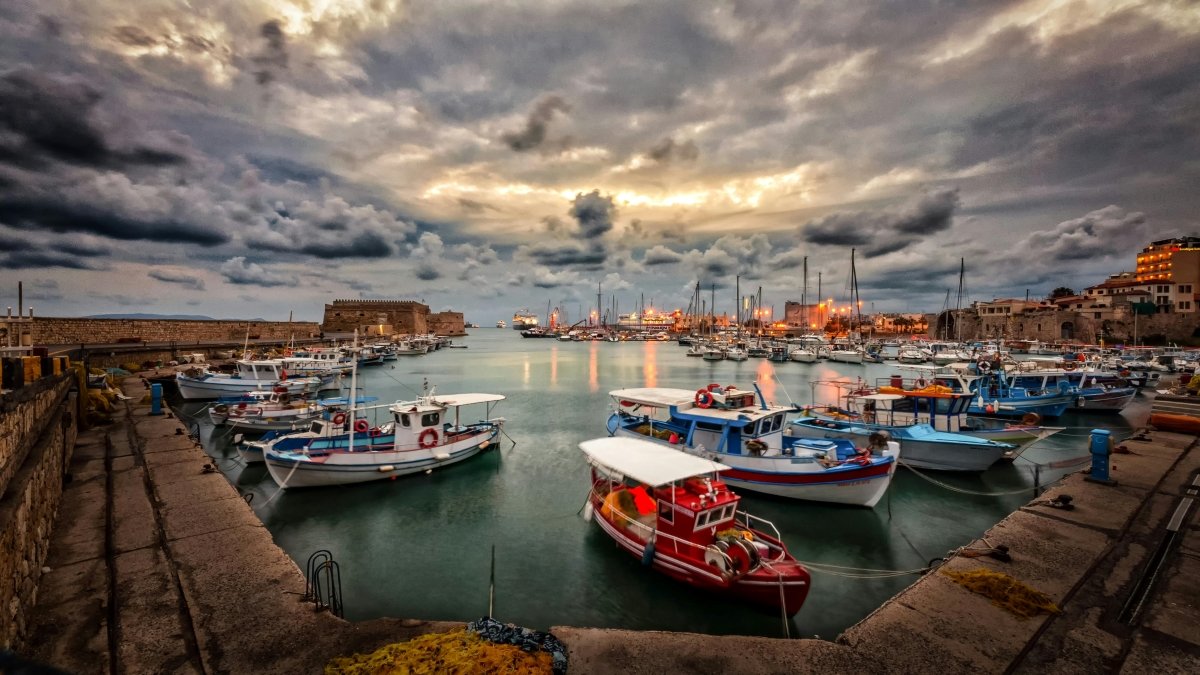
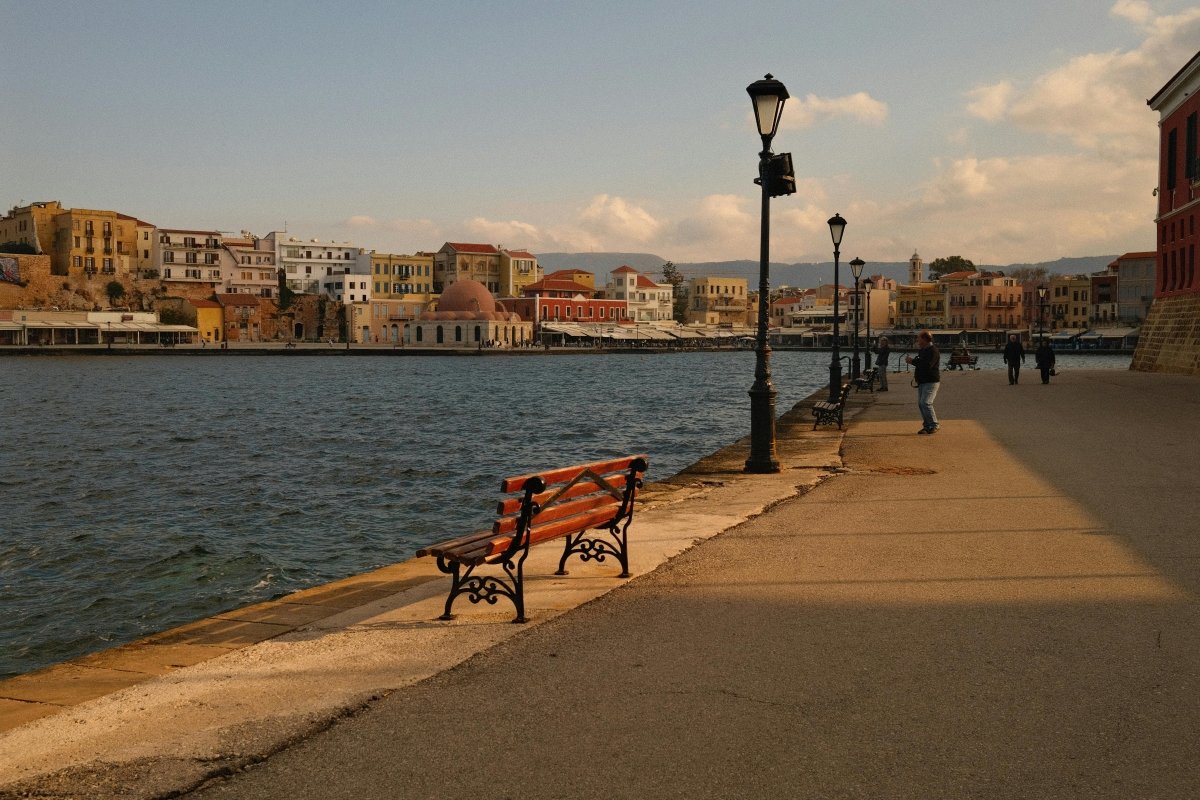
While the Greek islands empty out in winter, Crete remains wonderfully alive. Locals reclaim their island, and you’ll experience the Greece that Greeks know.
Family-Friendly Perks The slower pace is perfect for families. Kids love exploring Knossos Palace (the legendary labyrinth of the Minotaph), beaches are safe and uncrowded, and locals are extra welcoming when tourism drops. CretAquarium in Heraklion keeps kids engaged on rainy days.
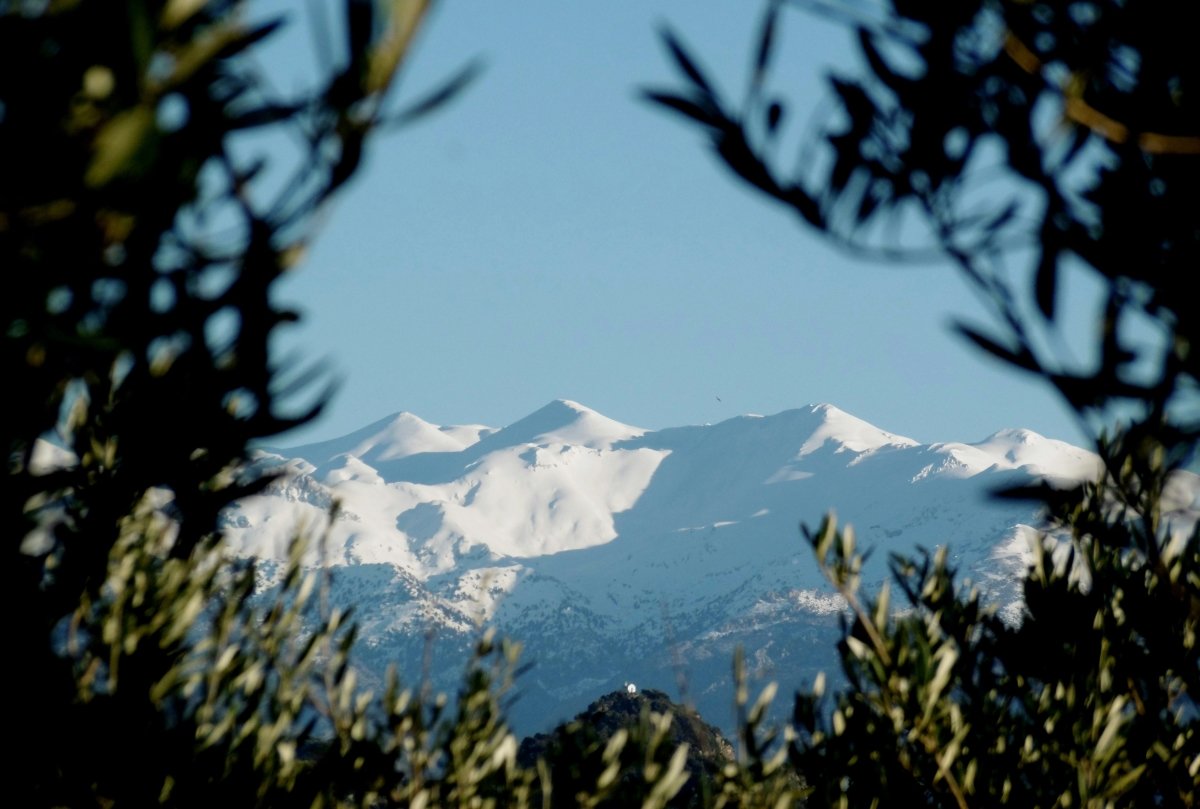
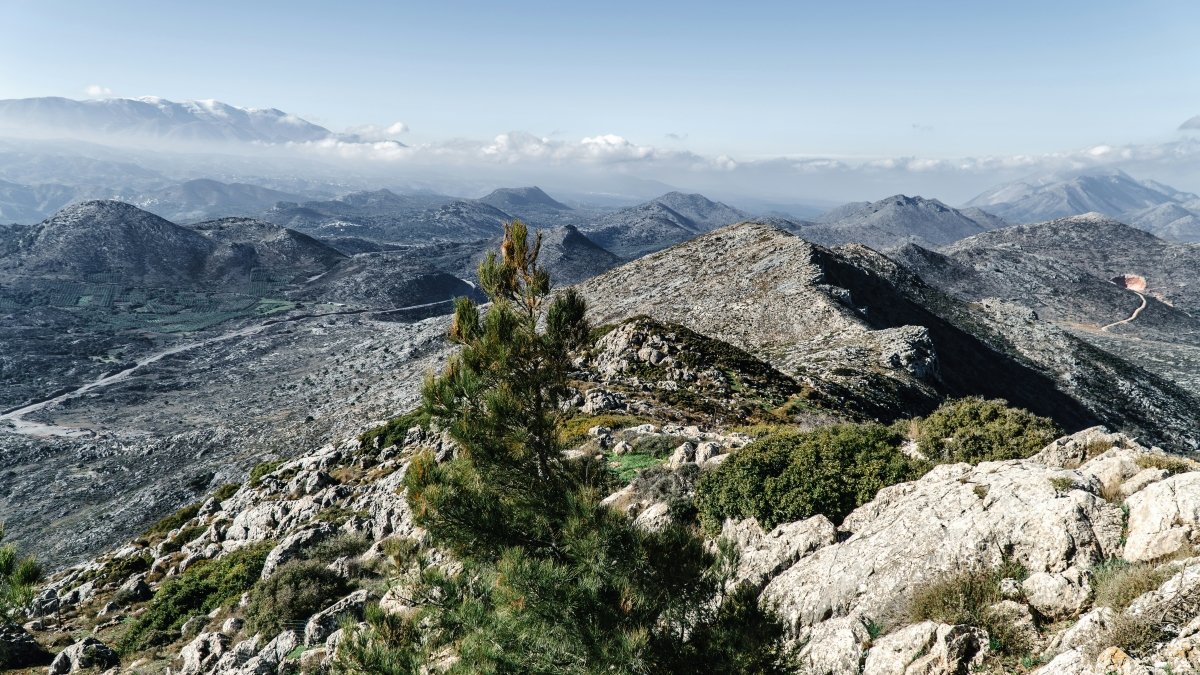
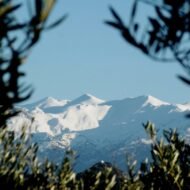
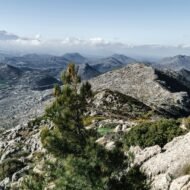
Mountain Adventures The White Mountains and Mount Ida offer spectacular hiking through gorges and traditional villages. Samaria Gorge closes in winter, but dozens of shorter trails open up. For the adventurous, winter mountaineering is possible with proper gear and guides.
Budget Reality Check Winter is incredibly affordable. Many hotels drop prices 50% from summer rates.
- Accommodation: €30-60/night
- Meals: €7-12 per person at tavernas
- Car rental: €20-25/day (essential for exploring)
- Fresh produce at markets: ridiculously cheap
Food Culture Winter is feast season. Locals slow-cook lamb kleftiko in wood ovens, simmer chickpea stews, and bake kalitsounia (cheese pastries). Visit during an olive harvest and you’ll be invited to help (and eat). The hospitality is genuine, not performative.
Traditions to Experience Join locals at kafeneia (coffee houses) where old men play backgammon and debate politics. Visit family-run wineries experimenting with ancient grape varieties. November through January is raki distilling season—you might witness (and taste) the process.
Winter Events
- Chestnut Festival (October-November): Mountain villages roast chestnuts, make pastries, serve local wine
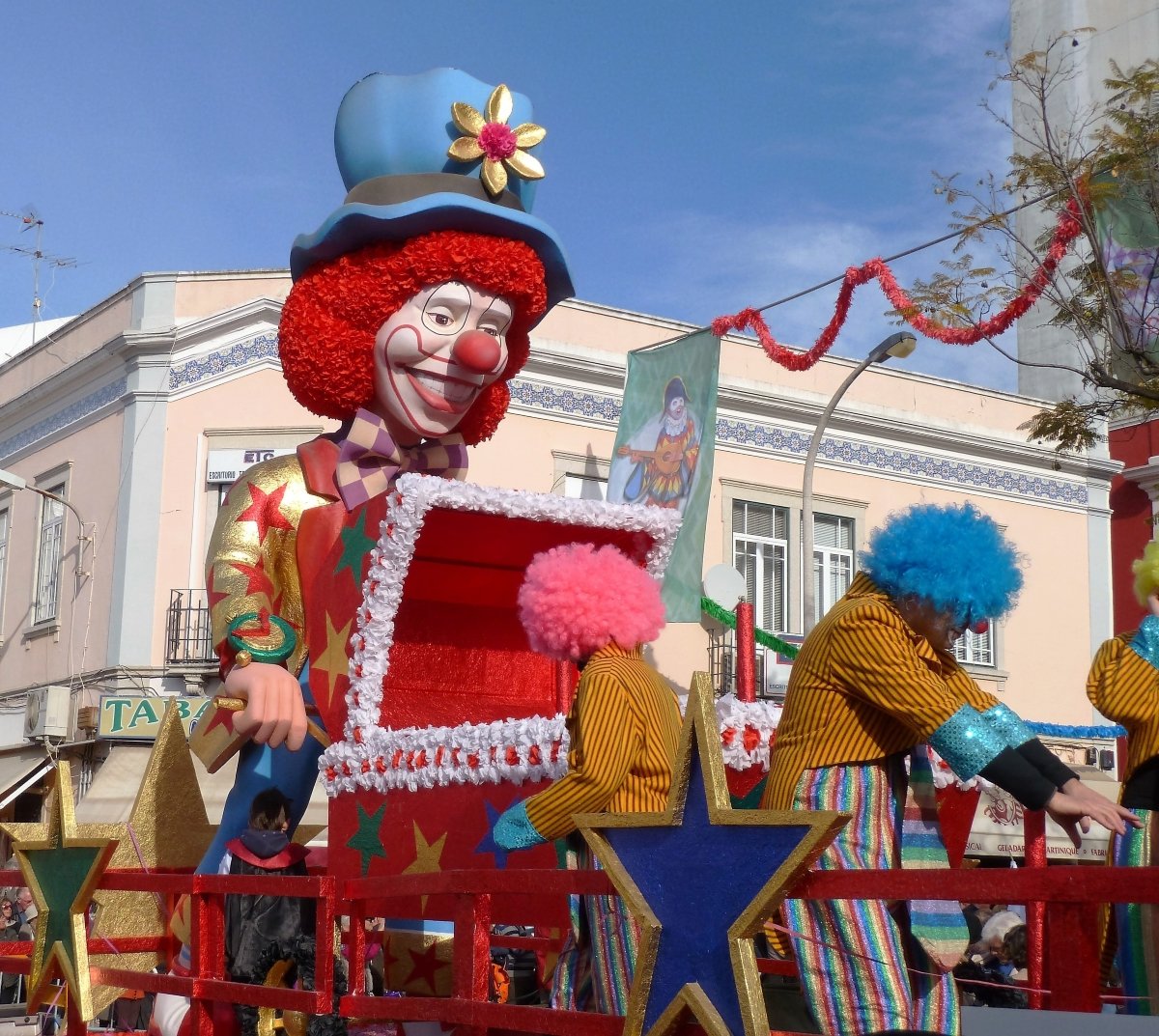
- Carnival Season (February-March): Rethymnon hosts massive street parties with elaborate costumes
- Name Day celebrations: More important than birthdays, expect spontaneous parties
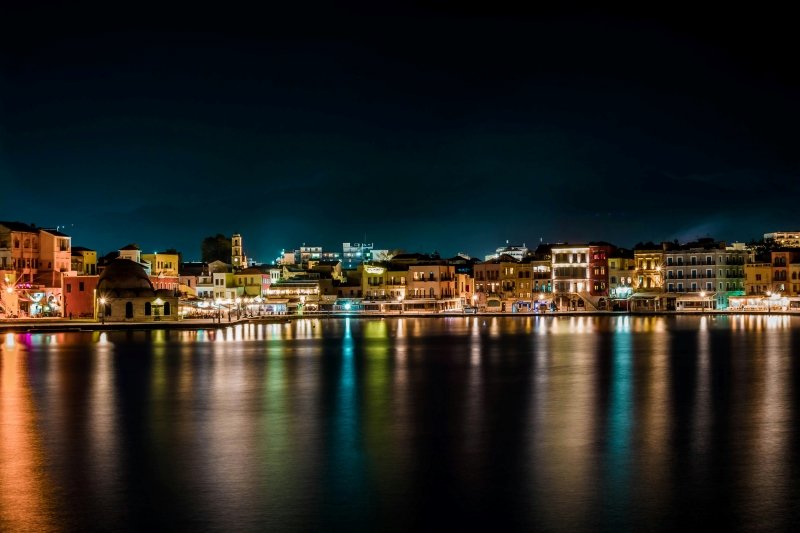
Practical Tips Heraklion and Chania remain well-connected. Bus service continues but with reduced schedules. A car gives you freedom to discover hidden villages. Bring layers—it’s mild but can get breezy.
3. 🥉 Algarve, Portugal (User Rating: 4.7/5)
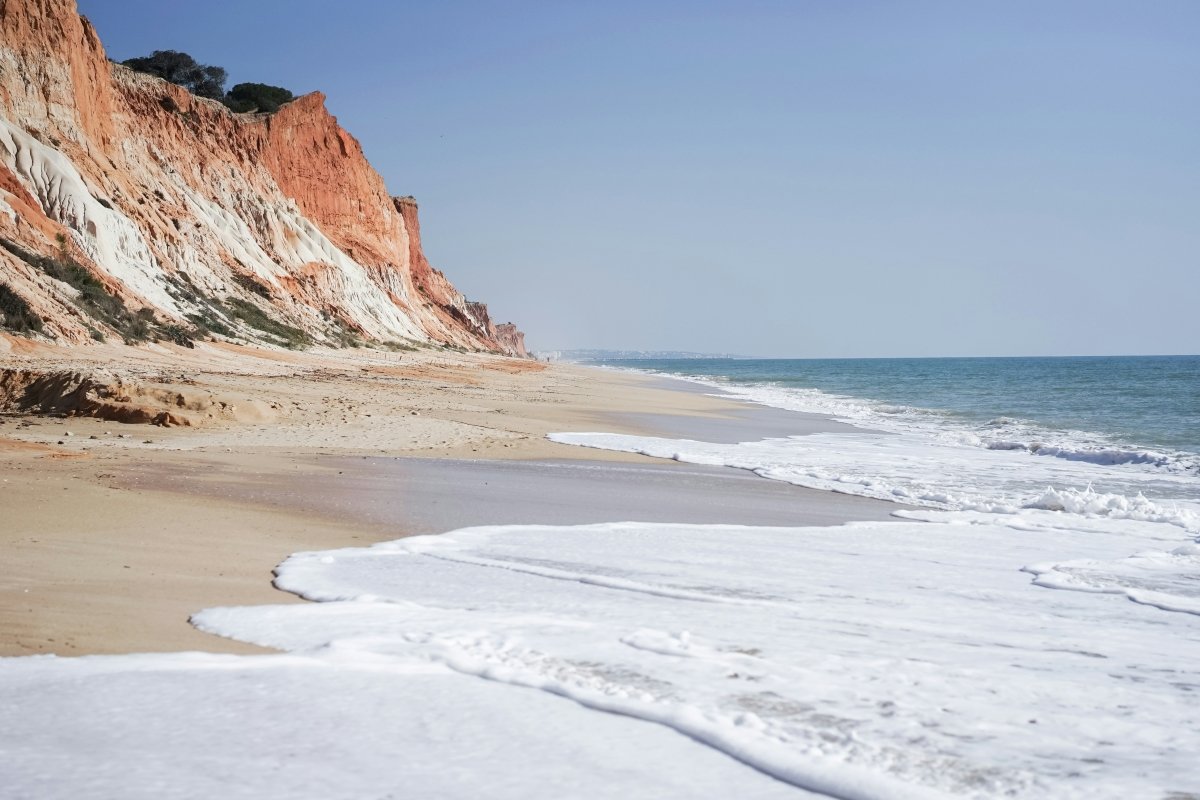
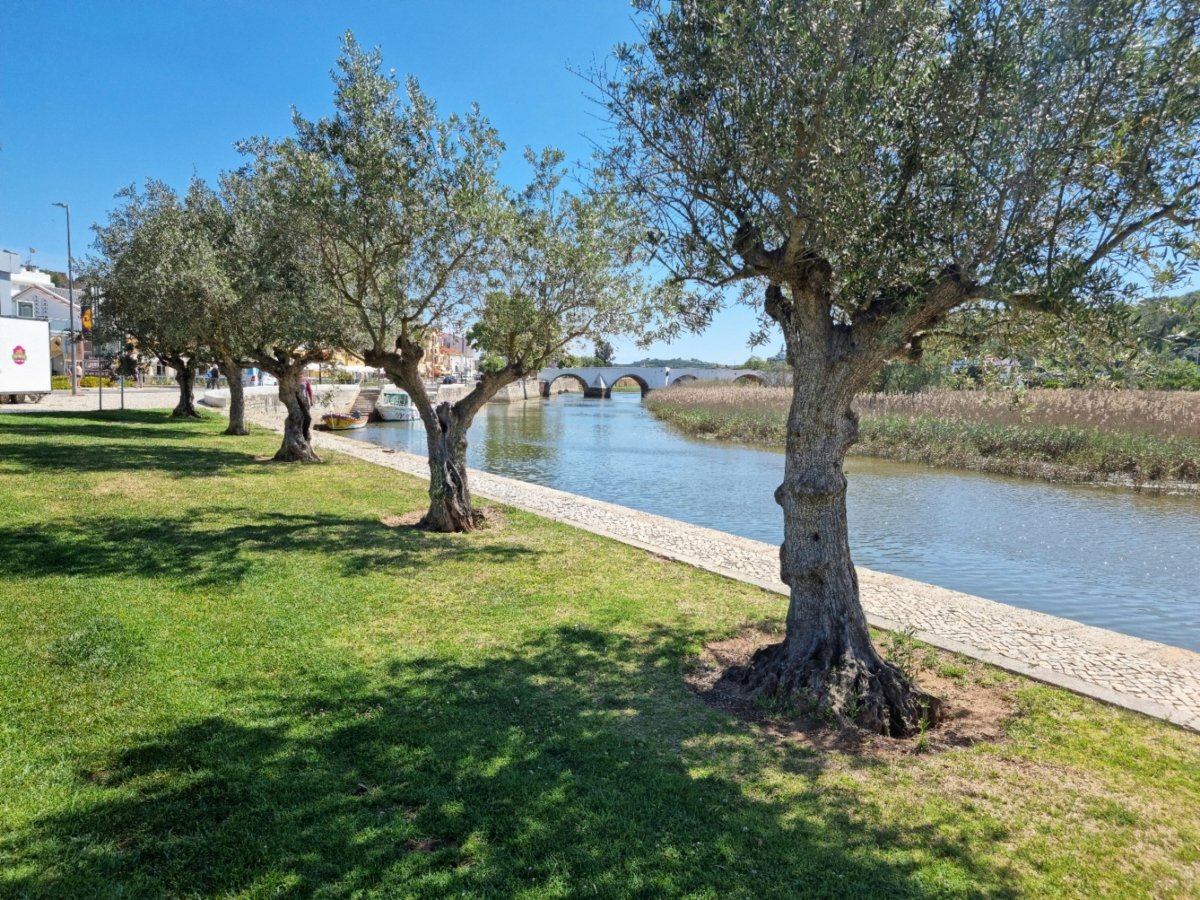
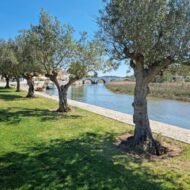
Europe’s sunniest corner delivers 300 days of sunshine annually. Winter means 17°C (63°F) days, empty beaches, and rock-bottom prices.
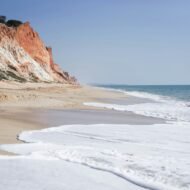
Perfect for Families The beaches are safe, clean, and yours alone. Kids can explore tide pools, dramatic cliff formations, and castles without crowds. Zoomarine water park stays open for winter (with heated pools), and chocolate factory tours in Óbidos are always a hit.
Active Adventures The Algarve isn’t about skiing, but the Atlantic coast offers world-class surfing, coastal hiking trails along dramatic cliffs (the Seven Hanging Valleys Trail is stunning), and dolphin watching tours. Golf courses stay green year-round—winter rates drop significantly.
Budget Bonanza
- Accommodation: €25-50/night (some resorts at 70% off summer prices)
- Fresh seafood meals: €10-15
- Wine: €3-4/glass for quality stuff
- Activities: Beach walks, hiking = free
Seafood Heaven This is cataplana country—a copper pot that slow-cooks the freshest fish, clams, prawns with tomatoes, wine, and herbs. Order percebes (gooseneck barnacles) if you see them—strange looking, incredible tasting. Pastéis de nata (custard tarts) are everywhere and always warm.
Local Culture Visit municipal markets where fishermen sell the morning catch. In smaller towns, everyone still greets each other. Join locals for late lunches that stretch into afternoon coffee. The pace is slower, conversations longer.
Festivals & Events
- Carnival (February/March): Loulé hosts Portugal’s best, with Brazilian-style parades
- Medieval Fair in Silves (August but preparations visible winter): Castle tournaments
- New Year’s in Lagos: Fireworks over cliffs
Getting Around Faro airport connects well. Rent a car to explore hidden beaches and villages. The coastal train runs between Lagos and Vila Real, perfect for day trips. Most locals speak English.
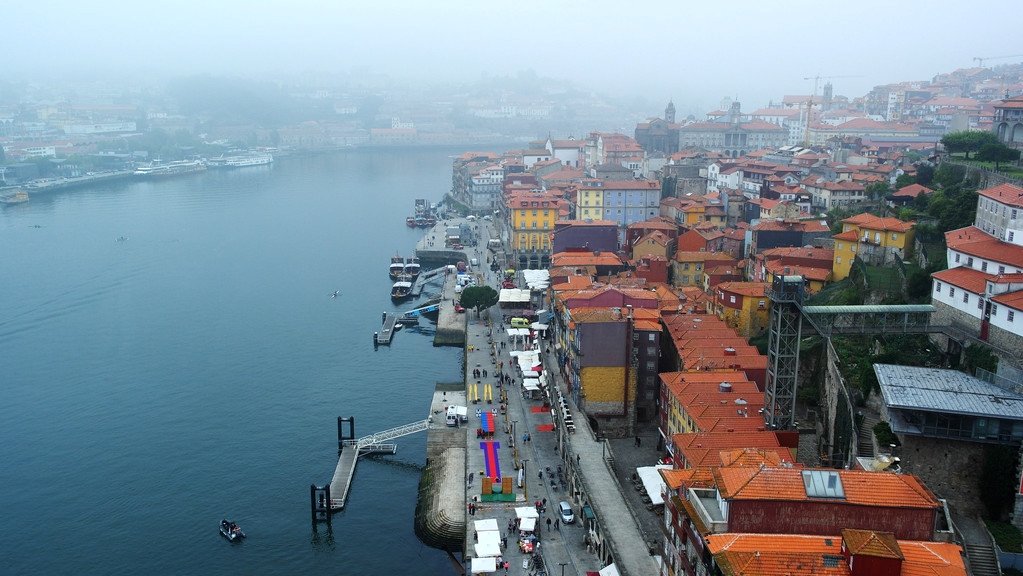
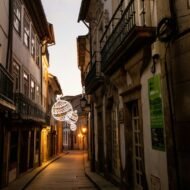
4. Porto & Northern Portugal (User Rating: 4.6/5)
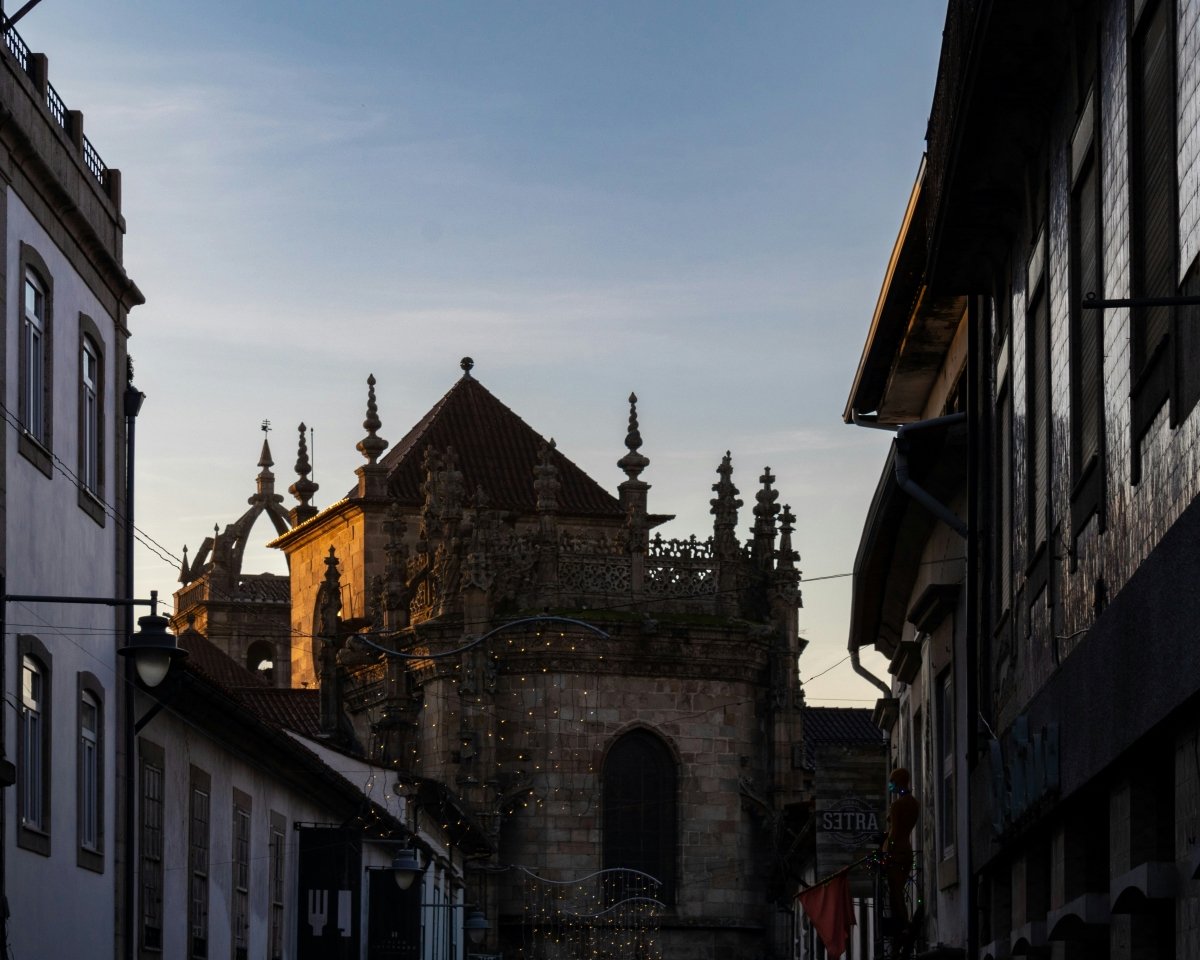
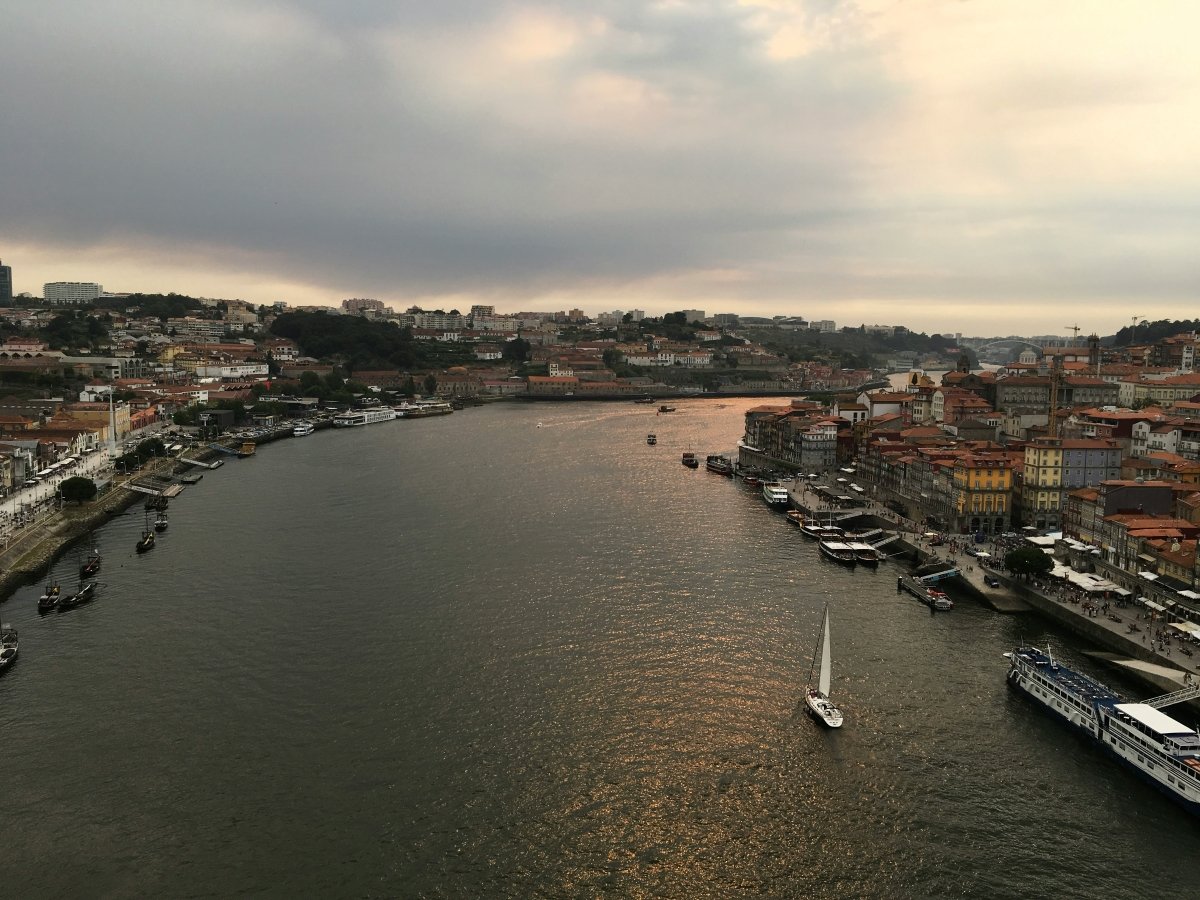
Rainy? Sometimes. Atmospheric? Always. Porto in winter is moody, magnificent, and deliciously cozy.
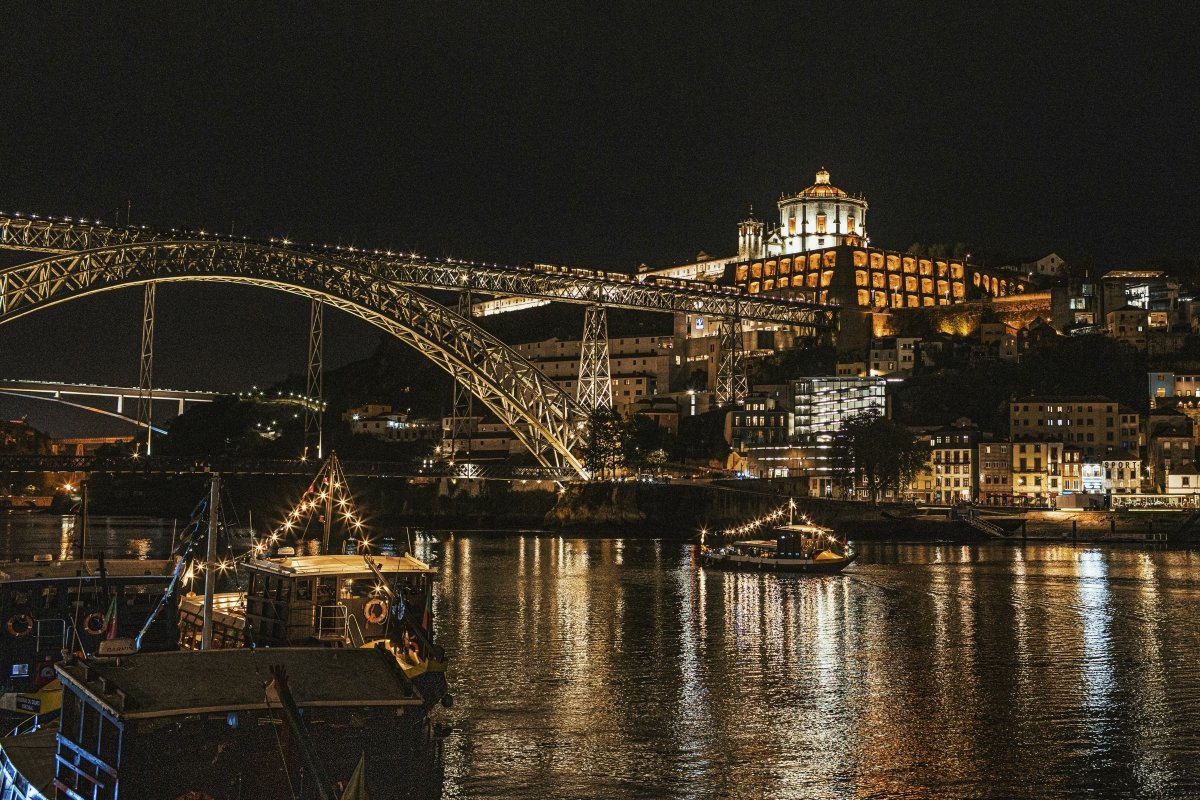
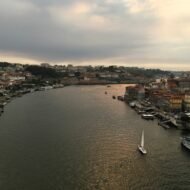
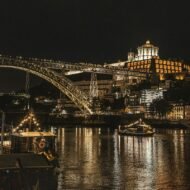
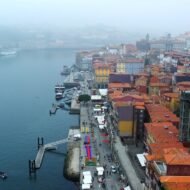
Family Appeal River cruises on the Douro (often with hot chocolate), Harry Potter-inspired Livraria Lello bookshop, tram rides through old neighborhoods, and interactive science centers keep families engaged. The Sea Life aquarium is perfect for rainy days.
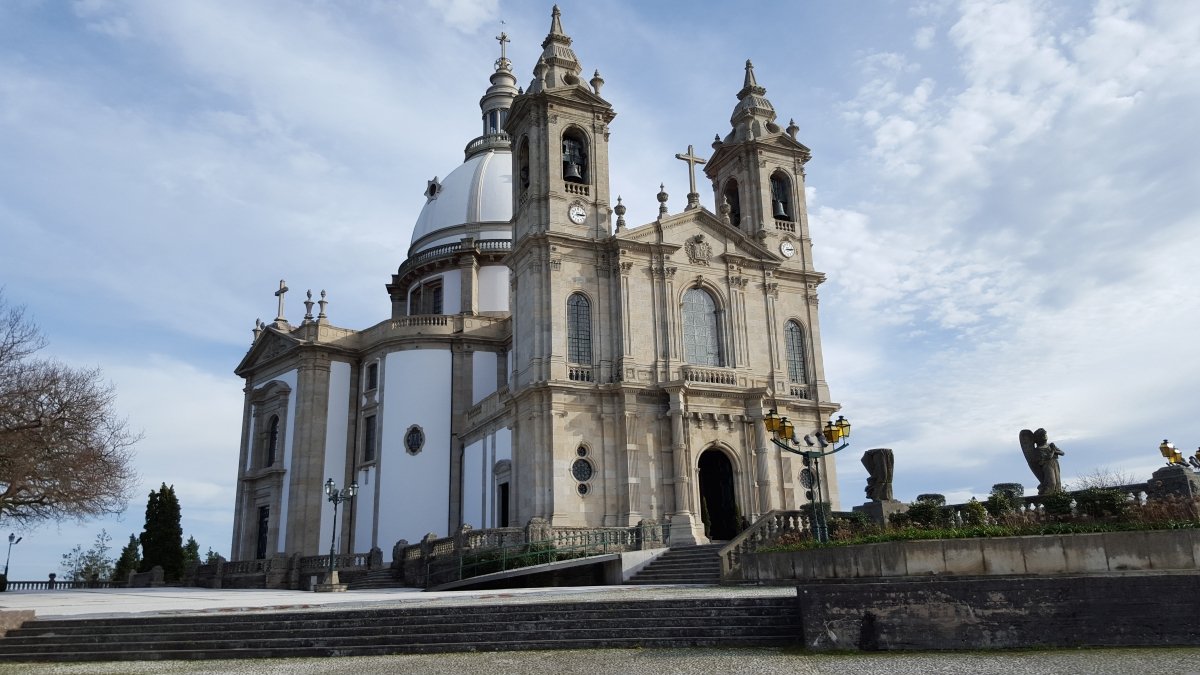
Mountain Escapes Serra da Estrela, Portugal’s only ski resort, lies 2.5 hours inland. It’s small (8km of runs) but charming, and you can try Serra cheese—creamy, intense, and protected designation. The mountain villages are like stepping into medieval times.
Budget Notes Porto punches above its weight for value.
- Accommodation: €35-70/night
- Francesinha (iconic sandwich): €8-12
- Port wine tasting: €5-15
- Public transport day pass: €7
Food & Wine Beyond port wine, try vinho verde (young, slightly fizzy wine), bacalhau (salt cod prepared 1,000 ways), and francesinha—a monster sandwich covered in melted cheese and beer sauce. Winter is tripas à moda do Porto season (tripe stew that made Porto famous).
Cultural Immersion Porto’s tile-covered buildings (azulejos) tell stories—churches, train stations, homes all decorated with hand-painted scenes. Visit tile workshops where artisans still work traditionally. Fado music in intimate taverns feels especially poignant in winter.
Events Calendar
- São Martinho (November 11): Roasted chestnuts, young wine, paper lanterns
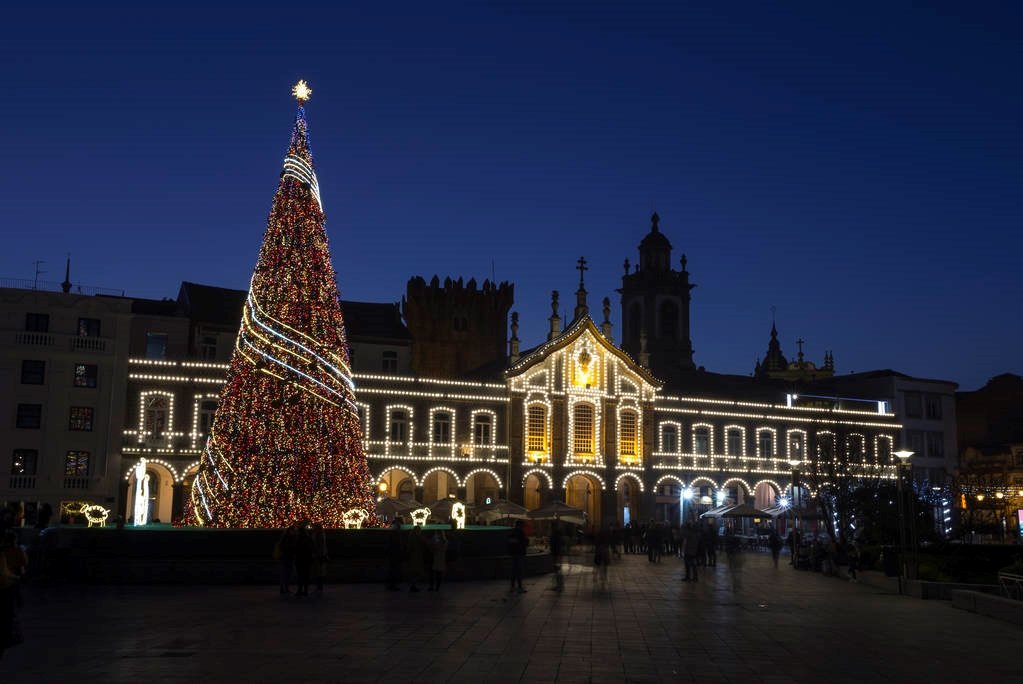
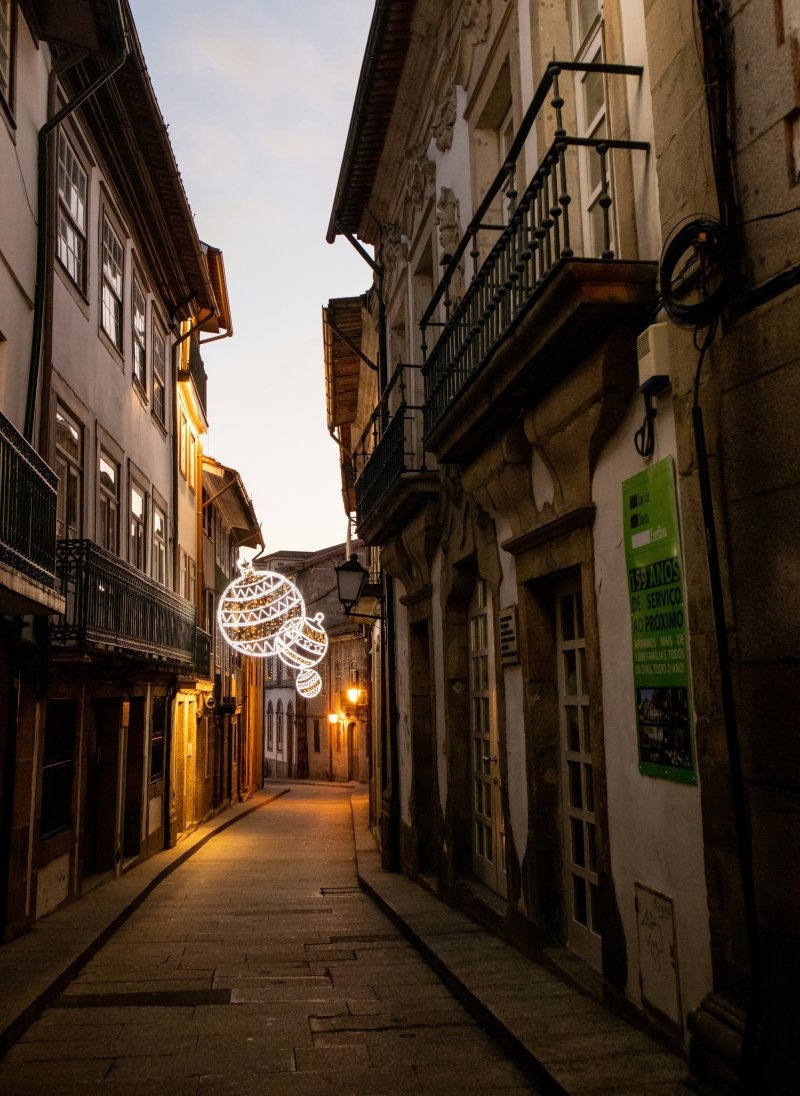
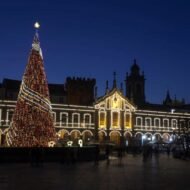
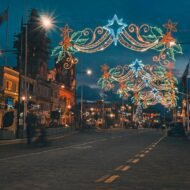
- Christmas markets: Avenida dos Aliados transforms completely
- Queima das Fitas (May, but university traditions visible all year)
Practical Details Metro and buses cover the city well. The historic center is steep and cobblestoned—comfortable shoes essential. Many restaurants close Sundays. English widely spoken in tourist areas.
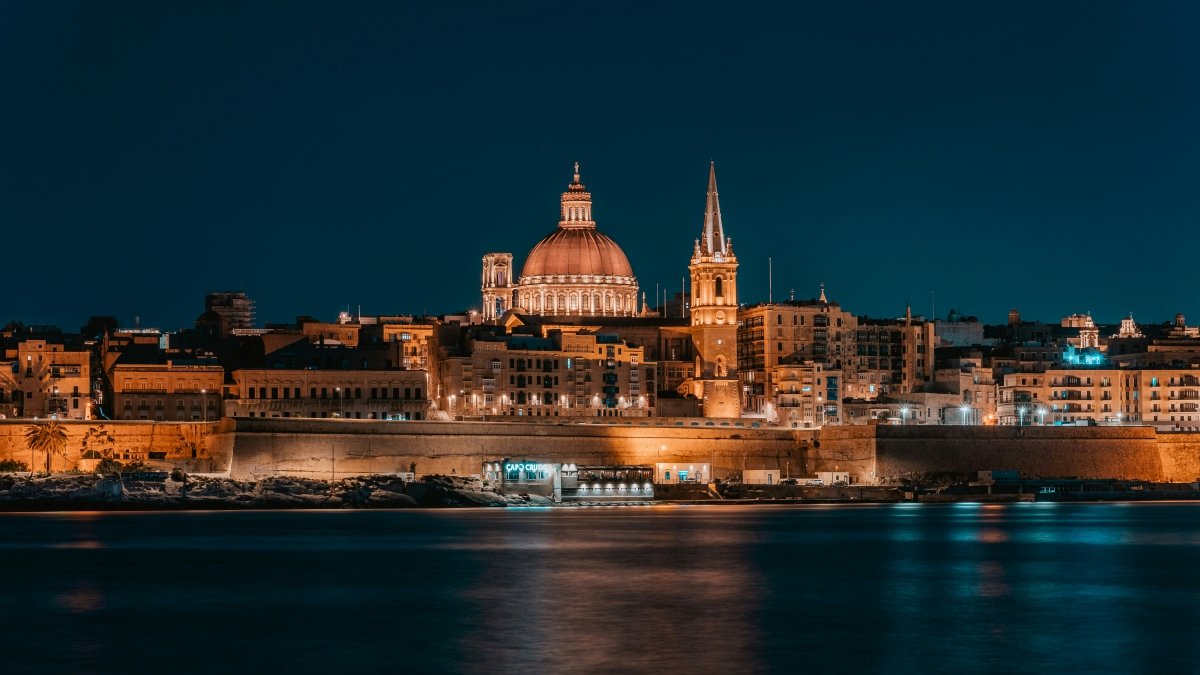
5. Malta (User Rating: 4.4/5)
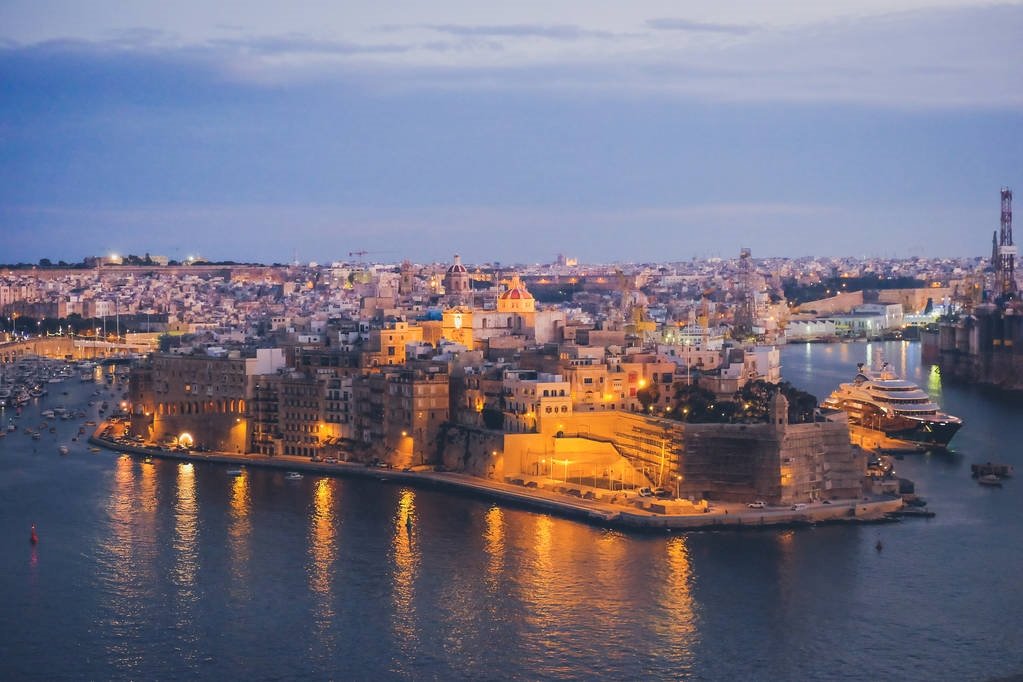
This tiny Mediterranean archipelago packs massive personality. Winter in Malta means 15-18°C (59-64°F), brilliant sunshine, and experiencing 7,000 years of history without the crushing summer heat and cruise ship crowds.
Family-Friendly Highlights Kids go wild for Malta’s Knights and castles. Explore Fort St. Elmo’s interactive museum, walk ancient city walls in Mdina (the “Silent City”), and visit the Malta National Aquarium. Popeye Village—the actual film set from the 1980 movie—is quirky fun. Beaches are calm and safe, perfect for rock pooling.
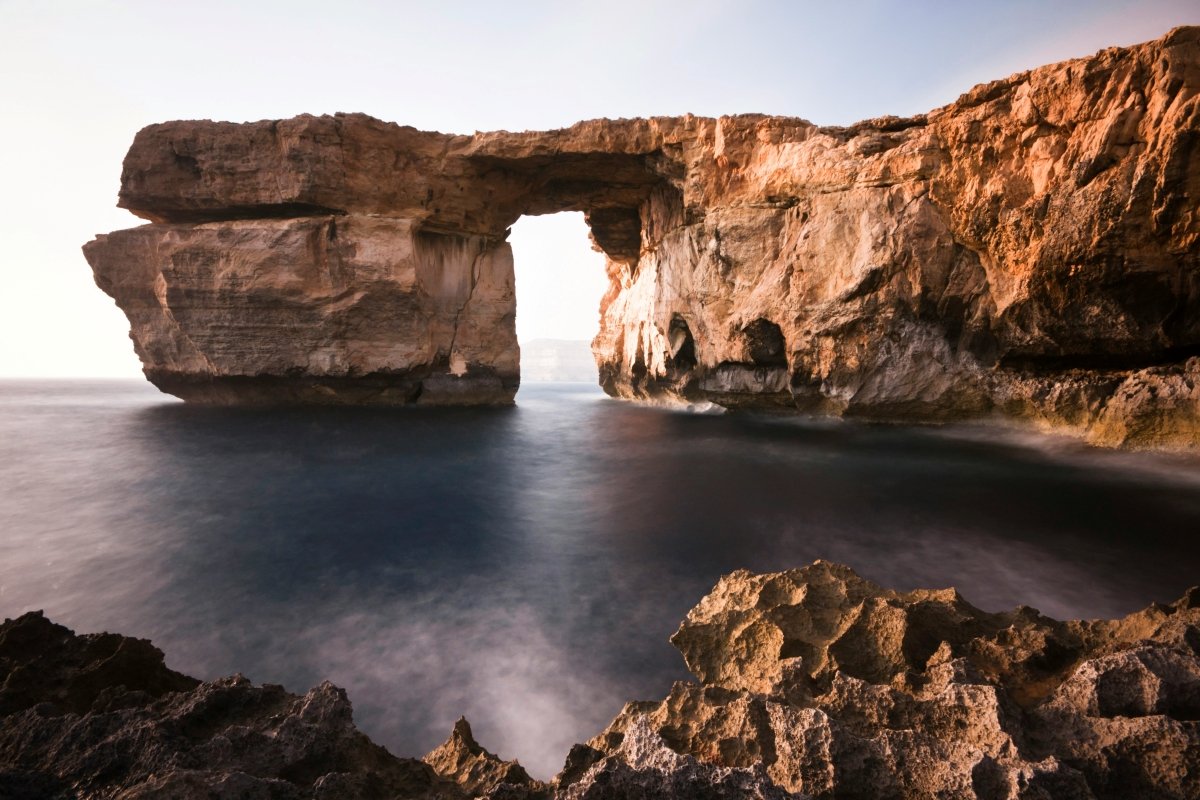
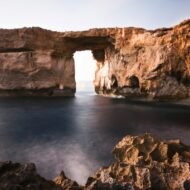
Outdoor Adventures No skiing here, but Malta’s rugged coastline offers incredible diving (water stays 16-18°C, visibility is best in winter), coastal hiking along dramatic cliffs, kayaking through sea caves, and climbing routes overlooking the Mediterranean. The Blue Grotto and Golden Bay are stunning without the crowds.
Budget Reality Malta offers solid mid-range value.
- Accommodation: €40-80/night (Valletta pricier, Gozo cheaper)
- Meals: €10-15 per person at local restaurants
- Pastizzi (savory pastries): €0.50 each—perfect budget snack
- Bus pass: €21 for 7 days (buses go everywhere)
- Many churches and walks: free
Food Scene Maltese cuisine blends Italian, Arabic, and British influences. Try rabbit stew (fenkata)—the national dish, lampuki pie (fish in pastry), and those addictive pastizzi. Winter is festa season with seasonal sweets. Seafood is incredibly fresh and affordable. Afternoon coffee culture rivals Italy’s.
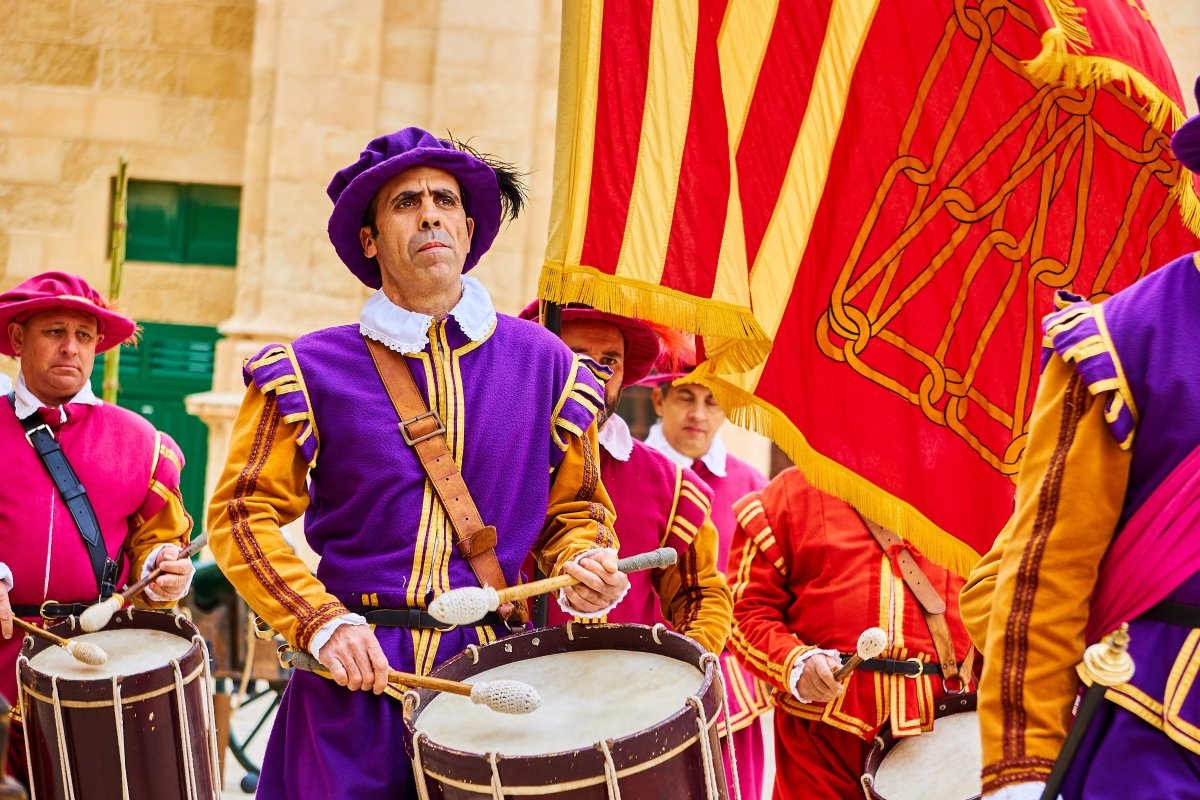
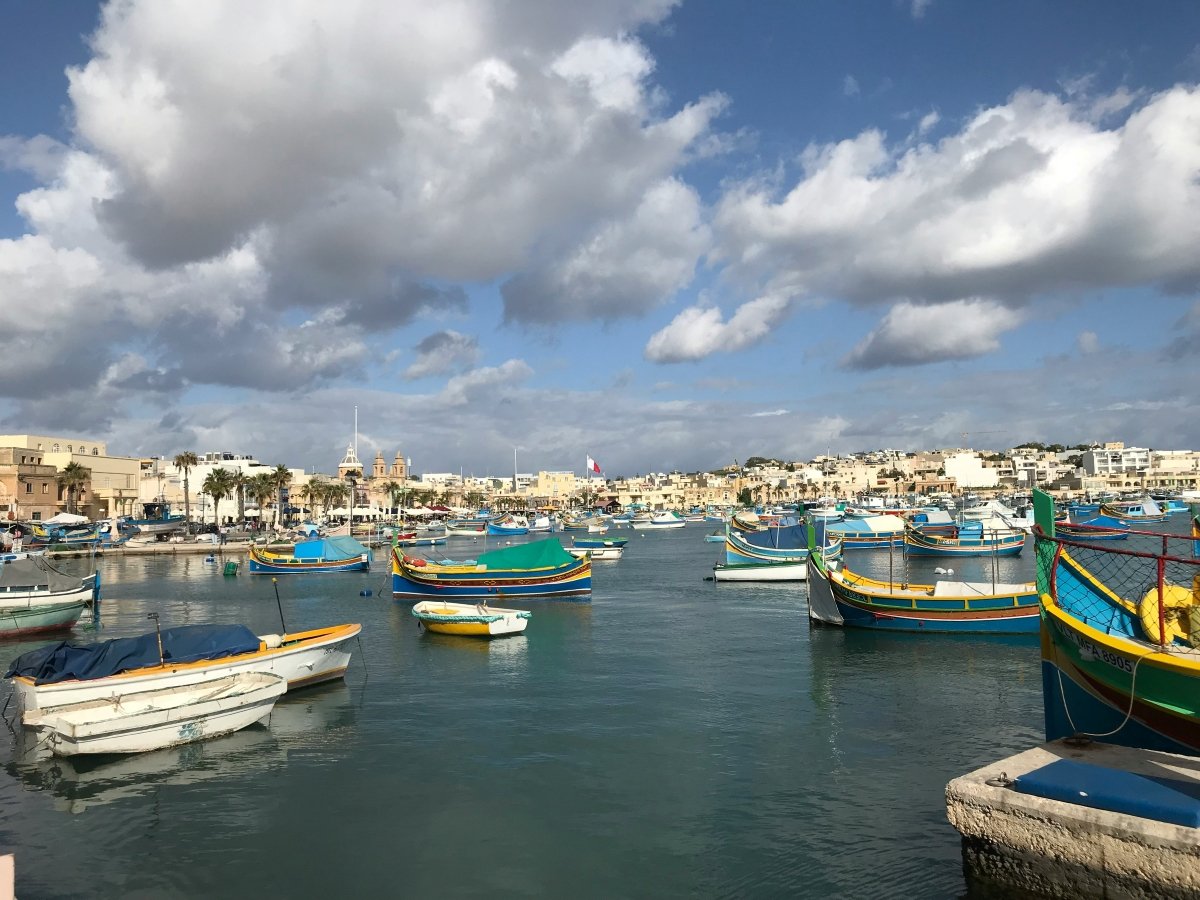
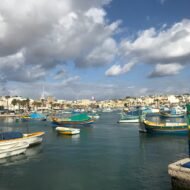
Cultural Deep Dive Malta’s Baroque churches hold services where Latin echoes off golden walls. Village festas (saint celebrations) happen year-round—you’ll stumble into brass bands, fireworks, and communal feasting. The Maltese speak English (former British colony) but also Maltese, a unique Semitic language with Italian influences. Luzzu boats (traditional fishing boats) with painted eyes still work daily.
Winter Events
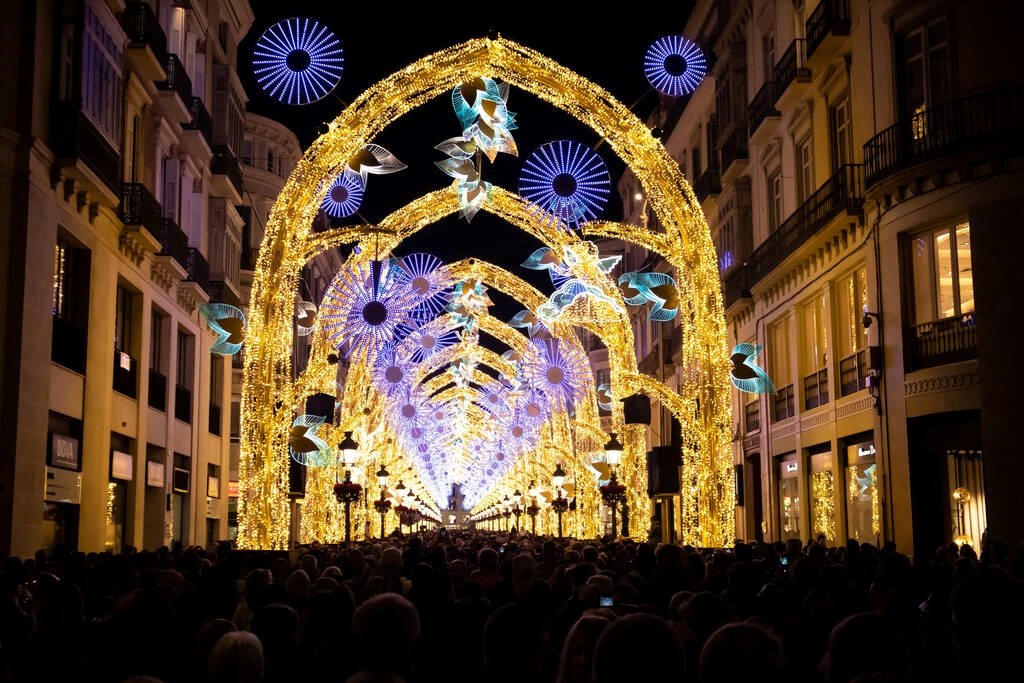
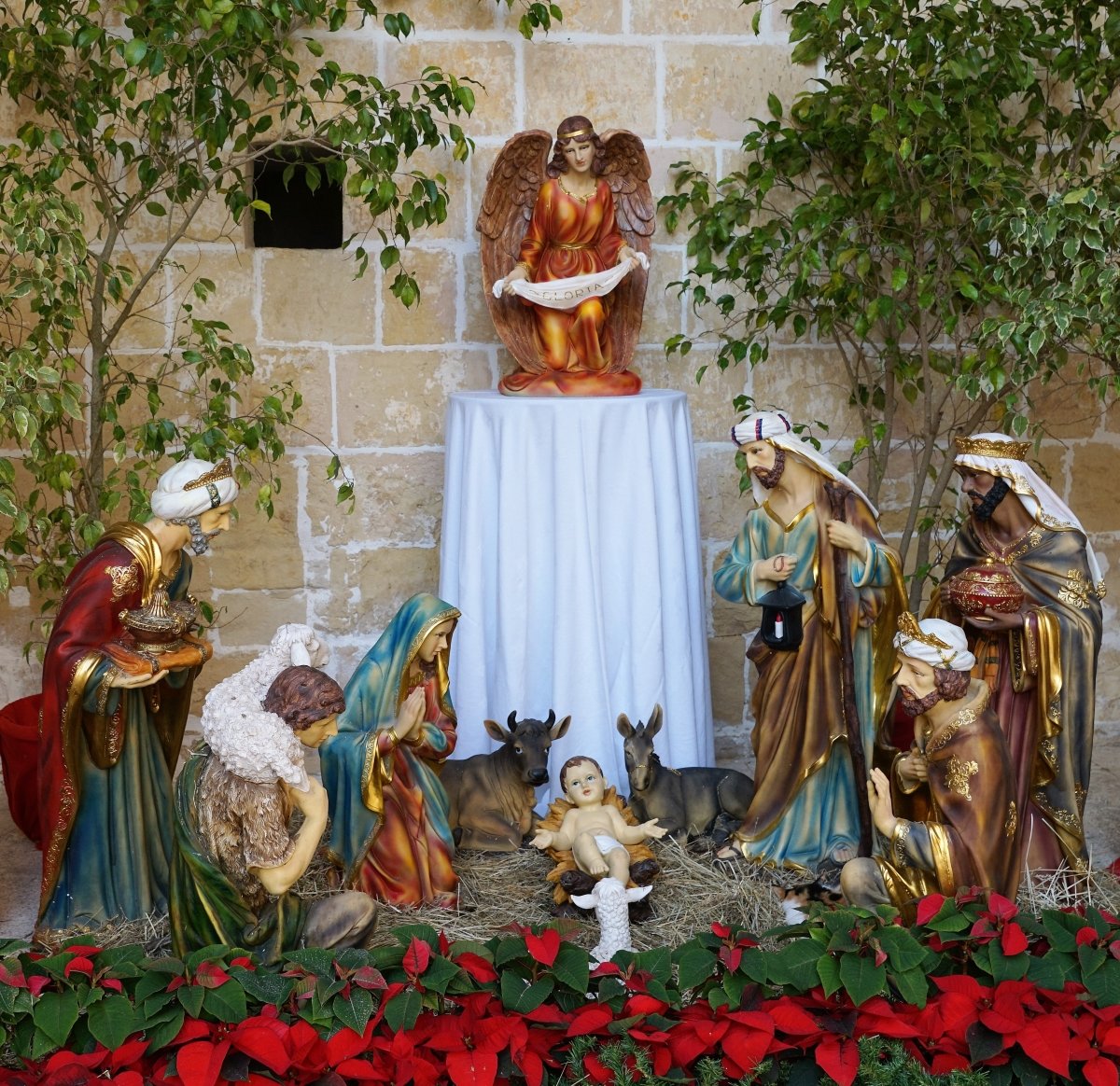
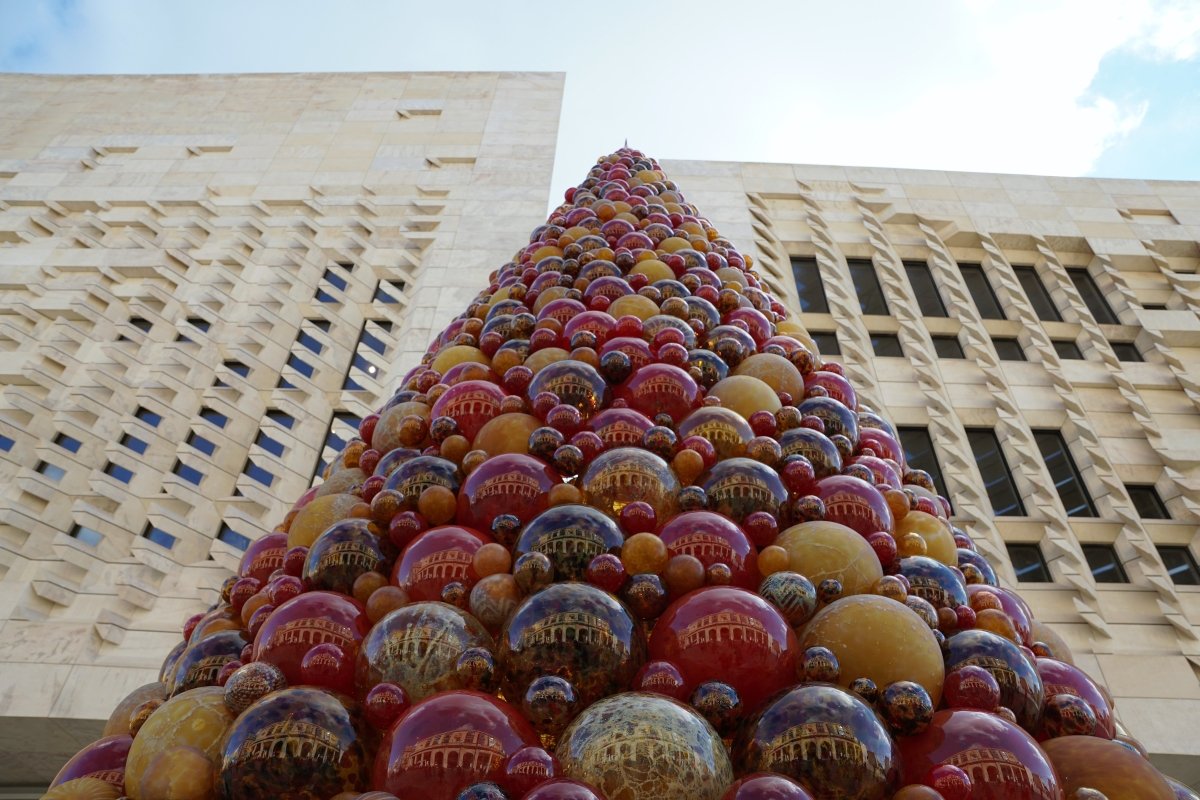
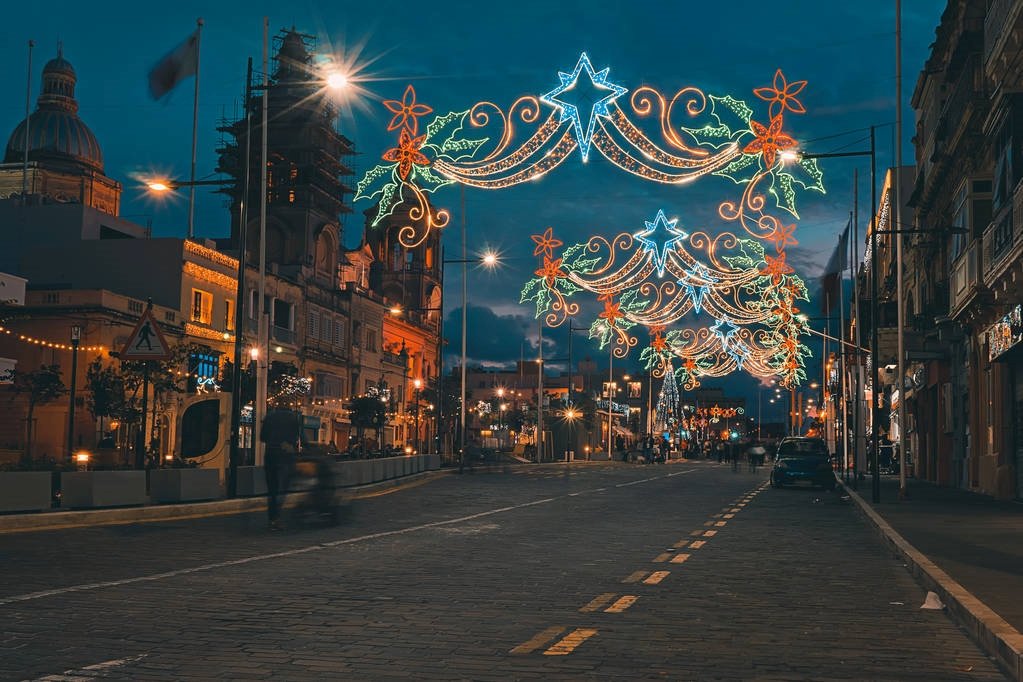
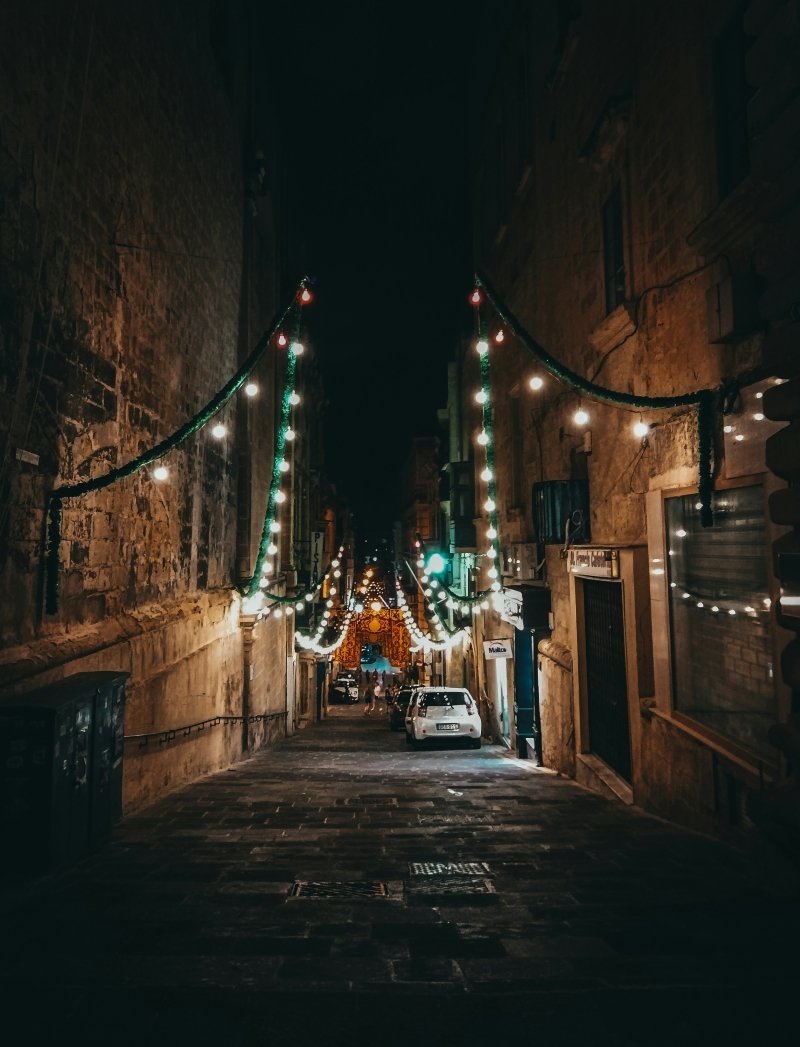
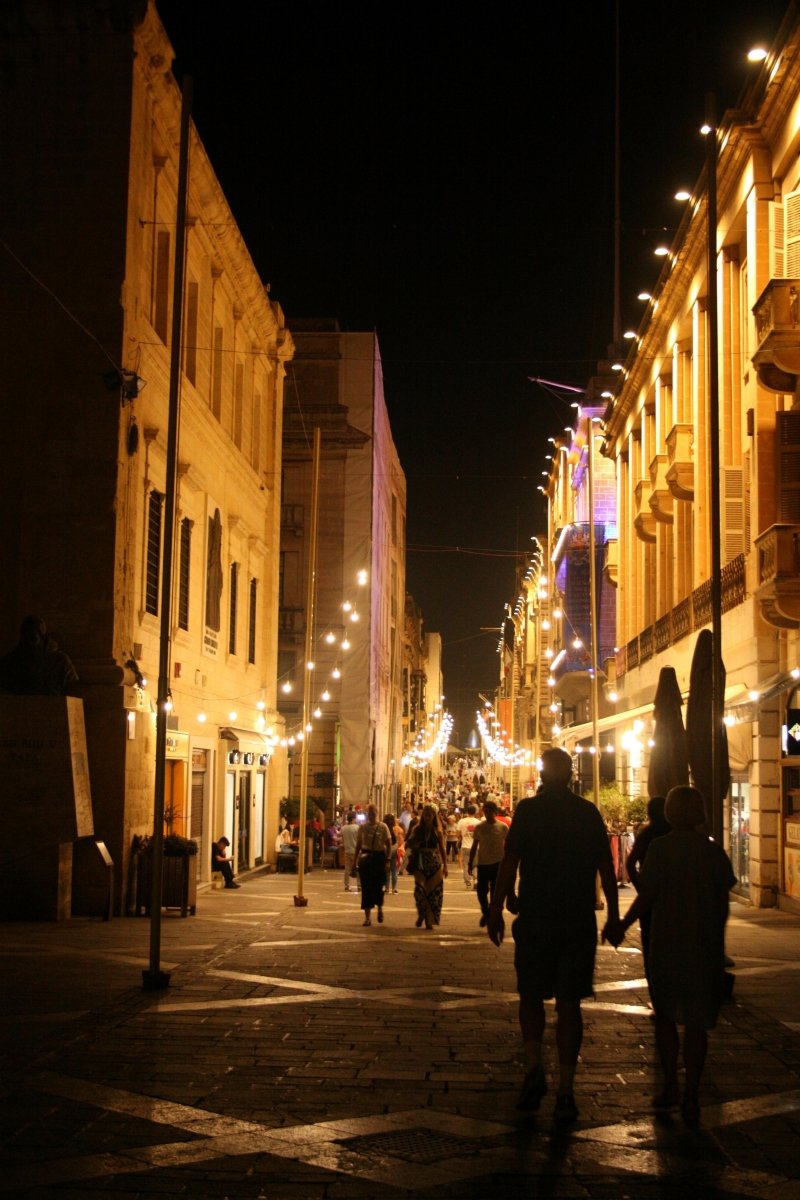
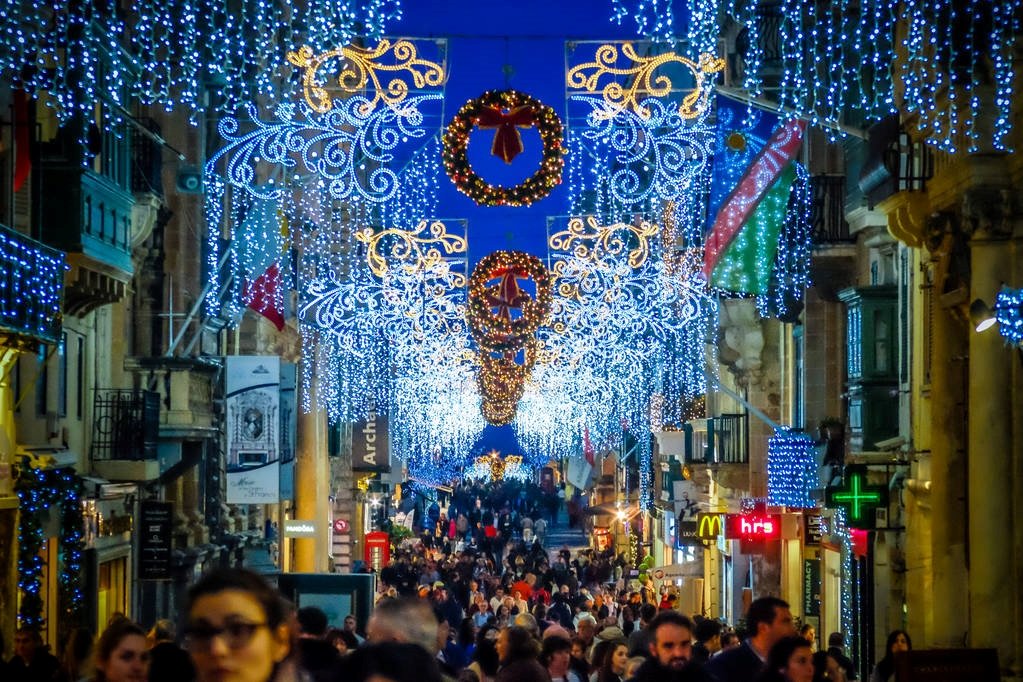
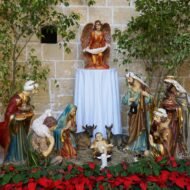
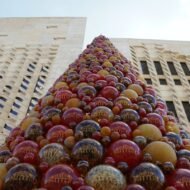
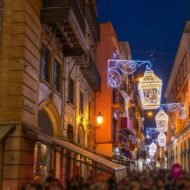
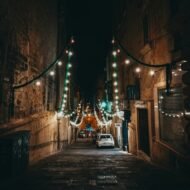
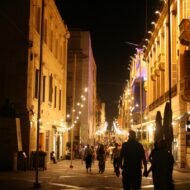
- Christmas in Valletta: The capital transforms with light installations and nativity scenes
- Carnival (February/March): Five days of parades, costumes, and street parties—especially vibrant in Valletta and Nadur (Gozo)
- Malta International Fireworks Festival (April, but workshops visible in winter)
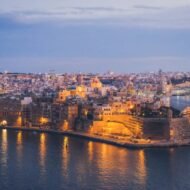
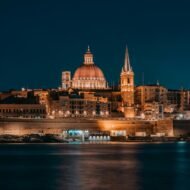
- New Year’s in St. George’s Square: Fireworks over the Grand Harbour
Essential Info Malta International Airport connects well to Europe. Buses cover the islands efficiently (if slowly). Rent a car for flexibility, but roads are narrow and chaotic—not for nervous drivers. Ferries connect Malta to Gozo (the quieter sister island) in 25 minutes. Valletta makes an excellent base. English spoken everywhere. Shops close for siesta, and Sundays are quiet.