






Planning Your Perfect Southern European Winter
When to Go
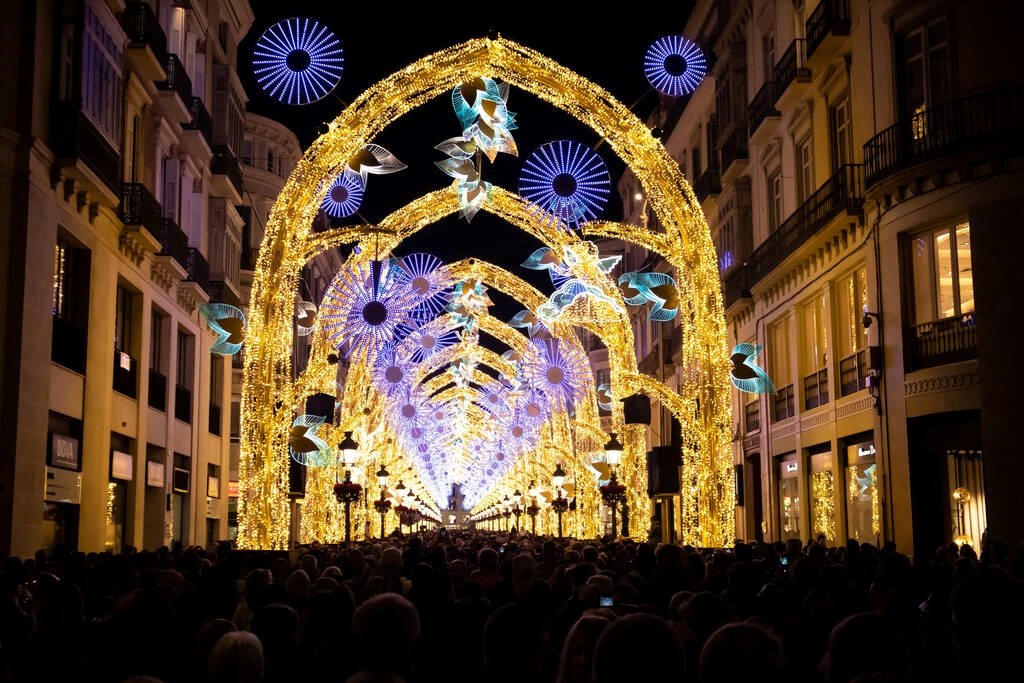
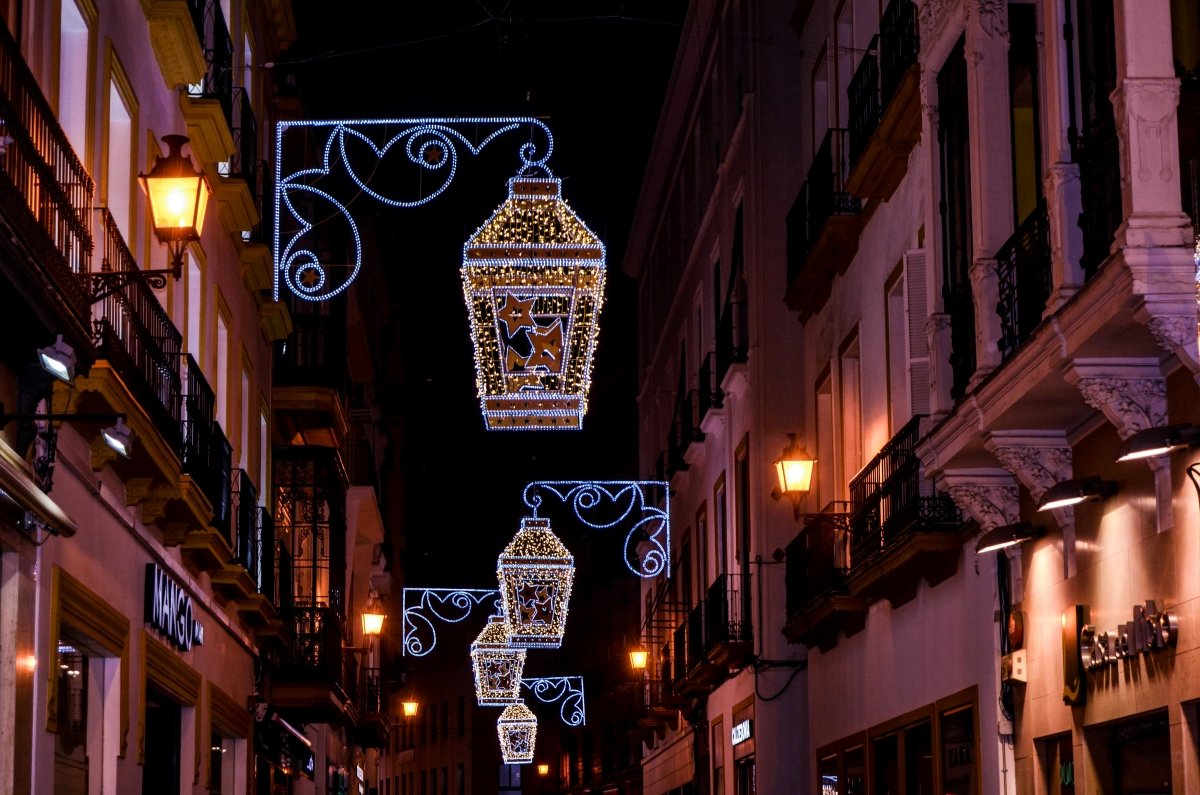
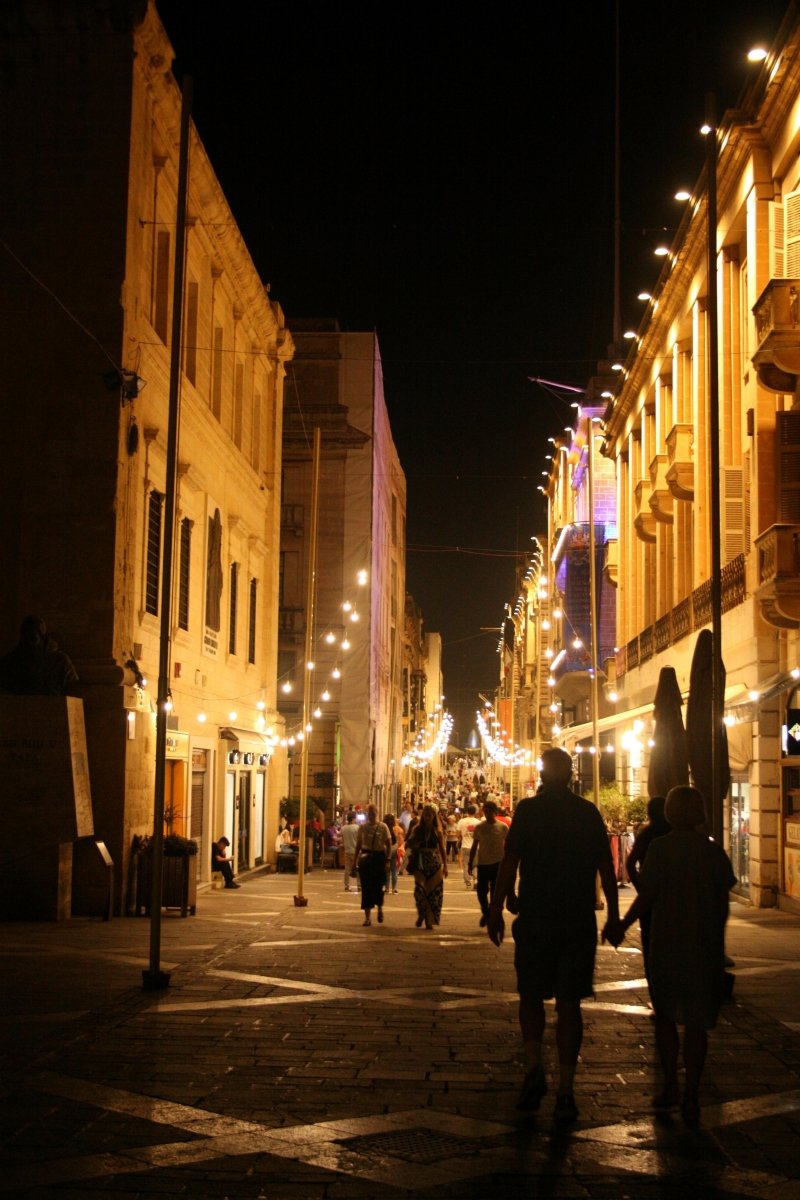
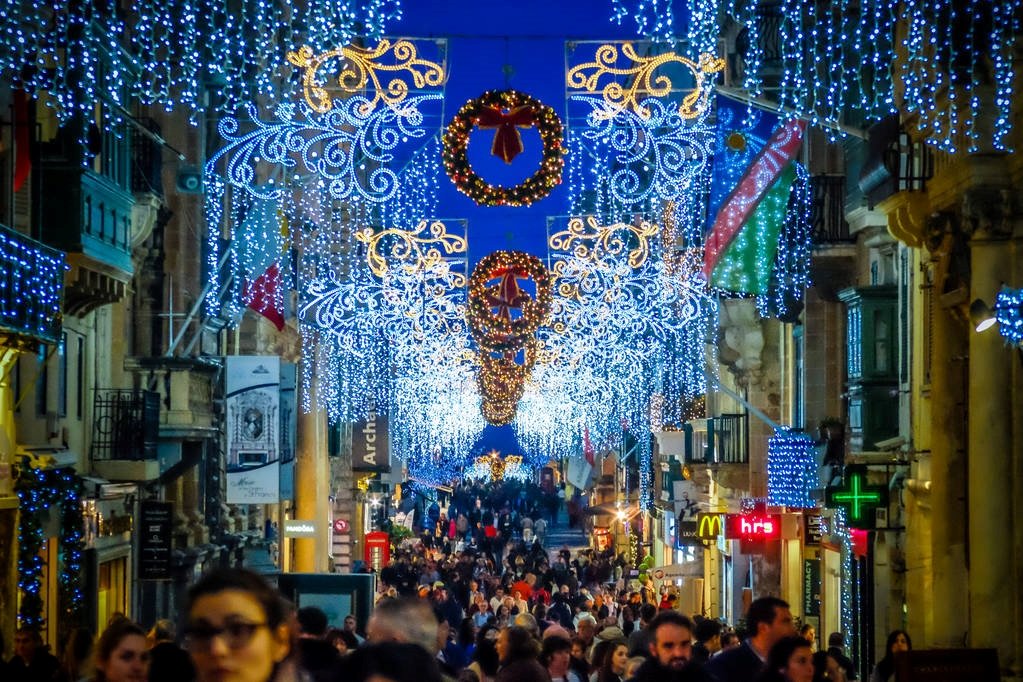
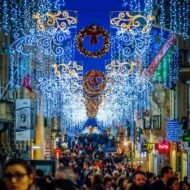
- December: Christmas markets, festive atmosphere, higher prices
- January-February: Best deals, fewer crowds, full winter experience
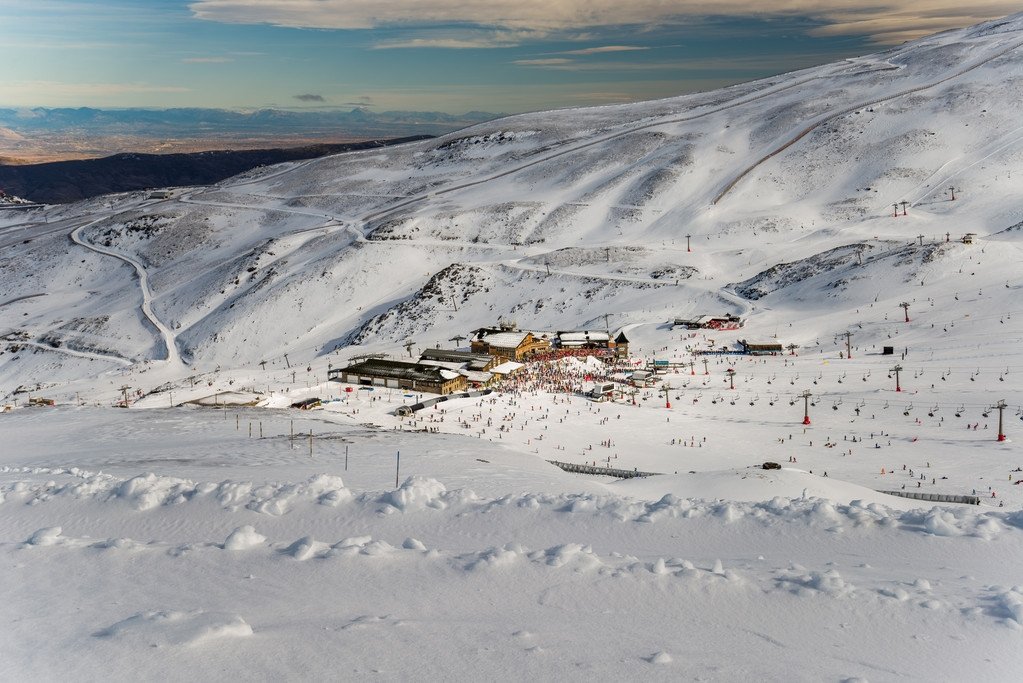
- March: Longer days, warming weather, skiing still excellent, spring blooming begins
Getting There Budget airlines connect most European cities to Seville, Málaga, Heraklion, Faro, Porto, Venice (for Dolomites). Book 2-3 months ahead for best prices (€30-80 roundtrip within Europe). From North America, connect through Lisbon, Madrid, or Rome.
What to Pack Layers are everything. Coastal destinations need a light jacket, long sleeves, and sunscreen (yes, sunscreen). Mountain areas require proper winter gear. All destinations: comfortable walking shoes, reusable water bottle, power adapter (Type C/F for Europe).
Money Matters Euro everywhere except London connections. Cards widely accepted in cities, cash needed in villages. ATM withdrawals beat exchange offices. Budget travelers can easily survive on €50-70/day (accommodation, food, local transport). Comfortable travel: €100-150/day. Luxury: €200+/day.
Language Tips English works in tourist areas and with younger generations. Learn basic pleasantries—it matters. “Please,” “thank you,” and “hello” in the local language open doors (and sometimes get you free dessert). Translation apps help in rural areas.
Sustainable Travel Choices
Support local businesses—eat at family tavernas, not chains. Use public transport where possible. Respect local customs and quiet hours. Winter is low season; your tourism genuinely helps communities that depend on year-round visitors.
Visit during shoulder season (November, March) for smaller environmental impact. Choose accommodations with environmental certifications. Eat seasonal, local produce. Take reusable bags to markets.
Safety & Health
Southern Europe is extremely safe. Standard precautions apply. Travel insurance covering winter activities is wise (skiing, mountaineering). EU healthcare cards work for EU citizens; others should verify coverage.
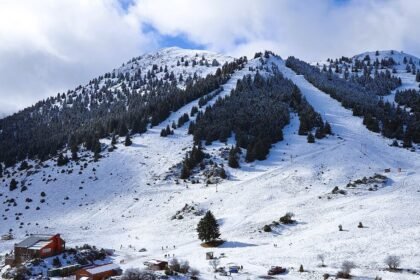
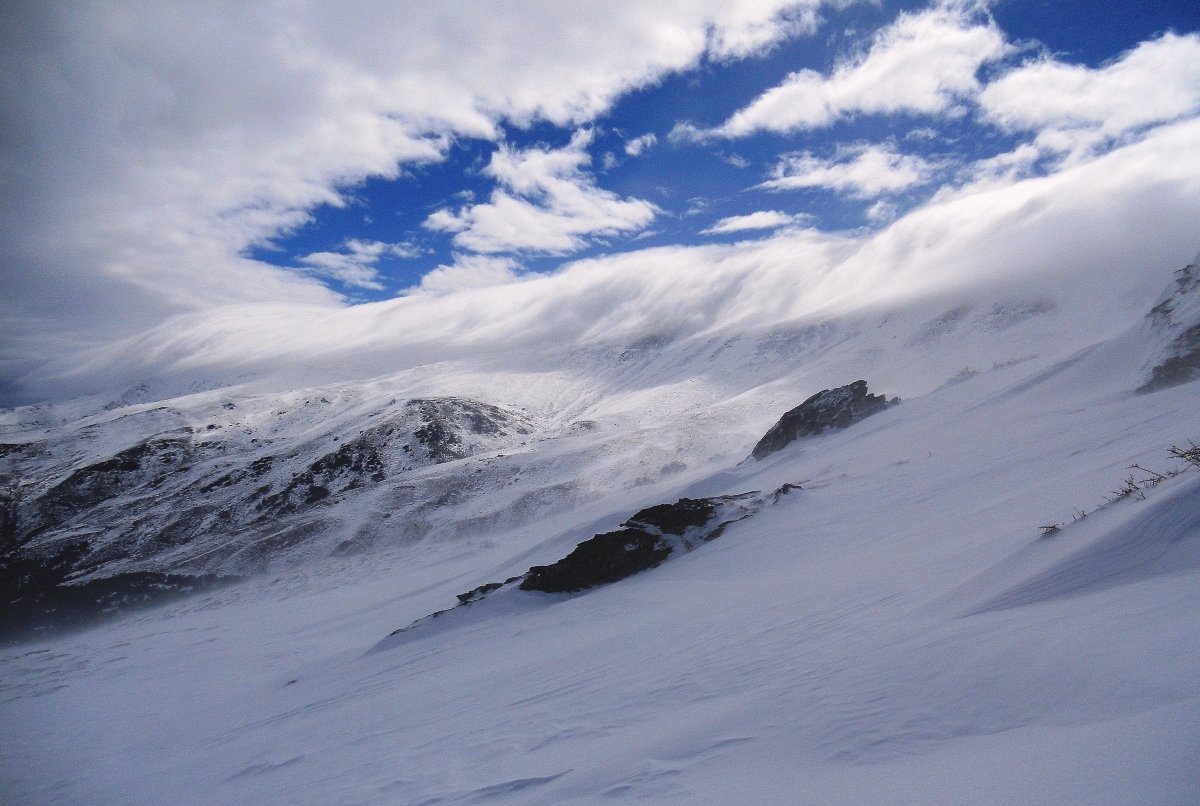
Winter weather is mild but changeable. Mountain areas can experience sudden snow. Coastal areas occasionally see storms. Check forecasts, especially for outdoor activities. Roads in mountain areas require winter tires.
Final Thoughts: Why Winter Changes Everything
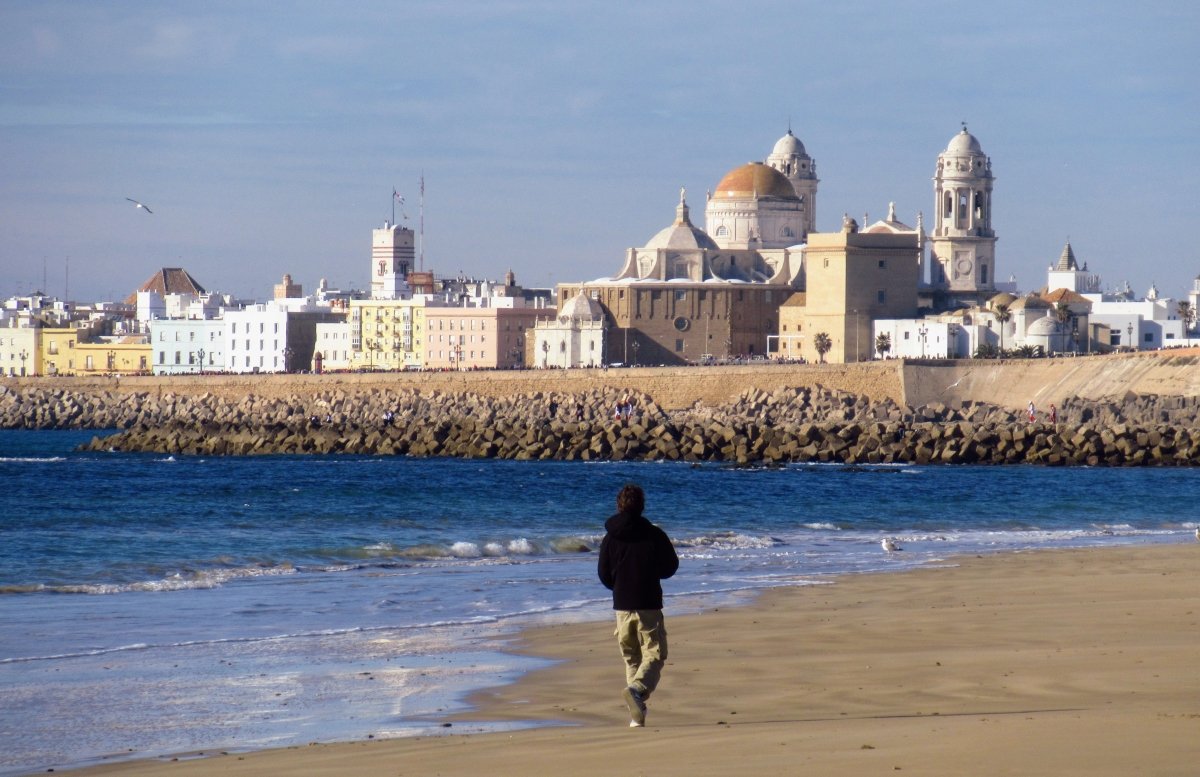
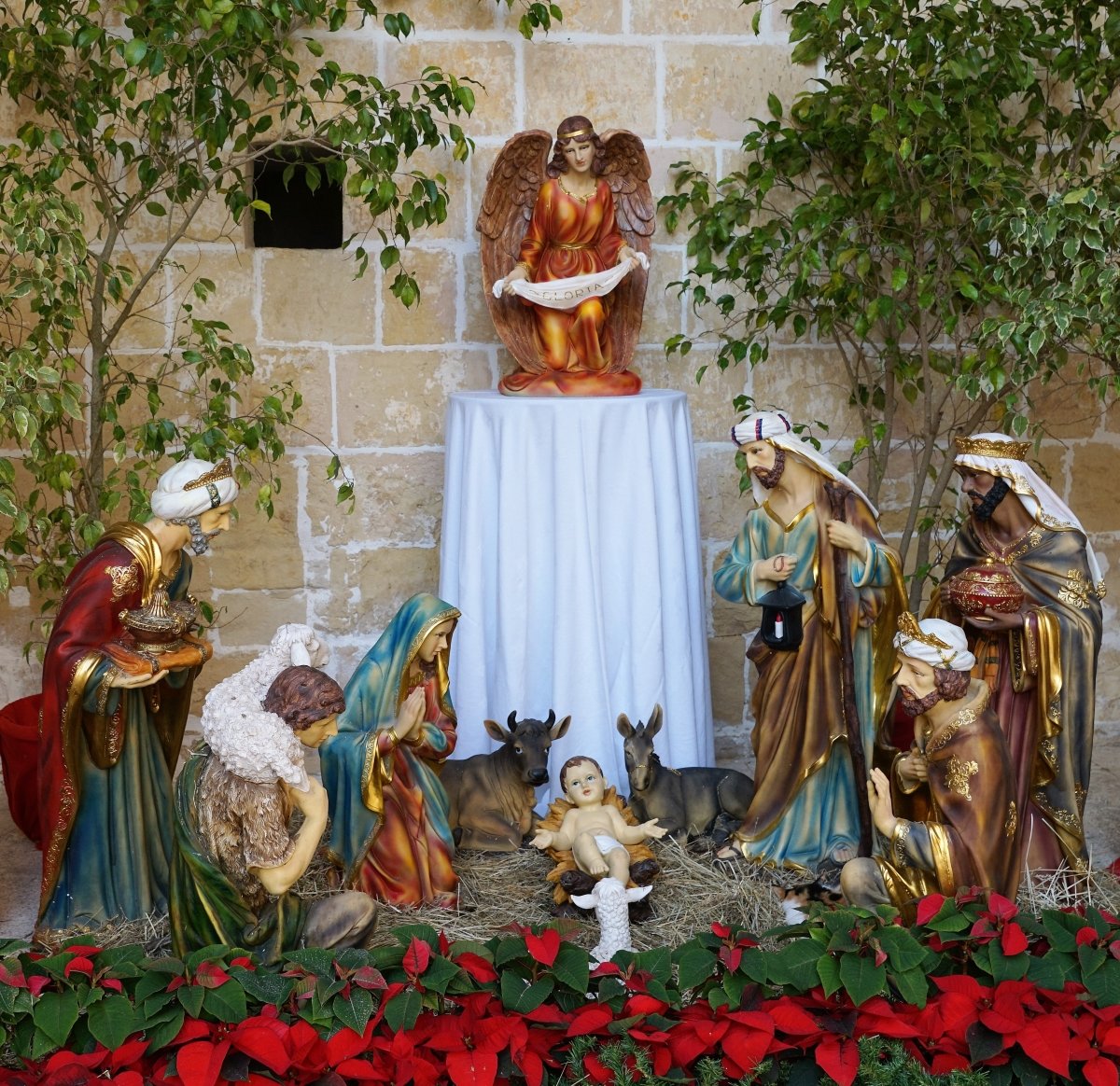
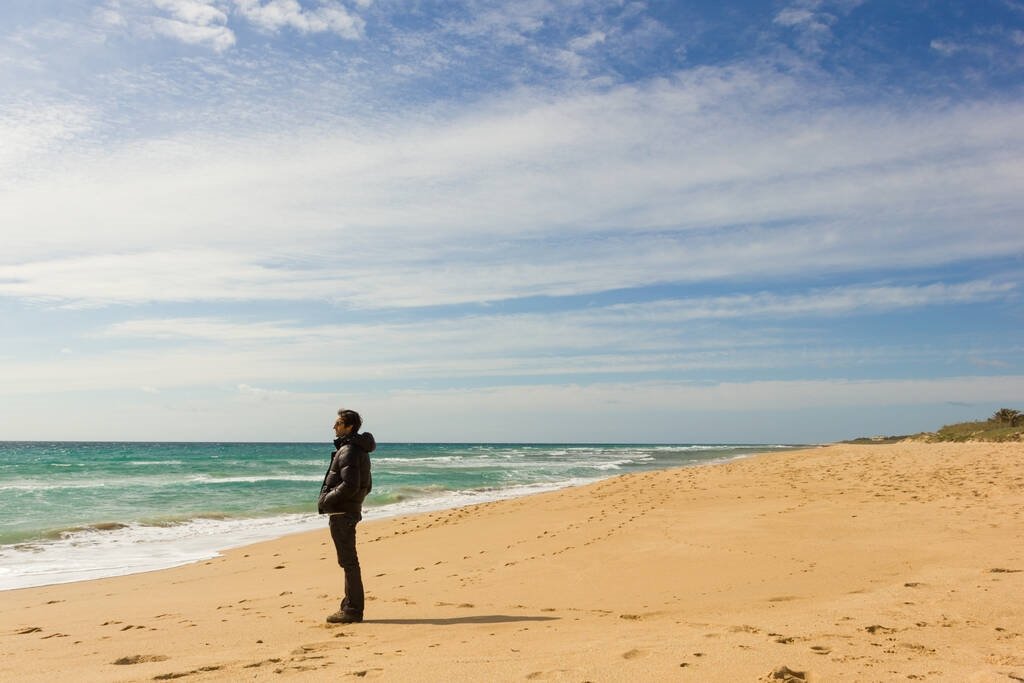
Here’s what summer tourists miss: Southern Europe in winter isn’t trying to impress anyone. The masks come off. You’ll drink coffee with locals, not influencers. You’ll see Christmas celebrated as tradition, not performance. You’ll have beaches, museums, and mountain trails without fighting crowds.
The food tastes better because restaurants aren’t overwhelmed. The conversations last longer because nobody’s rushing. The prices make sense. And that light—that soft, golden winter light that photographers dream about—it’s yours.
Winter travel requires slightly more planning. Some beach bars close. Mountain roads need chains. But what you gain is authenticity. Southern Europe in winter is Southern Europe being itself, and that’s the most generous gift any destination can offer.
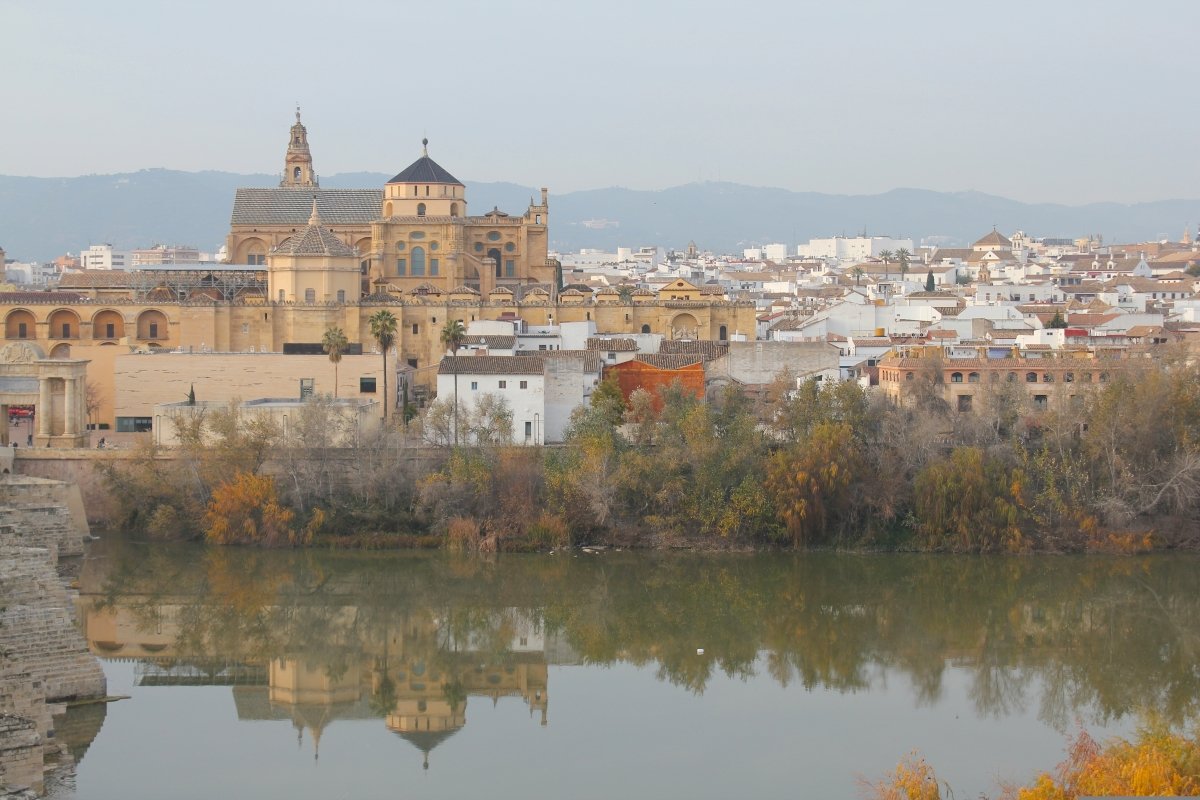
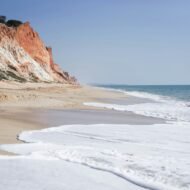
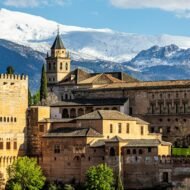
Whether you’re chasing snow in the Dolomites, sun in the Algarve, or that perfect balance in Andalusia, these destinations deliver what winter travel should be: refreshing, revitalizing, and real.
Pack layers. Bring curiosity. Leave expectations behind. Southern Europe is waiting, and winter might just be its best-kept secret.
Disclaimer
Travel information accurate as of December 2025. Prices, opening hours, and services can change—always verify directly with hotels, attractions, and transport providers before booking. Weather varies yearly; pack flexibly. Border requirements differ by nationality; check visa requirements for your specific passport. Travel insurance recommended for all international trips. Skiing and mountain activities carry inherent risks; assess your skill level honestly and consider guides for unfamiliar terrain.
Activity recommendations assume average fitness levels. Families should evaluate age-appropriateness. Some cultural events depend on lunar calendars or local decisions and may shift dates. While we strive for accuracy, we cannot guarantee all details. Use this guide as a starting point for your own research and planning.
Safe travels, and may your winter adventure exceed every expectation.