







TL;DR: The Carnival of Viareggio is Italy’s largest and most elaborate carnival celebration, featuring massive satirical paper-mâché floats parading along the Tuscan coast every February-March. Held over five consecutive weekends, this 150-year-old tradition combines political satire, artistic craftsmanship, and Mediterranean festivity. Expect vibrant parades, masked balls, street parties, and unforgettable coastal views—all just 20 km from Pisa and accessible from major Italian cities.
- What Makes Viareggio Carnival Worth Your Trip
- When to Visit: Timing Your Viareggio Carnival Experience
- Getting There: Your Journey to the Tuscan Coast
- Where to Stay: Accommodation Strategies
- The Main Event: Understanding the Parade
- Tickets and Viewing Tips
- Beyond the Parade: Making the Most of Your Visit
- What to Eat: Fueling Your Carnival Experience
- Practical Tips for First-Timers
- Traveling with Families
- Sustainable Travel Tips
- What Not to Do
- Accessibility Information
- The Carnival Calendar: Planning Your Perfect Weekend
- Combining Viareggio with Longer Italian Adventures
- Final Thoughts: Is Viareggio Carnival Right for You?
- Recap: Your Viareggio Carnival Checklist
What Makes Viareggio Carnival Worth Your Trip
Look, I’m going to level with you: Italy has carnivals everywhere. Venice gets all the Instagram love with those fancy masks, but if you want to experience something that’ll actually make your jaw drop and your camera work overtime, Viareggio is where it’s at.
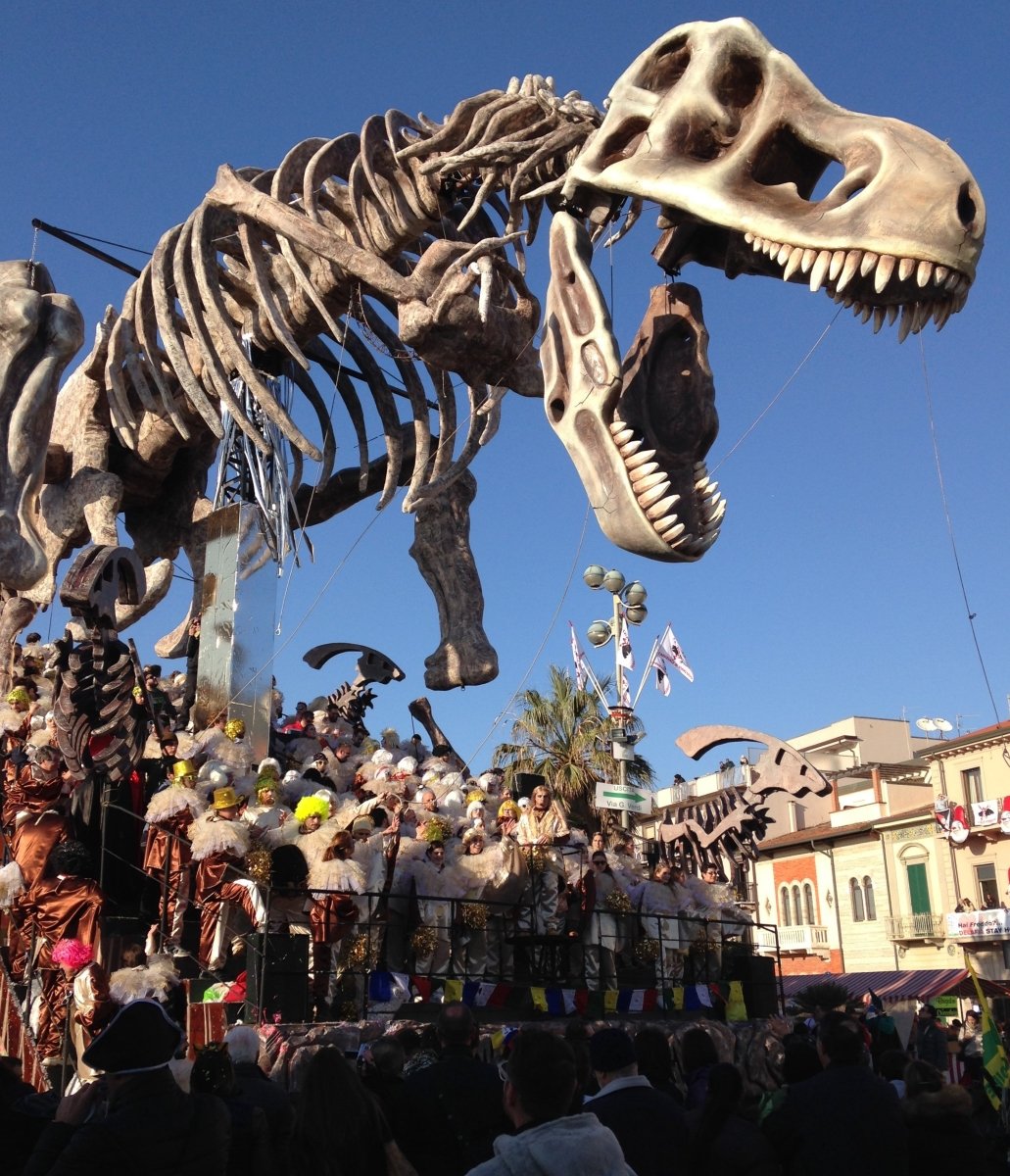
Picture this: floats the size of four-story buildings, meticulously crafted from paper-mâché, rolling down a seafront promenade while thousands of people throw confetti and dance in the streets. These aren’t your typical parade floats—they’re moving political cartoons, often satirizing world leaders and current events with Italian flair and zero chill. It’s like if a Renaissance art studio, a political comedy show, and a beach party had a baby.
The Carnival of Viareggio has been running since 1873, making it one of Europe’s oldest and most prestigious carnival celebrations. Unlike Venice’s intimate canal-side mystique, Viareggio goes big, bold, and completely unapologetic.
When to Visit: Timing Your Viareggio Carnival Experience
The carnival typically runs for five weekends between late January and early March, depending on when Easter falls. For 2026, you’ll want to check the official dates, but it generally follows this pattern:
- First parade: Usually late January or early February
- Subsequent parades: The following four Sundays
- Final parade: Shrove Tuesday (Mardi Gras)
Here’s the insider tip: while all parades are spectacular, the final weekend brings extra energy, fireworks displays, and the most elaborate floats. However, it’s also the most crowded. If you prefer a more relaxed vibe with equally impressive floats, visit during the second or third weekend.
Getting There: Your Journey to the Tuscan Coast
Viareggio sits perfectly positioned on Tuscany’s coastline, making it surprisingly accessible whether you’re flying in or already exploring Italy.
By Air
- Pisa International Airport (PSA): Just 20 km away—your best bet. Direct trains run to Viareggio in about 20-25 minutes (€3-5).
- Florence Airport: About 100 km away, with connections via train through Florence Santa Maria Novella station.
- Rome Fiumicino: For those combining carnival with a Roman holiday, it’s a 3-4 hour train journey.
By Train
Viareggio’s train station is well-connected to Italy’s rail network. From major cities:
- Florence: 1-1.5 hours (€8-15)
- Pisa: 20-25 minutes (€3-5)
- Rome: 3-4 hours (€25-50)
- Milan: 3 hours (€30-60)
The station is walkable to the waterfront promenade where parades happen (about 10-15 minutes), or you can grab a local bus or taxi.
By Car
Driving gives you flexibility to explore the Tuscan countryside, but parking during carnival weekends becomes a competitive sport. If you’re driving, arrive early or use designated park-and-ride facilities outside the city center.
Where to Stay: Accommodation Strategies
Here’s where planning ahead pays off. Viareggio transforms during carnival season, and accommodation fills up fast.
Best Areas to Book
Seafront Promenade (Passeggiata): Prime location right on the parade route. You’ll pay premium prices (€150-400/night), but you can literally watch floats from your hotel balcony. Book 3-6 months ahead.
City Center: Still close to action but slightly more affordable (€80-150/night). You’re a 5-10 minute walk from the parade route and have better restaurant options.
Torre del Lago: About 5 km south, this quieter area offers budget-friendly options (€50-100/night) with easy bus connections to Viareggio.
Accommodation Types
- Hotels: Range from beachfront luxury to family-run pensiones
- Vacation Rentals: Great for groups or families wanting kitchen access
- Agriturismos: In the surrounding countryside—perfect if you’re renting a car and want authentic Tuscan countryside vibes between carnival festivities
Pro tip: Many visitors base themselves in nearby Pisa or Lucca (both worth exploring anyway) and make day trips to Viareggio for parades. This strategy saves money and lets you experience multiple Tuscan gems.
The Main Event: Understanding the Parade
The parades happen along the Passeggiata, a 3-kilometer beachfront promenade. Each parade lasts about 2-3 hours and typically starts around 3:00 PM on Sundays (check specific times as they can vary).
What to Expect
The Floats (Carri): These masterpieces take nearly a year to create. Craftsmen work in massive hangars called “Cittadella del Carnevale” (Carnival Citadel), using traditional paper-mâché techniques passed down through generations. Floats can reach 20 meters high and feature animatronic elements, moving parts, and crews in coordinated costumes.
The themes are usually satirical, targeting politicians, celebrities, and social issues. Even if you don’t speak Italian, the visual humor translates—recent years have featured caricatures of world leaders, commentary on climate change, and jabs at social media culture.
Masked Groups: Between floats, you’ll see elaborate masked groups performing choreographed dances and throwing confetti (tons of it—wear clothes you don’t mind getting colorful).
Veglioni (Masked Balls): After parades, nighttime festivities include formal masked balls and street parties that last until dawn. The biggest happens on the final Saturday night.
Tickets and Viewing Tips
Ticketing
- Seated grandstands: €20-35 depending on location and date
- Standing areas: €15-20
- Children under 6: Usually free
- VIP sections: €50+ with better views and amenities
Buy tickets online in advance through the official Carnival of Viareggio website. Last-minute ticket availability is hit-or-miss, especially for final weekend parades.
Best Viewing Spots
Seated grandstands: Along the promenade, numbered sections with chairs. Arrive 30-60 minutes early for best seats within your section.
Free viewing areas: Limited spaces exist at parade start/end points, but you’ll be standing in crowds. Get there 2+ hours early for decent spots.
Balconies and cafés: Some seafront restaurants and hotels offer viewing packages (dinner + parade view). Expect to pay €50-100 per person but you’ll have bathroom access, food, and shelter if weather turns.
Insider secret: The parade route includes a turnaround point. Position yourself there and you’ll see floats from multiple angles as they maneuver—great for photography.
Beyond the Parade: Making the Most of Your Visit
Cittadella del Carnevale
Visit the carnival workshops where floats are built. It’s like going backstage at the world’s most colorful theater. Guided tours available (€8-12), showing you the construction process and letting you meet the artists.
Beach Time
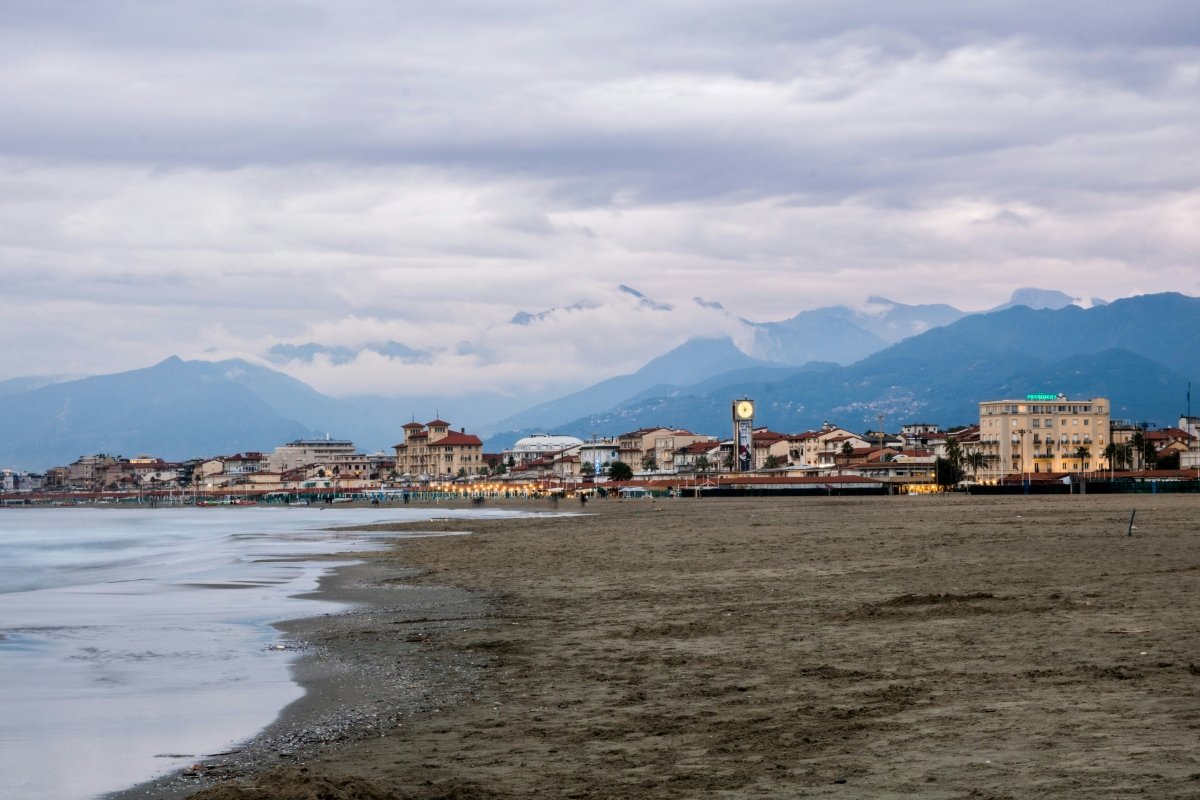
Yes, it’s winter, but Mediterranean winter means you might still get sunny, pleasant days (10-15°C/50-60°F). The beach won’t be swimming weather, but it’s perfect for walks along the famous Liberty-style waterfront architecture.
Day Trips Worth Taking
Pisa: 20 minutes away—see the Leaning Tower, obviously, but also explore the charming historic center beyond the touristy Field of Miracles.
Lucca: 30 minutes inland—a perfectly preserved walled city where you can bike around medieval ramparts and explore cobblestone streets without cruise ship crowds.
Cinque Terre: About 90 minutes north—colorful clifftop villages that define Italian coastal beauty. Less crowded in winter.
Wine Country: The Tuscan countryside offers endless wine-tasting opportunities. Bolgheri and the Versilia hills produce excellent wines often overlooked by tourists rushing to Chianti.
What to Eat: Fueling Your Carnival Experience
Carnival season brings special foods, and Viareggio delivers on both traditional Tuscan cuisine and carnival treats.
Must-Try Carnival Foods
Cenci (or Frappe): Crispy, ribbon-shaped fried dough dusted with powdered sugar—the quintessential carnival dessert throughout Italy.
Castagnaccio: Chestnut flour cake with rosemary, pine nuts, and raisins—distinctly Tuscan and delicious.
Frittelle: Sweet fried dough balls, sometimes filled with cream or rice pudding.
Local Specialties
Seafood Everything: You’re on the coast—exploit it. Cacciucco (Tuscan fish stew), fresh anchovies, and frittura di paranza (mixed fried seafood) are local treasures.
Tortelli: Large, stuffed pasta common in this region, often filled with meat ragù or herbs.
Where to Eat
Ristorante Romano: Institution serving classic Tuscan seafood since 1966. Book ahead.
Trattoria da Galileo: Family-run spot beloved by locals for honest prices and generous portions.
Street food stalls: During carnival, the promenade fills with vendors selling everything from porchetta sandwiches to sweet crepes—embrace the chaos and eat like a local.
Pro tip: Lunch menus (pranzo fisso) offer significant savings. Eat your main meal at lunch (1-3 PM) and do lighter snacks or aperitivo in the evening.
Practical Tips for First-Timers
What to Wear
- Layers: February weather is unpredictable. Bring a warm jacket, but be ready to strip down if sunshine appears.
- Comfortable shoes: You’ll walk several kilometers. Cobblestones + heels = disaster.
- Costume optional: Many visitors wear simple masks or colorful accessories, but full costume isn’t required. If you want to dress up, go for it—nobody will judge.
- Old clothes: Confetti is weaponized here. You’ll leave covered in colorful paper bits.
Money Matters
- Cash: While cards work most places, smaller vendors and food stalls often prefer cash. ATMs available throughout the city.
- Budget: Expect €60-100 per person daily (excluding accommodation) for food, tickets, and incidentals. Budget travelers can do €40-50 with street food and standing tickets.
Language
English is spoken in hotels and major tourist areas, but learning basic Italian phrases enhances your experience. “Dov’è il bagno?” (Where’s the bathroom?) becomes crucial during crowded parades.
Safety
Viareggio during carnival is very safe, but standard precautions apply:
- Watch for pickpockets in dense crowds
- Keep valuables secure
- Stay hydrated (yes, even in February if you’re dancing in crowds)
- Have a meeting point if traveling with others—cell service can struggle with thousands of people in one area
Photography
- Bring extra batteries/power banks: You’ll shoot way more than expected
- Memory cards: Don’t run out of space during the parade
- Timing: Golden hour (late afternoon) provides gorgeous light for float photography
- Respect: Ask before photographing people in costume close-up
Traveling with Families
The Carnival of Viareggio is remarkably family-friendly. Italians take kids everywhere, and carnival celebrates this.
- Kids under 6: Free parade admission
- Stroller access: Challenging in crowds—baby carriers work better
- Family areas: Some grandstand sections designated for families
- Timing: Afternoon parades work well for younger children (evening events run late)
- Activities: Face painting, street performers, and special children’s events happen throughout the city
Sustainable Travel Tips
- Train travel: Italy’s rail network is efficient and greener than renting a car
- Reusable water bottles: Fountains throughout the city provide free drinking water
- Support local artisans: Buy carnival masks and crafts from local makers, not mass-produced imports
- Off-season visits: Consider attending middle weekends rather than final parade to reduce overtourism pressure
What Not to Do
Let’s talk about common mistakes visitors make:
Don’t skip the museum: The Museo del Carnevale showcases float history and craftsmanship—small entry fee, huge insight into what makes this carnival special.
Don’t book last-minute: Seriously, accommodation and tickets disappear fast. Plan 2-3 months ahead minimum.
Don’t overdress: This isn’t Venice’s formal masked balls. Viareggio is beachside, casual, and fun. Comfortable and colorful beats fancy and restrictive.
Don’t ignore the weather forecast: Check it obsessively the week before. Pack accordingly.
Don’t spend entire day at beach: Winter Mediterranean is beautiful but chilly. Balance outdoor time with cozy café breaks.
Accessibility Information
Viareggio has made efforts to improve accessibility, though some challenges remain:
- Wheelchair access: The seafront promenade is flat and accessible. Special grandstand sections available—request when booking.
- Accessible bathrooms: Available at major venues and along parade route.
- Transportation: Low-floor buses serve the city; trains have accessible carriages.
- Advance planning: Contact carnival organizers ahead for specific accessibility needs.
The Carnival Calendar: Planning Your Perfect Weekend
While all five weekends offer full parades, each has slightly different vibes:
Weekend 1: Smallest crowds, locals still figuring out which floats are their favorites, slightly lower energy but most authentic.
Weekends 2-3: Sweet spot—full energy, great floats, manageable crowds.
Weekend 4: Building excitement, bigger crowds, all floats performing at peak.
Weekend 5 (Mardi Grasso): Absolute chaos in the best way. Biggest crowds, maximum energy, fireworks finale, masked balls. Go if you want the full experience; skip if crowds stress you out.
Combining Viareggio with Longer Italian Adventures
Viareggio fits beautifully into broader Italian itineraries:
Tuscan Triangle (7-10 days): Florence → Pisa/Viareggio → Lucca → Siena → Florence
Coastal Route (10-14 days): Rome → Viareggio → Cinque Terre → Portofino → French Riviera
Art & Coast (7 days): Florence → Viareggio → Pisa → Lucca → Return to Florence
The carnival happens during shoulder season, meaning fewer tourists at major sites and lower prices outside carnival-specific areas.
Final Thoughts: Is Viareggio Carnival Right for You?
This carnival suits travelers who want:
- Authentic Italian cultural experiences beyond tourist-trap clichés
- Visual spectacle and artistic craftsmanship
- Family-friendly festivities with substance
- Mediterranean coastal vibes even in winter
- Political satire and Italian humor
- Festivals without pretension or dress codes
It might not suit those seeking:
- Quiet, contemplative travel experiences
- Guaranteed warm beach weather
- Formal, elegant masked balls (try Venice instead)
- Budget backpacking (though affordable options exist)
Recap: Your Viareggio Carnival Checklist
✅ Book 2-3 months ahead: Accommodation and parade tickets ✅ Plan for 2-4 days: One parade day minimum, but staying longer lets you explore Tuscany ✅ Check official carnival dates: They vary yearly based on Easter ✅ Arrive via Pisa: Easiest airport access ✅ Dress in layers: February weather surprises ✅ Bring cash: For food stalls and smaller vendors ✅ Charge your devices: You’ll photograph everything ✅ Learn basic Italian phrases: Enhances interactions ✅ Embrace the chaos: Confetti, crowds, and spontaneity are features, not bugs ✅ Try local seafood: You’re on the Tuscan coast—exploit it ✅ Visit the Cittadella: See how floats are made ✅ Consider mid-weekend visit: Better crowd-to-spectacle ratio ✅ Explore beyond carnival: Pisa, Lucca, and Tuscan countryside await
Disclaimer: Travel information, dates, and prices are subject to change. Always verify current details through official sources including the Carnival of Viareggio website (www.viareggio.ilcarnevale.com), transportation providers, and accommodation platforms before finalizing travel plans. Parade dates vary annually based on the Easter calendar. Ticket prices, attraction hours, and accessibility features may differ from those listed. This guide reflects information available as of early 2026 and represents the author’s personal perspective and research. Individual experiences may vary. Always purchase travel insurance and check current travel advisories before international trips. The author is not responsible for changes to carnival programming, closures, or unforeseen circumstances affecting your travel experience.