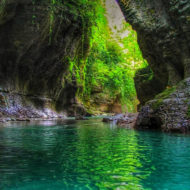


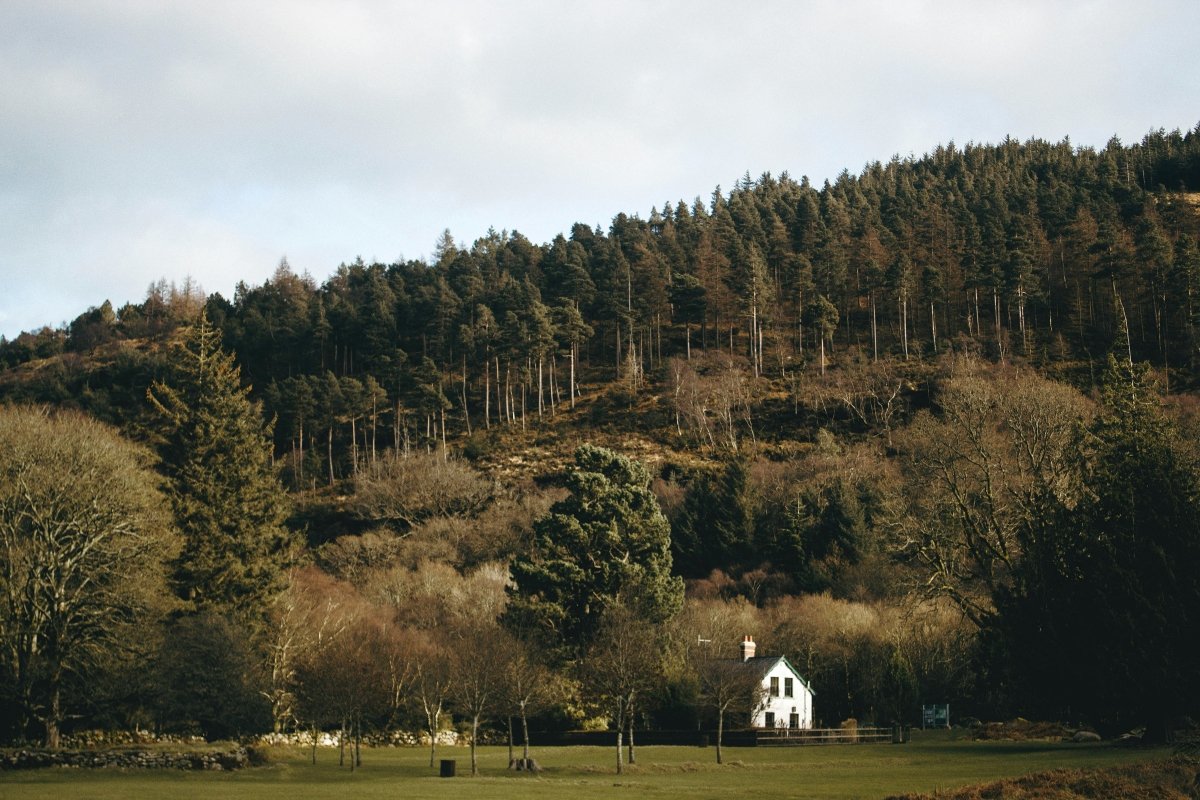
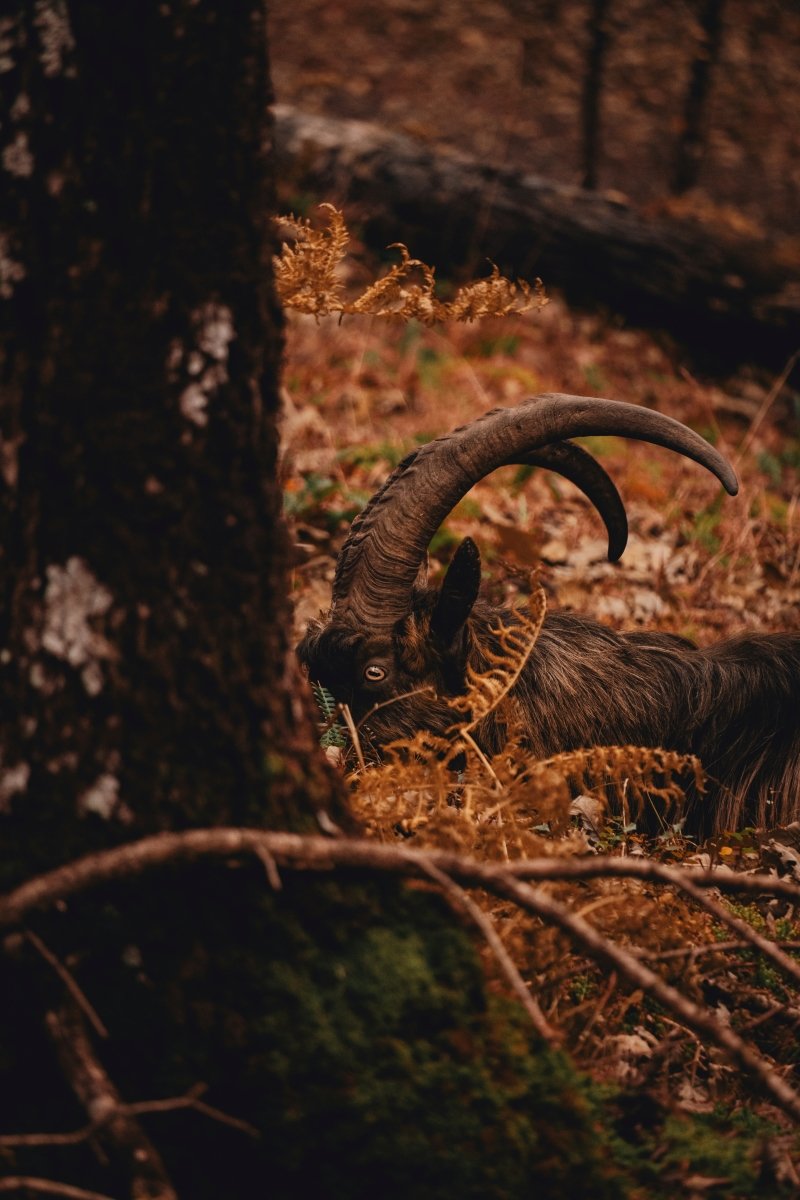






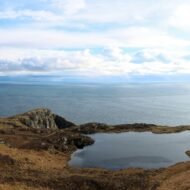


TL;DR: Ireland in Winter: 7 Magical Must-See Destinations , Ireland transforms into an enchanted wonderland during winter. From ancient castles shrouded in mist to coastal cliffs battered by dramatic Atlantic storms, these 7 destinations offer something special between November and February. Skip the summer crowds, save money on accommodations (up to 40% less), and experience the Emerald Isle at its most atmospheric. Pack waterproofs, book cozy pubs, and prepare for magic.
- Why Winter Ireland Hits Different
- The 7 Most Magical Winter Destinations in Ireland (Ranked by Visitor Reviews)
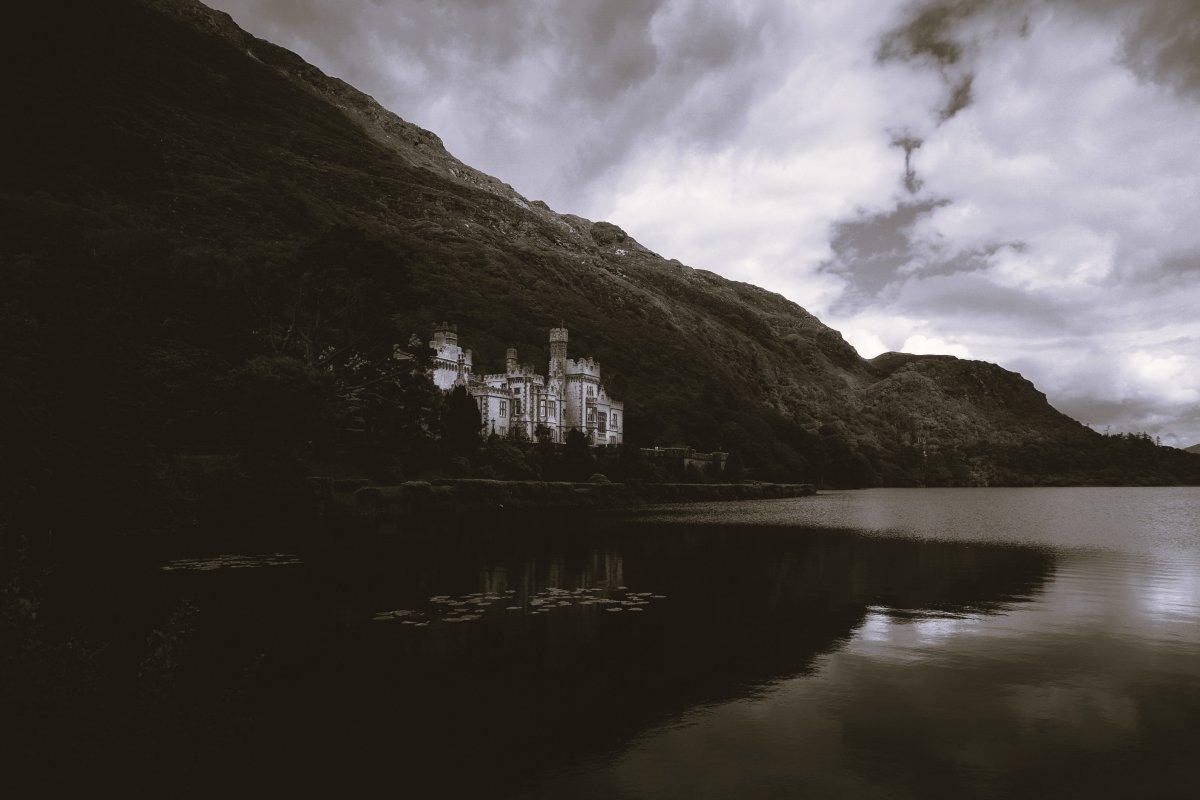
- 1. Kylemore Abbey & Connemara, County Galway ⭐ 4.8/5
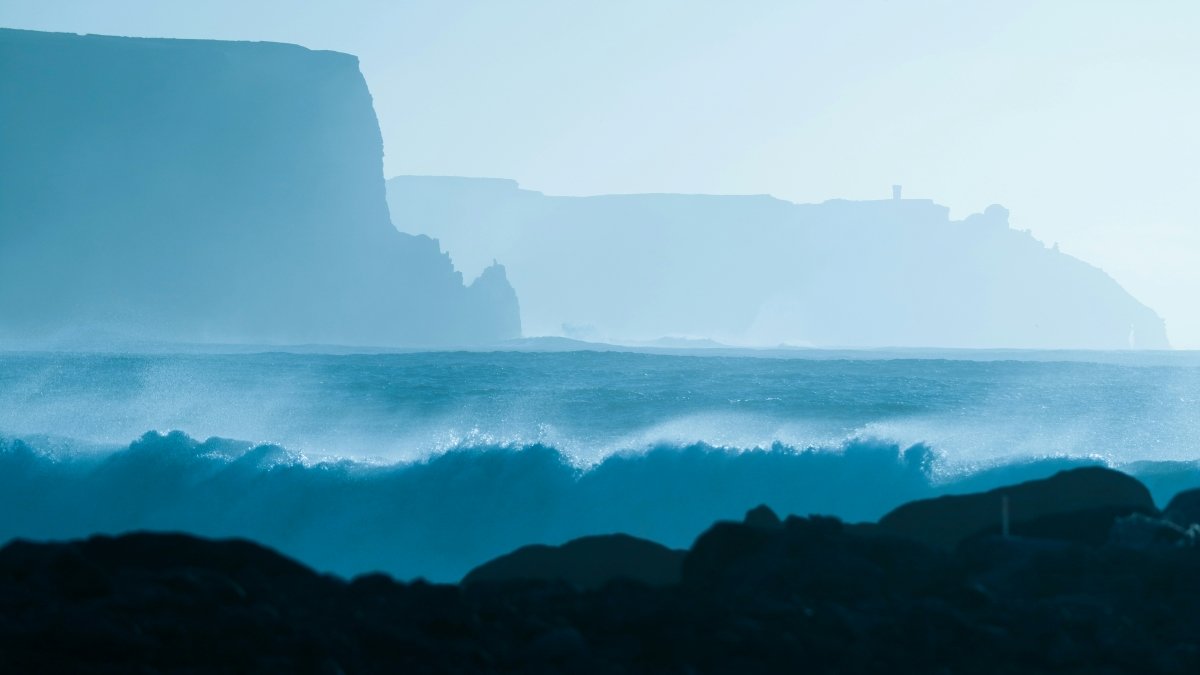
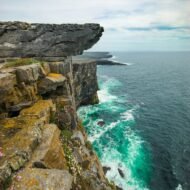
- 2. The Cliffs of Moher, County Clare ⭐ 4.7/5
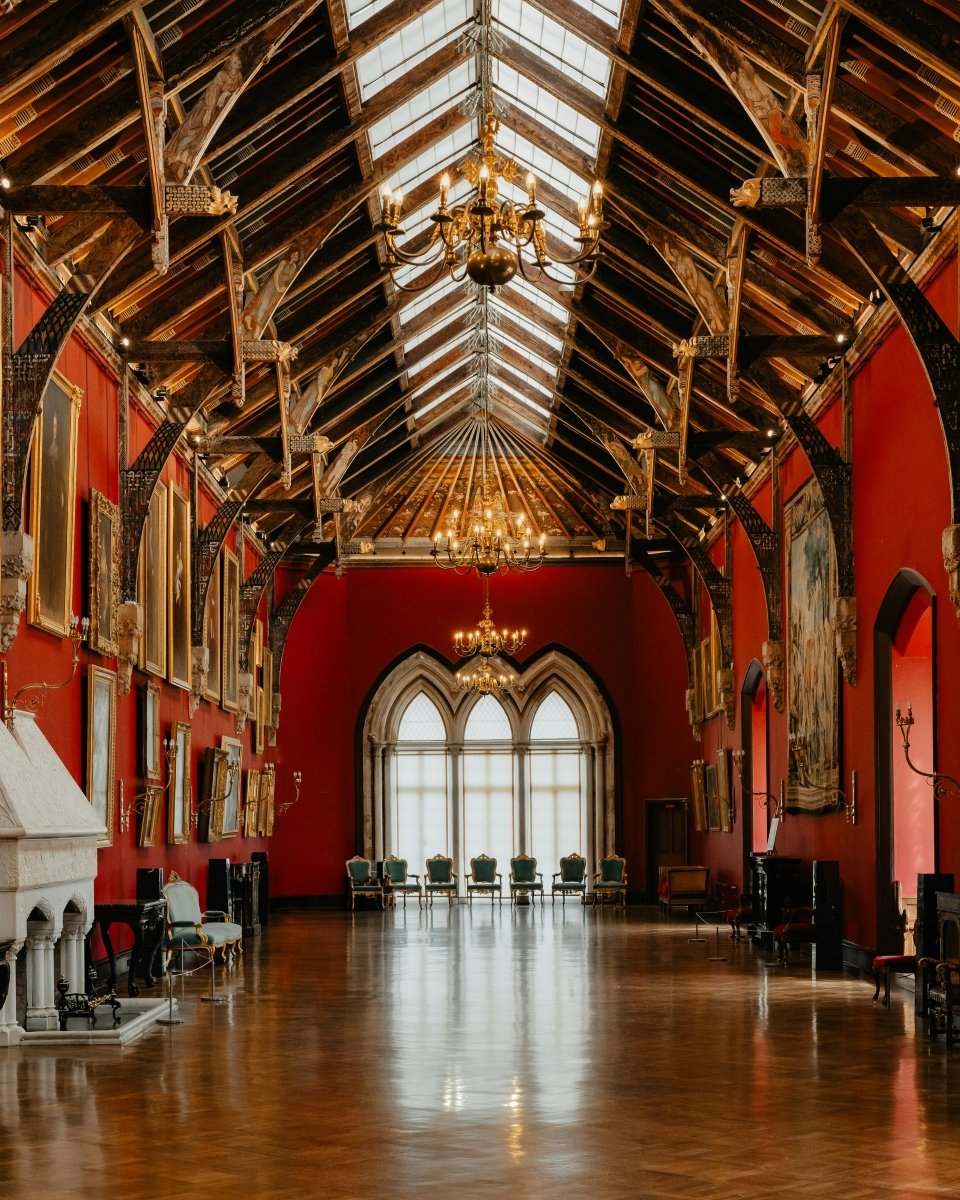
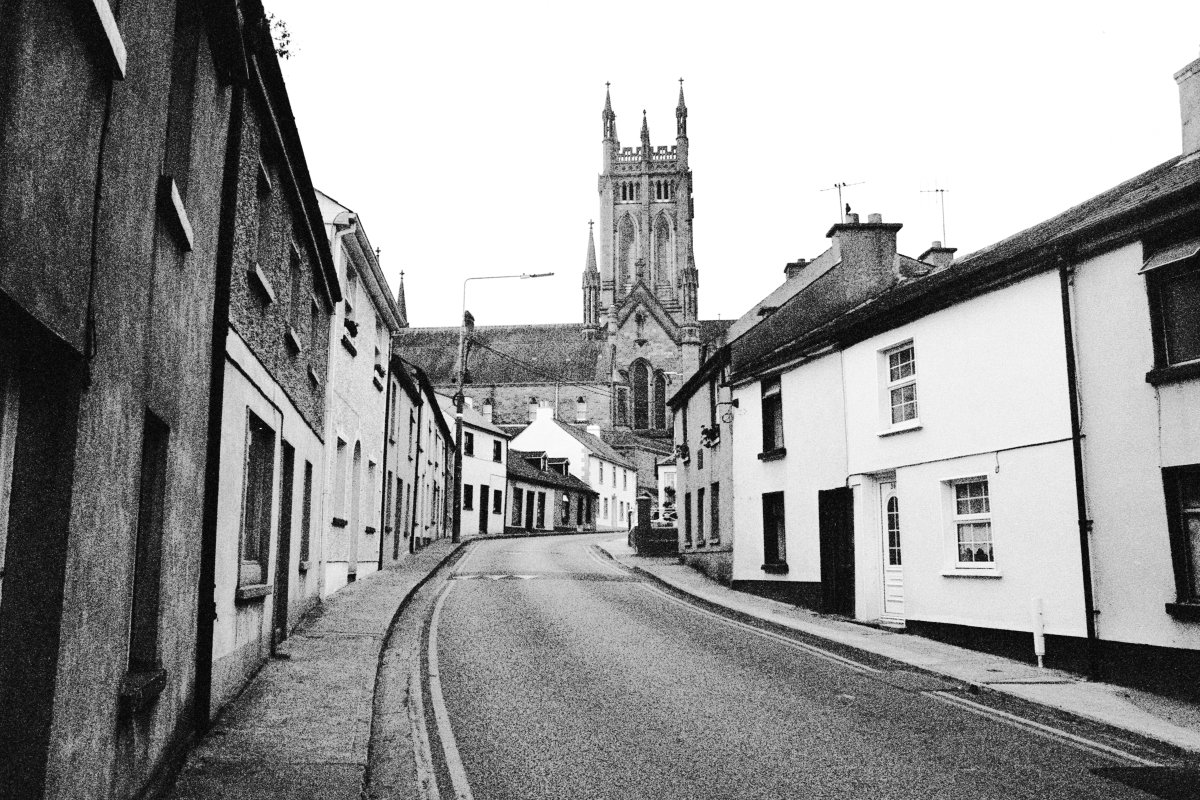
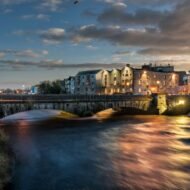
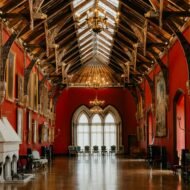
- 3. Kilkenny City & Castle, County Kilkenny ⭐ 4.7/5
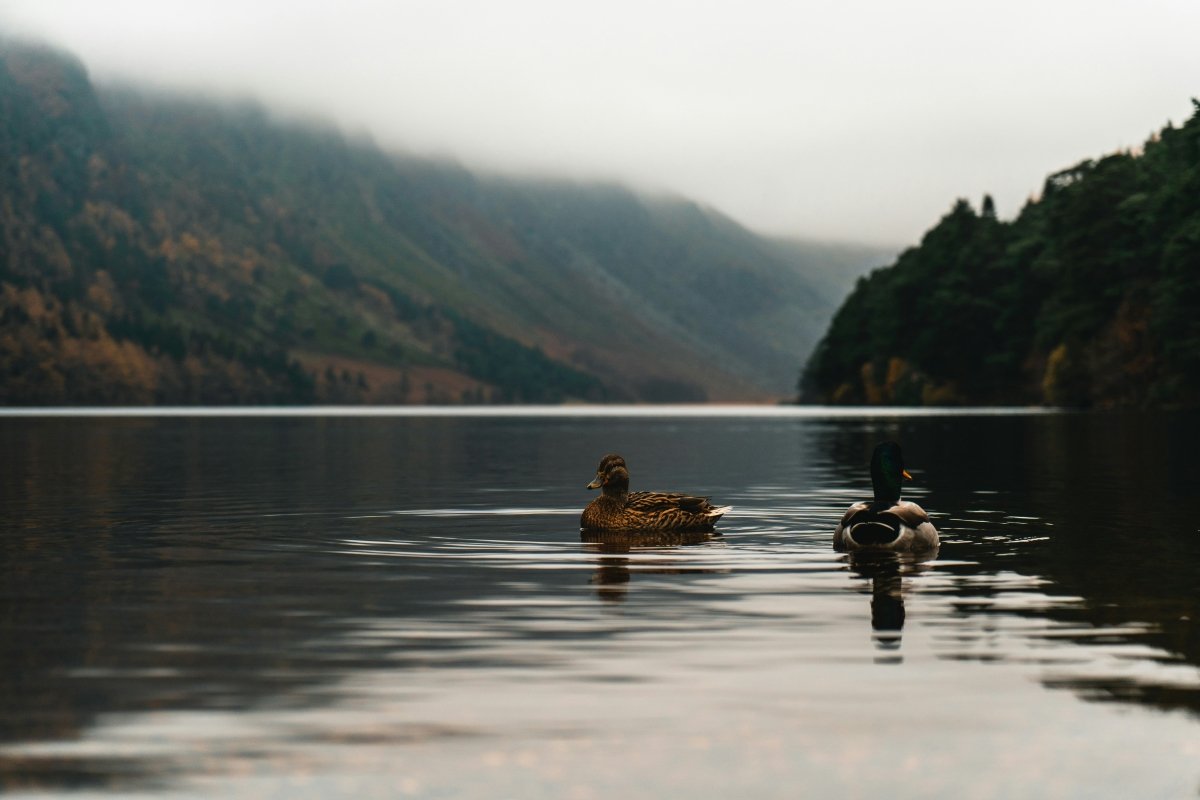
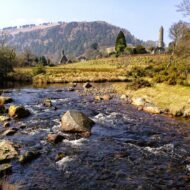
- 4. Glendalough, County Wicklow ⭐ 4.6/5
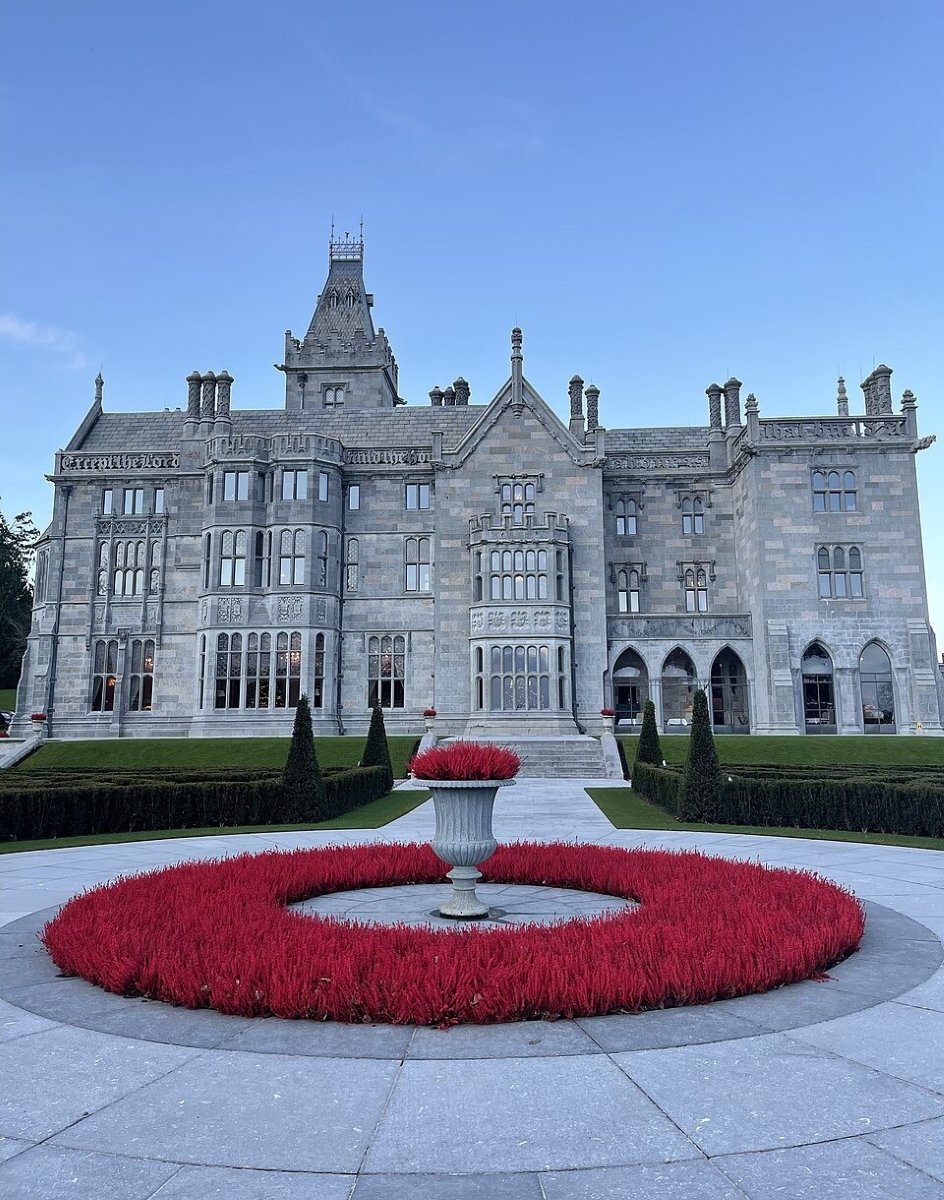
- 5. Adare Village, County Limerick ⭐ 4.5/5
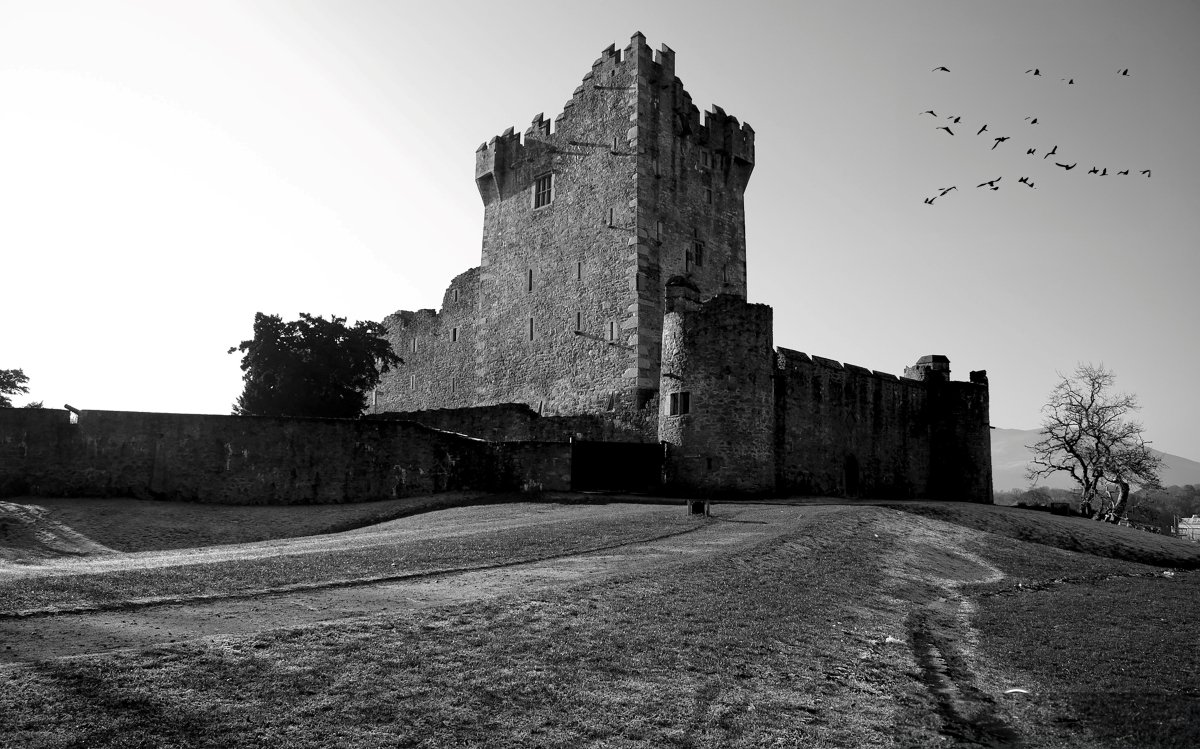
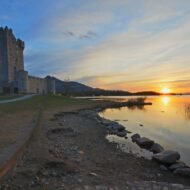
- 6. Ross Castle & Killarney National Park, County Kerry ⭐ 4.6/5
- 7. Slieve League Cliffs, County Donegal ⭐ 4.5/5
- Essential Winter Ireland Travel Tips
- Sample 5-Day Winter Itinerary
- When to Visit (Month-by-Month Breakdown)
- Frequently Asked Questions
- Recap: Your Winter Ireland Cheat Sheet
- Disclaimer
Why Winter Ireland Hits Different
Let’s get real—Ireland in winter isn’t about sunbathing. It’s about something way more special.
Picture this: you’re standing in front of a 12th-century castle, nobody else around, as morning mist rolls across emerald hills. Steam rises from your coffee cup while rain patters softly on ancient stone. There’s a turf fire crackling in a nearby pub, and you’ve got the whole place practically to yourself.
That’s winter Ireland. And honestly? It’s when this country truly shines.
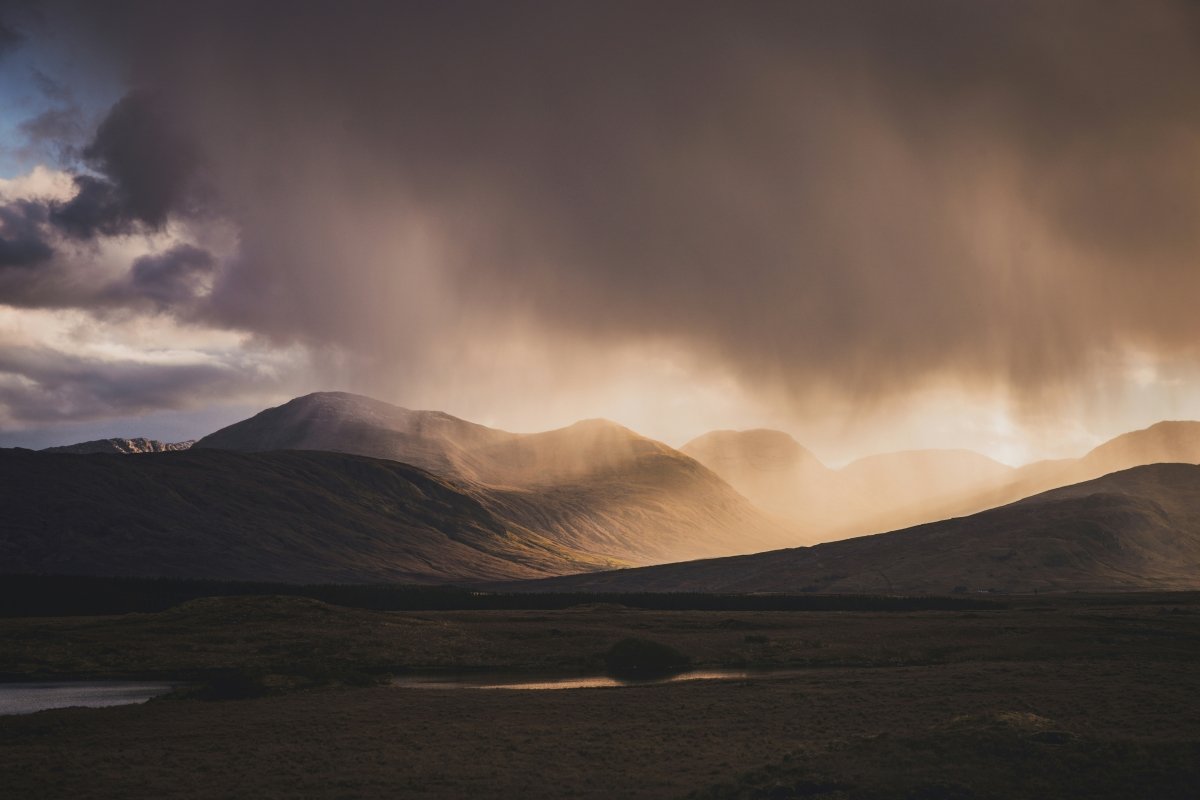
The tourists have gone home. Prices drop. Locals have time to chat. And Mother Nature puts on her most dramatic show—think moody skies, wild Atlantic storms, and landscapes that look like they’ve been painted in fifty shades of green and grey.
Plus, you’ll actually save serious money. We’re talking 30-40% off accommodations compared to peak summer rates, cheaper car rentals, and way more availability at top restaurants.
The 7 Most Magical Winter Destinations in Ireland (Ranked by Visitor Reviews)
We’ve ranked these based on thousands of traveler reviews from TripAdvisor, Google, and specialized travel forums, focusing on winter-specific experiences.
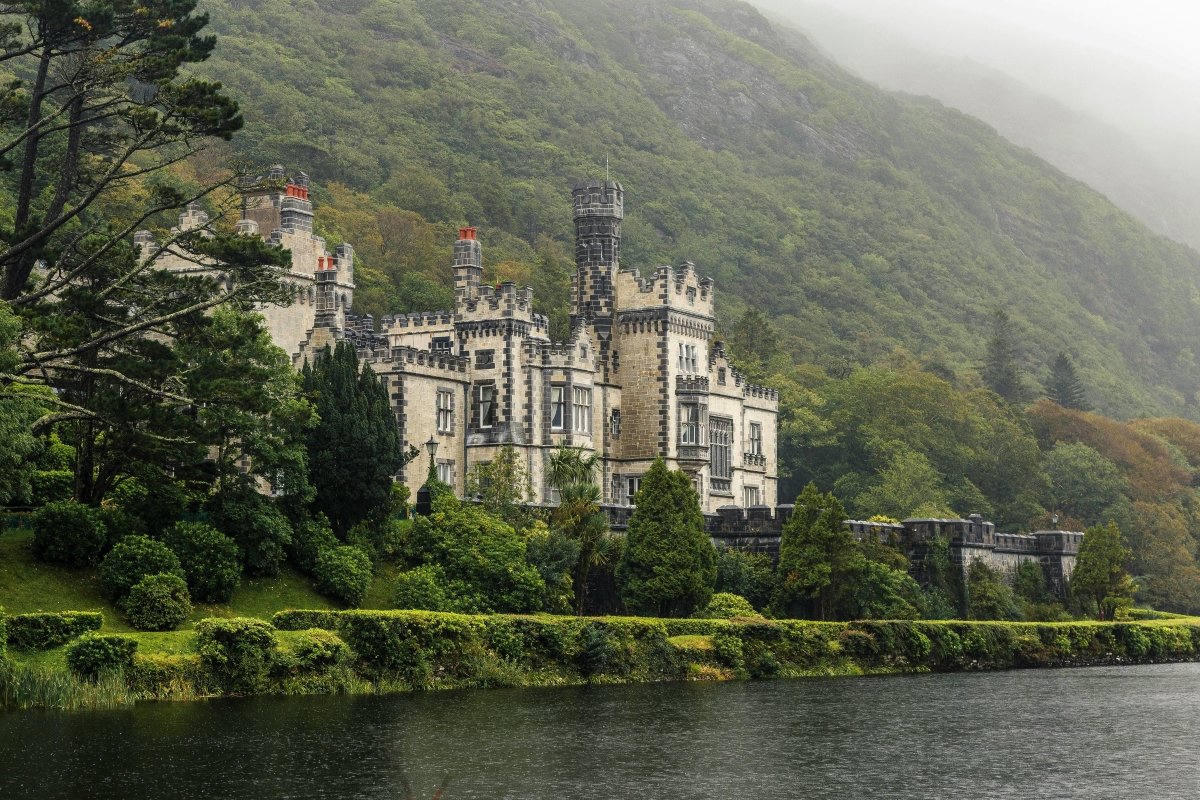
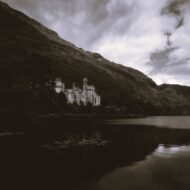
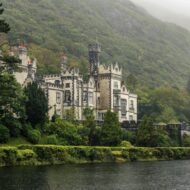
1. Kylemore Abbey & Connemara, County Galway ⭐ 4.8/5
Why visitors rave about it: “Like stepping into a Victorian Gothic novel”
Kylemore Abbey isn’t just Ireland’s most romantic castle—it’s an actual working monastery nestled against mountains that look like they’ve been sketched by Tolkien himself. In winter, when frost coats the Victorian walled gardens and mist clings to Kylemore Lough, this place becomes absolutely surreal.
What makes winter special here:
- The neo-Gothic castle reflected in still, mirror-like waters
- Dramatically reduced crowds (you might have entire rooms to yourself)
- The monastery’s Gothic church covered in frost looks straight out of a fairytale
- Connemara’s wild, desolate beauty is amplified in winter weather
- Cozy tea rooms with turf fires after exploring the grounds
Insider tips:
- Visit mid-week in January or February for the quietest experience
- The 6-acre Victorian Walled Garden is still beautiful in winter—look for hardy winter blooms
- Drive the Sky Road coastal route nearby when weather permits (10/10 dramatic views)
- Book afternoon tea in the abbey’s restaurant—it’s magical when it’s stormy outside
- Stay in nearby Clifden or Letterfrack for authentic village experiences
Budget estimate: €13.50 abbey entry, €80-150/night accommodation, €30-40 daily food
Best for: Couples, photographers, history lovers, anyone who wants to feel like they’re in a Brontë novel
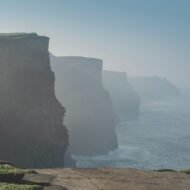
2. The Cliffs of Moher, County Clare ⭐ 4.7/5
Why visitors rave about it: “More powerful in winter than any other season”
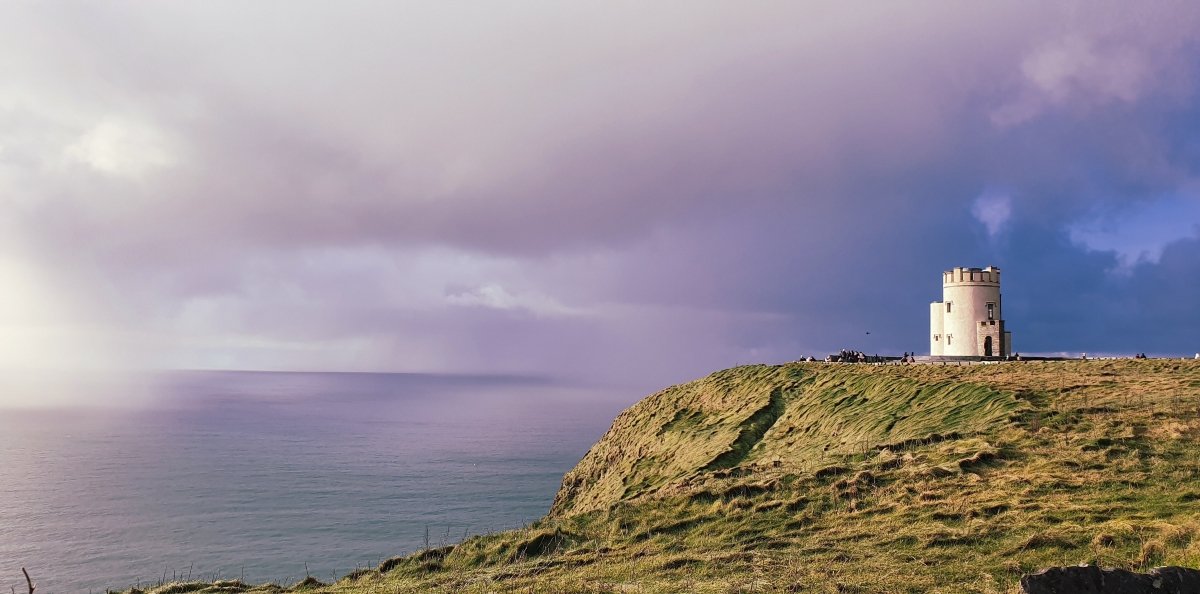
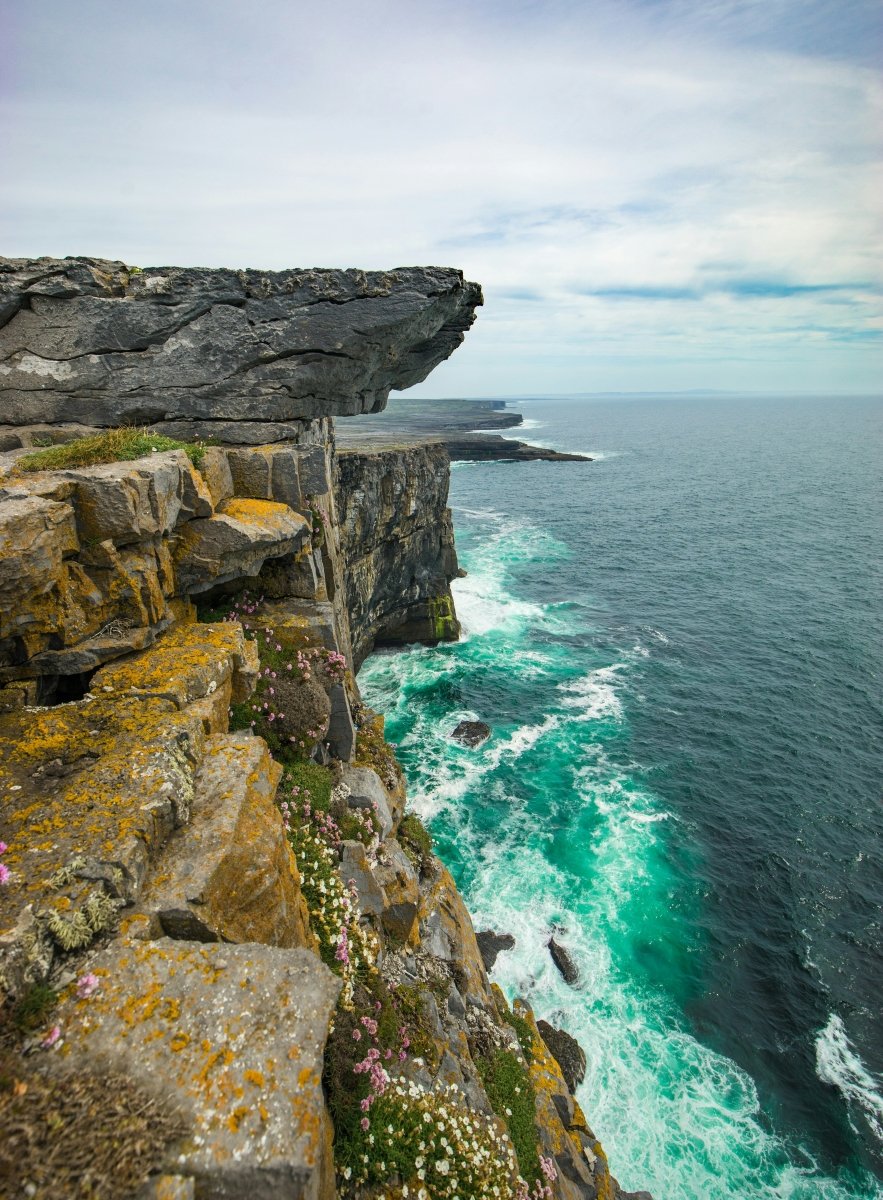
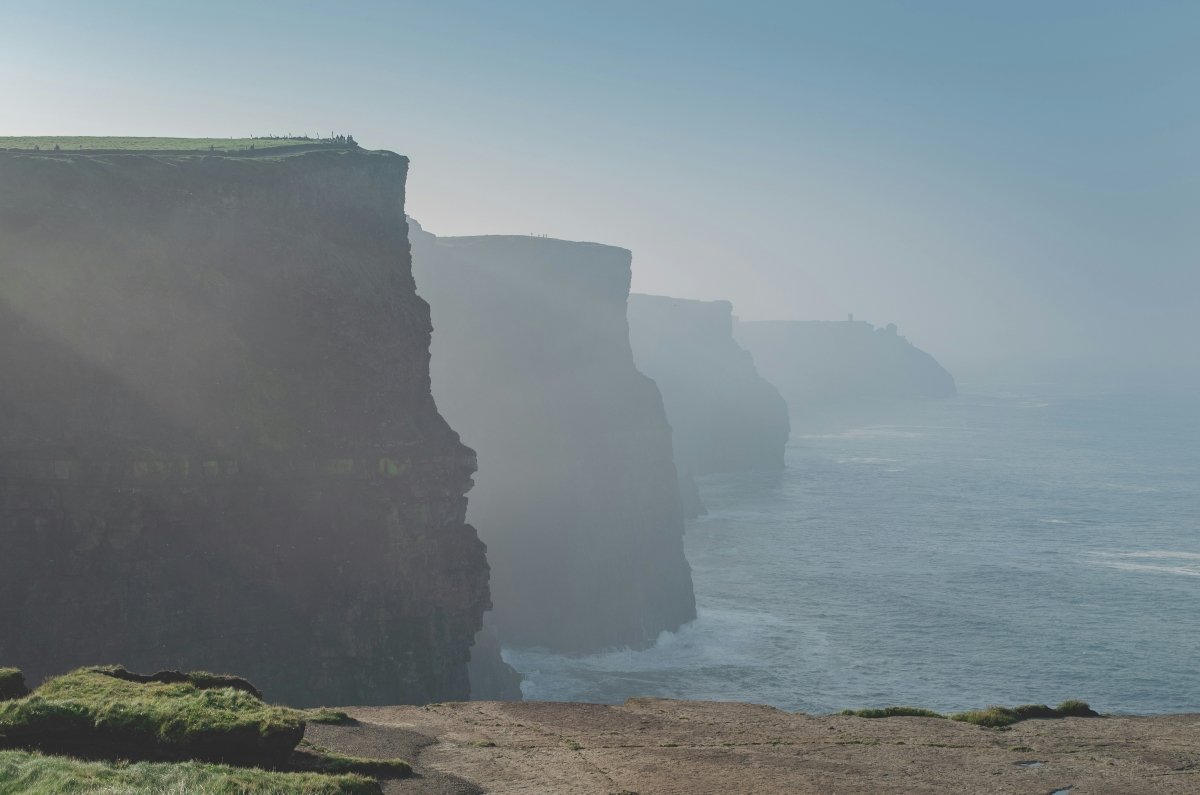
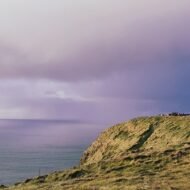
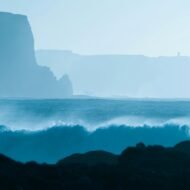
Yeah, everyone knows about the Cliffs of Moher. But most people haven’t experienced them in winter, when Atlantic storms whip 700-foot waves against ancient rock faces and the raw power of nature makes you feel deliciously small.
What makes winter special here:
- Massive winter swells create incredibly dramatic seascapes
- Way fewer tourists (summer sees 10,000+ daily; winter might be 500)
- Storm watching from the visitor center is genuinely thrilling
- Moody, atmospheric photography opportunities you won’t get in summer
- You can actually walk the cliff paths without dodging selfie sticks
Insider tips:
- Check weather forecasts carefully—winter storms can close the cliffs
- Download the Cliffs of Moher app for augmented reality features
- Arrive at opening time (9 AM) for the best light and fewest people
- The walk north toward Hag’s Head is usually quieter and equally stunning
- Combine with nearby Doolin village for traditional music sessions
Safety note: Winter conditions can be genuinely dangerous. Stay behind barriers, watch for ice on paths, and never turn your back on the ocean. Wind gusts can literally knock you off your feet.
Budget estimate: €12 parking/entry, €70-120/night nearby accommodation
Best for: Adventure seekers, storm watchers, photographers, nature lovers MORE READ..
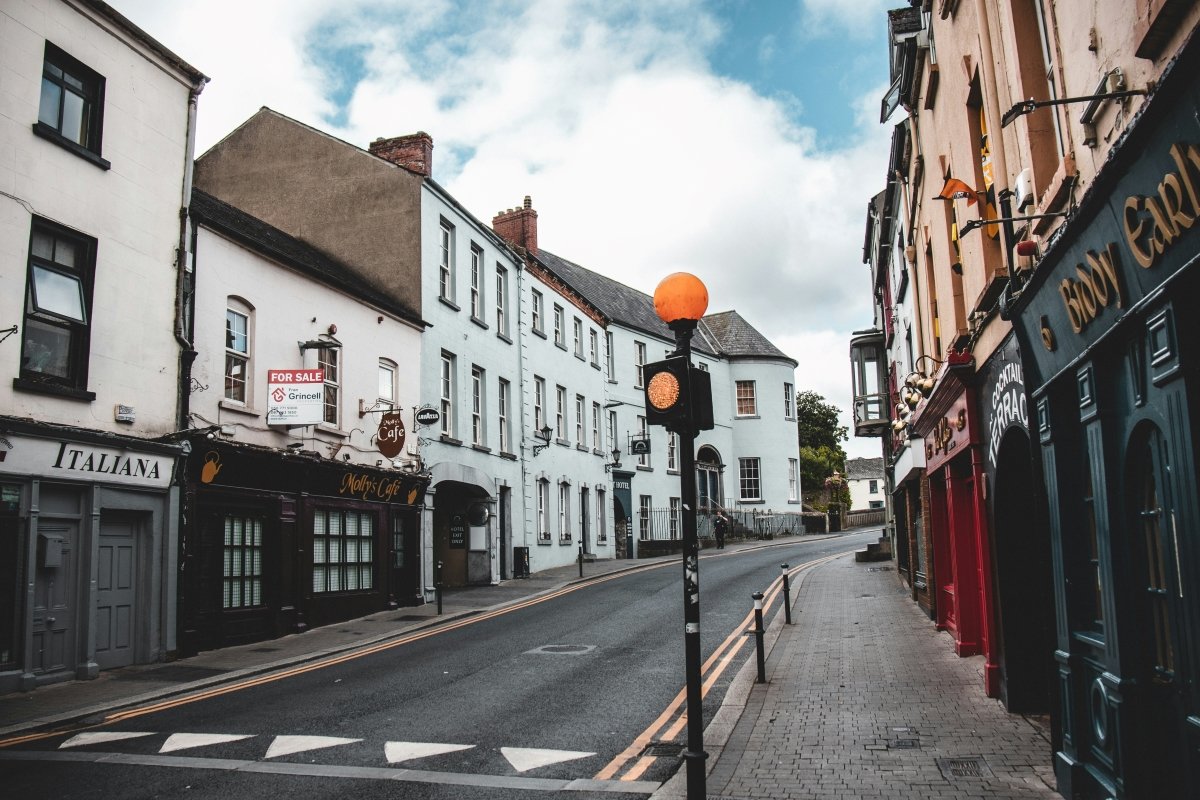
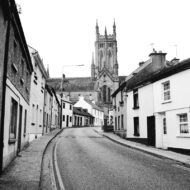
3. Kilkenny City & Castle, County Kilkenny ⭐ 4.7/5
Why visitors rave about it: “Medieval charm with modern comforts—perfect winter city break”
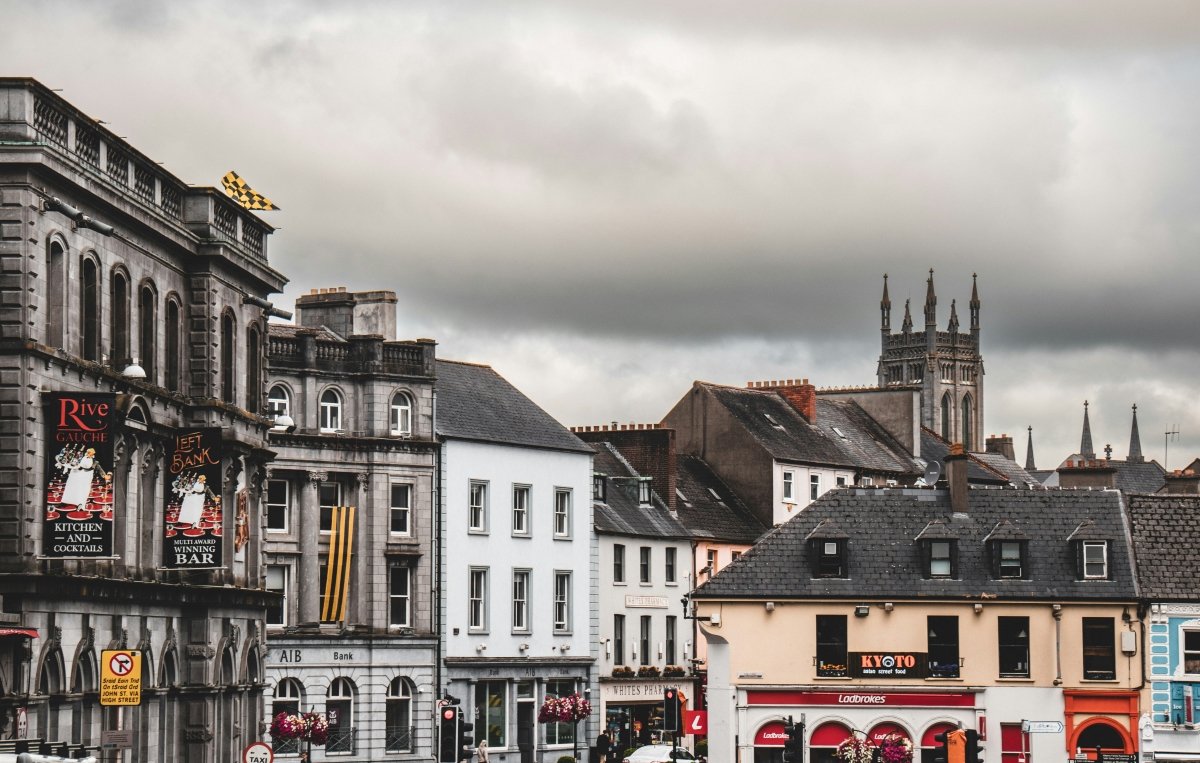
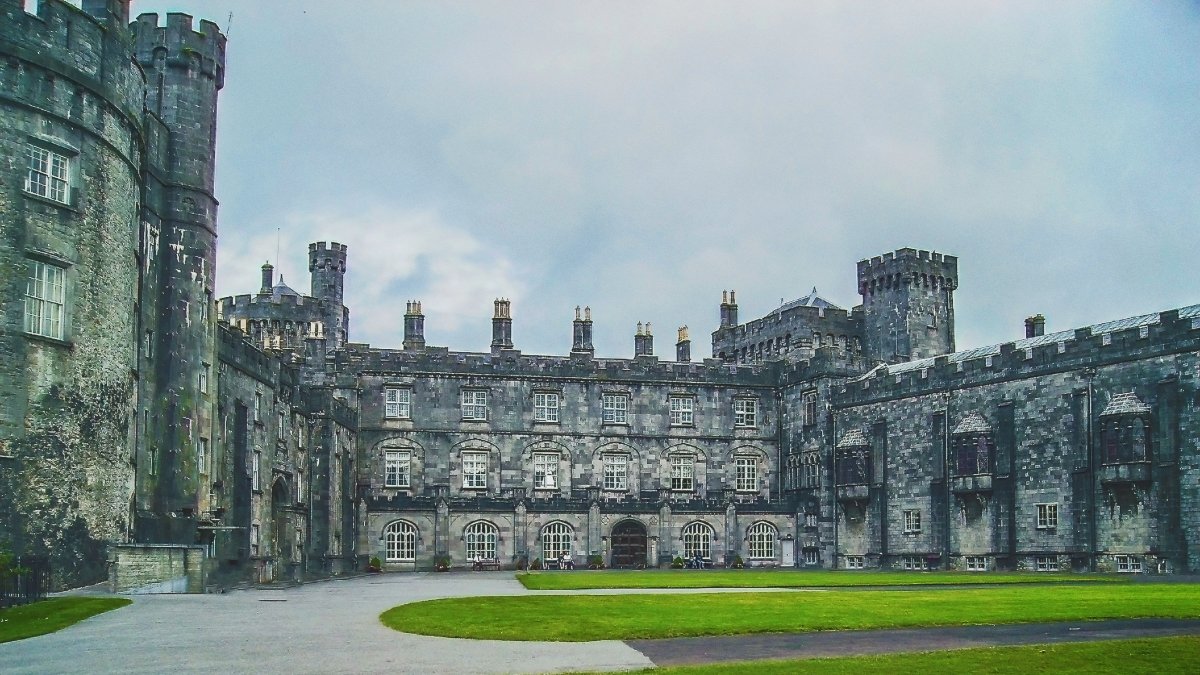
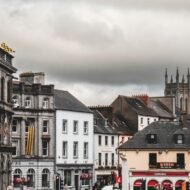
If you want a fairytale castle without freezing your butt off, Kilkenny delivers. This medieval city gives you cobblestoned streets, a stunning 12th-century castle, and—crucially—excellent pubs, restaurants, and indoor attractions for when the weather turns nasty.
What makes winter special here:
- The castle looks incredible dusted with frost or winter sun
- Medieval Mile Museum is perfect for rainy afternoons
- Some of Ireland’s best pub culture (seriously, the traditional music here slaps)
- Smithwick’s Brewery tour includes warming samples
- Christmas markets and festivities if visiting in December
Insider tips:
- Book the “Butler House” for luxury accommodation literally beside the castle
- Kyteler’s Inn claims to have Ireland’s oldest tavern license—order the Irish stew
- The Medieval Mile walking tour runs year-round and is fantastic
- Thursday-Saturday nights have the best traditional music sessions
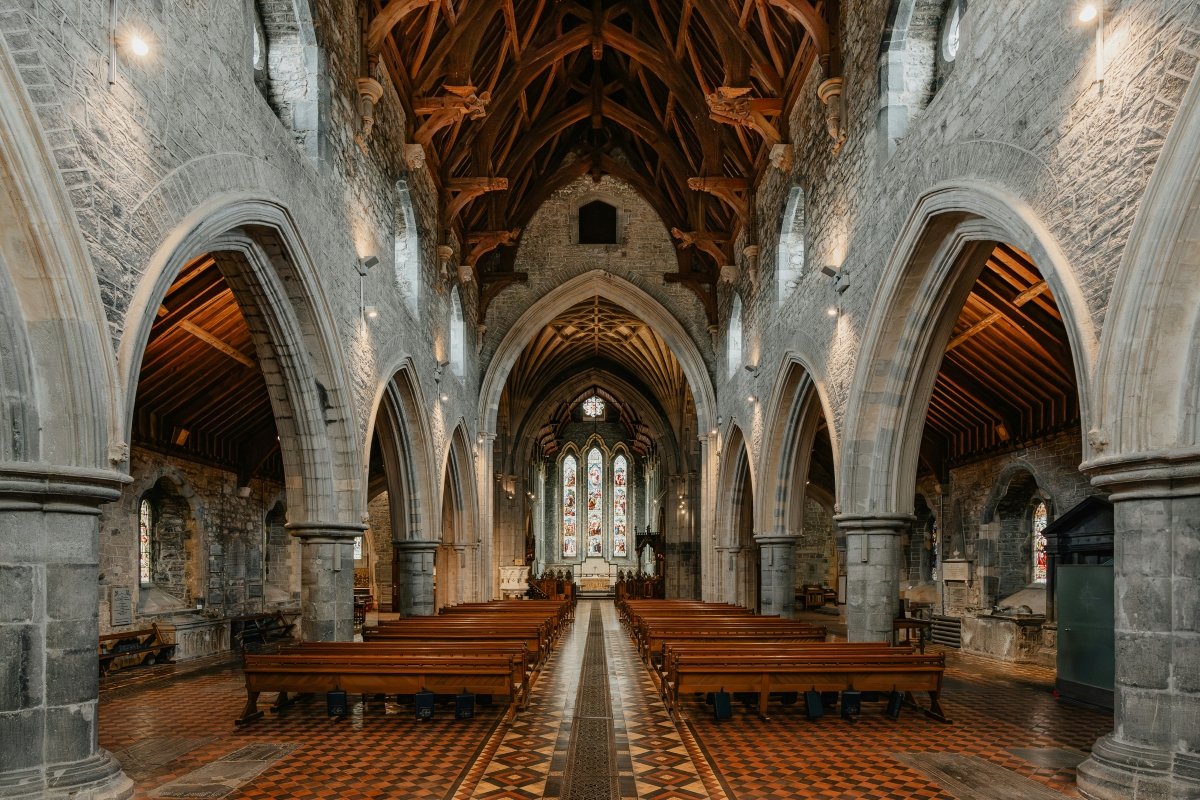
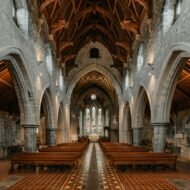
- Visit St. Canice’s Cathedral and climb the round tower on clear days
Budget estimate: €10 castle entry, €90-180/night accommodation, €40-60 daily food and drink
Best for: Culture vultures, foodies, anyone wanting urban comfort with fairytale vibes
4. Glendalough, County Wicklow ⭐ 4.6/5
Why visitors rave about it: “Mystical, peaceful, absolutely transportive”
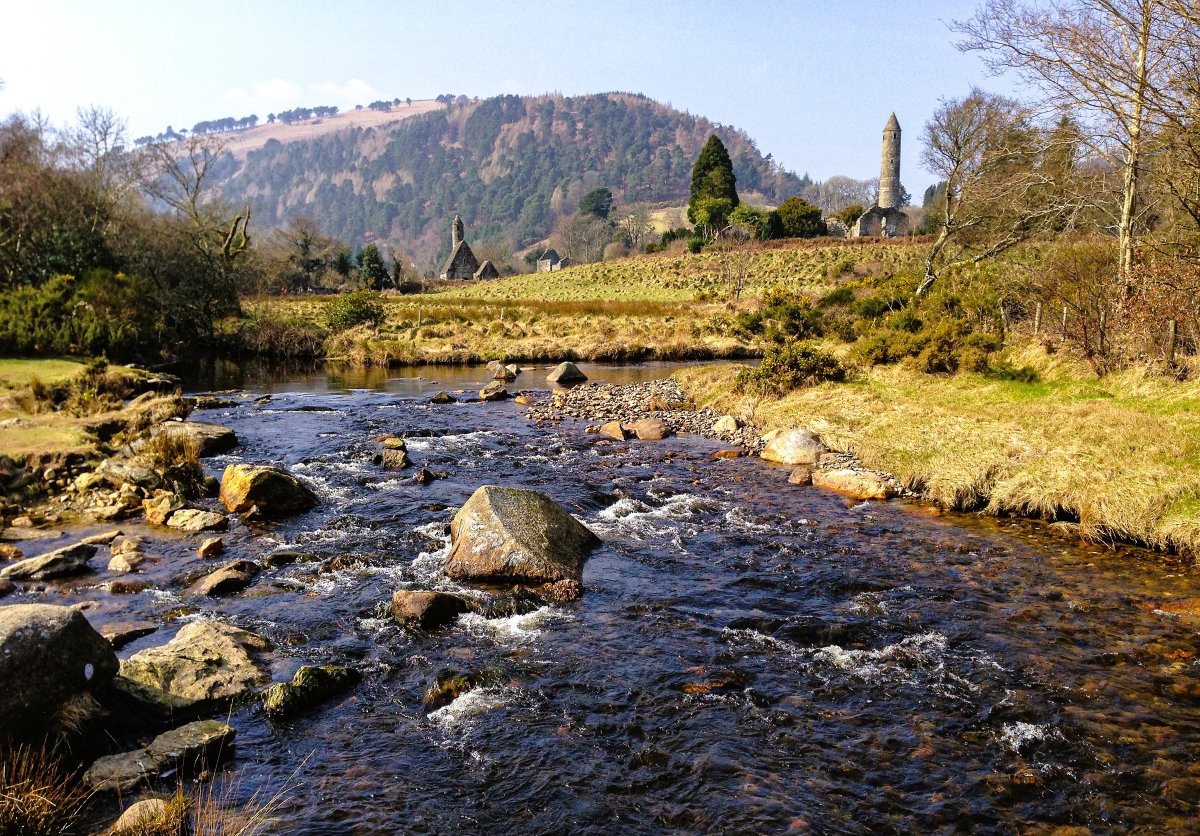
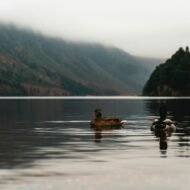
This 6th-century monastic settlement tucked into a glacial valley might be Ireland’s most atmospheric site in winter. Early morning mist, ancient round towers, and two dark glacial lakes surrounded by mountains—it’s basically Middle Earth.
What makes winter special here:
- Morning mist creates otherworldly photography
- The monastic ruins look more haunting in winter light
- Forest trails are peaceful and beautiful (especially after light snow)
- Upper Lake is stunning when partially frozen
- Perfect for contemplative, restorative winter walks
Insider tips:
- Arrive before 9 AM to beat tour buses (they usually arrive 10-11 AM)
- The walk to the Upper Lake is easy and spectacular—about 40 minutes
- Wear proper hiking boots; paths get muddy and slippery
- Visit the Wicklow Heather restaurant afterward for Irish coffee
- Combine with Powerscourt Gardens nearby (winter gardens are lovely)
Budget estimate: Free entry, €6 parking, €70-140/night nearby accommodation
Best for: Hikers, spiritual seekers, photographers, anyone needing digital detox vibes MORE READ..
5. Adare Village, County Limerick ⭐ 4.5/5
Why visitors rave about it: “Ireland’s prettiest village is even more charming in winter”
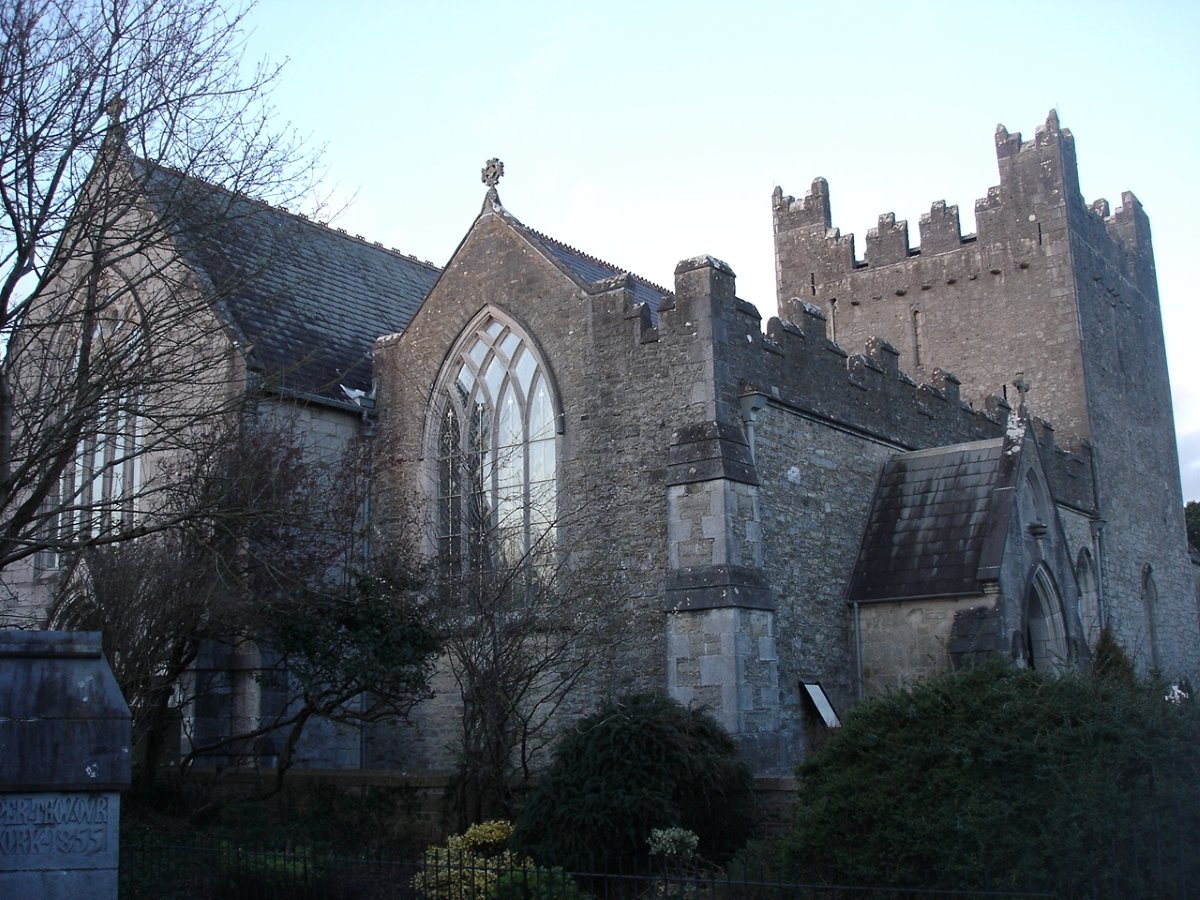
Adare legitimately looks like someone designed a village specifically for Christmas cards. Thatched-roof cottages, medieval churches, a romantic castle, and the River Maigue running through it all—this place is storybook Ireland turned up to eleven. In winter, when smoke curls from cottage chimneys and everything’s dusted with frost, it’s almost too picturesque to be real.
What makes winter special here:
- Thatched cottages with turf fires smoking create perfect postcard scenes
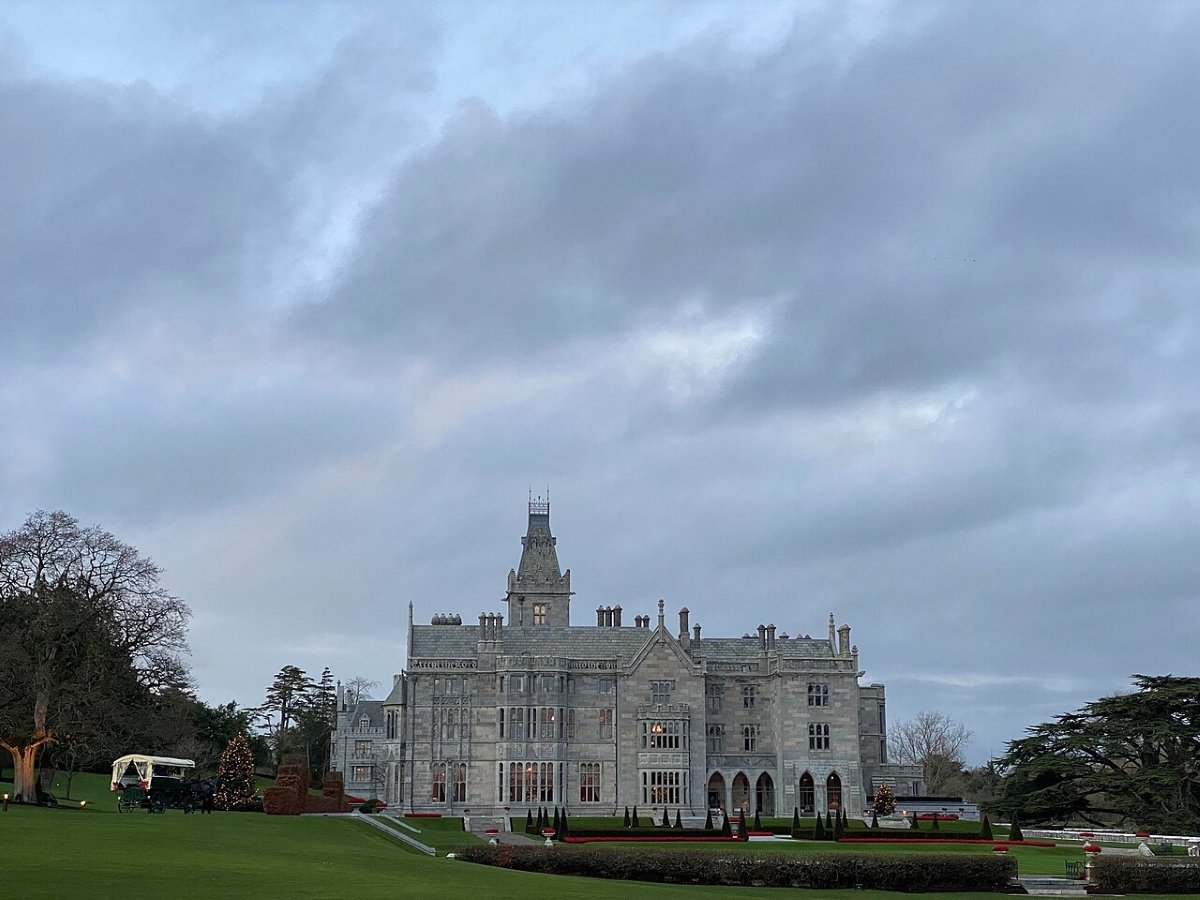
- Adare Manor (one of Ireland’s most luxurious castle hotels) looks magical in winter light
- Way fewer tour buses—you can actually stroll peacefully
- Cozy tea rooms and pubs are at their most inviting
- Christmas decorations (if visiting in December) are tastefully done
- The village is compact enough to explore fully even in bad weather
Insider tips:
- Stay at Adare Manor if budget allows (splurge-worthy luxury castle hotel)
- The Blue Door is perfect for afternoon tea in a thatched cottage
- Walk the riverside path to see the Franciscan Friary ruins
- Visit Desmond Castle for history (guided tours available)
- Sean Collins Bar serves excellent traditional Irish fare
- Adare Heritage Centre provides good historical context
- The village is tiny—2 hours is enough to see everything unless dining
Insider shopping:
- The Thatched Cottage gift shop sells genuine Irish crafts
- Several antique shops perfect for browsing on rainy days
Budget estimate: Free to explore village, €100-300+/night accommodation (wide range), €35-60 daily food
Best for: Romantic getaways, photographers, anyone wanting quintessential Irish village charm, luxury seekers
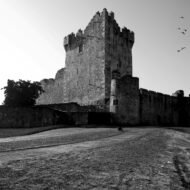
6. Ross Castle & Killarney National Park, County Kerry ⭐ 4.6/5
Why visitors rave about it: “Classic Irish castle scenery without the crowds”
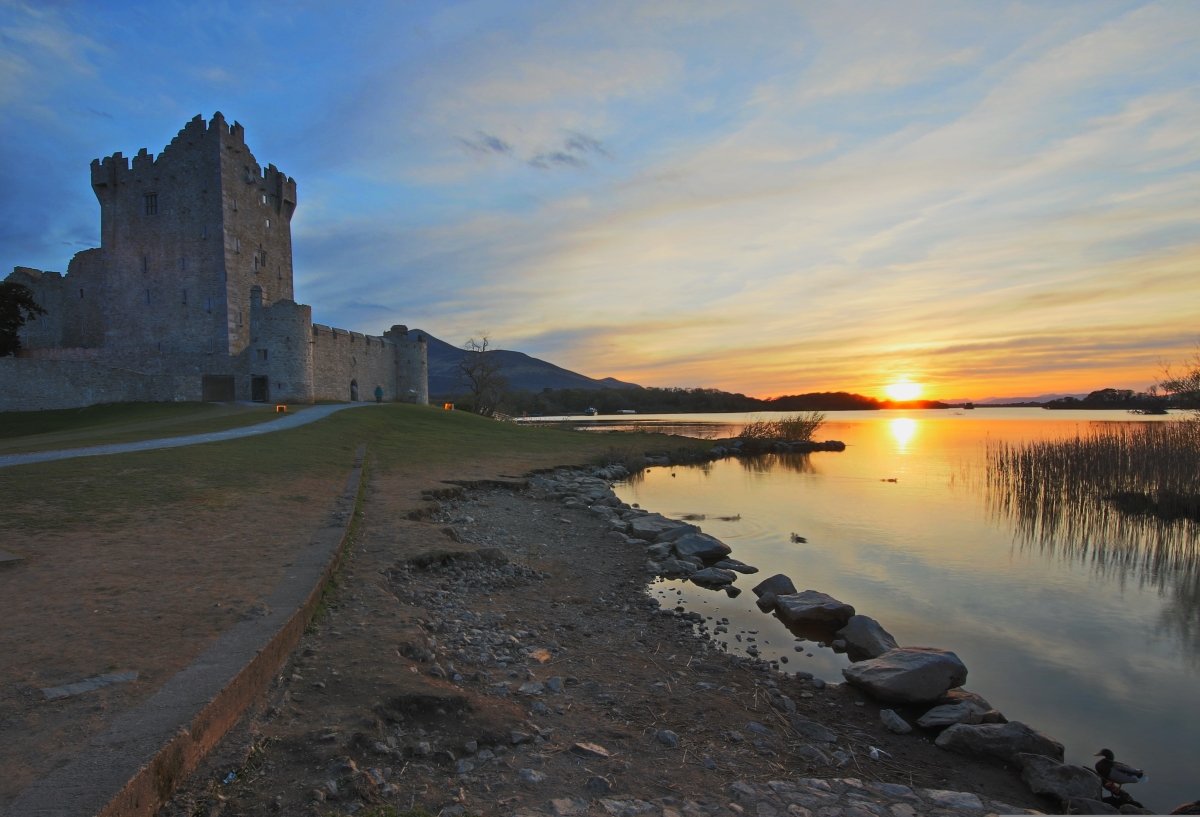
This 15th-century tower house sits right on Lough Leane’s edge, surrounded by mountains and ancient oak woods. In winter, when low clouds cling to the MacGillycuddy’s Reeks and rain mists across the lake, it’s properly cinematic.
What makes winter special here:
- The castle reflected in calm lake waters is magazine-worthy
- Killarney National Park practically empty (compared to summer madness)
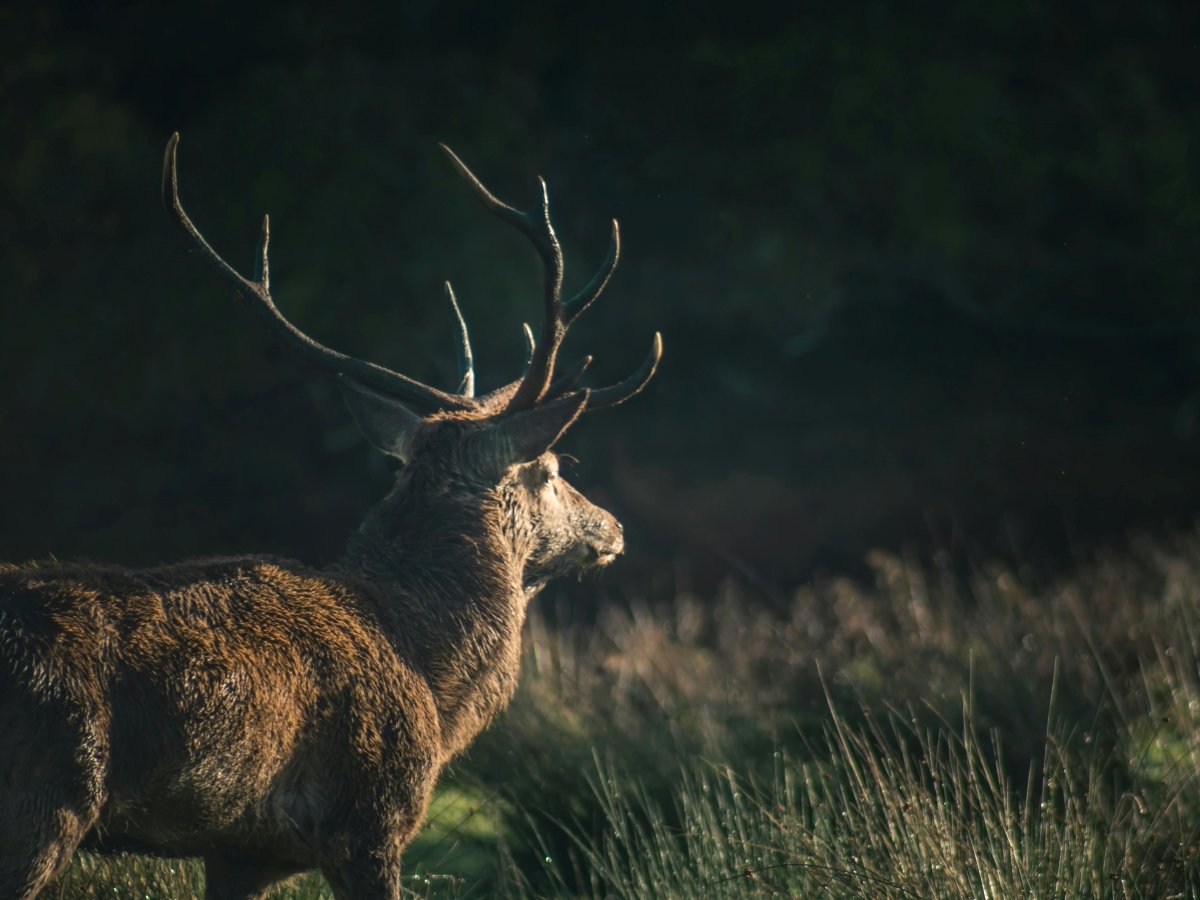
- Deer spotting is easier in winter
- Torc Waterfall is more powerful after winter rains
- Cozy Killarney town is great for evenings
Insider tips:
- Castle tours run year-round but check winter opening hours
- Walk or cycle the lake loop (about 10km, mostly flat)
- Ladies View viewpoint is spectacular after rain clears
- Gap of Dunloe is accessible but hire a local guide in winter
- Muckross House and Gardens nearby make good wet-weather alternatives
Budget estimate: €7 castle entry, €70-160/night accommodation, €35-50 daily food
Best for: Families, nature lovers, castle enthusiasts, outdoor adventurers
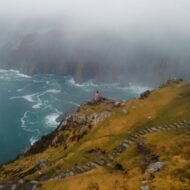
7. Slieve League Cliffs, County Donegal ⭐ 4.5/5
Why visitors rave about it: “More impressive than the Cliffs of Moher and way less crowded”
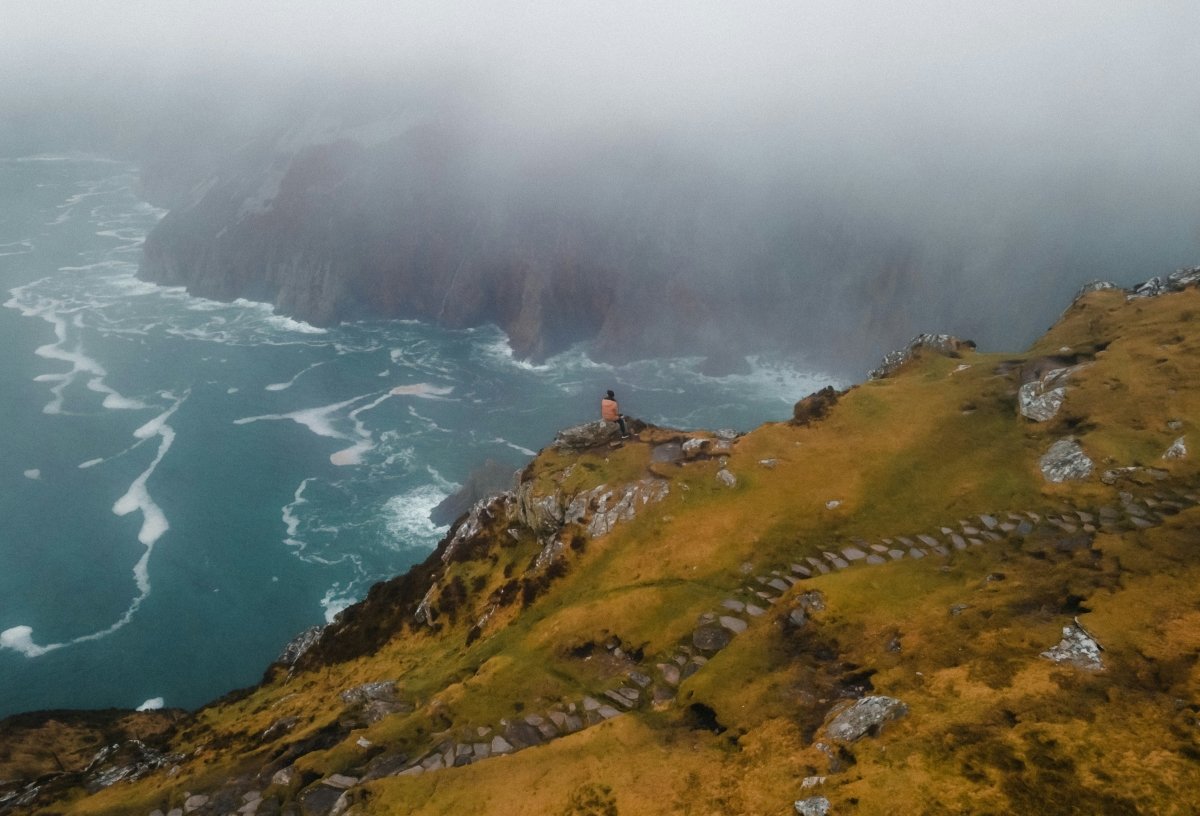
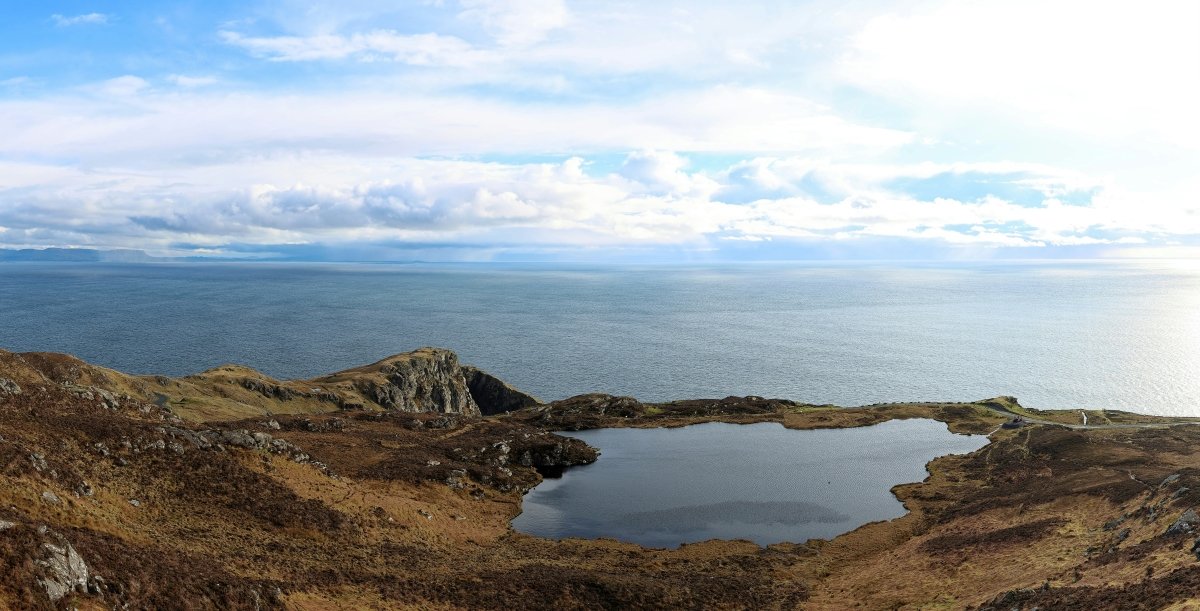
At nearly 2,000 feet, these are among Europe’s highest sea cliffs—almost three times taller than the Cliffs of Moher. In winter, they’re wild, remote, and genuinely awe-inspiring. This is Ireland at its most raw and untamed.
What makes winter special here:
- Massive Atlantic swells create incredible drama
- Sometimes you’ll be the only person there
- Winter light creates constantly changing colors on the cliff face
- The remoteness and wildness is amplified
- Nearby Donegal town is wonderfully cozy in winter
Insider tips:
- Only attempt in good weather—winter conditions can be dangerous
- The Bunglass viewpoint is accessible by car and requires minimal walking
- Pilgrim’s Path walk is for experienced hikers only (and check conditions)
- Ti Linn Cafe at the base is perfect for warming up
- Combine with Glencolmcille Folk Village for culture
Safety warning: These cliffs are genuinely dangerous in winter. Don’t attempt the full hike in poor weather, high winds, or if you’re not experienced. The viewpoint is stunning and much safer.
Budget estimate: Free entry, €60-120/night accommodation, €30-40 daily food
Best for: Experienced hikers, adventure travelers, those seeking authentic Irish wilderness
Essential Winter Ireland Travel Tips
Packing Like a Pro
Forget what you think you know about packing light. Ireland in winter requires layers—and then more layers.
Must-haves:
- Waterproof jacket (not water-resistant—proper waterproof)
- Waterproof pants if hiking
- Thermal base layers (Merino wool is your friend)
- Warm fleece or wool sweater
- Waterproof hiking boots with good grip
- Gloves, hat, scarf (you’ll use them daily)
- Small umbrella (though wind often makes these useless)
- Quick-dry clothing (everything gets damp)
Pro tip: Dress in layers you can remove. Irish buildings are often overheated, and you’ll be constantly going between freezing outside and toasty pubs.
Weather Realities
Let’s talk truth: Irish winter weather is… temperamental.
What to expect:
- Temperature: Usually 40-50°F (4-10°C)—cold but rarely freezing
- Rain: Expect it daily. Not usually heavy, but constant drizzle
- Wind: Can be fierce, especially on the west coast
- Daylight: Short days (8 AM sunrise, 5 PM sunset in December)
- Snow: Rare at low elevations, possible in mountains
The good news? Because it rarely drops below freezing, it’s not as bone-chilling as you might think. The bad news? The dampness gets into your bones if you’re not prepared.
Golden rule: Check weather forecasts daily and have backup indoor plans.
Getting Around
Car rental is king for exploring these destinations efficiently. Winter rates are cheaper than summer, and you’ll need the flexibility.
Driving tips:
- Roads can be icy early morning and after dark
- Rural roads are narrow, winding, and poorly lit
- GPS helps, but download offline maps (connectivity can be spotty)
- Fill up gas whenever you see a station in rural areas
- Drive on the LEFT (seriously, take it slow until it feels natural)
Alternatives:
- Bus Éireann connects major towns (slower but affordable)
- Private tour companies offer winter packages
- Some destinations (like Kilkenny) work well car-free
Money Matters
Winter Ireland is genuinely budget-friendly compared to summer:
Average daily costs (per person):
- Budget: €60-80 (hostels, self-catering, limited dining out)
- Mid-range: €120-180 (B&Bs, rental car share, pub meals)
- Comfortable: €200-300+ (hotels, full dining experiences, tours)
Money-saving tips:
- Book accommodations directly for better winter rates
- Lunch specials are way cheaper than dinner
- Supermarkets like Tesco and Dunnes are great for supplies
- Many attractions offer family or combo tickets
- Tourist cards can save money if hitting multiple sites
Where to Stay
Best bases for exploring:
- Galway City: Access to Connemara and Cliffs of Moher
- Killarney: Gateway to Ring of Kerry and Dingle
- Kilkenny: Central location, great amenities
- Donegal Town: For northern adventures
Accommodation types:
- B&Bs: Personal touch, hearty breakfasts, local knowledge
- Hotels: More amenities, room service, easier parking
- Self-catering cottages: Great for families, more space, budget-friendly
- Castles: Yes, you can stay in actual castles (splurge-worthy)
Sample 5-Day Winter Itinerary
Day 1: Dublin → Kilkenny
- Morning: Arrive Dublin, pick up rental car
- Afternoon: Drive to Kilkenny (1.5 hours), explore medieval city
- Evening: Castle visit, dinner at Ristorante Rinuccini
Day 2: Kilkenny → Glendalough → Kilkenny
- Morning: Early drive to Glendalough (1 hour)
- Midday: Explore monastic site and Upper Lake walk
- Afternoon: Lunch in Laragh, return to Kilkenny
- Evening: Traditional music at Kyteler’s Inn
Day 3: Kilkenny → Cliffs of Moher → Galway
- Morning: Drive to Cliffs of Moher (2.5 hours)
- Midday: Cliff exploration and lunch
- Afternoon: Continue to Galway City (1.5 hours)
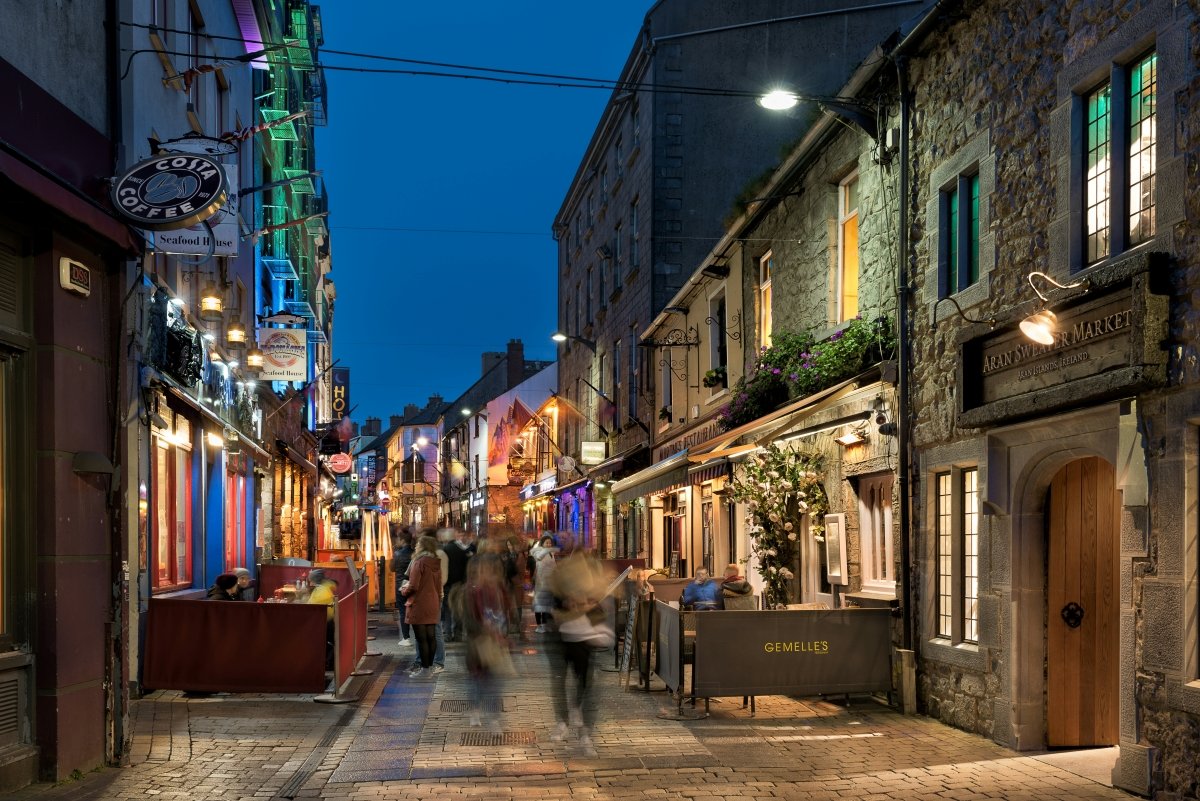
- Evening: Explore Latin Quarter, dinner and music
Day 4: Galway → Connemara → Galway
- Full day: Connemara loop via Kylemore Abbey
- Visit: Clifden town, Sky Road, coastal scenery
- Evening: Return to Galway for dinner
Day 5: Galway → Dublin
- Morning: Leisurely breakfast, souvenir shopping
- Afternoon: Drive to Dublin (2.5 hours), return car
- Evening: Departure or Dublin city exploration
When to Visit (Month-by-Month Breakdown)
November
- Pros: Still some autumn color, fewer crowds starting
- Cons: Can be quite wet, shorter days beginning
- Best for: Budget travelers, early-bird advantage
December
- Pros: Christmas markets, festive atmosphere, cozy vibes
- Cons: Shortest days, some attractions have reduced hours
- Best for: Holiday atmosphere seekers, romantic getaways
January
- Pros: Absolute lowest prices, genuine solitude, dramatic weather
- Cons: Coldest month, some rural accommodations closed
- Best for: Budget travelers, photographers, peace seekers
February
- Pros: Days getting longer, slightly better weather, still quiet
- Cons: Still cold and wet, mud season
- Best for: Balanced experience of winter atmosphere with improving conditions
Frequently Asked Questions
Is Ireland worth visiting in winter? Absolutely—if you embrace the weather and focus on atmosphere over beach days. You’ll see a more authentic Ireland with way better prices and fewer tourists.
What’s the worst part about winter travel in Ireland? Short daylight hours and unpredictable weather. You’ll need flexibility in your plans and acceptance that some outdoor activities might not be possible on certain days.
Can I see the Northern Lights in Ireland? Occasionally yes, in Northern Ireland during strong solar activity. Donegal and Antrim have the best chances, but it’s rare. Check aurora forecast apps if interested.
Are the roads dangerous in winter? They can be, especially in rural areas early morning or after dark. Drive cautiously, rent a car with good tires, and don’t attempt mountain roads in poor conditions.
Do I need travel insurance? Yes. Medical care in Ireland is expensive for non-EU travelers, and winter weather can cause trip disruptions. Get comprehensive coverage including medical and cancellation.
Recap: Your Winter Ireland Cheat Sheet
✅ Best months: January-February for solitude and savings; December for festive vibes
✅ Must-pack: Waterproof everything, layers, and a sense of adventure
✅ Top destinations: Kylemore Abbey (most romantic), Cliffs of Moher (most dramatic), Kilkenny (best urban-fairytale combo)
✅ Budget: Plan €120-180 daily per person for comfortable mid-range travel
✅ Transportation: Rent a car for maximum flexibility
✅ Weather mindset: Embrace the rain—it’s what makes Ireland so green and magical
✅ Booking: Reserve accommodations in advance for best selection, but many last-minute deals exist
✅ Hidden advantage: Locals actually have time to chat, share stories, and make your trip memorable
Disclaimer
Travel information accuracy: This guide was compiled in January 2026 based on current visitor reviews, official tourism information, and travel research. Prices, opening hours, and conditions can change. Always verify details directly with attractions and accommodations before traveling.
Weather unpredictability: Irish winter weather is highly variable. Conditions described reflect typical experiences but cannot be guaranteed. Always check forecasts and have contingency plans.
Safety considerations: Winter travel involves inherent risks including slippery conditions, reduced visibility, and unpredictable weather. The author and publisher assume no liability for accidents, injuries, or losses incurred while traveling. Exercise common sense, follow local warnings, and don’t take unnecessary risks.
Seasonal closures: Some attractions, restaurants, and accommodations close or operate on reduced schedules during winter months. Verify operating status before visiting.
Driving: Visitors must have appropriate licenses, insurance, and familiarity with driving on the left side of the road. Road conditions can be challenging in winter.
Medical: Ensure you have appropriate travel insurance including medical coverage. EU visitors should carry EHIC/GHIC cards.
COVID-19 and health: Check current entry requirements and health protocols for Ireland and Northern Ireland, as these may change.
Budget estimates: Costs provided are estimates based on mid-range travel and current prices. Actual costs vary based on personal choices, exchange rates, and seasonal fluctuations.
Affiliate disclosure: This article may contain recommendations for services and businesses. We strive to recommend only high-quality options, but readers should conduct their own research and due diligence.
Ready to experience Ireland’s winter magic? The castles are waiting, the pubs are warm, and the landscapes are at their most dramatic. Pack those waterproofs and prepare for an adventure that’ll give you stories for years.
Safe travels, and may the weather gods smile upon you—at least occasionally.
Word count: ~3,800 words | Reading time: 15-18 minutes | Target audience: Adventure travelers, couples, culture enthusiasts aged 25-55 seeking authentic experiences