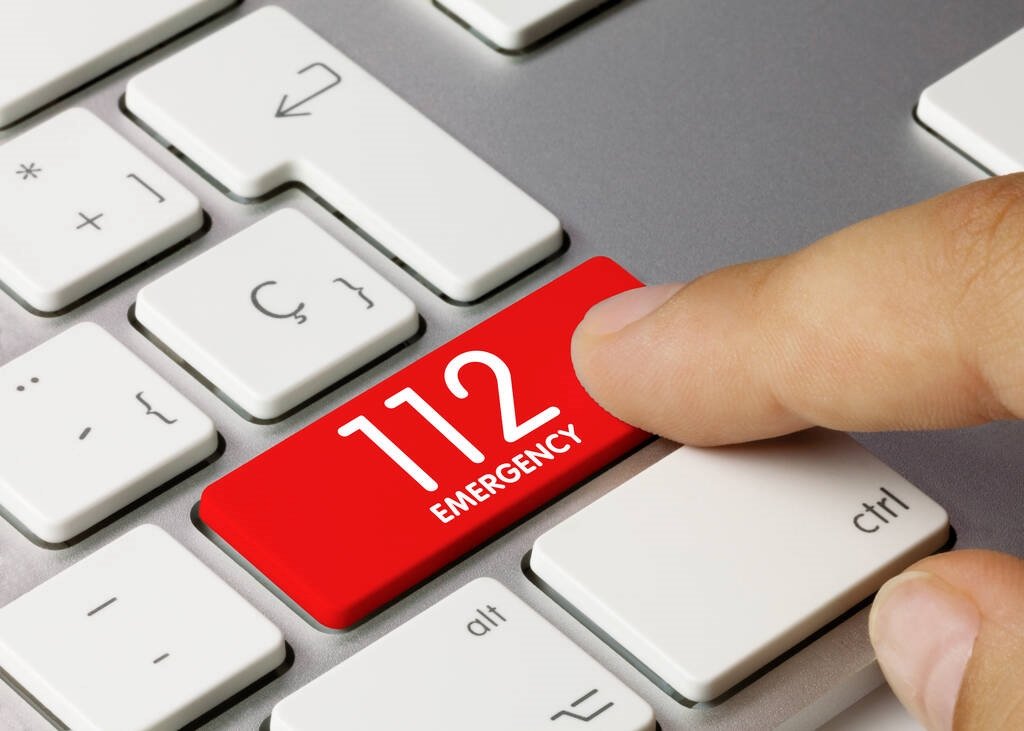


Traveling through Europe? Save these numbers now: 112 is the universal emergency number across all EU countries. This guide covers everything from tourist police contacts to digital emergency apps, country-specific services, and insider tips that could save your trip (or your life).
- Why Every Traveler Needs This Guide
- The Magic Number: 112
- Country-by-Country Emergency Breakdown
- France 🇫🇷
- Spain 🇪🇸
- Italy 🇮🇹
- Germany 🇩🇪
- Top Emergency Apps to Download Now
- United Kingdom 🇬🇧
- Netherlands 🇳🇱
- Greece 🇬🇷
- Portugal 🇵🇹
- Switzerland 🇨🇭
- Austria 🇦🇹
- Czech Republic 🇨🇿
- Poland 🇵🇱
- Essential Digital Emergency Tools for Europe
- Embassy and Consulate Numbers
- The “Tourist Police” Safety Net
- Travel Insurance: Your Safety Net
- Healthcare Tips for Travelers
- Pro Tips for the Smart Traveler
- Before You Leave Home
- Money Matters During Emergencies
- Communication During Emergencies
- Safety Precautions
- Specific Scenario Protocols
- Common European Travel Scams to Avoid
- Language Barrier Solutions
- Weather and Natural Hazard Alerts
- LGBTQ+ Traveler Safety
- Accessibility and Medical Needs
- Recap: Your European Emergency Checklist
- Disclaimer
Why Every Traveler Needs This Guide
Let’s be real—nobody plans to have an emergency while sipping wine in Tuscany or hiking the Swiss Alps. But stuff happens. Your wallet gets stolen in Barcelona. You have a medical emergency in Prague. Your car breaks down on a German autobahn at midnight.
When things go sideways, knowing who to call and how to get help fast makes all the difference between a minor hiccup and a travel nightmare.
The Magic Number: 112
🛡️ One Number to Rule Them All: 112
- Works In: All 27 EU Member States + UK, Switzerland, Norway, Iceland, and Turkey.
- Cost: Free (even with no SIM, no credit, or a locked screen).
- Languages: Operators are required to speak English and the local language.
This single number works across all 27 EU countries, plus several non-EU European nations. It’s free from any phone (even without credit), works from locked phones, and connects you to emergency services in your location. Operators typically speak English, though response quality varies by country.
Pro tip: Save 112 in your phone as “Emergency EU” so anyone who finds your phone knows what it means.
Country-by-Country Emergency Breakdown
France 🇫🇷
Emergency Numbers:
- General Emergency: 112
- Police: 17
- Fire/Rescue: 18
- Medical Emergency (SAMU): 15
Tourist Police: Paris has dedicated tourist police at major attractions. Look for officers with “Police Tourisme” badges near the Eiffel Tower, Louvre, and Champs-Élysées.
Digital Tools:
- SAUV Life App: Connects you to emergency responders and trained volunteers nearby
- 112 FR App: Sends GPS location automatically with your emergency call
Traveler Warnings:
- Pickpocketing is rampant in Paris metro stations—keep phones and wallets secure
- Tourist scams near major monuments (petition signers, gold ring finders)
- Strikes can disrupt emergency services response times
Spain 🇪🇸
Emergency Numbers:
- General Emergency: 112
- National Police: 091
- Local Police: 092
- Medical Emergency: 061
Tourist Police: Major cities have dedicated tourist police (Policía Turística):
- Barcelona: Located at La Rambla, 43
- Madrid: Plaza Mayor and Sol areas
- Seville: Plaza de España These officers speak multiple languages and handle tourist-specific crimes like theft and scams.
Digital Tools:
- AlertCops App: Report crimes, request help, and send location to police instantly
- My112 App: Automated emergency calls with GPS coordinates
Traveler Warnings:
- Barcelona has Europe’s highest pickpocketing rates—stay alert in Las Ramblas, metro, and beaches
- Fake taxi scams at airports
- “Helpful strangers” offering directions while accomplices steal belongings
Italy 🇮🇹
Emergency Numbers:
- General Emergency: 112 (now unified)
- Carabinieri (Military Police): 112
- Medical Emergency: 118
- Fire: 115
Tourist Police: Italy has specialized “Polizia di Stato” tourist divisions:
- Rome: Via San Vitale, 15 (near Termini Station)
- Florence: Via Pietrapiana, 50/r
- Venice: Piazzale Roma
Digital Tools:
- Where ARE U App: Emergency services location sharing
- Youpol App: Report crimes including pickpocketing and drug dealing
Traveler Warnings:
- Distraction thefts near Trevi Fountain, Spanish Steps, and Colosseum
- Fake gladiators demanding payment for photos
- Restaurant scams with hidden cover charges
- Moped-riding bag snatchers in Naples and Rome
Germany 🇩🇪
Emergency Numbers:
- General Emergency: 112
- Police: 110
- Medical Emergency: 112 or 116117 (non-urgent medical advice)
Tourist Police: Major cities have “Touristenpolizei” or multilingual police patrols in tourist areas, especially during festivals.
Digital Tools:
- Nora App: Emergency calls for people with hearing/speech disabilities, but useful for all travelers to send precise location
- KatWarn App: Disaster warnings and emergency alerts
- NINA App: Federal warning system for catastrophes
Top Emergency Apps to Download Now
Having the right app can transmit your exact GPS coordinates to dispatchers without you saying a word.
Echo112: The gold standard for global hikers. It works worldwide and sends your location to local emergency services.
Záchranka (Central Europe): Essential if you’re in Czechia, Slovakia, or Austria. It has a “Panic Button” feature.
112 Suomi (Finland): Automatically shares your location with the ERC.
AlertCops (Spain): Allows you to chat discreetly with police and send photos/videos of an incident.
Traveler Warnings:
- Pickpocketing at Christmas markets and Oktoberfest
- Train station thefts in Berlin, Munich, and Frankfurt
- Bicycle theft is extremely common—always lock bikes
United Kingdom 🇬🇧
Emergency Numbers:
- General Emergency: 999 or 112
- Police Non-Emergency: 101
- Medical Non-Emergency (NHS): 111
Tourist Police: London Metropolitan Police has dedicated tourist victim support teams. Major tourist areas have increased police presence.
Digital Tools:
- What3words Integration: UK emergency services use this location system—download the app
- GoodSAM App: Connects you to volunteer first responders
- NHS App: Access healthcare services and prescriptions
Traveler Warnings:
- Moped-enabled phone snatching in London
- Distraction thefts at markets and tourist sites
- Unlicensed taxis at airports
- Drink spiking in nightlife areas
Netherlands 🇳🇱
Emergency Numbers:
- General Emergency: 112
- Police Non-Emergency: 0900-8844
Tourist Police: Amsterdam has “Toeristen Politie” stations near Dam Square and the Red Light District.
Digital Tools:
- 112NL App: Send location data with emergency calls
- Fietsknelpunten App: Report dangerous cycling situations
Traveler Warnings:
- Bicycle theft is endemic—use two locks
- Tourist-targeted drug scams in Amsterdam
- Pickpocketing on trams and at Anne Frank House
- Bike lane safety—don’t walk in bike lanes!
Greece 🇬🇷
Emergency Numbers:
- General Emergency: 112
- Police: 100
- Medical Emergency: 166
- Tourist Police: 171
Tourist Police: Greece has an extensive tourist police network (Τουριστική Αστυνομία) in all major destinations. They handle tourist complaints, scams, and provide information.
Digital Tools:
- 112 Greece App: Emergency calls with automatic location
- Aegean Emergency App: Maritime emergencies in Greek waters
Traveler Warnings:
- Moped rental scams with hidden damage charges
- Taxi meter manipulation in Athens
- Accommodation booking scams
- Beach theft while swimming
Portugal 🇵🇹
Emergency Numbers:
- General Emergency: 112
- PSP Police: 112
- Tourist Support Line: 808 781 212
Tourist Police: Lisbon and Porto have dedicated tourist police offices near major attractions and transportation hubs.
Digital Tools:
- My112 App: Location-based emergency calling
- PSP Safe App: Crime reporting and safety alerts
Traveler Warnings:
- Tram 28 in Lisbon is pickpocket central
- Distraction thefts in Alfama and Bairro Alto
- Car break-ins at scenic viewpoints
- Fake tour guides demanding payment
Switzerland 🇨🇭
Emergency Numbers:
- General Emergency: 112
- Police: 117
- Fire: 118
- Medical Emergency: 144
- Alpine Rescue (Rega): 1414
- Helicopter Rescue: 1415
Tourist Police: Major cities have multilingual police officers in tourist areas. Mountain rescue is highly professional but expensive without insurance.
Digital Tools:
- Rega App: Mountain and air rescue with location services
- SOS-EU-ALP App: Alpine emergency across Switzerland, Austria, Italy
- AlertSwiss App: Official warning system
Traveler Warnings:
- Mountain rescue costs can exceed €20,000—get insurance
- Avalanche risks when skiing off-piste
- Ticket inspections on public transport have hefty fines
- Extreme weather changes in mountains
Austria 🇦🇹
Emergency Numbers:
- General Emergency: 112
- Police: 133
- Medical Emergency: 144
- Fire: 122
- Alpine Emergency: 140
Tourist Police: Vienna has “Tourismuspolizei” at Stephansplatz and near major attractions.
Digital Tools:
- DEC112 App: Text-based emergency communication
- Ö3 Notfallhilfe App: Emergency calling with location
Traveler Warnings:
- Pickpocketing near Schönbrunn and in Vienna’s First District
- Skiing accidents—stay on marked slopes
- Fake concert ticket sellers
- Overpriced taxis at airports
Czech Republic 🇨🇿
Emergency Numbers:
- General Emergency: 112
- Police: 158
- Medical Emergency: 155
- Fire: 150
Tourist Police: Prague has dedicated tourist police patrols in Old Town Square, Charles Bridge, and Wenceslas Square areas.
Digital Tools:
- Záchranka App: Emergency calls with GPS location in Czech
Traveler Warnings:
- Currency exchange scams (use ATMs instead)
- Taxi overcharging—use Uber or Bolt
- Pickpocketing on tram 22 and in tourist areas
- Nightclub scams with inflated bills
Poland 🇵🇱
Emergency Numbers:
- General Emergency: 112
- Police: 997
- Medical Emergency: 999
- Fire: 998
Tourist Police: Major cities like Warsaw, Kraków, and Gdańsk have tourist police points near main squares and train stations.
Digital Tools:
- Alarm 112 App: Location-based emergency calling
- Krajowa Mapa Zagrożeń: Crime and hazard map
Traveler Warnings:
- Unlicensed taxis at airports
- Pickpocketing in Kraków’s Market Square
- Bar scams with beautiful strangers leading to massive bills
- Fake police officers asking to check money
Essential Digital Emergency Tools for Europe
Must-Download Apps Before Your Trip
1. What3words (Free) Divides the world into 3m x 3m squares, each with a unique three-word address. Many European emergency services use this for precise location sharing.
2. TravelSafe (Free) Provides emergency numbers for every country worldwide, plus nearby embassy locations.
3. Google Maps Offline Download maps before traveling to navigate without data during emergencies.
4. Google Translate Offline Download language packs for offline translation during emergencies.
5. ICE (In Case of Emergency) Medical Standard Stores medical information, allergies, emergency contacts—accessible from locked phone.
6. Country-Specific 112 Apps Many countries have official apps that send location data automatically with emergency calls.
Digital Toll & Road Safety Apps
BlaBlaCar or FlixBus – Safer than hitchhiking if stranded Telepass/Via-T – Automated toll payment across Europe Waze – Real-time accident and hazard alerts ASFINAG App (Austria) – Motorway information and digital vignette Viapass (Belgium) – Truck toll information Autopistas App (Spain) – Toll road assistance
Embassy and Consulate Numbers
Your embassy is your lifeline for serious emergencies like:
- Lost or stolen passports
- Serious illness or injury
- Arrest or legal trouble
- Death of a travel companion
- Civil unrest or natural disasters
Before you travel: Register with your government’s travel registration program:
- US Citizens: STEP (Smart Traveler Enrollment Program)
- UK Citizens: FCO travel advice registration
- Canadian Citizens: Registration of Canadians Abroad
- Australian Citizens: Smartraveller registration
Keep your embassy’s 24-hour emergency number saved in your phone.
The “Tourist Police” Safety Net
In many top European destinations, there are dedicated officers specifically trained to help travelers. If your phone was swiped or you have a dispute with a shady tour operator, these are the people to call.
| Country | Specialist Service | Number / Contact | Best For… |
| Greece | Tourist Police | 171 (24/7) | Reporting theft, lost items, or lodging complaints. Staff speak 4+ languages. |
| Spain | S.A.T.E. | 091 or App | Foreign Tourist Assistance Service offices (found in major cities like Madrid, Seville). |
| Italy | Polizia Turistica | +39 06 6729 5287 | Specifically for the Rome “Tourist Police” office; otherwise dial 113. |
| Cyprus | Tourist Police | 1460 | Lost documents, landlord disputes, or hotel issues. |
| Turkey | Tourist Police | +90 212 527 4503 | Istanbul-specific unit (often found in Sultanahmet). |
| Croatia | Sea Rescue | 195 | Emergencies specifically on the water/islands. |
Travel Insurance: Your Safety Net
Here’s something most travelers ignore until it’s too late: travel insurance isn’t optional for Europe.
European healthcare varies wildly:
- Switzerland: Hospital visit can cost €3,000+ per day without insurance
- UK: Free emergency care for visitors, but repatriation costs thousands
- France: Excellent care but private facilities are expensive
- Eastern Europe: Affordable but may require upfront payment
What to look for in travel insurance:
- Medical coverage minimum: €50,000
- Emergency medical evacuation and repatriation
- 24/7 emergency assistance hotline
- Adventure sports coverage if skiing, climbing, or diving
- Trip interruption and cancellation
- Personal liability coverage
- Belongings and document replacement
Recommended providers for European travel:
- World Nomads (best for adventure travelers)
- SafetyWing (great for digital nomads)
- Allianz Global Assistance (comprehensive coverage)
- IMG Global (high medical limits)
Healthcare Tips for Travelers
European Health Insurance Card (EHIC)
EU/EEA citizens should carry an EHIC card for reduced-cost or free emergency healthcare across Europe. Post-Brexit UK citizens have the Global Health Insurance Card (GHIC).
Important: EHIC/GHIC is NOT travel insurance—it covers only state healthcare, not repatriation or private treatment.
Finding Pharmacies
- Green Cross Symbol: Universal sign for pharmacies across Europe
- Rotating Duty System: Most countries have 24-hour duty pharmacies listed on doors
- Apps: “Pharmacy Finder” works across Europe
Prescription Medications
- Carry medications in original packaging with prescription
- Bring doctor’s letter explaining need for medications
- Research if your medication is legal in destination countries
- Pack extra supply in case of delays
Pro Tips for the Smart Traveler
Before You Leave Home
1. Make Digital Copies Scan and upload to cloud storage:
- Passport photo pages
- Visa stamps
- Travel insurance policy
- Credit cards (front and back)
- Prescriptions and medical records
- Hotel confirmations
- Emergency contact numbers
2. Set Up Your Phone for Emergencies
- Enable “Emergency SOS” on iPhone or “Emergency Mode” on Android
- Add ICE contacts (In Case of Emergency)
- Set up Medical ID with blood type, allergies, and conditions
- Enable location sharing with trusted contacts
3. Leave an Itinerary Share detailed travel plans with someone at home, including:
- Accommodation addresses and phone numbers
- Flight/train details
- Planned activities and locations
- Check-in schedule
Money Matters During Emergencies
1. Multiple Payment Methods Carry at least three payment options:
- Primary credit card (Visa/Mastercard widely accepted)
- Backup credit card from different provider
- Debit card for ATM withdrawals
- Small amount of local cash (€100-200)
- Emergency cash hidden separately (€50-100)
2. Emergency Money Transfer If robbed or cards stolen:
- Western Union and MoneyGram work across Europe
- Wise (formerly TransferWise) for fast international transfers
- PayPal to friends/family who can send cash
- Contact bank for emergency card replacement
3. Notify Your Bank Before traveling, inform your bank of travel dates and destinations to prevent card blocks during emergencies.
Communication During Emergencies
1. Stay Connected
- Buy local SIM card upon arrival (€10-30 for tourist plans)
- Alternatively, enable international roaming
- Many hotels, cafes, and public spaces offer free WiFi
- Download WhatsApp, Signal, or Telegram for free messaging
2. Offline Communication
- Download offline map apps
- Save important addresses and phone numbers in notes app
- Learn basic emergency phrases in local language
- Carry printed embassy address and phone number
Safety Precautions
1. Accommodation Safety
- Choose accommodations with 24/7 reception
- Know location of emergency exits
- Use hotel safe for valuables and passport copies
- Share room number only with trusted contacts
2. Transportation Safety
- Use official taxi ranks or ride-sharing apps (Uber, Bolt, FreeNow)
- Avoid unlicensed taxis at airports
- Keep belongings visible on public transport
- Book accommodation near public transport hubs
3. Personal Safety
- Avoid displaying expensive jewelry, phones, or cameras
- Use anti-theft bags with slash-proof material and lockable zippers
- Keep bags in front of you in crowded areas
- Walk confidently and purposefully
- Trust your instincts—if something feels wrong, it probably is
4. Document Security
- Never carry your passport unless absolutely necessary
- Use hotel safe and carry passport copy instead
- Consider passport holder worn under clothing
- Photograph important documents and email to yourself
Specific Scenario Protocols
Lost or Stolen Passport:
- Report to local police immediately (needed for insurance and new passport)
- Contact your embassy or consulate
- Provide passport copy and police report
- Apply for emergency travel document
- Notify airline if departure is imminent
Medical Emergency:
- Call 112 (or country-specific number)
- Contact your travel insurance provider
- Keep all receipts and medical documents
- Request English-speaking doctor if possible
- Inform embassy if hospitalized
Robbery or Theft:
- Move to safe, public location
- Call police (112 or local number)
- Report stolen items in detail
- Get police report reference number
- Contact credit card companies immediately
- Inform travel insurance within 24 hours
- If passport stolen, contact embassy
Arrested or Detained:
- Remain calm and polite
- Request to contact your embassy immediately
- Do not sign documents you don’t understand
- Request interpreter if needed
- Do not admit guilt or make statements without legal representation
Natural Disaster or Terrorism:
- Follow local authority instructions
- Contact embassy to report you’re safe
- Stay in secure location
- Monitor local news and official channels
- Use social media to update loved ones (#SafetyCheck on Facebook)
Vehicle Breakdown:
- Move to safe location if possible
- Turn on hazard lights and use warning triangle
- Call rental company’s emergency line
- Use roadside assistance (most European countries have motorway emergency phones every 2km)
- In remote areas, use emergency locator apps
Common European Travel Scams to Avoid
1. The Friendship Bracelet Scam (France, Italy, Spain) Someone ties a bracelet on your wrist then demands payment. Stay alert and firmly refuse.
2. The Broken Camera Scam (Tourist hotspots) Scammer bumps into you, drops “broken” camera, demands compensation. Never pay—it’s fraud.
3. The Petition Scam (Major cities) Clipboard-wielding individuals ask you to sign “charity petitions” while accomplices pickpocket you.
4. The Wrong Change Scam (Everywhere) Taxi drivers or vendors give incorrect change. Always count money before walking away.
5. The Overpriced Restaurant Menu (Tourist areas) No-price menus result in shocking bills. Always confirm prices before ordering.
6. The Fake Police Officer (Eastern Europe) “Police” ask to check your wallet for counterfeit money. Real police won’t randomly check cash on streets.
7. The Helpful Local (Train stations) Strangers offer to help with tickets or bags, then demand payment or steal belongings.
8. The ATM Skimming (Everywhere) Card cloning devices on ATMs. Use machines inside banks and cover PIN entry.
Language Barrier Solutions
Even in emergencies, language can be challenging. Here are phrases to learn:
Essential Emergency Phrases:
- Help! – Au secours! (French), ¡Ayuda! (Spanish), Aiuto! (Italian), Hilfe! (German)
- Call the police! – Appelez la police! (French), ¡Llame a la policía! (Spanish), Chiama la polizia! (Italian)
- I need a doctor – J’ai besoin d’un médecin (French), Necesito un médico (Spanish), Ho bisogno di un medico (Italian)
- Where is the hospital? – Où est l’hôpital? (French), ¿Dónde está el hospital? (Spanish), Dov’è l’ospedale? (Italian)
Translation Tools:
- Google Translate camera function for real-time sign translation
- iTranslate Voice for spoken translation
- Duolingo for basic language skills before travel
Weather and Natural Hazard Alerts
Flooding – Common in Venice, Netherlands, and low-lying areas (spring/autumn) Avalanches – Alpine regions (winter/spring) Wildfires – Mediterranean countries (summer) Heatwaves – Southern Europe (July-August) Severe Storms – Atlantic coastal areas (autumn/winter) Earthquakes – Italy, Greece, Turkey (year-round risk)
Alert Systems:
- Download country-specific warning apps
- Follow local news and meteorological services
- Check travel advisories before trips to rural or coastal areas
- Hotels and tourist offices provide local hazard information
LGBTQ+ Traveler Safety
Safety varies significantly across Europe:
Highly Safe: Netherlands, Spain, Portugal, Belgium, France, UK, Ireland, Germany, Scandinavia Moderate Caution: Italy, Greece, Czech Republic, Austria Increased Caution: Poland, Hungary, Romania, Bulgaria
Safety Tips:
- Research local laws and cultural attitudes
- Use LGBTQ+ friendly accommodation (Purple Roofs, misterb&b)
- Be aware of public displays of affection norms
- Know location of LGBTQ+ community centers
- Download local LGBTQ+ safety apps
Accessibility and Medical Needs
Wheelchair Users:
- Western/Northern Europe generally accessible
- Historic city centers may have cobblestones and limited accessibility
- Book accessible accommodation in advance
- Contact attractions ahead to confirm accessibility
Medical Equipment:
- Notify airline about medical devices
- Carry doctor’s certificates for medications/equipment
- Research accessible pharmacies and medical facilities
- Consider medical alert bracelets in local language
Recap: Your European Emergency Checklist
✅ Save 112 in your phone contacts ✅ Download essential apps: What3words, Google Maps offline, country-specific 112 apps, Google Translate ✅ Register with your embassy travel program ✅ Get comprehensive travel insurance with medical evacuation coverage ✅ Make digital copies of all important documents ✅ Set up Medical ID on your smartphone ✅ Learn basic emergency phrases in destination languages ✅ Share itinerary with trusted contacts at home ✅ Carry multiple payment methods including emergency cash ✅ Know your accommodation 24-hour contact number ✅ Research country-specific emergency numbers and tourist police locations ✅ Pack medications in original packaging with prescriptions ✅ Enable location sharing with trusted family/friends
The Golden Rule: Hope for the best, prepare for the worst. These precautions take minimal time but can save your trip—or your life.
Disclaimer
This guide is for informational purposes only and should not replace official emergency services advice or professional medical/legal counsel. Emergency numbers, procedures, and services may change without notice. Always verify current information through official government sources and your embassy before traveling.
The author and publisher are not responsible for any consequences arising from the use of this information. Travel insurance terms vary by provider—read policies carefully. Emergency service response times and quality vary by location and circumstances.
Always call local emergency services (112 or country-specific numbers) in actual emergencies rather than relying solely on digital tools or guides.
This information was accurate as of publication but regulations, contact numbers, and services change frequently. Cross-reference with official sources including:
- Your government’s travel advisory website
- European Union official websites
- Local embassy or consulate
- Travel insurance provider resources
- Official tourist board websites
Medical Disclaimer: This guide provides general health and safety information only. Always consult qualified healthcare professionals for medical advice. Pre-existing conditions, medications, and individual health circumstances require personalized medical guidance.
Legal Disclaimer: Laws vary significantly across European countries. This guide does not constitute legal advice. Consult legal professionals for specific legal matters or if detained/arrested abroad.
Stay safe, stay smart, and enjoy your European adventure with confidence!
For the latest updates and country-specific emergency information, bookmark this guide and check official government travel advisories before each trip.