

TL;DR: The Amoreira Aqueduct in Elvas is a stunning 16th-century engineering masterpiece with 843 arches spanning 7.5km. It’s free to visit, offers incredible photo ops, and combines perfectly with exploring UNESCO World Heritage Elvas. Best visited during golden hour for magical lighting.
Picture this: you’re driving through the Portuguese countryside near the Spanish border when suddenly, a massive stone structure rises from the landscape like something straight out of a fantasy novel. Welcome to the Amoreira Aqueduct – one of Portugal’s most impressive yet criminally underrated attractions that’ll have your Instagram followers asking “Wait, where is THIS place?”
What Makes This Aqueduct So Special?
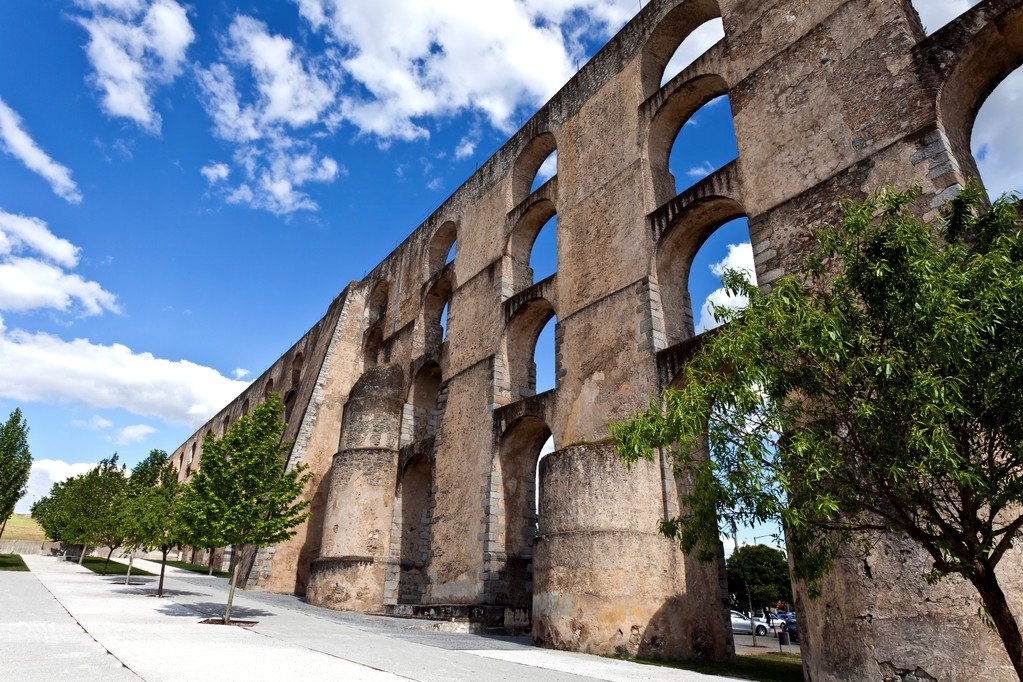
The Amoreira Aqueduct isn’t just another old stone bridge (though it’s definitely old – we’re talking 1498 to 1622 construction timeline). This engineering marvel stretches an incredible 7.5 kilometers and features 843 arches in total, making it one of the longest aqueduct systems on the Iberian Peninsula.
Built to supply water to the fortress city of Elvas, this Renaissance-era masterpiece showcases four different architectural levels in some sections, creating a jaw-dropping visual effect that photographers and architecture enthusiasts absolutely love. The varying heights – from single-story sections to towering four-level giants – create incredible depth and perspective that changes as you move around it.
Getting There and Getting Around
Coordinates: 38°52′40.8″N 7°10′20.6″W
Location: Elvas, Portalegre District, Portugal Distance from Lisbon: About 200km (2.5-hour drive) Distance from Spanish border: Just 12km from Badajoz
The aqueduct is easily accessible by car, and there are several viewing points along its length. The most impressive section with the multi-level arches is located just outside Elvas proper – look for the signs pointing to “Aqueduto da Amoreira” or simply follow the massive stone structure you can’t miss.
Parking is free and available at multiple spots along the aqueduct. The terrain is generally walkable for people of various mobility levels, though some areas involve uneven ground.
Best Times to Visit
Golden Hour Magic: Visit during the hour before sunset for absolutely stunning lighting. The warm light filtering through those hundreds of arches creates an almost otherworldly atmosphere that’s pure magic for photography.
Weather Considerations: Spring (March-May) and fall (September-November) offer the most comfortable temperatures for exploring. Summer can be scorching in this region, so early morning visits work best during peak season.
Crowd Factor: Unlike Portugal’s more famous attractions, you’ll often have this place largely to yourself, especially on weekdays. It’s refreshingly peaceful compared to crowded tourist hotspots.
What to Do and See
Photography Paradise
The Amoreira Aqueduct is a photographer’s dream. The repeating arches create incredible leading lines, while the multiple levels offer opportunities for both wide landscape shots and detailed architectural close-ups. Drone photography is particularly spectacular here (check local regulations first).
Walking and Exploring
You can walk along sections of the aqueduct and explore the area underneath the arches. Each section offers different perspectives and architectural details to discover. The structure is remarkably well-preserved, allowing visitors to truly appreciate the craftsmanship that went into its construction.
Combining with Elvas
The aqueduct perfectly complements a visit to Elvas itself, a UNESCO World Heritage site featuring impressive star-shaped fortifications, charming cobblestone streets, and excellent local restaurants. The contrast between the aqueduct’s rural setting and the fortress city creates a perfect day of exploration.
Practical Tips for Visitors
Cost: Completely free to visit – one of Portugal’s best free attractions Duration: Plan 1-2 hours for a thorough visit and photo session Facilities: Limited facilities on-site, so plan accordingly Accessibility: Ground-level viewing is accessible, though some areas involve walking on uneven terrain
What to Bring:
- Comfortable walking shoes
- Water (especially in summer)
- Camera or smartphone for photos
- Sun protection
- Snacks if you plan an extended visit
Local Context and Cultural Significance
The aqueduct represents more than just impressive engineering – it’s a testament to Elvas’s strategic importance during Portugal’s conflicts with Spain. The reliable water supply it provided was crucial for the city’s role as a frontier fortress. Today, it stands as a symbol of human ingenuity and Portugal’s rich architectural heritage.
The construction employed local materials and traditional techniques passed down through generations, making it an authentic representation of Portuguese craftsmanship from the Renaissance period.
Making the Most of Your Visit
Combine with Regional Exploration: The Alentejo region offers incredible gastronomy, wine, and historic sites. Consider making the Amoreira Aqueduct part of a broader regional adventure.
Local Dining: Elvas features several excellent traditional Portuguese restaurants where you can experience authentic Alentejo cuisine after your aqueduct visit.
Accommodation: Elvas offers charming pousadas and guesthouses, or you can easily visit as a day trip from Lisbon or other Portuguese cities.
Why This Should Be on Your Portugal Itinerary
In a country filled with stunning coastlines, historic cities, and famous landmarks, the Amoreira Aqueduct offers something different – a chance to connect with Portugal’s engineering heritage in a peaceful, authentic setting. It’s the kind of place that reminds you why the best travel experiences often come from discovering something unexpected.
Whether you’re an architecture enthusiast, photography lover, history buff, or simply someone who appreciates impressive human achievements, the Amoreira Aqueduct delivers an experience that’s both educational and genuinely awe-inspiring. Plus, you’ll definitely have some unique photos that none of your friends will recognize – always a travel win!
The aqueduct proves that sometimes the most memorable travel experiences aren’t the most famous ones – they’re the hidden gems that leave you wondering why more people don’t know about this incredible place.