





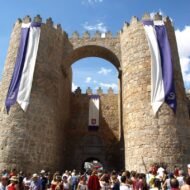
TL;DR: Ávila is a stunning walled city in central Spain with incredible medieval architecture, rich history, amazing food, and surprisingly affordable prices. Perfect for history buffs, foodies, and anyone wanting to experience authentic Spanish culture without the tourist crowds of Madrid or Barcelona.
- Why Ávila Should Be Your Next Spanish Adventure
- Getting There and Around
- The Famous Medieval Walls: Your First Must-See
- Top Attractions You Can’t Miss
- Where to Eat: Ávila’s Incredible Food Scene
- Where to Stay
- Luxury Option: Parador de Ávila
- Mid-Range: Hotel Palacio de los Velada
- Budget-Friendly: Hostal Puerta del Alcázar
- Best Time to Visit
- Cultural Experiences and Local Life
- Day Trip Ideas from Ávila
- Practical Travel Tips
- Photography Tips
- Budget Breakdown
- Final Thoughts
Why Ávila Should Be Your Next Spanish Adventure
Picture this: you’re walking along the top of 900-year-old city walls, gazing out over rolling hills dotted with ancient churches, while the scent of roasted lamb drifts up from medieval streets below. That’s Ávila for you – a city that feels like stepping into a time machine, but with modern comforts and some of the best cuisine in Spain.
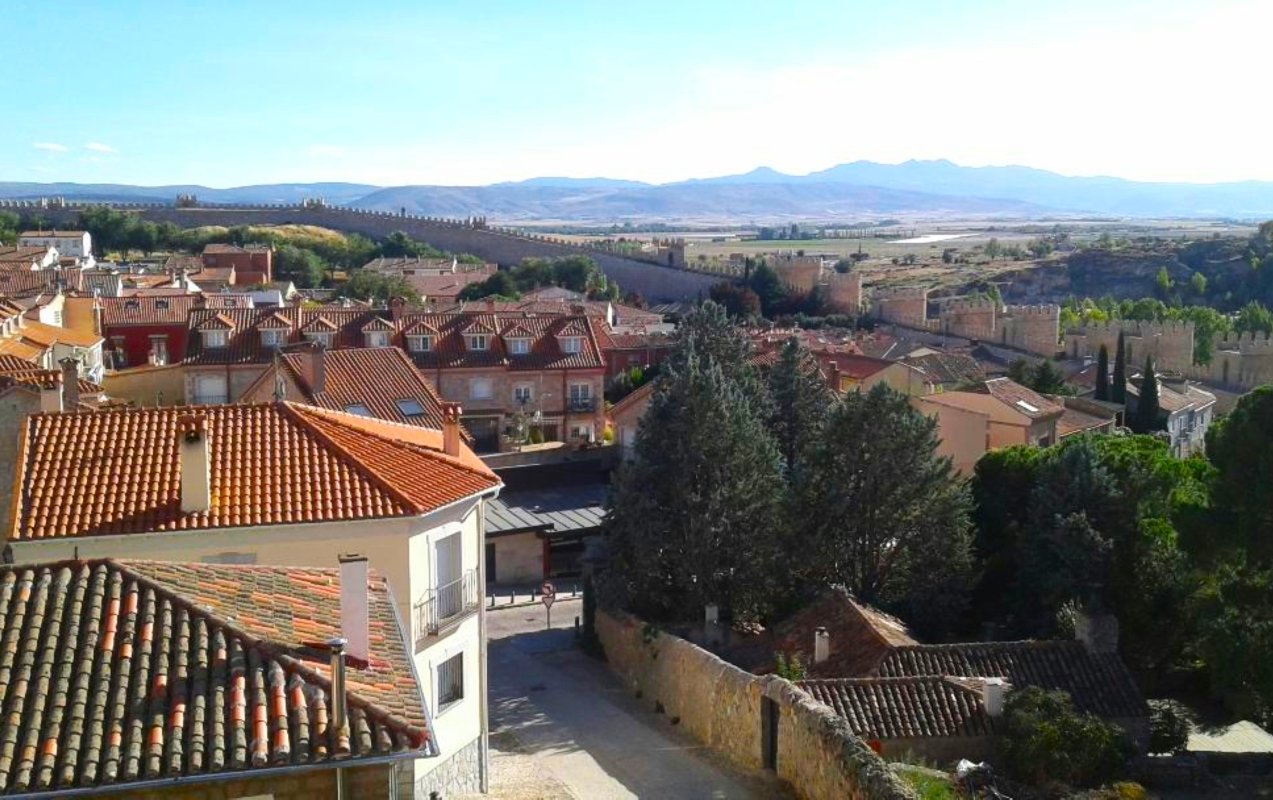
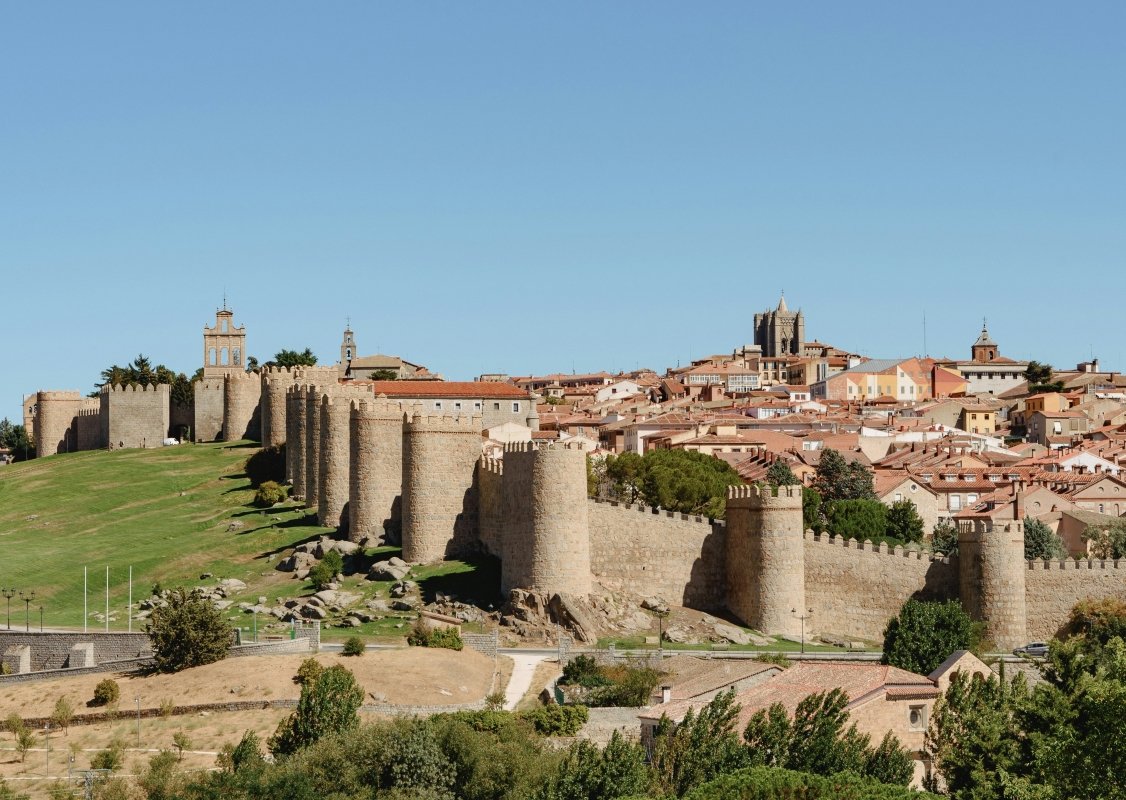
Located just 90 minutes from Madrid, Ávila (pronounced “AH-vee-lah”) is the highest provincial capital in Spain and home to the most complete medieval walls in Europe. But don’t let the “medieval” part fool you – this UNESCO World Heritage site is very much alive, with vibrant local culture, fantastic restaurants, and enough history to keep anyone fascinated for days.
Getting There and Around
By Train
The easiest way to reach Ávila is by train from Madrid’s Chamartín station. Trains run regularly throughout the day (about every hour), take roughly 1.5 hours, and cost around €12-15 for a standard ticket. The journey itself is beautiful, passing through the Spanish countryside with mountain views that’ll have you reaching for your camera.
By Car
If you’re road-tripping through Spain, Ávila is perfectly positioned on the A-6 highway. The drive from Madrid takes about 1 hour 15 minutes, and parking within the old town is available (though spaces can be tight during peak season).
Getting Around Ávila
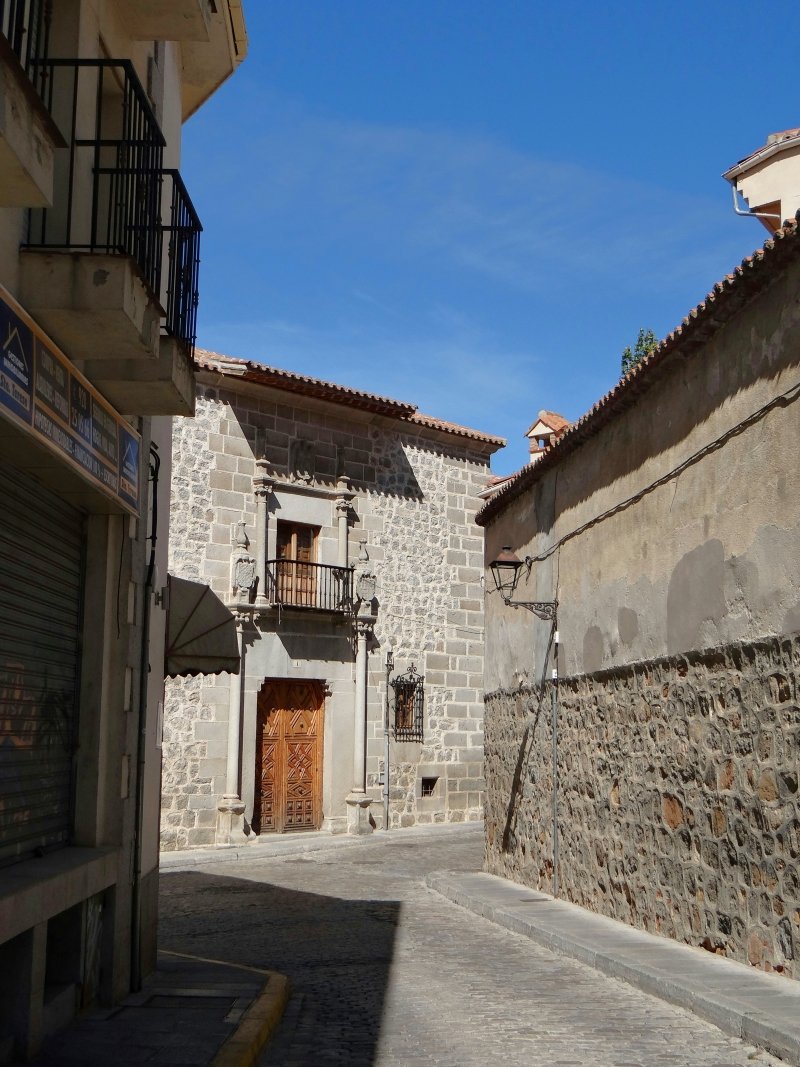
Here’s the thing about Ávila – it’s wonderfully walkable. The entire historic center is compact enough to explore on foot, and honestly, that’s the best way to soak up the atmosphere. Comfortable walking shoes are essential, as many streets are cobblestone and there are quite a few hills.
The Famous Medieval Walls: Your First Must-See
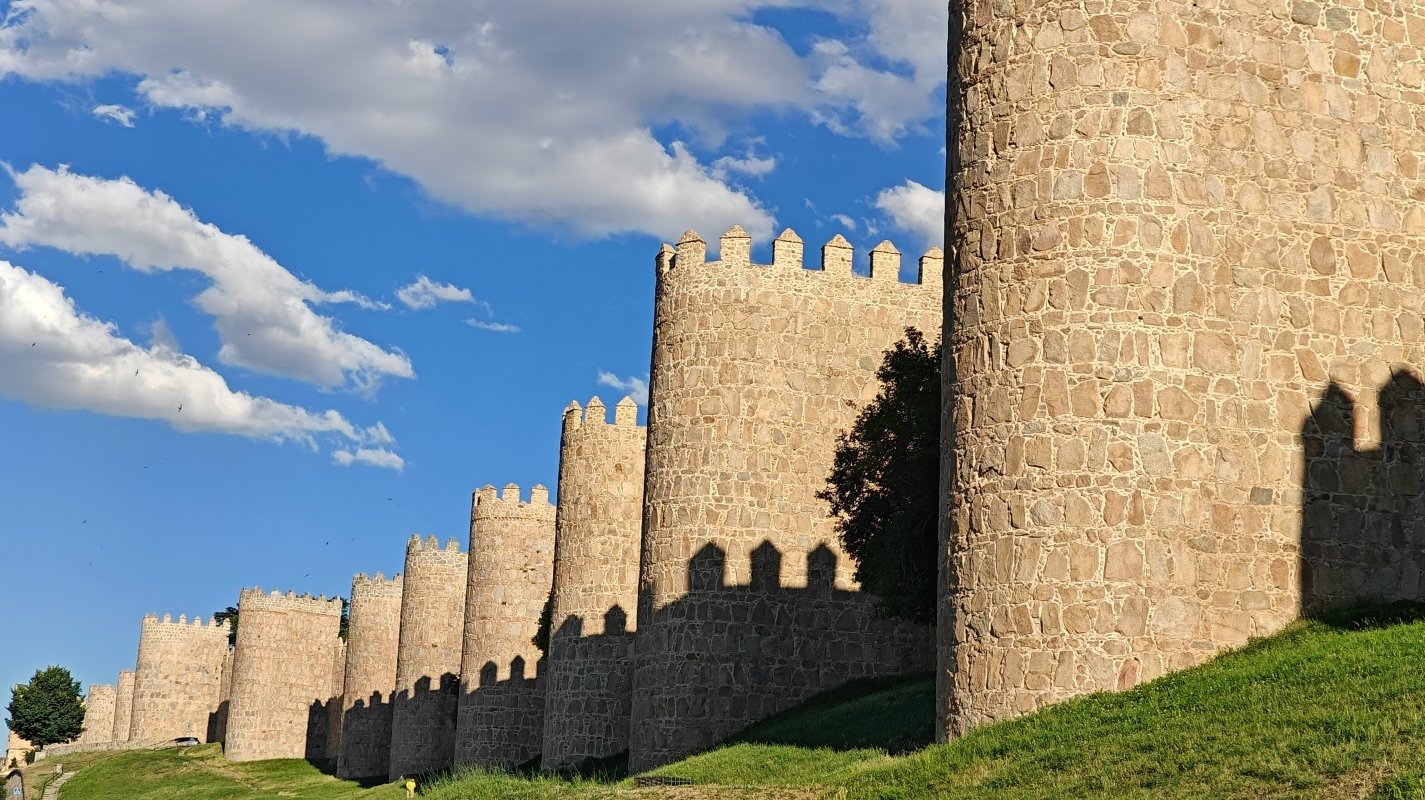
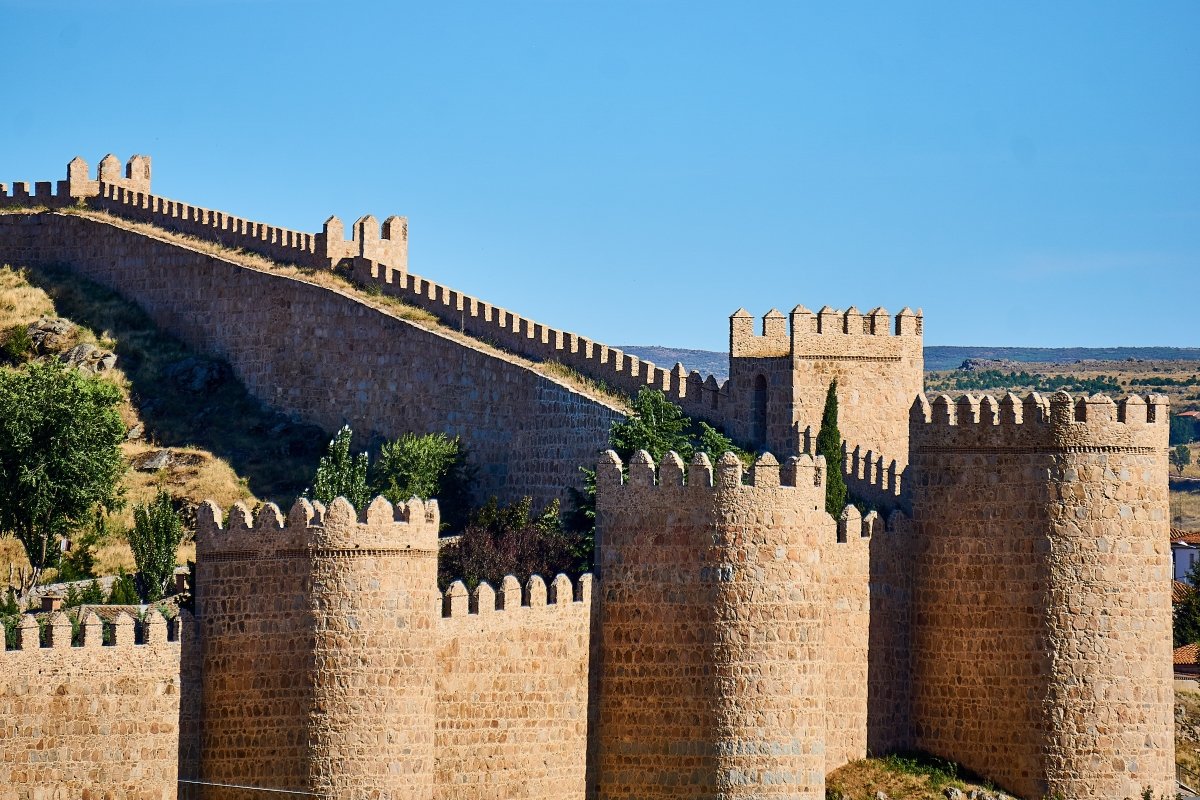
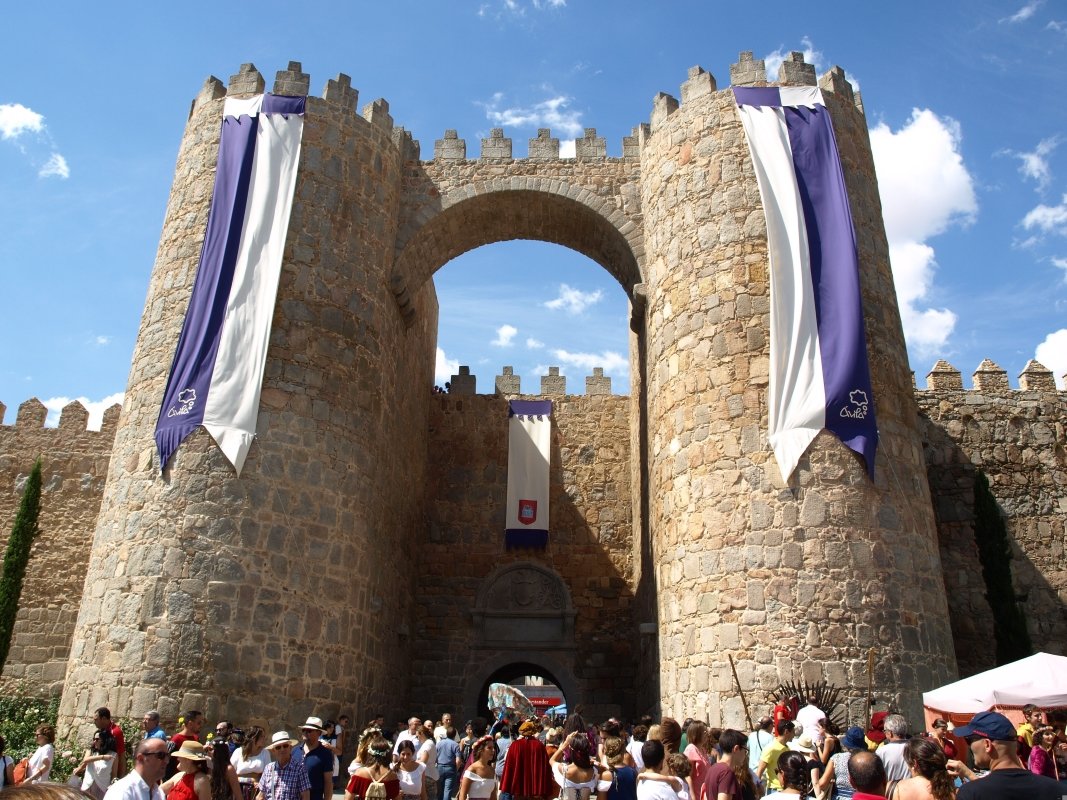
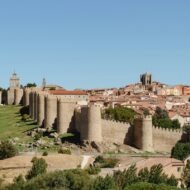
Let’s start with the obvious star of the show – those incredible walls. Built in the 11th century, Ávila’s walls stretch for 2.5 kilometers and include 88 towers and 9 gates. They’re not just for show either; you can actually walk along sections of them for some of the best views in the city.
Wall Walking Tips
- Best time to visit: Late afternoon for golden hour photos
- Entry points: Multiple access points, but the most popular is near the Cathedral
- Cost: Around €5 for adults
- What to bring: A jacket (it gets windy up there) and your camera
The views from the walls are absolutely spectacular, especially at sunset when the whole city glows golden. You’ll see why Ávila is often called the “City of Stones and Saints.”MORE READ..
Top Attractions You Can’t Miss
Ávila Cathedral
This isn’t just any cathedral – it’s actually built into the city walls, making it both a place of worship and part of the fortification system. The blend of Romanesque and Gothic architecture is stunning, and the interior houses some incredible art and the tomb of a 15th-century bishop known as “El Tostado” (The Toasted One – seriously).
Pro tip: Visit during late afternoon when the light streaming through the stained glass windows creates an almost magical atmosphere.
Basilica of San Vicente
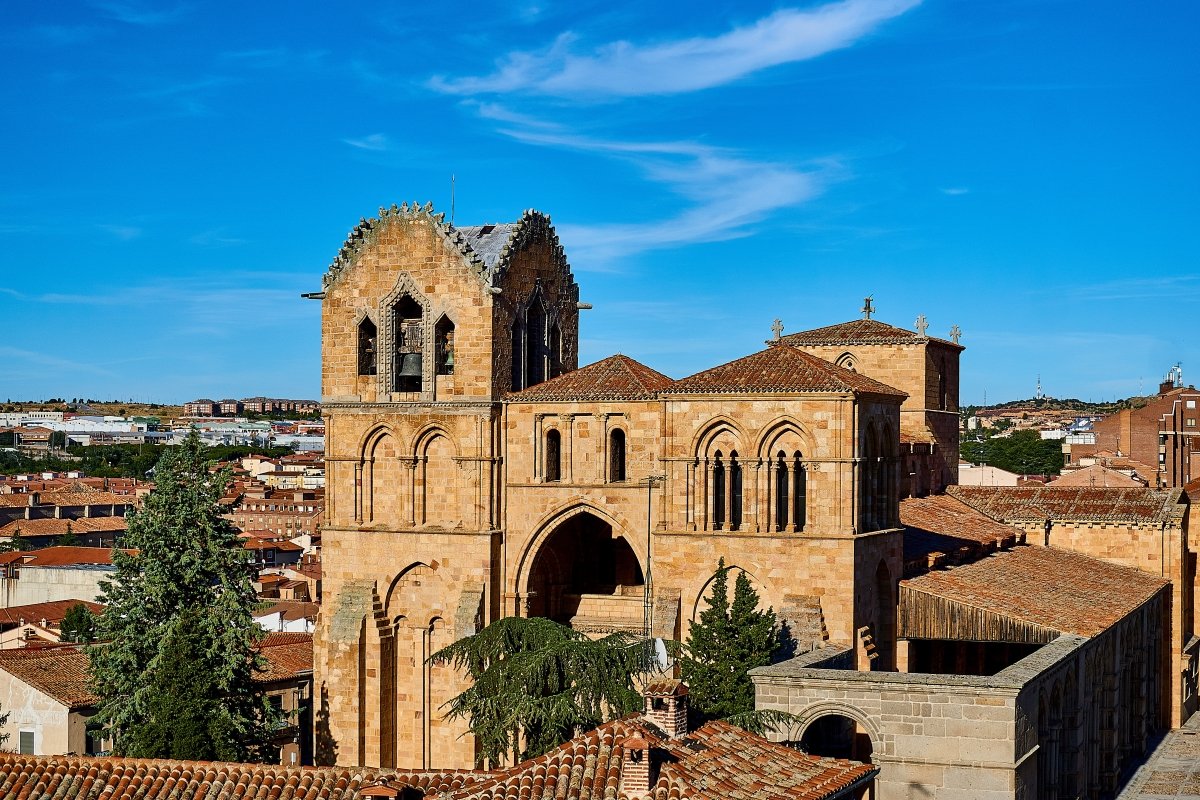
Just outside the walls, this Romanesque masterpiece tells the story of three martyred siblings through incredible stone carvings. The level of detail in the sculptures is mind-blowing – you could spend hours just studying the biblical scenes carved into the stone.
Real Monasterio de Santo Tomás
This 15th-century monastery is where the Catholic Monarchs (Ferdinand and Isabella) once stayed. It houses three beautiful cloisters and a museum with fascinating artifacts. Plus, it’s usually less crowded than other attractions, giving you space to really appreciate the architecture.
Convento de Santa Teresa
Dedicated to Saint Teresa of Ávila (the city’s patron saint), this convent is built on the site where she was born. Whether you’re religious or not, the peaceful atmosphere and beautiful baroque interior make it worth a visit.
Where to Eat: Ávila’s Incredible Food Scene
Here’s where Ávila really shines – the food is absolutely incredible and surprisingly affordable. This region is famous for its beef and lamb, and trust me, you haven’t lived until you’ve tried Ávila’s famous “chuletón” (massive T-bone steak) or “cochinillo” (roast suckling pig).
Must-Try Restaurants
El Almacén – A cozy spot beloved by locals, serving traditional Castilian dishes with a modern twist. Their lamb is perfection, and the atmosphere is warm and welcoming.
Restaurante Las Cancelas – Located right in the historic center, this place serves authentic regional cuisine in a beautiful stone-walled setting. Their “judiones de la Granja” (big white beans) are legendary.
Mesón del Rastro – Perfect for a more upscale dining experience without breaking the bank. Their wine selection is excellent, and they do amazing things with local ingredients.
Local Specialties to Try
- Chuletón de Ávila: Massive, perfectly grilled steaks from local cattle
- Judiones de la Granja: Creamy white beans often served with chorizo or morcilla
- Yemas de Santa Teresa: Sweet egg yolk candies (perfect with coffee)
- Local wines: The region produces some excellent reds that pair perfectly with the meat dishes
Where to Stay
Luxury Option: Parador de Ávila
Located right within the city walls in a restored 16th-century palace, this is as authentic as it gets. Stone walls, antique furnishings, and views of the cathedral – it’s pricey but absolutely worth it for a special occasion.
Mid-Range: Hotel Palacio de los Velada
Another historic building turned hotel, offering comfortable rooms with character in the heart of the old town. Great value for the location and amenities.
Budget-Friendly: Hostal Puerta del Alcázar
Clean, comfortable, and perfectly located near the walls. Nothing fancy, but it’s affordable and the staff is incredibly helpful with local recommendations.
Best Time to Visit
Spring (April-May) and Fall (September-October) are ideal – mild weather, fewer crowds, and beautiful lighting for photography. Summer can be quite hot during the day (remember, Ávila is at high altitude), while winter can be chilly but has its own magical charm, especially if you’re lucky enough to see the walls dusted with snow.
Seasonal Considerations
- Summer: Hot days, cool evenings, tourist season
- Winter: Cold but fewer crowds, shorter daylight hours
- Spring/Fall: Perfect weather, ideal for wall walking and outdoor dining
Cultural Experiences and Local Life
Markets and Shopping
The weekly market (Tuesdays) in Plaza del Mercado Grande is fantastic for local produce, crafts, and people-watching. You’ll find everything from local cheeses to handmade pottery.
Festivals and Events
- Semana Santa (Holy Week): Incredible religious processions through the medieval streets
- Festival de Música Religiosa (September): Beautiful concerts in historic venues
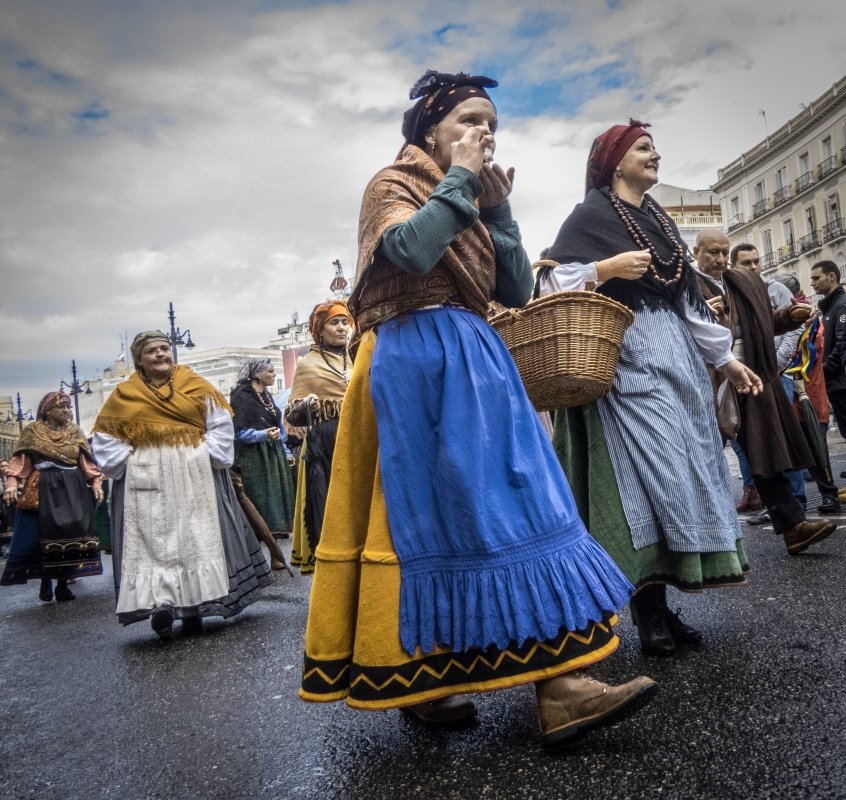
- Medieval Market (September): The whole city transforms into a medieval festival
Local Customs
Ávila locals are incredibly proud of their city and usually more than happy to share recommendations. Don’t be surprised if someone strikes up a conversation about the best place to watch the sunset from the walls or where to find the most authentic cochinillo.
Day Trip Ideas from Ávila
Segovia (1 hour drive)
Famous for its Roman aqueduct and fairy-tale castle that inspired Disney’s Sleeping Beauty castle.
Salamanca (1.5 hours)
University city with stunning sandstone architecture and incredible nightlife.
Valle de los Caídos (45 minutes)
Controversial but historically significant monument and basilica carved into a mountainside.
Practical Travel Tips
Money Matters
- Most places accept cards, but carry some cash for small vendors
- Tipping isn’t expected but rounding up is appreciated
- Prices are generally very reasonable compared to Madrid or Barcelona
Language
While Spanish is the main language, many people in tourist areas speak some English. Learning a few basic Spanish phrases will be greatly appreciated by locals.
What to Pack
- Comfortable walking shoes (essential for cobblestones)
- Layers (temperature can vary significantly)
- A good camera (seriously, this place is incredibly photogenic)
- Sunscreen (high altitude = stronger UV rays)
Accessibility
The historic nature of Ávila means some areas can be challenging for visitors with mobility issues. Many restaurants and hotels in the old town are in historic buildings with stairs and narrow doorways. However, the newer parts of the city are fully accessible, and staff everywhere are generally very helpful and accommodating.
Photography Tips
Ávila is a photographer’s dream, but here are some insider tips for the best shots:
- Golden hour on the walls: 30 minutes before sunset for that perfect warm light
- Blue hour: Just after sunset, the walls are beautifully lit
- Early morning: Fewer people, softer light, and that magical misty atmosphere
- Details matter: Don’t just go for the big shots – the door knockers, stone carvings, and architectural details are incredible
Budget Breakdown
Daily Budget for Two People:
- Budget travel: €80-100 (hostal, local restaurants, walking tours)
- Mid-range: €150-200 (decent hotel, mix of restaurants, some paid attractions)
- Luxury: €300+ (parador accommodation, fine dining, private tours)
Final Thoughts
Ávila isn’t just another Spanish city to check off your list – it’s a place that gets under your skin. There’s something magical about walking streets that have barely changed in centuries, dining on incredible food that’s been perfected over generations, and experiencing a culture that’s both deeply rooted in history and vibrantly alive today.
Whether you’re a history enthusiast fascinated by medieval architecture, a foodie ready to dive into authentic Castilian cuisine, or someone simply looking for a unique Spanish experience away from the typical tourist trail, Ávila delivers in spades.
The city works perfectly as a day trip from Madrid, but honestly, you’ll want to stay longer. There’s something about watching the sunset from those ancient walls, sharing tapas with locals in a centuries-old tavern, or simply wandering the quiet morning streets that makes you want to slow down and savor every moment.
So pack your comfortable shoes, bring your appetite, and prepare to fall in love with one of Spain’s most authentic and beautiful cities. Ávila is waiting to share its secrets with you.
Planning your trip to Ávila? Save this guide and start dreaming about those incredible medieval walls, amazing steaks, and unforgettable Spanish sunsets. Your Spanish adventure awaits!