









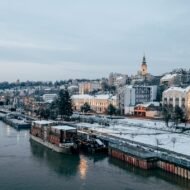
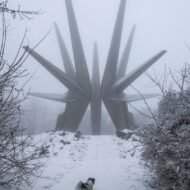
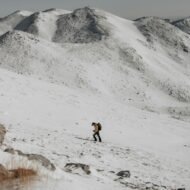


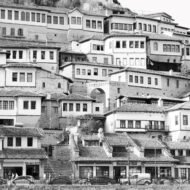
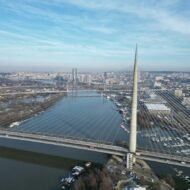


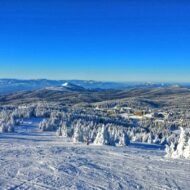




TL;DR: December in the Balkans offers budget-friendly winter magic—think Christmas markets, uncrowded ski slopes, thermal spas, and cities dusted with snow. Expect temperatures from -5°C to 15°C depending on location, prices 40-60% lower than summer, and a mix of festive vibes and peaceful off-season travel. Albania and coastal areas stay mild , mountain regions transform into winter wonderlands. Perfect for everyone from budget backpackers to luxury seekers.
- Why December is Actually the Best Time to Visit the Balkans
- Weather Reality Check: What to Actually Expect
- Budget Breakdown: What You’ll Actually Spend
- Country-by-Country December Guide
- Croatia: Christmas Market Central
- Serbia: Urban Energy Meets Mountain Peace
- Bosnia and Herzegovina: Hidden Winter Wonderland
- Montenegro: Mild Coastal Alternative
- Albania: The Budget Winner
- Bulgaria: Ski Paradise on a Budget
- North Macedonia: The Underdog
- Sample Itineraries for Every Type of Traveler
- The Christmas Market Hopper (10 Days)
- The Ski Bum Special (7 Days)
- The Coastal Escape (7-10 Days)
- The Cultural Deep Dive (14 Days)
- Getting Around: Transportation Guide
- What to Pack: The Actual Essentials
- Food & Drink: Winter Comfort
- Practical Tips & Things to Know
- December Events & Festivals
- Booking Strategy: When & How
- Environmental & Ethical Considerations
- Final Thoughts: Is December Right for You?
- Quick Reference Checklist
Why December is Actually the Best Time to Visit the Balkans
Let’s be real—everyone flocks to the Balkans in summer. But December? That’s when this region becomes something special.
You’ll find yourself wandering through medieval towns with barely another soul around, sipping rakija (local brandy) at cozy Christmas markets, and paying half what you’d spend in peak season. Plus, if you’re into skiing or snowboarding, you’re looking at some of Europe’s best-kept secrets with lift passes under €30.
The vibe is different too. Locals have more time to chat, restaurants aren’t rushed, and you’ll actually get to experience authentic Balkan culture without the Instagram crowds.
Weather Reality Check: What to Actually Expect
Here’s the breakdown so you can pack smart:
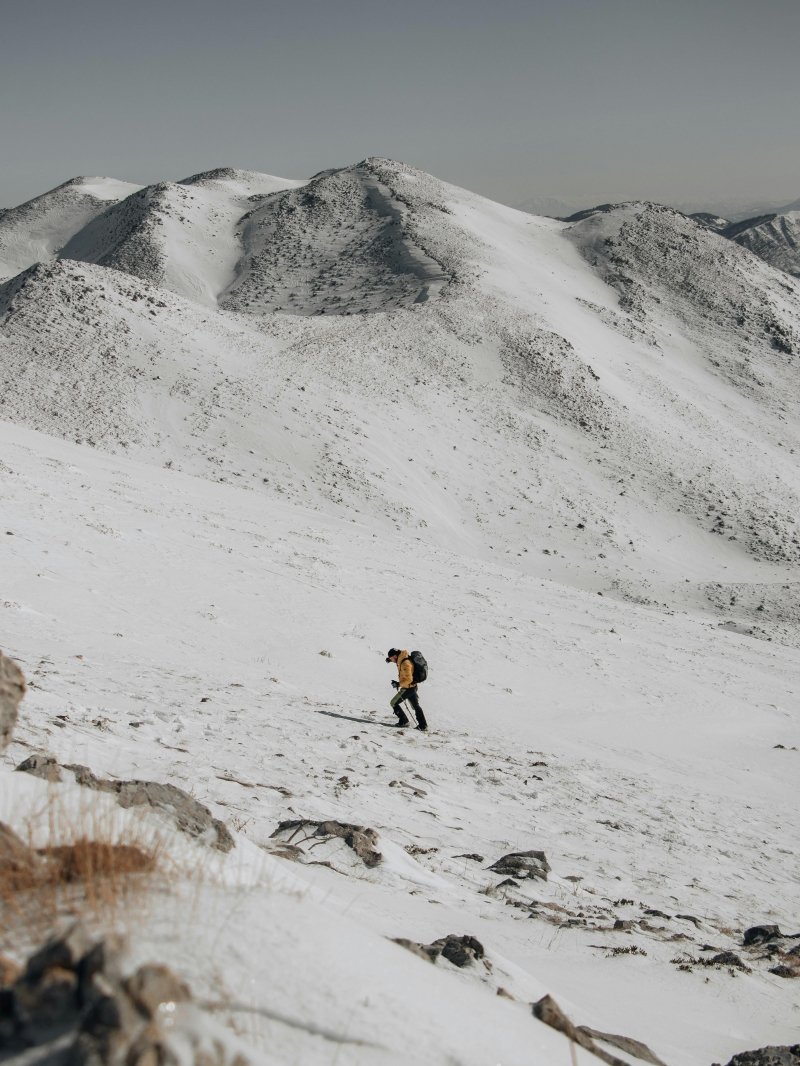
Mountain Regions (Bulgaria, Bosnia, North Macedonia, Serbia)
- Temperatures: -5°C to 5°C
- Snow: Guaranteed in ski areas, likely in cities
- What to bring: Proper winter gear, layers, waterproof boots
Continental Cities (Belgrade, Zagreb, Sarajevo, Skopje)
- Temperatures: 0°C to 8°C
- Conditions: Cold, occasional snow, crisp and clear
- What to bring: Winter coat, scarf, comfortable walking shoes
Coastal Areas (Montenegro, Albania, Southern Croatia)
- Temperatures: 8°C to 15°C
- Conditions: Mild, some rain, surprisingly pleasant
- What to bring: Light jacket, umbrella, layers
Pro tip: The first two weeks of December are usually milder than the last two. If you’re chasing snow, go late December. If you want to avoid crowds but keep things comfortable, aim for early December.
Budget Breakdown: What You’ll Actually Spend
One of the best parts about winter Balkans travel? Your money goes ridiculously far.
Daily Budget Estimates (per person)
Budget Traveler
- Accommodation: €15-25 (hostels, guesthouses)
- Food: €15-20 (local restaurants, street food, markets)
- Activities: €10-15 (free walking tours, affordable museums)
- Transportation: €5-10 (public transport, occasional taxi)
- Total: €45-70/day
Mid-Range Explorer
- Accommodation: €40-70 (3-star hotels, nice Airbnbs)
- Food: €25-40 (mix of local spots and nicer restaurants)
- Activities: €20-30 (paid tours, ski passes, attractions)
- Transportation: €15-25 (trains, inter-city buses, car rental share)
- Total: €100-165/day
Comfort Seeker
- Accommodation: €80-150 (4-star hotels, boutique properties)
- Food: €40-60 (quality dining, wine included)
- Activities: €40-60 (private tours, spa treatments, premium experiences)
- Transportation: €30-50 (car rental, convenience over budget)
- Total: €190-320/day
Money-Saving Hacks:
- Book accommodation with kitchen facilities and hit local markets
- Take overnight buses/trains to save on accommodation
- Buy ski packages (lift pass + equipment) for better deals
- Eat your main meal at lunch—many restaurants offer set menus for €5-8
- Use local SIM cards instead of roaming (€10-15 gets you unlimited data)
Country-by-Country December Guide
Croatia: Christmas Market Central
Best for: Festive vibes, coastal escapes, cultural experiences
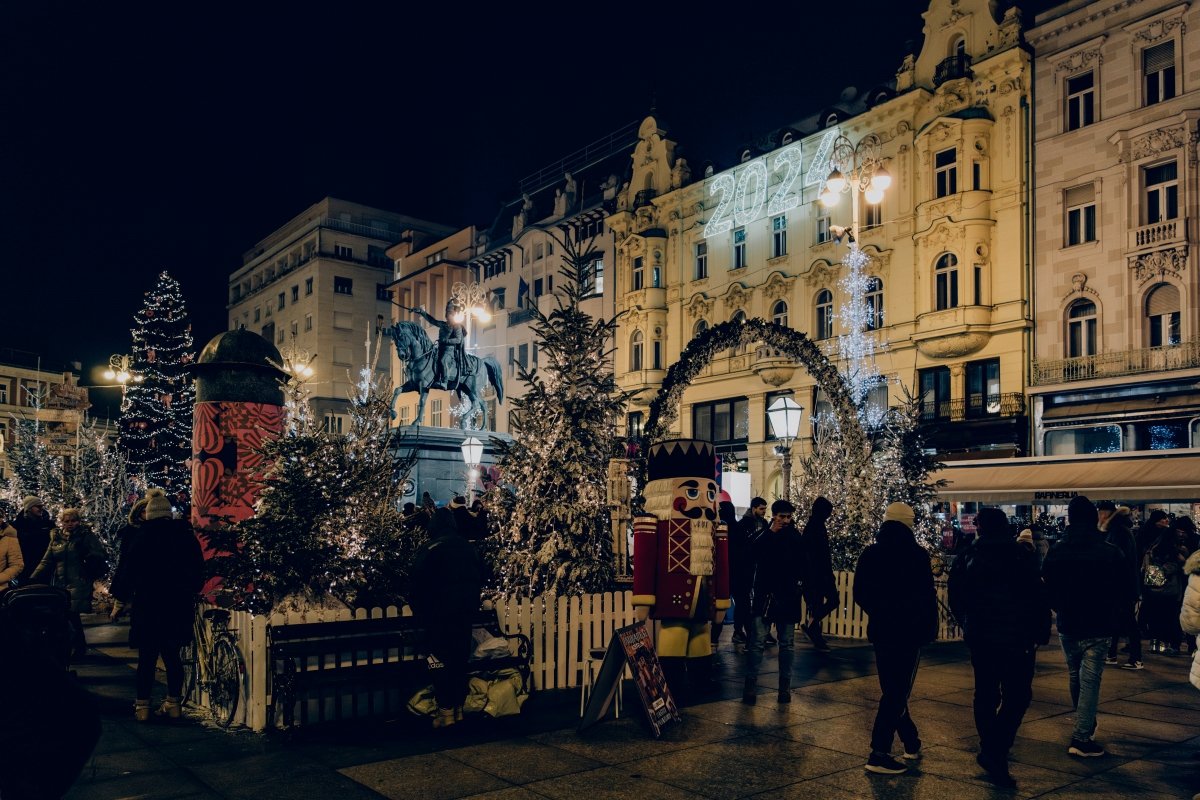
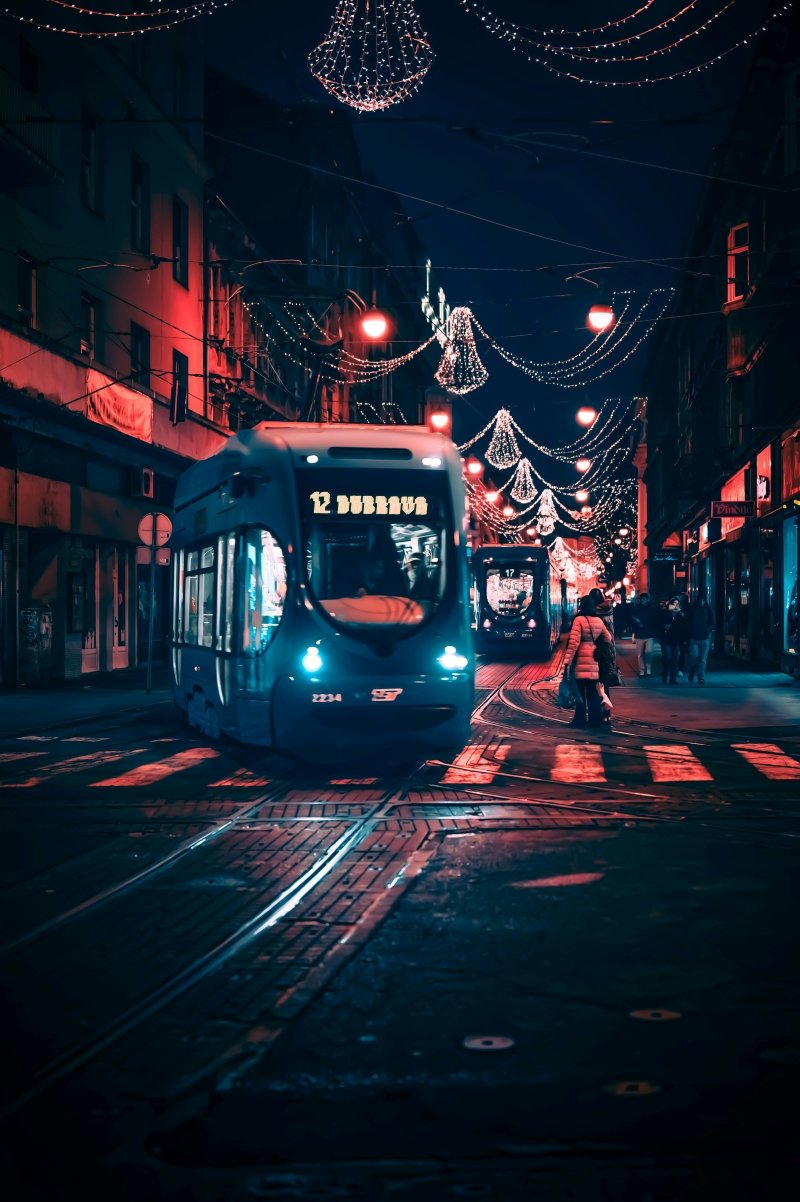
Zagreb transforms into a winter fairy tale with one of Europe’s best Christmas markets (usually runs until January 7). The main square fills with wooden stalls selling mulled wine, roasted chestnuts, and handmade crafts. There’s ice skating, live music, and enough twinkling lights to rival the North Pole.
Don’t miss:
- Advent in Zagreb (seriously world-class)
- Dubrovnik without the cruise ship crowds
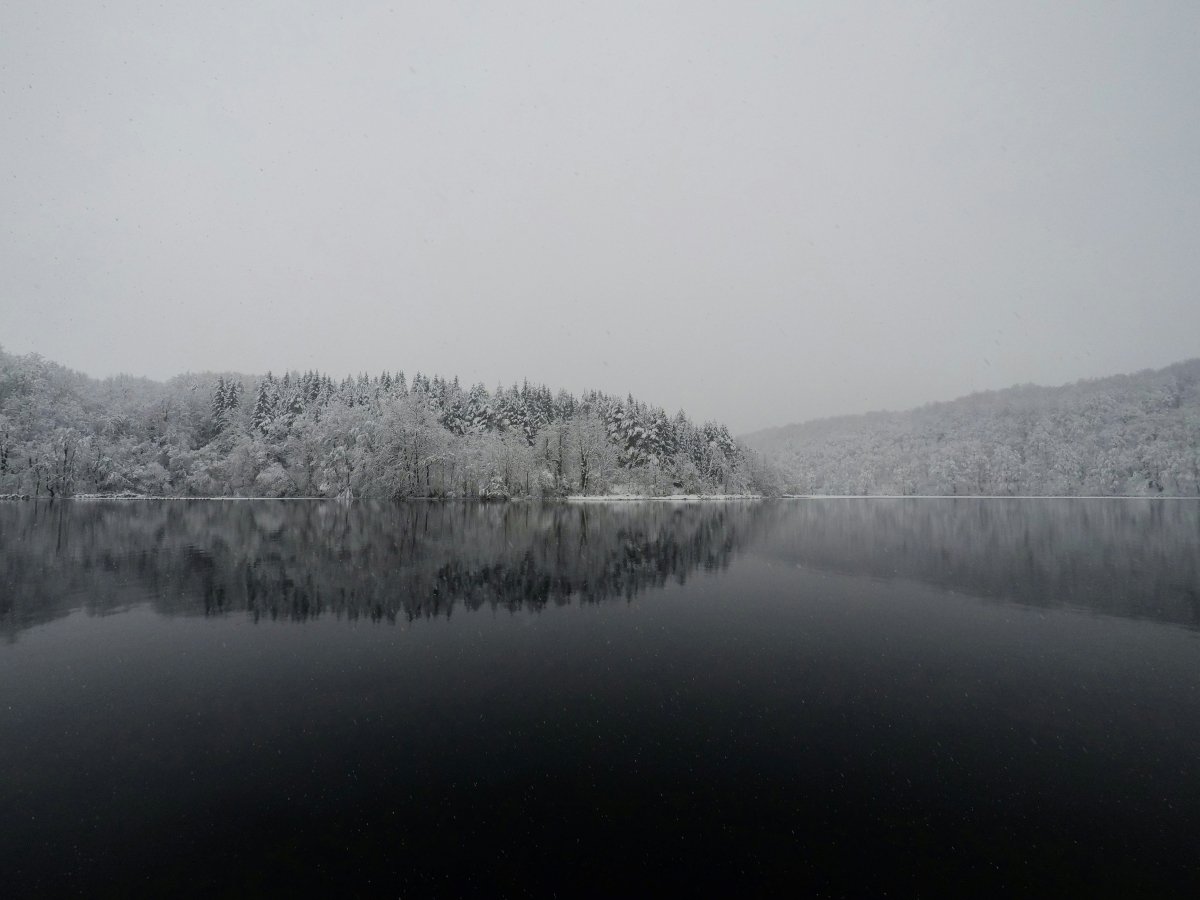
- Plitvice Lakes partially frozen (ethereal and almost empty)
Average costs: €60-120/day depending on whether you stick to Zagreb or hit the coast
Serbia: Urban Energy Meets Mountain Peace
Best for: Nightlife, affordable skiing, authentic experiences
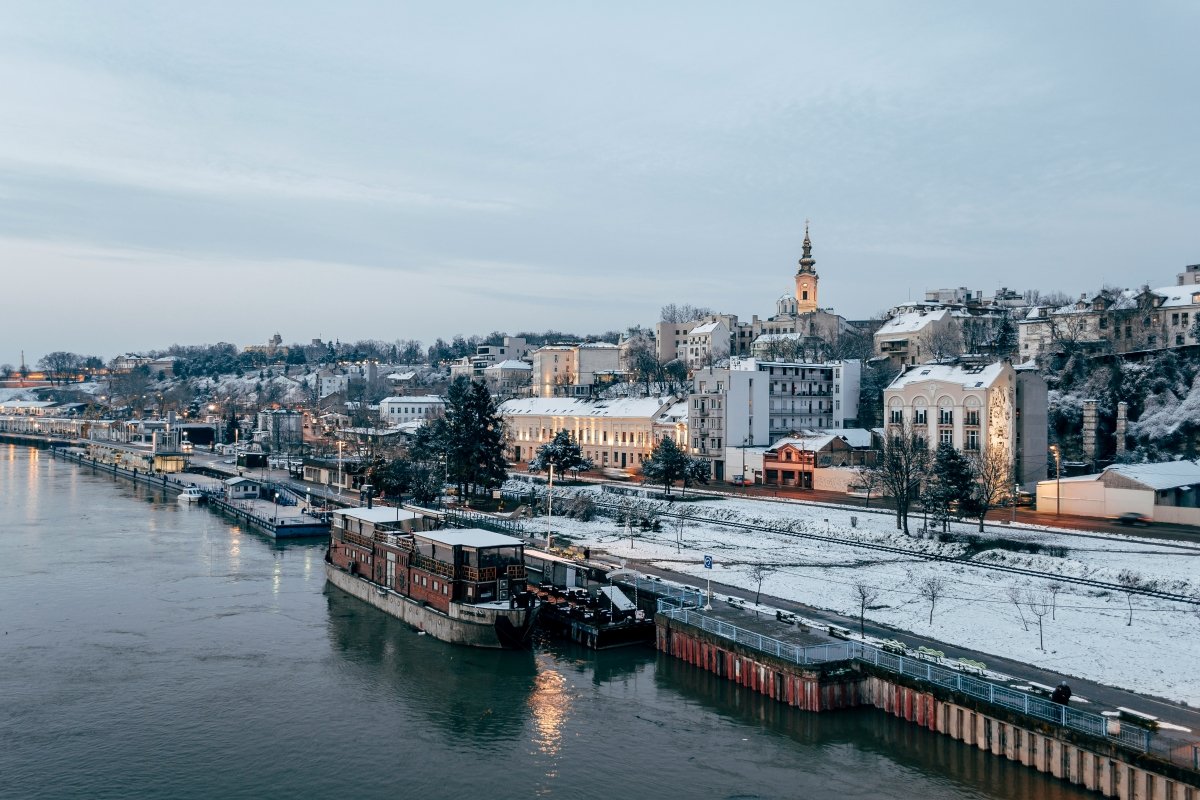
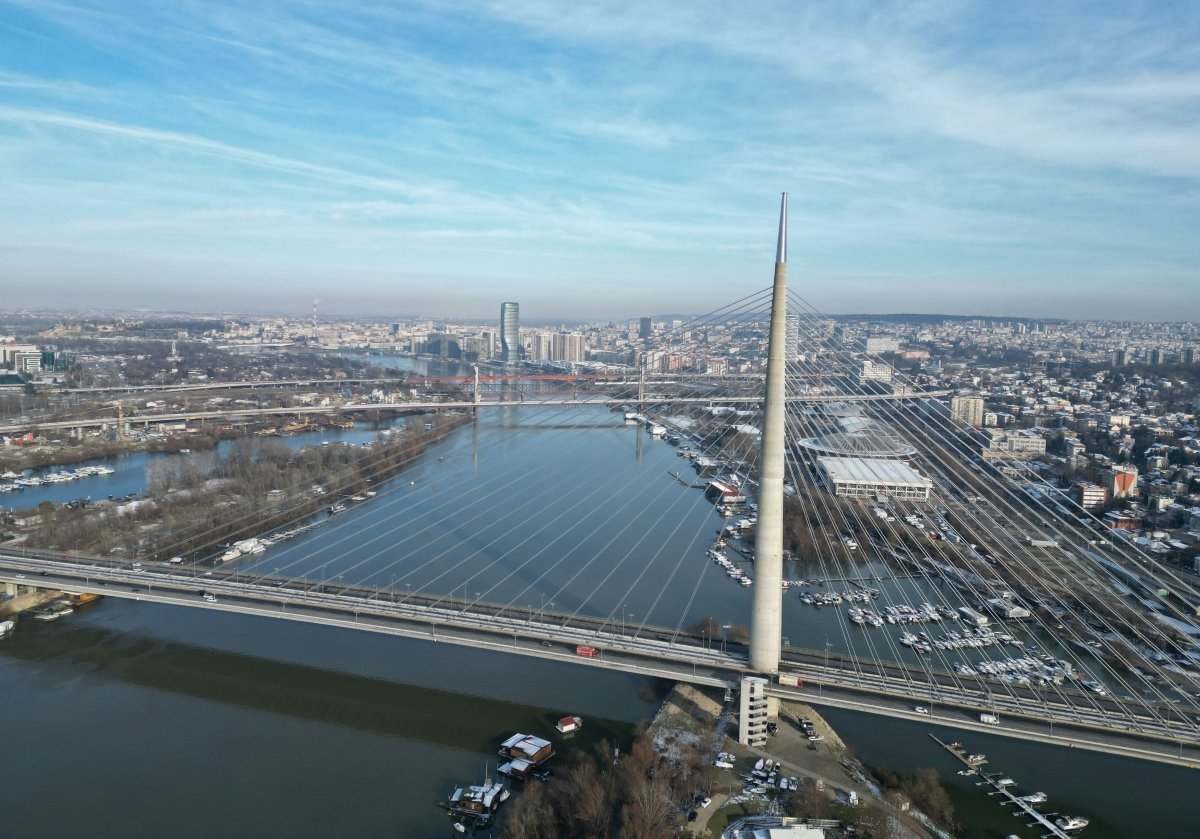
Belgrade doesn’t slow down in winter—if anything, the café and club scene heats up. People bundle up and still sit outside under heaters, drinking coffee and debating everything from football to politics. The city decorates for holidays but keeps its gritty, authentic edge.
Head to Kopaonik for skiing that won’t break the bank (€20-25 lift passes).
Don’t miss:
- Belgrade’s kafana (tavern) scene for live music
- Novi Sad’s Petrovaradin Fortress dusted with snow
- Kopaonik ski resort (affordable and surprisingly good)
- Thermal spas in Vrnjačka Banja
Average costs: €40-80/day
Bosnia and Herzegovina: Hidden Winter Wonderland
Best for: Budget travelers, ski enthusiasts, history buffs
Sarajevo in December is hauntingly beautiful. The city’s Ottoman and Austro-Hungarian architecture looks even better with a dusting of snow. The Baščaršija (old town) has a small Christmas market, but the real magic is in the authentic winter atmosphere.
Jahorina mountain (1984 Winter Olympics site) offers excellent skiing at ridiculous prices.
Don’t miss:
- Sarajevo’s meeting of East and West
- Jahorina ski resort (€15-20 lift passes!)
- Mostar without the tour buses (though the old bridge area can be cold and windy)
- Traditional Bosnian coffee in cozy cafés
Average costs: €35-70/day
Montenegro: Mild Coastal Alternative
Best for: Avoiding harsh winter, couples, relaxed exploration
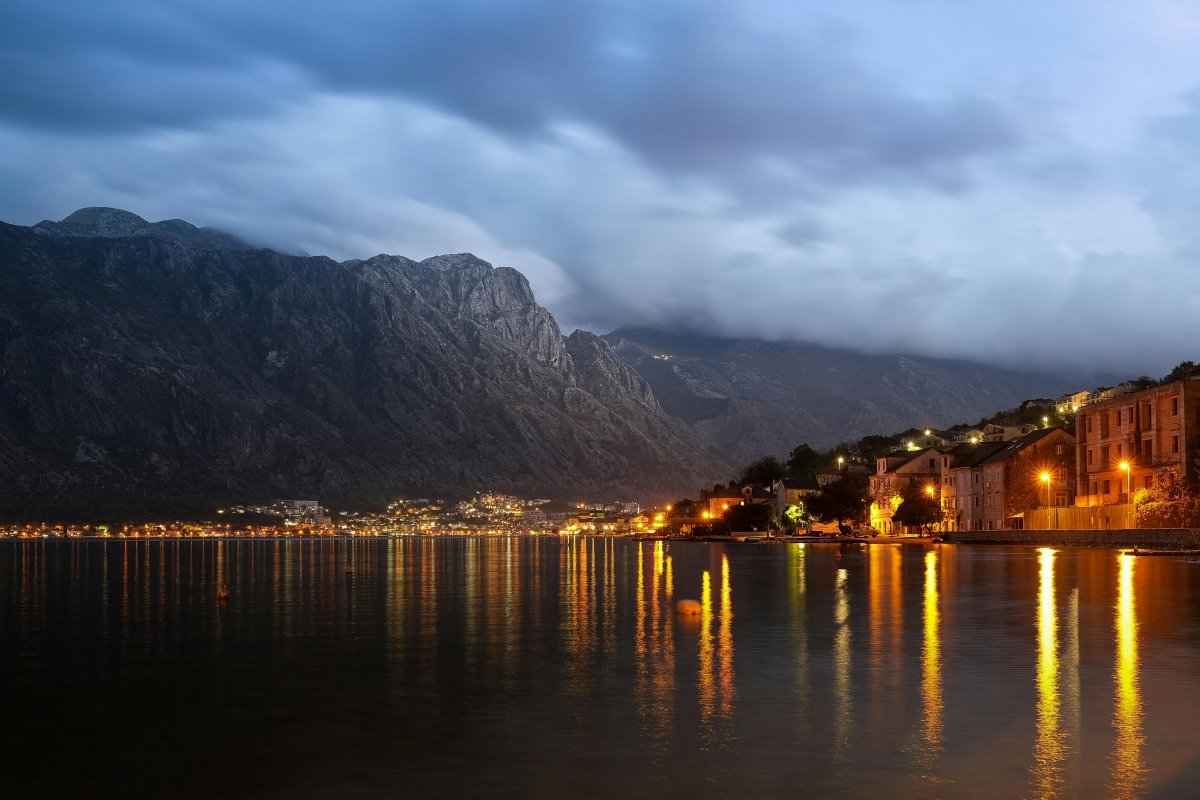
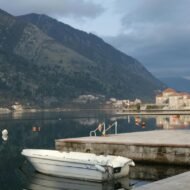
If you’re not about that freezing life, Montenegro’s coast is your answer. Kotor and Budva sit around 10-15°C—cool but totally manageable. Most tourist traps close down, which means you get authentic experiences and better prices.
Don’t miss:
- Kotor Bay without the crowds (absolutely stunning)
- Perast (practically deserted but magical)
- Kolašin for mountain vibes and potential skiing
- Local seafood at off-season prices
Average costs: €50-90/day
Albania: The Budget Winner
Best for: Shoestring budgets, mild weather, off-the-beaten-path adventure
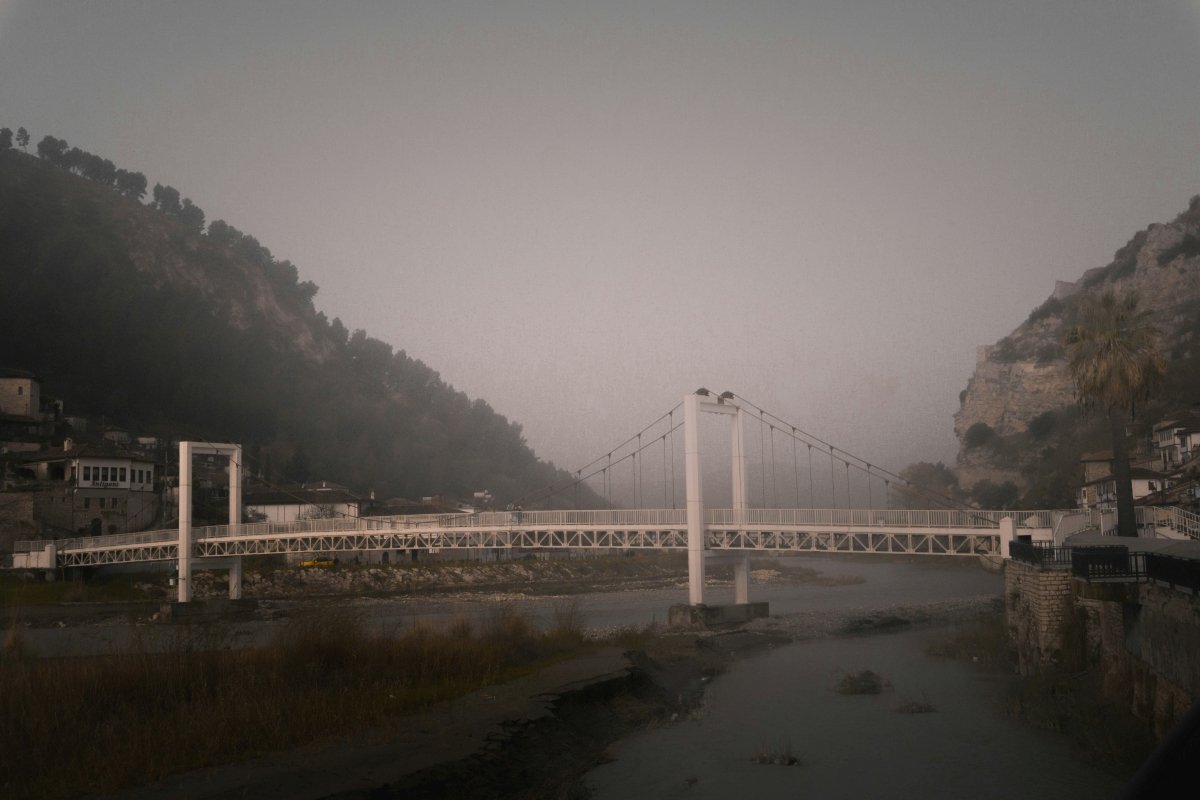
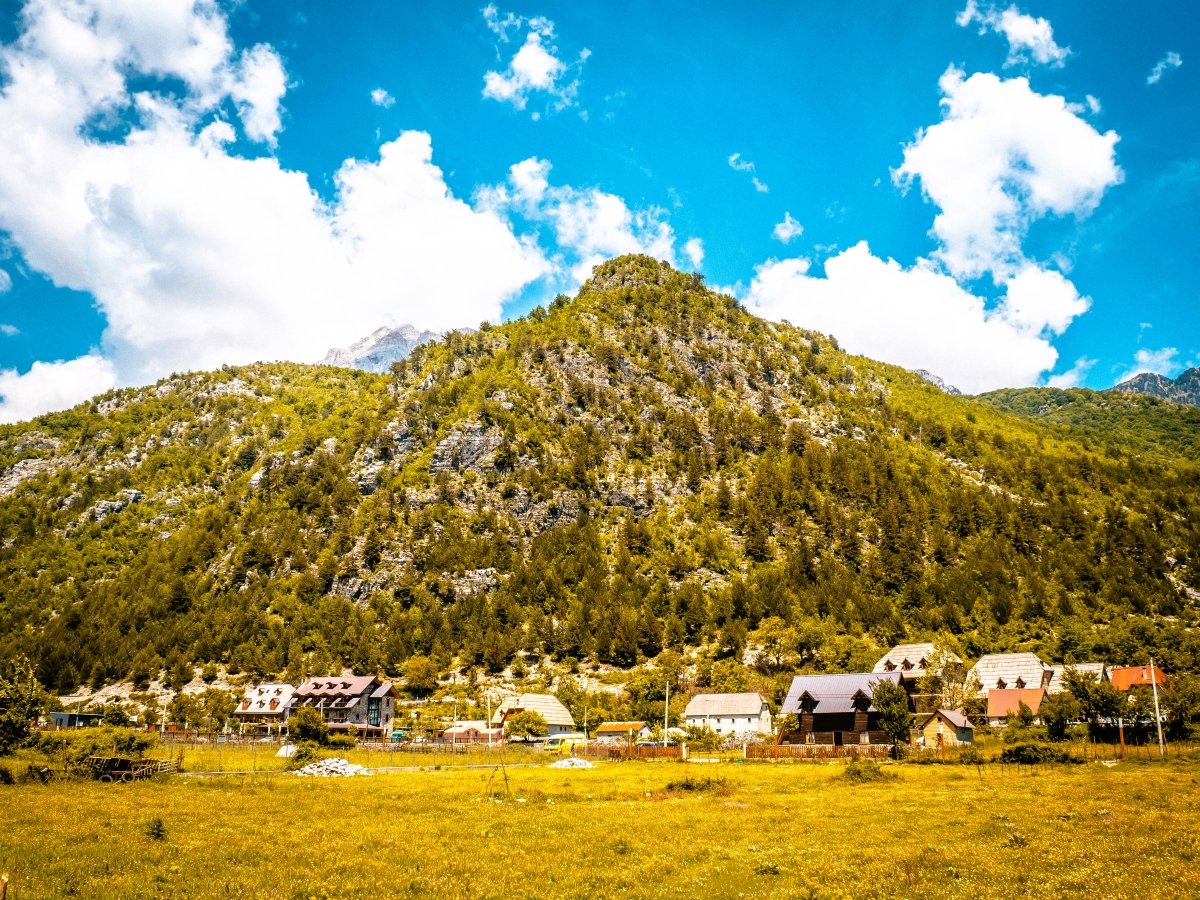
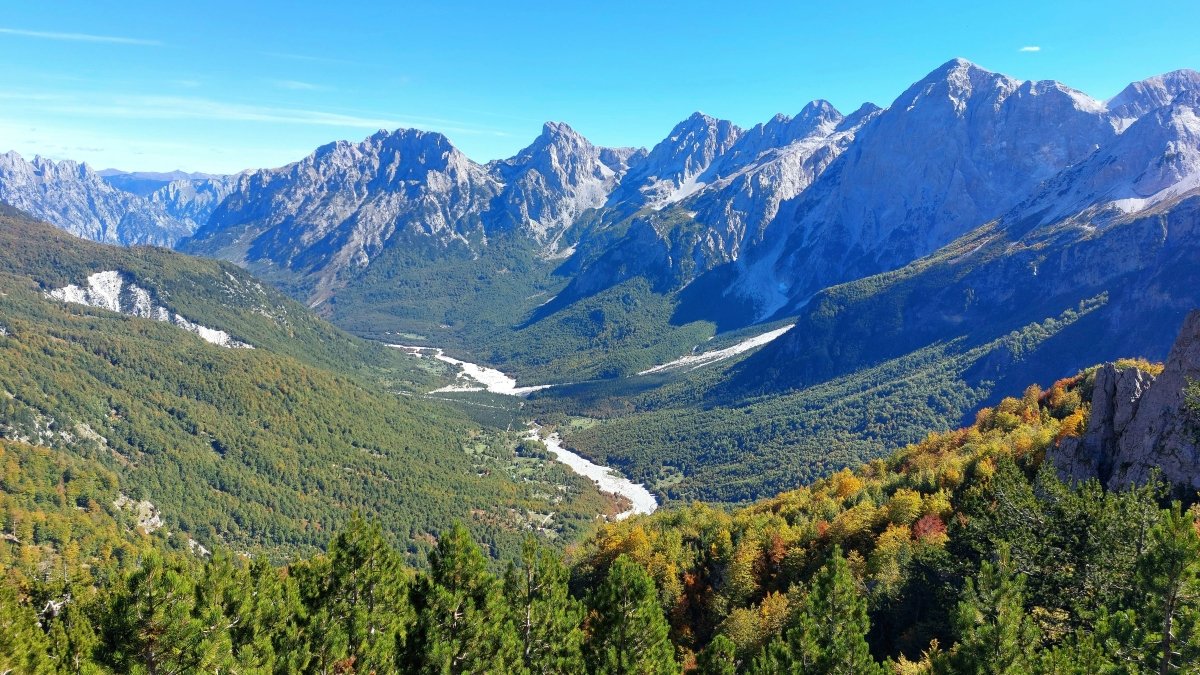
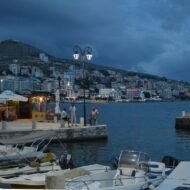
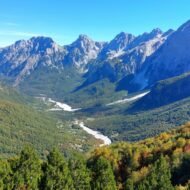
Albania in December is wildly underrated. The south stays mild (Saranda averages 12-14°C), prices are rock-bottom, and you’ll have archaeological sites almost to yourself. Tirana throws a modest New Year’s celebration, and the Albanian Alps get proper snow if you’re into winter hiking.
Don’t miss:
- Berat (UNESCO World Heritage town, gorgeous in winter light)
- Saranda for mild coastal weather
- Albanian Alps if you’re adventurous
- Ridiculous food prices (€5 for huge traditional meals)
Average costs: €30-60/day
Bulgaria: Ski Paradise on a Budget
Best for: Skiers and snowboarders, spa lovers, value seekers
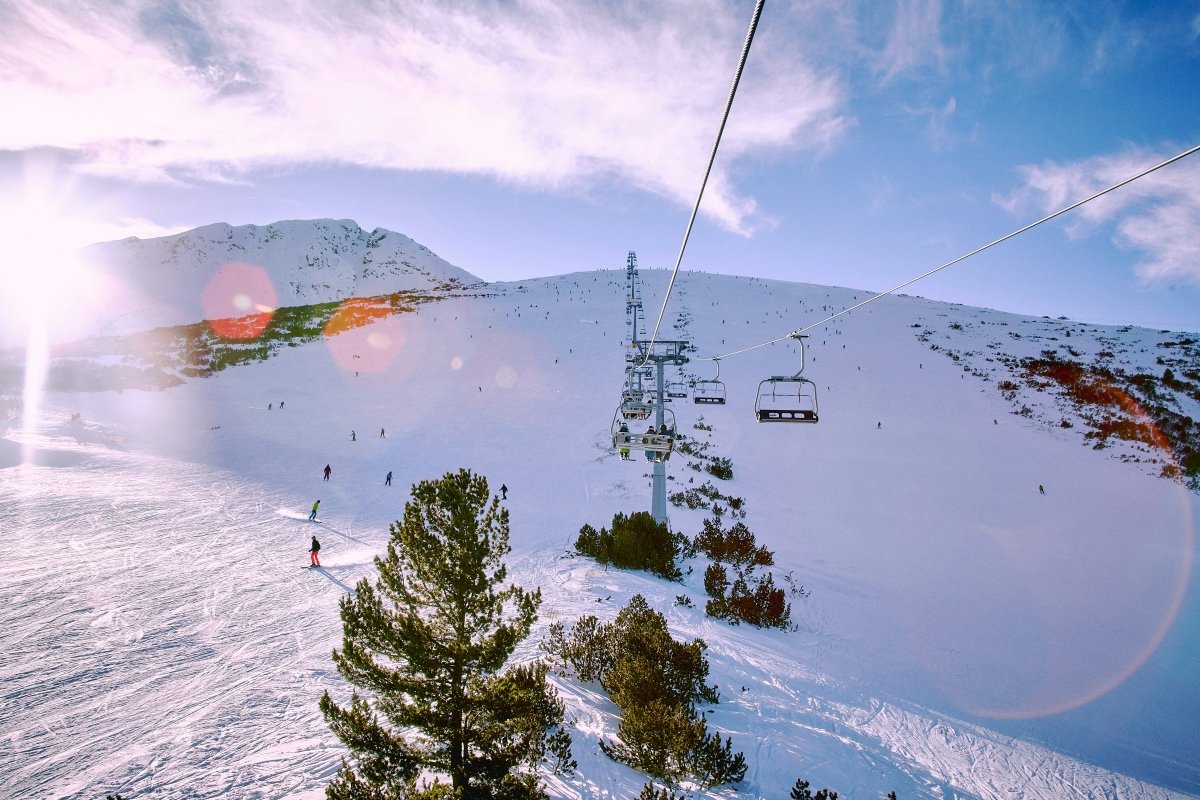
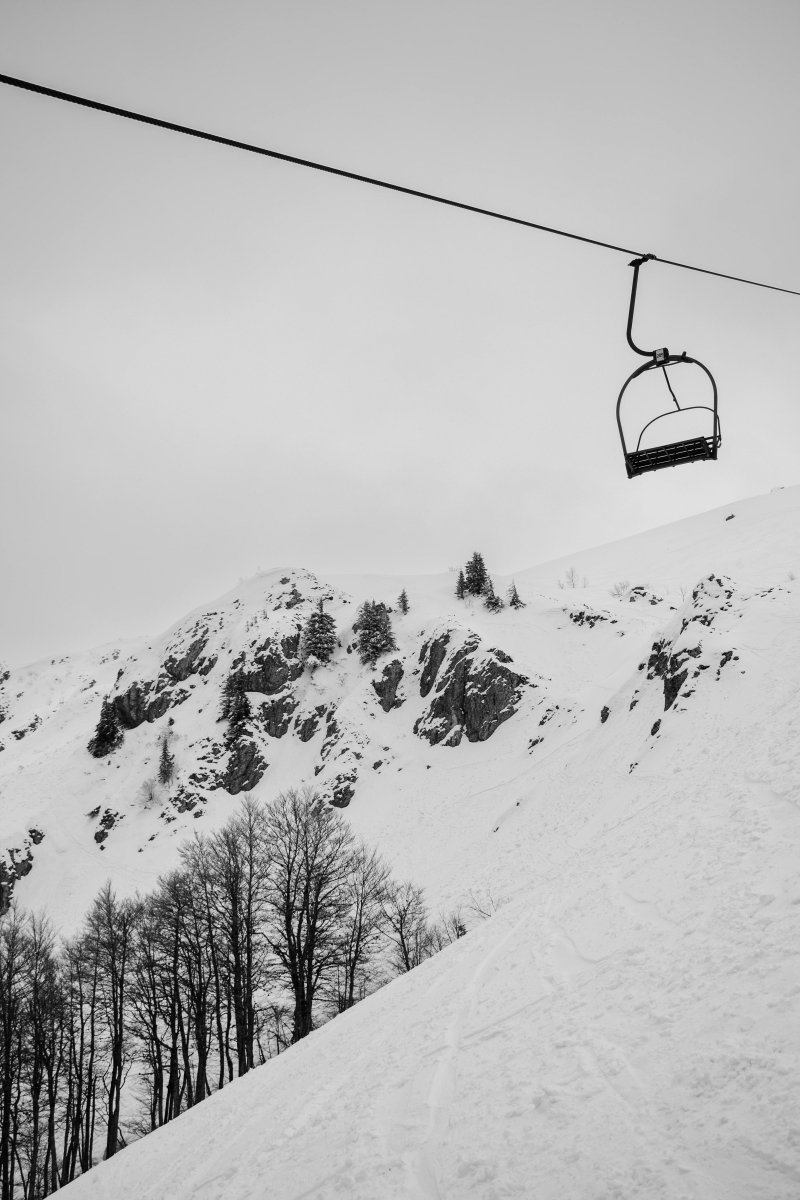
Bulgaria is Europe’s secret ski weapon. Bansko rivals Alps resorts but costs a fraction of the price. A week’s ski pass costs what you’d pay for a day in France. The skiing is legitimate, the après-ski is fun, and your accommodation includes hearty Bulgarian breakfasts.
Sofia makes a great base for exploring, with easy access to mountains and the charming old town of Plovdiv.
Don’t miss:
- Bansko ski resort (best value in Europe)
- Sofia’s unexpected cool factor
- Plovdiv (European Capital of Culture, stunning old town)
- Bulgarian wine (seriously underrated and cheap)
Average costs: €40-75/day
North Macedonia: The Underdog
Best for: Cultural immersion, lake views, ultra-budget travel
Skopje divides opinions with its controversial statues everywhere, but Lake Ohrid in winter is legitimately special. The medieval churches, lakeside setting, and mountain backdrop create this peaceful winter scene that feels miles away from regular tourist Europe.
Don’t miss:
- Ohrid in peaceful winter mode
- Skopje’s bizarre but fascinating architecture
- Traditional taverns serving tavče gravče (bean stew—perfect winter food)
- Prices that make you double-check the bill
Average costs: €30-65/day
Sample Itineraries for Every Type of Traveler
The Christmas Market Hopper (10 Days)
Day 1-3: Zagreb, Croatia
- Explore Advent market, day trip to Ljubljana (Slovenia)
Day 4-6: Belgrade, Serbia
- City exploration, kafana nights, Serbian Christmas market
Day 7-8: Sarajevo, Bosnia
- Old town, Christmas lights, traditional food
Day 9-10: Skopje, North Macedonia
- Final stop, New Year’s preparations
Budget: €500-800 total (accommodation, food, transport)
The Ski Bum Special (7 Days)
Day 1-3: Bansko, Bulgaria
- Hit the slopes, enjoy après-ski
Day 4-5: Jahorina, Bosnia
- Olympic mountain, cheaper prices
Day 6-7: Kopaonik, Serbia
- Finish strong, soak in thermal spas
Budget: €450-700 total including ski passes
The Coastal Escape (7-10 Days)
Day 1-3: Dubrovnik, Croatia
- Winter city exploration without the madness
Day 4-6: Kotor Bay, Montenegro
- Mild weather, stunning scenery
Day 7-10: Albanian Riviera (Saranda, Himarë)
- Beach walks, archaeological sites, warm-ish weather
Budget: €400-750 total
The Cultural Deep Dive (14 Days)
Hit all major Balkan capitals: Ljubljana (Slovenia) → Zagreb → Belgrade → Sarajevo → Skopje → Sofia → Bucharest (Romania if including Romania in your Balkans definition)
Budget: €700-1,200 total
Getting Around: Transportation Guide
Between Countries
Bus: Cheapest option, extensive network
- Zagreb to Belgrade: €20-30, 6 hours
- Belgrade to Sarajevo: €15-25, 7 hours
- Book on GetByBus, FlixBus, or directly with companies
Train: Scenic but can be slower
- More limited in winter (some routes reduced)
- Belgrade to Bar (Montenegro): €20, stunning journey
- Book via local railway websites
Flying: Time-saver for longer distances
- Wizz Air and Ryanair connect major cities
- €20-60 if booked ahead
- Consider environmental impact
Driving: Maximum flexibility
- Roads generally fine but check winter tire requirements
- Car rental from €20-40/day in winter (low season rates)
- Some mountain passes close in heavy snow
Within Countries
Public transport is cheap and decent in most places. Buses connect smaller towns, though frequencies drop in winter. Taxis and ride-shares (Bolt, local equivalents) are affordable—think €5-10 for most city rides.
What to Pack: The Actual Essentials
Layer Like Your Life Depends On It
- Base layer (thermal top and bottoms)
- Mid layer (fleece or sweater)
- Outer layer (waterproof winter jacket)
- Buff or scarf (Balkan wind is no joke)
Footwear
- Waterproof winter boots with grip
- Indoor shoes for hostels/hotels (floor heating isn’t universal)
- Ski/snowboard boots if bringing own equipment
Tech & Practical
- Power bank (cold kills batteries faster)
- Universal adapter (Type C and F plugs)
- Offline maps downloaded
- Waterproof phone case or bag
Don’t Bother Bringing
- Hair dryer (most places provide them)
- Excessive clothing (you can buy cheap wool socks and thermals locally)
- Ski equipment unless you’re going for weeks (rental is affordable)
Food & Drink: Winter Comfort
December means hearty, soul-warming Balkan food. You’re in for a treat.
Must-Try Winter Dishes
Ćevapi with kajmak (grilled meat sausages with cream cheese)
- Found everywhere, costs €3-6, perfect cold-day fuel
Sarma (cabbage rolls stuffed with meat and rice)
- Traditional Christmas dish in many Balkan countries
Goulash and stews
- Hungarian influences mean incredible warming stews
Burek (flaky pastry with meat, cheese, or spinach)
- Breakfast of champions, under €2
Ajvar (red pepper spread)
- Winter preserves, amazing with bread
Rakija (fruit brandy)
- Warms you from the inside, sipped before meals
- Try different varieties: plum, grape, apricot, honey
Mulled wine (kuhano vino/kuvano vino)
- At Christmas markets, usually €2-3
Turkish coffee/Bosnian coffee
- Thick, strong, sipped slowly in cozy cafés
Practical Tips & Things to Know
Money Matters
Most Balkans countries use their own currencies (not Euro):
- Serbia: Dinar (RSD)
- Bosnia: Convertible Mark (BAM)
- North Macedonia: Denar (MKD)
- Albania: Lek (ALL)
Croatia uses Euro (switched in 2023), Montenegro uses Euro unofficially.
Best practice: Withdraw local currency from ATMs (better rates than exchange offices). Notify your bank before traveling. Carry some cash—smaller towns are less card-friendly.
Language
English works in tourist areas and with younger folks, but learning basic phrases goes a long way. “Hvala” (thank you) works in most places, though each country has variations.
Download Google Translate offline language packs.
Safety
The Balkans are generally very safe for travelers of all backgrounds. Standard precautions apply:
- Watch for pickpockets in crowded markets
- Be cautious on icy sidewalks (locals are used to it; you might not be)
- Some nightlife areas can get rowdy—trust your instincts
- Political discussions can get heated—you don’t need to share opinions
Internet & SIM Cards
WiFi is nearly universal in accommodations and cafés. For mobile data:
- Buy local SIM cards (€10-15 for tourist packages with data)
- A1, Telenor, and Telekom are major providers across the region
- Roaming within the Balkans can be expensive—local SIM is better
Accessibility Considerations
Let’s be honest—the Balkans aren’t the easiest for wheelchair users or those with mobility challenges. Cobblestone streets, uneven sidewalks, and limited accessibility infrastructure are common issues. That said:
- Newer hotels and major attractions increasingly have accessibility features
- Locals are generally helpful and accommodating
- Coastal areas tend to be flatter and more accessible than mountain towns
- Research specific accommodations and contact them directly
December Events & Festivals
Christmas Markets
- Zagreb Advent (late Nov-early Jan): World-class
- Belgrade Winter Festival (throughout December)
- Various smaller markets across the region
New Year’s Eve
- Massive celebrations in Belgrade (one of Europe’s biggest)
- Fireworks over Kotor Bay
- Street parties in most capitals
Orthodox Christmas (January 7)
- If you stay through early January, experience Serbian, Macedonian, and Montenegrin Orthodox celebrations
- Different vibe from Western Christmas
Winter Festivals
- Various ski resort festivals and competitions
- Check local tourism boards for specific dates
Booking Strategy: When & How
Accommodation:
- Book major cities 2-4 weeks ahead
- Ski resorts book 1-2 months ahead (limited inventory)
- Smaller towns can be last-minute
Flights:
- Book 6-8 weeks out for best prices
- Fly into major hubs (Belgrade, Sofia, Zagreb) for cheaper options
- Consider budget airlines but factor in baggage fees
Activities:
- Ski packages: Book ahead for better rates
- Walking tours: Can usually join same-day
- Private tours: 1 week advance booking
Pro tip: Many family-run guesthouses don’t appear on booking sites. Arriving without a reservation in smaller towns often gets you better deals and more authentic stays.
Environmental & Ethical Considerations
Responsible Travel:
- Use buses/trains over flights when practical
- Support local businesses over international chains
- Respect religious sites (cover shoulders/knees, remove shoes when required)
- Don’t contribute to overtourism even in off-season—spread visits beyond capitals
Cultural Sensitivity:
- The Balkans have complex histories and ongoing political tensions
- Avoid comparisons or taking sides on ethnic/political issues
- Learn basic recent history to understand context
- Respect that some topics are sensitive
Sustainable Choices:
- Bring reusable water bottles (tap water is generally safe)
- Refuse plastic bags at markets
- Choose eco-certified accommodations where possible
- Consider carbon offsetting for flights
Final Thoughts: Is December Right for You?
December in the Balkans is perfect if you:
- Want to avoid crowds and enjoy authentic experiences
- Love winter activities (skiing, Christmas markets, cozy cafés)
- Travel on a budget but don’t want to sacrifice quality
- Appreciate cultural immersion over beach lounging
- Don’t mind cold weather and shorter days
Maybe reconsider if you:
- Need guaranteed sunshine and warm weather
- Hate the cold and can’t layer clothing effectively
- Require extensive accessibility infrastructure
- Only want to beach hop (though mild coastal areas work)
The Balkans in December offer something rare: a genuinely different European winter experience that doesn’t cost a fortune. You’ll come home with stories that don’t involve the Eiffel Tower or the Colosseum—and isn’t that the point?
Quick Reference Checklist
Before You Go:
- [ ] Visa requirements checked (most nationalities get 90 days visa-free)
- [ ] Travel insurance purchased (including winter sports coverage if skiing)
- [ ] Accommodation booked in major cities
- [ ] Bank notified of travel dates
- [ ] Offline maps downloaded
- [ ] Basic phrases learned
- [ ] Weather-appropriate clothing packed
- [ ] Power adapters acquired
Money-Saving Reminder:
- Eat lunch as your main meal
- Use public transportation
- Book buses over last-minute flights
- Carry reusable water bottle
- Shop at local markets
- Stay slightly outside main tourist zones
Safety Essentials:
- Emergency numbers saved (112 works across EU/Balkans)
- Copies of passport/documents in cloud storage
- Travel insurance details accessible
- Embassy locations noted
- Trusted person has your itinerary
Ready to book? December in the Balkans is calling. Whether you’re skiing Bulgarian peaks, sipping mulled wine in Zagreb, or wandering empty Albanian beaches, you’re in for something special. Pack your layers, bring your sense of adventure, and prepare for one of Europe’s best-kept winter secrets.
Happy travels—or as they say across the Balkans: Sretan put! (Safe journey!)