











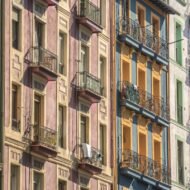
TL;DR: Bilbao is a vibrant Basque city that punches way above its weight. Home to the iconic Guggenheim Museum, world-class food, the Nervión River, and a perfectly walkable city center, it’s an underrated European destination that deserves a spot on your travel bucket list. Budget €60-100 per day for mid-range travel, and plan 3-4 days to really experience it.
- Why Bilbao? (The Sales Pitch We Actually Mean)
- Getting There & Getting Around
- Where to Stay (All Budgets Welcome)
- Must-See Attractions (You Actually Want to Visit)
- Food: The Reason Half of You Are Coming Here
- Day Trips Worth Taking
- Practical Information That Actually Matters
- Hidden Gems (Because You Want to Be That Traveler)
- The Real Talk
Why Bilbao? (The Sales Pitch We Actually Mean)
Let’s be real—when most people think of Spain, they picture Barcelona or Madrid. Bilbao? Not even on the radar for most travelers. And that’s honestly their loss.
This Basque city has completely reinvented itself over the past 25 years. What was once a gritty industrial port is now a sleek, modern metropolis that somehow manages to keep its soul intact. The Guggenheim Museum put it on the map globally, but what keeps visitors coming back is the unlikely combination of cutting-edge architecture, serious culinary credentials, friendly locals (they actually smile here), and a genuine sense of discovery that you just don’t get in more touristy Spanish cities.
Plus, if you’re traveling through Spain, it’s actually perfectly positioned to explore the rest of the Basque Country, including the breathtaking coast and charming villages nearby.
Getting There & Getting Around
Flights & Transport
Bilbao Airport (BIO) has direct flights from most major European cities. If you’re coming from Madrid or Barcelona, the flight takes about an hour. The airport is super convenient—there’s a metro line that zips you into the city center in about 20 minutes for €1.75.
Pro tip: Check out Skyscanner or Google Flights about 2 months in advance. Airlines like Iberia, Vueling, and Air Europa often have reasonable rates, and you might snag a €30-50 flight if you’re flexible with dates.
City Navigation
Forget taxis and tourist buses. Bilbao’s public transport system is genuinely excellent, and the city is incredibly walkable. The metro (Metro Bilbao) is modern, clean, and cheap—a single journey costs €1.75, or grab a 10-journey card for €15.50. The iconic Norman Foster-designed metro stations are art installations in themselves, so honestly, just riding the metro is part of the experience.
Renting a bike is another solid option if you’re comfortable cycling in a European city. The city has a bike-sharing system called Bilbao Dbus that costs around €30 for a week-long pass.
Where to Stay (All Budgets Welcome)
Budget (€25-45/night)
If you’re a backpacker or keeping costs low, check out the Casco Viejo (Old Town) for the best energy. Hostels like Pensión Iturrienea and Onix Hostel put you right in the action with narrow medieval streets and plenty of pintxos bars within stumbling distance. Sure, it can get loud at night, but you’re in one of Europe’s most vibrant neighborhoods—embrace it.
Mid-Range (€50-100/night)
This is where Bilbao really shines. The city has heaps of excellent 3-star hotels that don’t feel cookie-cutter. Stay in the Abando district (near the Guggenheim) for modern vibes, or stick around Casco Viejo for more character. Hotels like Miró or Petit Palace Gran Vía are reliable, comfortable, and give you genuine Bilbao flavor. You’ll get excellent value compared to Barcelona or Madrid.
Luxury (€100+/night)
If you’re treating yourself, the Hotel Ercilla or the sleek Gran Hotel Domine (literally overlooking the Guggenheim) offer top-tier service with that special something. You’re paying for views, location, and serious comfort here.
Pro Tip: Book on Tuesday or Wednesday for mid-week discounts. Many hotels drop prices 15-25% if you’re flexible with timing.
Must-See Attractions (You Actually Want to Visit)
The Guggenheim Museum
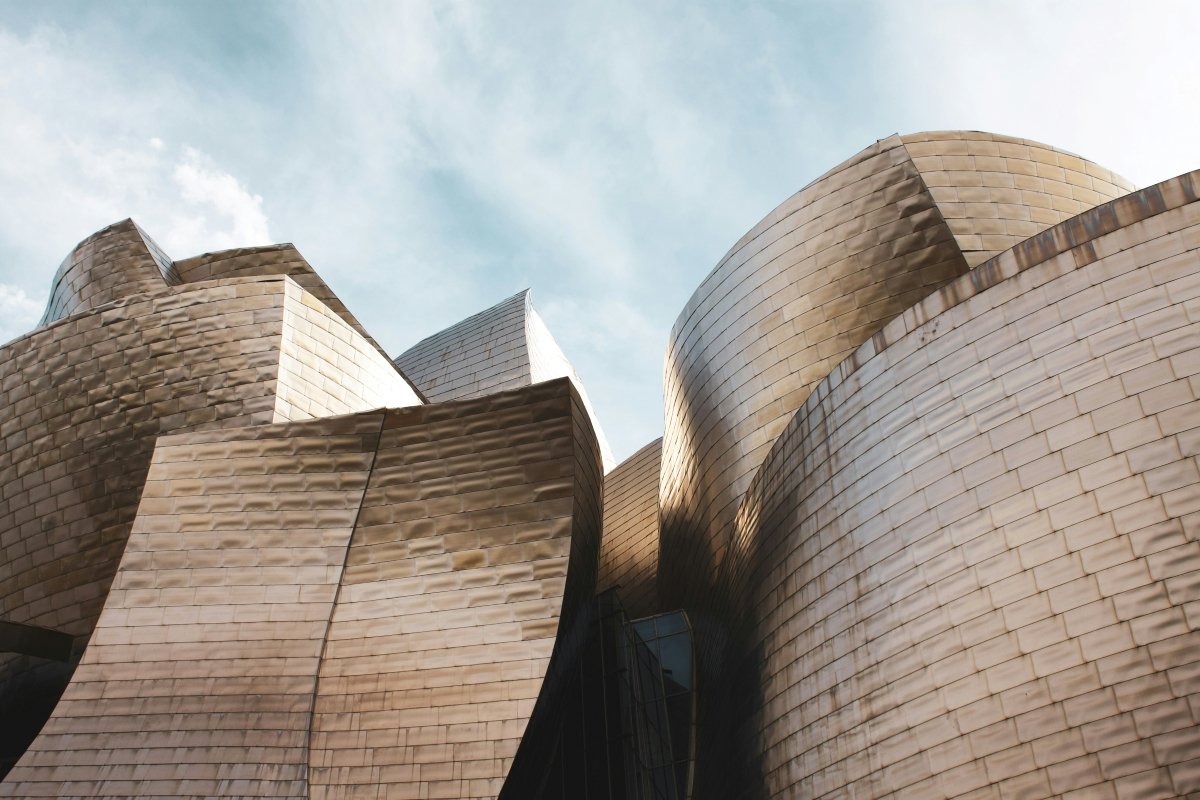
Yeah, it’s the obvious one, but honestly? It deserves the hype. Designed by Frank Gehry, the building itself is a masterpiece—those titanium panels catch the light like nothing you’ve ever seen. Whether you’re into contemporary art or not, the architecture alone makes it worth the €16 entry fee.
Pro move: Book your ticket online to skip queues. Most people visit mid-morning; go at 5 PM when the light hits differently and crowds thin out. Allow 2-3 hours.
Casco Viejo (Old Town)
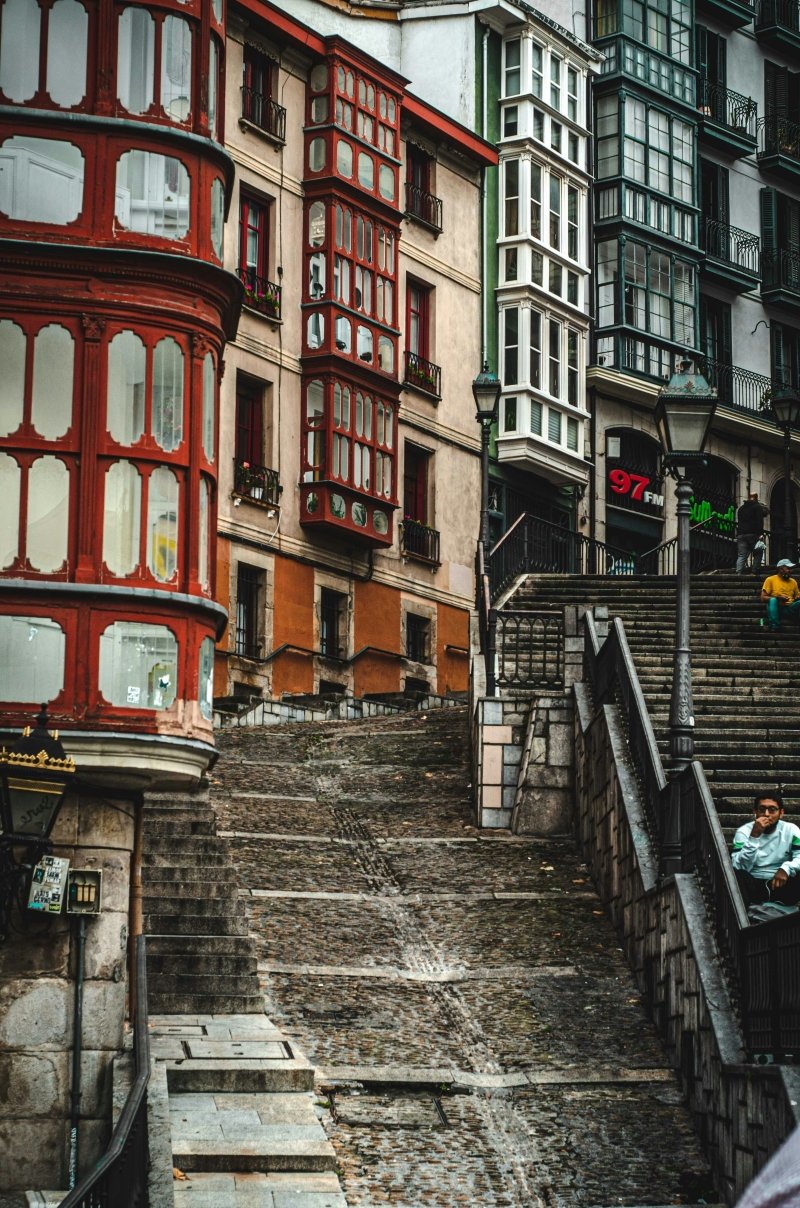
This medieval quarter is where Bilbao’s real personality lives. Narrow, winding streets, vintage bookshops, art galleries tucked into 500-year-old buildings, and pintxo bars on literally every corner. Get delightfully lost here for a few hours. Start at Plaza Nueva and work your way up to the Basílica de Santiago.
No entry fee. Free to wander forever. This is honestly the best way to experience the city like a local.
Fine Arts Museum (Museo de Bellas Artes)
If the Guggenheim was sold out (unlikely, but hypothetically), or if you just want more, this museum is genuinely world-class. The collection ranges from Goya to contemporary Basque artists. The best part? It costs just €8 and barely gets crowded. It’s the museum equivalent of a hidden gem.
Nervión River & Pasarela de la Paz
The modern cable-stayed bridge (designed by Santiago Calatrava) is beautifully photogenic, especially at sunset. The riverside walk is perfect for an evening stroll, and there are cafés and small beaches along the water. It’s where locals actually hang out, not just tourists posing for Instagram.
Bilbao Fine Arts Park
This isn’t a major attraction, but it’s perfect for a relaxing afternoon. Benches, public art, green spaces, and a genuinely local vibe. Grab a coffee from a nearby café and just chill.
Food: The Reason Half of You Are Coming Here
Bilbao is serious about eating. The Basque Country has one of the highest densities of Michelin-starred restaurants in the world, but we’re not just talking fancy dining here—we’re talking food that matters.
Pintxos Culture
This is non-negotiable. Pintxos are the Basque version of tapas—small bites served with an entire drink for usually €1.50-2.50. Basically, you walk into a bar, grab a plate, load up with pintxos, and pay when you leave. Every bar has them. Every pintxo is good. It’s physically impossible not to eat well here.
Popular spots: La Viña del Ensayo for seafood, Gure Toki for creative spins, Bar Bilbao for the real deal experience.
Restaurant Scene
If you want to eat fancier, Bilbao delivers. Nerua (inside the Guggenheim) offers high-end Basque cuisine in a minimalist setting. El Club Allard is ridiculously good if you can snag a reservation. But honestly? Some of the best meals happen at hole-in-the-wall joints in Casco Viejo for €15-20.
Local Specialties
Try bacalao a la vizcaína (salt cod Bilbao-style), txuletas (grilled T-bone steaks), and jamón ibérico. Wash it down with txakoli—a slightly fizzy, slightly sour local white wine that pairs perfectly with seafood.
Budget Reality Check:
- Street-level pintxos: €1.50-2.50 per piece
- Mid-range dinner: €20-35
- Fine dining: €50-150+
You can absolutely eat like a king without breaking the bank here.
Day Trips Worth Taking
A coastal town with dramatic cliffs, charming beaches, and a completely different vibe from the city. The Las Arenas Beach is gorgeous, and the neighborhood has excellent pintxo bars. Spend a morning here, grab lunch by the water, done.MORE READ..
Bermeo & Mundaka (1 hour by bus)
These fishing villages are what the Basque coast is all about. Colorful boats, narrow streets, fresh fish. Mundaka especially is stunning—it’s a tiny village that feels frozen in time. Perfect for a half-day escape.
The historical significance of Gernika isn’t lost on anyone who knows European history. The town is charming, and the Gernika Peace Museum is deeply moving. It’s a heavier day trip, but meaningful. MORE READ..
If you want another Basque city vibe without the tourist infrastructure, this regional capital is authentic and walkable. The Cathedral and Plaza de la Virgen Blanca are beautiful, and locals actually outnumber tourists here. MORE READ..
Practical Information That Actually Matters
Best Time to Visit
August is peak summer and peak tourists. Spring (April-May) and fall (September-October) hit the sweet spot—good weather, manageable crowds, and everything’s open.
Language
Everyone speaks Spanish, and most younger people speak English. Signs are in Spanish and Euskera (the local Basque language). Don’t stress about it.
Money
It’s EUR. ATMs are everywhere. Most places take cards, but small pintxo bars sometimes want cash. Budget €60-100/day if you’re mid-range traveling (accommodation, food, a few attractions). Luxury travelers should budget €200+.
Safety
Bilbao is safe. Just use the same common sense you’d use in any European city. Casco Viejo gets a bit rowdy late at night, but it’s all good-natured energy.
Internet & Phone
Buy a local SIM card at the airport for about €10-15, or just use an international plan if you’ve got one. WiFi is everywhere.
What to Pack
Bilbao can be rainy and windy—bring layers and a jacket. Comfortable walking shoes are non-negotiable (you’ll easily do 15,000+ steps daily).
Hidden Gems (Because You Want to Be That Traveler)
Plaza Nueva
Everyone passes through here, but few people actually sit and spend time. Grab a coffee, watch the world go by, and soak in the architecture. It’s perfect at any time of day.
San Mamés Stadium Tour
If you’re into football (soccer), the San Mamés stadium is iconic. Athletic Bilbao’s home ground is gorgeous and offers guided tours on non-match days. €15-20, and genuinely interesting.
Artxanda Mirador
Take the funicular up for city views that’ll make you understand why Bilbao gets under your skin. It’s 10 minutes from downtown and costs €1.15.
Small Galleries in Casco Viejo
Skip the big-name spots for an afternoon and pop into the dozens of small galleries tucked into medieval buildings. You’ll discover weird, wonderful local art and probably meet the artists.
The Real Talk
Bilbao isn’t trying to be Barcelona. It’s not going to blow your mind with beaches or wild nightlife. What it does brilliantly is combine world-class culture, genuine food passion, accessible prices, and a real sense of place that most European cities have lost.
You’ll walk different streets than other tourists. You’ll eat at bars where locals actually hang out. You’ll have conversations with people who are genuinely happy you’re there. And yeah, you’ll probably miss it after you leave.
Three or four days is the sweet spot. Enough time to not feel rushed, not so long that you run out of things to do. Pair it with a few days on the coast or in the Pyrenees for the perfect Basque Country circuit.
Come for the Guggenheim. Stay for everything else.
Have you been to Bilbao? Drop your favorite discoveries in the comments—we’re always looking for the next hidden gem to explore.