

TL;DR: Burg auf Fehmarn is the charming main town on Fehmarn Island in the Baltic Sea, blending medieval history with laid-back coastal vibes. Expect colorful half-timbered houses, a 13th-century church, excellent beaches nearby, and a perfect base for exploring one of Germany’s sunniest islands. It’s ideal for travelers seeking authentic German culture without the crowds.
Why You’ll Actually Love Burg auf Fehmarn
Let’s be honest—when most people dream about Germany, they’re thinking Munich’s beer gardens or Berlin’s nightlife. But Burg auf Fehmarn? This little medieval gem on Fehmarn Island is where locals vacation, and once you visit, you’ll understand why they’re keeping it somewhat under the radar.
Located in Schleswig-Holstein, Germany’s northernmost state, this town of around 6,000 residents punches way above its weight in charm. It’s the kind of place where you can wander cobblestone streets in the morning, hit the beach by afternoon, and catch an incredible Baltic sunset while munching on fresh fish by evening.
Getting There (It’s Easier Than You Think)
Fehmarn Island connects to mainland Germany via the Fehmarnsund Bridge, making Burg auf Fehmarn accessible by car, bus, or train. The journey from Hamburg takes roughly 90 minutes by car—perfect for a long weekend escape.
Pro tip: If you’re coming from Denmark or Scandinavia, there’s a ferry connection from Rødby that lands right on the island. Many travelers combine Fehmarn with trips to Copenhagen, which is just two hours away.
For those flying in, Hamburg Airport is your best bet, followed by Lübeck Airport for budget carriers. Both offer straightforward connections to the island.
What Makes This Place Special
St. Nikolai Church: The Heart of Town
The 13th-century St. Nikolai Church dominates Burg’s skyline with its distinctive brick Gothic architecture. Inside, you’ll find medieval frescoes, a baroque altar, and a surprisingly peaceful atmosphere. The church has witnessed nearly 800 years of island history—from medieval trading days to maritime adventures.
Even if you’re not typically into churches, this one’s worth 20 minutes. The acoustics are phenomenal, and if you’re lucky, you might catch an organ concert.
The Old Town Experience
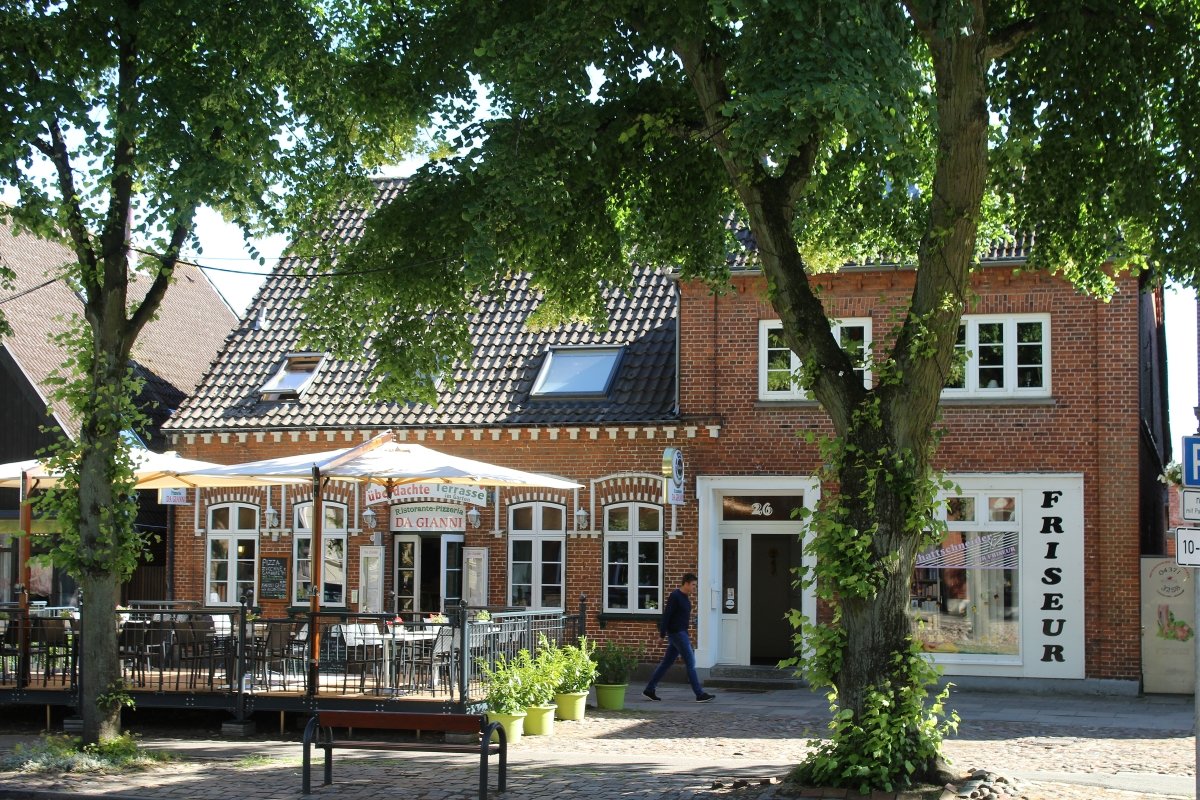
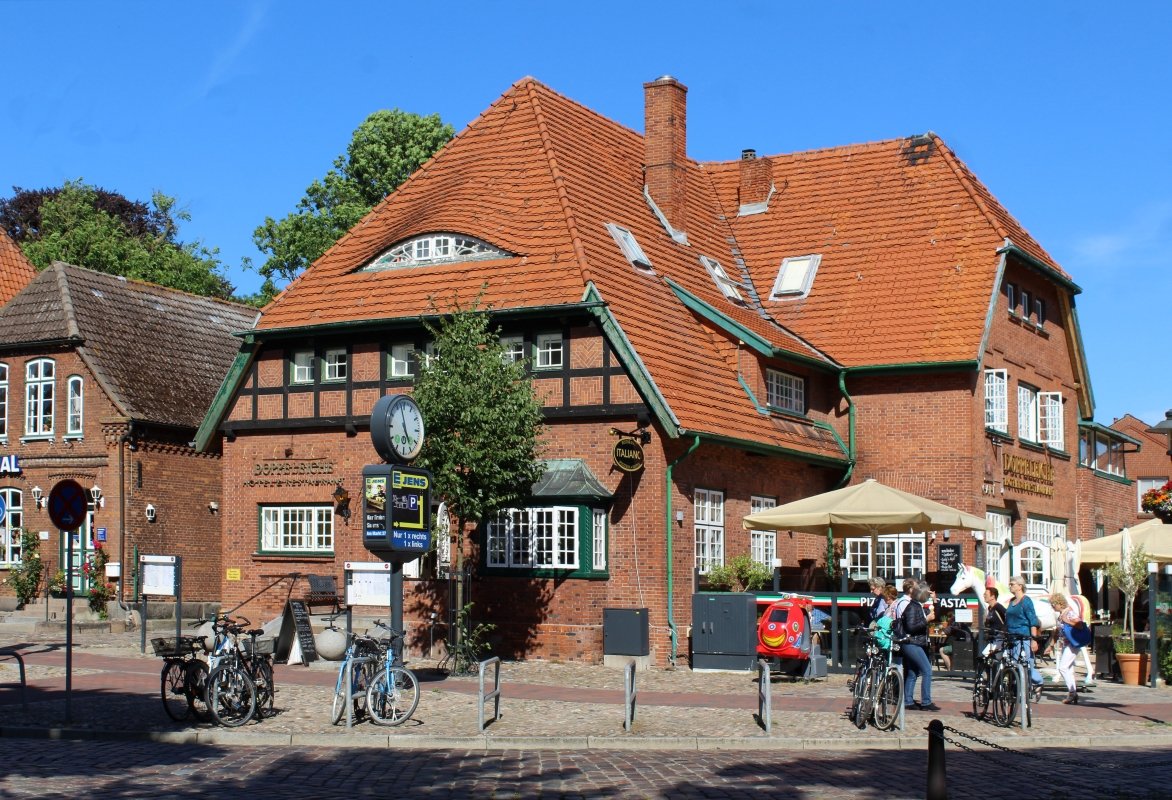
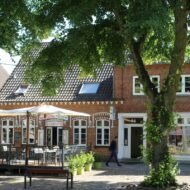
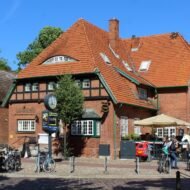
Burg’s Altstadt (old town) is wonderfully compact. Half-timbered houses painted in cheerful yellows, reds, and greens line narrow streets that were literally designed for horse carts. Today’s visitors benefit from excellent cafés, independent shops, and the kind of authentic German bakeries where a pretzel or Franzbrötchen costs under two euros.
The town square (Markt) hosts a farmers market several times weekly where you can grab local produce, artisan cheeses, and Fehmarn’s famous honey. It’s the real deal—no tourist trinkets, just islanders doing their shopping.
Beach Life Minutes Away
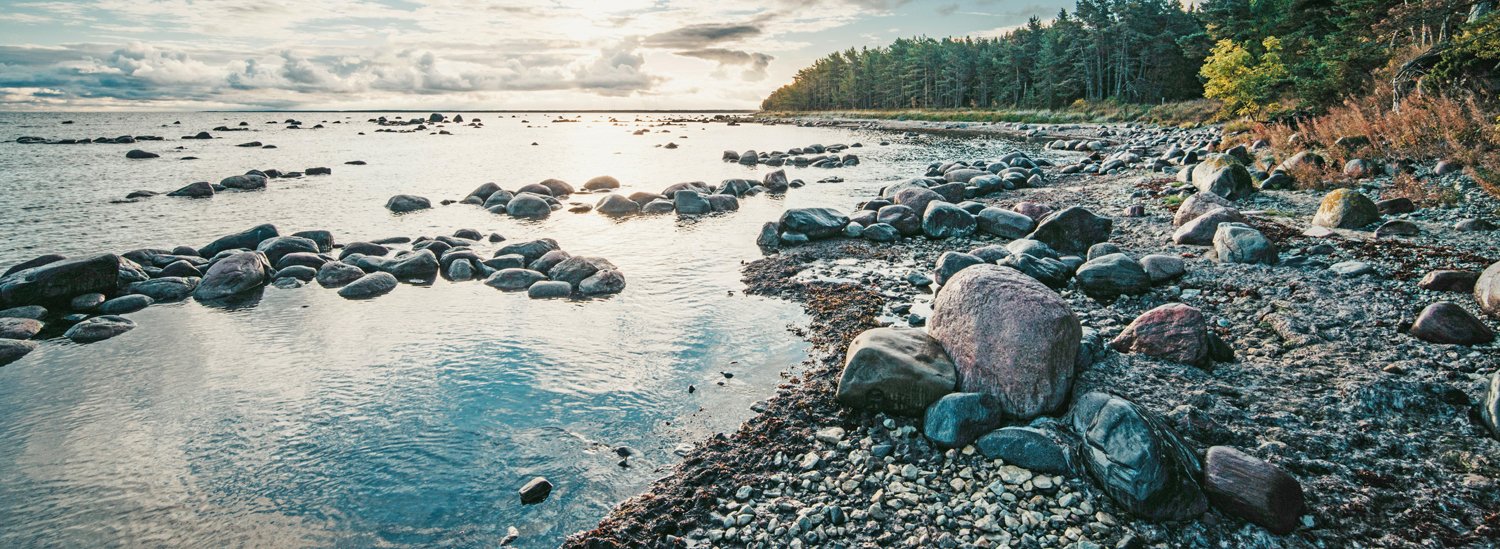
While Burg itself sits inland (about 3km from the coast), you’re never far from stunning Baltic beaches. The island boasts over 78 kilometers of coastline with beaches for every vibe:
- Südstrand (South Beach): Family-friendly with shallow waters, perfect for travelers with kids or anyone who prefers calmer swimming
- Gold Beach: Popular with the windsurfing and kitesurfing crowd—the consistent winds make Fehmarn one of Germany’s top spots for water sports
- Grüner Brink: A more natural, less developed stretch ideal for beachcombing and sunset watching
Most beaches feature the iconic German Strandkorb (beach chairs)—those wicker basket seats that shield you from wind while you soak up the sun. Rent one for the day and you’ll instantly feel like a local.
Activities for Everyone
For Active Travelers
Fehmarn Island is cycling paradise. Flat terrain, well-marked bike paths, and stunning coastal views make it perfect for riders of all abilities. You can easily rent bikes in Burg and explore the entire island over a few days.
The Fehmarnbelt Nature Reserve offers excellent hiking and birdwatching—over 280 bird species have been spotted here, making it a hotspot for nature enthusiasts.
Water sports lovers will find their happy place here. Whether you’re into kitesurfing, windsurfing, sailing, or stand-up paddleboarding, the island’s consistent winds and protected bays create ideal conditions.
For Culture Seekers
The Peter-Wiepert-Heimatmuseum tells Fehmarn’s agricultural and maritime story through engaging exhibits. You’ll learn about traditional island life, fishing heritage, and how this community thrived despite being somewhat isolated from mainland Germany.
Galileo Wissenswelt is perfect for curious minds and families. This interactive science center features three exhibition areas covering technology, natural history, and dinosaurs. It’s unexpectedly sophisticated for an island attraction.
For Beach Loungers
Sometimes the best activity is doing absolutely nothing. Find your beach, grab a Strandkorb, bring a good book, and watch the Baltic waves roll in. The island’s microclimate means it receives more sunshine than most of Germany—about 2,200 hours annually.
Where to Eat (The Good Stuff)
Fehmarn’s culinary scene revolves around fresh seafood, and Burg delivers without the inflated coastal prices you’d find at more famous beach destinations.
Local specialties to try:
- Scholle (plaice): Often served pan-fried with North Sea shrimp
- Räucherfisch (smoked fish): Hit up the fish smokehouses for incredibly fresh mackerel, eel, or herring
- Sanddorn (sea buckthorn): This tart orange berry grows locally and appears in juices, jams, and desserts
Many restaurants source ingredients from the island’s farms, and you’ll notice the farm-to-table ethos is just how things are done here—no need to advertise it.
Budget tip: Grab fresh rolls from a bakery, hit the market or a fish smokehouse for fillings, and create an epic picnic for under 10 euros per person.
Where to Stay
Burg offers accommodation for every budget and travel style:
- Hotels and guesthouses in the old town put you walking distance from everything
- Vacation apartments work great for longer stays or travelers who like cooking with local ingredients
- Farm stays on the island’s outskirts offer authentic rural experiences
- Campgrounds and camper van spots are plentiful for outdoor enthusiasts
Booking ahead is smart during July-August and German school holidays, but you’ll generally find availability more easily than at Germany’s better-known destinations.
When to Visit
Peak season (June-August): Warmest weather, liveliest atmosphere, and best swimming conditions. Expect more crowds and higher prices, but “crowded” here means manageable compared to Mediterranean hotspots.
Shoulder season (May, September): Fantastic value with pleasant weather, fewer tourists, and still-warm-enough beach days. This is honestly the sweet spot for many travelers.
Off-season (October-April): Quiet and atmospheric, perfect for long beach walks and cozy café sessions. Many attractions reduce hours, but you’ll experience authentic island life.
The island’s sunny reputation holds year-round—just bring layers for the Baltic breeze.
Practical Tips
Language: German is primary, but English is widely understood in tourism-related businesses. That said, learning a few German phrases will earn you smiles and possibly better restaurant recommendations.
Currency: Euros. Credit cards are increasingly accepted, but Germans love cash—especially for smaller purchases.
Getting around: Walking works fine in Burg itself. For exploring the island, rent a bike or car. Public buses connect major points, though service is limited compared to bigger cities.
Weather layers: Even in summer, bring a windbreaker. The Baltic breeze is refreshing but can catch you off-guard.
Sunscreen: That northern latitude is deceptive—the sun reflects off water and sand, and you’ll burn faster than you think.
Day Trips Worth Taking
If you’ve got extra time, consider venturing beyond Burg:
- Puttgarden: The northernmost point with ferry connections to Denmark and dramatic coastal cliffs
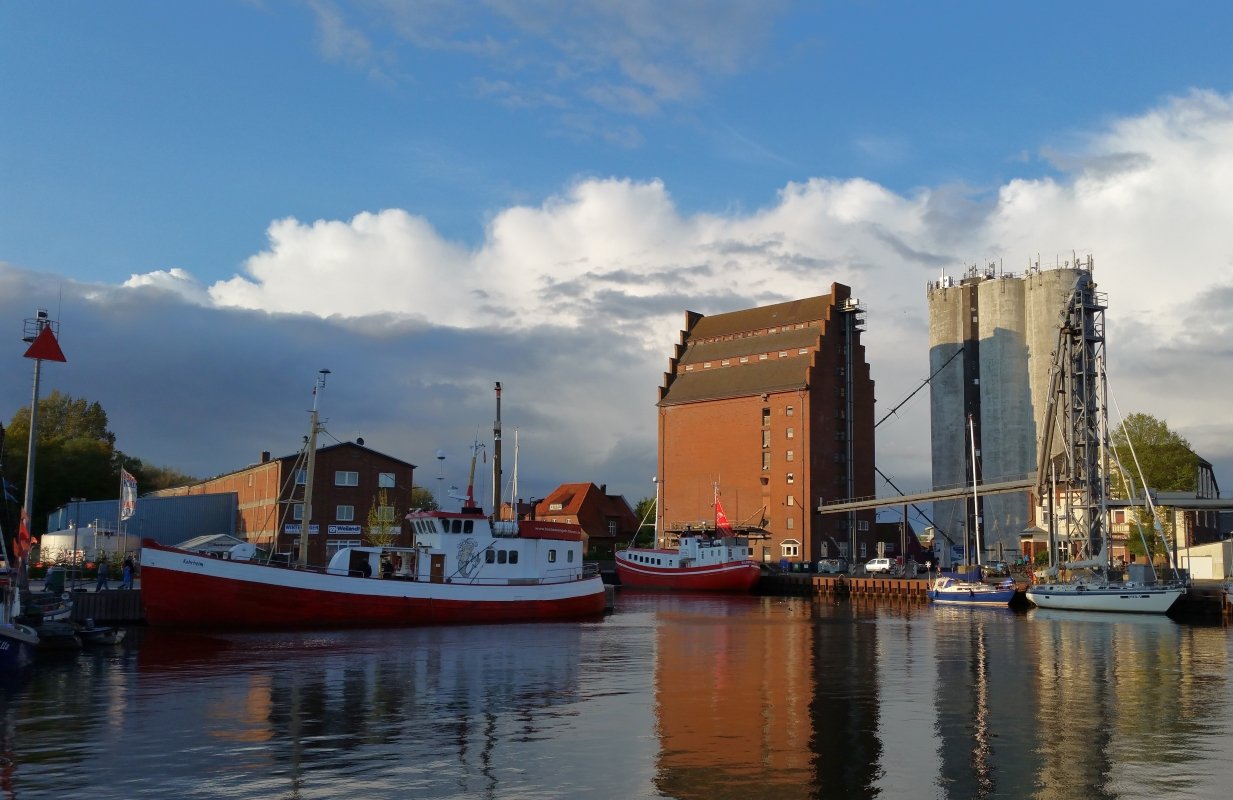
- Orth: A tiny fishing village with postcard-perfect harbor views
- Katharinenhof: A preserved traditional farmstead showing historical island life
- Lübeck: About 90 minutes away, this UNESCO World Heritage city makes an excellent day trip for medieval architecture enthusiasts
Who Will Love Burg auf Fehmarn
This destination shines for:
- Travelers seeking authentic German experiences off the beaten path
- Families wanting safe beaches and outdoor activities
- Cyclists and active travelers
- Anyone needing to decompress from city life
- Water sports enthusiasts
- Culture lovers interested in maritime and agricultural heritage
- Couples seeking romantic, uncrowded getaways
Who might want to look elsewhere? If you’re after wild nightlife, high-end shopping, or major museums, Burg probably isn’t your scene.
The Bottom Line
Burg auf Fehmarn represents the Germany that doesn’t make it into most guidebooks—and that’s precisely its appeal. It’s where you’ll experience genuine German hospitality, enjoy fresh seafood by the Baltic, explore centuries of history, and actually relax without fighting crowds or breaking your budget.
The island’s combination of medieval charm, beach access, outdoor activities, and laid-back atmosphere creates something special. Whether you’re planning a long weekend or a full week, Burg auf Fehmarn offers that increasingly rare travel experience: a place that feels discovered rather than touristy, even though it’s been welcoming visitors for generations.
Pack your sunscreen, bring your appetite for fresh fish and good bread, and prepare to understand why northern Germans have been vacationing here for decades. Sometimes the best travel experiences come from the places you’ve never heard of—until now.
Ready to explore? Start planning your Fehmarn adventure and discover why this sunny island town deserves a spot on your Germany itinerary.