








TL;DR: Konobas are traditional Croatian family-run taverns serving authentic regional dishes in cozy, rustic settings. They’re where locals gather for slow-cooked peka, fresh seafood, homemade wine, and conversations that last for hours. Skip the tourist traps and eat where Croatians actually eat—this guide shows you how to find the best konobas, what to order, and the unwritten rules that’ll make you feel like a regular.
- What Exactly Is a Konoba?
- Why Konobas Beat Tourist Restaurants Every Time
- Regional Differences: What to Expect Where
- How to Find the Best Konobas (Insider Tips)
- What to Order: The Essential Konoba Experience
- Konoba Etiquette: Unwritten Rules
- Our Favorite Konoba Finds (By Region)
- Seasonal Considerations: When to Visit
- Beyond the Food: The Konoba Experience
- Making the Most of Your Konoba Adventures
- The Bottom Line
What Exactly Is a Konoba?
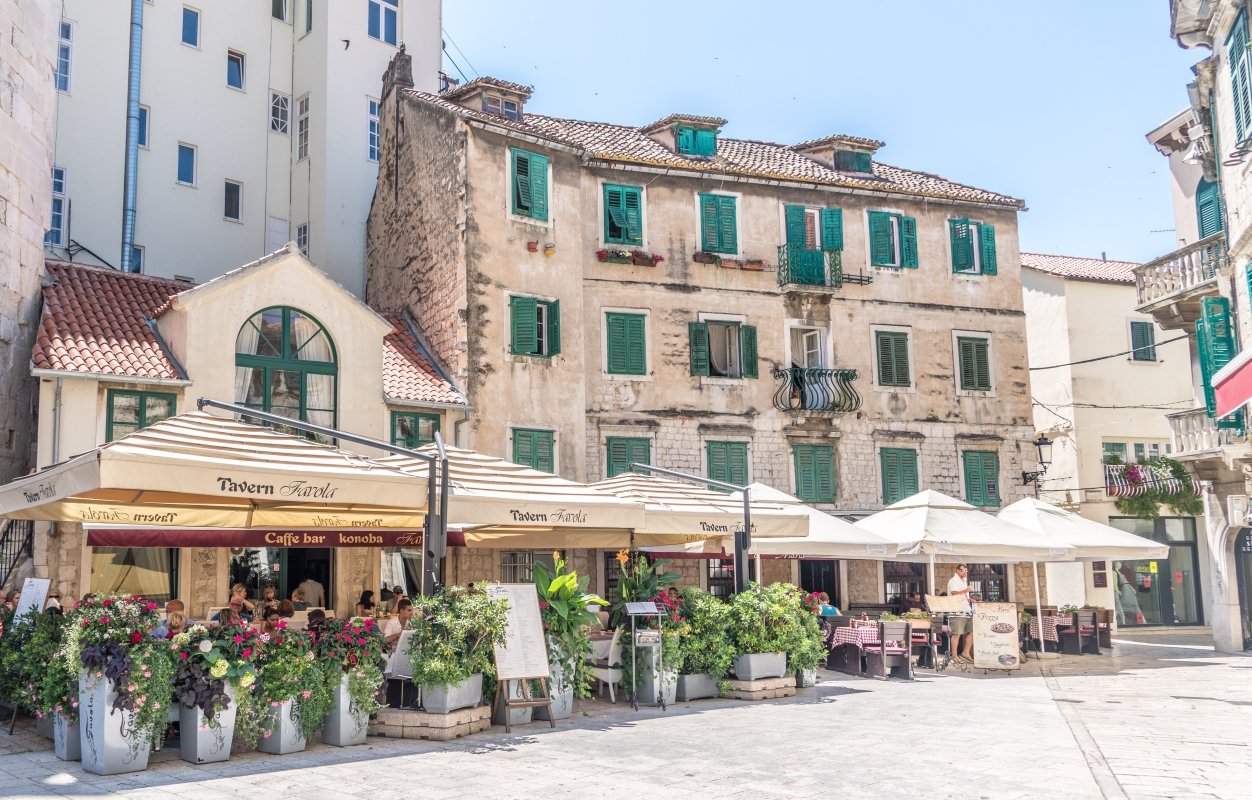
Picture this: you’re wandering down a narrow cobblestone street in Dalmatia when you spot a small wooden door with grape vines overhead. Inside, there’s exposed stone walls, checkered tablecloths, and the smell of rosemary and garlic that makes your stomach growl. That’s a konoba.
These aren’t just restaurants—they’re living pieces of Croatian culture. The word “konoba” originally meant a cellar or wine storage space, but over centuries, these spots evolved into gathering places where families shared meals, told stories, and preserved cooking traditions that date back generations.
Unlike fancy restaurants with white tablecloths and intimidating menus, konobas are unpretentious and welcoming. The owner might be your server, the chef, and the person pouring your wine. You’ll often see locals lingering over their meals for two or three hours, and nobody’s rushing anyone out the door.
Why Konobas Beat Tourist Restaurants Every Time
Authenticity you can taste. While beachfront restaurants in Split or Dubrovnik serve “Croatian food” with inflated prices and mediocre quality, konobas are cooking the same recipes grandmothers perfected decades ago. We’re talking slow-cooked lamb under a bell-shaped lid (peka), octopus salad that hasn’t been frozen, and pasta with truffles actually foraged from nearby forests.
Prices that make sense. You’ll pay 30-50% less at a konoba than at tourist-zone restaurants. A full meal with wine often costs 10-15 euros per person, sometimes less in rural areas.
Real conversations. Konoba owners love sharing stories about their food, their region, and their family recipes. You might learn that the olive oil on your table comes from trees the owner’s great-grandfather planted, or that the wine you’re drinking was made in the cellar beneath your feet.
Regional Differences: What to Expect Where
Croatian konobas vary dramatically depending on where you are:
Istria (Northern Coast): Known for truffles, wild asparagus, maneštra (bean and vegetable soup), and fuži pasta. Istrian konobas often have Italian influences with excellent risottos and handmade pasta. The wine here—Malvazija and Teran—pairs perfectly with truffle dishes.
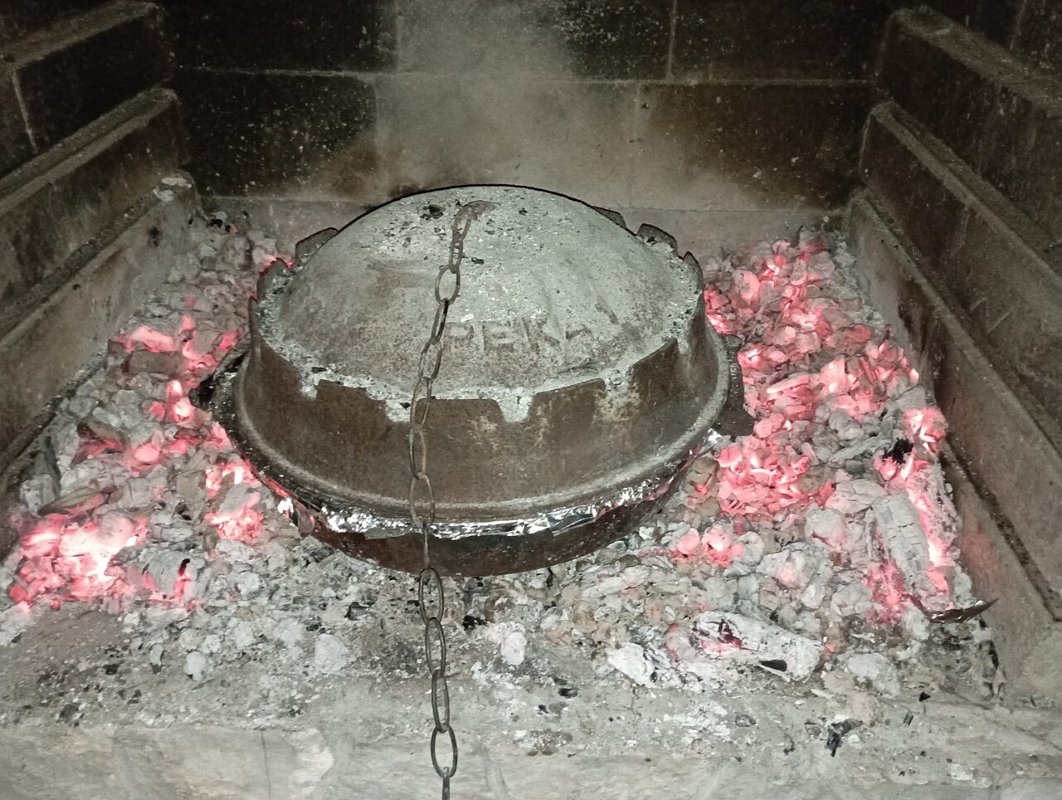
Dalmatia (Central and Southern Coast): This is seafood paradise. Expect grilled fish, octopus, black risotto made with cuttlefish ink, and pašticada (slow-braised beef in sweet wine sauce). Dalmatian konobas excel at peka—meat or seafood cooked under a metal dome covered with hot coals. Don’t miss brudet, a fisherman’s stew that varies from island to island.
Inland Croatia (Zagorje, Slavonia): Heartier, meat-focused cuisine dominates here. Look for štrukli (cheese-filled pastry), čobanac (spicy meat stew), kulen (paprika sausage), and freshwater fish like pike or catfish. These konobas feel even cozier, often with wood-burning stoves and walls covered in agricultural tools.
Islands (Hvar, Korčula, Vis): Each island has its own specialties. Vis is famous for lobster and military-era wine stored in underground tunnels. Korčula does incredible makaruni pasta. Hvar’s konobas serve gregada (white fish stew) and lamb roasted with sage. Island konobas often have family gardens providing vegetables and herbs.
How to Find the Best Konobas (Insider Tips)
Walk away from the water. The closer you are to the harbor or main square, the more likely you’re in tourist territory. The best konobas are often 5-10 minutes uphill or tucked into residential neighborhoods.
Look for handwritten menus. If the menu has 50+ items in eight languages with glossy photos, keep walking. Authentic konobas have short menus—sometimes just 5-10 dishes—written on a chalkboard or simple paper. Limited menus mean everything’s fresh and made to order.
Check for local license plates. Peek at the parking area or street outside. Croatian license plates with local region codes mean locals eat there—always a good sign.
Ask locals, but ask right. Don’t ask “where’s a good restaurant?” Ask “where do YOU eat?” or “where does your family go?” You’ll get completely different answers.
Trust the quiet ones. The best konoba we ever visited had no sign, no website, and was full of Croatian families on a Tuesday night. The owner’s daughter served us, his wife cooked, and his son-in-law poured wine from their vineyard. We found it because a woman at the market told us her sister worked there.
Use Google Maps strategically. Search for “konoba” in the area, then read Croatian reviews, not just English ones. If locals are praising it in their own language, that’s your spot.
What to Order: The Essential Konoba Experience
Peka (The Crown Jewel): This is THE dish to order if you see it. Meat (lamb, veal, or chicken) or seafood (octopus) is placed in a tray with potatoes, herbs, and vegetables, then covered with a metal dome. Hot coals pile on top, and everything slow-cooks for 2-3 hours. The result? Impossibly tender meat that falls off the bone, crispy-edged potatoes soaked in juices, and flavors that’ll haunt your dreams. Important: peka requires advance ordering (usually 2+ hours notice) because of the cooking method. Call ahead or order when you arrive and enjoy wine while you wait.
Octopus Salad (Salata od hobotnice): Tender octopus with tomatoes, onions, parsley, olive oil, and lemon. Simple, fresh, perfect. This is how coastal Croatia eats.
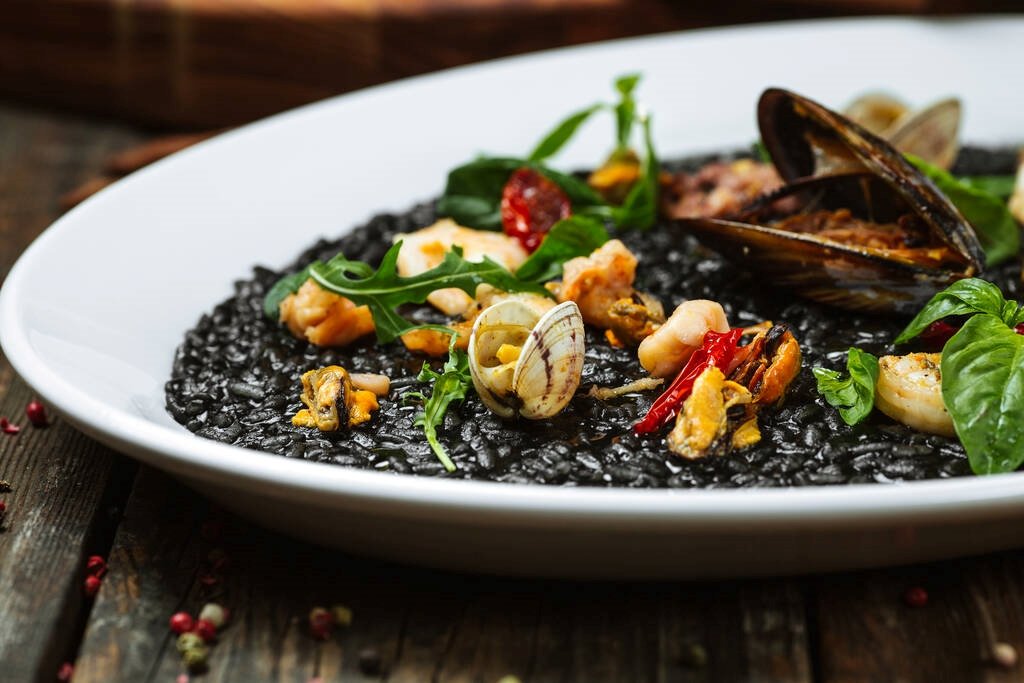
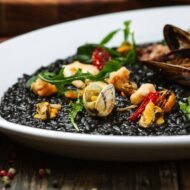
Black Risotto (Crni rižot): Made with cuttlefish ink, this dish looks intimidating but tastes incredible—briny, rich, and deeply savory. Your teeth will turn black. Embrace it.
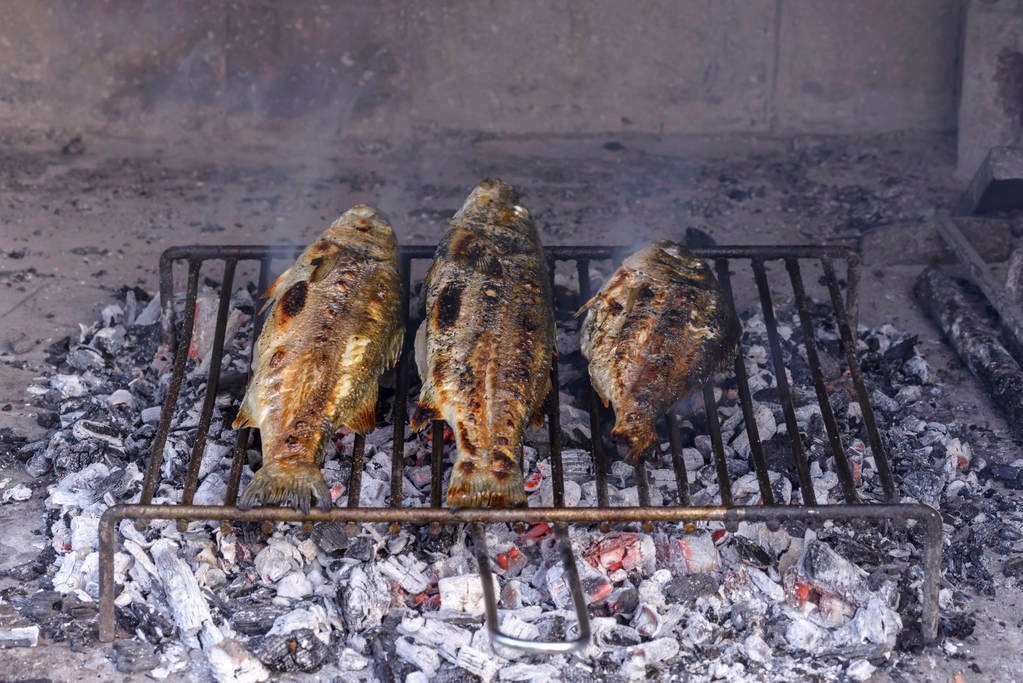
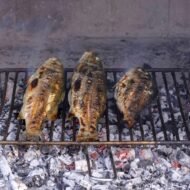
Grilled Fish (Riba na žaru): Whole fish grilled with olive oil, garlic, and herbs. Sea bass, sea bream, and gilthead are common. The fish comes whole—head, tail, everything—and you’ll be charged by weight (usually 50-70 euros per kilo). Split it between two people.
Pašticada: Dalmatia’s answer to pot roast. Beef is marinated for 24 hours, then braised with wine, prunes, and spices until it melts in your mouth. Served with gnocchi or homemade pasta.
Istrian Truffle Dishes: If you’re in Istria during truffle season (September-January), order ANYTHING with truffles. Fuži pasta with white truffles, truffle omelets, truffle steak—it’s all phenomenal and costs a fraction of what you’d pay in Italy.
Sides: Blitva (Swiss chard with potatoes and garlic), roasted peppers with garlic and oil, and fresh bread for soaking up every last drop of sauce.
Wine: House wine (domaće vino) is almost always homemade by the owner or sourced from local family vineyards. It’s served in carafes and costs 3-5 euros per liter. Don’t overthink it—just order red or white and enjoy.
Konoba Etiquette: Unwritten Rules
Slow down. Konoba dining is a marathon, not a sprint. Meals last 2-3 hours. Servers won’t rush you, and you shouldn’t rush yourself. This is how Croatians eat—it’s social, it’s relaxed, it’s life.
Don’t expect fast service. Your food is being cooked from scratch. If you’re starving, order bread and cheese while you wait. The wait is worth it.
Be flexible with the menu. If the konoba is out of something or suggests today’s catch or special preparation, trust them. They know what’s freshest.
Cash is king. Many small konobas don’t accept cards, especially in rural areas. Always carry cash (euros or kunas if visiting before full euro adoption in your area).
Say “Dobar tek” before eating (like “bon appétit”) and “Hvala” (thank you) when you leave. Small gestures go a long way.
Tipping is appreciated but modest. Round up or leave 10% for excellent service. Croatian servers are paid fair wages, so tipping culture isn’t aggressive like in the US.
Our Favorite Konoba Finds (By Region)
Istria: Konoba Mondo in Motovun (truffle heaven with mountain views), Konoba Morgan in Rovinj (family-run, incredible seafood).
Split & Central Dalmatia: Konoba Nevera in Split’s Veli Varoš neighborhood (locals only, no tourists), Konoba Kopačina on Donji Humac, Brač island (peka perfection).
Dubrovnik & South: Konoba Koločep on Koločep island (20-minute ferry from Dubrovnik, absolute gem), Konoba Ribar in Mokošica (where Dubrovnik locals eat).
Islands: Konoba Jastožera on Vis (legendary lobster), Konoba Bako on Mljet (octopus under peka with lake views).
Inland: Konoba Žganec in Zagorje (štrukli done right), Stara Vura in Slavonia (čobanac that’ll warm your soul).
Seasonal Considerations: When to Visit
Peak Season (July-August): Konobas get crowded, especially on the coast. Reservations become essential. Some konobas raise prices slightly or require minimum orders for peka.
Shoulder Season (May-June, September-October): Perfect timing. Weather’s beautiful, crowds thin out, and konobas are relaxed and welcoming. Fish is abundant, produce is peak, and you’ll have genuine interactions with owners.
Off-Season (November-April): Many coastal konobas close entirely or operate reduced hours. Inland konobas stay open year-round. This is truffle season in Istria (September-January), making it the BEST time to visit Istrian konobas.
Local Holidays: Easter and Christmas bring special konoba menus with traditional dishes. If you’re around, book ahead—these meals are celebrations.
Beyond the Food: The Konoba Experience
The magic of konobas isn’t just what’s on the plate. It’s the grandmother who brings you homemade schnapps after dinner “on the house.” It’s the owner who sits down at your table to explain why this year’s olive harvest was exceptional. It’s the accordion player who shows up on Saturday nights, and suddenly everyone’s singing old Dalmatian songs.
We’ve shared tables with Croatian families celebrating birthdays, stumbled into impromptu wine tastings in ancient cellars, and learned to make pasta from scratch in konoba kitchens. These moments don’t happen at chain restaurants or polished bistros. They happen when you choose places where food is personal, where recipes have stories, and where you’re welcomed not as a tourist, but as a guest.
Making the Most of Your Konoba Adventures
Learn three phrases: “Što preporučujete?” (What do you recommend?), “Bilo je odlično” (It was excellent), and “Živjeli!” (Cheers!). Effort goes a long way.
Bring curiosity. Ask about the food, the wine, the family. Konoba owners love sharing their stories and appreciate genuine interest.
Take your time. The best konoba experiences happen when you’re not rushing to the next attraction. Build your itinerary around meals, not the other way around.
Go hungry. Portions are generous. Very generous. Come with an appetite and maybe skip lunch if you have a big konoba dinner planned.
Return visits pay off. If you’re staying in one area for several days, become a regular at one konoba. By your third visit, you’ll be greeted like family, offered tastes from the kitchen, and probably invited to come back for next year’s wine harvest.
The Bottom Line
Croatian konobas represent everything we love about travel: authenticity, generosity, and food that connects you to place and people. They’re not about Instagram photos or Michelin stars—they’re about sitting around a table, sharing exceptional food, and remembering that the best meals are the ones where you lose track of time.
Whether you’re exploring Dubrovnik’s old town, island-hopping in Dalmatia, or truffle hunting in Istria, make konobas your default dining choice. Walk away from the crowds, trust your instincts, and eat where the locals eat.
Your stomach—and your travel memories—will thank you.
Živjeli! (Cheers!)
Have you discovered an amazing konoba? Heading to Croatia and need specific recommendations? Share your questions and experiences in the comments below—we love talking about Croatian food almost as much as we love eating it.