








TL;DR: The Danube Delta biosphere is the third-largest biodiversity reserve in the world after the Great Barrier Reef and Ecuador’s Galapagos Island. This UNESCO World Heritage Site offers incredible birdwatching, wild horses, traditional fishing villages, and untouched wetlands – all just a few hours from Bucharest.
- Why Everyone’s Talking About the Danube Delta Right Now
- When to Visit: Timing Your Perfect Danube Delta Adventure
- Spring Magic (April-June) – The Sweet Spot
- Summer Vibes (July-August) – Peak Season
- Autumn Colors (September-October) – Hidden Gem Season
- Winter Wonderland (November-March) – For the Brave
- Getting There: Your Gateway to the Wild
- Where to Stay: From Budget to Luxury
- Epic Things to Do: Adventures for Every Type of Traveler
- Wildlife Watching – The Main Event
- Boat Tours – Your Window to the Wild
- Fishing Paradise
- Kayaking & Canoeing
- Exploring Traditional Villages and landmarks
- Food & Drink: Flavors of the Delta
- Essential Packing List
- Responsible Travel Tips
- Budget Breakdown: What to Expect
- Planning Your Perfect Trip
- Weather What to Expect
- Special Considerations for All Travelers
- Conservation & The Future
- Final Thoughts: Why the Danube Delta Should Be on Every Bucket List
Why Everyone’s Talking About the Danube Delta Right Now
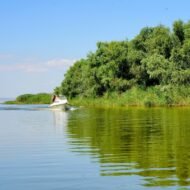
Forget crowded European hotspots – the Danube Delta is where nature lovers are heading in 2025. Just before reaching the sea it forms the second largest and best preserved of Europe’s deltas: 2,200 square miles of rivers, canals, marshes, tree-fringed lakes and reed islands.
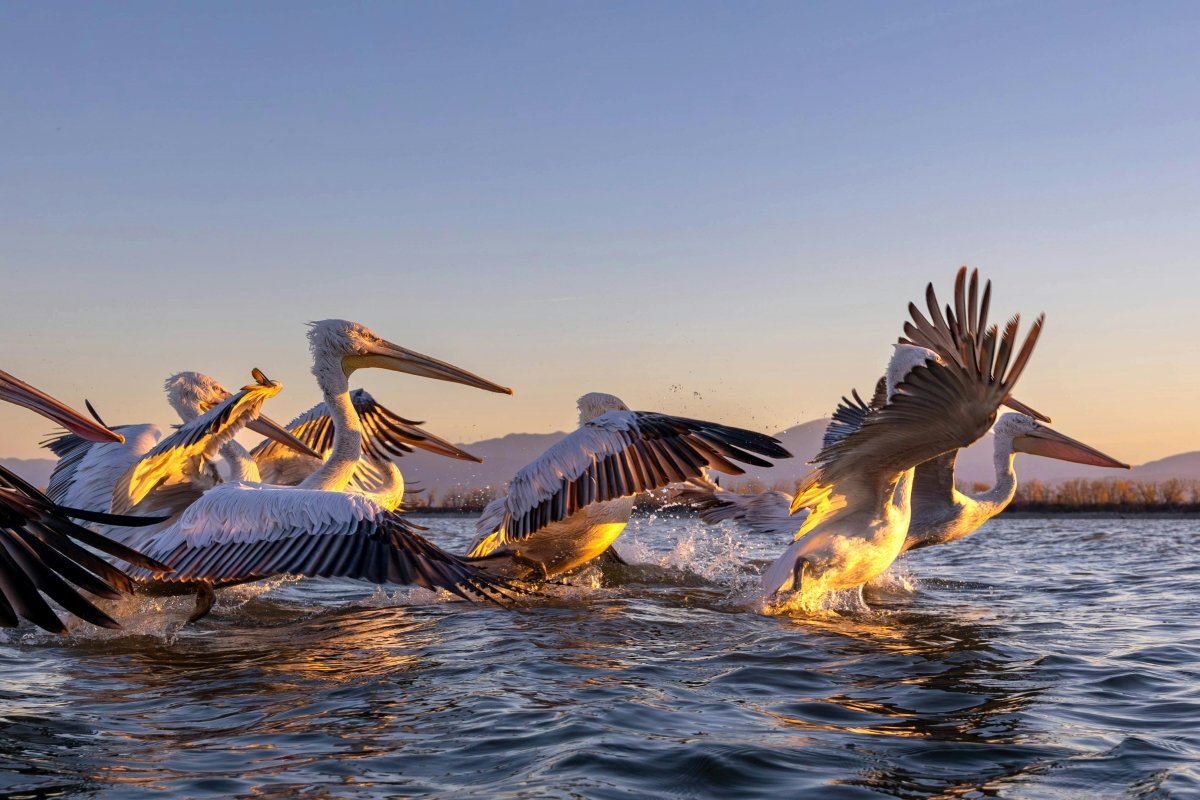
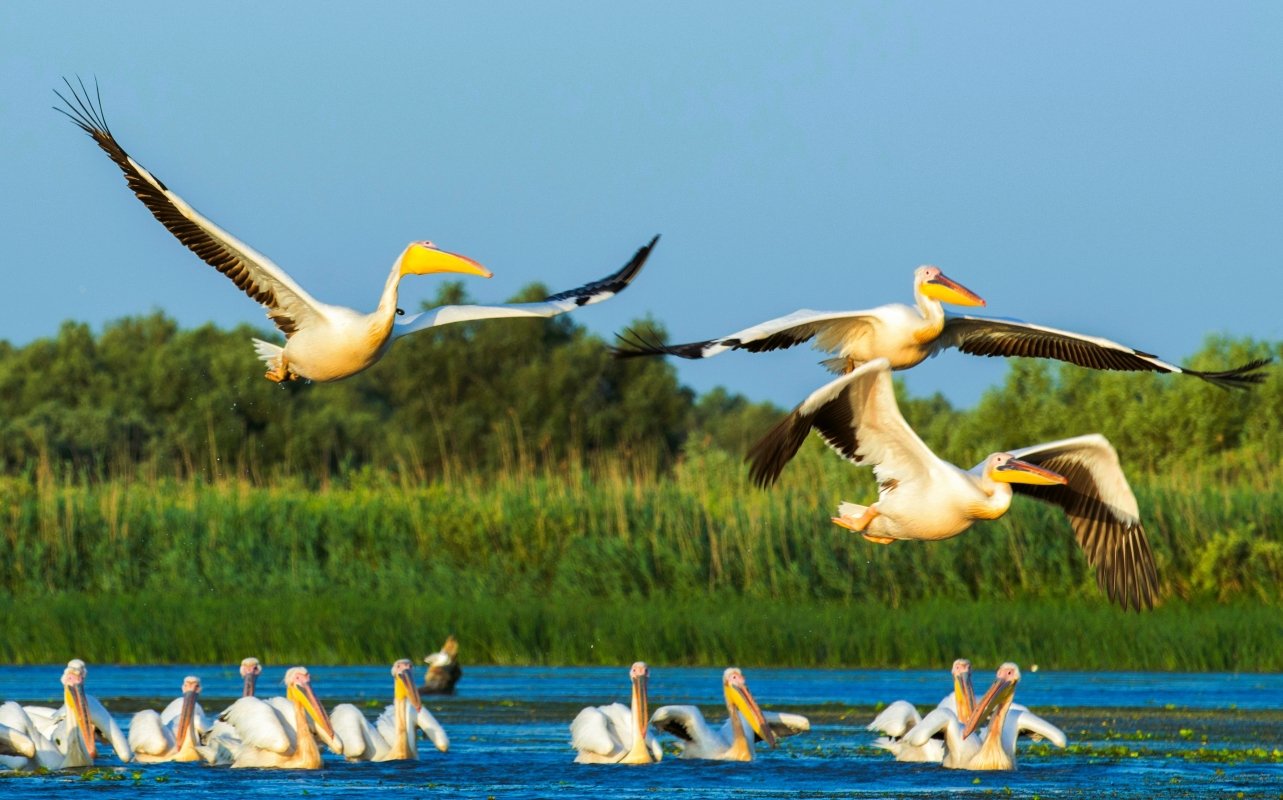
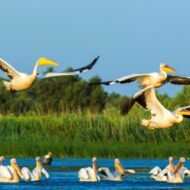
Picture this: you’re gliding silently through reed-lined channels when suddenly a flock of 40 pelicans takes flight overhead. Wild horses roam free on sandy beaches, and ancient fishing villages seem frozen in time. Sound like a dream? Welcome to Romania’s best-kept secret.
When to Visit: Timing Your Perfect Danube Delta Adventure
Spring Magic (April-June) – The Sweet Spot
The Danube Delta is most spectacular in spring, especially in late April and early May. This is the period when nature comes back to life. Here’s why spring rocks:
- Birds everywhere: If you consider the over 2,000 bird species that migrate to the Danube Delta in spring, you will realize that every day you will witness a new spectacle.
- No mosquitos: Another reason to visit the Danube Delta in spring is the absence of mosquitoes. These insects that disturb many tourists in summer are in hibernation during this season.
- Better prices: Lower tourist crowds mean accommodation costs drop significantly
- Perfect weather: For pleasant temperatures, fewer crowds and optimal wildlife viewing, visit in late spring (May/June) or early autumn (September/October).
Summer Vibes (July-August) – Peak Season
Summer brings guaranteed sunshine and warm weather perfect for swimming in the Black Sea. However, expect:
- Higher accommodation prices
- More crowded waterways
- Peak mosquito season (bring serious repellent!)
- Visiting Danube Delta during this time makes it possible to enjoy sunny weather and comfortable temperatures.
Autumn Colors (September-October) – Hidden Gem Season
Temperatures in the Danube Delta in September and October sometimes exceed 25 degrees Celsius and rarely drop below 20 degrees Celsius during the day. Plus, you’ll enjoy:
- Spectacular autumn foliage
- Excellent fishing conditions
- 30% lower prices than summer
- Fewer tourists
Winter Wonderland (November-March) – For the Brave
Once upon a time, winter in the Danube Delta was completely inaccessible to tourists. Harsh cold, blizzards, and frozen waters isolated fishing communities in the wilderness. But with global warming, things have changed. Winter visits offer a unique, almost mystical experience for those seeking solitude.
Getting There: Your Gateway to the Wild
By Air
Fly into Bucharest’s Henri Coandă International Airport (OTP) or Constanța’s Mihail Kogălniceanu Airport (CND). The nearest major airport to the Danube Delta is Henri Coandă International Airport (OTP) in Bucharest, the capital of Romania.
Reaching Tulcea (Your Delta Gateway)
From either airport, catch a bus or train to Tulcea – the official gateway to the Delta. As no overland transit is available to reach the towns inside the Delta, your exclusive mode of transportation is by boat.
Into the Delta
Once in Tulcea, you’ve got options:
- Public Ferry: Navrom Ferry functions as the main public transport in the region, offering several trips daily.
- Speed Boat: These high-speed boats are managed by private companies like Travel Delta Star and are typically located along the waterfront in Tulcea.
Where to Stay: From Budget to Luxury
Budget-Friendly Options ($40-73/night)
Choose among 103 cottages in Danube Delta, Romania. Find Pensions in Danube Delta Biosphere Reserve from $73 on Travelocity. Perfect for backpackers and solo travelers looking for authentic experiences.
Mid-Range Guesthouses
Traditional pensiuni (guesthouses) offer the best local experience. Accommodations in the area range from local villas, where your hosts cater to your every need, including taking you out on their wooden boats and guiding your journey.
Luxury Resorts
Indulge in luxury and comfort with our diverse range of accommodations at Lebada Luxury Resort & SPA. From charming bungalows to elegant apartments, we have 200 rooms designed to provide a serene escape in the heart of the Danube Delta.
Pro Tip: According to HCL no. 30/29.11.2024, effective from January 1, 2025, a fixed tax of 2 RON per person per night of accommodation will be instituted.
Epic Things to Do: Adventures for Every Type of Traveler
Wildlife Watching – The Main Event
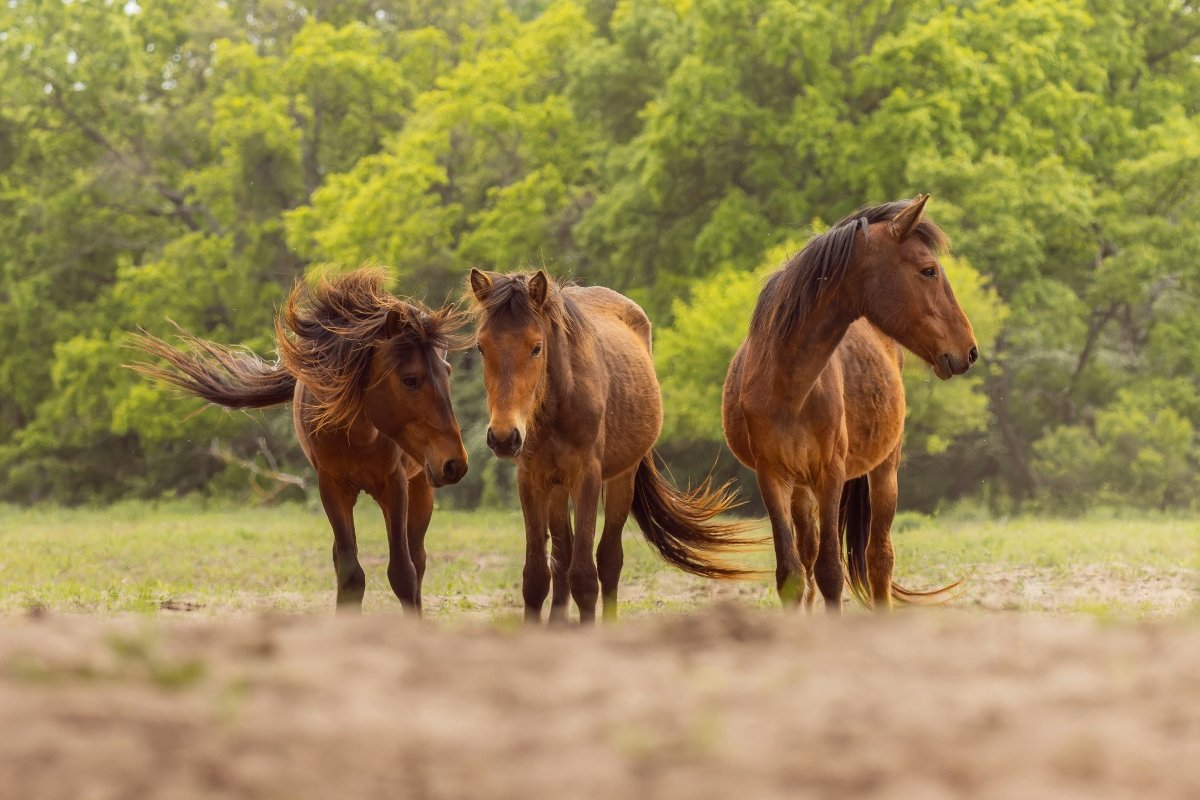
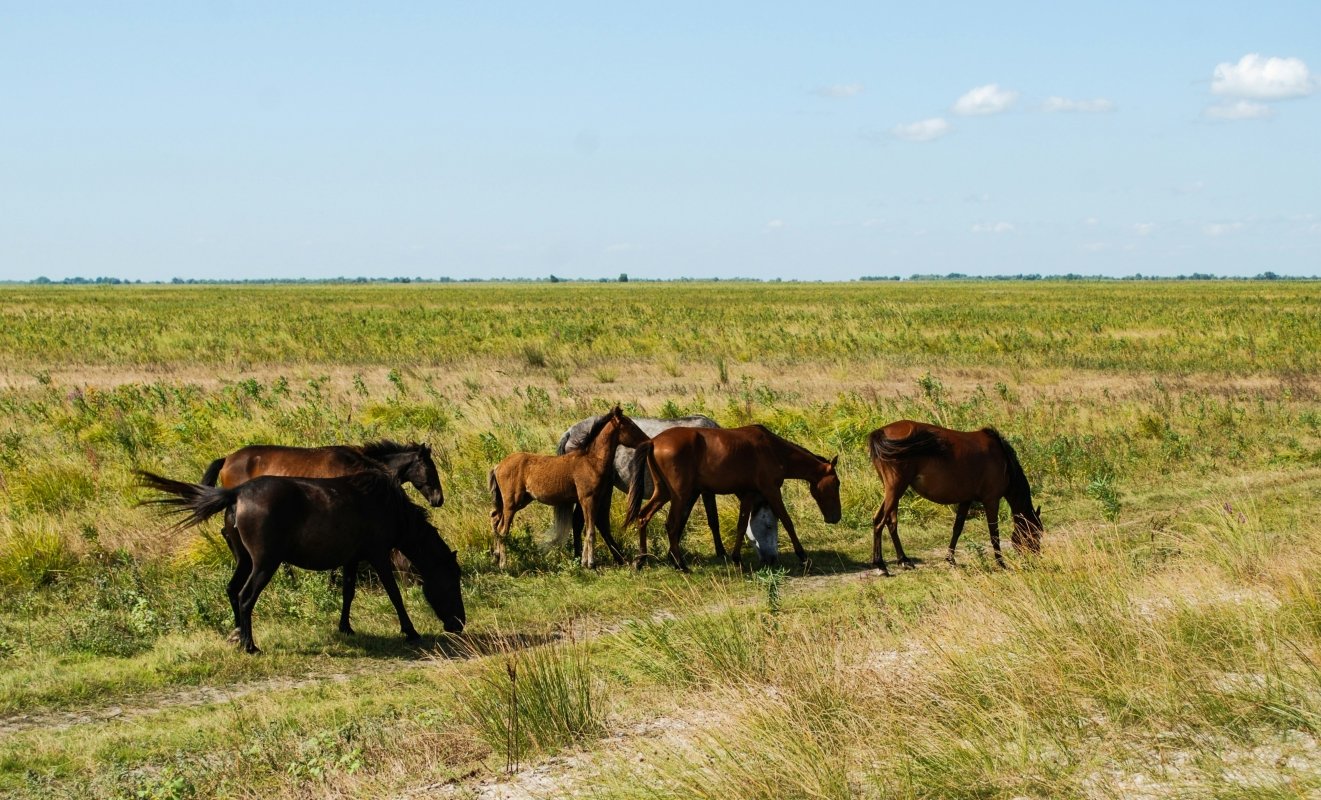
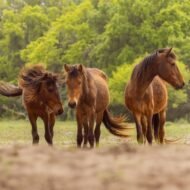
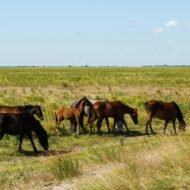
A rare site for many world travelers: the wild horses in Letea riverine forest. It is incredible to see animals our mind is trained to see as domesticated in their natural habitat, roaming free, and in huge numbers –now almost 2000.
Must-See Species:
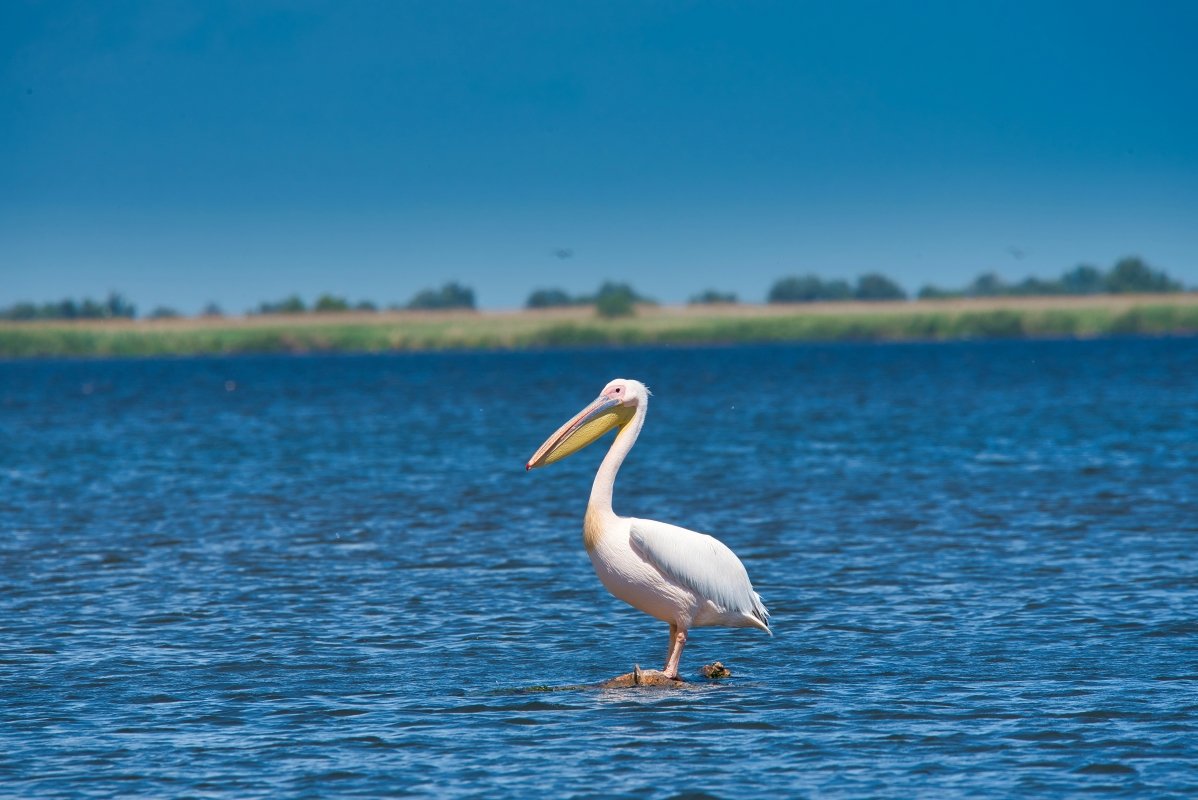
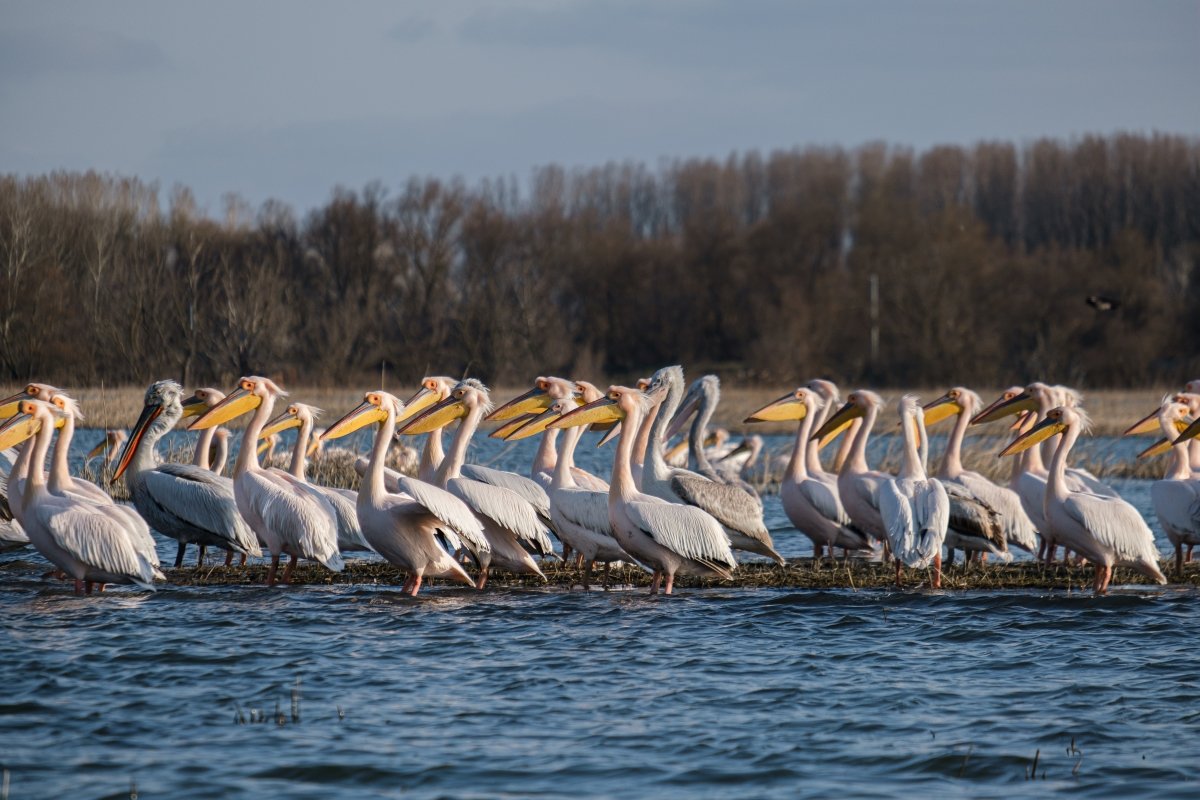
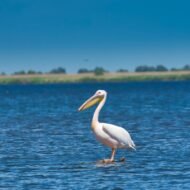
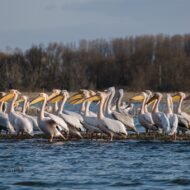
- White Pelicans: Lake Rosca (Lacul Rosca), a strictly protected reserve located between Chilia Veche and Periprava, is home to Europe’s largest white pelican colony.
- European Mink: The European mink mustela lutreola can still be seen in the Danube Delta, making up for one of the largest remaining part of the world’s population.
- Wild Horses: Roaming free in the Letea Forest – an unforgettable sight
Boat Tours – Your Window to the Wild
Official maps of where bird flocks nest do not exist, and what usually happens is that the network of locals and fishermen communicate with guides and Danube Delta personnel on bird and fauna movements. This is why hiring a local guide is essential.
Tour Options:
- Day Trips: We paid 400 RON for a whole day trip, a small boat with 2 people + a guide.
- Multi-day Cruises: Multi-day cruises offer a unique way to explore the Delta. Unlike the Danube river cruises further upstream, floating hotels are pulled by a tugboat, allowing travellers to drift slowly through the Delta.
Fishing Paradise
The river is home to more than forty-five species of fish and anglers are allowed to capture them all year round except for a sixty-day prohibition period. Just remember: During this 60-day prohibition period (April 11 – June 9), fishing is not allowed.
Kayaking & Canoeing
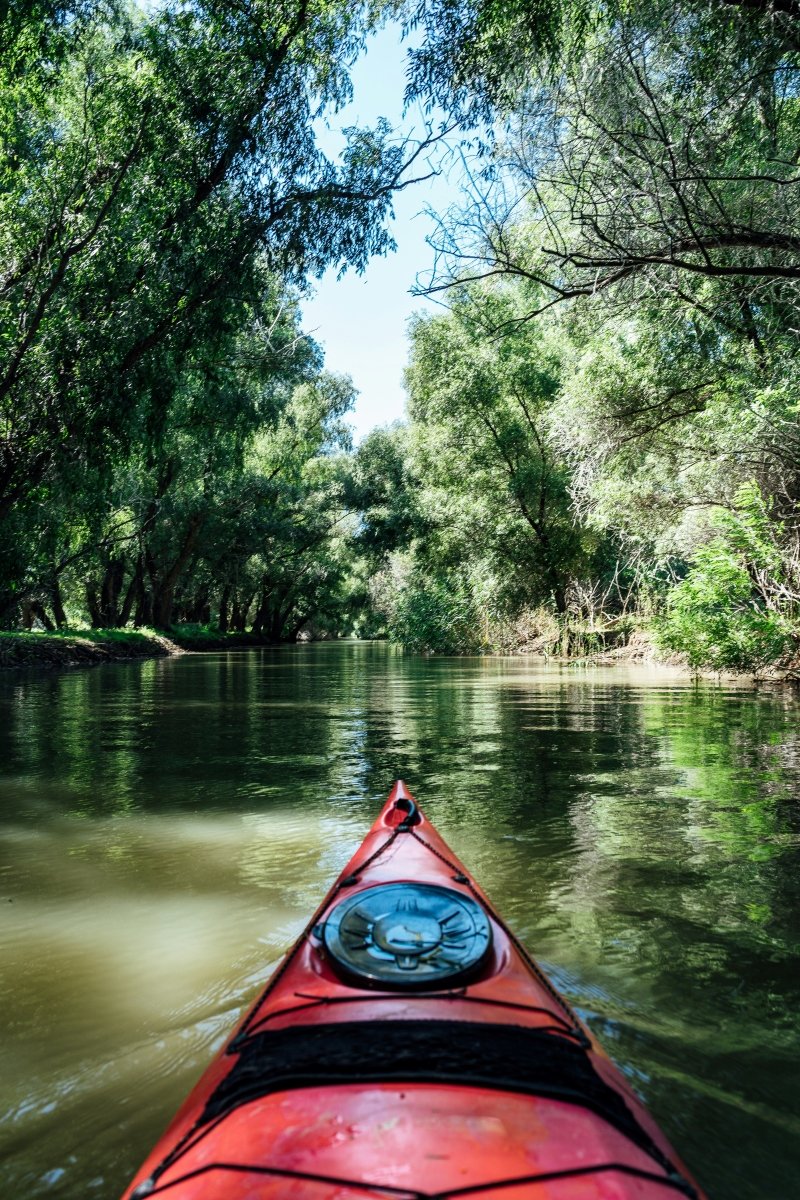
For those seeking a more adventurous experience, kayaking and canoeing provide exciting alternatives to traditional boat tours. Paddling through the Delta’s waterways allows for a closer connection with nature.
Exploring Traditional Villages and landmarks
- Mila 23: Mila 23 is one of the main settlements of a small community of descendants of Russian refugees Lipoveni. Famous as the birthplace of Olympic champion Ivan Patzaichin.
- Sulina: Town of Sulina Sulina, the terminus point for cruise ships sailing across the Danube Delta, was mentioned for the first time more than 1,000 years ago.
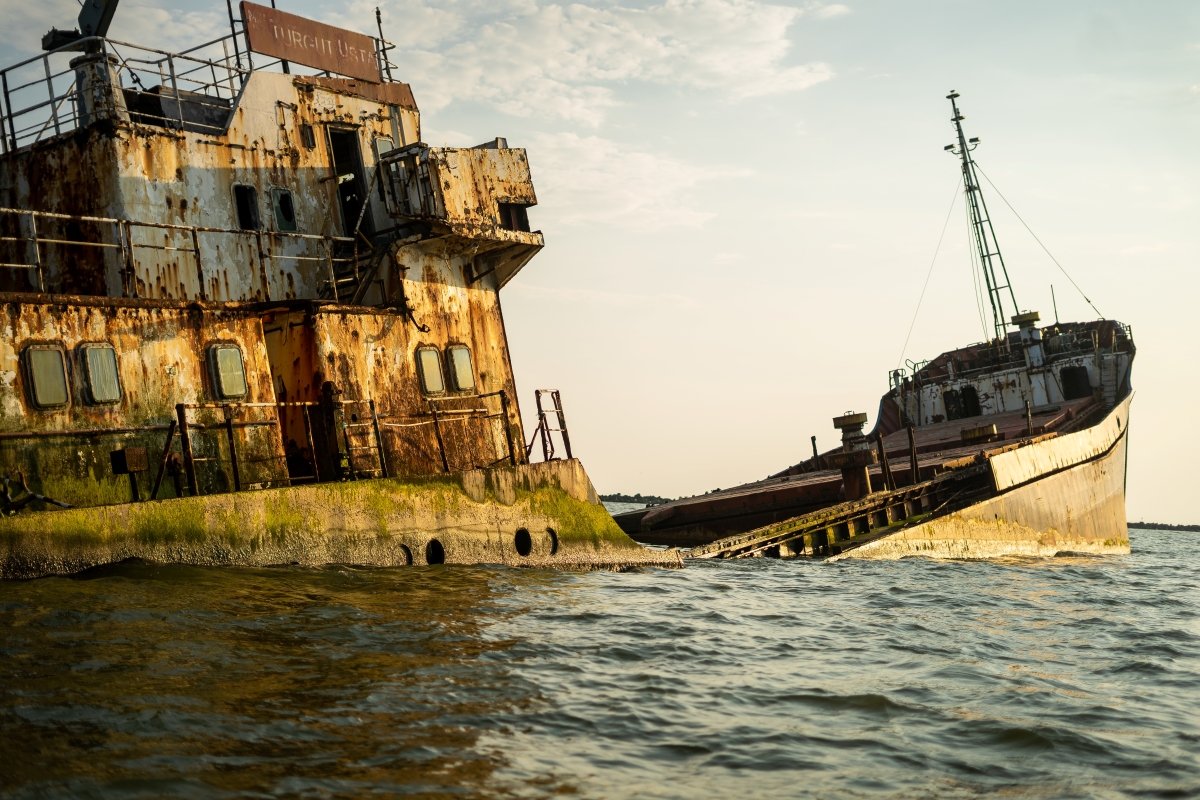
- The wreck of Turgut S located at a distance of eight kilometers from the city of Sulina, towards the northern dike in the Danube Delta
Food & Drink: Flavors of the Delta
Must-Try Dishes
Fish Soup (Storceag): Speaking of taste, fish soup (storceag) is something you cannot leave the delta without trying.
Fresh Fish: Everything from carp to catfish, often caught the same day
Traditional Spirits: Don’t miss the opportunity to try some local wines and spirits, such as tuica and palinca, which add a delightful touch to your culinary experience.
Essential Packing List
Clothing
- Lightweight, breathable layers
- Waterproof jacket
- Long sleeves and pants (mosquito protection)
- Comfortable walking shoes
- Swimwear for Black Sea beaches
Gear
- Binoculars (essential for birdwatching)
- Camera with zoom lens
- Strong mosquito repellent
- Sunscreen and hat
- Waterproof bag for electronics
Responsible Travel Tips
Respect the Wilderness
Rule no. 1: Respect the nature · Rule no. 2: Navigate responsibly · Rule no. 3: Fish only in designated areas · Rule no. 4: Do not camp in visitation areas. Rule no. 5: Keep your distance from protected areas
Support Local Communities
- Book tours with local guides
- Stay in family-run guesthouses
- Buy souvenirs from village artisans
- Try local restaurants
Budget Breakdown: What to Expect
Daily Costs
- Budget: €40-60/day (hostel, local food, group tours)
- Mid-Range: €80-120/day (guesthouse, mixed dining, private tours)
- Luxury: €200+/day (resort, fine dining, private guides)
Sample Costs
- Boat tour: Our 8 hour tour costed us 40EUR/person. Keep in mind that this was the fee just for the ride. Drinks, food and everything else was a separate deal.
- Accommodation: $40-200+ per night depending on style
- Meals: €8-25 per person
- Tourist tax: 2 RON per person per night of accommodation
Planning Your Perfect Trip
Recommended Duration
For a more profound and rewarding experience, we recommend staying (at least) 4 nights/3 full days in the Danube Delta area. This gives you time to:
- Explore multiple channels and lakes
- Visit different villages
- Experience both sunrise and sunset boat trips
- Try various activities
Sample 4-Day Itinerary
Day 1: Arrive in Tulcea, explore the city, take sunset boat trip Day 2: Full-day guided tour to Letea Forest and wild horses Day 3: Mila 23 village visit and traditional fishing experience Day 4: Sulina exploration and Black Sea beach time
Weather What to Expect
Spring (April-June)
- Temperature: 15-25°C
- Weather: Mild, occasional rain
- Crowds: Low to moderate
Summer (July-August)
- Temperature: 25-35°C
- Weather: Hot, sunny, humid
- Crowds: Peak season
Autumn (September-October)
- Temperature: 15-25°C
- Weather: Pleasant, colorful foliage
- Crowds: Moderate
Winter (November-March)
- Temperature: 0-10°C
- Weather: Cold, sometimes snowy
- Crowds: Very low
Special Considerations for All Travelers
Accessibility
Many guesthouses are working to improve accessibility. Contact accommodations directly to discuss specific needs. Boat tours can often accommodate travelers with mobility challenges with advance notice.
Family Travel
Guided boat tours are family-friendly and offer a great educational experience for children. Many resorts cater specifically to families with kids’ activities and family rooms.
Solo Travel
The Delta is generally safe for solo travelers, especially women. Local communities are welcoming, and joining group tours is an easy way to meet fellow travelers.
LGBTQ+ Travelers
While rural Romania can be conservative, the tourism industry in the Delta is welcoming to all visitors. Stick to established accommodations and tour operators for the best experience.
Conservation & The Future
The Danube Delta ecosystem faces significant threats because things are changing both upstream (like more dirt staying in the water and more pollution) and in the Delta itself.
WWF, a global conservation powerhouse, has been leading the charge through its Danube-Carpathian Programme for over 15 years. By implementing innovative solutions, they aim to strike a balance between preserving the Delta’s ecological wonders and fostering prosperity for the local communities.
Your visit helps support conservation efforts and local communities – making responsible travel choices ensures this incredible ecosystem survives for future generations.
Final Thoughts: Why the Danube Delta Should Be on Every Bucket List
The Danube Delta isn’t just another destination – it’s a journey back to a wilder Europe that most people thought was lost forever. Whether you’re watching wild horses gallop across sandy dunes, listening to the dawn chorus of 300+ bird species, or sharing fish soup with local fishermen who’ve been working these waters for generations, you’re experiencing something truly magical.
It’s a fascinating destination for foreigners and locals alike, and any world traveler enthusiastic about nature and wetland sceneries should check it off their travel list.
The Delta rewards the curious, the patient, and the respectful. Come with an open mind, comfortable shoes, and a good camera – you’ll leave with memories that last a lifetime and a deep appreciation for one of Europe’s last true wilderness areas.
Ready to explore Europe’s secret paradise? Start planning your Danube Delta adventure today – your inner nature lover will thank you!