





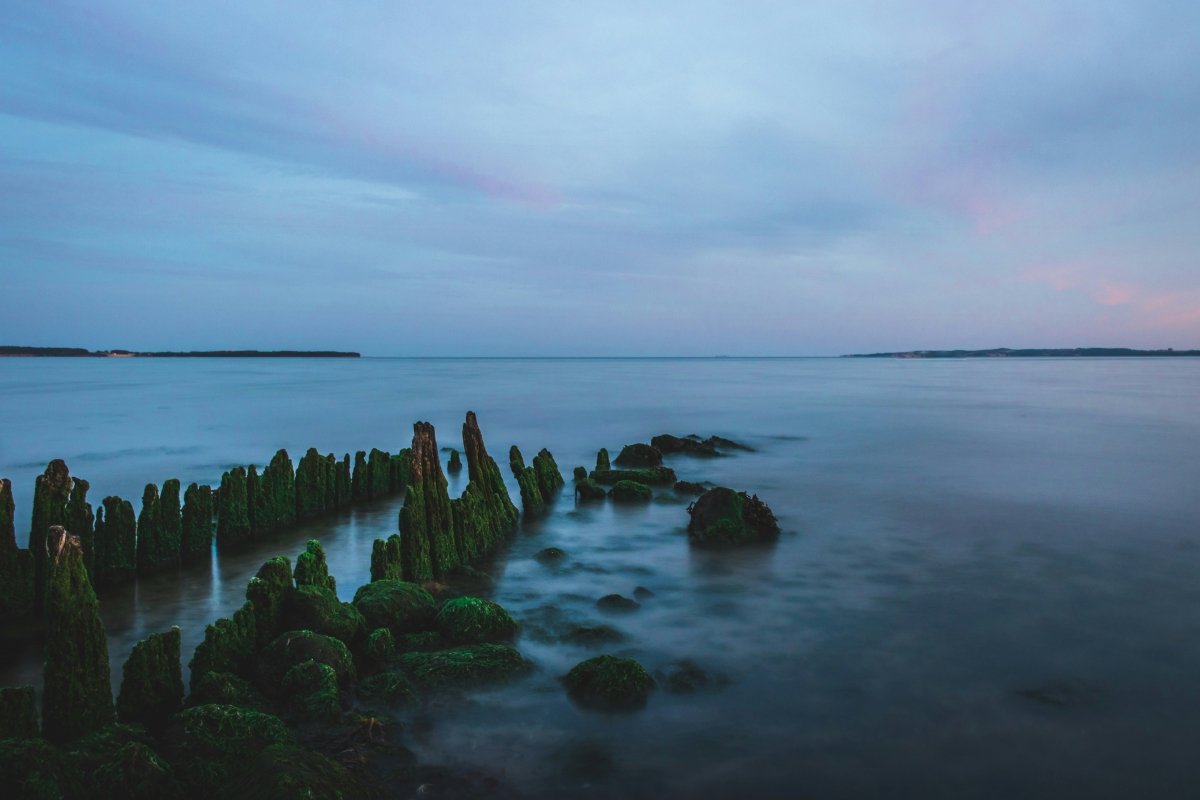


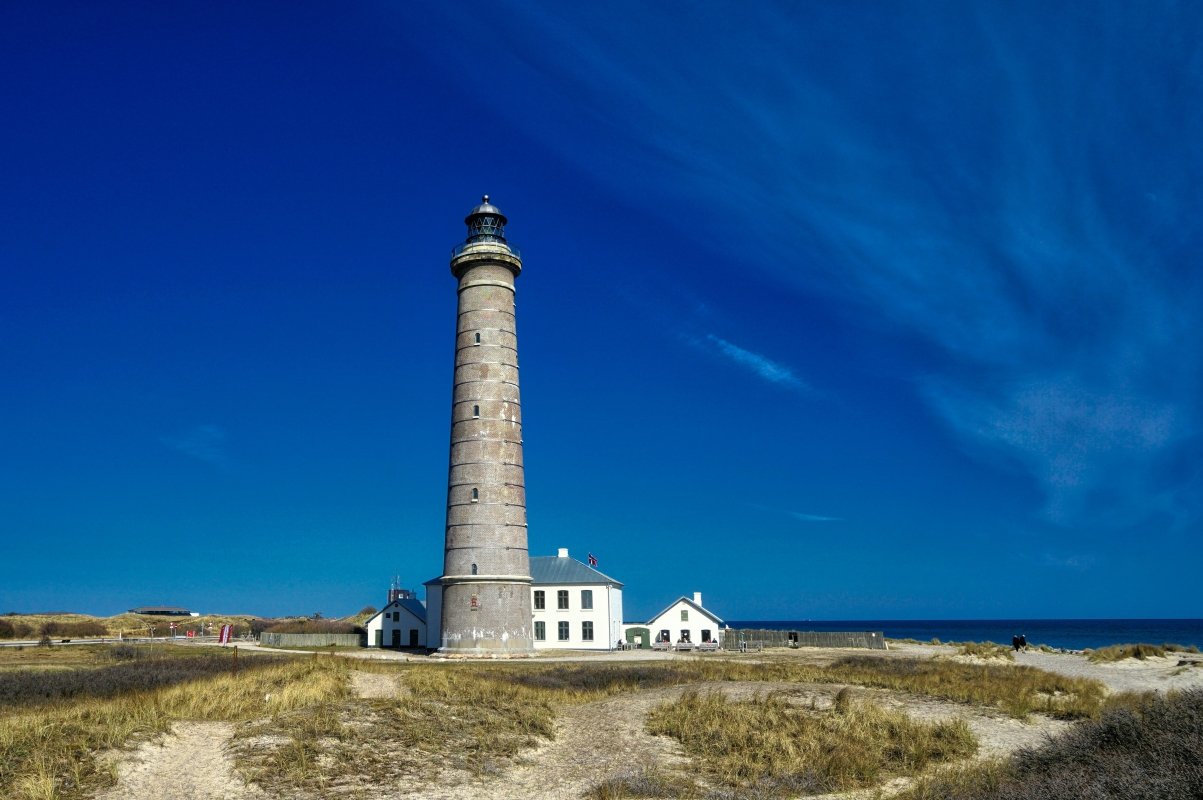






TL;DR: Denmark outdoor Getaways , Denmark offers incredible outdoor escapes from coastal retreats and forest hideaways to charming island getaways. Expect bike-friendly paths, hygge vibes, stunning beaches, family-friendly activities, and surprisingly affordable options when you know where to look. Best visited May-September for outdoor adventures, though off-season has its own cozy charm.
- Why Denmark Should Be Your Next Outdoor Escape
- Top Denmark Outdoor Destinations (Ranked by Travelers Like You)
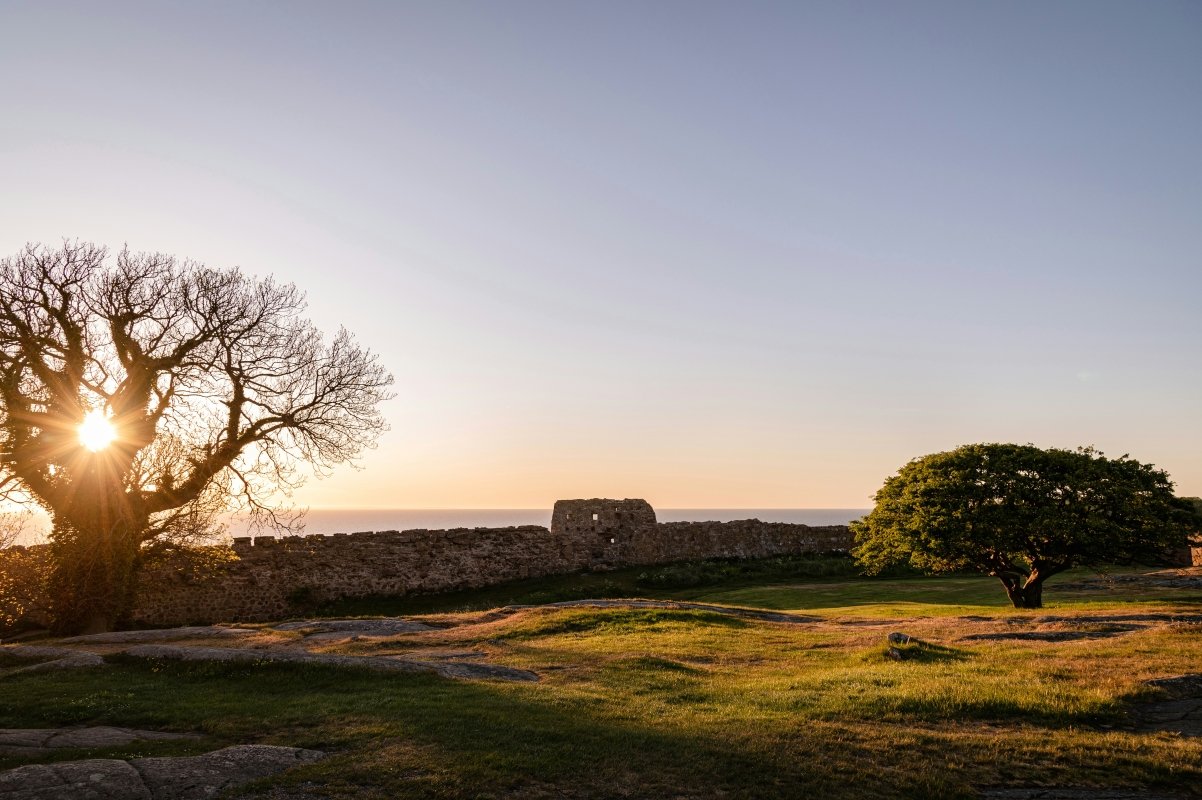
- 1. Bornholm Island – The Sunshine Island
- 2. Møn Island – White Cliffs & Dark Skies
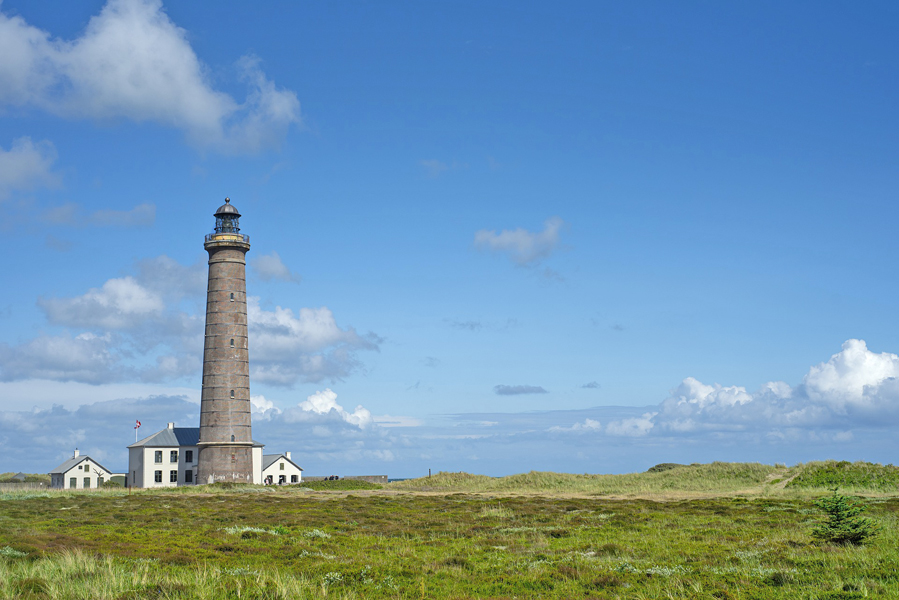
- 3. Skagen – Where Two Seas Meet
- 4. Wadden Sea National Park – UNESCO Wonder
- 5. Mols Bjerge National Park – Rolling Hills & Hidden Beaches
- Planning Your Denmark Outdoor Getaway: The Practical Stuff
- Danish Food Culture: What to Eat Outdoors
- Cultural Experiences & Local Traditions
- Essential Info You Need to Know
- Final Thoughts: Why Denmark Gets Outdoor Getaways Right
- Disclaimer
Why Denmark Should Be Your Next Outdoor Escape
Let’s be real—when people think “outdoor adventure,” Denmark might not be the first place that pops into mind. But here’s the thing: this compact Scandinavian gem is absolutely packed with natural beauty that’ll surprise you. We’re talking pristine beaches that rival the Mediterranean (okay, maybe a bit chillier), ancient forests straight out of fairy tales, and islands so peaceful you’ll forget what stress even means.
Denmark does outdoor getaways differently. There’s no need for extreme mountain climbing or survival skills here. Instead, you’ll find accessible nature that everyone in your crew can enjoy—from your adventurous teens to grandparents who prefer a gentler pace. Plus, the Danes have mastered that whole “connecting with nature while still being comfortable” thing. It’s called hygge, and trust me, it’s contagious.
Top Denmark Outdoor Destinations (Ranked by Travelers Like You)
1. Bornholm Island – The Sunshine Island
Travelers consistently rate Bornholm as Denmark’s top peaceful retreat, and it’s easy to see why. This Baltic Sea island gets more sunshine than anywhere else in Denmark, with dramatic cliff coastlines, sandy beaches, and medieval round churches you won’t find anywhere else.
What makes it special: The rock formations at Hammershus (Northern Europe’s largest castle ruin) are Instagram-gold, but more importantly, the island has this laid-back vibe that makes you want to slow down. Rent a bike (because that’s what you do in Denmark) and cycle through smokehouses serving fresh herring, art galleries in converted farms, and forests where you can forage for mushrooms.
Family-friendly highlights: Kids go wild at the NaturBornholm experience center with its dinosaur exhibits and interactive displays. The shallow beaches around Dueodde are perfect for little swimmers, and the island’s compact size means you’re never far from your next adventure—or ice cream stop.
Budget tip: Visit in May or September for shoulder-season prices. Local B&Bs (called “værelser”) cost 30-50% less than hotels and often include breakfast with homemade Danish pastries.
2. Møn Island – White Cliffs & Dark Skies
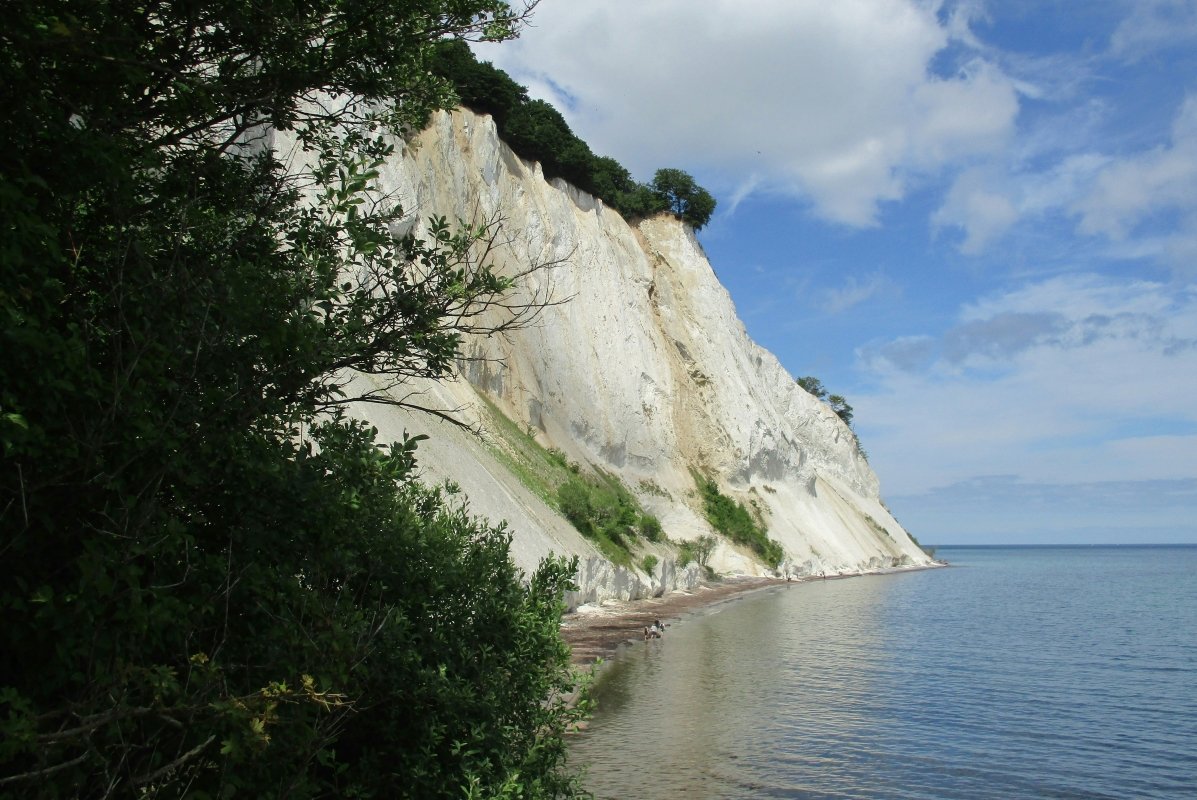
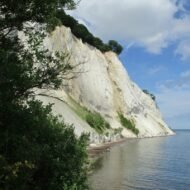
Møn (pronounced “moon”—fitting, right?) is where dramatic meets tranquil. The chalk cliffs of Møns Klint rise 128 meters above turquoise waters, creating Denmark’s most dramatic coastal scenery.
What makes it special: This is Denmark’s first International Dark Sky Park, meaning the stargazing here is absolutely phenomenal. After sunset, the Milky Way stretches across the sky like someone spilled glitter. During the day, hike down the 497 steps to the beach below the cliffs and hunt for fossils in the chalk.
Family-friendly highlights: The GeoCenter Møns Klint has hands-on exhibits about the island’s geological history that somehow make rocks fascinating. Families love the treetop walkway at Camp Adventure (a 45-meter-high observation tower with panoramic forest views).
Cultural aspect: Møn has more prehistoric monuments than you can shake a stick at—over 100 ancient burial mounds dot the landscape. The island also hosts traditional harvest festivals where locals demonstrate centuries-old farming techniques.
3. Skagen – Where Two Seas Meet
At Denmark’s northernmost tip, the North Sea and Baltic Sea collide in a mesmerizing display of waves meeting waves. Skagen has been inspiring artists since the 1800s, and once you see the light here, you’ll understand why.
What makes it special: The town itself is ridiculously charming—yellow houses with red-tiled roofs, art galleries everywhere, and seafood restaurants serving the day’s catch. But the real magic happens at Grenen, the exact point where the two seas meet. You can literally stand with one foot in each sea.
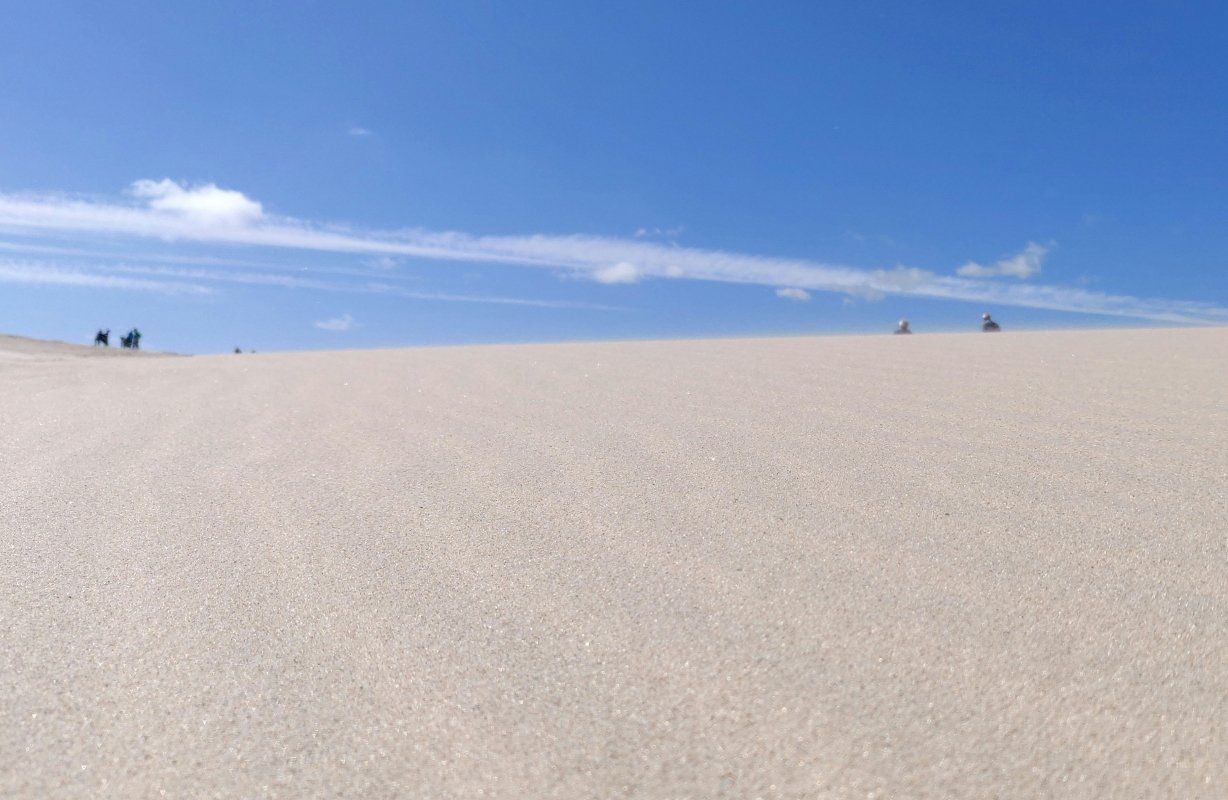
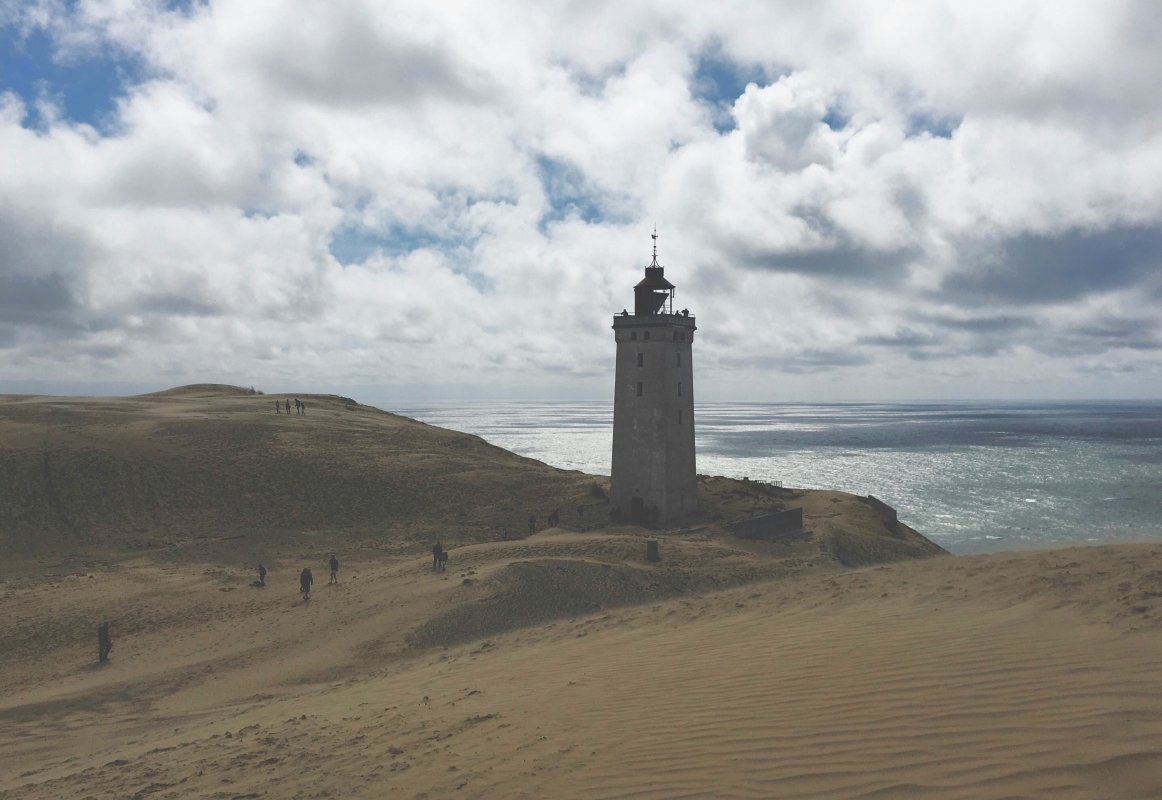
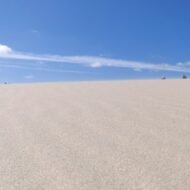
Family-friendly highlights: The Råbjerg Mile is a massive migrating sand dune that kids (and adults) love climbing. It’s like a desert dropped into Denmark, moving about 15 meters eastward each year. The Maritime Museum in Hirtshals, just south of Skagen, has one of Europe’s largest aquariums.
Food: Skagen is seafood heaven. Try “Skagen toast”—a creamy shrimp salad that originated here—or grab fish and chips from the harbor. For special occasions, Restaurant Ruths Gourmet has a Michelin star and focuses on local Nordic ingredients.
4. Wadden Sea National Park – UNESCO Wonder
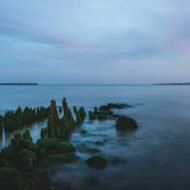
This might be Denmark’s most underrated natural treasure. The Wadden Sea is a UNESCO World Heritage site where the landscape literally changes twice daily with the tides, creating an otherworldly mudflat ecosystem.
What makes it special: Join a guided “mudflat hiking” tour where you’ll walk across the seabed when the tide’s out, learning about the millions of migrating birds that stop here and the weird creatures living in the mud. It’s surreal, educational, and oddly fun to squish through the mud.
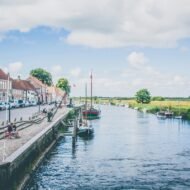
Family-friendly highlights: The seal safaris from Rømø or Fanø islands let you spot harbor and grey seals lounging on sandbanks. The Wadden Sea Centre in Ribe (Denmark’s oldest town) has exhibits that make tidal ecosystems fascinating for all ages.
Local traditions: The annual Wadden Sea Festival (late summer) celebrates this unique ecosystem with music, food, and guided nature walks. Locals serve traditional “vadehavslam” (Wadden Sea lamb) that’s been grazed on the salt marshes, giving it a distinctive flavor.
5. Mols Bjerge National Park – Rolling Hills & Hidden Beaches
Jutland’s hidden gem offers Denmark’s most dramatic inland landscape—rolling hills formed during the Ice Age, ancient oak forests, and secluded coves along the coast.
What makes it special: The landscape here is surprisingly varied for Denmark. Hike to the top of Agri Bavnehøj (137m—yes, that’s a “mountain” in Denmark!) for sweeping views, then cool off at one of the hidden beaches along Ebeltoft Bay. The manor houses and estates scattered throughout add a touch of aristocratic elegance.
Family-friendly highlights: Djurs Sommerland, Scandinavia’s largest amusement park, is right next door for when nature time needs a break. The beaches at Begtrup Vig have calm, shallow water perfect for kids.
Budget considerations: Wild camping isn’t allowed in Denmark, but the national park has several budget-friendly campsites (150-250 DKK/$22-36 per night). Many have cabin options if tents aren’t your thing.
Planning Your Denmark Outdoor Getaway: The Practical Stuff
When to Visit
Summer (June-August): Peak season with the warmest weather (15-22°C/59-72°F) and longest days. Beaches are swimmable (if you’re brave), but expect higher prices and crowds at popular spots.
Shoulder Season (May & September): The sweet spot. Mild weather, fewer tourists, and you’ll still catch plenty of daylight. Nature’s gorgeous with spring blooms or autumn colors.
Off-Season (October-April): Denmark embraces hygge season. Outdoor activities are limited, but you’ll experience authentic local life, dramatic storm-watching opportunities, and rock-bottom prices. Pack serious rain gear.
Getting Around
Denmark is bicycle paradise. With over 12,000 km of bike paths, you can literally cycle between most outdoor destinations. Rent bikes in any major town (100-150 DKK/$15-22 per day), or bring your own on trains for a small fee.
For islands and longer distances, Denmark’s efficient train and ferry network makes car-free travel totally doable. The Rejsekort travel card offers discounts if you’re hopping around multiple destinations.
Budget Breakdown
Budget Traveler (per day):
- Accommodation (hostel/campsite): 150-300 DKK ($22-45)
- Food (supermarket + one meal out): 250-400 DKK ($37-60)
- Activities: 100-200 DKK ($15-30)
- Transportation: 100-200 DKK ($15-30) Total: $89-165/day
Mid-Range Traveler (per day):
- Accommodation (budget hotel/B&B): 600-900 DKK ($90-135)
- Food (mix of restaurants): 500-700 DKK ($75-105)
- Activities: 200-400 DKK ($30-60)
- Transportation: 150-300 DKK ($22-45) Total: $217-345/day
Money-Saving Tips:
- Shop at Netto, Fakta, or Aldi supermarkets for groceries—Danish restaurants are pricey
- Free activities abound: beaches, forests, most archaeological sites
- The Copenhagen Card isn’t worth it for outdoor getaways, but local museum passes can be
- Bring a reusable water bottle—tap water’s excellent and free
Where to Stay
For families: Self-catering cottages (“sommerhus”) are huge in Denmark. Websites like Sol og Strand or DanCenter offer thousands of options from cozy to luxurious. Most include bikes and are near beaches or forests.
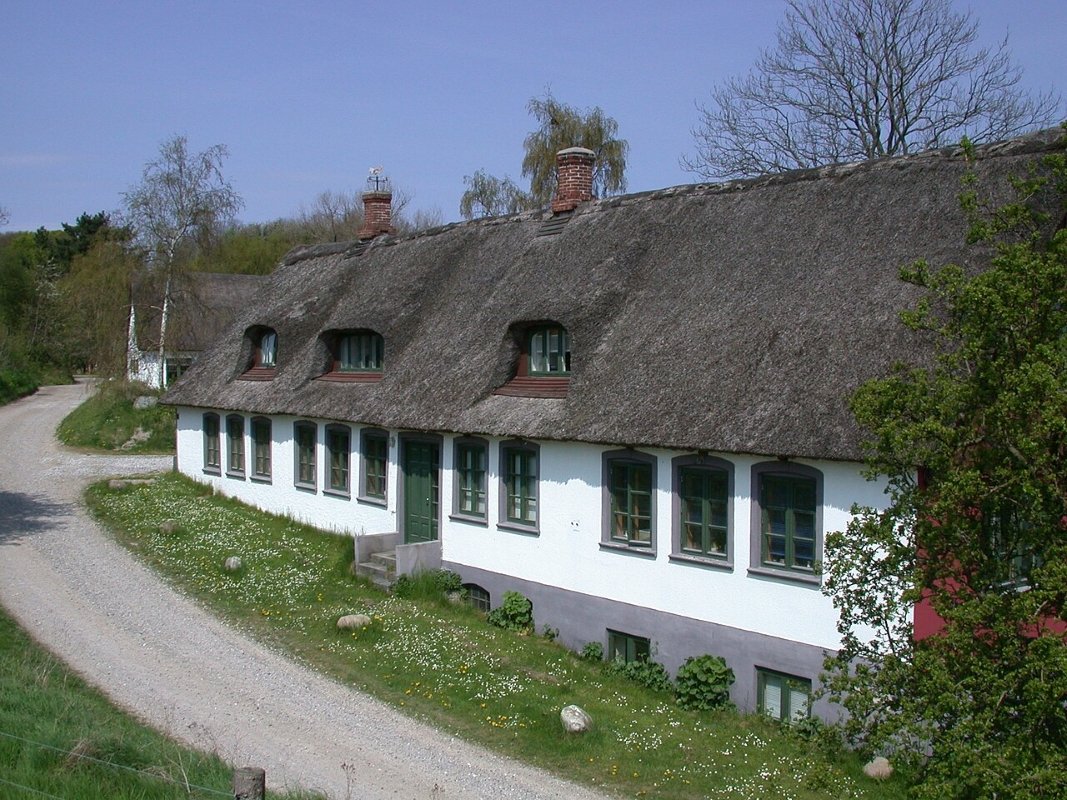
For couples seeking peace: B&Bs and small countryside hotels offer charm and local hospitality. Look for places labeled “kro” (traditional inn) for authentic experiences.
For budget travelers: Danhostel runs excellent hostels across Denmark—clean, modern, and many in stunning locations. Wild camping isn’t allowed, but official campsites are everywhere.
Danish Food Culture: What to Eat Outdoors
Denmark’s food scene has evolved way beyond just smørrebrød (though those open-faced sandwiches are still delicious). Here’s what to seek out during your outdoor adventures:
Beach & Island Specialties:
- Fresh seafood: Hit the “røgerier” (smokehouses) on Bornholm for smoked herring, salmon, and mackerel served on wooden boards
- Ice cream: Danes are obsessed with “is.” Try local flavors like lakridse (licorice—don’t knock it till you try it) or sea buckthorn
- Hotdogs: From “pølsevogne” (hot dog stands), usually topped with remoulade, fried onions, and pickles
Picnic Essentials from Local Bakeries:
- Rundstykker: Fresh morning rolls, perfect with cheese and jam
- Kanelsnegle: Cinnamon rolls that rival anything Sweden claims to have invented
- Rugbrød: Dense rye bread that’s surprisingly good with basically everything
Traditional Dishes to Try:
- Frikadeller: Danish meatballs, often served at festivals and events
- Stegt flæsk: Crispy pork with parsley sauce—Denmark’s unofficial national dish
- Æbleskiver: Round pancake balls served at Christmas markets and events
Foraging Culture: Danes love foraging. In late summer and fall, join locals picking wild berries, mushrooms, and herbs. The “allemandsret” (everyman’s right) allows you to pick wild foods on public and uncultivated private land—just leave the roots.
Cultural Experiences & Local Traditions
Hygge in Nature
You’ve probably heard of hygge (pronounced “hoo-gah”)—that untranslatable Danish concept of cozy contentment. But hygge isn’t just about candles and blankets indoors. Danes practice “outdoor hygge” too: picnics with thermoses of coffee, beach bonfires (allowed at designated spots), and bundling up for winter beach walks followed by hot chocolate.
Swimming Culture
Danes swim year-round. Yes, even in winter. The “vintersvømmer” (winter swimmer) tradition is huge, with locals taking daily dips in frigid waters claiming health benefits. Many outdoor getaways have swim clubs that welcome visitors—it’s intense but invigorating, and afterward, everyone shares coffee and cake. It’s surprisingly social.
Festivals & Events
Summer:
- Midsummer (Sankt Hans Aften, June 23): Massive bonfires on beaches across Denmark, with singing and celebrating the longest day. The tradition involves burning a witch effigy (sounds weird, but it’s actually about sending winter away).
- Music festivals: Roskilde Festival (early July), Smukfest (August), and countless smaller events blend music with outdoor camping culture
- Medieval festivals: Particularly at Middelaldercentret on Falster island and at various castle ruins
Fall:
- Harvest festivals: Throughout September, celebrating local produce with markets, demonstrations, and traditional foods
- Cultural Night (October): Cities open museums and cultural sites for free evening exploration
Winter:
- Christmas markets: Every town has them, with outdoor stalls selling handicrafts, mulled wine (“gløgg”), and those æbleskiver pancake balls
- Polar bear swimming: New Year’s Day tradition of jumping in the freezing sea—watch or participate if you’re brave
Essential Info You Need to Know
Language: Danish is the official language, but everyone speaks excellent English. Still, learn a few phrases:
- “Hej” (hi) and “Hej hej” (bye)—pronounced “high”
- “Tak” (thank you)—pronounced “talk”
- “Undskyld” (excuse me)—just say “sorry” instead, honestly
Weather Reality Check: Danish weather is… unpredictable. Pack layers, a good waterproof jacket, and don’t be surprised if you experience four seasons in one day. Wind is constant, especially on coasts and islands. But as Danes say, “There’s no such thing as bad weather, only bad clothing.”
Safety: Denmark is extremely safe. The biggest outdoor dangers are sunburn (in summer—the sun sets late, so you get more exposure than you realize), dehydration while biking, and possibly aggressive swans protecting their cygnets. Give them space.
Connectivity: WiFi is widely available, even in rural areas. Most accommodations include it. Cell coverage is excellent throughout the country.
Sustainability: Danes take environmental responsibility seriously. Bring reusable bags (plastic bags cost extra), sort your recycling, and stick to marked paths in nature reserves. The “leave no trace” principle is expected, not just encouraged.
Right to Roam: Denmark’s “allemandsretten” gives you access to most beaches, forests, and uncultivated land, even if privately owned. However, you can’t wild camp, make fires outside designated spots, or disturb crops or gardens. Respect boundaries and leave nature as you found it.
Accessibility: Denmark excels at accessibility. Most trails, beaches, and attractions have wheelchair-friendly options. The Dansk Handicap Forbund website lists accessible outdoor locations.
Final Thoughts: Why Denmark Gets Outdoor Getaways Right
Here’s what Denmark understands that many destinations don’t: outdoor adventure doesn’t have to mean extreme sports or roughing it. It can be biking through countryside at your own pace, watching the sun set over the sea with a thermos of coffee, or letting your kids explore tide pools while you actually relax.
Denmark’s outdoor spaces are designed for everyone—families with young children, people with mobility challenges, those seeking solitude, and everyone in between. There’s no judgment here about how you experience nature, whether you’re a hardcore hiker or someone who considers a beach walk exercise.
The Danish approach to outdoor life is refreshingly unpretentious. You won’t find overcrowded tourist traps or places that feel like theme park versions of nature. Instead, you’ll discover authentic landscapes where locals actually spend their free time, welcoming communities that are genuinely pleased to share their favorite spots, and a pace of life that reminds you what “vacation” really means.
So pack that rain jacket (seriously, don’t skip this), bring your sense of adventure, and get ready to discover why this small Scandinavian country has quietly perfected the art of the outdoor getaway. Denmark is waiting—and trust me, it’s cooler than you think. Literally and figuratively.
Disclaimer
Travel Information Accuracy: This guide was created in October 2025 and reflects conditions, prices, and information accurate at the time of writing. Travel situations, opening hours, prices, and regulations can change, sometimes quickly. We recommend verifying current conditions directly with official tourism boards, accommodation providers, and transportation services before finalizing your travel plans.
Pricing: All prices mentioned are approximate and shown in both Danish Krone (DKK) and US Dollars (USD) based on exchange rates at time of writing. Currency fluctuations, seasonal variations, and individual business pricing decisions may result in different costs during your visit.
Health & Safety: While Denmark is generally very safe for travelers, outdoor activities carry inherent risks. Follow posted guidelines, weather warnings, and local advice. Swimming in the Baltic and North Seas involves cold water temperatures even in summer—assess your abilities honestly and supervise children closely. Consult your healthcare provider about any necessary vaccinations or health precautions before traveling.
Personal Responsibility: Travelers are responsible for their own safety, health insurance, travel insurance, and compliance with Danish laws and regulations. This guide provides general information and suggestions, not professional travel advice tailored to your specific circumstances.
Accessibility: While we’ve noted Denmark’s strong accessibility infrastructure, individual needs vary significantly. Contact specific venues, accommodations, and transportation providers directly to confirm they can accommodate your particular requirements.
Affiliate Relationships: This guide does not contain affiliate links or paid endorsements. Recommendations are based on traveler feedback, popularity, and general reputation, not commercial relationships.
Weather Disclaimer: Danish weather is notoriously variable. While we’ve provided seasonal guidance, unexpected conditions can occur in any season. Check current forecasts before outdoor activities and pack accordingly.
Cultural Sensitivity: Descriptions of Danish culture and traditions reflect general observations and may not capture every individual’s or community’s experience. Denmark is diverse, and cultural practices vary among its residents.
The authors and publishers of this guide are not liable for any losses, injuries, or damages arising from information contained herein. Travel at your own risk and use common sense when exploring outdoor destinations.
Happy travels, and may your Danish adventure be filled with hygge, beautiful landscapes, and memories that last a lifetime!