

3. Krosno, Poland: The Glass Town That Time Forgot
History at a Glance
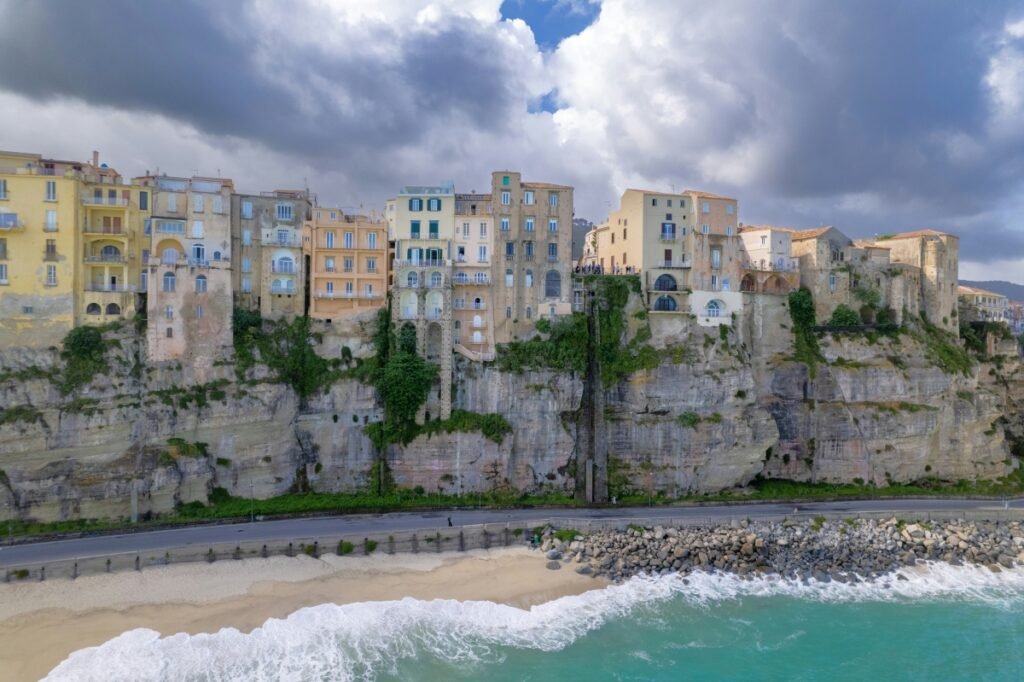
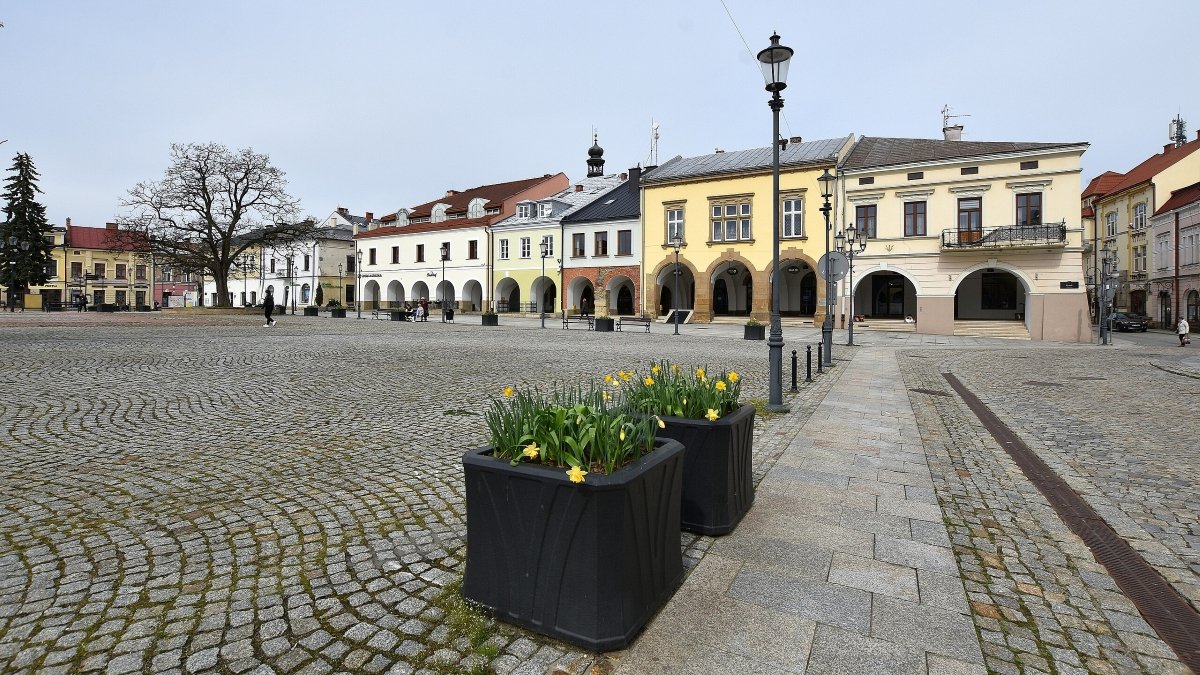
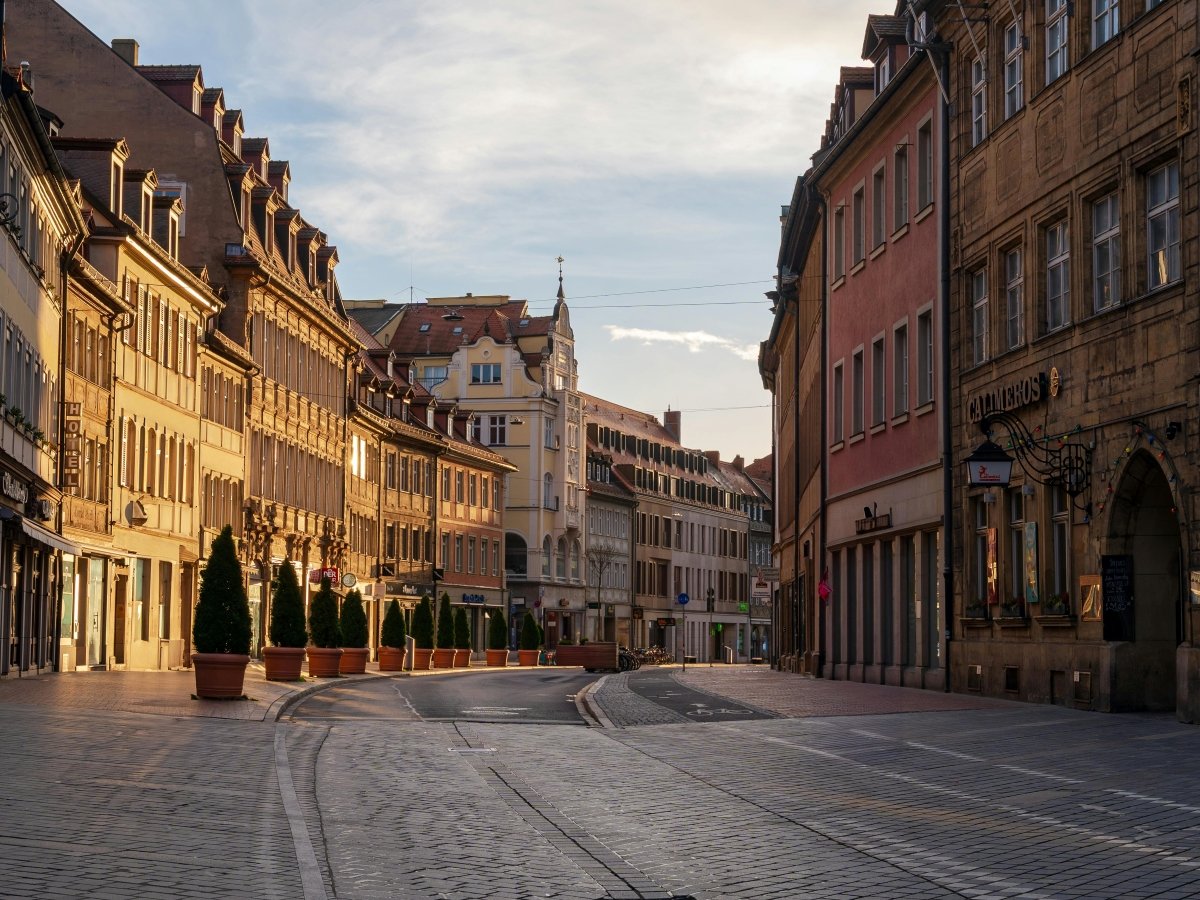
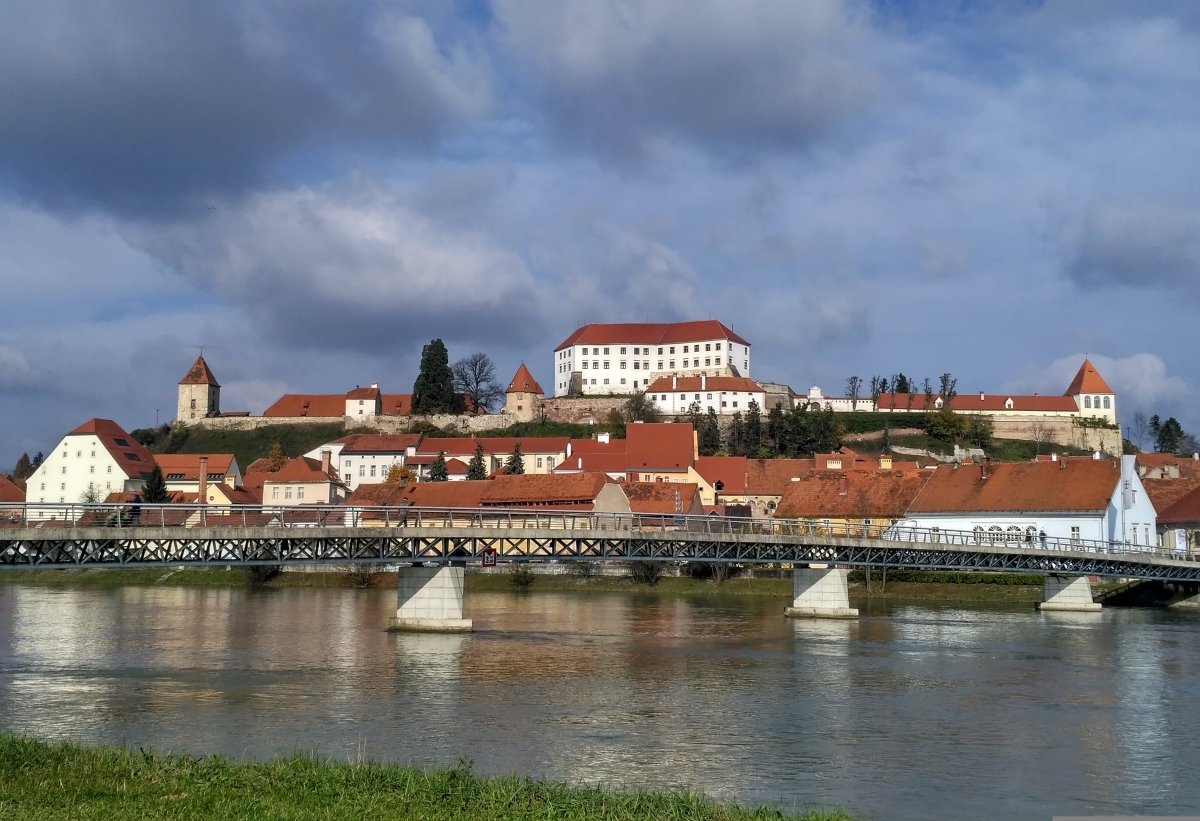
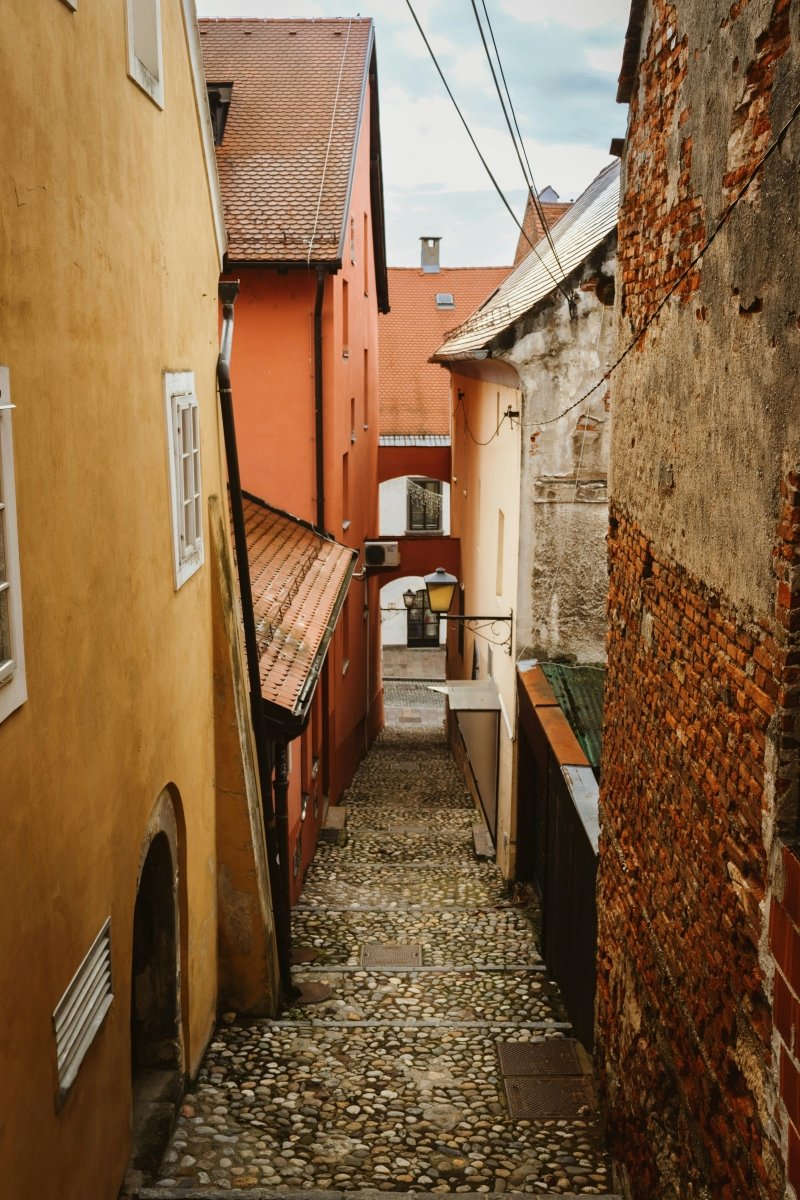
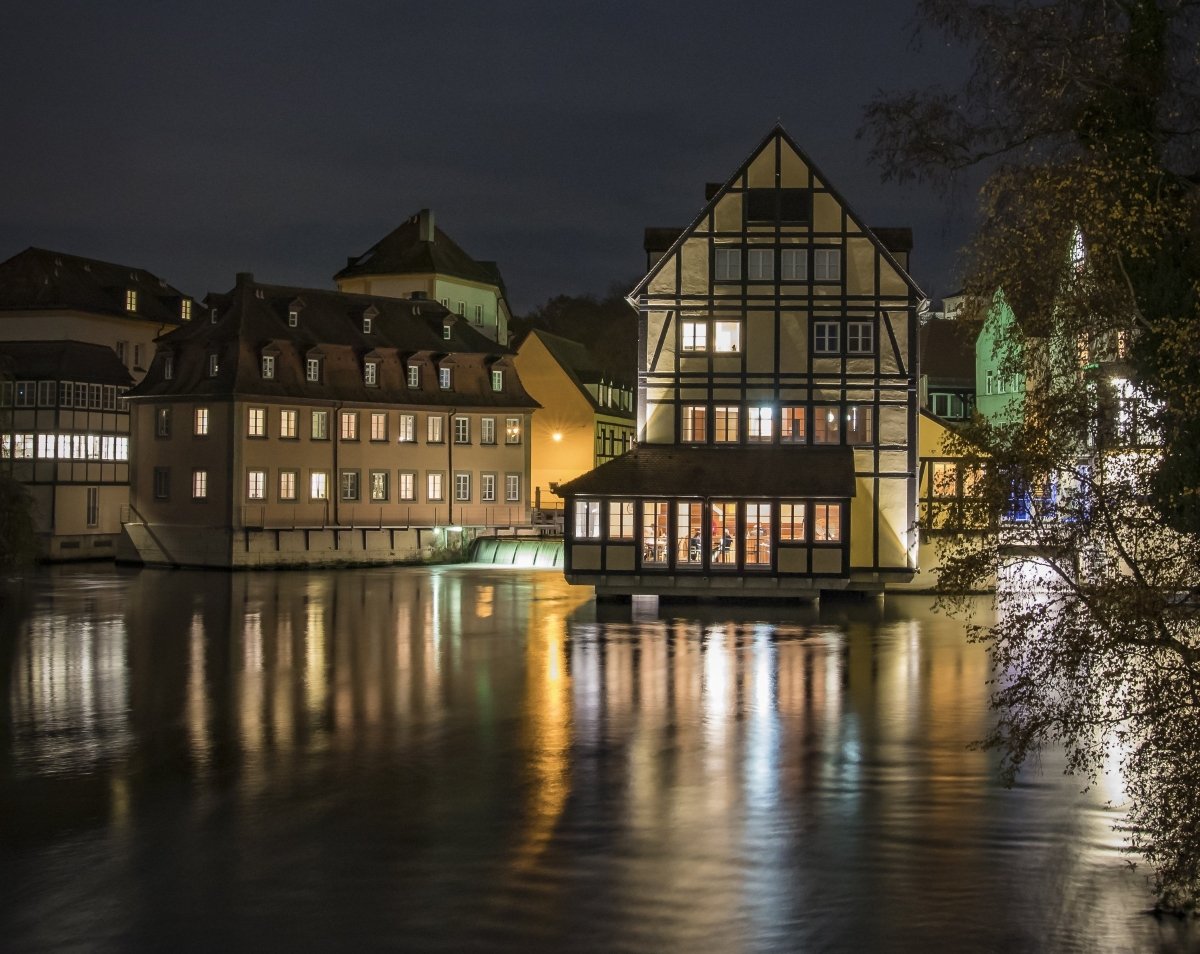
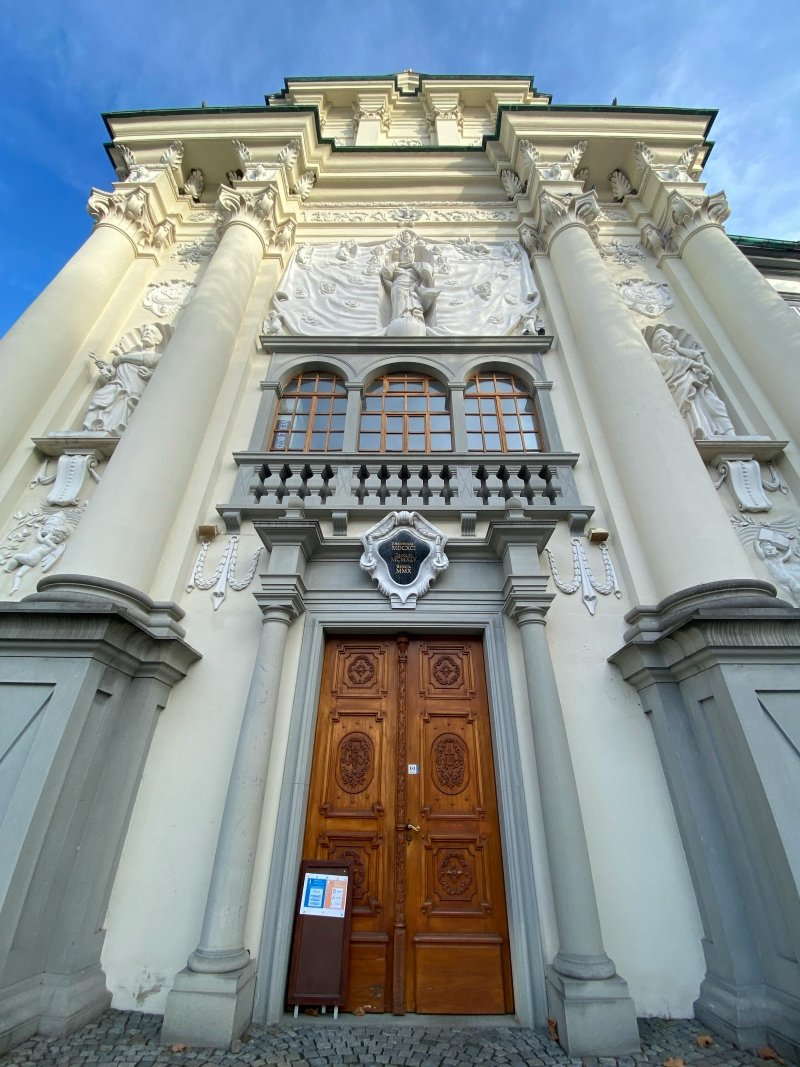
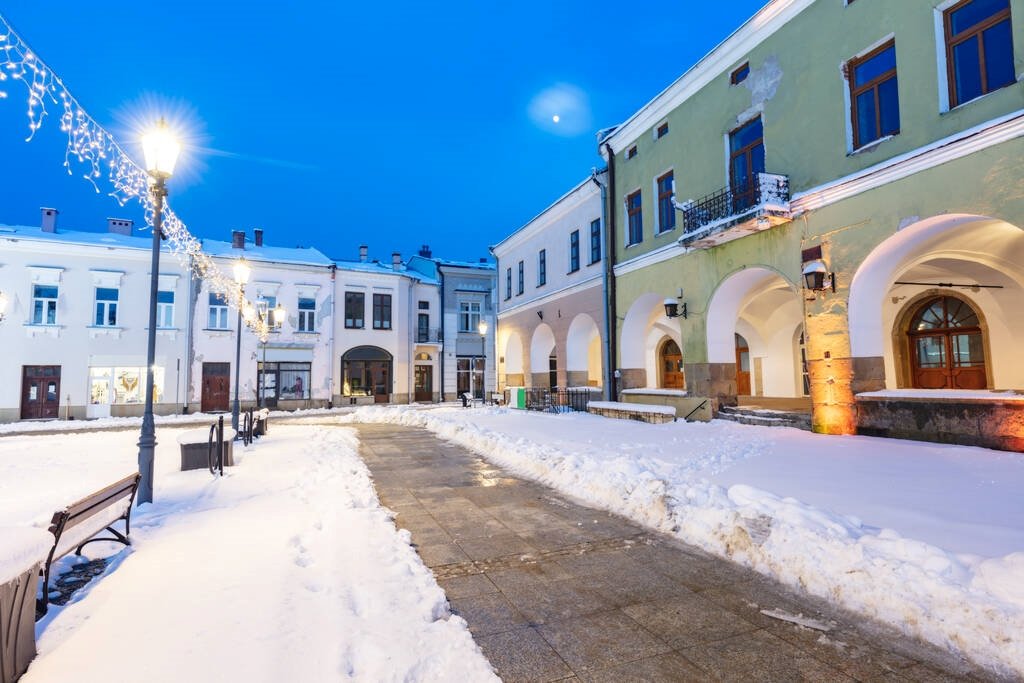
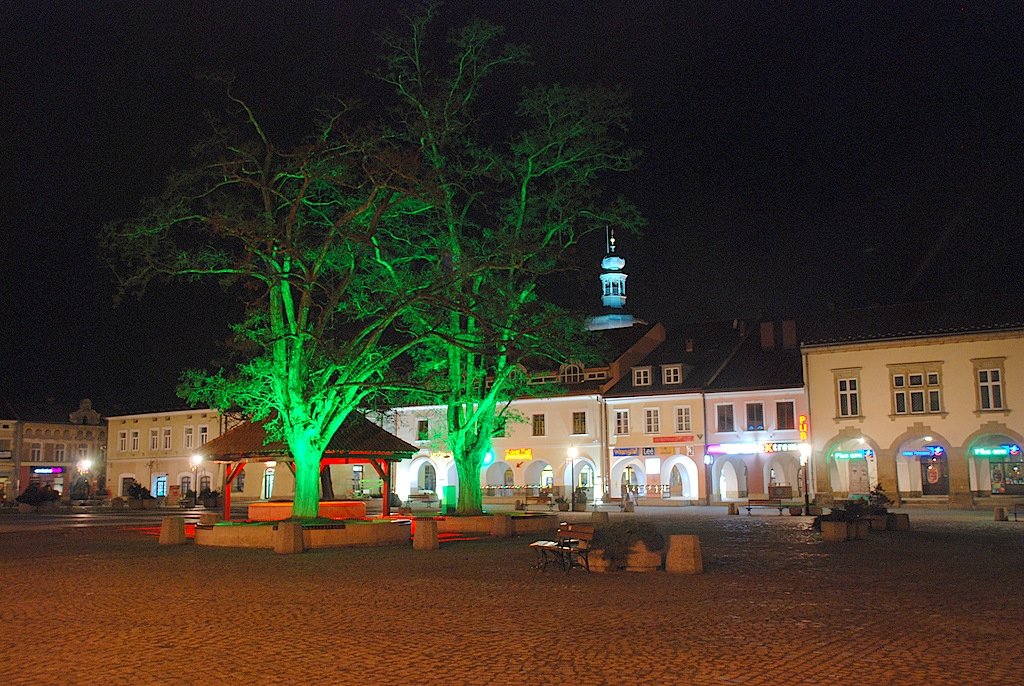
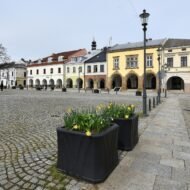
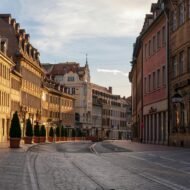
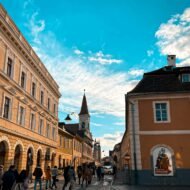
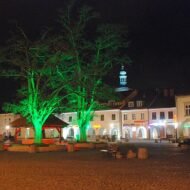
Once a wealthy medieval trading city, Krosno made its fortune in glass production—a tradition that continues today. The town’s medieval layout remains perfectly intact, with a gorgeous Market Square that feels like stepping into a Polish time capsule. It’s part of the Wooden Architecture Route, making it a cultural treasure.
- 3. Krosno, Poland: The Glass Town That Time Forgot
- History at a Glance
- Why Winter Works Here
- Accommodation Options
- Food & Drink
- Shopping & Local Traditions
- Outdoor Activities
- Budget Breakdown
- Cultural Highlights & Events
- Useful Info
- 4. Combourg, France: Brittany’s Romantic Castle Town
- History at a Glance
- Why Winter Works Here
- Accommodation Options
- Food & Drink
- Shopping & Local Traditions
- Outdoor Activities
- Budget Breakdown
- Cultural Highlights & Events
- Useful Info
- 5. Sibiu, Romania: Transylvania’s Winter Wonderland
- History at a Glance
- Why Winter Works Here
- Accommodation Options
- Food & Drink
- Shopping & Local Traditions
- Outdoor Activities
- Budget Breakdown
- Cultural Highlights & Events
- Useful Info
- Quick Recap: Choosing Your Perfect Medieval Escape
- Practical Planning Tips
- Disclaimer
Why Winter Works Here
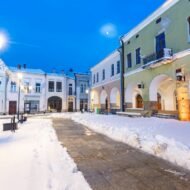
Snow transforms Krosno into something from a Polish fairytale. The Christmas market is genuinely local, prices are absurdly cheap, and you’ll likely be the only international visitors. Plus, winter is prime time for warming up in traditional Polish taverns.
Accommodation Options
- Budget-friendly (€35-60/night): Hotel Polonia or Portius—clean, central, ridiculously affordable
- Mid-range (€60-90/night): Hotel Nafta or Kamienica Pod Telegrafem—renovated historic buildings
- Unique option: Agritourism stays in nearby villages (€40-70/night)
Food & Drink
Polish comfort food is winter perfection here. Try żurek (sour rye soup), pierogi (dumplings), and bigos (hunter’s stew) at Bar Mleczny for authentic home-cooking vibes. U Fryzjera serves elevated Polish cuisine. Don’t skip trying local vodka—it’s a cultural experience.
Shopping & Local Traditions
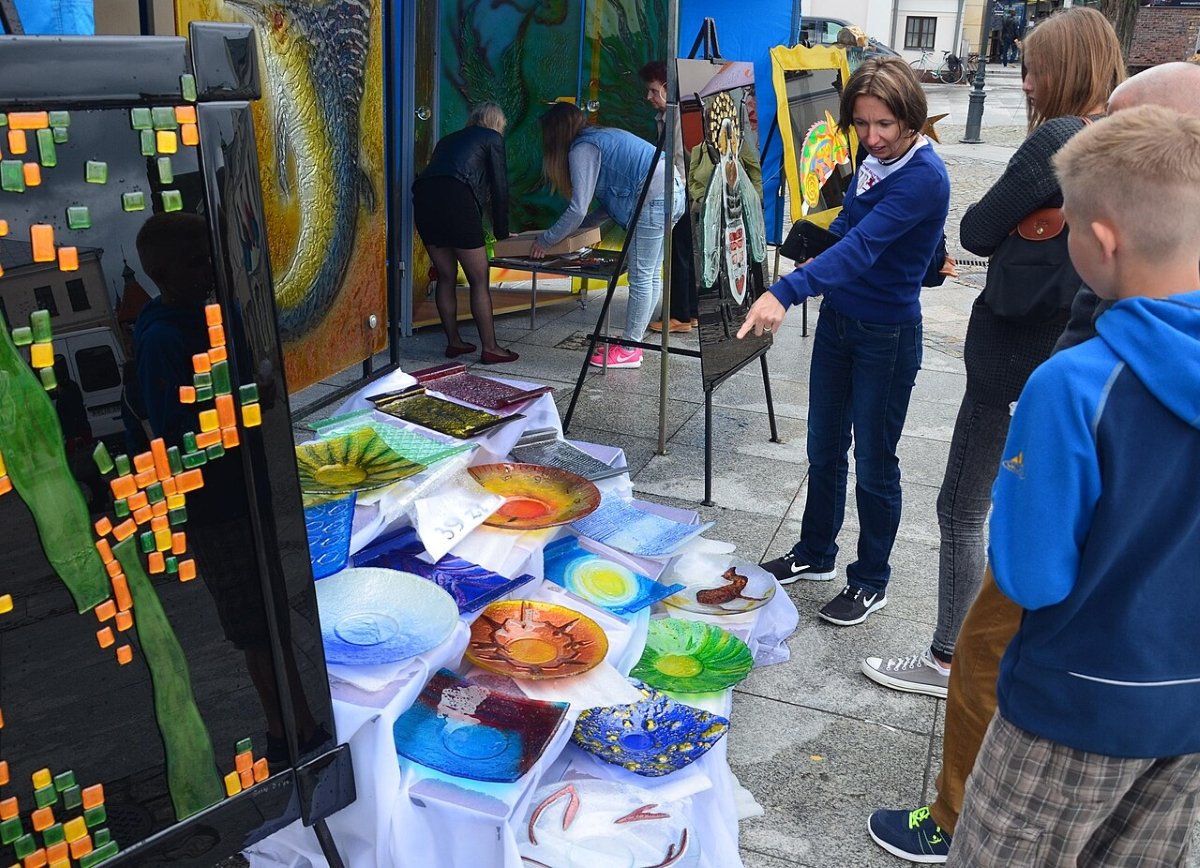
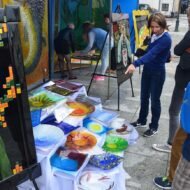
Krosno is famous for handmade glassware—visit the Glass Heritage Center and shop for beautiful pieces at factory prices. The Market Square hosts craft stalls year-round. Traditional Polish Christmas decorations and amber jewelry make great souvenirs.
Outdoor Activities
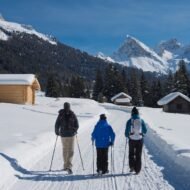
The Bieszczady Mountains (90 minutes south) offer excellent winter hiking and skiing. Closer to town, explore the wooden churches dotting the countryside—several are UNESCO World Heritage sites. Cross-country skiing is available nearby.
Budget Breakdown
- Meals: €5-12 per person
- Beer: €1.50-2.50
- Museum entries: €2-5
- Overall: Extremely budget-friendly
- Daily budget for couples: €60-100 including accommodation
Cultural Highlights & Events
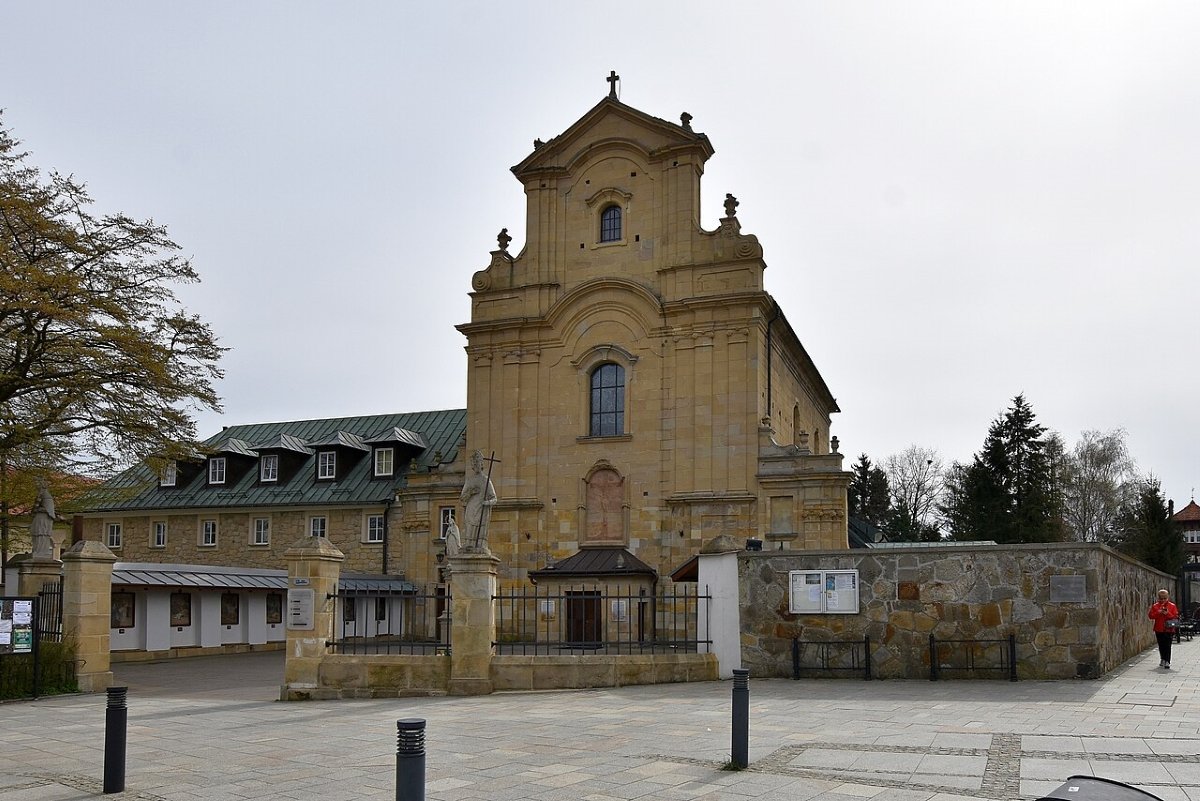
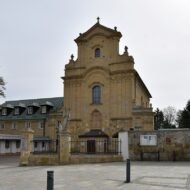
The Glass Heritage Museum showcases centuries of glassmaking. December brings the Christmas market and carol concerts in historic churches. The town’s Renaissance architecture creates perfect photo opportunities, especially the 14th-century Franciscan monastery.
Useful Info
- Getting there: 2 hours by bus from Krakow; rental car recommended for exploring
- Language: Polish (limited English, but people are incredibly helpful)
- Best months: December-January for Christmas magic; February for cheaper prices
- Local tip: Book glass-blowing workshops in advance
4. Combourg, France: Brittany’s Romantic Castle Town
History at a Glance
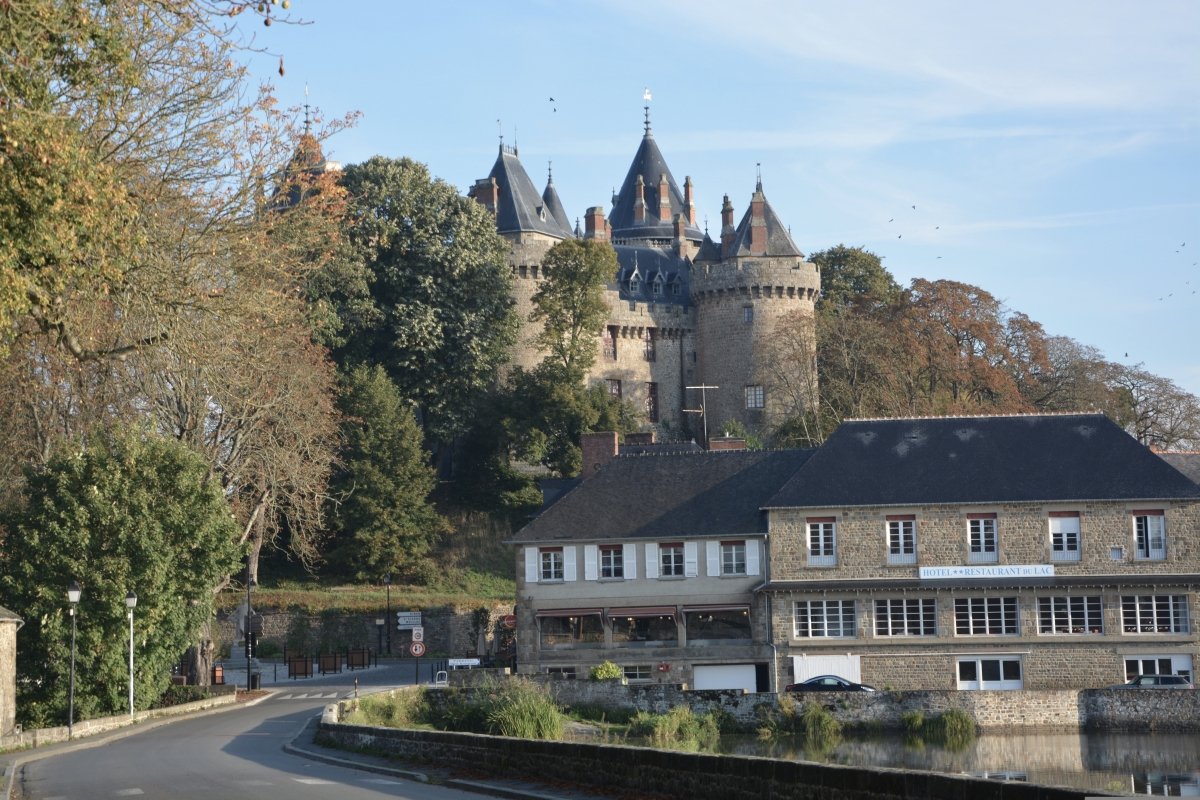
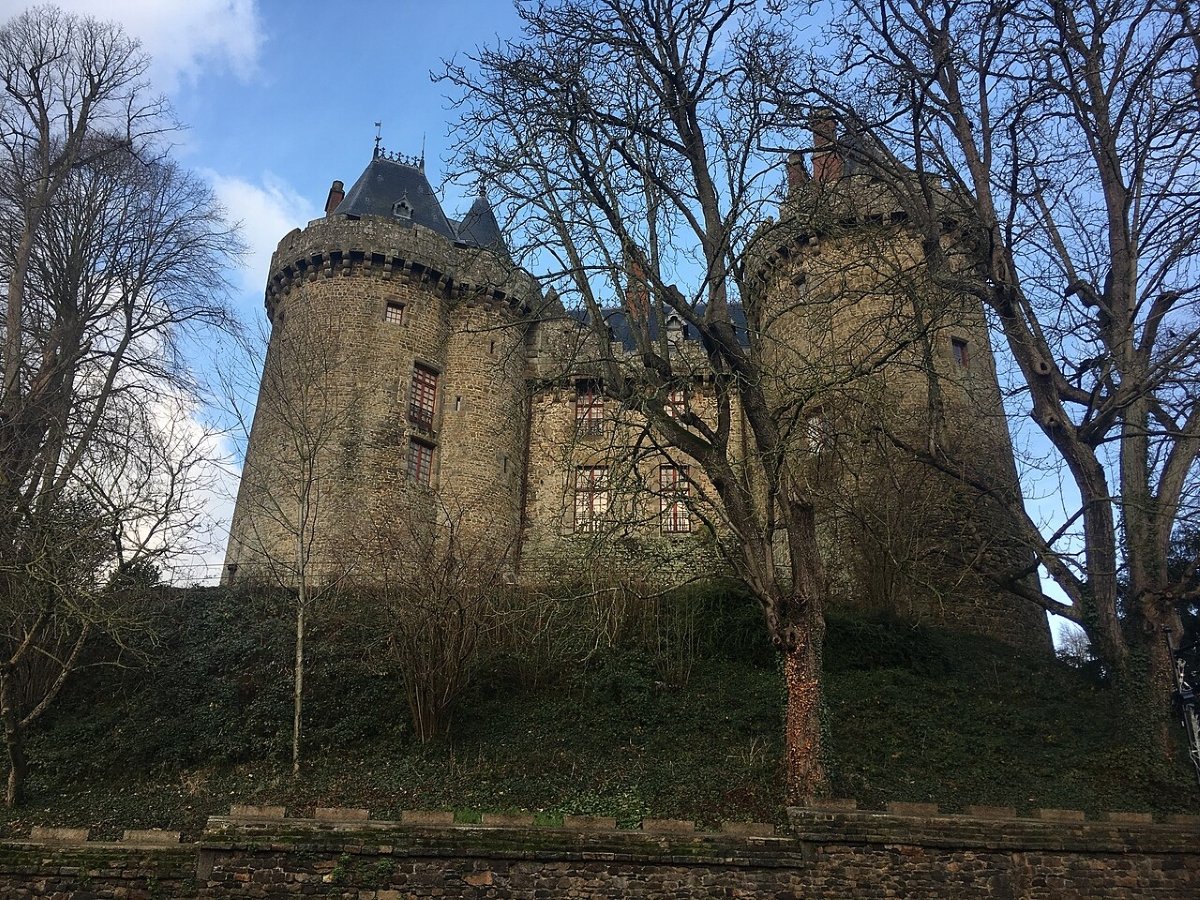
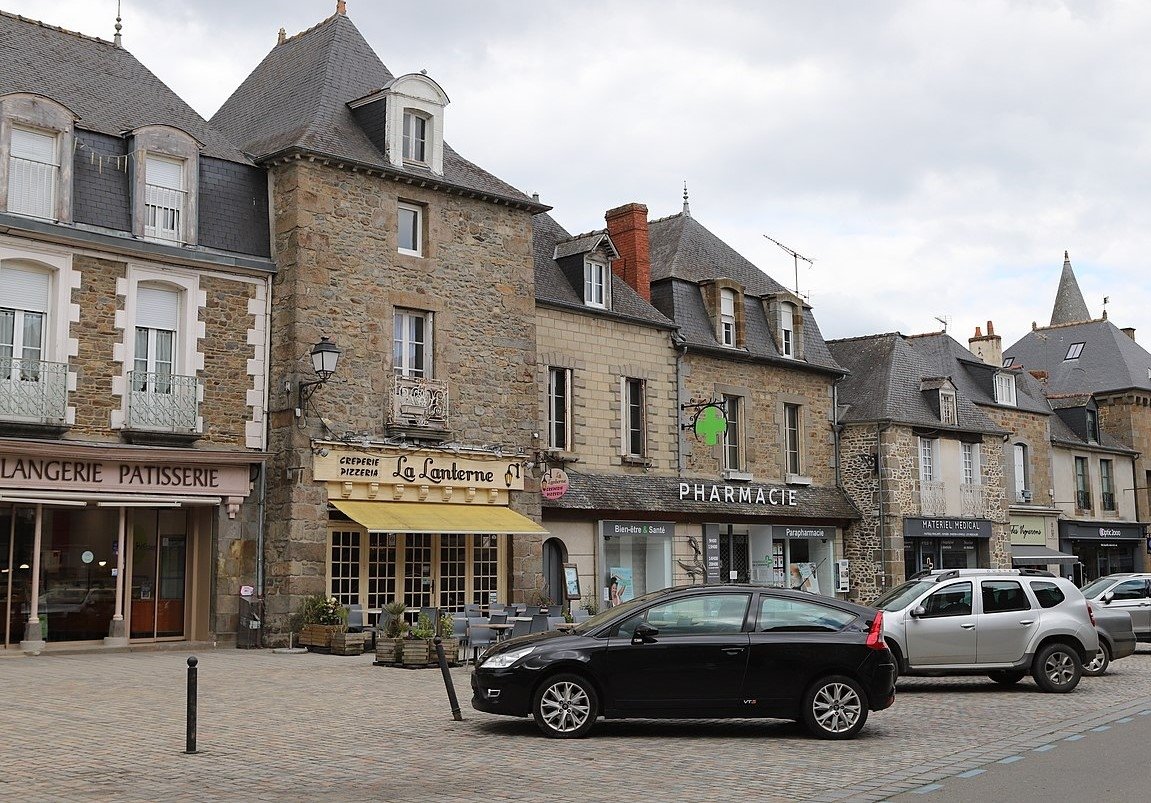
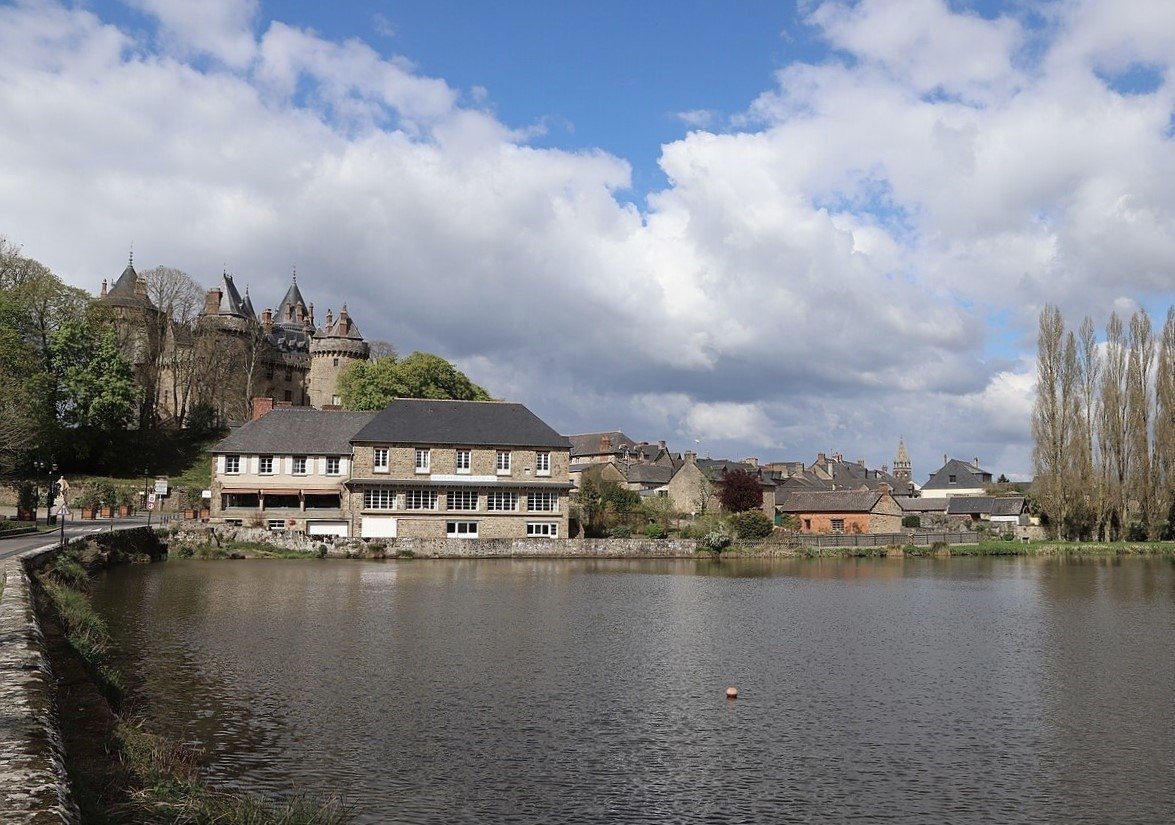
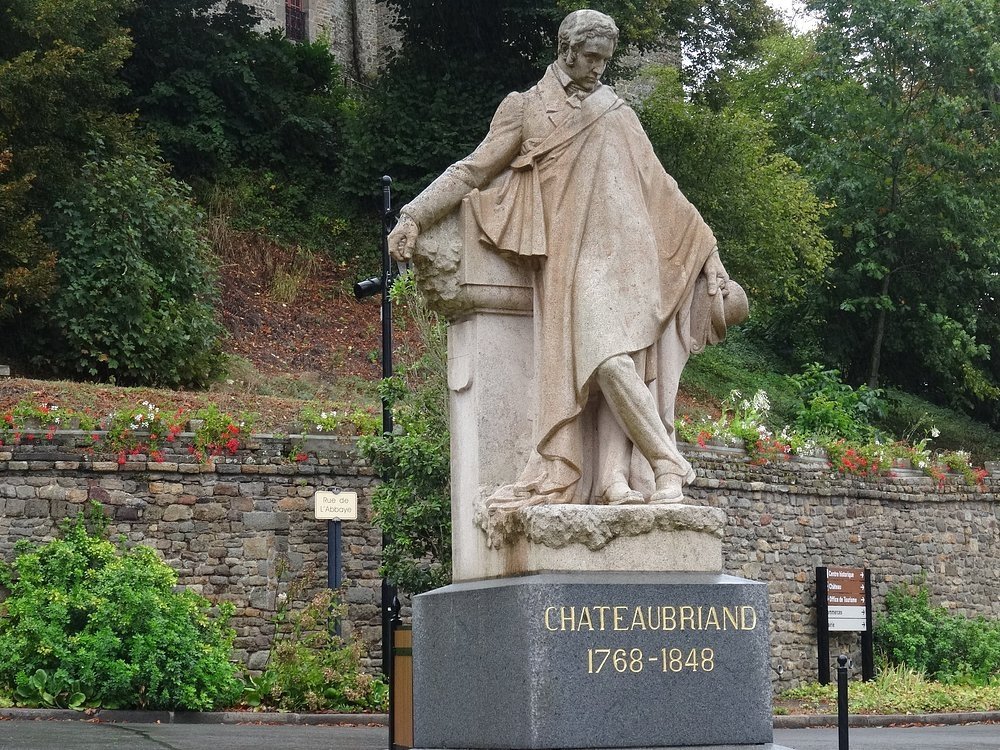
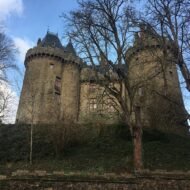
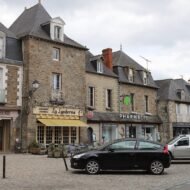
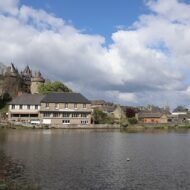
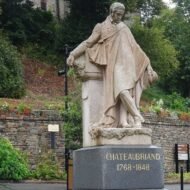
This tiny Breton town centers around a magnificent medieval castle that inspired French Romantic literature—writer Chateaubriand grew up here. With just 6,000 residents, Combourg feels like a private medieval village where locals still greet each other by name.
Why Winter Works Here
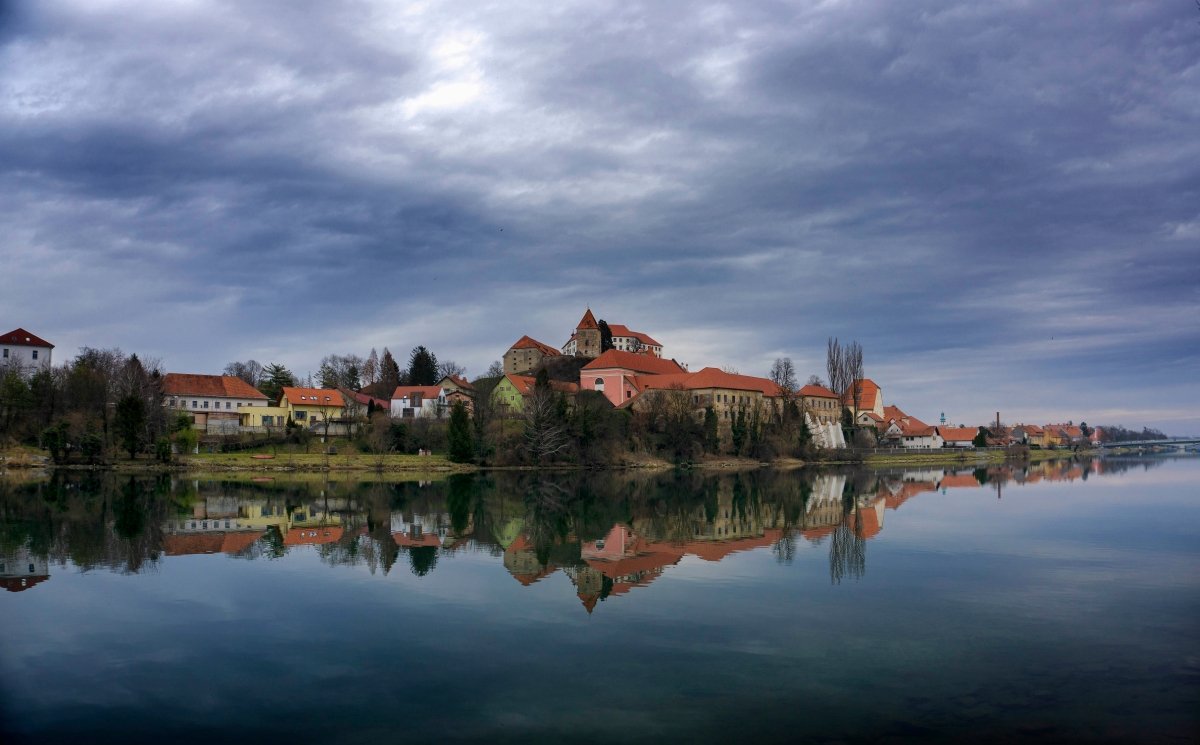
While other French towns shut down for winter, Combourg gets cozy. The castle reflected in the lake on foggy mornings is pure romance. Plus, winter means oyster season in nearby coastal towns—combine medieval charm with fresh seafood.
Accommodation Options
- Budget-friendly (€55-85/night): Hôtel du Lac or chambres d’hôtes (B&Bs) in renovated stone houses
- Mid-range (€85-130/night): Du Château—overlooks the castle and lake
- Splurge option: Rent an entire medieval cottage through local agencies (€100-150/night)
Food & Drink
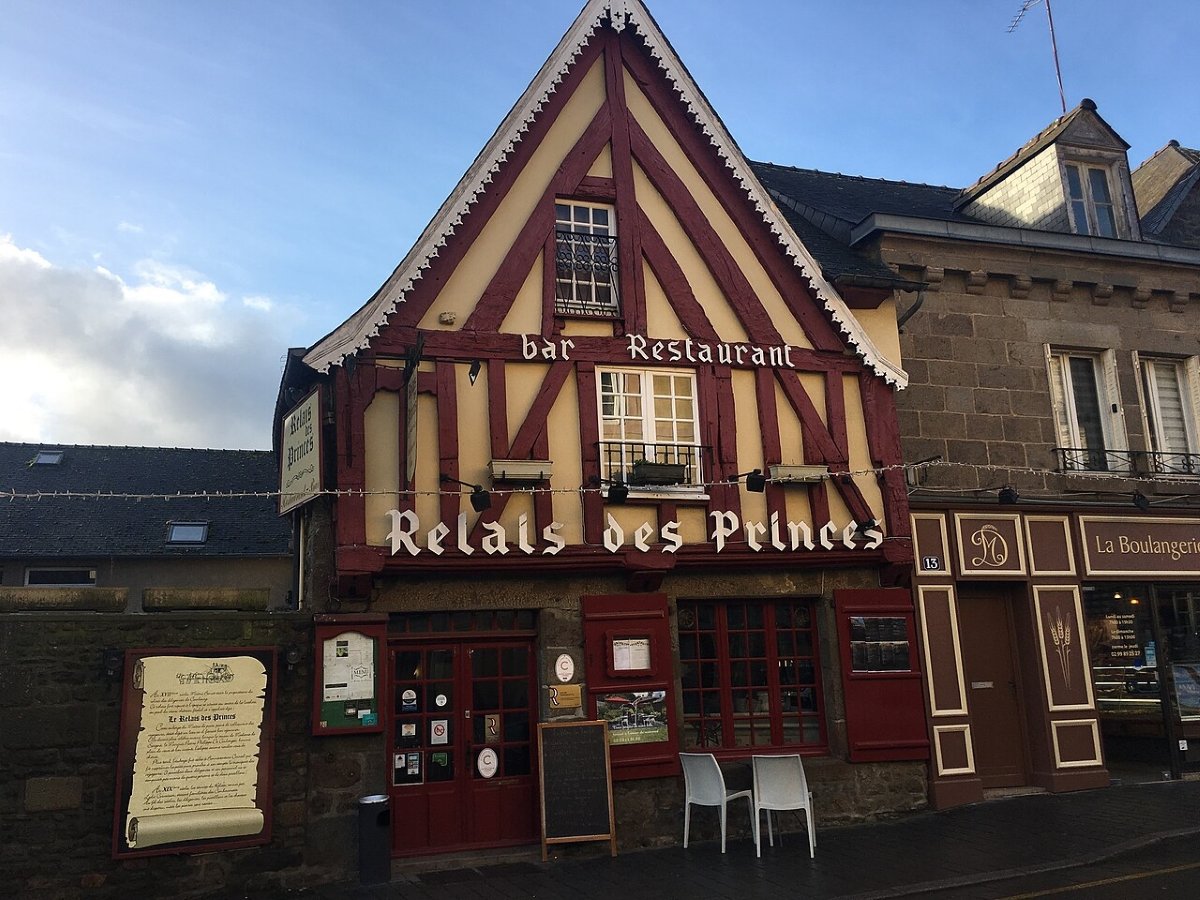
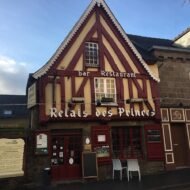
Breton cuisine is underrated. Try galettes (savory buckwheat crepes), fresh oysters from Cancale (20 minutes away), and kouign-amann (buttery pastry). Le Relais de la Diligence serves regional specialties. Pair meals with local cider—Brittany’s signature drink.
Shopping & Local Traditions
Weekly markets (Wednesday and Sunday) offer local cheeses, cider, and crafts. The area is known for traditional Breton pottery and lace. Small boutiques around the castle sell regional products and artisan goods.
Outdoor Activities
Winter walks around the lake and through nearby forests are stunning. The Brittany coast (30 minutes) offers dramatic winter seascapes—Saint-Malo and Mont-Saint-Michel make excellent day trips. No skiing nearby, but plenty of coastal hiking.
Budget Breakdown
- Meals: €12-25 per person
- Wine/cider: €3-6 per glass
- Castle entry: €6
- Overall: Mid-range for France
- Daily budget for couples: €110-160 including accommodation
Cultural Highlights & Events
Combourg Castle offers guided tours showcasing Chateaubriand’s life and medieval architecture. The town celebrates traditional Breton festivals throughout winter. January brings galette festivals. The medieval layout is perfect for atmospheric evening walks.
Useful Info
- Getting there: 40 minutes from Rennes; car recommended for exploring Brittany
- Language: French (some English in tourist areas)
- Best months: November-February for atmospheric weather; avoid July-August crowds
- Local tip: Combine with coastal day trips to Saint-Malo
5. Sibiu, Romania: Transylvania’s Winter Wonderland
History at a Glance
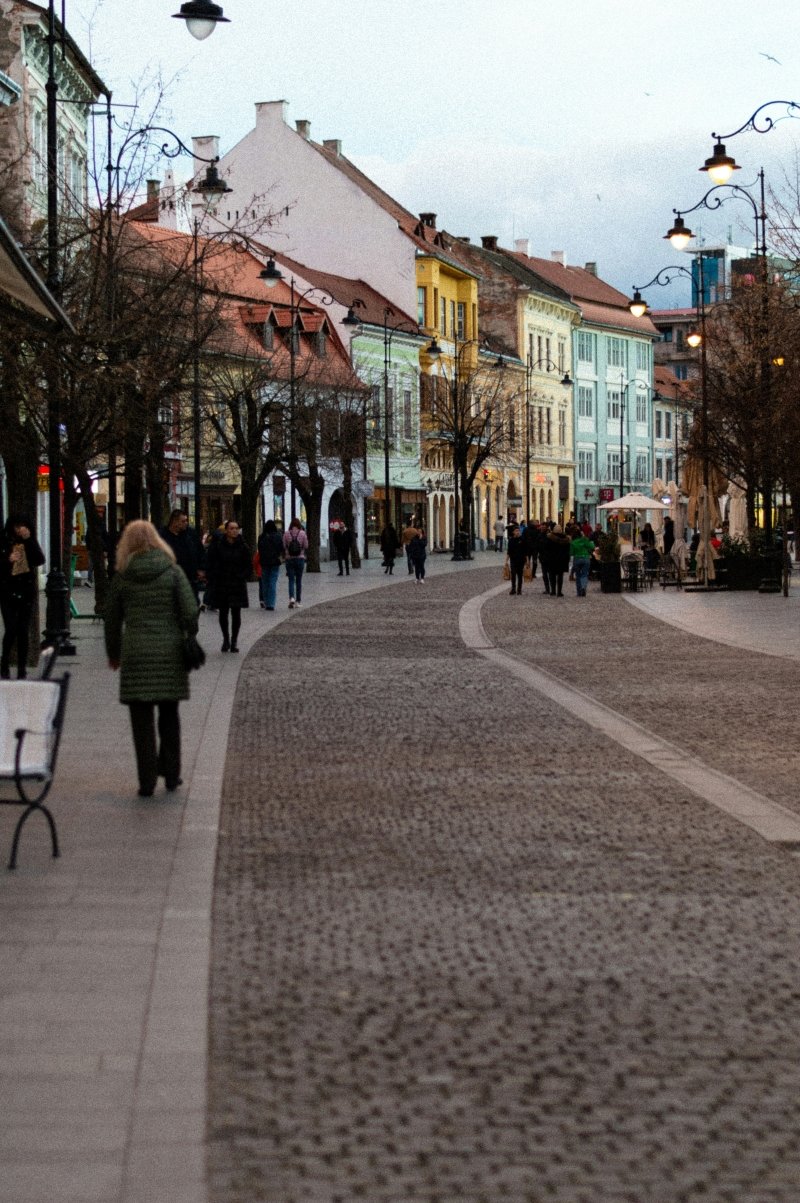
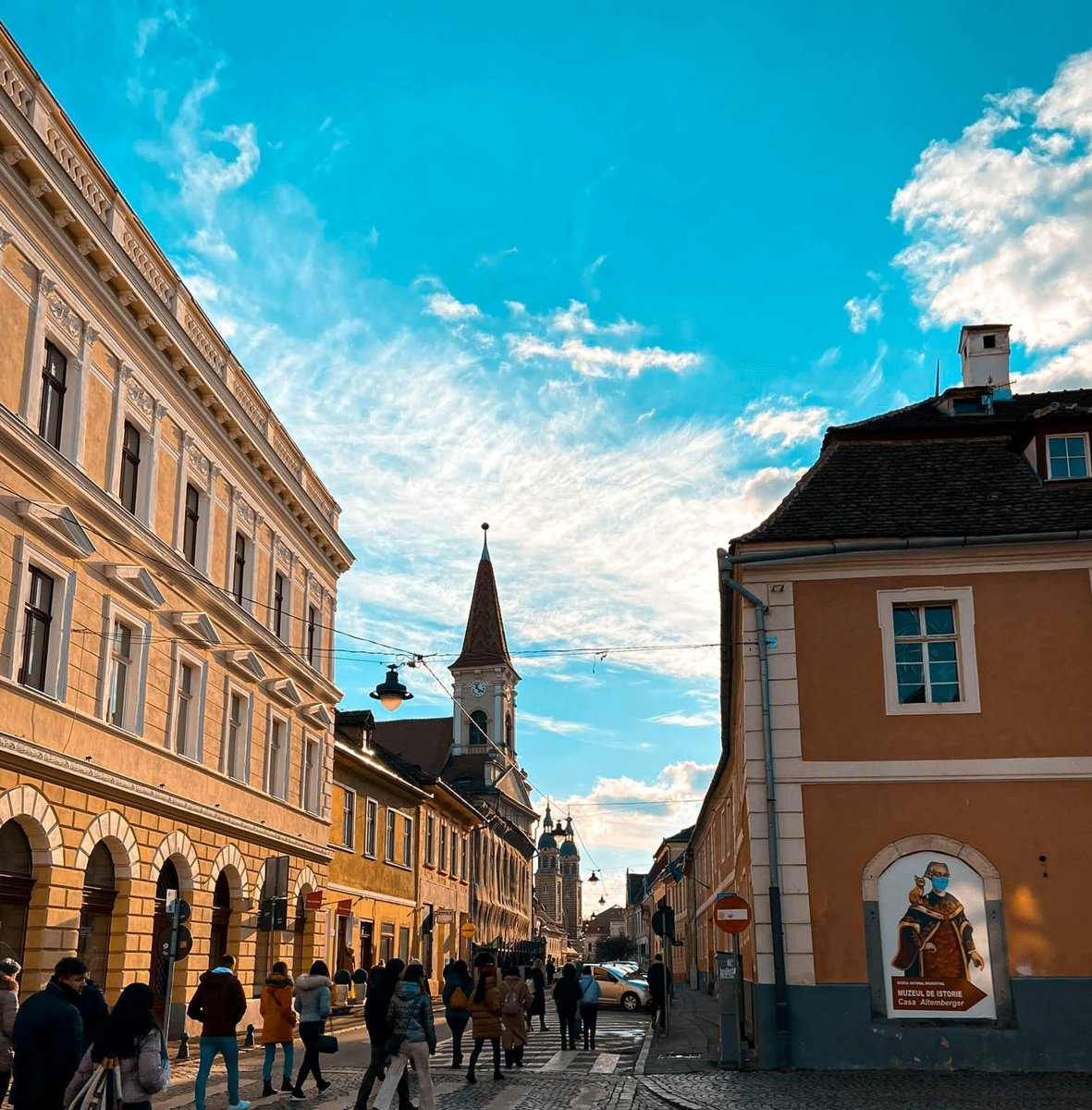
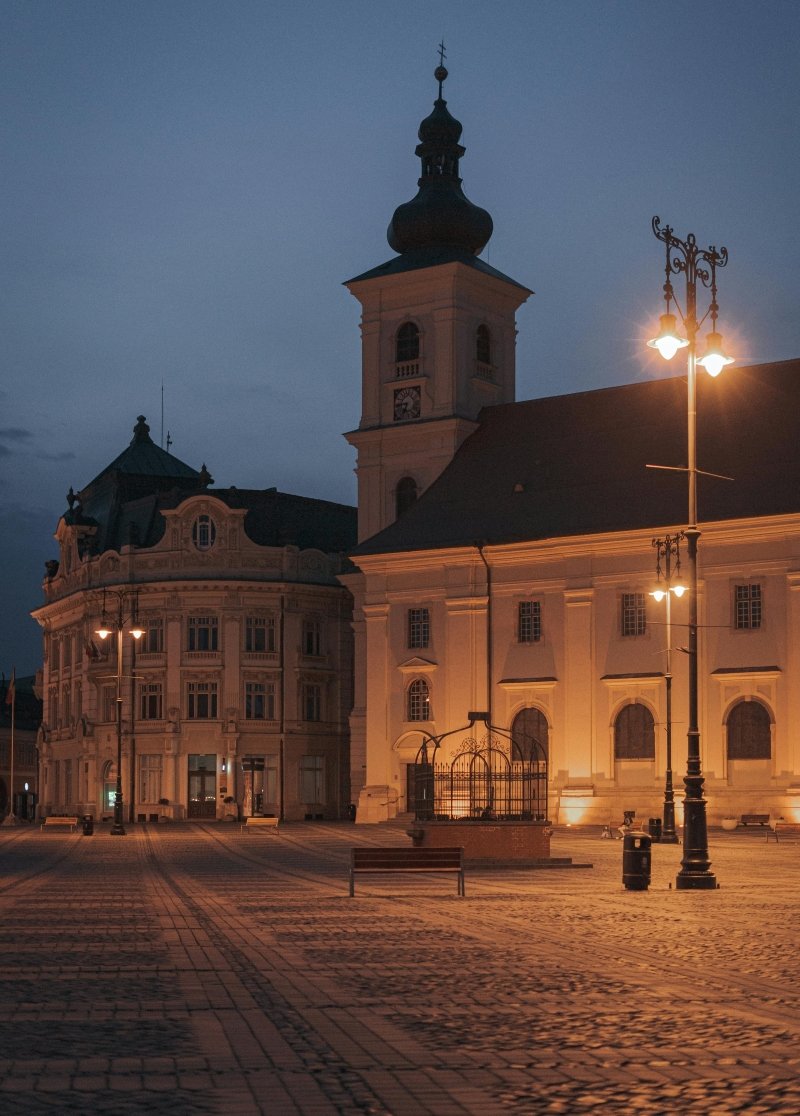
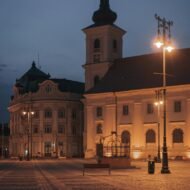
One of Transylvania’s Seven Saxon settlements, Sibiu was European Capital of Culture in 2007—and it shows. Medieval guilds built this prosperous trading city, creating the stunning Gothic and Baroque architecture you’ll explore. The “eyes of Sibiu” (roof windows) give the town a unique, slightly eerie charm.
Why Winter Works Here
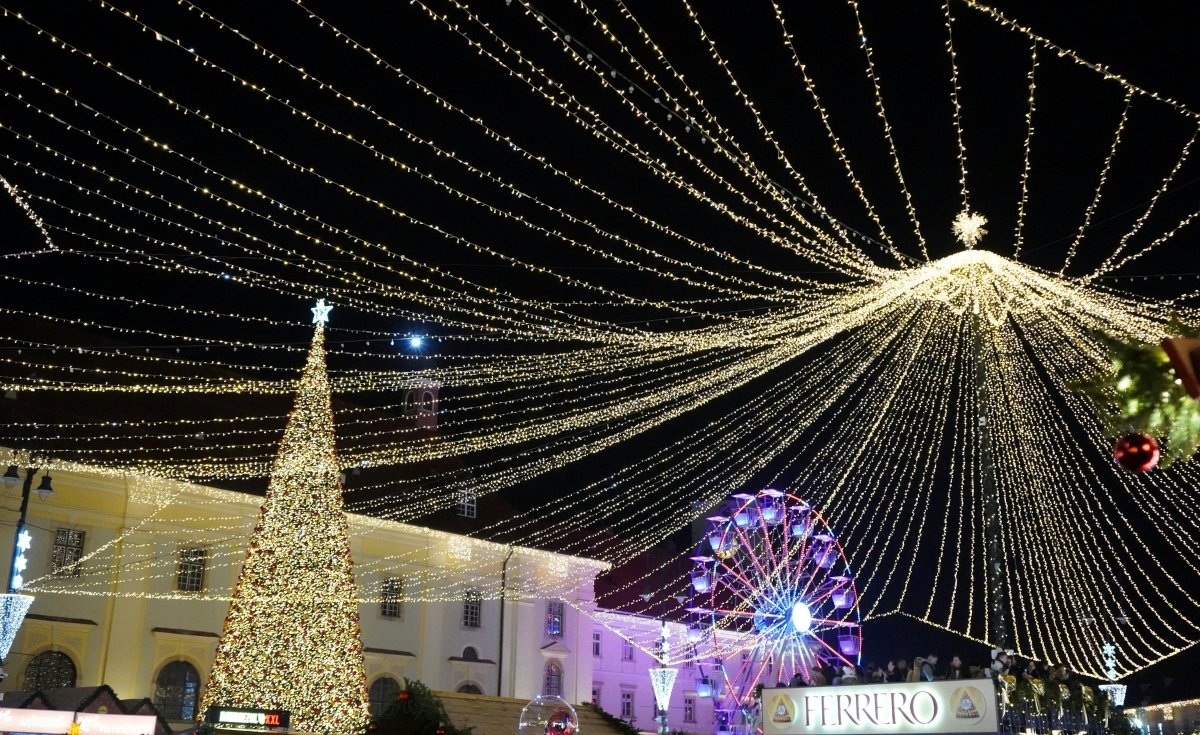
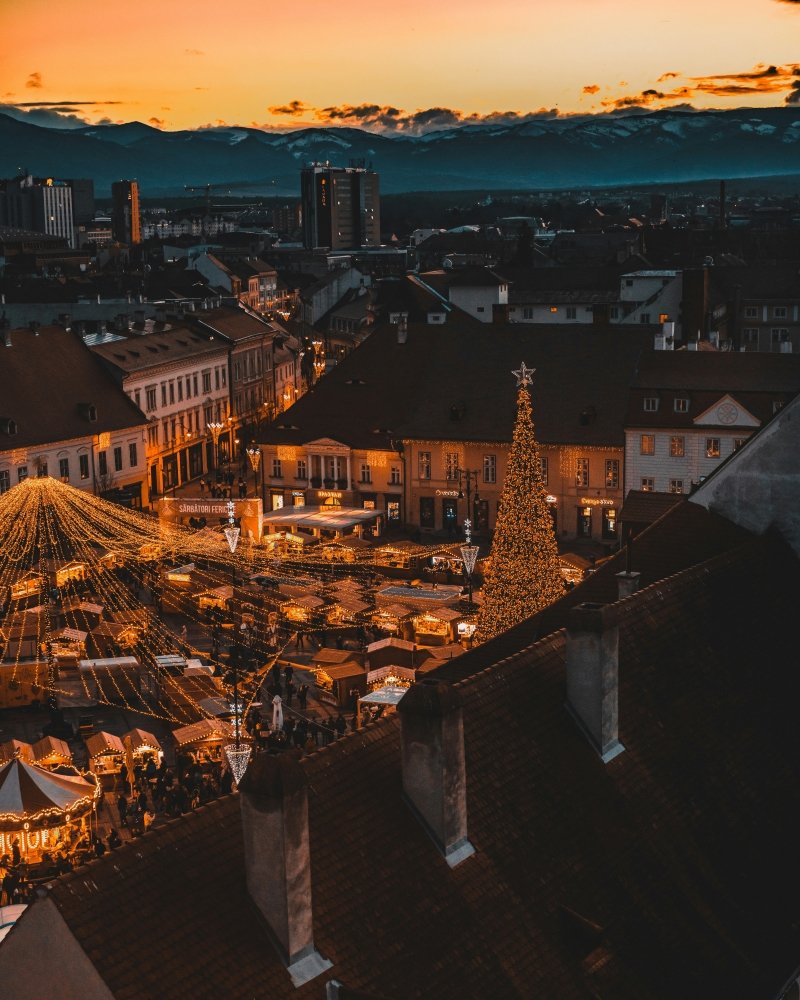
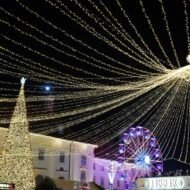
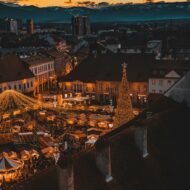
Sibiu hosts Romania’s largest Christmas market—think massive ice rink in the medieval square, traditional craftspeople selling genuine goods, and prices that’ll make you wonder if you read the menu wrong. The nearby mountains offer excellent skiing at budget prices.
Accommodation Options
- Budget-friendly (€40-70/night): Old Town Hostel (private rooms available) or Pension Ela
- Mid-range (€70-110/night): The Council or Hotel Imparatul Romanilor—historic buildings in the heart of town
- Splurge (€110-180/night): The Tower Suites—luxury apartments in the medieval center
Food & Drink
Romanian cuisine is hearty winter fuel. Try sarmale (stuffed cabbage rolls), mici (grilled meat rolls), and ciorbă (sour soup). Crama Sibiul Vechi serves traditional food in a medieval cellar. Don’t miss țuică (plum brandy) and local wines from the Transylvania region.
Shopping & Local Traditions
The Christmas market (mid-November through early January) is world-class—handmade ornaments, traditional clothing, and local delicacies. Year-round, explore craft shops selling painted eggs, traditional pottery, and wool products. The Bridge of Lies has its own romantic legend.
Outdoor Activities
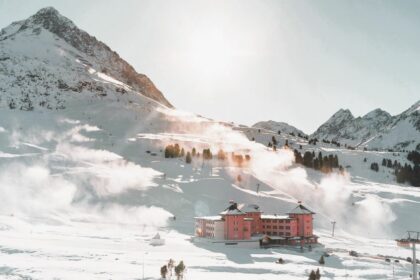
This is your skiing destination! Păltiniș (30 minutes) and Arena Platoș (20 minutes) offer affordable slopes and rentals. The Făgăraș Mountains provide stunning winter hiking. In town, walk the medieval walls and explore the fortified churches.
Budget Breakdown
- Meals: €8-18 per person
- Wine/beer: €2-4
- Museum entries: €3-6
- Ski day pass: €15-25
- Overall: Exceptional value
- Daily budget for couples: €90-140 including accommodation
Cultural Highlights & Events
The Christmas market is legendary—skating under medieval towers while traditional music plays. Visit the Brukenthal Museum (oldest in Romania), ASTRA Museum of Traditional Folk Civilization, and climb the Council Tower for panoramic views. January brings traditional caroling and winter festivals.
Useful Info
- Getting there: Direct flights to Sibiu from major European cities; 90 minutes from Cluj
- Language: Romanian (English widely spoken in tourist areas)
- Best months: December-January for Christmas markets; February for skiing deals
- Local tip: The Transfăgărășan Highway is closed in winter, but nearby drives are spectacular
Quick Recap: Choosing Your Perfect Medieval Escape
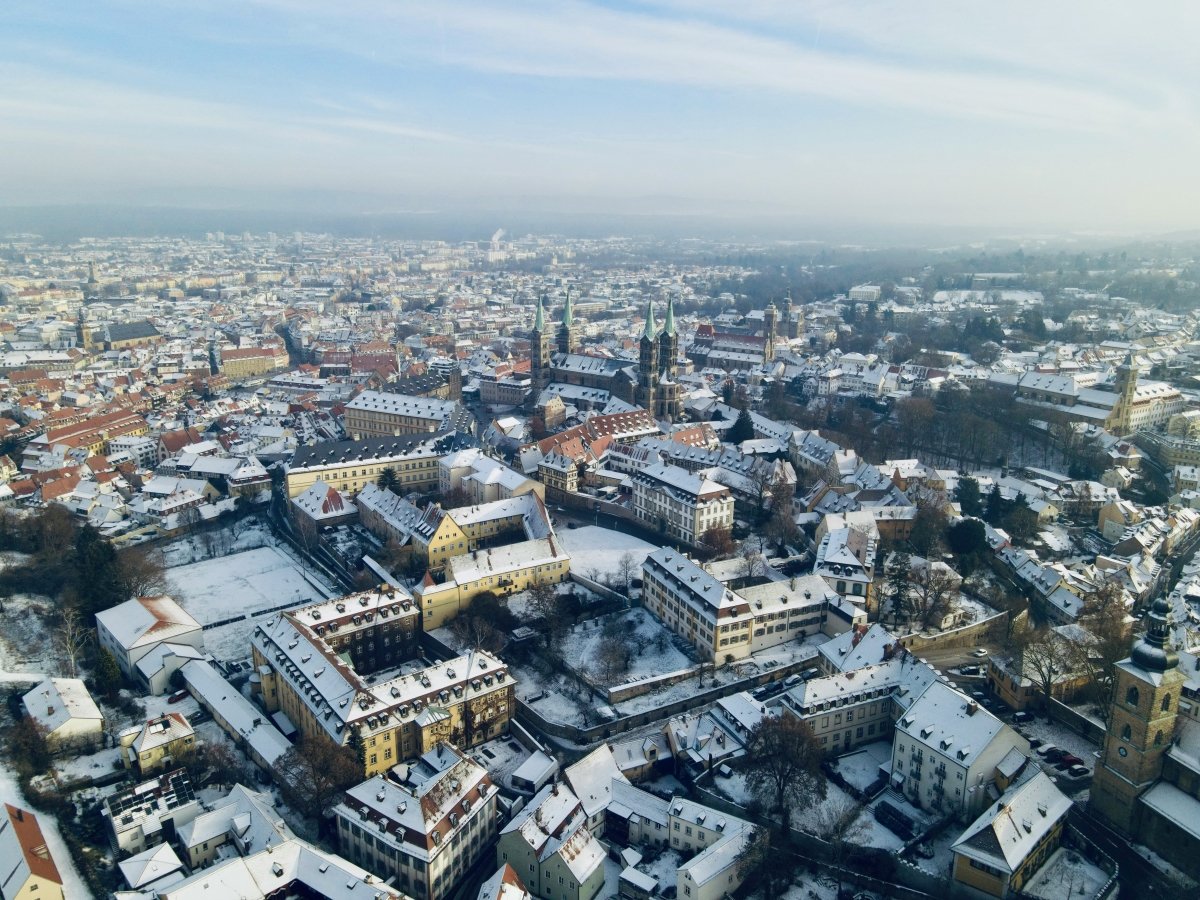
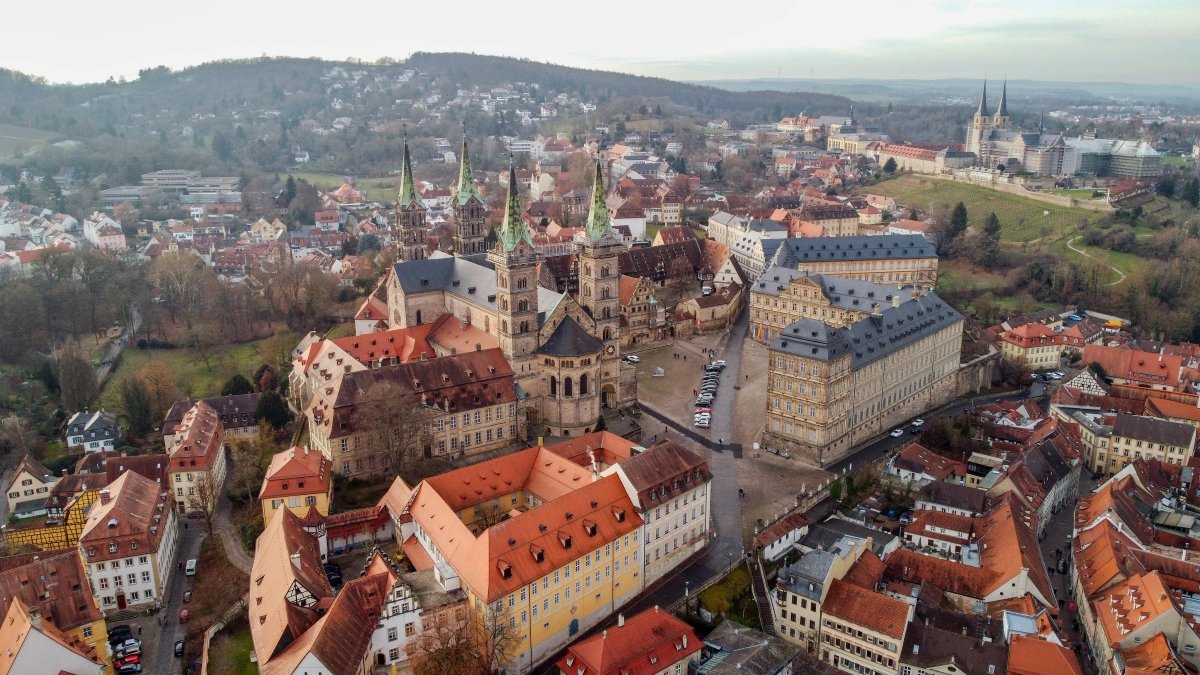
Best for beer lovers: Bamberg—nine breweries and Franconian charm
Most affordable overall: Krosno or Ptuj—Eastern European prices with Western European charm
Best Christmas market: Sibiu—massive, authentic, and stunningly located
Most romantic atmosphere: Combourg—intimate, literary, and utterly charming
Best for skiing combos: Sibiu—medieval town plus excellent affordable slopes
Most unique traditions: Ptuj—the Kurentovanje festival is unforgettable
Easiest for English speakers: Bamberg or Sibiu—more tourist infrastructure
Most off-the-beaten-path: Krosno—you’ll feel like a true explorer
Practical Planning Tips
When to book: November and early December offer better prices before Christmas market peak. January-February are most affordable but some attractions may have reduced hours.
Getting around: Rent a car for Combourg and Krosno to explore surrounding areas. The others work fine with public transport and walking.
Language considerations: Download Google Translate offline. Learn basic greetings—locals appreciate the effort, especially in Poland and Romania.
Packing essentials: Waterproof boots, layers, hand warmers, and a good camera. These towns photograph beautifully in winter.
Money matters: Carry some cash, especially in smaller towns. ATMs are available but cards aren’t accepted everywhere.
Disclaimer
This travel guide reflects conditions and prices as of late 2024/early 2025. Travel costs, accommodation availability, event schedules, and local regulations can change. Always verify current travel requirements, including visa needs and health guidelines, before booking. Prices mentioned are approximate and may vary based on season, booking timing, and exchange rates. We recommend purchasing travel insurance and confirming all details directly with accommodation providers, tour operators, and local tourism offices. Winter weather can affect accessibility—check conditions before traveling to mountainous areas. Some attractions may have reduced hours or close during off-season months.
The author has made reasonable efforts to ensure accuracy but cannot guarantee that all information remains current. This guide is for informational purposes and should not replace professional travel advice tailored to your specific circumstances.
Ready to escape the tourist crowds and discover your own fairytale winter? These five medieval gems offer everything you’re dreaming of—romance, history, authentic experiences, and memories that’ll last far longer than your Instagram stories. The only question left is: which one calls to you first?
Safe travels, and don’t forget to share your favorite hidden medieval town with us—the best destinations are the ones locals (and smart travelers like you) keep beautifully quiet.