








Europe's Best
Spring Festivals
Food fairs, folk celebrations & ancient spring revels — your definitive guide to the continent's most unmissable March–May events.
When spring arrives in Europe, it doesn't just warm the air — it lights up entire cities. Cobblestone squares fill with folk dancers. Coastal harbours burst with the smell of grilled seafood. Medieval town squares transform into open-air kitchens. From scallops on the Brittany coast to flamenco in the heat of Seville, spring 2026 is shaping up to be one of the richest festival seasons on the continent in years.
This guide covers the best food festivals, folk fairs, and spring celebrations running from March through May 2026. Whether you're building a full festival-hopping itinerary or slotting one event into a longer trip, consider this your starting point.
France's spring festival calendar reads like a love letter to regional cuisine. From the Basque Country to Brittany, specific fairs celebrate specific ingredients with an almost religious seriousness — which makes them absolutely delightful to attend.
The European heat of the world's most prestigious culinary competition. Twenty of Europe's best young chefs battle under intense, theatrical conditions in front of packed crowds. It's part cooking, part sport, part performance — and absolutely gripping if you've ever cared about food beyond the plate.
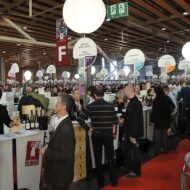
Paris's spring independent wine fair. Hundreds of small-production winemakers descend on the capital with bottles you simply cannot buy in supermarkets. You taste, you learn, you buy direct. It's one of those rare events where the crowd is as knowledgeable as the producers — come hungry and bring a trolley.
de Bayonne
The Foire au Jambon is Bayonne at its absolute best: a city-centre ham fair that turns the narrow medieval streets of the Basque capital into one enormous, delicious open market. Bayonne's signature jambon — cured in cold salt air, kissed with Espelette pepper — is the undisputed star, but you'll also find Basque cheeses, txakoli wine, and enough pintxos to fill several very happy days.
It's not just a food fair; it's a civic ritual. Locals plan their year around it. The atmosphere is warm, loud, and deeply proud — exactly what a good festival should feel like.
A proper French village food fête, dedicated entirely to the prized white asparagus of the Blayais region. Big produce market, live cooking demonstrations, and the kind of unhurried weekend vibe that feels genuinely foreign if you're used to city events. Pack a cool bag — you'll want to take some home.
Erquy is France's scallop capital, and this coastal weekend fair is where the harvest is celebrated properly — seafood stalls spilling out onto the harbour, tastings in the salty sea air, and fishing boats bobbing in the background. A remarkably authentic experience that hasn't been packaged for tourists. Yet.
Chef-driven, Michelin-starred and buzzing with media energy — Taste of Paris inside the Grand Palais Éphémère is where the city's restaurant scene puts its best foot forward. Expect pop-ups from names you've been meaning to book for months, creative food pairings, and the kind of crowd that takes their eating seriously. Tickets sell fast, so book ahead.
Spring is Spain's finest season for celebrations. The country bursts into colour with flower carpets, flamenco frills, and world-class food showcases. April in particular is unmissable.
The Feria de Abril is a spectacle unlike anything else in Europe. For a full week, a temporary fairground south of the city centre transforms into a labyrinth of over 1,000 striped canvas casetas — private tents belonging to families, peñas, and clubs — where Sevillanos eat, drink manzanilla and rebujito, and dance sevillanas from noon until 6am. For six consecutive days.
The horses and carriages, the polka-dot dresses, the spontaneous flamenco — it's equal parts tradition and total joy. While many casetas are private, local neighbourhoods and the city of Seville operate open public tents, and the fairground midway and bullfighting events are publicly accessible throughout the week.
Spain's flagship premium food showcase is a paradise for anyone serious about PDO products, artisan producers, and fine food innovation. Jamón ibérico, aged cheeses, boutique olive oils, craft preserves — all under one roof in Madrid. Open to trade and public alike, it's one of the best single-day food experiences in Europe.
Italy practically invented the food festival — called a sagra — and spring sees them bloom across every region. Couple that with the world's greatest wine fair in Verona and you have a near-perfect culinary travel season.
Italy's benchmark wine fair is the most important week in the Italian wine calendar. Thousands of producers from every region — Barolo to Nero d'Avola — pack the Verona exhibition centre, while the city itself erupts into "Vinitaly and the City," a parallel programme of free tastings, street events, and wine bars that lets even casual visitors get in on the action.
Come for the wines, stay for Verona — one of northern Italy's most beautiful small cities, and a perfect base for a Veneto wine road trip before or after the fair.
A tiny hilltop village in the stunning Crete Senesi landscape stages one of Tuscany's most charming spring sagras. The star is the local artichoke, served every which way — grilled, fried, stuffed, braised — against a backdrop of rolling ochre hills. This is precisely the kind of unscripted, local celebration that travel writers build entire books around.
Milan's biennial international food show is a window into where European eating is headed — new formats, packaging innovation, export-ready products from across the continent. Less rustic sagra, more forward-looking food industry. A must for food entrepreneurs, restaurateurs, and genuinely curious eaters.
Europe's folk heritage runs deepest in spring. Long before food fairs and music festivals, communities across the continent built rituals around the end of winter — driving away evil spirits, celebrating fertility, welcoming warmth back into the land. Many of these traditions survive today in remarkably intact forms.
The Swiss Chalandamarz in March, Slovenia's medieval St. George's Fair in April, and Switzerland's Gruyères Cheese Festival in May all sit in the overlooked middle ground between tourist trap and genuine living tradition. They're quieter, cheaper, and often more memorable than their famous counterparts.
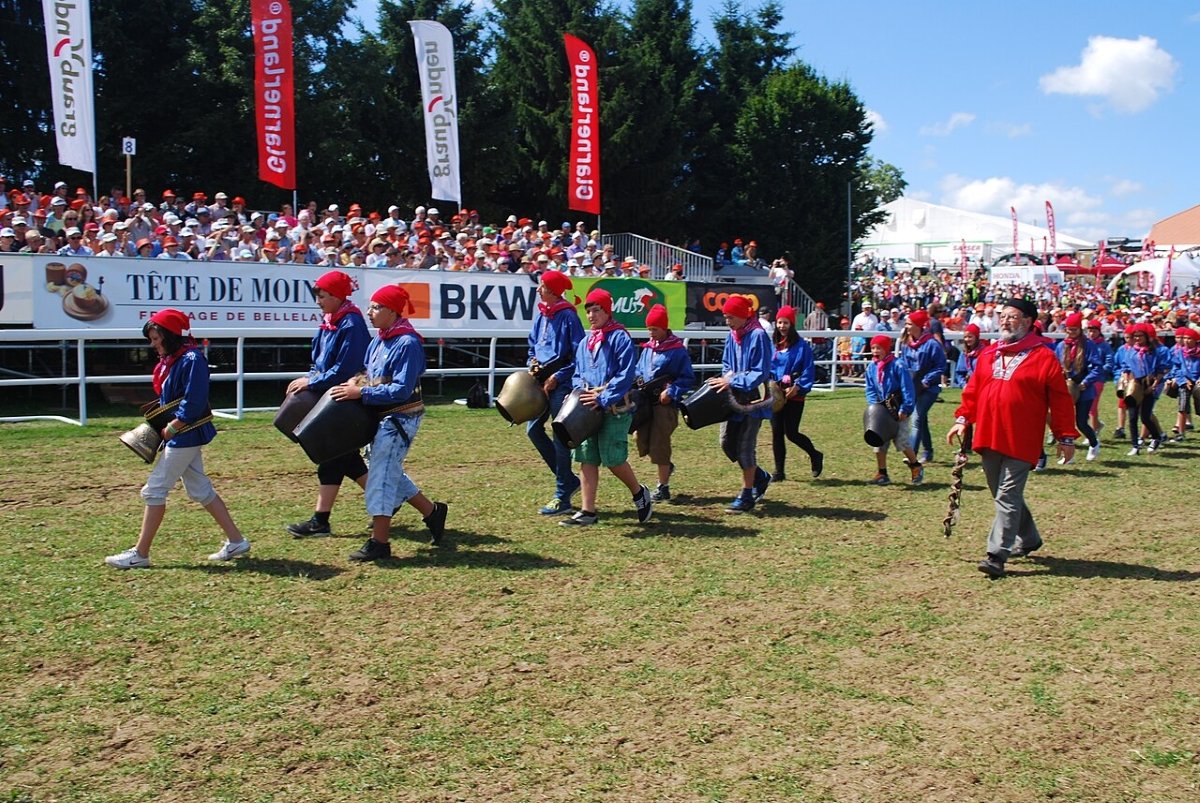
One of Europe's most quietly extraordinary folk traditions. On the first of March, children and young people in the Romansh-speaking valleys of the Engadin parade through villages in colourful costumes, ringing enormous cowbells and cracking long whips to drive away winter's evil spirits. Songs in the ancient Romansh language ring through mountain air. It's been happening in some form for centuries — and it still feels like it means something.
The medieval town of Gruyères — already one of the most photogenic small towns in Europe — comes entirely alive on this spring Sunday. Cheese-making demonstrations in the open air, AOP Gruyère tastings at every turn, artisan stalls and folk music echoing off the old stone walls. This is Switzerland at its most charming, and the cheese genuinely doesn't get better than this.
Ptuj is Slovenia's oldest city, and its St. George's Fair brings the Middle Ages genuinely back to life. Craft stalls, folk musicians, artisans demonstrating traditional skills, and the kind of local food vendors who've been making the same recipe for three generations. It celebrates the arrival of warmer days with the kind of community spirit that bigger, more famous festivals have long since lost.
Technically in the French Vendée, but celebrating a fish that defines Iberian coastal life — the sardine. This multi-day festival welcomes the return of the sardine season with grilled fish events, foodie trails, guided tastings, and a genuine sense of maritime celebration. A beautiful excuse to visit this underrated stretch of Atlantic coast.
Also watch: Lisbon's Festa de Santo António (June, not quite spring but worth planning around) brings the whole city out into the streets of Alfama for grilled sardines, folk music and paper garlands. If your trip extends into early June, don't miss it.
Not a food festival — but worth mentioning as a spring anchor event. The Prague Marathon's course runs through Old Town Square, across the Charles Bridge, and along the Vltava River in a setting that's as close to a guided sightseeing tour as running gets. The festival atmosphere surrounding it, with street food, live music, and the whole city energised, makes it one of the best urban spring events in Europe.
For over 70 years, the world's finest symphony orchestras and soloists have come to Prague each spring for this legendary music festival — which has remarkably survived decades of political upheaval to remain one of Europe's top classical events. If you're in the city in late May, catching a concert in one of Prague's extraordinary baroque halls should be top of the list.
A few practical notes to make your spring festival trip smoother, cheaper, and more rewarding.
Accommodation near festival towns gets snapped up fast — especially for major events like Feria de Abril or Vinitaly. For Seville's fair, book 3–4 months ahead minimum. For France's village fairs, a few weeks is usually fine.
Apps like Trainline, SNCF Connect, and Omio make it easy to chain multiple festival destinations in a single trip. Bayonne → San Sebastián → Seville is an easy food-focused spring route, for instance.
Spring timing varies across Europe. Brittany's seafood fairs peak in April. Italian sagras hit their stride late April through May. Swiss alpine festivals are often May, when snow is still visible on the peaks.
Most village fairs and folk festivals are entirely free. Even Vinitaly has city-wide "and the City" events that don't require a fair pass. Budget for food and wine, not necessarily tickets.
Seriously. If you're heading to cheese festivals, wine fairs, or charcuterie markets, an insulated bag for the journey home is one of the best travel investments you'll ever make.
Southern Europe in April is warm and glorious. Switzerland in March can still be alpine-cold. Brittany in April is unpredictable. Layer up and always pack a compact rain layer — especially for coastal events.
The Recap
Your at-a-glance guide to every festival in this article
Spring 2026 is, by any measure, an exceptional time to be in Europe. The big-ticket events — Vinitaly, Feria de Abril, Taste of Paris — are world-class for a reason. But some of the most memorable experiences on this list are the ones almost nobody outside the region knows about: a hilltop Tuscan artichoke sagra, a Breton scallop harbour fair, a Romansh valley ringing with cowbells on the first day of March.
The best travel advice for any festival trip: don't just plan the headline event. Look at what's happening in the surrounding region on the same weekend. Europe's spring calendar rewards the curious.
Now: pick your month, pick your region, and go eat something extraordinary.


