







TL;DR: Europe’s best winter and spring food festivals , From truffle hunting in Italy to chocolate orgies in Belgium, Europe’s winter and spring food festivals are where authentic flavors meet wild celebrations. We’ve mapped out the continent’s most delicious events (January-May 2026) so you can eat, drink, and travel your way through the season like a true food lover.
- Why Winter & Spring Are Actually Peak Food Festival Season in Europe
- January: Start the Year Deliciously
- February: Love, Chocolate, and Citrus
- Festa del Cioccolato (Chocolate Festival) – Various Italian Cities
- Fête du Citron (Lemon Festival) – Menton, France
- March: Truffle Season Peaks & Spring Awakens
- Fiera del Tartufo Nero (Black Truffle Fair) – Norcia, Italy
- Dublin Bay Prawn Festival – Howth, Ireland
- April: Spring Produce Takes Center Stage
- May: Everything’s in Season
- Mostra Mercato del Tartufo Bianchetto – San Miniato, Italy
- Foire aux Fromages et aux Vins (Cheese & Wine Fair) – Montbrison, France
- Fiesta de la Alcachofa (Artichoke Festival) – Benicàssim, Spain
- Practical Planning Tips for Food Festival Hoppers
- Creating Your Perfect Festival Route
- The Italian Truffle Trail (10 days)
- The Atlantic Flavor Route (7-10 days)
- The Mediterranean Spring Circuit (2 weeks)
- The Budget-Friendly Eastern Europe Food Trail
- Beyond the Big Festivals: Hidden Gems
- Food Festival Etiquette: Don’t Be That Tourist
- Sustainable Festival Attendance
- Special Dietary Considerations
- Weather & What to Pack
- Connecting With Locals & Making the Most of Your Visit
- After the Festival: Bringing Flavors Home
- Budget Breakdown: What to Actually Expect to Spend
- Budget Festival Weekend (per person)
- Mid-Range Festival Weekend (per person)
- Luxury Festival Experience (per person)
- The Real Value Beyond the Price Tag
- Recap: Your Festival Season Game Plan
- Disclaimer
Why Winter & Spring Are Actually Peak Food Festival Season in Europe
Forget summer. While everyone’s chasing beach vibes, the real food action happens when Europe gets cozy. Winter and spring festivals celebrate everything from harvest preserves to fresh spring produce, and the vibe? Way more intimate than those packed summer crowds.
Plus, flights are cheaper, accommodations don’t require a second mortgage, and you’ll actually meet locals instead of just other tourists.
January: Start the Year Deliciously
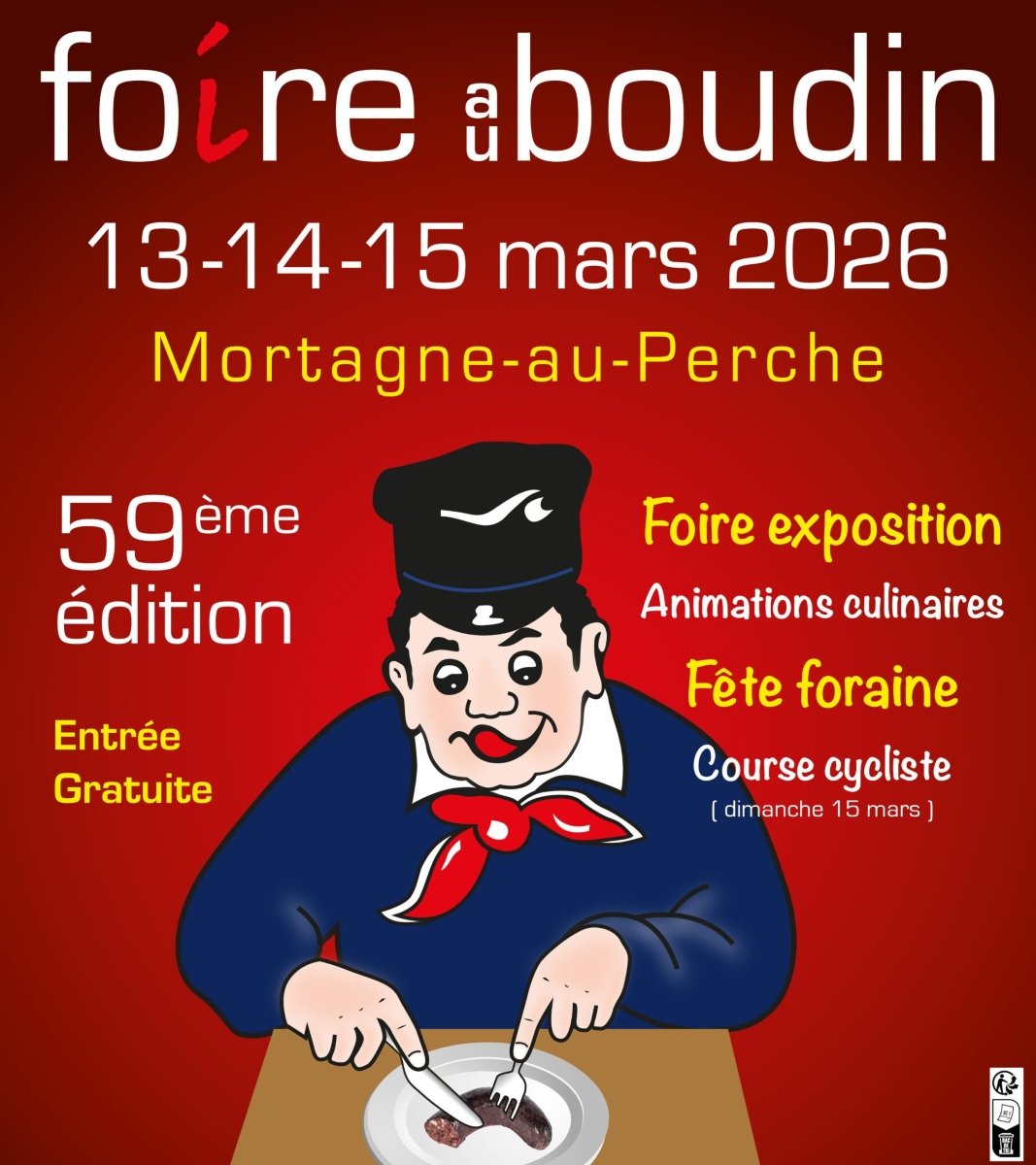
Foire au Boudin (Black Pudding Fair) – Mortagne-au-Perche, France
When: Mid-March (traditionally third weekend)
This isn’t your average sausage fest. The French town of Mortagne-au-Perche goes absolutely wild for boudin noir (black pudding), with over 30 tons consumed during the three-day celebration. You’ll find everything from traditional blood sausage to experimental flavors that’ll make adventurous eaters very happy.
Don’t miss: The International Black Pudding Championship where chefs compete for the coveted title. Yes, it’s as intense as it sounds.
Budget tip: Street stalls offer generous tastings for €3-5, saving you from pricey sit-down meals.
February: Love, Chocolate, and Citrus
Festa del Cioccolato (Chocolate Festival) – Various Italian Cities
When: Rotating schedule, February-March
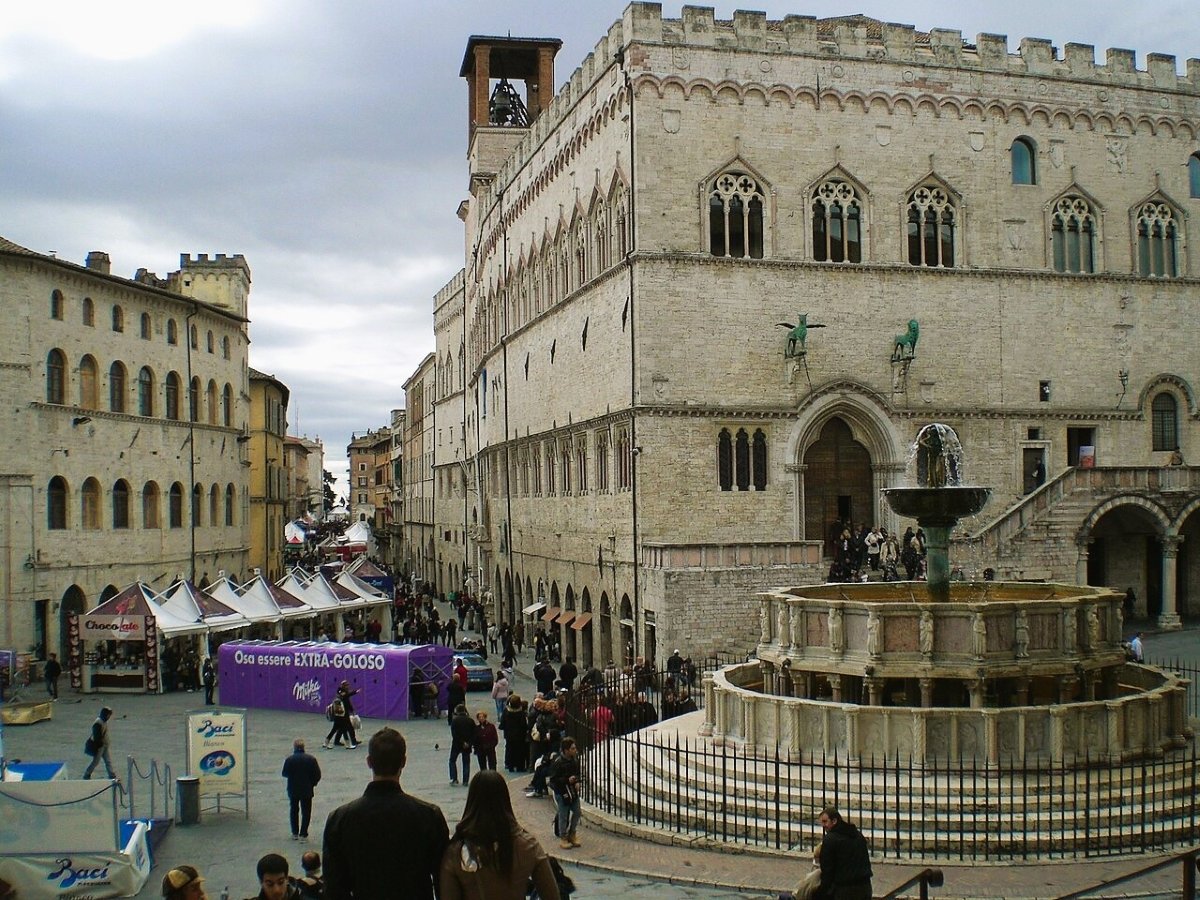
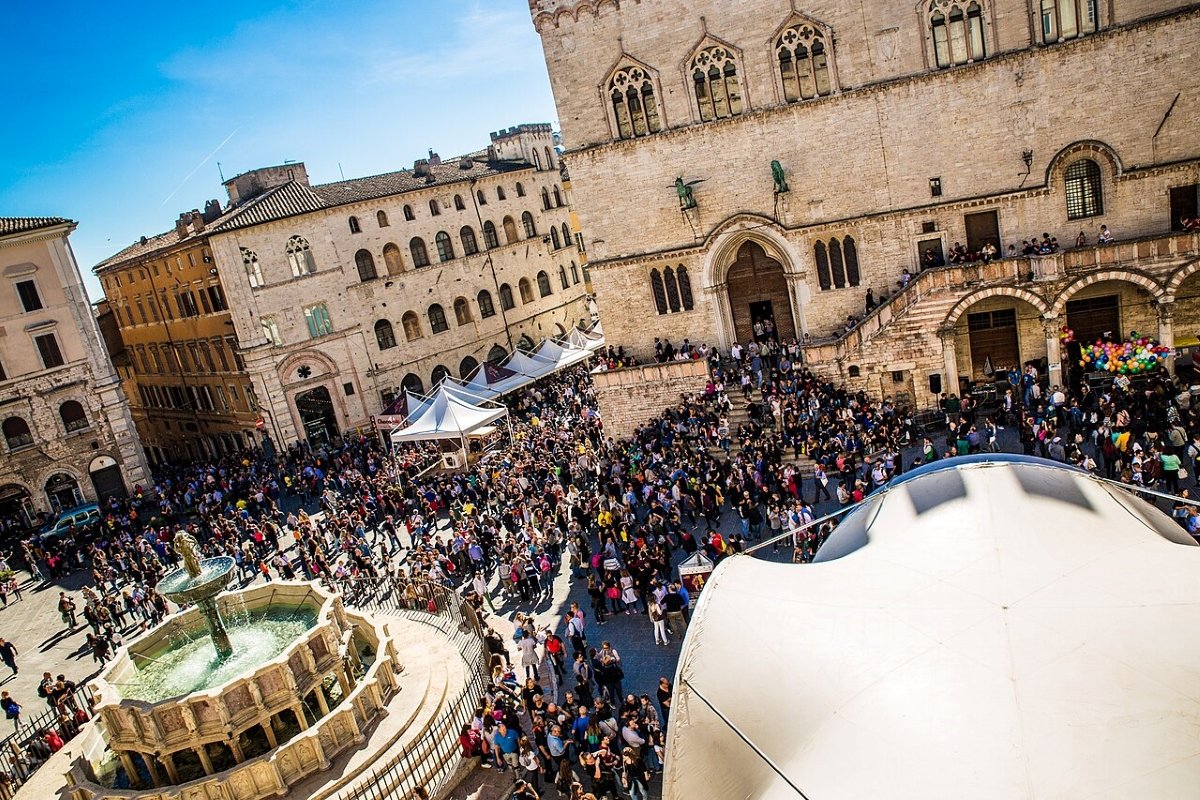
Italy’s chocolate festivals pop up across different cities throughout late winter. Florence, Perugia, and Turin host some of the biggest celebrations where master chocolatiers showcase everything from classic gianduja to avant-garde creations.
Insider move: Hit Perugia’s EuroChocolate winter edition for serious chocolate education workshops. You’ll learn tempering techniques and flavor pairing that’ll impress literally everyone back home.
Fête du Citron (Lemon Festival) – Menton, France
When: February 15 – March 5, 2026
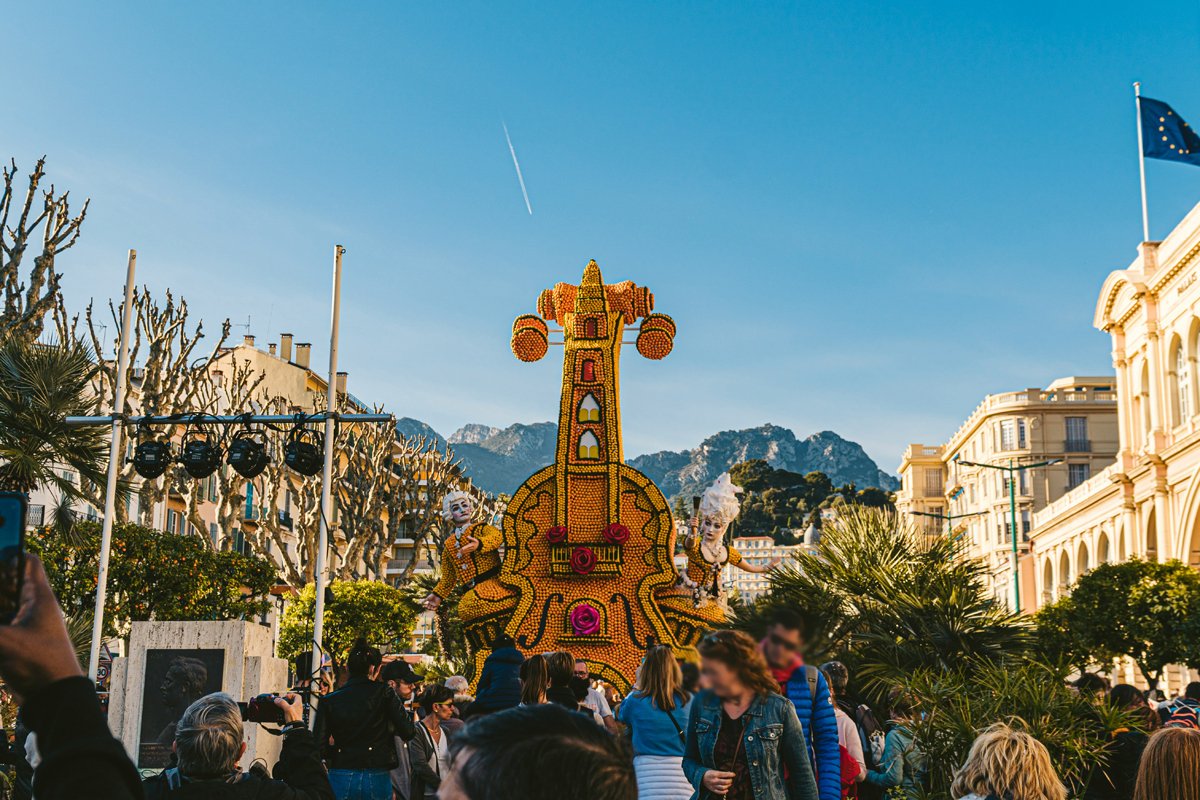
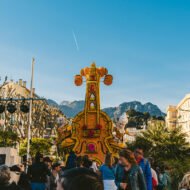
The French Riviera’s Menton turns into a citrus wonderland with massive sculptures made entirely from lemons and oranges. We’re talking 140+ tons of citrus fruits crafted into elaborate displays that smell incredible and look like something from a fever dream.
Real talk: Go midweek to avoid weekend crowds. The citrus gardens are way more enjoyable when you’re not shoulder-to-shoulder with tour groups.
Pro tip: Local producers sell citrus products (jams, liqueurs, oils) at serious discounts compared to fancy shops in Nice or Monaco.
March: Truffle Season Peaks & Spring Awakens
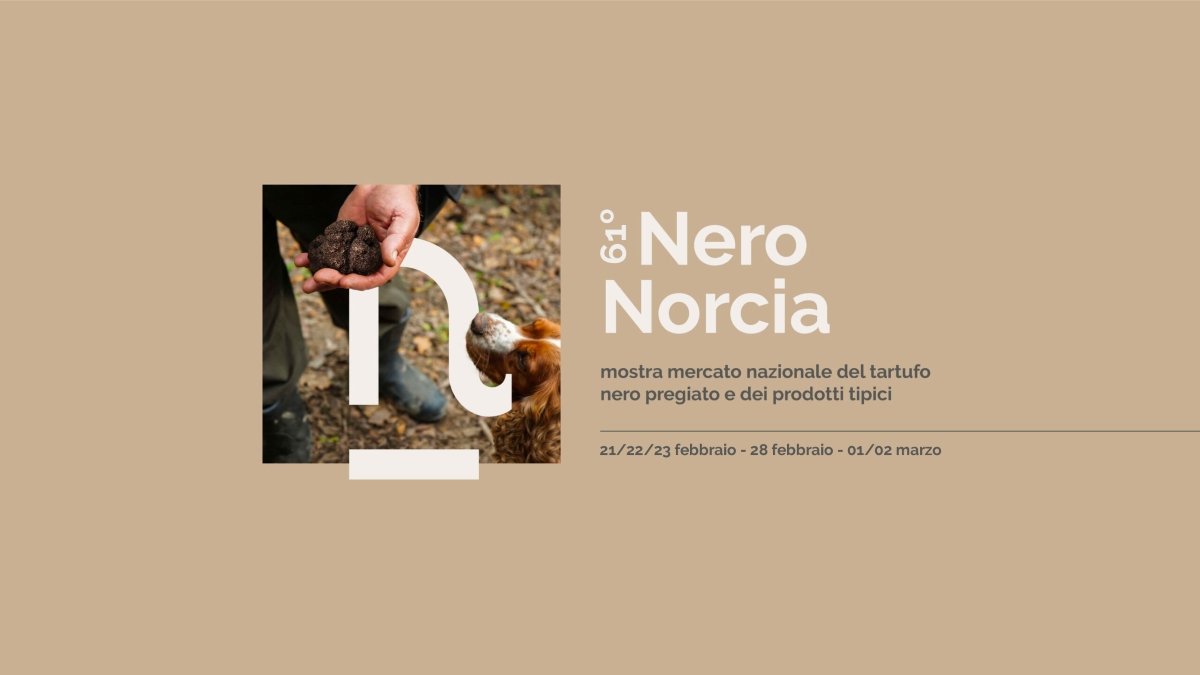
Fiera del Tartufo Nero (Black Truffle Fair) – Norcia, Italy
When: Late February through early March
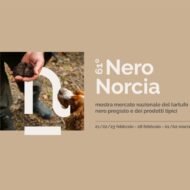
Norcia is truffle central, and this festival celebrates the prized black truffle with the reverence it deserves. You’ll find truffle hunting demonstrations, cooking classes, and vendors selling everything from fresh truffles to truffle-infused honey, cheese, and salami.
Game changer: Book a truffle hunting experience with local hunters and their trained dogs. It’s genuinely magical watching these pups work, and you’ll gain serious appreciation for why truffles cost what they do.
Where to stay: Agriturismo options nearby offer authentic farm experiences and often include truffle-based meals.
Dublin Bay Prawn Festival – Howth, Ireland
When: Late March/Early April
This fishing village outside Dublin throws a seriously fun celebration of langoustines (what they call Dublin Bay Prawns). The festival includes cooking demonstrations, seafood markets, and waterfront restaurants offering special tasting menus.
Local secret: Hit the fish market early morning (around 8 AM) when boats come in. You can buy incredibly fresh seafood directly from fishers at prices that’ll make you want to ship it home.
April: Spring Produce Takes Center Stage
Feria del Espárrago (Asparagus Fair) – Tudela, Spain
When: Last weekend of April
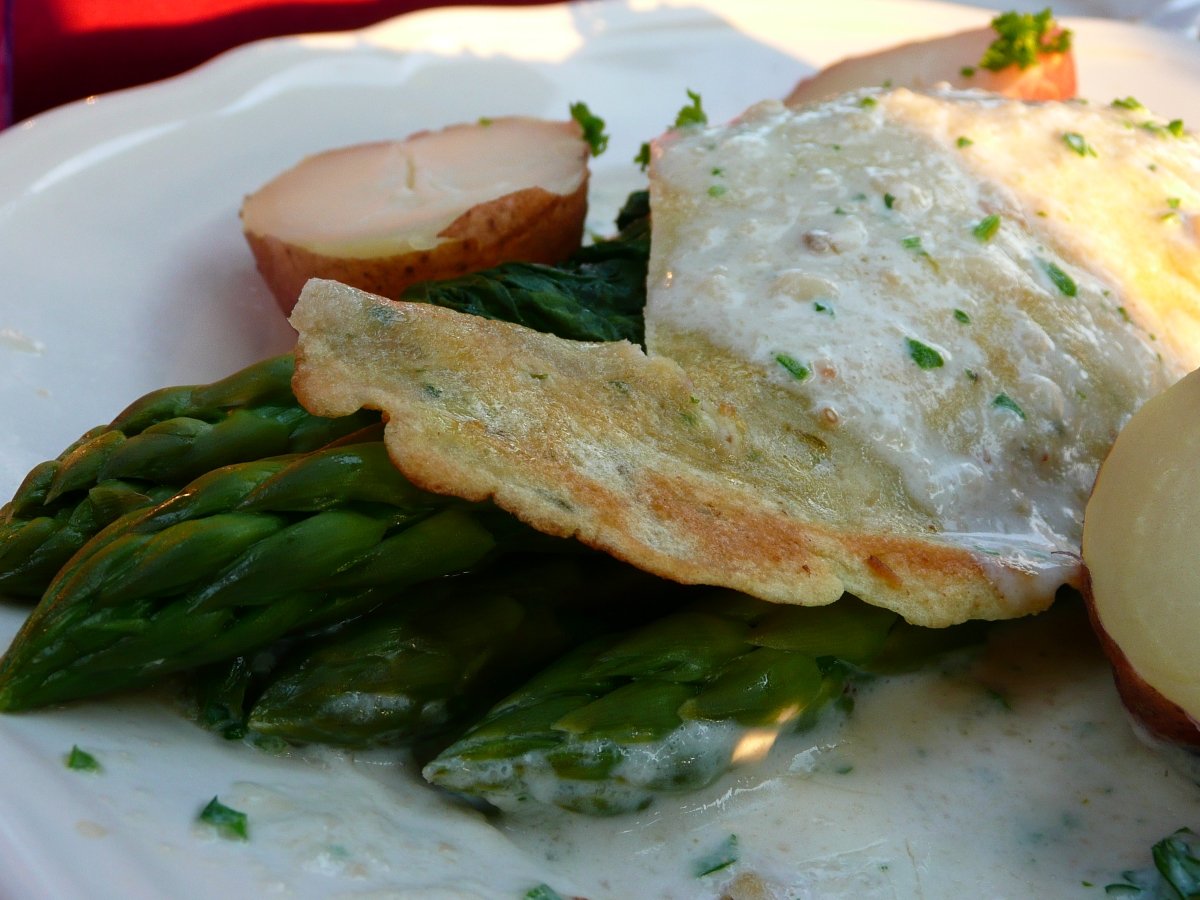
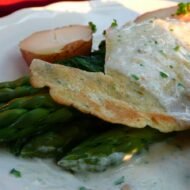
Tudela’s white asparagus is legendary in Spain, and this festival proves why. The town goes all-in celebrating this spring vegetable with tastings, cooking competitions, and traditional recipes passed down through generations.
Must try: Menestra de verduras (spring vegetable stew) and asparagus prepared a la navarra style with egg and vinaigrette.
Cultural bonus: The fair coincides with other spring festivities, so you’ll experience authentic Spanish celebration culture beyond just the food.
Cheese Festival – Bra, Italy
When: Mid-September (biennial, next in 2025, but regional cheese events happen year-round)
While Bra’s massive event is biennial, smaller cheese festivals pop up across Italian regions every spring. Piedmont, Lombardy, and Emilia-Romagna host incredible local celebrations where you can taste cheeses you’ll literally never find outside Italy.
Strategy: Visit small mountain towns in these regions during April-May. Many host weekend cheese festivals that are totally authentic and tourist-free.
May: Everything’s in Season
Mostra Mercato del Tartufo Bianchetto – San Miniato, Italy
When: March weekends
San Miniato celebrates the “little white truffle” (bianchetto) before the area gets crazy busy with autumn’s white truffle season. This spring truffle is more affordable but still incredibly flavorful, making it perfect for actually cooking with instead of just shaving sparingly.
Why it matters: You’ll experience truffle culture without the insane autumn crowds and prices. Plus, Tuscany in spring? Absolutely gorgeous.
Foire aux Fromages et aux Vins (Cheese & Wine Fair) – Montbrison, France
When: Early May
The Loire region celebrates the perfect pairing with this festival showcasing local cheeses and wines. It’s smaller and less touristy than major wine festivals, which means better access to producers and more genuine conversations about their craft.
Wine lover tip: The Loire produces incredible lesser-known wines (Sancerre, Muscadet, Chinon) that pair beautifully with regional cheeses but cost way less than Bordeaux or Burgundy.
Fiesta de la Alcachofa (Artichoke Festival) – Benicàssim, Spain
When: Late January/Early February
Spain’s Costa del Azahar goes wild for artichokes during this festival that celebrates the region’s prized crop. You’ll find creative artichoke preparations you never imagined possible, from artichoke rice to artichoke desserts (yes, really).
Beach bonus: Unlike summer festivals, you’ll enjoy Mediterranean coastal vibes without the oppressive heat or crowds.
Practical Planning Tips for Food Festival Hoppers
Transportation Strategy
Train travel is your best friend for festival hopping. Europe’s rail network connects most festival locations, and you’ll save money on car rentals and parking headaches. Consider a Eurail pass if you’re hitting multiple countries.
Budget airlines work great for longer jumps (like Ireland to Italy), but factor in airport transfer time and costs.
Accommodation Hacks
- Book agritourismo or rural B&Bs near Italian festivals for authentic experiences and often incredible home-cooked meals
- Use Airbnb Experiences to find local food tours that complement festival visits
- Stay in the next town over from major festivals to avoid price gouging while still being close enough for easy access
Festival Survival Guide
- Bring cash: Many small vendors don’t accept cards, and ATMs get drained during festivals
- Arrive hungry: This sounds obvious, but seriously pace yourself. You want room for all the tastings
- Pack light snacks and water: Festival food is rich; you’ll want palate cleansers
- Wear comfortable shoes: You’ll be walking and standing way more than you think
- Learn basic food terms in the local language – vendors appreciate the effort and you’ll get better recommendations
Money-Saving Moves
- Free tastings are abundant if you’re friendly and curious with vendors
- Share dishes with travel companions to try more variety
- Hit markets early for best selection and sometimes better prices
- Lunch specials at local restaurants during festivals often feature signature dishes at lower prices than dinner
Health & Safety
- Pace your alcohol consumption – many festivals involve wine, beer, or spirits alongside food
- Be mindful of food allergies – language barriers can complicate ingredient questions, so carry translation cards if needed
- Trust your gut (literally) – if something looks or smells off, skip it
- Stay hydrated – between rich foods and potentially walking around all day, water is essential
Creating Your Perfect Festival Route
The Italian Truffle Trail (10 days)
Norcia → San Miniato → Alba area → Piedmont cheese villages Best for: Truffle obsessives and serious foodies willing to splurge a bit
The Atlantic Flavor Route (7-10 days)
Dublin/Howth → Brittany oyster festivals → Loire Valley cheese & wine → Basque Country Best for: Seafood lovers and those wanting coastal scenery with their festivals
The Mediterranean Spring Circuit (2 weeks)
Benicàssim → Tudela → French Riviera (Menton) → Tuscan cheese festivals → Croatian wine events Best for: Spring weather chasers and those wanting diverse experiences
The Budget-Friendly Eastern Europe Food Trail
Poland (pierogi festivals) → Hungary (sausage festivals) → Romania (traditional markets) → Bulgaria (rose & food festivals) Best for: Budget travelers wanting authentic experiences off the beaten path
Beyond the Big Festivals: Hidden Gems
Weekly Markets Worth Planning Around
- Rialto Market, Venice (daily except Sundays) – arrives early for seafood straight from lagoon boats
- Porta Palazzo, Turin (daily) – Europe’s largest open-air market, insane variety
- Naschmarkt, Vienna (Mon-Sat) – incredible international foods alongside Austrian classics
- La Boqueria, Barcelona (Mon-Sat) – yes, it’s touristy, but go early before cruise ship crowds
Seasonal Harvests to Catch
- Wild garlic season (March-May) – Germany, Austria, Switzerland host foraging festivals
- Strawberry festivals (May-June) – Throughout France, Spain, Belgium
- Cherry blossom & cherry festivals (April-May) – Germany’s cherry regions celebrate blossoms and fruit
Food Festival Etiquette: Don’t Be That Tourist
Do:
- Ask vendors about their products – they’re usually passionate and love sharing knowledge
- Try things you’ve never heard of – that’s literally the point
- Respect local dining times and customs
- Support small producers by buying products to take home
- Tip performers and street musicians at festivals
Don’t:
- Touch food without permission or without purchasing
- Block vendor stalls while taking photos
- Expect everyone to speak English (learn basics in local language)
- Get aggressively drunk – these are community celebrations, not spring break
- Skip meals before going – you’ll make poor decisions and overspend
Sustainable Festival Attendance
Making Responsible Choices
- Bring reusable containers for samples and purchases when possible
- Support organic and traditional producers over industrial vendors
- Use public transportation to reach festivals
- Minimize food waste – only take samples you’ll actually finish
- Shop local – buy festival products from actual producers, not resellers
Supporting Local Communities
- Eat at family-run restaurants before and after festivals
- Book locally-owned accommodations rather than international chains
- Participate in workshops and classes offered by artisans
- Buy directly from farmers and producers rather than just sampling free food
Special Dietary Considerations
Vegetarian & Vegan Options
European food festivals are traditionally heavy on meat, cheese, and seafood, but things are changing. Larger festivals increasingly offer plant-based options, especially in Western Europe. However, smaller regional festivals might have limited choices.
Strategy: Research beforehand, contact organizers about dietary options, and learn how to explain your dietary needs in the local language.
Gluten-Free & Celiac Travelers
Italy (ironically) is actually excellent for gluten-free options due to high celiac awareness. Most Italian festivals will have “senza glutine” marked clearly.
France and Spain are catching up, but smaller festivals might have limited options.
Pro tip: Download translation apps with dietary restriction phrases saved offline.
Weather & What to Pack
January-February
Weather: Cold, potentially snowy in Alpine regions, milder on Mediterranean coast Pack: Layers, waterproof jacket, comfortable waterproof boots, hand warmers for outdoor festivals
March-April
Weather: Transitional, can be rainy, warming up especially in southern Europe Pack: Light jacket, umbrella, layers, comfortable walking shoes
May
Weather: Generally pleasant, warm in southern Europe, occasional rain in northern regions Pack: Light layers, sunscreen, hat, comfortable shoes, light rain jacket
Universal Festival Packing List
- Reusable water bottle
- Small backpack or crossbody bag
- Portable phone charger
- Cash in local currency
- Basic first aid (antacids, pain relievers)
- Hand sanitizer and wet wipes
- Notebook for taking notes on favorites
Connecting With Locals & Making the Most of Your Visit
Language Tips
Even basic attempts at the local language earn major points:
- Learn food-specific vocabulary before each country
- Download offline translation apps
- Carry a small phrasebook focused on food terms
- Use hand gestures and humor – people appreciate the effort
Photography Etiquette
- Always ask permission before photographing vendors or their products
- Be mindful of people eating – not everyone wants to be in your Instagram story
- Don’t block pathways for the perfect shot
- Share photos with vendors who helped you – they often love seeing how their products are appreciated
Making Connections
- Ask for recommendations – vendors know the best spots
- Attend cooking demonstrations early – smaller crowds mean more interaction
- Visit the same vendors multiple times – building rapport leads to insider tips
- Exchange contact info with interesting producers – many ship internationally
After the Festival: Bringing Flavors Home
What You Can (and Can’t) Take Home
Generally Safe to Transport:
- Sealed commercial products (jams, honey, oils, vinegars)
- Vacuum-sealed cured meats (check your country’s regulations)
- Hard cheeses
- Dried pasta, rice, grains
- Chocolate and confections
- Wine and spirits (within limits)
Usually Prohibited or Problematic:
- Fresh produce
- Soft cheeses
- Fresh meat or seafood
- Unpasteurized dairy products
- Plants or seeds
Pro tip: Ship products directly from producers to avoid customs hassles and luggage weight limits. Many artisan producers offer international shipping.
Recreating Festival Flavors at Home
- Take photos of ingredient lists and preparation methods
- Buy cookbooks from festival vendors or local bookshops
- Collect recipes from friendly vendors who share them
- Source specialty ingredients through online importers
- Join online communities focused on regional cuisines you discovered
Budget Breakdown: What to Actually Expect to Spend
Budget Festival Weekend (per person)
- Accommodation: €40-70/night (hostels, budget hotels, shared Airbnb)
- Transportation: €30-60 (trains, local transport)
- Festival food & drinks: €40-60/day
- Sit-down meals: €15-25/meal
- Products to take home: €30-50
- Total: €300-500 for 3 days
Mid-Range Festival Weekend (per person)
- Accommodation: €80-150/night (nice hotels, private Airbnb, agriturismo)
- Transportation: €60-100 (mix of trains, occasional taxi)
- Festival food & drinks: €60-100/day
- Sit-down meals: €30-50/meal
- Workshops or special events: €30-60
- Products to take home: €75-150
- Total: €600-1000 for 3 days
Luxury Festival Experience (per person)
- Accommodation: €200+/night (luxury hotels, prestigious agriturismo)
- Transportation: €150-300 (private transfers, car rental)
- Festival VIP experiences: €100-200
- Fine dining: €80-150/meal
- Private tastings/classes: €100-300
- Premium products: €200-500
- Total: €1500-3000+ for 3 days
The Real Value Beyond the Price Tag
Look, food festivals aren’t just about stuffing your face (though that’s definitely part of the fun). They’re about understanding how food connects to culture, history, and community.
When you’re watching an 80-year-old Italian nonna demonstrate how her grandmother made ravioli, or tasting a cheese that’s been produced the same way for 500 years, or learning why a specific region’s microclimate creates perfect conditions for a particular ingredient – that’s when travel becomes transformative.
These festivals preserve traditions that industrial food production threatens. Your attendance and purchases directly support artisans, farmers, and small producers who keep these traditions alive. That’s worth way more than the price of admission.
Plus, the stories you’ll collect and the flavors you’ll remember? Those last way longer than any souvenir.
Recap: Your Festival Season Game Plan
Start planning now – accommodation near popular festivals books up months in advance, especially for spring events in Italy and France.
Be flexible – some festivals shift dates annually or occur only in specific years. Check official websites or local tourism boards for 2026 confirmations.
Prioritize authenticity over size – smaller regional festivals often provide better experiences than massive tourist-focused events.
Build in downtime – festival hopping is exhausting. Schedule rest days to actually digest (literally and mentally) your experiences.
Document everything – take notes, save business cards, photograph products and recipes. You’ll want these details when you’re home craving those flavors.
Share your discoveries – support these festivals and producers by posting (authentically) about your experiences and encouraging others to visit.
Most importantly: Approach every festival with curiosity and openness. The best moments happen when you try something unexpected, strike up a conversation with a producer, or stumble upon a preparation method you’ve never seen before.
Disclaimer
Festival dates, locations, and details are subject to change. While we’ve made every effort to provide accurate information for 2026, always verify specific dates, ticket requirements, and festival status with official sources before booking travel. Prices mentioned are estimates based on previous years and may vary.
Some festivals may have restrictions, require advance registration, or have limited capacity. External factors (weather, local regulations, public health measures) can affect festival operations.
This guide reflects research and experiences current as of early 2026, but the food festival landscape evolves constantly. Consider this your starting point for research rather than definitive gospel.
Travel involves inherent risks. Check current travel advisories, health requirements, and safety information for your destinations. Ensure you have appropriate travel insurance that covers your planned activities.
Dietary information and allergen warnings should be verified directly with vendors and producers. We cannot guarantee the accuracy of third-party food preparation or labeling.
If you have severe food allergies, medical conditions affected by diet, or other health concerns, consult with healthcare professionals before attending food festivals and bring necessary medications or equipment.
Ready to eat your way through Europe’s most delicious season? The only question left is: which festival are you hitting first?
This guide was crafted with love for food lovers, by food lovers. Support local producers, respect traditions, and may your travels be delicious. Buon appetito, bon appétit, and happy festival hopping!