









TL;DR: Fado houses are intimate venues where you’ll experience Portugal’s hauntingly beautiful traditional music over dinner and drinks. While touristy spots exist, authentic fado houses in Lisbon’s Alfama and Coimbra offer unforgettable evenings that justify every euro spent. Expect to pay €25-50 per person, arrive early for good seats, and prepare to be moved to tears by Portugal’s most emotional art form.
- What Exactly Is a Fado House?
- The Fascinating History of Fado Houses
- Deepen Your Understanding: The Fado Museum in Alfama
- Why Fado Houses Are Cultural Treasures Worth Every Moment
- Is Fado a Tourist Trap? Let’s Be Honest
- Where to Find the Best Fado in Portugal
- Lisbon: The Heart of Fado
- Coimbra: The Academic Tradition
- Porto: The Emerging Scene
- Beyond the Big Three
- Quick Recap: Your Fado House Essentials
- Disclaimer
What Exactly Is a Fado House?
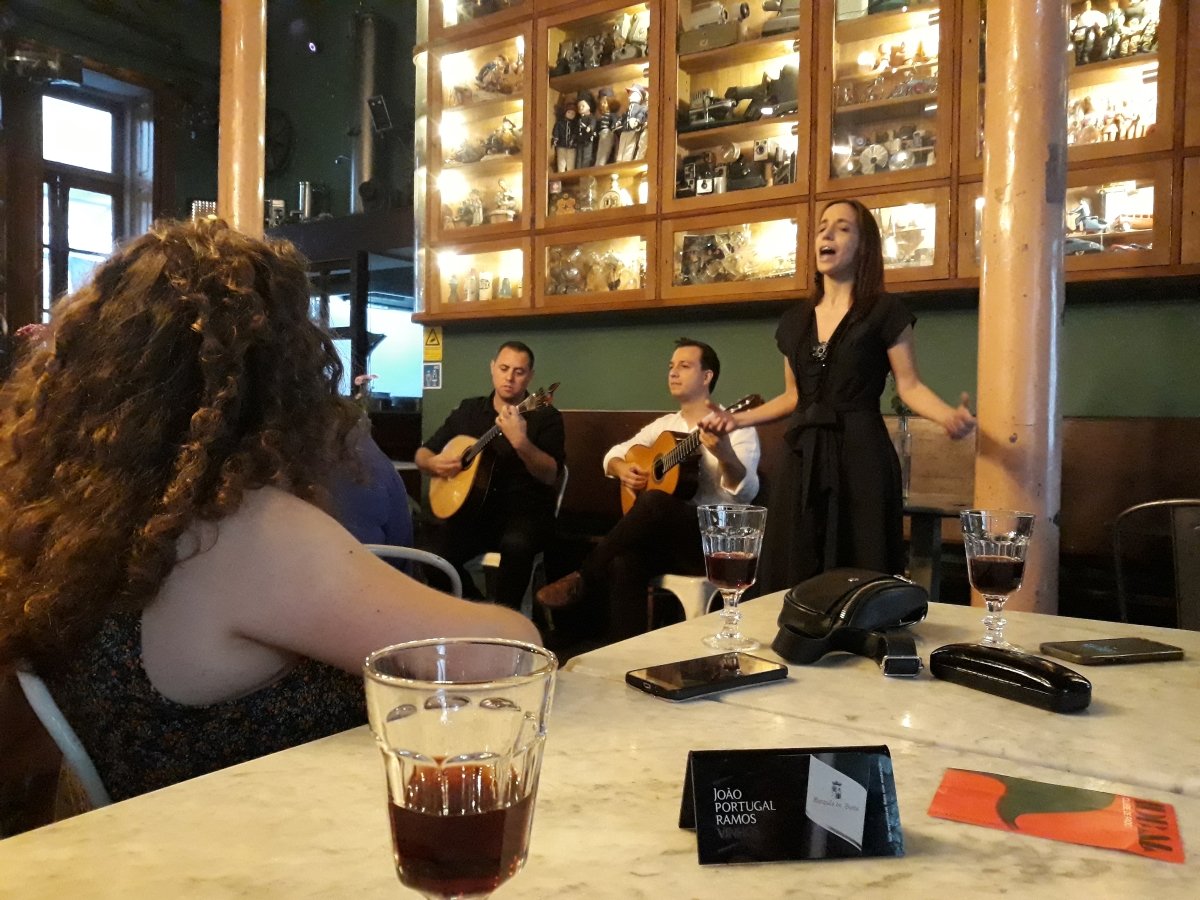
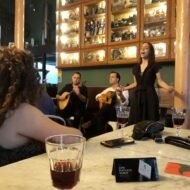
Picture this: you’re tucked into a centuries-old building with stone walls and dim candlelight, nursing a glass of Portuguese wine, when suddenly the room falls silent. A fadista (fado singer) steps forward, and their voice—raw, powerful, and dripping with saudade (that uniquely Portuguese sense of longing)—fills every corner of the space.
That’s a fado house.
These intimate venues, called casas de fado, are where Portugal’s soul lives and breathes. They’re typically small restaurants or taverns dedicated to preserving and performing fado—Portugal’s answer to the blues, flamenco, or jazz. You’ll find everything from family-run establishments where grandmothers still sing, to polished professional venues featuring award-winning performers.
Most fado houses operate as restaurant-music venues where you’ll enjoy traditional Portuguese cuisine while singers and musicians take turns performing. The experience usually includes multiple fadistas, accompanied by Portuguese guitar (guitarra portuguesa) and classical guitar (viola), performing throughout the evening in sets that last anywhere from 90 minutes to three hours.
The unwritten rule? When the music starts, conversation stops. This isn’t background dinner music—it’s an immersive cultural experience that demands your full attention and respect.
The Fascinating History of Fado Houses
Fado’s origins are deliciously murky, with roots tangled somewhere between Moorish ballads, African rhythms, and Portuguese maritime traditions. Most historians trace fado to early 19th-century Lisbon, where it emerged in the working-class neighborhoods of Alfama, Mouraria, and Bairro Alto.
Initially, fado was the music of sailors, prostitutes, and the urban poor—sung in taverns, brothels, and on street corners. These early performances were raw, unpolished, and deeply personal, dealing with themes of longing, loss, fate, and the hardships of daily life.
The first documented fado houses appeared in Lisbon around the 1820s-1830s. These were humble taverns where locals gathered to eat, drink, and pour their hearts out through song. The tradition was almost exclusively oral, passed down through neighborhoods and families rather than formal training.
Everything changed in the 1920s-1950s when fado became legitimized as a national art form. Amália Rodrigues, Portugal’s most legendary fadista, transformed fado from street music into sophisticated artistry, performing in concert halls worldwide. During António Salazar’s dictatorship (1932-1974), fado was both celebrated as a symbol of Portuguese identity and carefully controlled—performers needed licenses, and lyrics were censored.
After the 1974 Carnation Revolution restored democracy, fado experienced a renaissance. New generations of singers modernized the form while respecting tradition. In 2011, UNESCO recognized fado as Intangible Cultural Heritage of Humanity, cementing its importance.
Coimbra developed its own distinct fado tradition, emerging from the city’s ancient university. Coimbra fado is more classical and refined, traditionally performed by male students in academic robes, though this has evolved. These performances often take place in specific venues or during traditional serenades beneath lovers’ windows.
Today’s fado houses range from tourist-focused dinner shows to authentic neighborhood joints where locals still gather, preserving centuries of tradition while adapting to modern audiences.
Deepen Your Understanding: The Fado Museum in Alfama
Before or after your fado house experience, consider spending an hour or two at the Museu do Fado (Fado Museum), located right in Alfama at Largo do Chafariz de Dentro. This gem of a museum transforms your evening fado experience from pure emotion into informed appreciation.
Opened in 1998, the museum occupies a beautifully restored building in the heart of fado’s birthplace. It’s thoughtfully designed to walk you through fado’s complete journey—from its murky 19th-century origins in Lisbon’s grittiest neighborhoods to its current status as UNESCO-recognized cultural heritage.
What you’ll find inside:
The permanent exhibition traces fado’s evolution through interactive displays, historic recordings, vintage photographs, and personal artifacts from legendary fadistas. You’ll see original costumes worn by Amália Rodrigues (Portugal’s most iconic fado singer), antique Portuguese guitars, historic sheet music, and posters from fado’s golden age. The audio guide lets you actually hear how fado sounded in different eras, which is absolutely fascinating when you later hear contemporary performances.
One of the coolest features? The listening stations where you can explore different fado styles, from traditional Lisbon fado to Coimbra’s academic tradition. You’ll gain appreciation for the subtle differences between male and female fado singers, the evolution of instrumentation, and how fado adapted through political upheaval and social change.
The museum also hosts live fado performances in its auditorium (check the schedule when you visit), workshops on Portuguese guitar, and temporary exhibitions focusing on specific fadistas or aspects of fado culture. There’s even a small collection of Portuguese guitars and violas if you’re curious about the instruments.
Practical details:
- Admission: Around €5 (budget-friendly compared to evening fado shows)
- Hours: Typically Tuesday-Sunday, 10 AM-6 PM (closed Mondays)
- Time needed: 1-2 hours for a thorough visit
- Accessibility: Elevator available for those with mobility issues
- Gift shop: Excellent place to purchase fado CDs, books, and Portuguese guitar picks as souvenirs
Why visit? Here’s the thing—walking into a fado house without context is like attending an opera without understanding anything about the art form. You’ll still be moved, but you won’t fully appreciate what you’re experiencing. The museum gives you the backstory that makes your evening performance exponentially more meaningful.
You’ll understand why the audience falls silent when the fadista begins, why certain songs provoke tears in elderly Portuguese listeners, what saudade really means beyond simple translation, and how the Portuguese guitar creates those haunting, cascading notes that define fado’s sound.
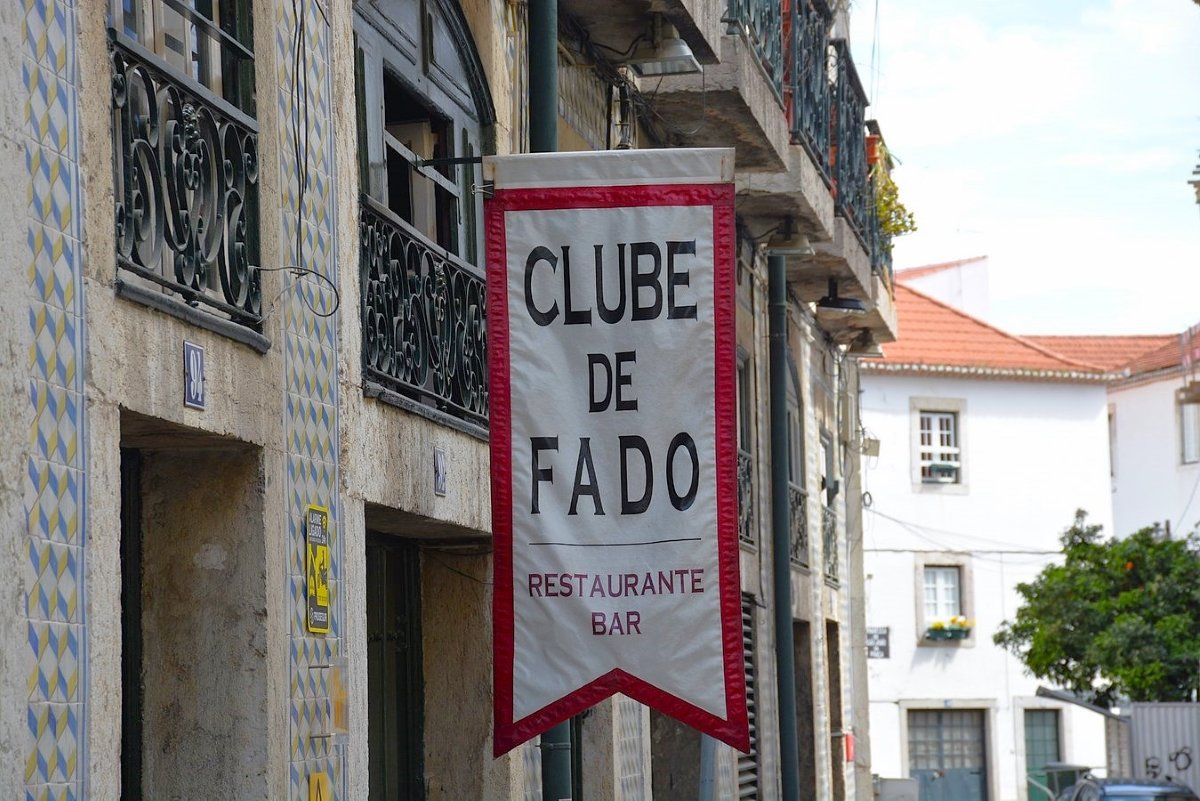
Pro tip: Visit the museum in the afternoon, then head directly to a fado house for dinner. The museum is perfectly located in Alfama, surrounded by excellent fado venues. You can literally walk from the museum to spots like Mesa de Frades, Parreirinha de Alfama, or Clube de Fado in under 10 minutes. This one-two punch—education followed by immersion—creates the ultimate fado experience.
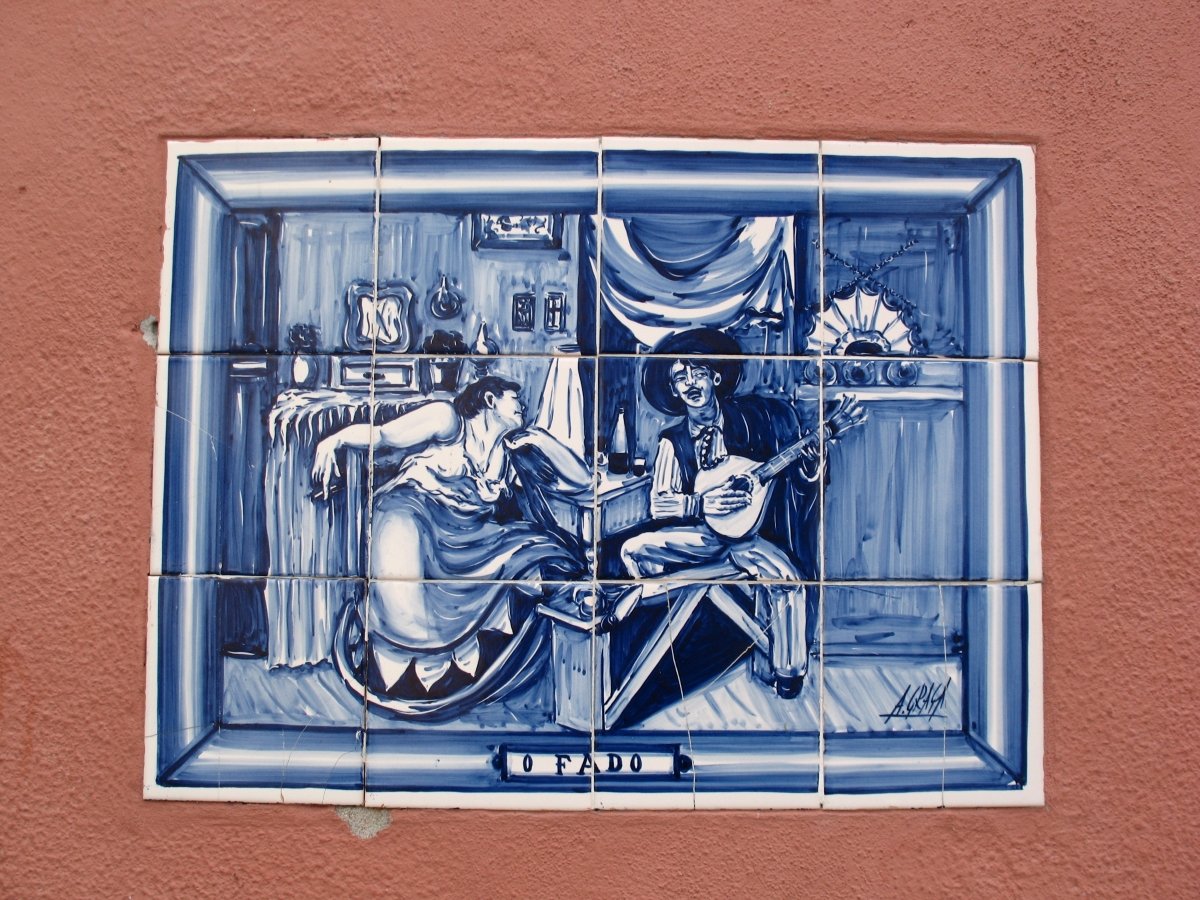
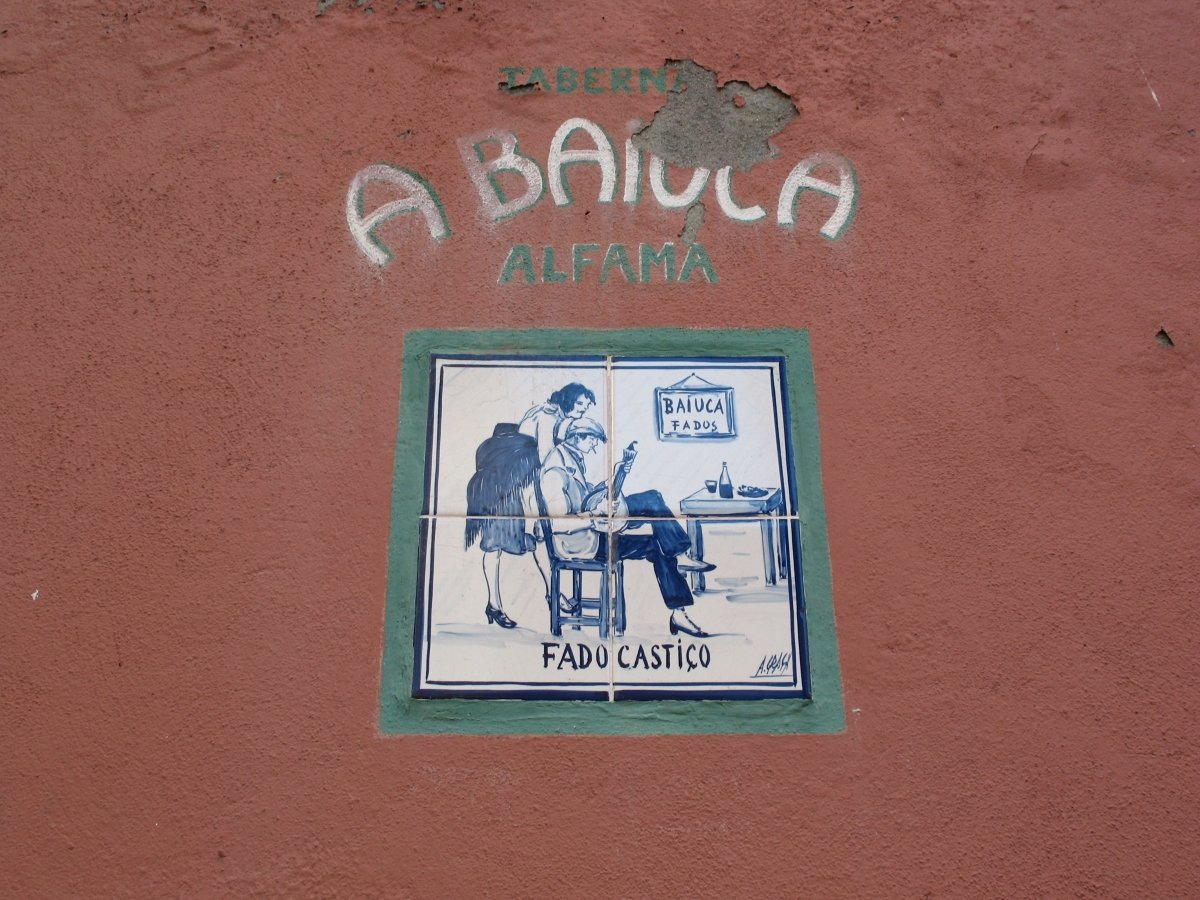
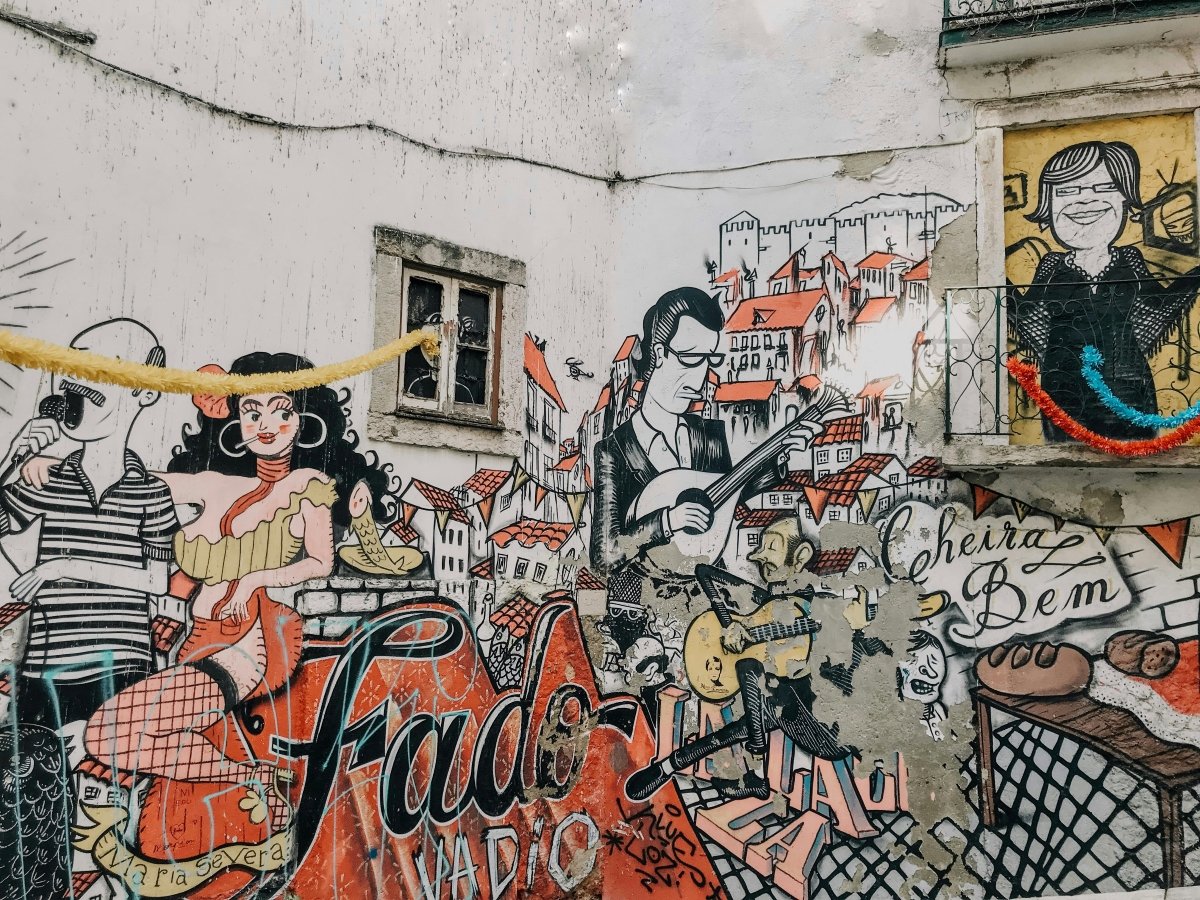
Plus, wandering through Alfama’s steep, narrow streets between the museum and your dinner reservation is an experience in itself. You’ll pass azulejo-covered walls, locals chatting on doorsteps, and might even hear spontaneous fado drifting from an open window—exactly the way this tradition has lived for nearly two centuries.
Why Fado Houses Are Cultural Treasures Worth Every Moment
Here’s something most travel guides won’t tell you: visiting a fado house isn’t just another box to tick on your Portugal itinerary—it’s one of the rare opportunities to genuinely step inside the emotional heart of a culture.
Think about it. How often do you get to experience a living tradition that’s been passed down through generations, unchanged in its essence, yet still deeply relevant to contemporary life? Fado houses offer something museums and monuments simply can’t: direct transmission of cultural DNA from performer to audience, in real-time, in the very neighborhoods where this art form was born.
When you sit in a dimly lit fado house and watch a fadista close their eyes and sing about saudade—that untranslatable Portuguese word meaning a deep longing for something or someone absent—you’re not observing Portuguese culture from the outside. You’re inside it. You’re feeling what Portuguese people have felt for nearly two centuries. The grandmother at the next table might have tears streaming down her face for the same reasons her grandmother did in that very same room fifty years ago.
This is cultural immersion at its most profound. You’re not watching a performance created for tourists; you’re participating in a ritual that matters deeply to Portuguese identity. The singers aren’t actors playing a role—many are carrying on family traditions, singing songs their parents and grandparents sang, channeling genuine emotion through centuries-old melodies.
And here’s the beautiful thing: fado doesn’t require you to speak Portuguese to understand it. The raw emotion transcends language barriers. You might not catch every lyric about lost love or nostalgic memories of Lisbon’s old neighborhoods, but you’ll absolutely feel the weight of longing, the ache of nostalgia, the bittersweet celebration of life’s sorrows. That’s the magic of fado—it speaks in the universal language of human emotion.
Beyond the music itself, fado houses preserve an entire social ecosystem. The way audiences respectfully silence themselves mid-sentence when the music begins, the intimacy of sharing tables with strangers who become fellow witnesses to something sacred, the ritual of applause that erupts after a particularly moving performance—these traditions connect you to generations of Portuguese people who’ve gathered in these same spaces for the same reasons.
For travelers seeking authentic cultural experiences beyond selfies at monuments and guided museum tours, an evening in a genuine fado house offers something increasingly rare: the chance to slow down, be present, and connect with a culture through its most vulnerable, honest expression. You’re not consuming culture—you’re experiencing it alongside the people who created it and continue to nurture it.
Is it worth the €40-50 you might spend on dinner and the show? Absolutely. You’re not just paying for a meal and entertainment. You’re investing in cultural preservation, supporting the musicians and venues keeping this UNESCO-recognized tradition alive, and gifting yourself an experience that will resonate long after you’ve forgotten what you ate or how much you paid.
So yes, visit the castles and churches, take the tram rides, taste the pastéis de nata. But make time for a fado house. It might just be the evening you remember most vividly when you think back on your time in Portugal—the night you stopped being a tourist and became, for a few precious hours, a witness to Portugal’s living soul.
Is Fado a Tourist Trap? Let’s Be Honest
Here’s the real talk: some fado houses absolutely are tourist traps, but many others offer genuinely transcendent experiences worth every cent.
The tourist trap indicators:
- Aggressive street touts handing out flyers in Rossio or near major landmarks
- Massive venues seating 100+ people (intimacy is essential to authentic fado)
- Predetermined dinner menus with mediocre food at inflated prices
- Performances that feel rushed or formulaic, with singers going through the motions
- Houses located on main tourist drags rather than residential neighborhoods
Signs of authenticity:
- Small, family-run establishments with room for 30-50 guests maximum
- Locals in the audience (if you see Portuguese families or older residents, you’re in the right place)
- Musicians and singers who perform with genuine emotion rather than theatrical performance
- Flexible ordering from an actual menu rather than forced tourist menus
- Locations in residential neighborhoods like Alfama, Mouraria, or Graça
- Staff who are passionate about explaining fado’s cultural significance
The truth is, even “touristy” fado houses can offer beautiful experiences if you set your expectations correctly. Yes, you’re paying for a packaged cultural experience, but that doesn’t make the music less moving or the tradition less real. Many professional performers in tourist-oriented venues are extraordinarily talented.
The key is doing your research, making reservations at reputable venues, and approaching the evening with respect for the art form rather than treating it as background entertainment for your Instagram story.
Pro tip: If a venue requires reservations days in advance and has consistently strong reviews from both tourists and locals, it’s probably legitimate—even if it’s not completely “undiscovered.”
Where to Find the Best Fado in Portugal
Lisbon: The Heart of Fado
Lisbon is fado’s spiritual home, and you’ll find the highest concentration of quality venues here.
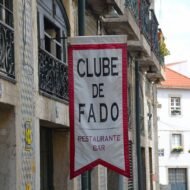
Alfama District is ground zero for traditional fado. This ancient neighborhood’s narrow, winding streets are filled with fado houses, from intimate family operations to renowned establishments. The atmospheric maze of medieval alleys creates the perfect backdrop. Standout venues here include Clube de Fado (polished and professional), Mesa de Frades (incredibly intimate, in a former chapel), and A Tasca do Chico (authentic and unpretentious, though you’ll stand rather than sit).
Bairro Alto offers a more bohemian fado scene with slightly edgier performances. The neighborhood has a younger, artistic vibe. Try Adega Machado (a classic since 1937) or Tasca do Jaime (cash-only, no-frills authenticity).
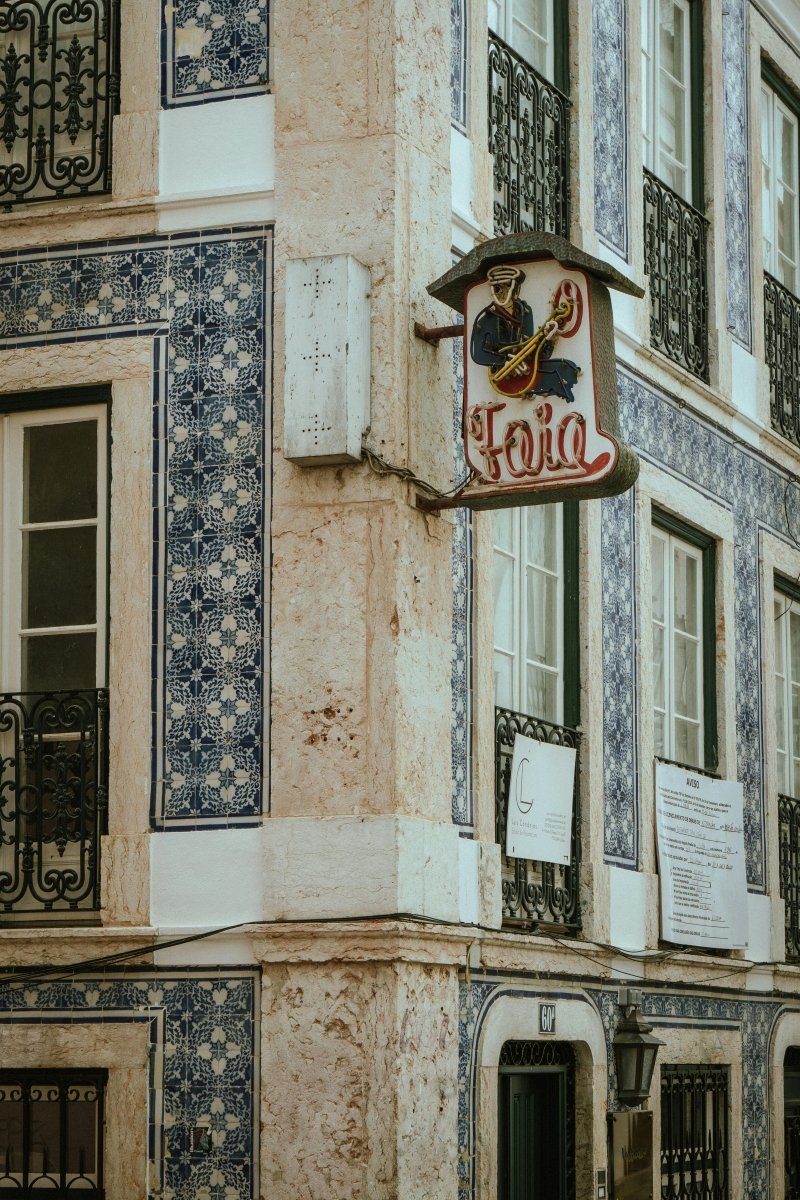
Mouraria is Lisbon’s multicultural district where fado was born. It’s grittier and less polished than Alfama, offering raw, emotional performances. Check out Restaurante Faia de Mouraria.
Graça and São Vicente neighborhoods have excellent options that see fewer tourists. These residential areas provide more local atmosphere while maintaining high-quality performances.
Top-rated Lisbon fado houses include:
- Sr. Vinho (upscale, exceptional acoustics)
- Parreirinha de Alfama (traditional, been around since 1950s)
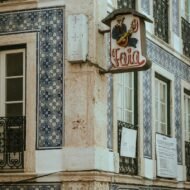
- O Faia (great for first-timers, professional but warm)
- Povo (modern approach, younger performers)
Coimbra: The Academic Tradition
Coimbra fado is distinctly different from Lisbon’s—more formal, classical, and intellectually refined. Traditionally performed by male university students in black academic capes, it’s now more inclusive while maintaining its scholarly character.
The best venues cluster around the historic university district:
- Fado ao Centro (daytime shows, educational approach, perfect for understanding the tradition)
- À Capella (evening performances in a beautiful chapel setting)
- Diligência Bar (authentic student atmosphere, more spontaneous performances)
- Quebra o Galho (traditional tavern where students still perform)
Coimbra fado is often more accessible price-wise than Lisbon’s dinner-show venues, with many performances in bars where you can simply order drinks.
Porto: The Emerging Scene
Porto doesn’t have the same fado tradition as Lisbon or Coimbra, but quality venues have emerged catering to visitors:
- Casa da Mariquinhas (intimate setting in Ribeira district)
- Mal Cozinhado (modern approach, fusion performances)
Honestly? If fado is your priority, focus your time and budget on Lisbon or Coimbra rather than Porto.
Beyond the Big Three
You’ll occasionally find fado performances in smaller Portuguese towns, particularly in traditional restaurants throughout the country. These can be wonderfully authentic but are often sporadic rather than nightly events. Ask locals or check with your accommodation.
The verdict on “best” fado: Lisbon’s Alfama remains the gold standard for traditional fado houses with nightly performances, while Coimbra offers the most unique stylistic variation. For first-time visitors, Lisbon provides the most options and highest concentration of quality venues.
Quick Recap: Your Fado House Essentials
- Book ahead: Quality fado houses fill up days in advance, especially in peak season (May-September)
- Budget €25-50 per person for dinner shows in good venues; €15-25 for drink-only performances
- Arrive on time (even early) to secure good seating—late arrivals disrupt performances
- Silence during performances is mandatory; save conversations for between sets
- Dress smart-casual; this is a cultural event, not a beach bar
- Tipping is appreciated but not obligatory; 5-10% for exceptional service
- Two-drink or dinner minimum is standard at most venues
- Shows typically start 8-9 PM and run until 11 PM-midnight
- Portuguese guitar (12-string pear-shaped instrument) is fado’s signature sound
- Request your favorites between sets if the venue takes requests
- Photography is generally discouraged during performances—be respectful
- Visit the Fado Museum in Alfama to deepen your appreciation before experiencing live performances
Disclaimer
Fado house experiences, pricing, and operating schedules change frequently. Always verify current information, make advance reservations, and confirm prices before visiting. Quality varies significantly between venues, so research recent reviews. The cultural information provided reflects fado’s traditions and history, but individual performances and venues may differ from descriptions here.
While we’ve highlighted venues with strong reputations, mention of specific fado houses doesn’t constitute a personal endorsement. Your experience will depend on many factors including performers, audience, timing, and personal taste. What moves one person to tears might not resonate with another—and that’s perfectly fine.
Please drink responsibly, respect performers and local communities, and approach fado with the cultural sensitivity this UNESCO-recognized art form deserves. When in doubt, observe how locals behave and follow their lead.
Ready to experience Portugal’s soul? Book your fado house reservation today and prepare for an evening you’ll remember long after you’ve left Portugal’s cobblestone streets behind. Just remember: bring tissues. Fado has a way of hitting right in the feelings, even if you don’t understand a single word of Portuguese.