








TL;DR: The Great Hungarian Plain (Alföld) is Europe’s largest grassland, offering endless horizons, traditional ranch culture, thermal spas, authentic Hungarian cuisine, and some of the continent’s most affordable adventures. Perfect for travelers seeking unique experiences away from crowded tourist spots.
- What Makes the Great Hungarian Plain So Special?
- Getting There and Getting Around
- When to Visit: Timing Your Plains Adventure
- Must-See Destinations and Experiences
- Debrecen: The Plain’s Cultural Heart
- Hortobágy National Park: Europe’s Serengeti
- Kecskemét: Art Nouveau Gem
- Szolnok: Riverside Relaxation
- Traditional Ranches (Tanyák)
- Unique Experiences You Can’t Find Elsewhere
- Where to Stay: From Budget to Boutique
- Foodie Adventures: Beyond Goulash
- Practical Information for Smart Travelers
- Sustainable Travel Tips
- Hidden Gems and Local Secrets
- Gombos-hegyi pincesor in Hercegkut, UNESCO site
- The Floating Village of Tiszafüred
- Underground Wine Cellars of Hajós
- The Pottery Village of Mezőtúr
- Salt Hill Formations
- Day Trip Itineraries
- Transportation Deep Dive
- Seasonal Events and Festivals
- Final Thoughts: Why the Great Hungarian Plain Should Be Your Next Adventure
What Makes the Great Hungarian Plain So Special?
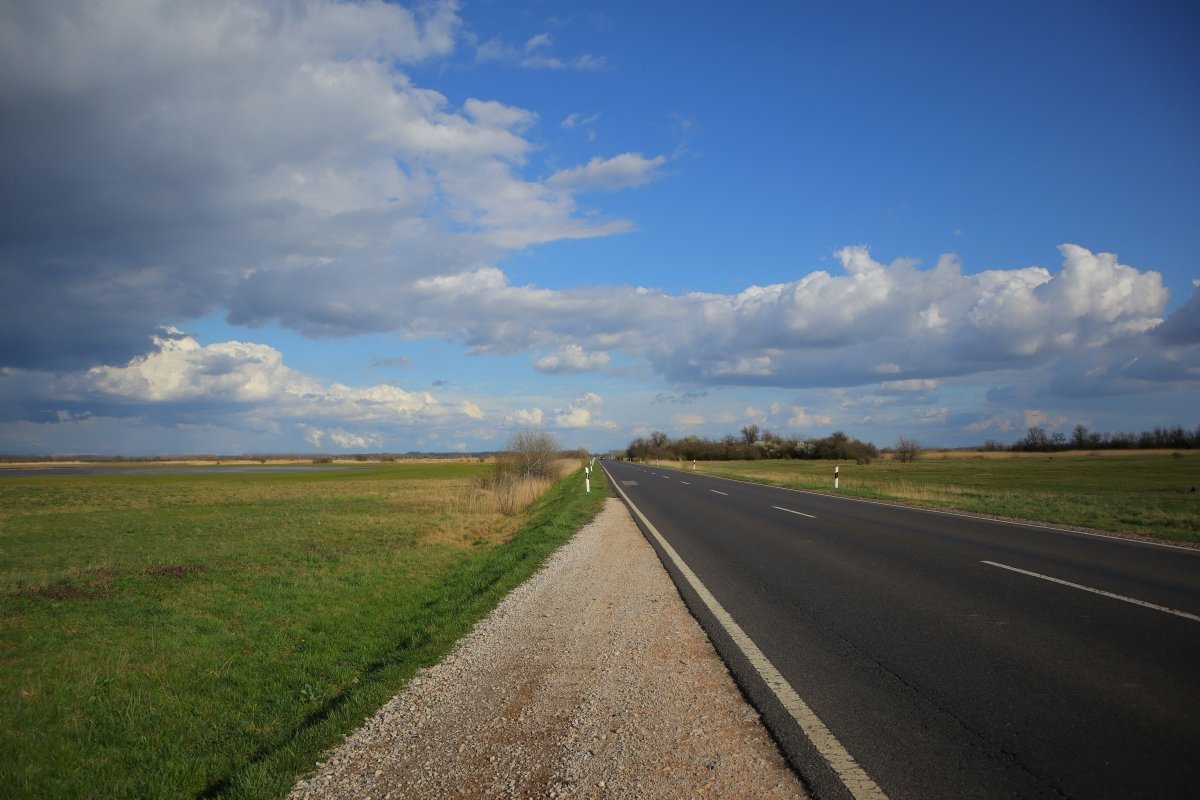
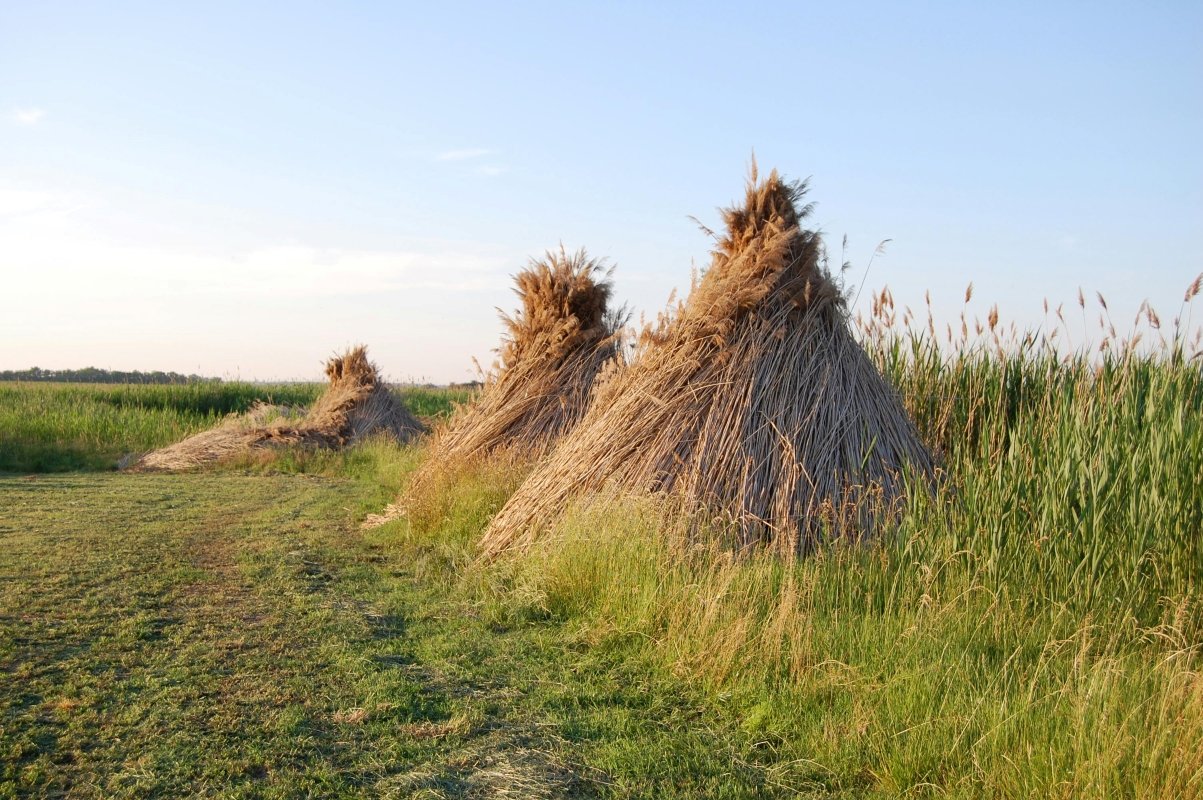
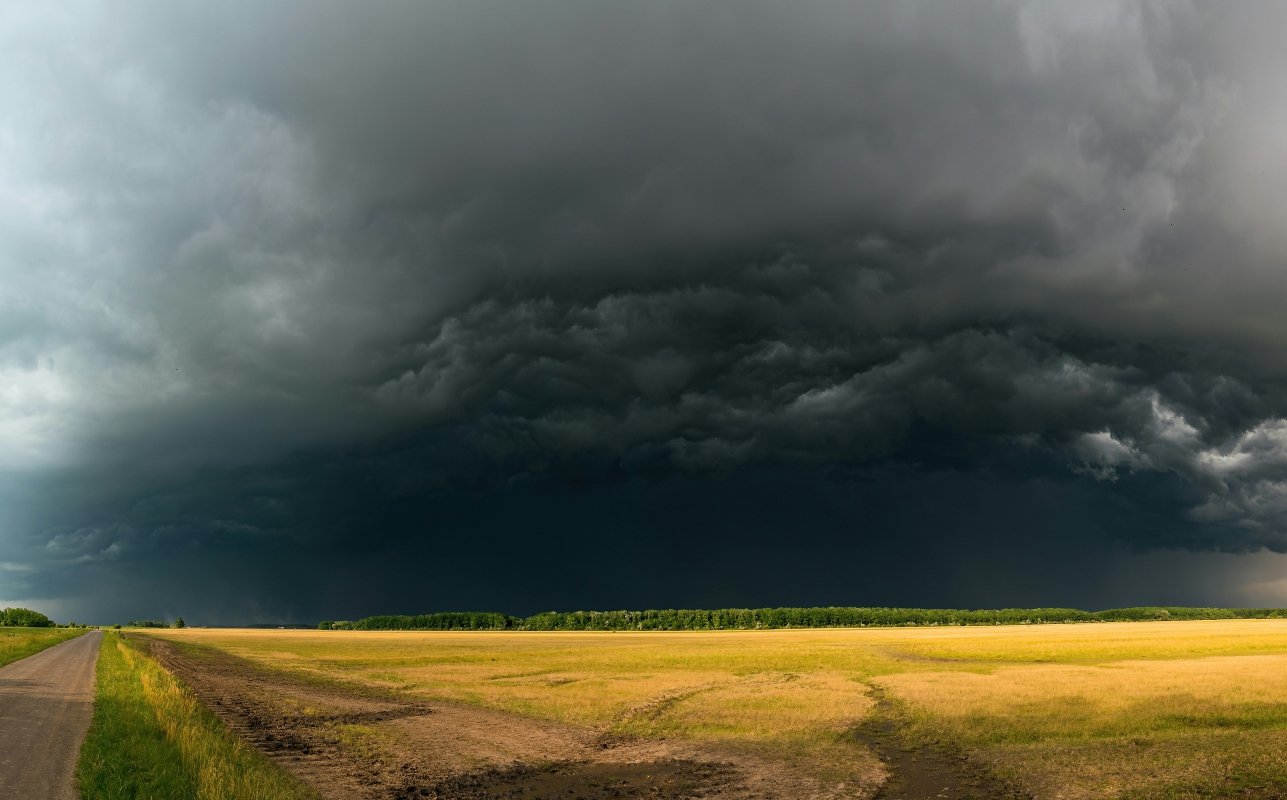
Picture this: you’re standing in what feels like the American Midwest, but you’re actually in the heart of Europe. Welcome to the Great Hungarian Plain, or Alföld as locals call it – a massive grassland that stretches across nearly half of Hungary and into neighboring countries. This isn’t your typical European destination, and that’s exactly what makes it extraordinary.
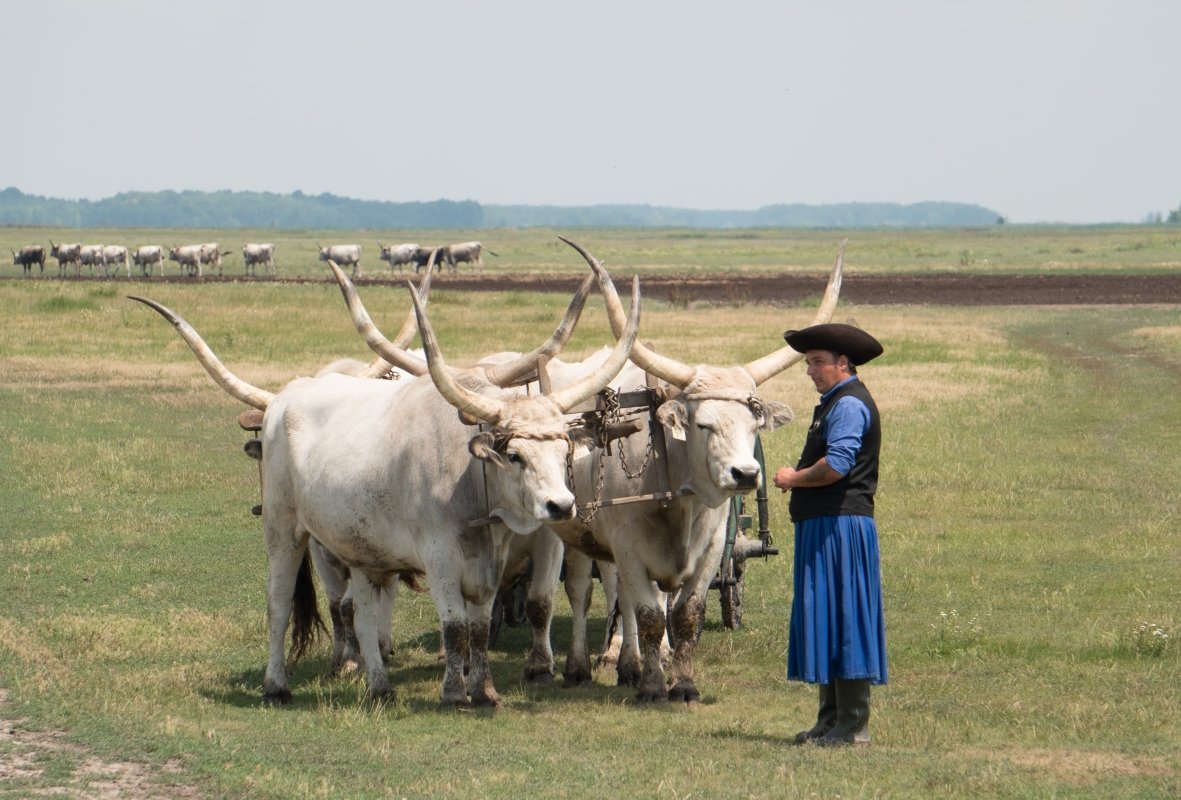
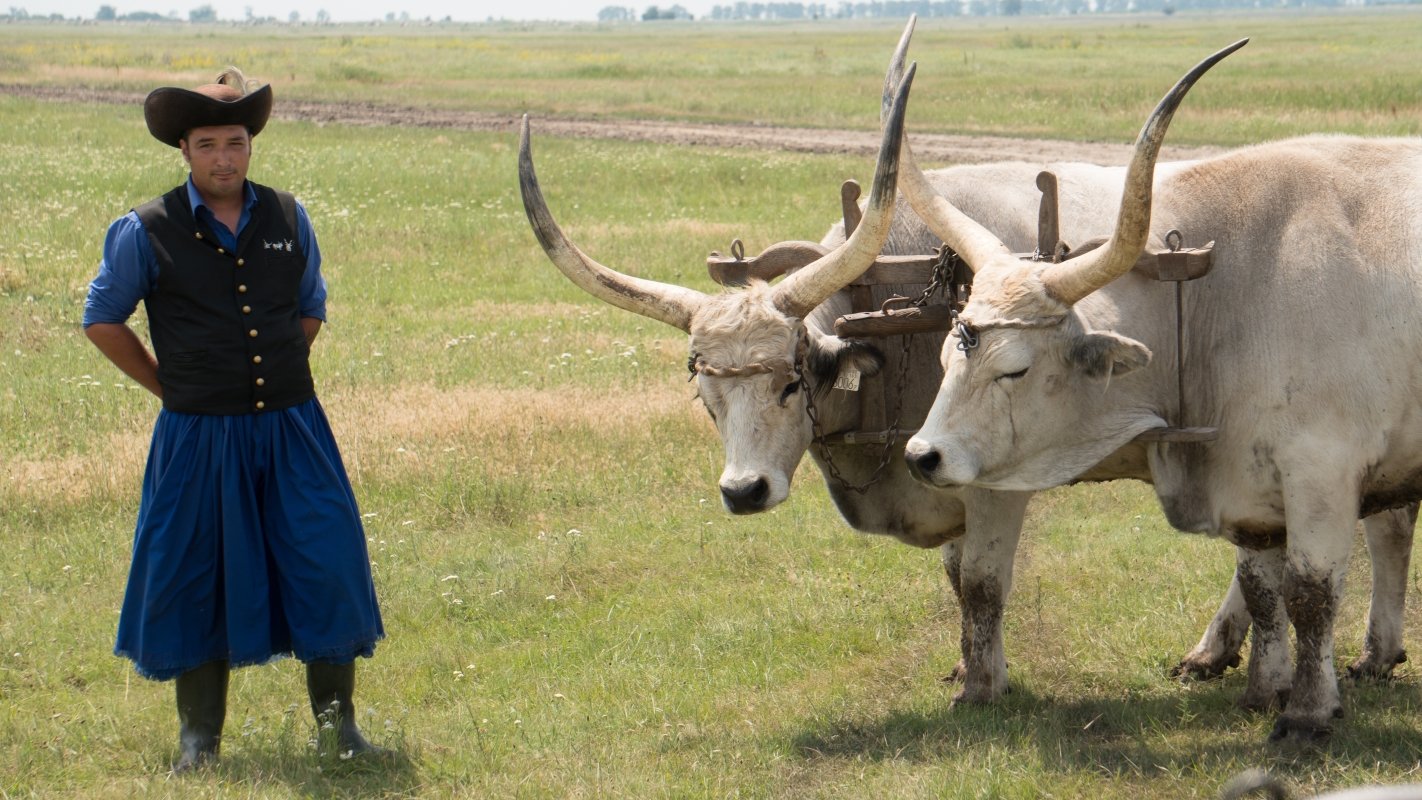
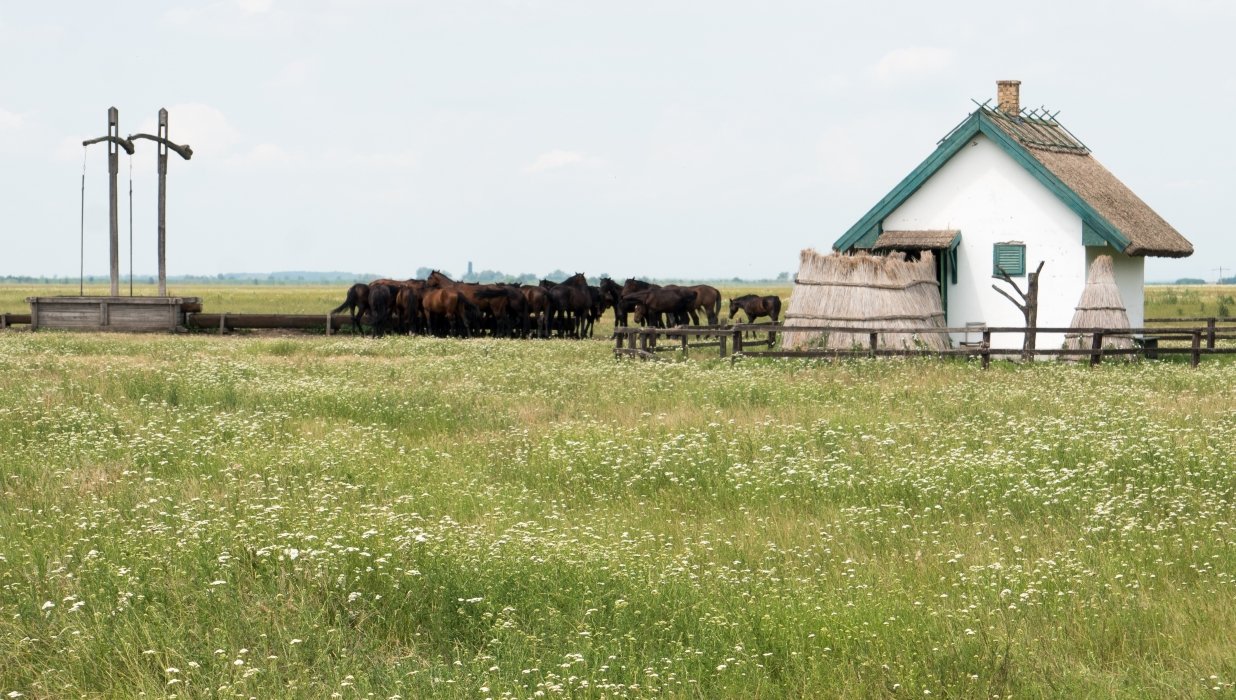
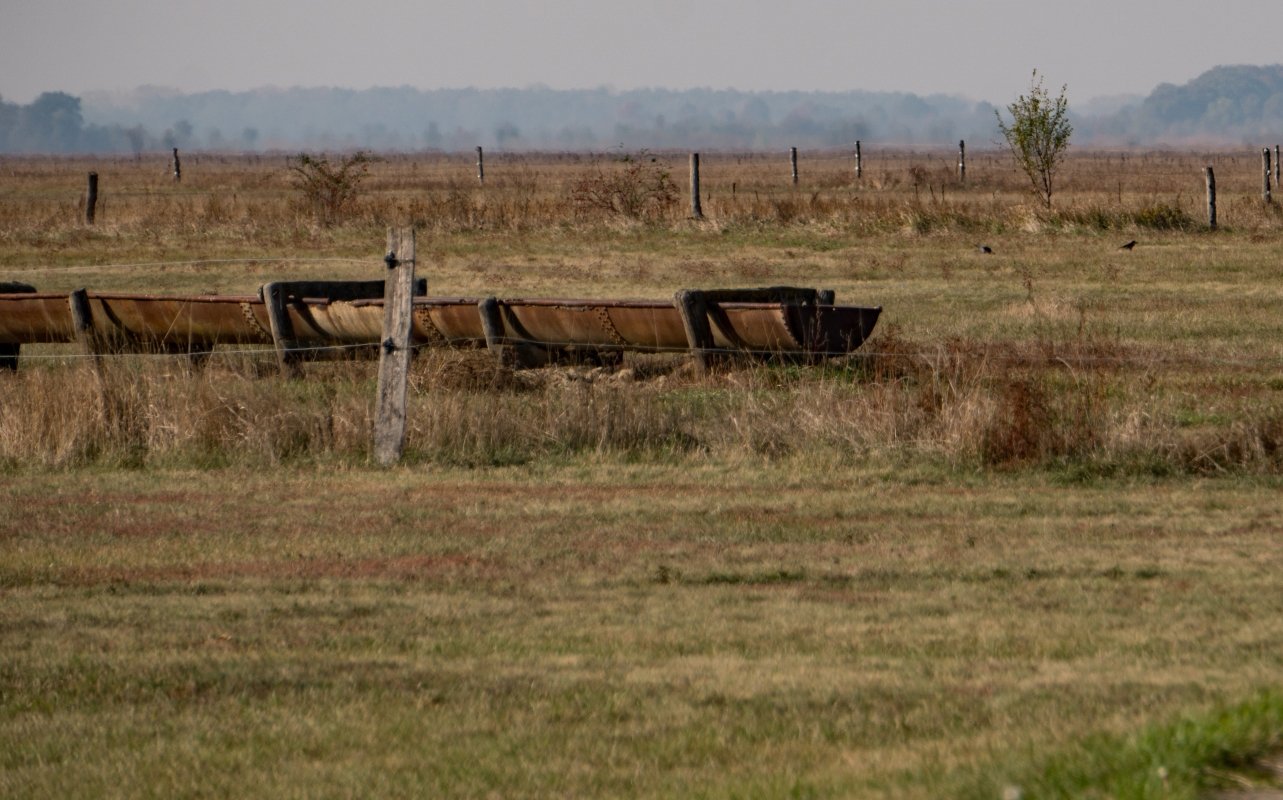
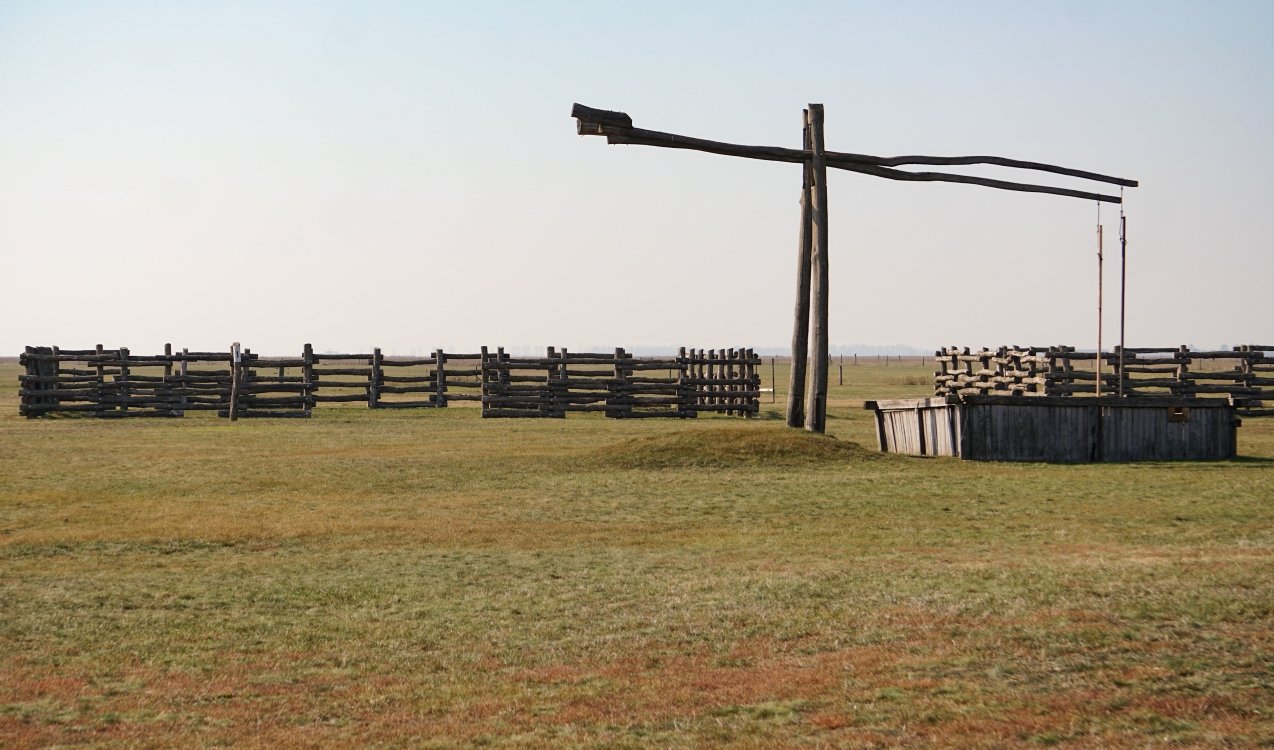
The plain covers roughly 100,000 square kilometers, making it larger than Austria. Yet most travelers zoom past it on their way to Budapest or Vienna, completely missing one of Europe’s most authentic cultural experiences. Here, cowboys called csikós still ride across endless pastures, traditional wells dot the landscape like ancient sentinels, and the sky seems to go on forever.
Getting There and Getting Around
Flying In: Your best bet is flying into Budapest Ferenc Liszt International Airport, then renting a car or taking regional trains. Debrecen, the plain’s unofficial capital, also has a smaller airport with budget airline connections.
By Train: Hungary’s rail network connects most plain cities efficiently. The train from Budapest to Debrecen takes about 2.5 hours and costs around €15-25. Regional passes offer great value for multiple destinations.
Road Trip Reality: This is honestly the best way to experience the plain. Rent a car in Budapest – expect to pay €25-40 daily for a compact car. The roads are excellent, traffic is minimal once you leave the cities, and parking is rarely an issue.
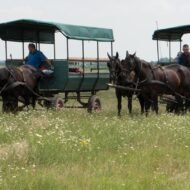
Getting Around Locally: Many attractions require local transportation. Bicycle rentals are popular and perfect for the flat terrain. Horse-drawn cart tours offer authentic experiences, while local buses connect smaller villages.
When to Visit: Timing Your Plains Adventure
Spring (April-May): Absolute perfection. Wildflowers carpet the grasslands, temperatures hover around 20°C (68°F), and you’ll avoid summer crowds. Easter celebrations in rural villages are particularly special.
Summer (June-August): Hot and busy, but festival season is in full swing. Expect temperatures reaching 30°C+ (86°F+). Perfect for thermal spa experiences and outdoor activities, though book accommodations early.
Fall (September-October): Harvest season brings unique experiences like wine festivals and traditional farming demonstrations. Comfortable temperatures and stunning autumn colors make this a photographer’s dream.
Winter (December-February): Cold but magical. Thermal spas become even more appealing, traditional holiday markets appear, and you’ll have attractions mostly to yourself. Pack warm clothes – temperatures can drop below freezing.
Must-See Destinations and Experiences
Debrecen: The Plain’s Cultural Heart
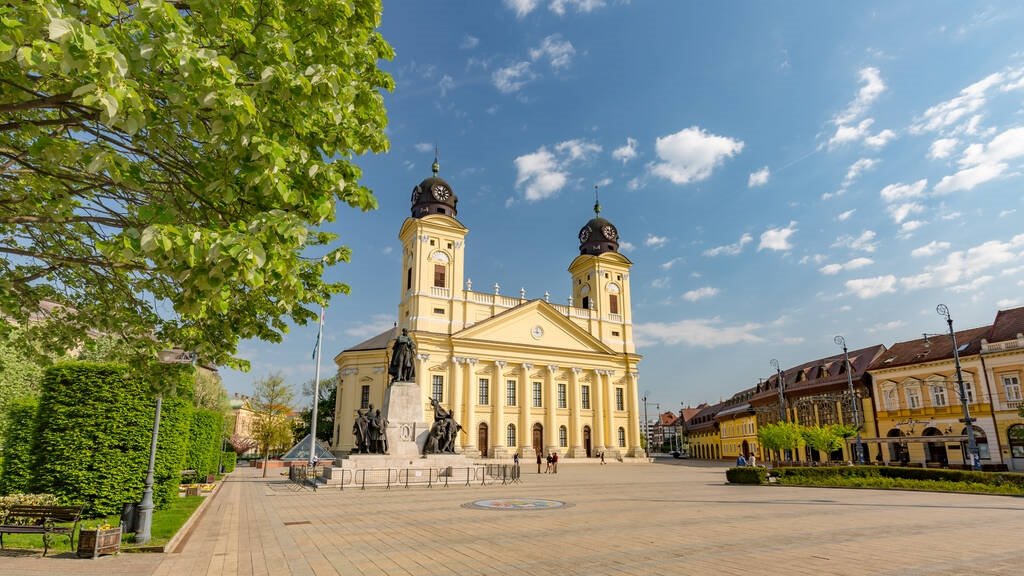
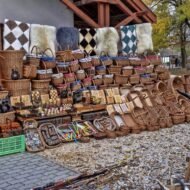
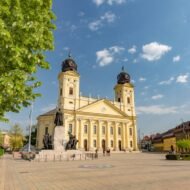
Hungary’s second-largest city perfectly balances urban amenities with plain culture. The Great Reformed Church dominates the skyline, while Nagyerdő Park offers peaceful walks and thermal baths. Don’t miss the traditional market on weekends – it’s where locals still shop for everything from handmade crafts to farm-fresh produce.
Budget tip: Stay in university dormitories during summer break (June-August) for €15-20 per night. MORE READ..
Hortobágy National Park: Europe’s Serengeti
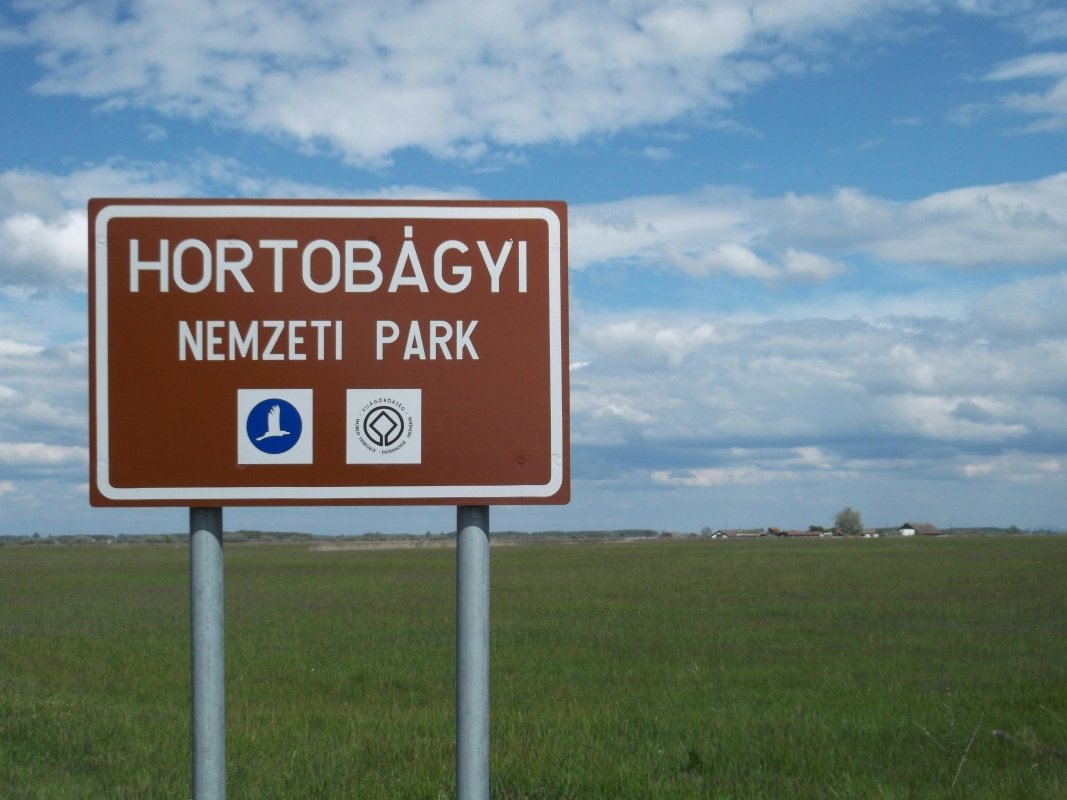
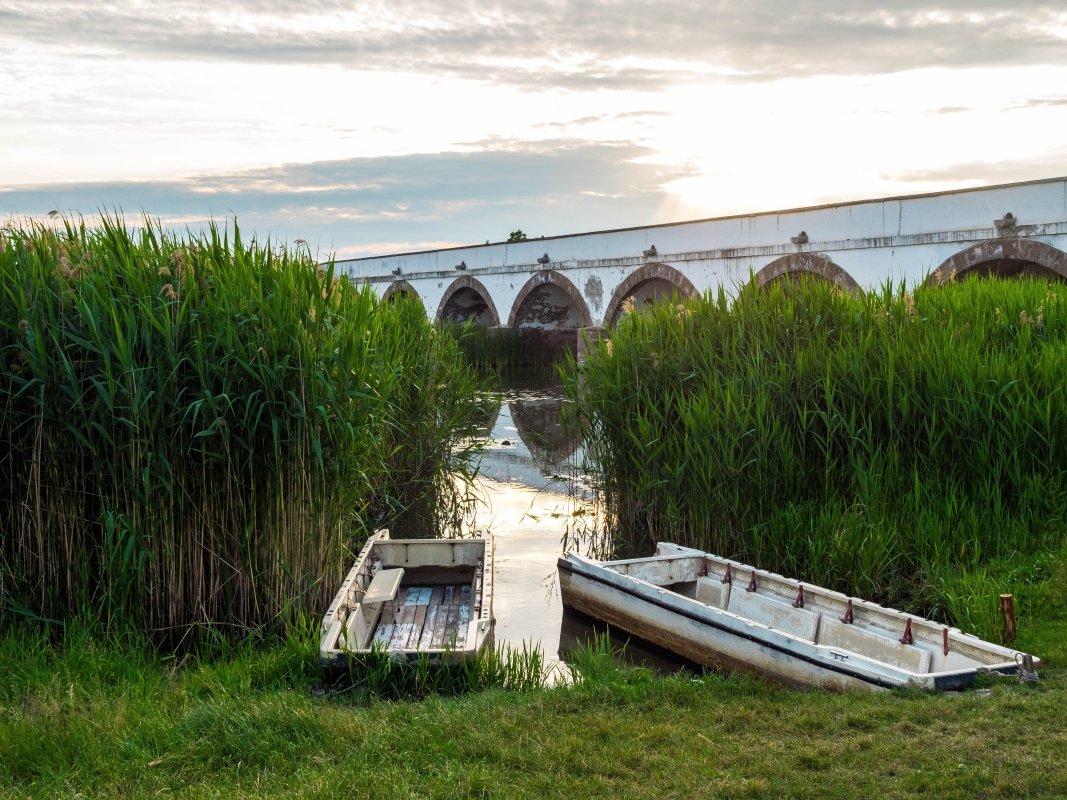
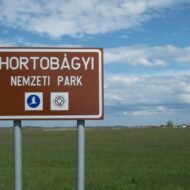
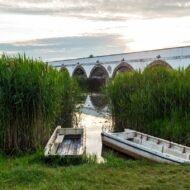
This UNESCO World Heritage site showcases the plain’s natural beauty and traditional pastoral culture. Watch csikós demonstrations where skilled horsemen perform incredible tricks, visit the famous Nine-hole Bridge, and explore the Shepherds’ Museum to understand centuries-old traditions.
Insider secret: Visit during migration season (September-October) when thousands of cranes stop here. It’s one of Europe’s most spectacular wildlife events. MORE READ..
Kecskemét: Art Nouveau Gem
This charming city surprises visitors with stunning architecture, including Cifrapalota (the Ornamental Palace) with its colorful ceramic decorations. The city’s famous for its apricot brandy (barack pálinka) – distillery tours are both educational and enjoyable.
Local experience: Join a pálinka tasting tour. These aren’t touristy affairs but authentic experiences with local producers who’ve been perfecting their craft for generations.
Szolnok: Riverside Relaxation
Situated where the Zagyva meets the Tisza River, Szolnok offers excellent thermal baths and river activities. The Damjanich János Museum provides excellent context for the region’s history, while riverside walks offer peaceful moments away from city life.
Traditional Ranches (Tanyák)
Scattered across the plain, these working farms offer authentic experiences. Many welcome visitors for meals, horseback riding, and overnight stays. It’s agricultural tourism at its finest – you’ll participate in daily farm activities and enjoy home-cooked meals made from ingredients grown on-site.
Unique Experiences You Can’t Find Elsewhere
Horseback Adventures with Csikós
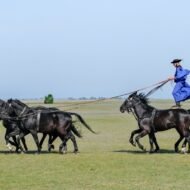
These aren’t typical riding lessons. Traditional Hungarian horsemen demonstrate skills passed down through generations, including the famous “five-in-hand” riding technique where one person controls five horses simultaneously. Many ranches offer multi-day experiences where you’ll learn traditional horsemanship while exploring the vast grasslands. MORE READ..
Thermal Spa Culture
The plain sits atop numerous thermal springs. Unlike crowded spa destinations, here you’ll soak alongside locals in authentic settings. Hajdúszoboszló boasts one of Europe’s largest spa complexes, while smaller towns offer intimate thermal baths where you might be the only tourist.
Traditional Well Systems
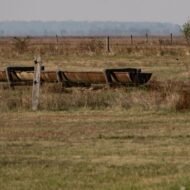
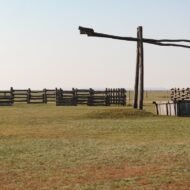
The plain’s iconic sweep wells (gémeskút) aren’t just photogenic – they represent centuries of adaptation to this unique landscape. Many still function, and farmers happily explain their operation. These wells have become symbols of Hungarian identity, appearing on everything from postcards to currency.
Mirage Watching
Yes, really! The flat terrain and specific atmospheric conditions create some of Europe’s best mirage viewing opportunities. Local guides know the best spots and times – it’s surprisingly mesmerizing to watch distant objects appear to float above the horizon.
Where to Stay: From Budget to Boutique
Budget Options (€15-40/night)
- University dormitories in Debrecen and Szeged during summer
- Farm stays (agroturizmus) offering authentic experiences
- Thermal camping sites with spa access included
- Hostels in larger cities like Kecskemét and Szolnok
Mid-Range Comfort (€40-80/night)
- Boutique hotels in historic city centers
- Wellness hotels with thermal spa access
- Traditional csárda inns with rustic charm
- Modern chain hotels in business districts
Luxury Experiences (€80+/night)
- Historic mansions converted to hotels
- Premium spa resorts with extensive facilities
- Exclusive ranch stays with private guides
- Wine estate accommodations in Tokaj region
Pro tip: Book directly with smaller properties – owners often include extras like home-cooked meals or guided tours at no additional cost.
Foodie Adventures: Beyond Goulash
The plain’s cuisine reflects its agricultural abundance and pastoral traditions. While you’ll find excellent goulash, the real treats lie in lesser-known specialties.
Must-Try Dishes
Fisherman’s Soup (Halászlé): This spicy river fish soup varies by region but is consistently excellent. The best versions come from restaurants along the Tisza River.
Lángos: Deep-fried flatbread typically topped with sour cream and cheese, but creative versions include everything from ham to Nutella.
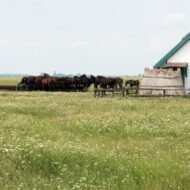
Grey Cattle Dishes: The Hungarian Grey cattle breed produces exceptional beef. Try it grilled simply with local vegetables.
Mangalica Pork: This woolly pig breed is native to Hungary. The meat is incredibly flavorful and appears in everything from sausages to roasts.
Local Drinks
Pálinka: This fruit brandy ranges from smooth apricot varieties to fiery plum versions. Quality varies dramatically – stick to recommended distilleries.
Local Wines: While Tokaj gets international attention, the plain produces excellent everyday wines. Look for Kékfrankos (Blaufränkisch) reds and Olaszrizling whites.
Craft Beer: The region’s craft beer scene is exploding. Local breweries incorporate traditional ingredients like honey and herbs.
Practical Information for Smart Travelers
Money Matters
Hungary uses the Hungarian Forint (HUF). While Budapest is increasingly card-friendly, bring cash for rural areas. ATMs are available in all cities, but rural villages may have limited options.
Budget guide:
- Meal at local restaurant: 2,000-4,000 HUF (€5-10)
- Beer: 500-800 HUF (€1.25-2)
- Thermal spa entry: 1,500-3,000 HUF (€4-8)
- Museum admission: 1,000-2,000 HUF (€2.50-5)
Language Tips
Hungarian is notoriously difficult, but locals appreciate any effort. Learn these essentials:
- Hello: Szia (see-ah)
- Thank you: Köszönöm (kur-suh-num)
- Cheers: Egészségére (eh-gay-shay-geh-ray)
- How much?: Mennyibe kerül? (men-nyee-beh keh-rool)
German is widely understood, especially among older residents. English is common in cities but less so in rural areas.
Cultural Considerations
- Hungarians are generally reserved but warm up quickly to genuine interest in their culture
- Tipping 10-15% is standard in restaurants
- Remove shoes when entering homes
- Don’t clink glasses when drinking – it’s associated with a historical tragedy
Safety and Health
The Great Hungarian Plain is extremely safe. Crime rates are low, and the biggest risks are sunburn and dehydration during summer visits. Healthcare is excellent in cities, adequate in rural areas.
Emergency numbers:
- General emergency: 112
- Police: 107
- Fire: 105
- Medical: 104
Sustainable Travel Tips
The plain’s tourism industry is still developing, making responsible travel crucial for preserving its authentic character.
Support Local Communities
- Choose family-run accommodations over international chains
- Eat at traditional restaurants using local ingredients
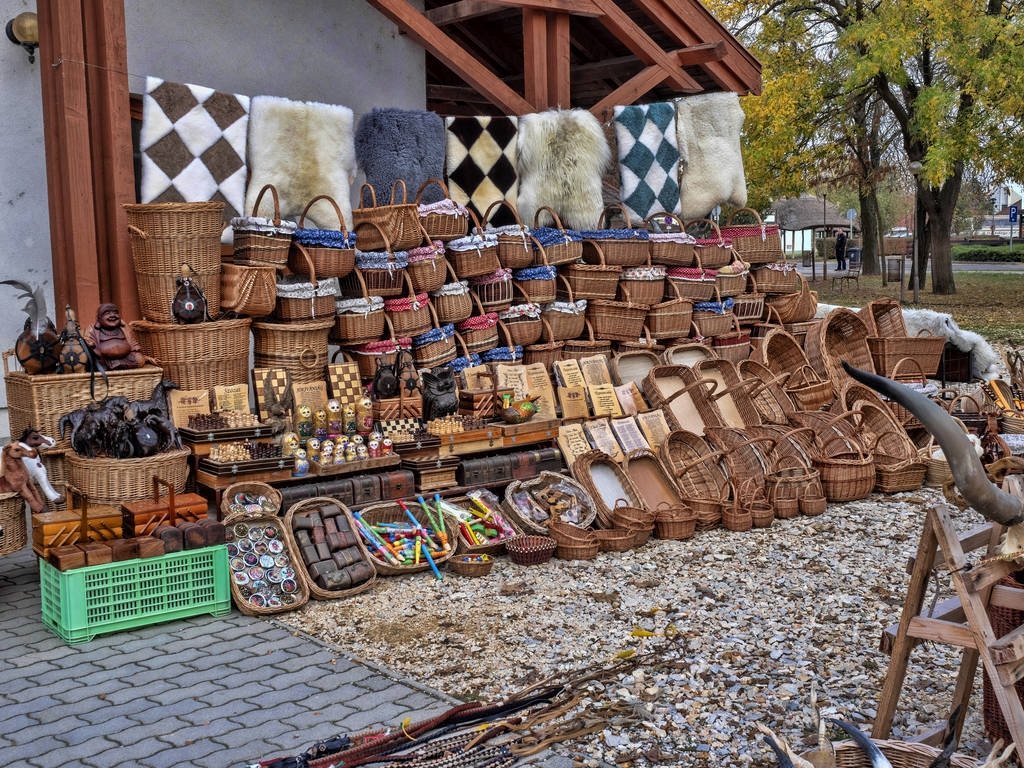
- Buy crafts directly from artisans
- Use local guides for cultural experiences
Environmental Responsibility
- Stick to marked trails in national parks
- Don’t disturb wildlife, especially during migration seasons
- Use refillable water bottles – tap water is safe throughout Hungary
- Choose public transportation or cycling when possible
Cultural Sensitivity
- Ask permission before photographing people
- Learn basic Hungarian phrases
- Respect traditional practices and ceremonies
- Support authentic cultural experiences over commercialized attractions
Hidden Gems and Local Secrets
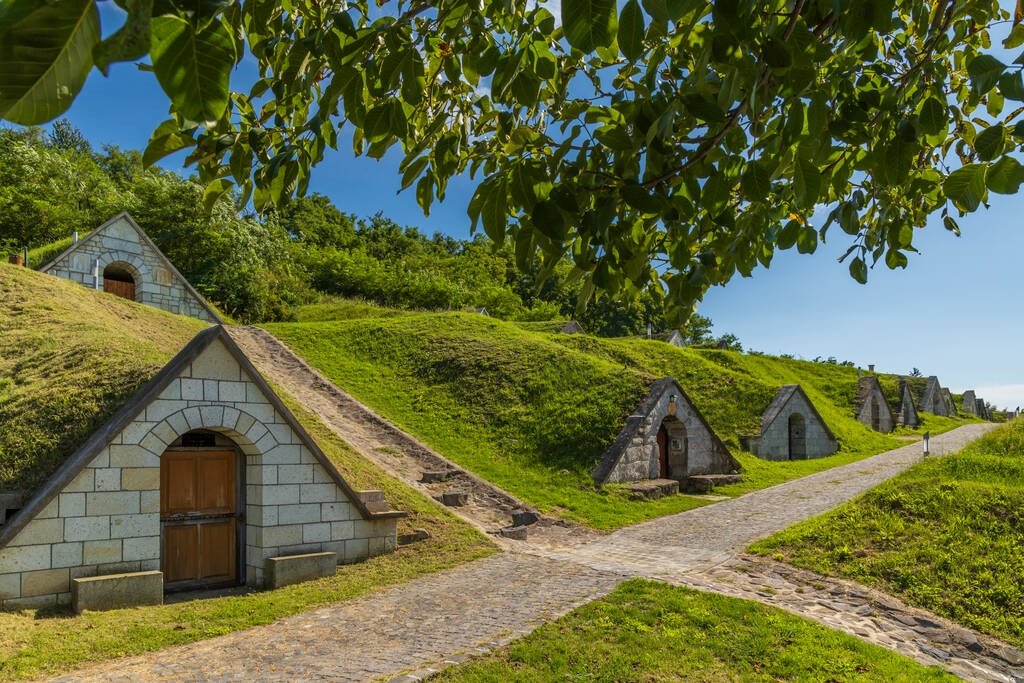
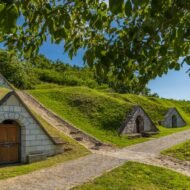
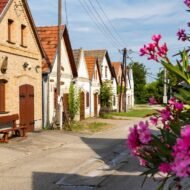
Gombos-hegyi pincesor in Hercegkut, UNESCO site
Hungary’s Hidden Hobbit Village: Your Complete Guide to Gombos-hegyi Pincesor in Hercegkút
The Floating Village of Tiszafüred
This lakeside town offers unique stilt houses and excellent fishing. Local guides provide boat tours through reed forests where time seems suspended.
Underground Wine Cellars of Hajós
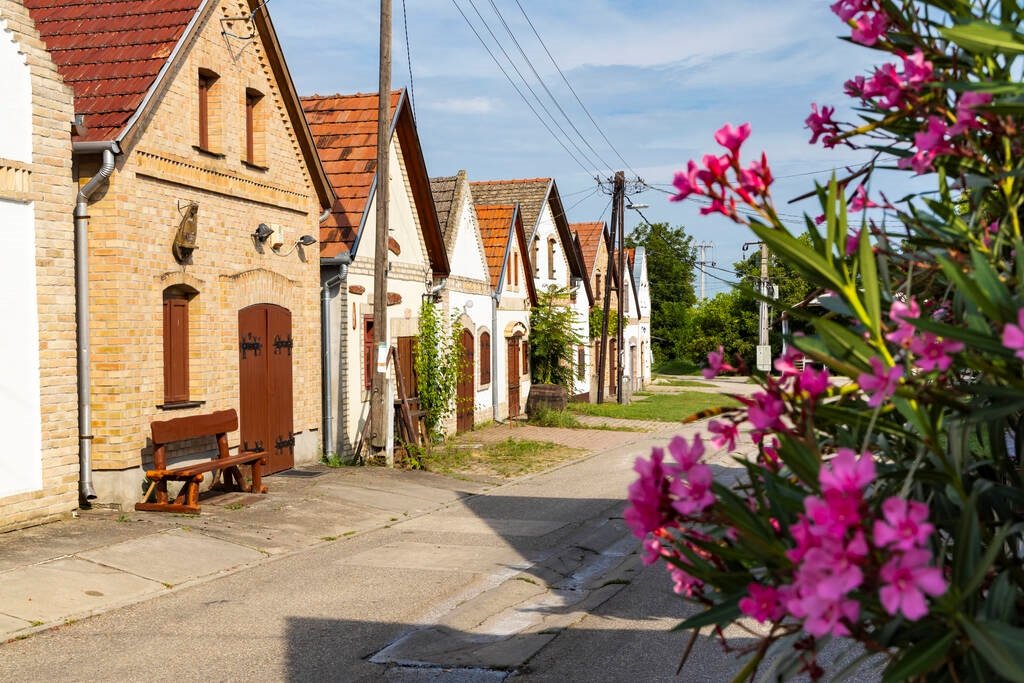
These historic cellars carved into hillsides store wines at perfect temperatures year-round. Many offer intimate tastings with winemakers sharing family stories.
The Pottery Village of Mezőtúr
Traditional black pottery makers still work here using techniques unchanged for centuries. Workshops welcome visitors to try their hand at this ancient craft.
Salt Hill Formations
Near Kardoskút, ancient salt deposits created unique hill formations in an otherwise flat landscape. These “mountains of the plain” offer surprising hiking opportunities.
Day Trip Itineraries
The Cowboy Experience (1 day)
Morning: Hortobágy National Park visitor center Midday: Csikós demonstration and traditional lunch Afternoon: Nine-hole Bridge and Shepherds’ Museum Evening: Sunset over the endless grassland
Thermal Spa Circuit (2 days)
Day 1: Hajdúszoboszló spa complex and town exploration Day 2: Berekfürdő thermal lake and forest walks Evening both days: Local restaurants specializing in spa cuisine
Cultural Heritage Tour (3 days)
Day 1: Debrecen’s Reformed Church and traditional market Day 2: Kecskemét’s Art Nouveau architecture and pálinka distillery Day 3: Traditional ranch stay with horseback riding and folk music
Transportation Deep Dive
Regional Train Networks
MÁV (Hungarian Railways) connects major plain cities efficiently. The Debrecen-Szeged route showcases changing landscapes, while local lines reach smaller villages. Purchase tickets online for modest discounts, or buy at stations for flexibility.
Bus Connections
Volánbusz operates extensive rural routes reaching villages trains don’t serve. Buses are modern, comfortable, and remarkably punctual. Day passes offer unlimited regional travel for around €8-12.
Bicycle Tourism
The flat terrain makes cycling ideal. Many cities offer bike-share programs, while rural areas have designated cycling routes. The Tisza River path spans hundreds of kilometers with rest stops and accommodations designed for cyclists.
Seasonal Events and Festivals
Spring Celebrations
- Easter Markets (March/April): Traditional crafts and foods in village squares
- Flower Festivals (May): Celebrating the plain’s wildflower displays
- Migration Festivals (April-May): Birdwatching events during peak migration
Summer Highlights
- Hortobágy Equestrian Days (July): International horsemen gather for competitions
- Village Festivals: Nearly every settlement hosts summer celebrations
- Thermal Bath Nights: Extended spa hours with cultural programs
Autumn Activities
- Harvest Festivals (September-October): Traditional farming demonstrations and tastings
- Wine Festivals: Celebrating local vineyards throughout the region
- Craft Fairs: Artisans showcase traditional skills and sell handmade items
Winter Traditions
- Christmas Markets: Intimate markets in town squares
- Thermal Winter Programs: Spa treatments and wellness retreats
- Traditional Storytelling: Folk tales shared in cozy village venues
Final Thoughts: Why the Great Hungarian Plain Should Be Your Next Adventure
The Great Hungarian Plain offers something increasingly rare in Europe: authenticity without pretense. Here, traditions survive not as museum pieces but as living culture. Cowboys still work the land, thermal waters have bubbled for millennia, and hospitality comes from the heart rather than tourism training manuals.
This isn’t a destination for everyone. If you need constant entertainment, luxury shopping, or famous landmarks, look elsewhere. But if you’re seeking genuine cultural experiences, natural beauty, and the satisfaction of discovering somewhere truly special, the Great Hungarian Plain delivers in ways few places can match.
The best part? You’ll likely have it mostly to yourself. While crowds pack Prague and Budapest, you’ll watch sunsets over endless grasslands, soak in thermal springs with locals, and experience a Europe that feels both timeless and surprisingly affordable.
Pack your sense of adventure, bring your curiosity about different cultures, and prepare for a destination that will challenge your preconceptions about European travel. The Great Hungarian Plain isn’t just a place to visit – it’s a place to experience, understand, and remember long after you’ve returned home.
Ready to explore Europe’s best-kept secret? The Great Hungarian Plain is waiting to share its stories with you.






 is Europe's largest grassland, offering endless horizons, traditional ranch culture, thermal spas, authentic)