




















TL;DR: Hidden European castle towns for winter escapes , Skip the crowded Christmas markets and discover five atmospheric castle towns across Europe where medieval charm meets winter magic. From Romanian mountains to Portuguese hilltops, these lesser-known destinations offer stunning architecture, authentic experiences, and serious Instagram potential—without the tourist hordes.
- 1. Český Krumlov, Czech Republic: Prague’s Cooler Little Sibling
- 2. Sighișoara, Romania: Dracula’s Actual Hometown (No, Really)
- 3. Monsaraz, Portugal: Where Medieval Meets Mild
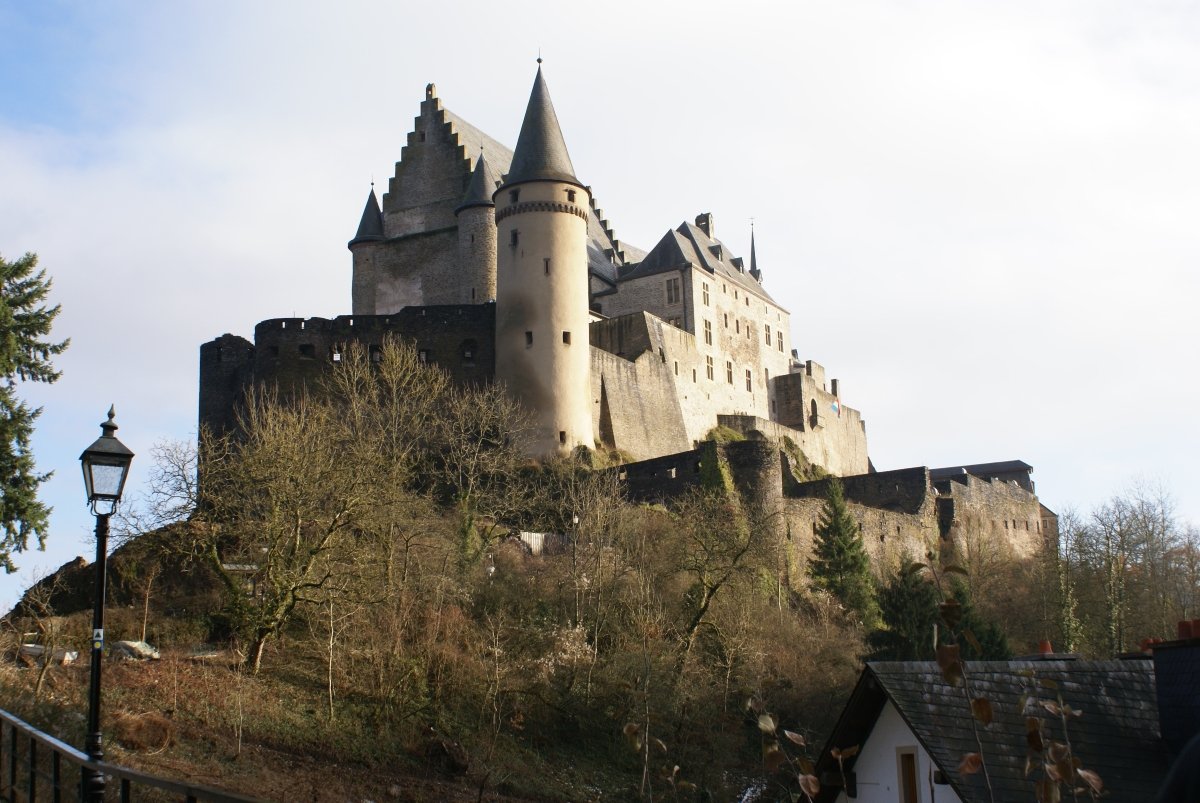
- 4. Vianden, Luxembourg: Europe’s Best-Kept Secret
- 5. Rocamadour, France: Vertical Medieval Madness
- Making It Happen: Practical Winter Travel Tips
- Why Choose Lesser-Known Over Iconic?
- Final Thoughts
Look, we all love Prague’s snow-dusted spires and Salzburg’s festive glow, but let’s be honest: so does everyone else with a Ryanair app. This winter, why not trade the selfie sticks and overpriced glühwein for something a bit more special?
I’m talking about Europe’s hidden castle towns—places where you can actually hear the crunch of snow under your boots, where local bakeries still outnumber Starbucks, and where that medieval fortress isn’t just a backdrop for your photos, it’s the heart of everyday life.
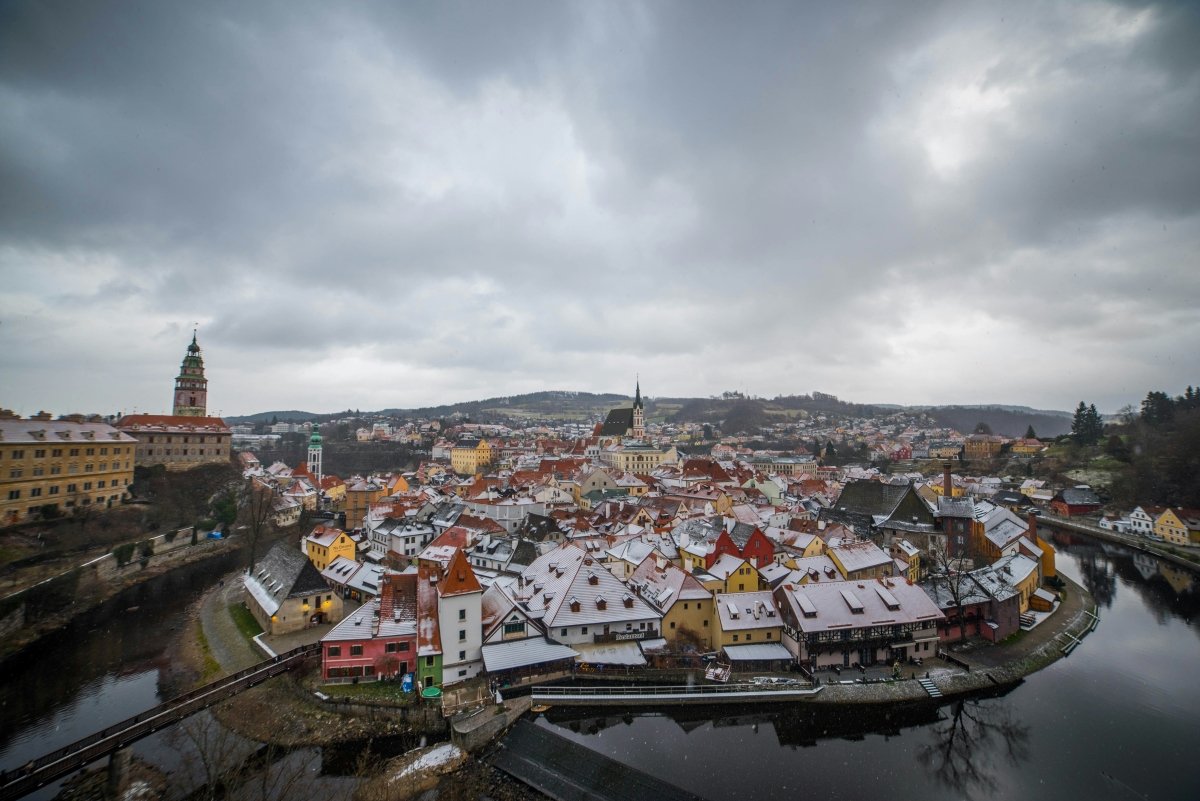
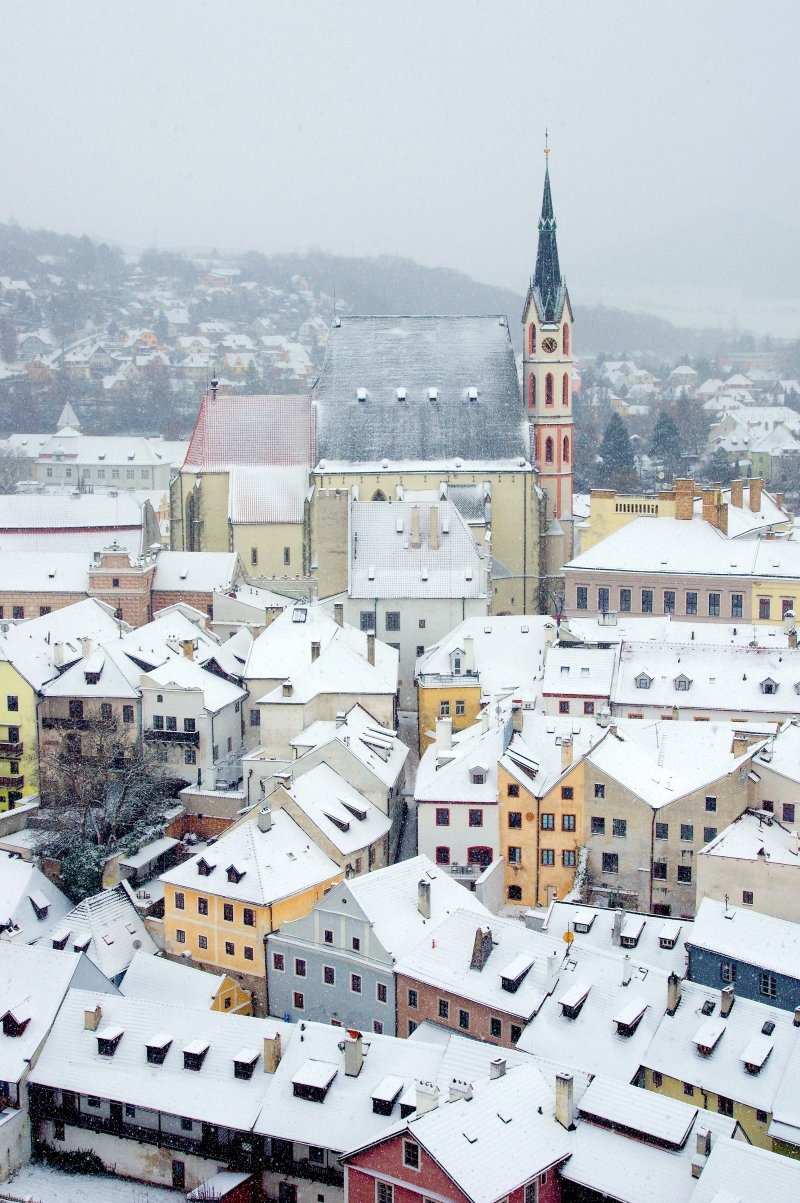
1. Český Krumlov, Czech Republic: Prague’s Cooler Little Sibling
Why you haven’t heard of it: Because Prague steals all the attention (and honestly, fair enough—Prague is stunning). But if you venture just two hours south, you’ll find a UNESCO town that feels like someone hit pause in the 1600s.
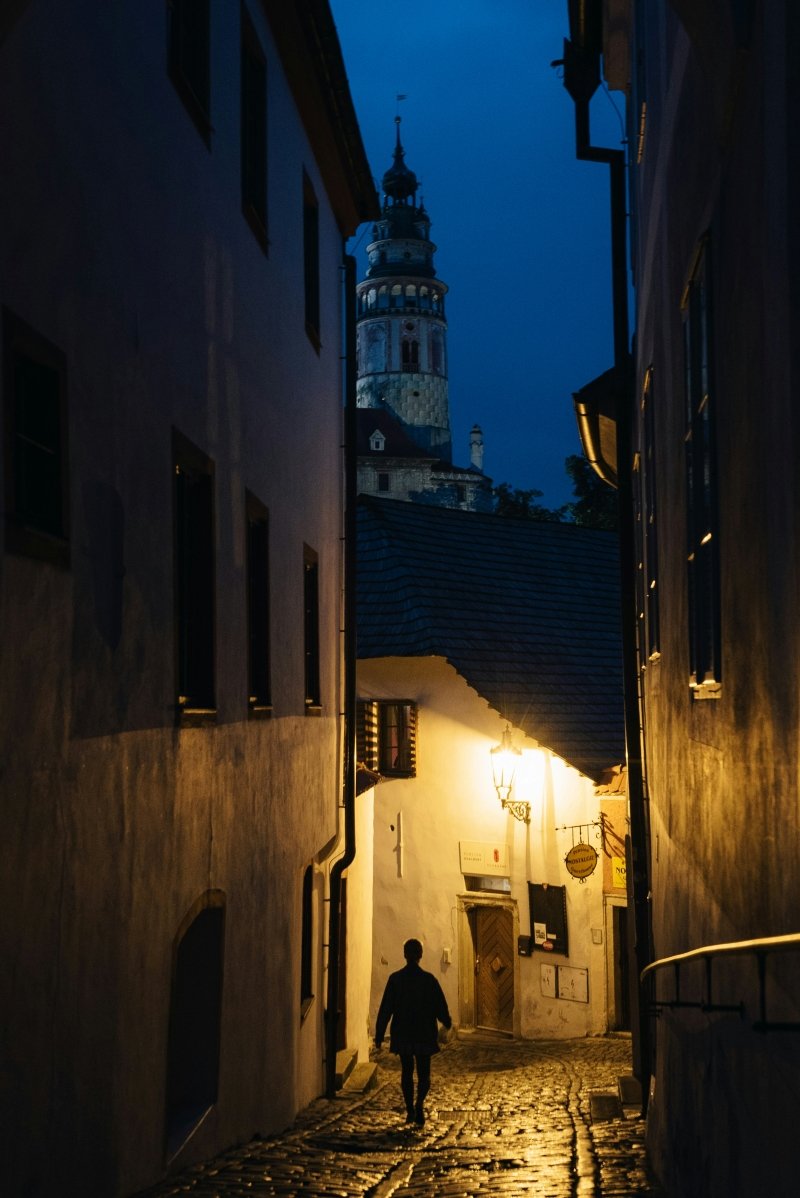
The winter magic: Picture this—a 13th-century castle perched above terracotta rooftops, the Vltava River partially frozen and reflecting fairy lights, and enough baroque architecture to make you forget what century you’re in. When snow blankets Český Krumlov, it transforms into something straight out of a Grimm fairy tale, minus the evil stepmothers.
What to do:
- Explore Český Krumlov Castle, the second-largest in the Czech Republic (yes, it’s bigger than Prague Castle, thank you very much)
- Wander the twisted medieval streets where you’ll legitimately get lost—but in the best way
- Warm up with trdelník (those spiral pastries) from street vendors who’ve been making them the same way for generations
- Visit during January or February for zero crowds and maximum atmosphere
Insider tip: Skip the summer and autumn when day-trippers from Prague descend like locusts. Winter belongs to those who appreciate the quiet magic of empty cobblestone streets at dusk.
Getting there: Direct bus from Prague (2.5 hours) or rent a car and make it a road trip through South Bohemia.
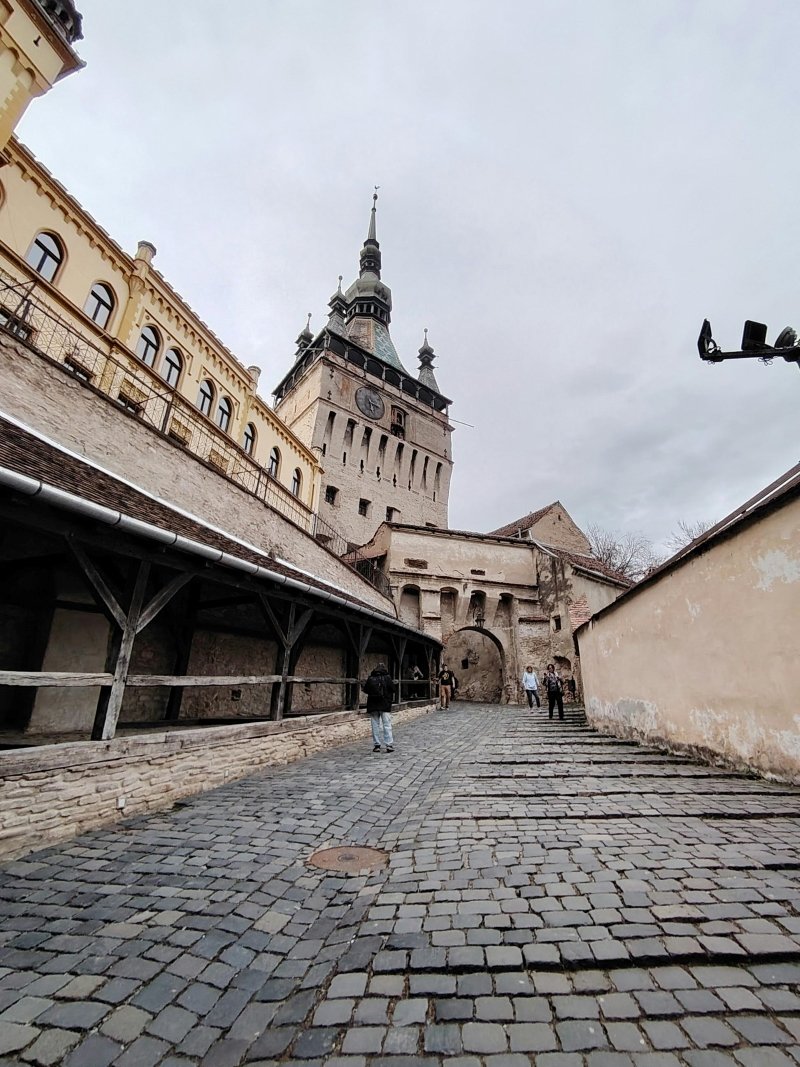
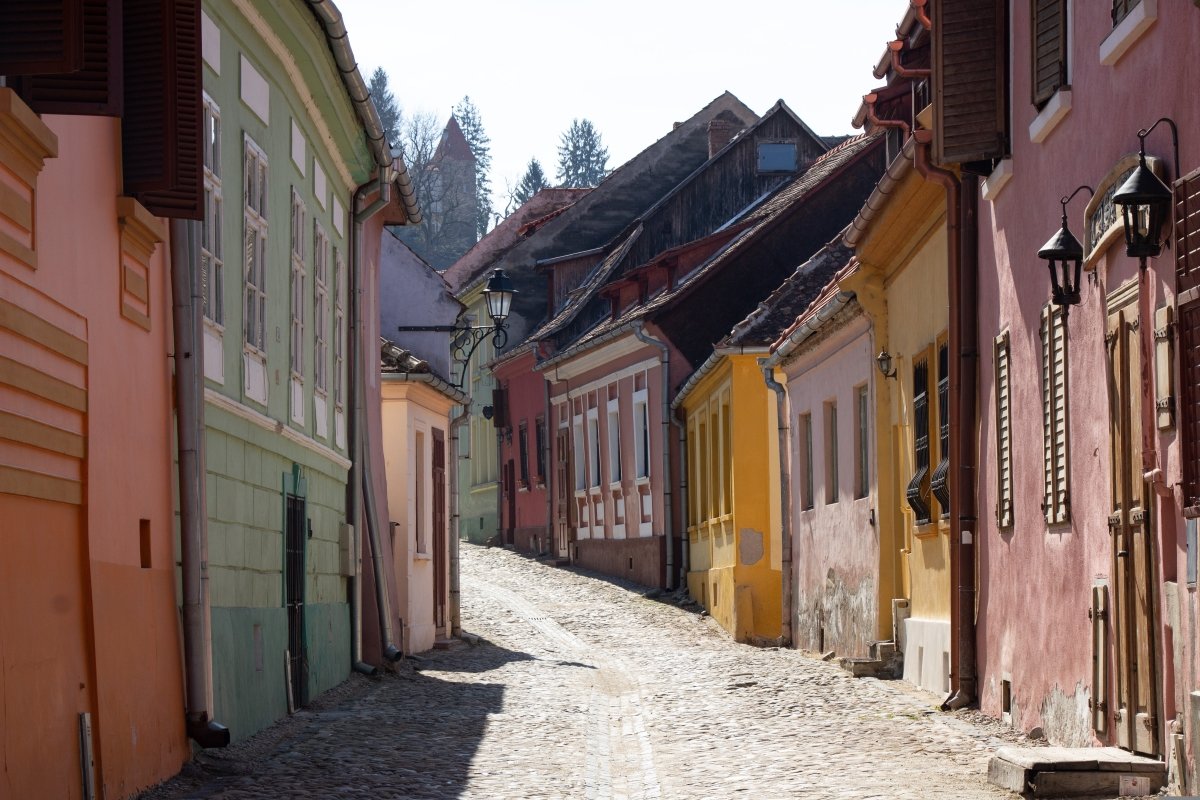
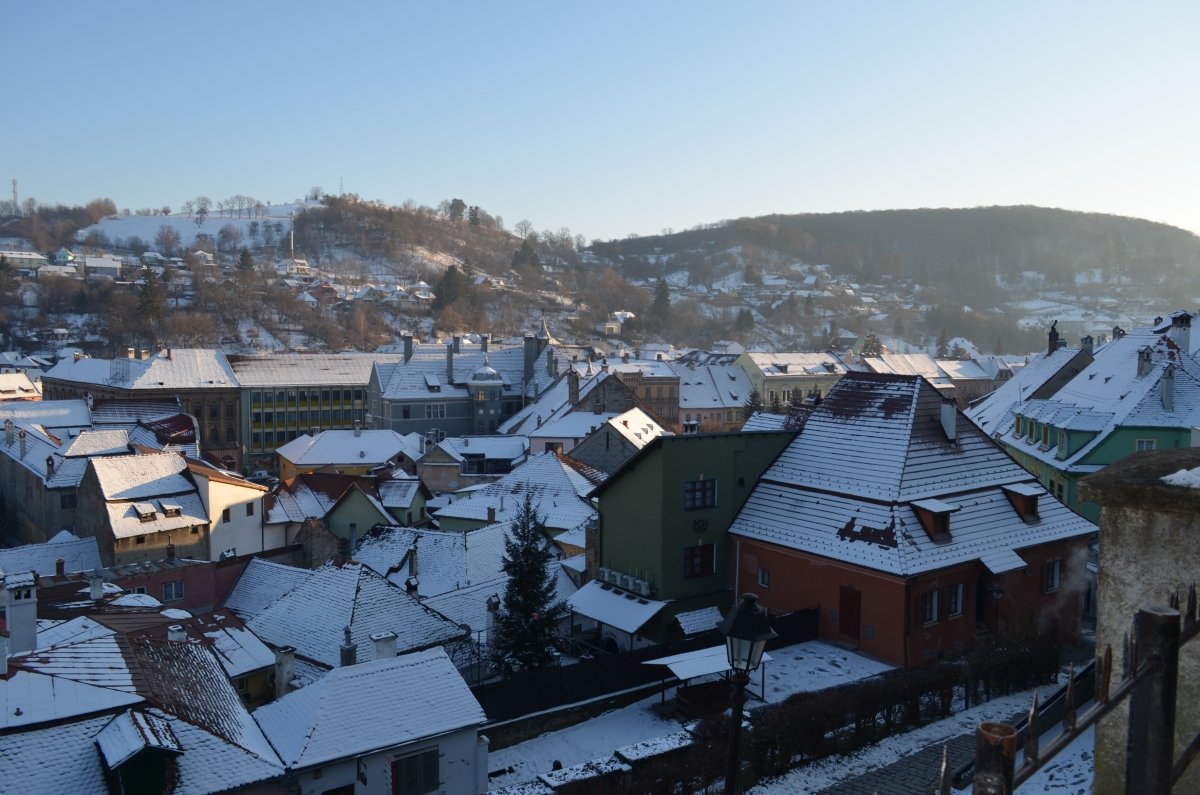
2. Sighișoara, Romania: Dracula’s Actual Hometown (No, Really)
Why it’s worth the journey: This is where Vlad the Impaler—yes, that Vlad who inspired Dracula—was born. But forget the vampire tourism trap; Sighișoara in winter is hauntingly beautiful in the most literal sense.
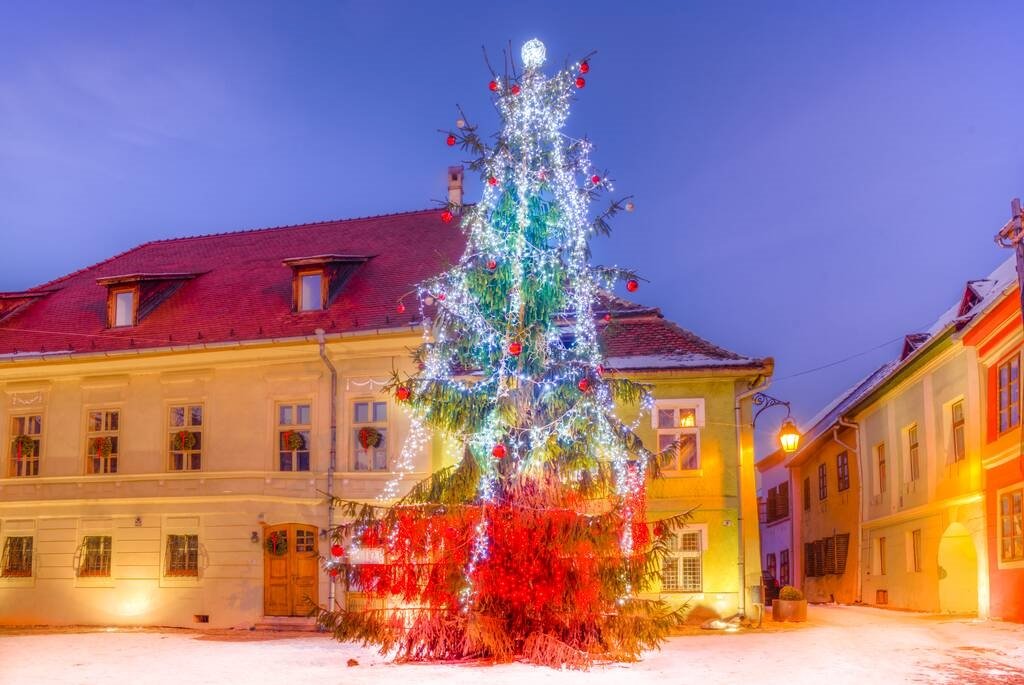
The winter scene: Snow transforms this Transylvanian gem into something between a Christmas card and a Gothic novel. The citadel sits on a hill like a crown, its pastel-painted houses and nine medieval towers creating a skyline that hasn’t changed in 800 years. When fog rolls through the valleys and lanterns flicker to life, you’ll understand why vampire legends started here.
What to experience:
- Climb the 176 wooden steps of the covered Scholar’s Stairs (built so students could reach school in winter)
- Visit Vlad Dracul’s birthplace, now a restaurant with medieval vibes and surprisingly good goulash
- Explore the Clock Tower Museum for panoramic views that’ll make your camera roll very happy
- Time your visit for December’s medieval Christmas market—smaller than the famous ones but infinitely more authentic
Real talk: Romania gets unfairly overlooked, partly due to outdated stereotypes. The locals are incredibly welcoming, English is widely spoken, and your money goes much further than in Western Europe. Plus, the countryside between towns offers some of Europe’s most pristine winter landscapes.
Getting there: Fly to Cluj-Napoca or Bucharest, then train or bus (3-4 hours). The journey through Transylvania is half the adventure.
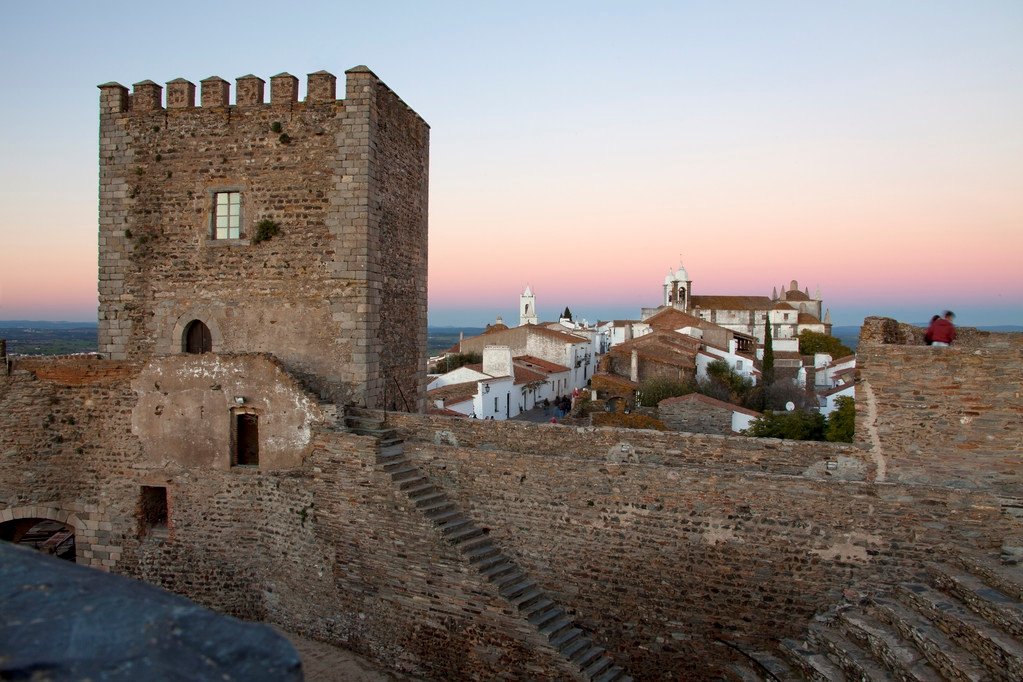
3. Monsaraz, Portugal: Where Medieval Meets Mild
The surprise factor: Portugal in winter? Absolutely. While northern Europe shivers under heavy snow, southern Portugal offers a different kind of winter escape—crisp mornings, sunny afternoons, and medieval villages without the frostbite.
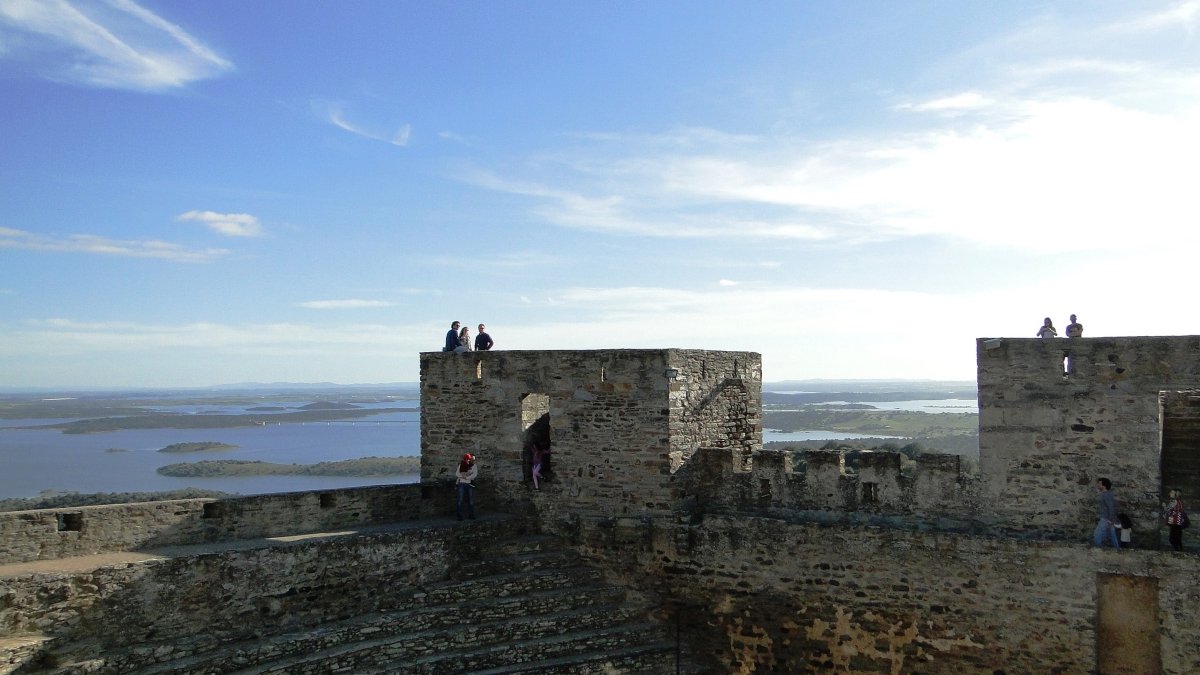
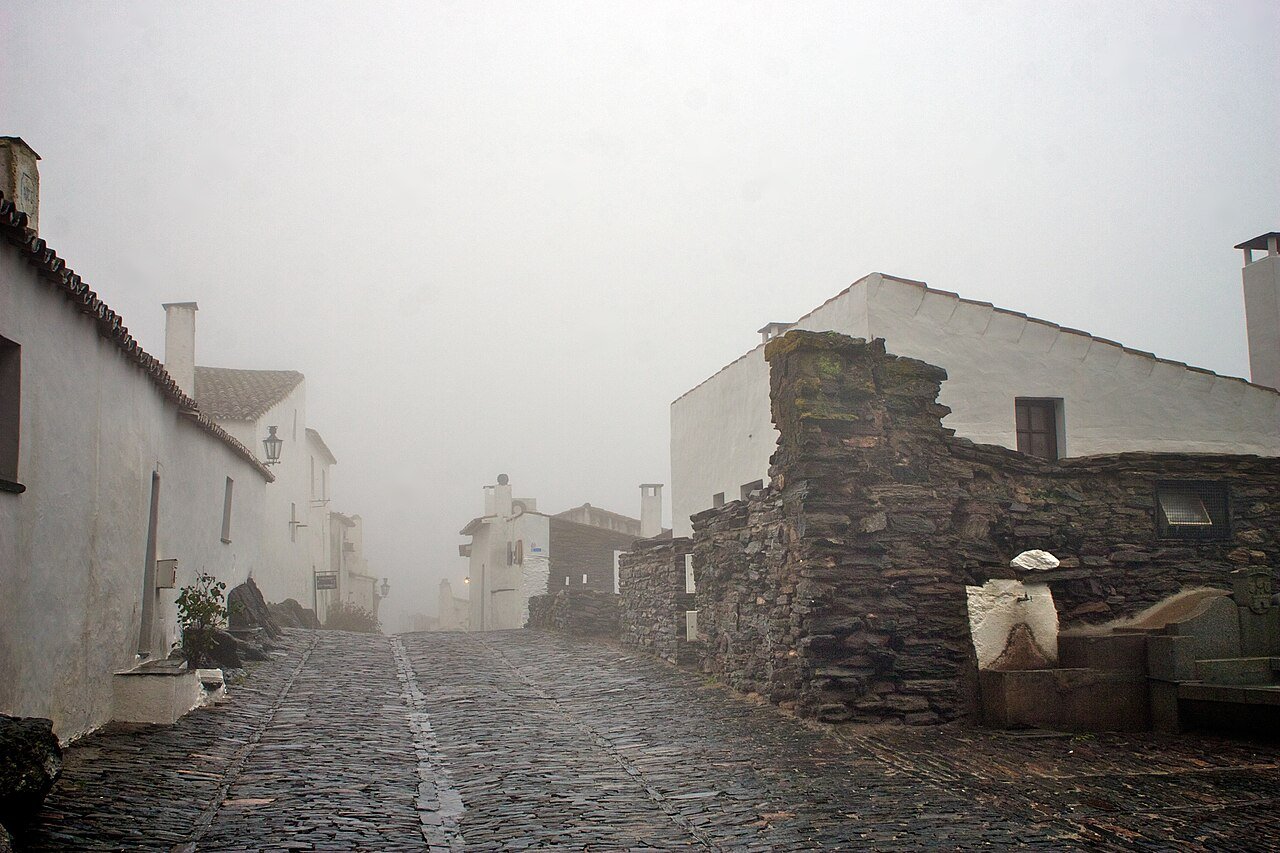
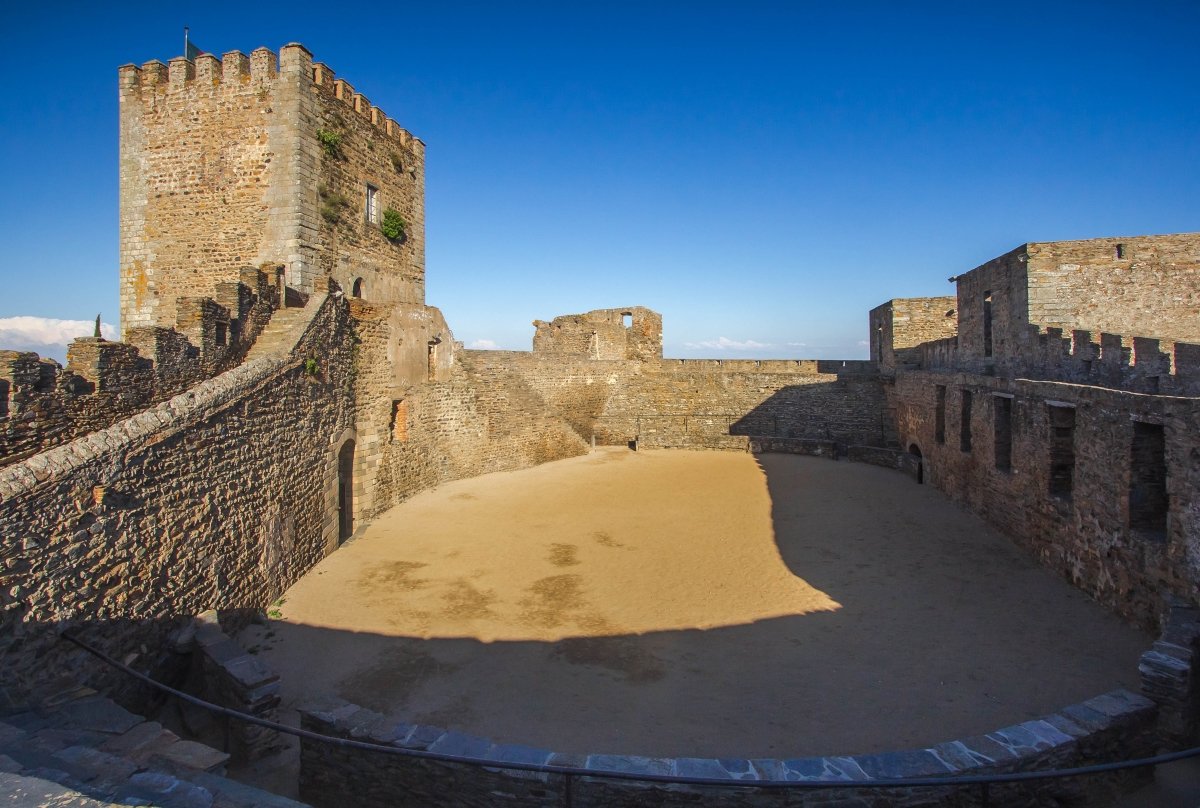
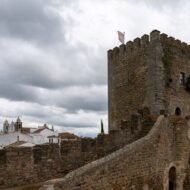
What makes it special: Monsaraz sits on a hilltop overlooking the Alqueva reservoir (Europe’s largest artificial lake) near the Spanish border. This walled village has about 50 permanent residents, whitewashed houses topped with terracotta, and a castle that’s been standing since the 1200s. It’s like someone preserved a slice of medieval Portugal in amber.
Winter advantages:
- Comfortable temperatures (10-15°C) perfect for exploring without sweating or freezing
- Golden-hour light that photographers literally dream about
- Near-total solitude in the narrow streets
- Access to the Dark Sky Reserve—Alqueva has some of Europe’s clearest night skies for stargazing
Activities beyond the castle:
- Wine tasting in the Alentejo region (seriously underrated compared to Douro)
- Boat tours on the reservoir when weather permits
- Exploring nearby megalithic sites dating back 7,000 years
- Just sitting in a café with fresh pastéis and watching life move at medieval pace
Why visit in winter: Summer brings heat and crowds. Winter brings solitude and perfect temperatures for wandering ancient fortifications without melting.
Getting there: Two hours from Lisbon by car, or combine with a trip to Évora (another gorgeous medieval town).
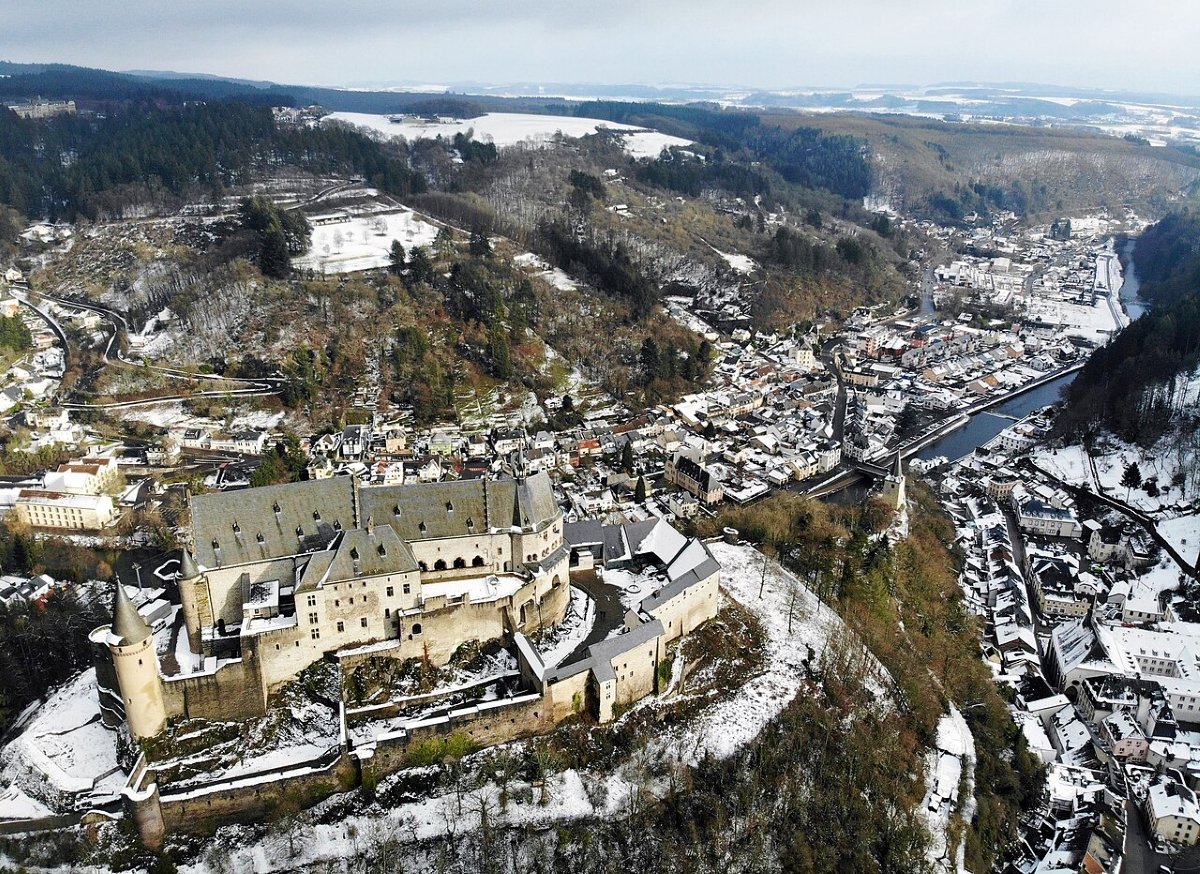
4. Vianden, Luxembourg: Europe’s Best-Kept Secret
Let’s address the elephant: Luxembourg? Really? Yes, really. This tiny country sandwiched between Germany, France, and Belgium packs serious medieval punch, and Vianden is the crown jewel.
The castle situation: Vianden Castle isn’t just impressive—it’s one of Europe’s largest and most beautifully restored fortresses, perched dramatically above a river valley. In winter, when mist clings to the surrounding Ardennes forests and snow dusts the ramparts, it looks like it’s guarding secrets from another age.
Why winter works:
- The castle feels authentically medieval when you’re not sharing it with tour buses
- The surrounding hiking trails through snowy forests are straight out of a fairytale
- Cozy restaurants serve warming Luxembourgish specialties you’ve never heard of
- Christmas decorations and markets feel genuine, not manufactured for tourists
What to do:
- Tour the castle’s furnished rooms and imagine life in medieval times (with excellent audio guides)
- Walk along the Our River as it winds through the valley
- Take the chairlift up to the castle for ridiculous views (weather permitting)
- Try Judd mat Gaardebounen (smoked pork with broad beans)—comfort food perfected
The bonus: Luxembourg is ridiculously easy to reach from anywhere in Western Europe, multilingual, safe, and compact enough to explore thoroughly in a long weekend.
Getting there: Train from Luxembourg City (45 minutes) or drive through the scenic Ardennes region.
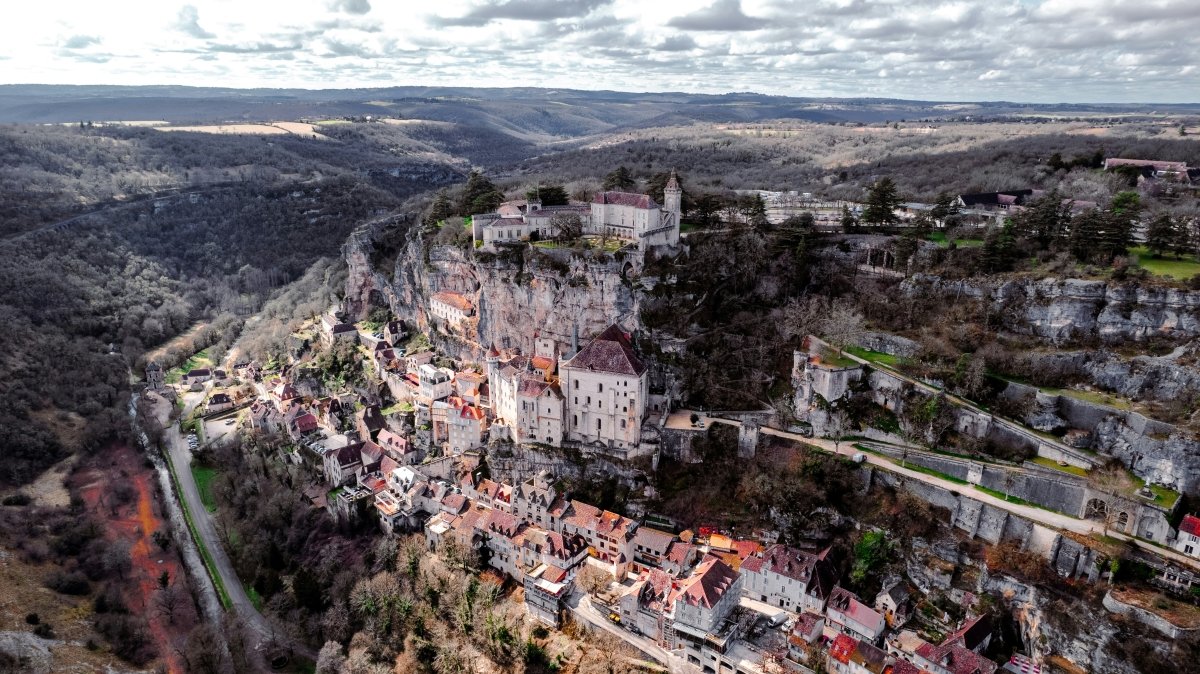
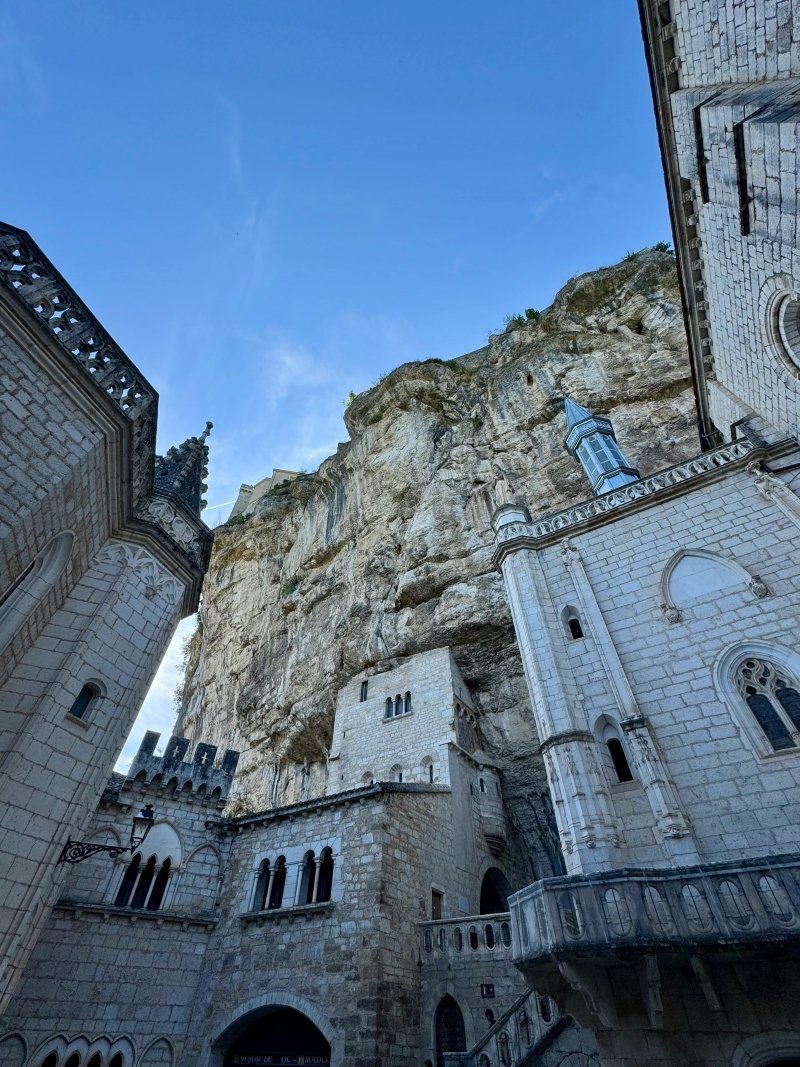
5. Rocamadour, France: Vertical Medieval Madness
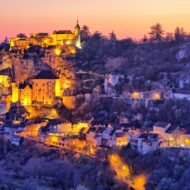
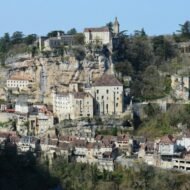
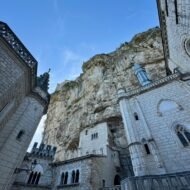
First impressions: When you first see Rocamadour clinging to a cliff face in southwestern France, your brain does a double-take. Buildings literally stack on top of each other up a limestone cliff, crowned by a château, with a sacred sanctuary complex in between. It’s architectural insanity in the best possible way.
Winter charm: Summer brings pilgrims and tourists by the busload. Winter brings quiet reverence. The medieval village seems to emerge from the misty Alzou canyon like something from a dream, and you can actually hear the church bells echoing off the cliffs instead of competing with crowds.
Why it’s special:
- One of France’s most important pilgrimage sites for 1,000+ years
- The Grand Escalier (216 steps) climbs through medieval buildings carved into the rock
- Seven chapels cluster together in a sacred complex that defies gravity
- The surrounding Dordogne region offers caves, prehistoric sites, and exceptional food
Winter activities:
- Climb the steps (pilgrims traditionally did it on their knees—you don’t have to)
- Visit the Chapelle Notre-Dame with its Black Madonna statue
- Explore the Grottes des Merveilles prehistoric cave
- Feast on Rocamadour cheese and regional duck dishes in intimate restaurants
- Drive the stunning scenic routes through the Parc Naturel Régional des Causses du Quercy
Cultural note: This is a living pilgrimage site with deep spiritual significance. Visit respectfully, especially inside the chapels and sanctuary.
Getting there: Two hours from Toulouse by car, or combine with exploring the Dordogne Valley’s other medieval villages.
Making It Happen: Practical Winter Travel Tips
Best time to visit: January through early March for the smallest crowds and most atmospheric conditions. December works if you want Christmas markets, but expect more visitors.
Packing essentials:
- Layers, layers, layers—castle interiors are cold, period
- Waterproof boots with good grip for cobblestones and stairs
- Quality camera or phone with good low-light performance
- Portable charger (cold drains batteries fast)
- Reusable water bottle and snacks—facilities can be limited in winter
Budget considerations: Off-season winter travel means significantly cheaper accommodation and flights. You’ll easily save 40-60% compared to summer prices, and that money goes toward better meals and experiences instead of crowded tourist traps.
Accessibility matters: Let’s be real—medieval towns weren’t built with wheelchairs or strollers in mind. Steep steps, uneven cobblestones, and narrow passages are standard. Contact local tourism offices ahead of time for accessibility information and alternative routes where available.
Language tips: English gets you surprisingly far in tourist areas, but learning basic phrases in the local language shows respect and opens doors. Download offline translation apps as rural areas may have spotty data coverage.
Why Choose Lesser-Known Over Iconic?
Here’s the thing about Europe’s famous castle towns: they’re famous for good reason. But there’s something magical about discovering a place before it hits everyone’s bucket list. In these five towns, you’ll actually talk to locals, stumble upon hidden corners without Google Maps guidance, and feel like you’re experiencing something real instead of performing tourism.
Plus, sustainable travel isn’t just a buzzword—it’s about distributing tourism benefits beyond overcrowded hotspots. These destinations genuinely welcome visitors and benefit from tourism revenue without being overwhelmed by it.
Final Thoughts
Winter in Europe doesn’t have to mean fighting through Christmas market crowds or paying premium prices for the same experiences as millions of others. These five castle towns offer something increasingly rare: authentic medieval atmosphere where you can breathe, think, and actually absorb where you are.
Whether you’re drawn to Romania’s Gothic mysteries, Portugal’s sunny stones, or France’s cliff-hanging marvel, each destination proves that Europe’s best secrets are still out there—you just need to look beyond the obvious choices.
So this winter, skip the predictable and embrace the possibility of getting genuinely, wonderfully lost in a medieval maze. Your future self (and your Instagram followers) will thank you.
Ready to explore? Start with one town, fall in love, then come back for the others. Medieval Europe isn’t going anywhere—and in winter, it’s waiting just for you.