



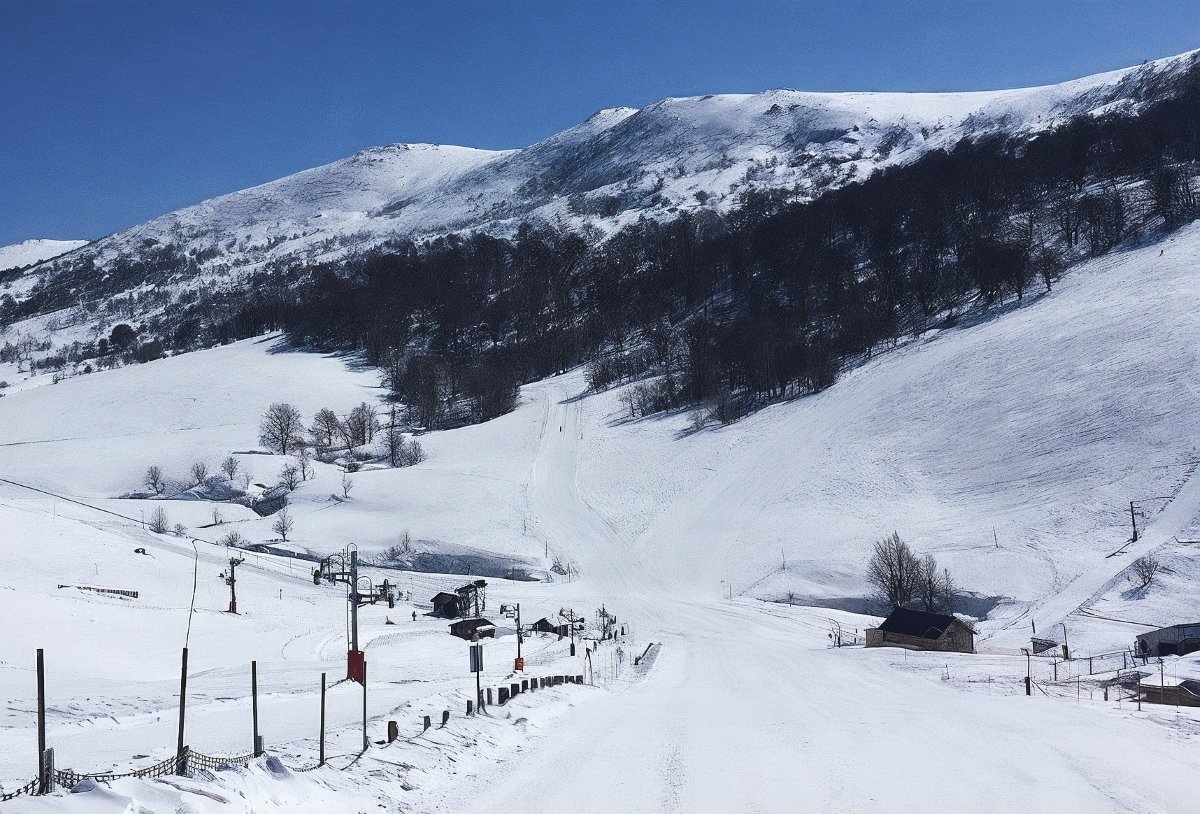

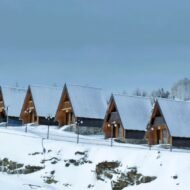
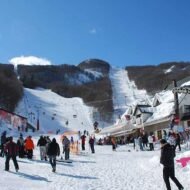
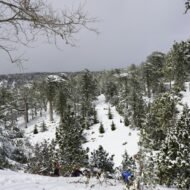
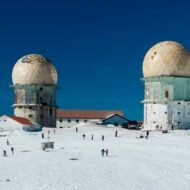


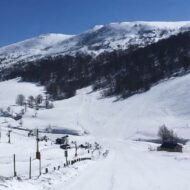
TL;DR: Hidden gem ski resorts across Europe , Forget the overpriced Alps. These five secret European ski destinations offer incredible slopes, authentic culture, and prices that won’t empty your wallet. From skiing on a Mediterranean island to carving turns in Albania, these hidden gems deliver unforgettable winter adventures without the tourist masses.
Look, we all know the usual suspects: Chamonix, St. Moritz, Verbier. Beautiful? Absolutely. Affordable? Not even close. Crowded? You’ll spend more time in lift lines than actually skiing.
But here’s what most travelers don’t realize: Europe’s best ski experiences aren’t happening where everyone’s looking. They’re tucked away on Mediterranean islands, hidden in Portuguese mountains, and thriving in countries you’d never associate with winter sports.
Ready to discover ski resorts where locals still outnumber tourists, lift tickets cost less than lunch in the French Alps, and you’ll have stories nobody else can top? Let’s go.
1. Val d’Ese/Ghisoni/Haut Asco, Corsica, France
The Mediterranean Island Where You Ski Above the Sea
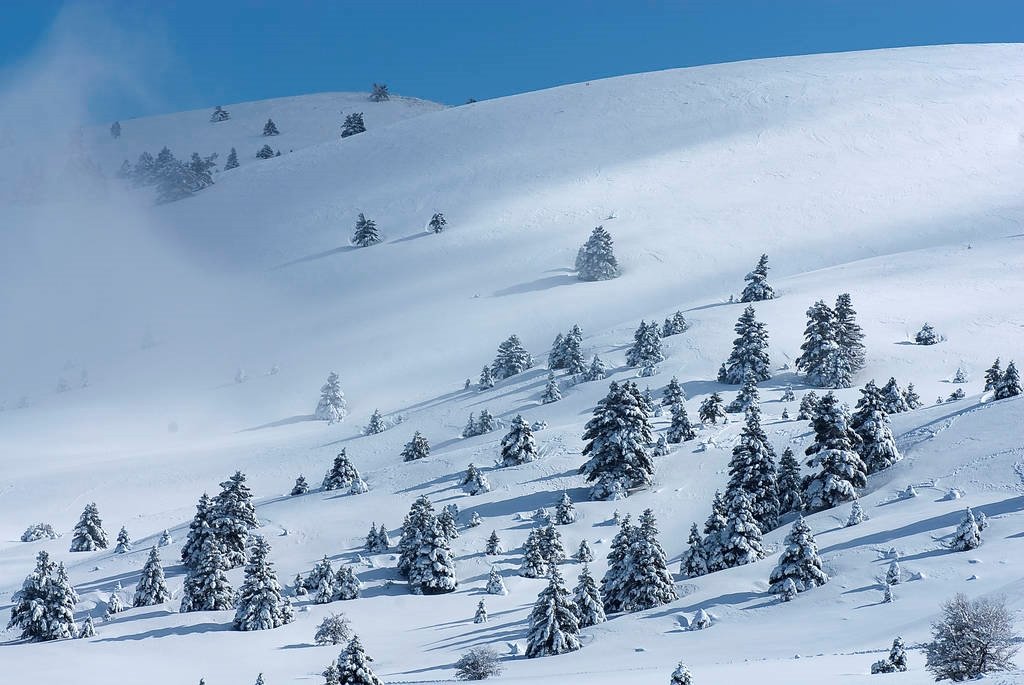
Here’s a wild thought: what if you could ski in the morning and hit the beach by afternoon? Welcome to Corsica, where Napoleon’s birthplace serves up some of Europe’s most surreal skiing.
At a Glance:
- Avg. Temp (January): 3-8°C (37-46°F) at altitude
- What to Expect: Inconsistent snowfall (hit or miss), stunning mountain views over the Mediterranean, and a season that runs late December through March when conditions cooperate
- Nearest Major Airport: Ajaccio Napoleon Bonaparte Airport (AJA) or Bastia-Poretta Airport (BIA)
Interesting Facts: The ski stations here are managed by locals who’ve perfected the art of making the most of Mediterranean mountain snow. Val d’Ese is Corsica’s oldest ski resort, dating back to the 1960s. What makes it truly bizarre? On clear days, you can literally see the sea while you’re carving down slopes at 1,800 meters.
Things to Do (According to Users):
- Hit the slopes at Val d’Ese (best for families and beginners)
- Explore Ghisoni’s varied terrain with its 16km of pistes
- Tackle Haut Asco in the north for more challenging runs
- Snowshoe through the Corsican Regional Nature Park
- Visit traditional mountain villages like Vizzavona
- Take a winter hike to discover frozen waterfalls
Accommodation Options: Forget luxury ski chalets—Corsica keeps it real. Mountain refuges and small family-run hotels dominate here. Think €40-80/night for basic but cozy spots in villages like Ghisoni or Bastelica. For more comfort, coastal towns like Ajaccio offer better amenities (20-40 minutes from some resorts).
Local Traditions & Culture: Corsicans don’t do anything halfway, including their polyphonic singing traditions that echo through mountain taverns. Winter here means chestnut festivals, wild boar hunts, and locals who’ve been skiing these peaks for generations. The island fiercely guards its identity—you’re in France, but you’ll quickly learn this is Corsica first.
Food & Signature Dishes: After a day on the slopes, dig into:
- Civet de sanglier (wild boar stew) – heavy, warming, perfect
- Brocciu cheese – a ricotta-like cheese that appears in everything
- Chestnut flour polenta (pulenta)
- Figatellu – liver sausage that tastes way better than it sounds
- Local wines and Pietra chestnut beer
Budget Considerations:
- Lift tickets: €20-30/day (compared to €50-70 in the Alps)
- Equipment rental: €15-25/day
- Meals: €12-20 for hearty mountain restaurant fare
- Total daily budget: €80-150 (accommodation included)
Shopping: Tiny resort villages mean limited shopping, but you can score authentic Corsican products: charcuterie, honey, essential oils, and handcrafted knives. Save serious shopping for Ajaccio or Bastia.
Outdoor Activities Beyond Skiing: Snowshoeing, ski touring, ice climbing (for the adventurous), and winter photography—the landscapes here are ridiculously photogenic.
Events: Winter is quieter for events, but locals celebrate A Festha di a Castagna (Chestnut Festival) in various villages from November through January.
Useful Info: Snow reliability is the gamble here—always check conditions before booking. Car rental is essential unless you’re staying resort-side. French is the official language, but Corsican is widely spoken. Cell coverage can be patchy in mountain areas.
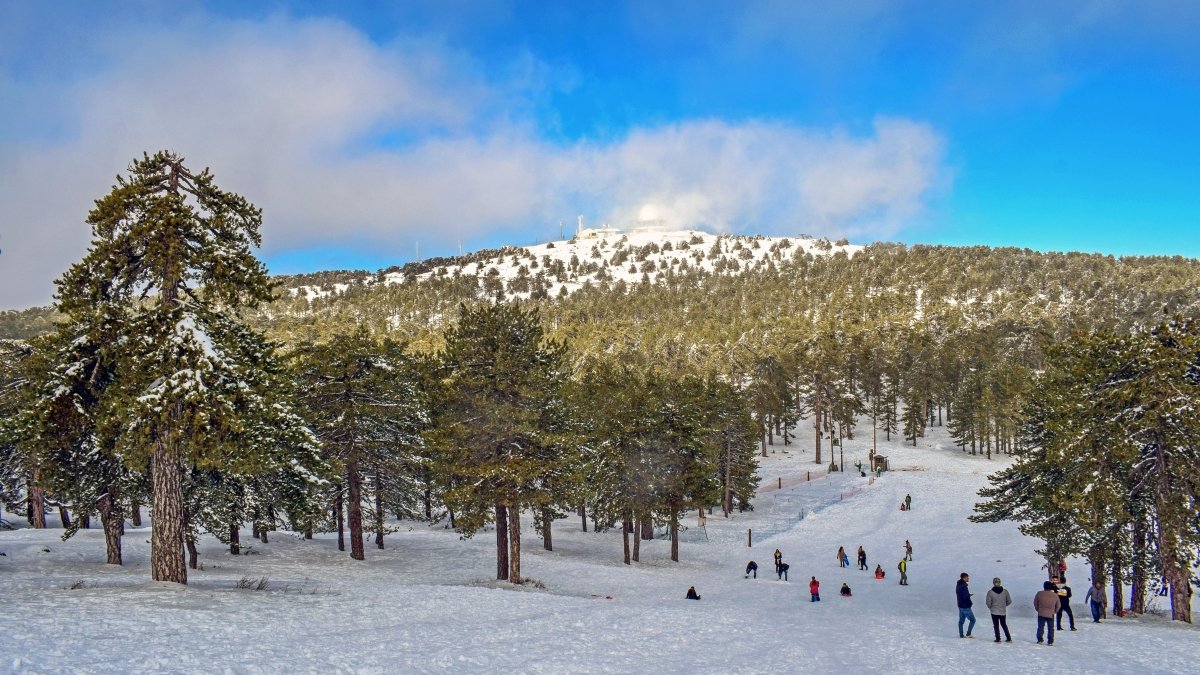
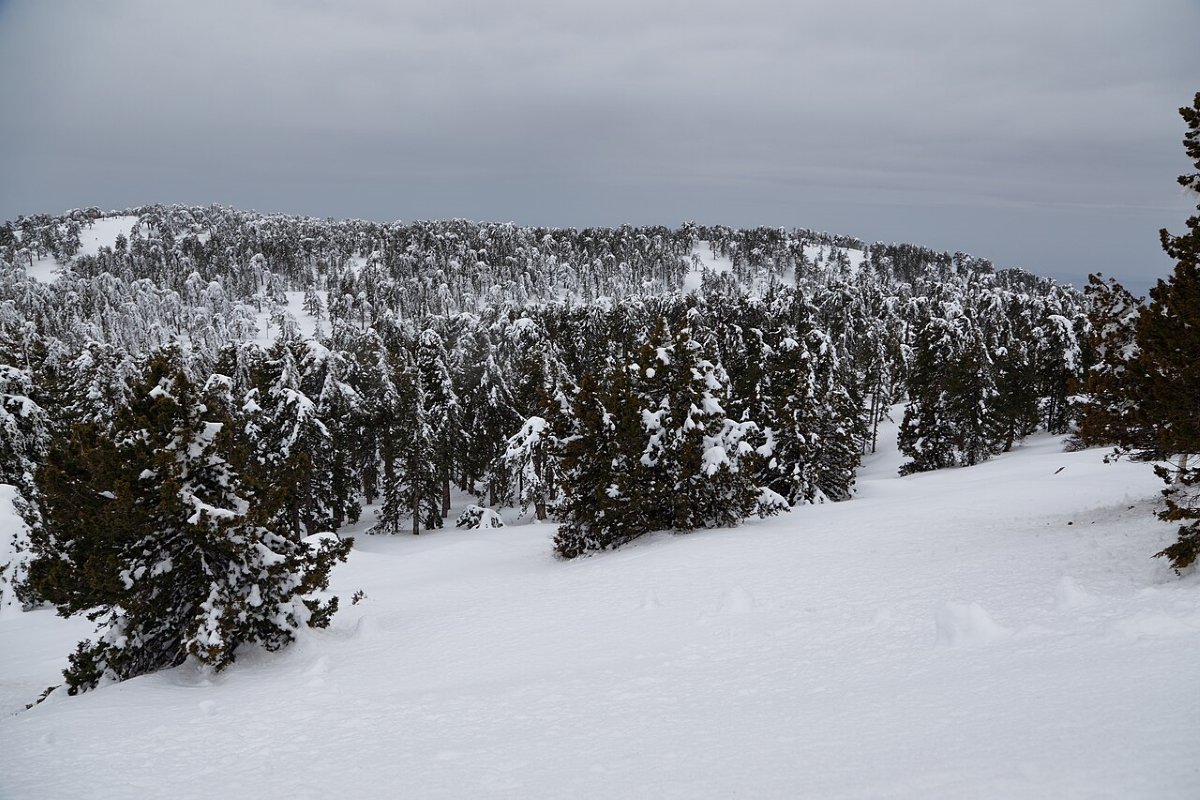
2. Cyprus Ski Club, Troodos – Mount Olympos, Cyprus
Yes, You Can Actually Ski in Cyprus (And It’s Awesome)
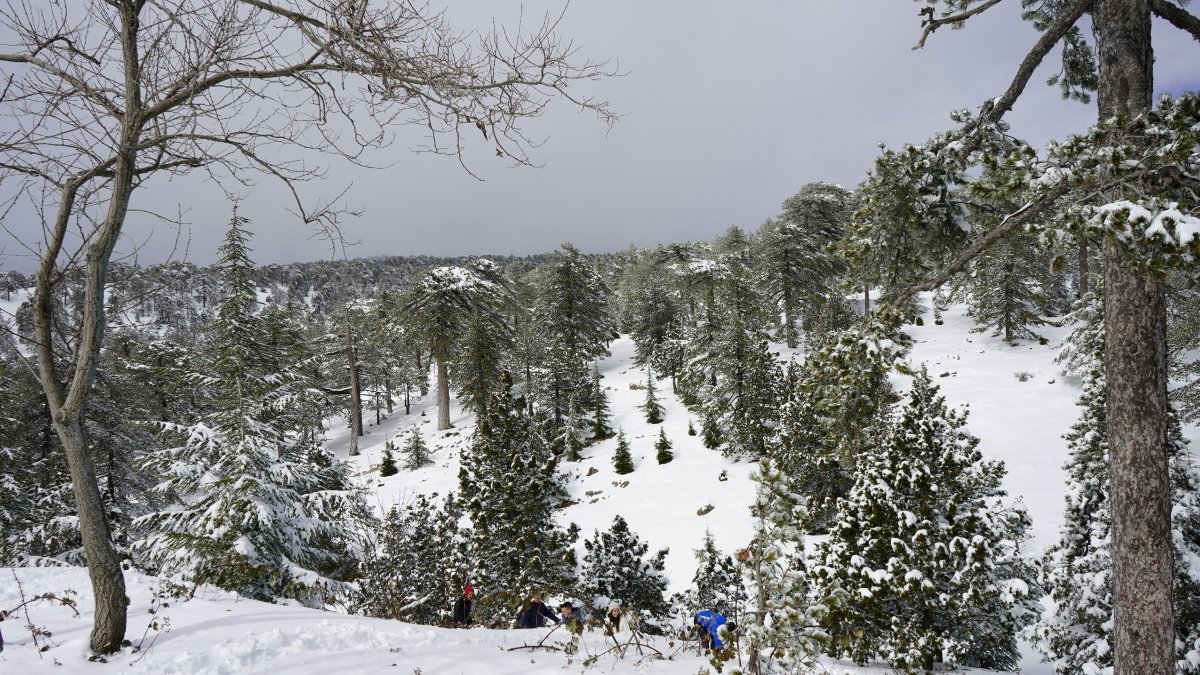
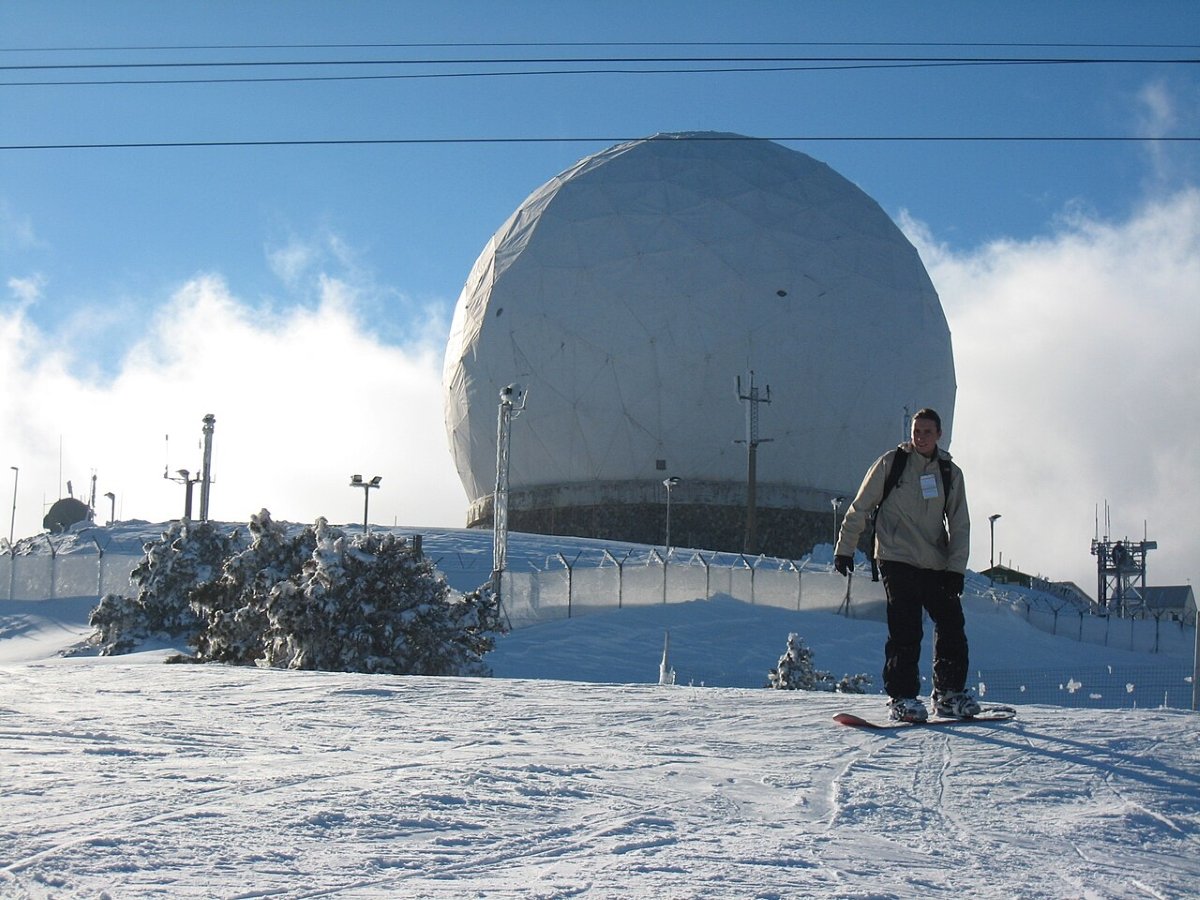
If someone told you there’s skiing in Cyprus, you’d probably laugh. Then you’d Google it. Then you’d book a flight, because skiing on a Mediterranean island where you can literally see the coast from the summit is bucket-list material.
At a Glance:
- Avg. Temp (January): -5 to 5°C (23-41°F) at Mount Olympos (1,952m)
- What to Expect: Short but sweet season (January-March), basic but functional facilities, and an experience that’s more about novelty than hardcore skiing
- Nearest Major Airport: Larnaca International Airport (LCA) or Paphos International Airport (PFO) – both about 90 minutes away
Interesting Facts: Mount Olympos (not to be confused with Greece’s famous peak) is Cyprus’s highest point. The ski resort only has four lifts and about 10 runs, but here’s the kicker: you can ski in the morning and swim in the Mediterranean by afternoon. The Cyprus Ski Club has been operating since the 1940s, making it one of the oldest ski clubs in the eastern Mediterranean.
Things to Do (According to Users):
- Ski the Sun Valley and North Face runs (suitable for beginners to intermediates)
- Explore the charming Troodos villages like Platres and Kakopetria
- Visit Byzantine churches with UNESCO-listed frescoes
- Hike the Artemis Trail around Mount Olympos when there’s less snow
- Sample commandaria wine in local wineries
- Photograph the surreal experience of skiing with sea views
Accommodation Options: The Troodos region offers mountain hotels and traditional guesthouses. Expect €50-120/night for decent mid-range options in villages. The Jubilee Hotel right at the resort offers ski-in/ski-out convenience. For budget travelers, Airbnbs in nearby villages run €30-60/night.
Local Traditions & Culture: You’re skiing in a region steeped in Byzantine history. The Troodos Mountains are dotted with painted churches dating back centuries. Locals are genuinely surprised and delighted to see tourists skiing here—you’ll get the warmest welcome and plenty of curiosity about why you chose Cyprus for winter sports.
Food & Signature Dishes: Cypriot mountain food is comfort incarnate:
- Kleftiko – slow-cooked lamb that falls off the bone
- Halloumi – grilled squeaky cheese (you know this one)
- Souvla – large chunks of grilled meat
- Sheftalia – Cypriot sausages
- Loukoumades – honey-soaked doughnuts for après-ski
- Strong Cypriot coffee to warm up
Budget Considerations:
- Lift tickets: €15-25/day (incredibly affordable)
- Equipment rental: €15-20/day
- Meals: €10-18 at mountain tavernas
- Total daily budget: €70-140
Cyprus is genuinely budget-friendly, especially compared to alpine resorts.
Shopping: Troodos villages sell local products: zivania (grape spirit), rose water, preserved fruits, and handwoven textiles. Don’t expect ski boutiques—think artisan crafts instead.
Outdoor Activities Beyond Skiing: Hiking (the region has incredible trails), mountain biking when there’s less snow, off-road driving, and village-hopping. In late winter, you can combine skiing with coastal activities.
Events: The ski season is short, so events are limited, but local villages host winter festivals celebrating Cypriot culture. Check out the Platres Cherry Festival if you’re there in late winter/spring.
Useful Info: Snow isn’t guaranteed—the season depends entirely on weather patterns. The resort is basic (don’t expect state-of-the-art lifts), but that’s part of the charm. English is widely spoken. Rent a car; public transport to mountain areas is limited.
3. Serra da Estrela Ski Resort, Portugal
Portugal’s Only Ski Resort (And Its Best-Kept Secret)
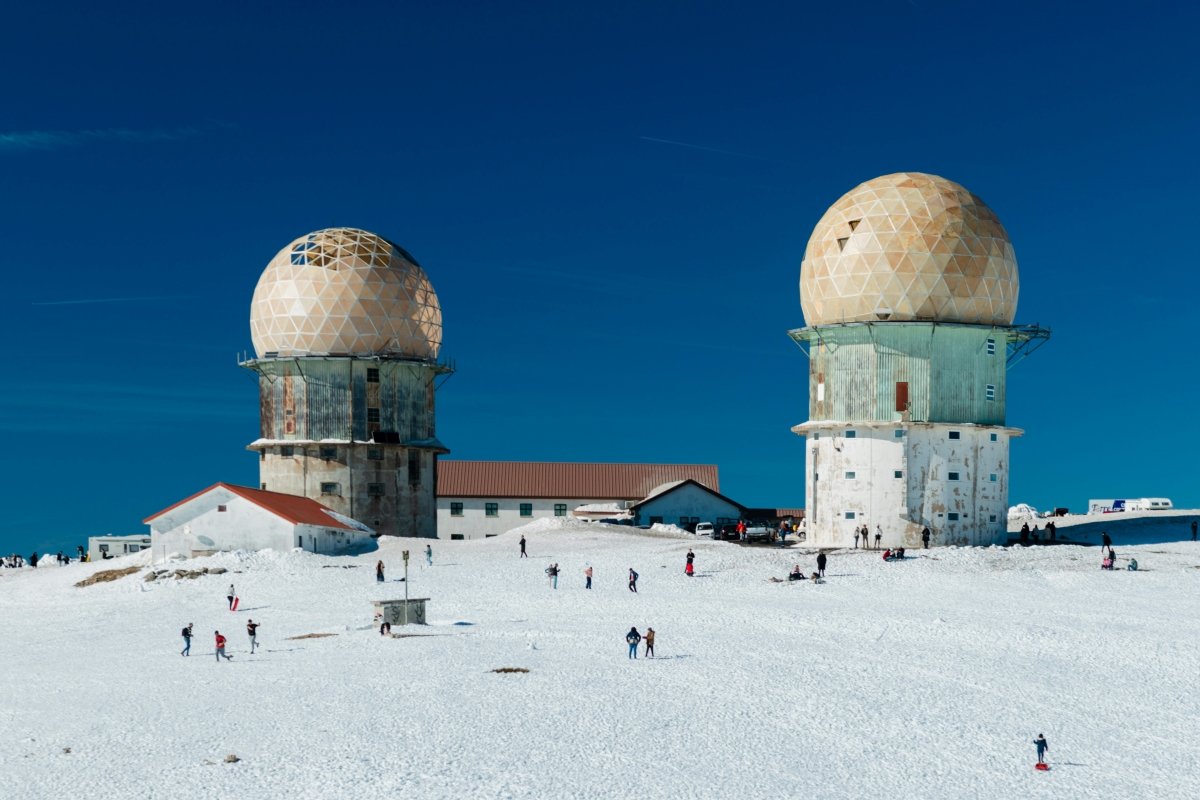
Picture this: you’re skiing in Portugal, surrounded by ancient glacial valleys, with the highest peaks on mainland Portugal all around you. Later, you’re soaking in thermal springs and eating the best cheese you’ve never heard of. This is Serra da Estrela.
At a Glance:
- Avg. Temp (January): -2 to 6°C (28-43°F) at altitude
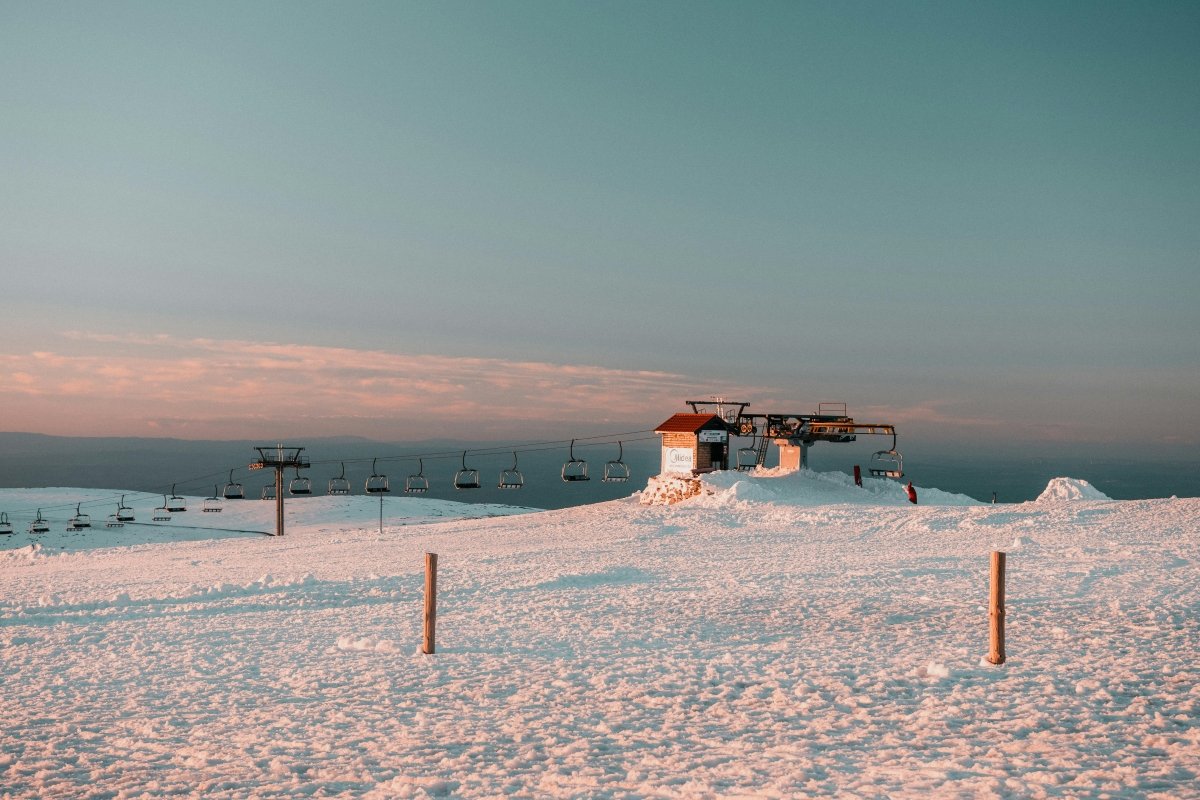
- What to Expect: Portugal’s only ski resort, short season (January-March, weather dependent), modest infrastructure, stunning natural beauty, and a uniquely Portuguese vibe
- Nearest Major Airport: Francisco Sá Carneiro Airport (OPO) in Porto – about 2.5 hours by car
Interesting Facts: Serra da Estrela Natural Park is home to Portugal’s highest mainland peak, Torre, at 1,993 meters. The region is famous for its Serra da Estrela cheese (queijo da serra), made from sheep’s milk using traditional methods. The ski resort, Vodafone Ski Resort, is small but beloved by Portuguese families. Fun fact: this mountain range has glacial origins, with valleys carved out during ice ages.
Things to Do (According to Users):
- Ski or snowboard the modest but fun slopes (8 runs total)
- Hike to Torre, the highest point
- Visit the adorable mountain villages of Manteigas and Seia
- Try sledding and snowshoeing
- Soak in thermal springs in nearby Caldas de Manteigas
- Explore the Museum of Bread in Seia (seriously, it’s excellent)
- Sample Serra da Estrela cheese at local dairies
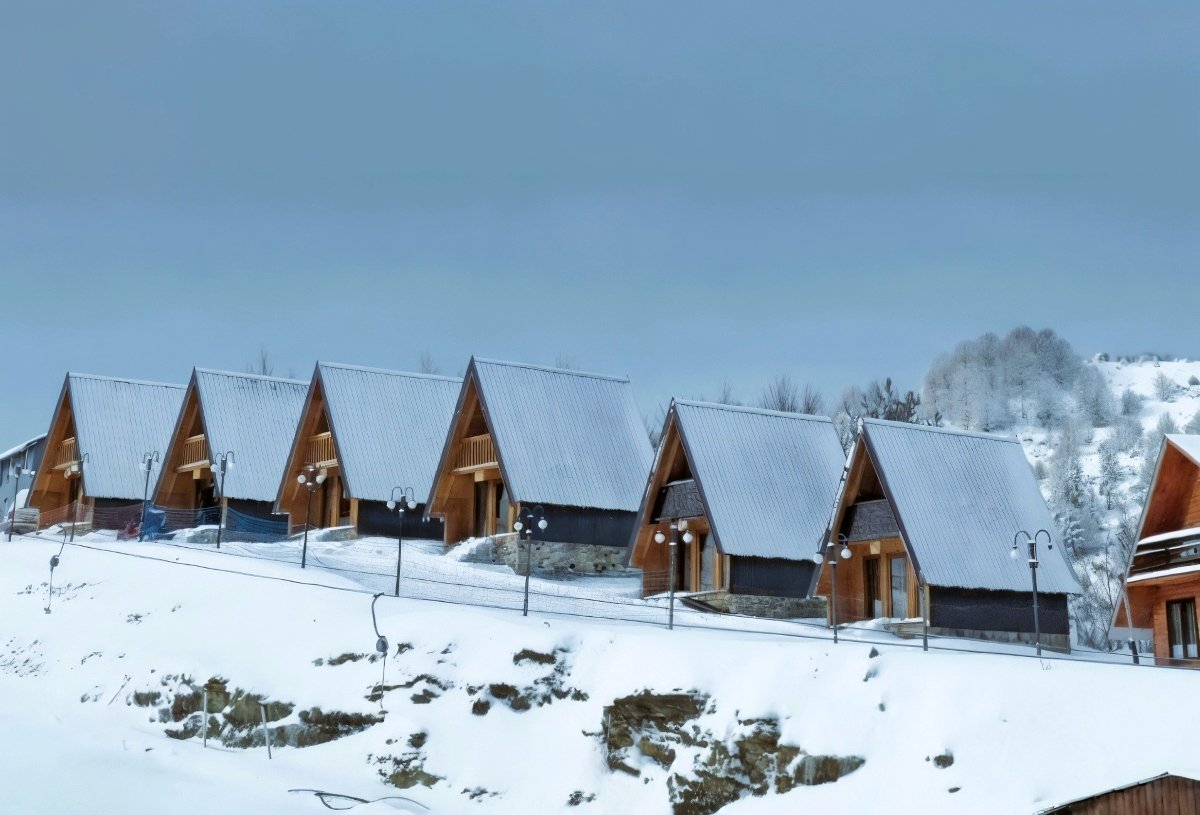
Accommodation Options: From rustic mountain lodges to cozy guesthouses in villages like Manteigas and Gouveia. Expect €40-90/night for comfortable mid-range spots. Hotel Serra da Estrela and Pousada da Serra offer full amenities. Budget travelers can find rooms in family-run places for €30-50/night.
Local Traditions & Culture: This region is deeply traditional. Shepherding has shaped the culture for centuries—you’ll see sheepdog trials and traditional wool products everywhere. The mountain villages maintain old customs, from bread-making in communal ovens to celebrating saints’ days with processions. Winter is when locals gather around fireplaces in tascas (taverns) sharing stories and wine.
Food & Signature Dishes: Portuguese mountain cuisine is hearty and soul-warming:
- Queijo da Serra – creamy, intense sheep’s milk cheese
- Cabrito assado – roasted kid goat
- Bacalhau – salted cod prepared countless ways
- Chouriço – Portuguese smoked sausage
- Bolo de mel – honey cake
- Regional wines from Dão and Beira Interior
Budget Considerations:
- Lift tickets: €15-28/day
- Equipment rental: €12-20/day
- Meals: €8-15 for traditional fare
- Total daily budget: €60-120
Portugal remains one of Europe’s most affordable destinations, even in its only ski resort.
Shopping: Stock up on Serra da Estrela cheese (you can buy whole wheels to take home), wool blankets and clothing, honey, charcuterie, and regional wines. The towns of Seia and Gouveia have better shopping than the resort itself.
Outdoor Activities Beyond Skiing: Hiking the glacial valleys, visiting shepherd’s huts, photography (the landscape is dramatic), off-roading, and thermal spa experiences. In spring, the mountains explode with wildflowers.
Events: Queijo Serra da Estrela Fair in Seia (February), various winter festivals in mountain villages, and religious celebrations tied to the agricultural calendar.
Useful Info: Snow coverage varies significantly year to year—check forecasts. The resort is small and can get crowded on weekends with Portuguese families. Renting a car is essential. Limited English outside major hotels, but locals are friendly and patient. The region doubles as a summer hiking destination.
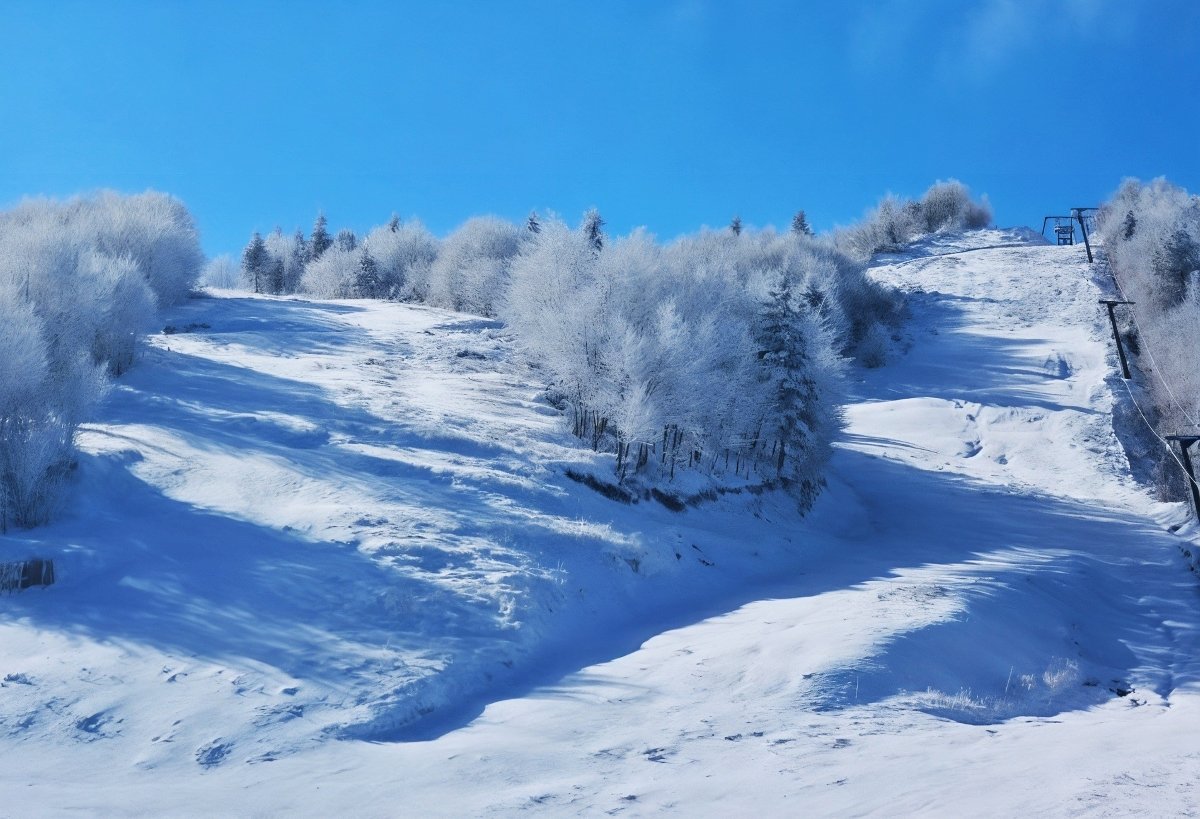
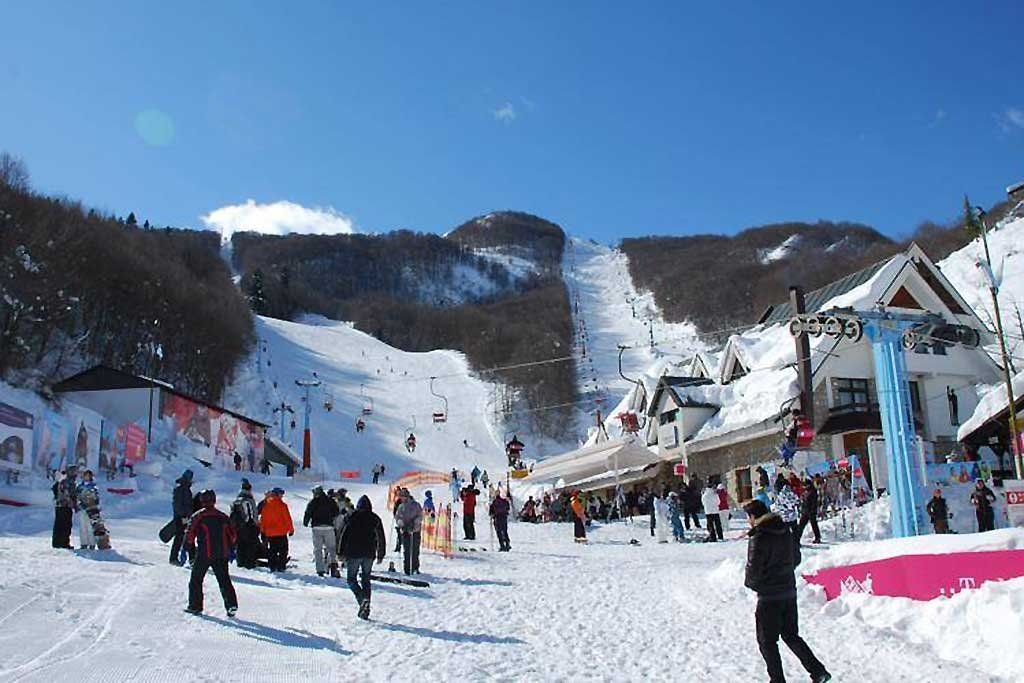
4. Ski Pista Bigell – Dardhë, Albania
The Balkans’ Hidden Powder Stash
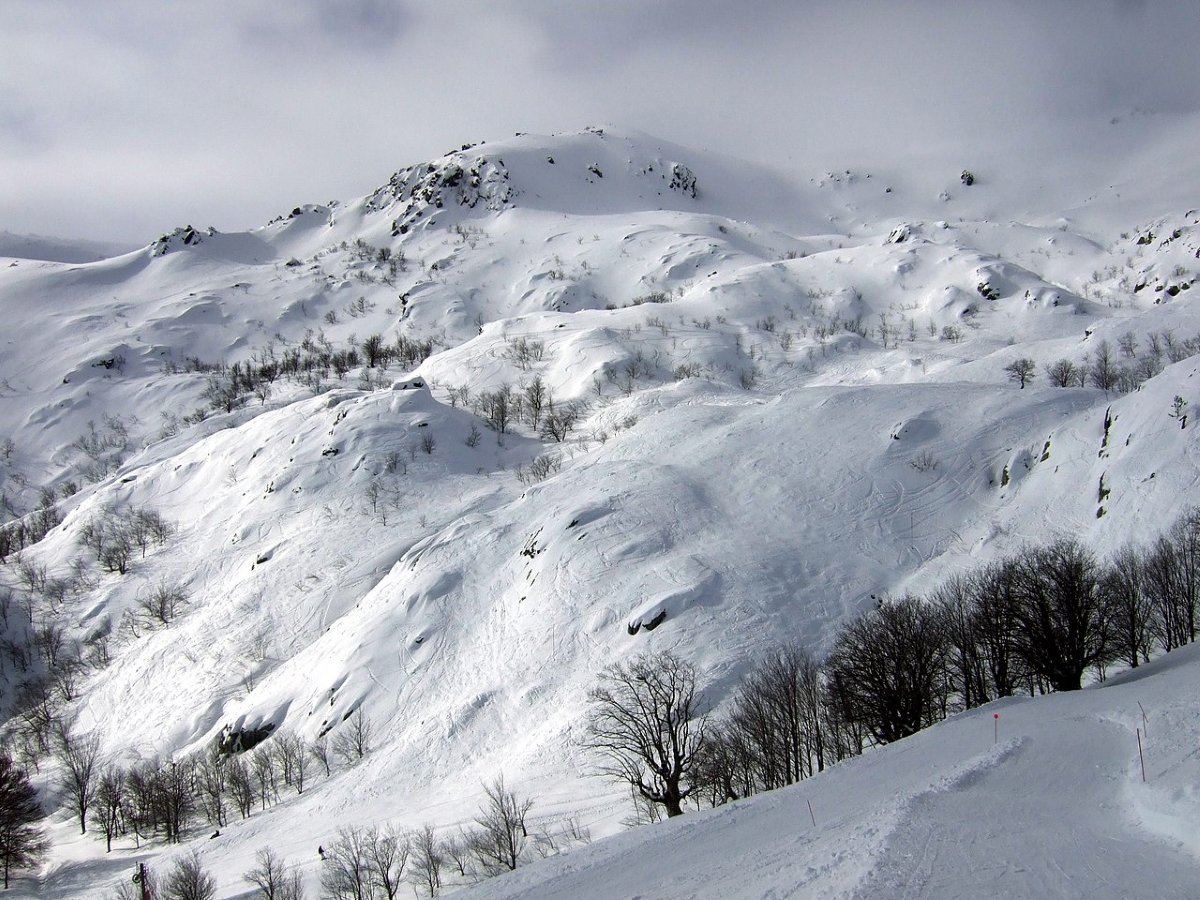
Albania and skiing in the same sentence? Most people can’t even place Albania on a map, let alone imagine carving down its mountains. That’s exactly why Dardhë is perfect—it’s raw, authentic, dirt cheap, and absolutely nobody you know has been there.
At a Glance:
- Avg. Temp (January): -5 to 3°C (23-37°F)
- What to Expect: Developing infrastructure, genuine adventure, incredibly low prices, friendly locals thrilled to see foreign tourists, and snow that’s often better than you’d expect
- Nearest Major Airport: Tirana International Airport (TIA) – about 3.5 hours by car, or Ohrid Airport (OHD) in North Macedonia
Interesting Facts: Dardhë sits at about 1,400 meters in the Morava Mountains of southeastern Albania. The village name literally means “pear” in Albanian. Ski Pista Bigell is one of Albania’s developing ski areas, built with local passion and minimal corporate influence. The region remained largely isolated during Albania’s communist era, preserving traditional mountain culture that’s now rare in Europe.
Things to Do (According to Users):
- Ski the developing slopes (don’t expect French Alps infrastructure)
- Explore the traditional stone village of Dardhë
- Visit nearby Korça, Albania’s cultural capital
- Hike in the surrounding mountains
- Experience authentic Albanian hospitality
- Try snowshoeing through untouched forests
- Visit the National Museum of Medieval Art in Korça
Accommodation Options: Simple but welcoming. Guesthouses in Dardhë run €15-35/night—yes, really. Korça, 25 minutes away, offers more options (€25-60/night) with better amenities. Expect basic rooms, often in family homes where the grandmother will insist on feeding you. It’s not luxury, but the warmth compensates entirely.
Local Traditions & Culture: You’re entering one of Europe’s most authentic mountain cultures. Albanian hospitality (mikpritja) is legendary—refuse food or drink at your peril. The region maintains old Balkan traditions: sheep herding, handwoven textiles, and social gatherings around wood stoves with raki flowing freely. Winter evenings mean folk songs, stories, and genuine human connection you won’t find in corporate ski resorts.
Food & Signature Dishes: Albanian mountain food is robust and meat-forward:
- Tavë kosi – baked lamb with yogurt
- Fërgesë – pepper and tomato dish with cheese
- Qofta – grilled meatballs
- Byrek – savory pastry filled with cheese or meat
- Raki – grape brandy that warms you instantly
- Reçel – homemade fruit preserves
Everything is homemade, often by the person serving you.
Budget Considerations:
- Lift tickets: €5-10/day (not a typo)
- Equipment rental: €8-15/day
- Meals: €5-10 for full traditional meals
- Total daily budget: €30-70
Albania is stupidly affordable. Your biggest expense will be getting there.
Shopping: Local handicrafts, wool products, honey, raki, and traditional Albanian items in Korça. This isn’t a shopping destination—it’s an experience destination.
Outdoor Activities Beyond Skiing: Hiking, village exploring, photography, visiting the nearby Lake Prespa, experiencing rural Albanian life, and potentially ski touring in backcountry areas (bring your own gear and local guide).
Events: Winter is quieter, but Korça hosts cultural events and the Beer Festival (though that’s in August). Local villages celebrate Orthodox Christmas (January 7) and other religious holidays with traditional customs.
Useful Info: Infrastructure is basic—expect occasional lift breakdowns and facilities that are functional rather than fancy. Roads can be challenging in winter (4WD recommended). Very limited English, but younger people often speak some. Bring cash—cards aren’t widely accepted outside cities. The adventure factor is high; comfort factor is moderate. This is for travelers who value authenticity over amenities.
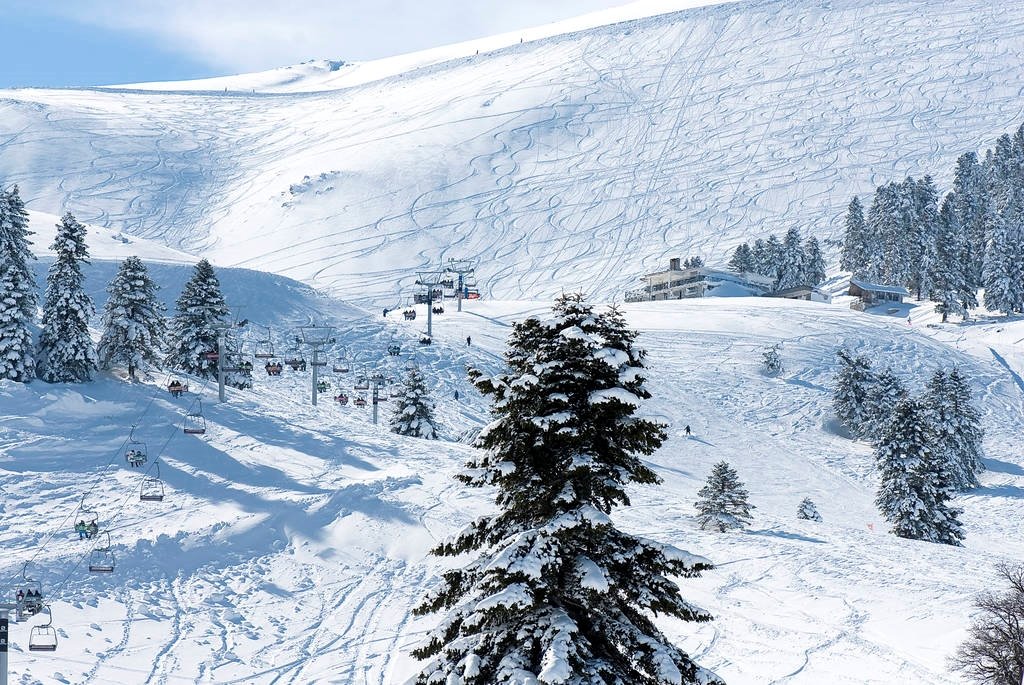
5. Kalavrita Ski Center, Greece
Where Greek Gods Might Actually Ski
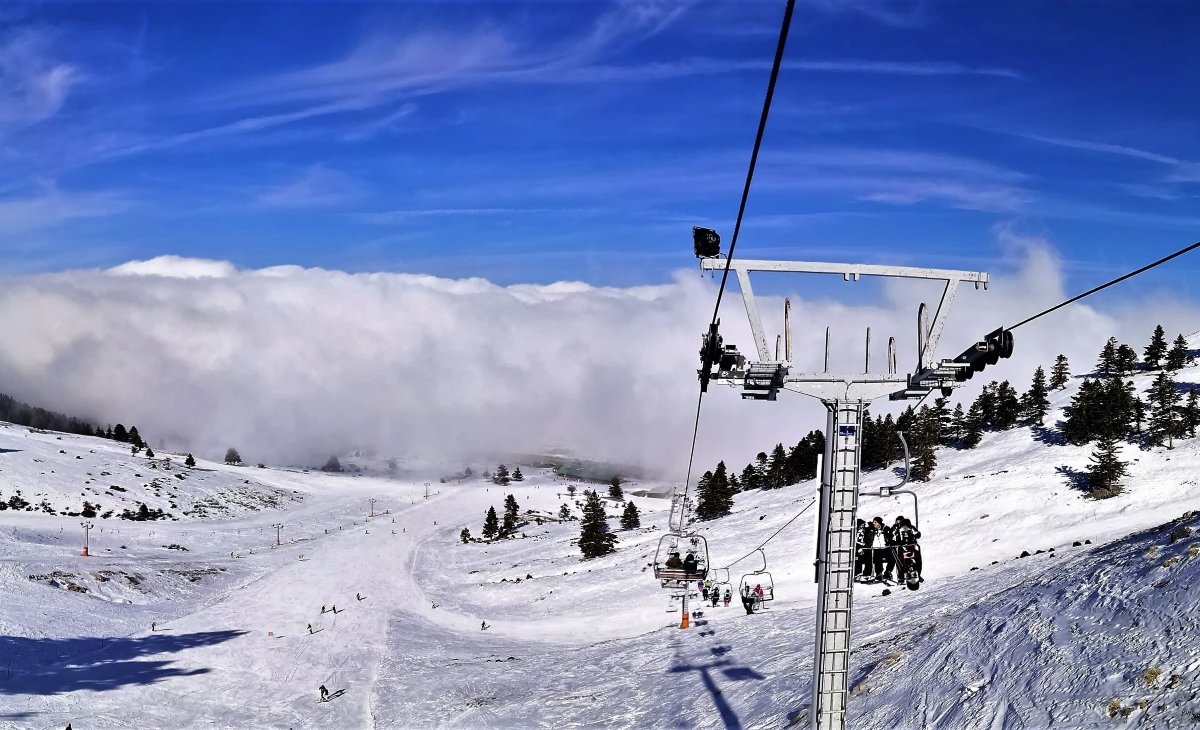
Greece and skiing? Yes. And not just skiing, but skiing in the shadow of ancient history, followed by souvlaki and ouzo in a mountain taverna where they’ve been serving the same recipes since your grandparents were born.
At a Glance:
- Avg. Temp (January): -3 to 5°C (27-41°F) at altitude
- What to Expect: Well-maintained resort with modern lifts, reliable snow (for Greece), stunning Peloponnese mountain views, and an excellent blend of skiing and cultural exploration
- Nearest Major Airport: Athens International Airport (ATH) – about 2.5 hours by car
Interesting Facts: Kalavrita Ski Center sits on Mount Helmos at 2,340 meters, one of the highest ski resorts in Greece. The region has deep historical significance—the town of Kalavrita was devastated during WWII, and memorials commemorate those lost. The famous Cave of the Lakes nearby features multi-level underground lakes and stunning formations. The historic rack railway (odontotos) connecting Kalavrita to Diakopto is one of the world’s most scenic train journeys.
Things to Do (According to Users):
- Ski 12 well-groomed runs with modern lifts
- Ride the historic cog railway through Vouraikos Gorge
- Explore the Cave of the Lakes
- Visit the monastery of Mega Spilaion, clinging to cliffs
- Wander Kalavrita town and its WWII memorials
- Hike to the springs of the Styx River (yes, that Styx)
- Sample local wines at mountain wineries
Accommodation Options: Kalavrita town offers hotels and guesthouses (€40-100/night). Ski resort lodges provide convenience (€60-120/night). Traditional mountain villages nearby like Planitero offer authentic stays (€35-80/night). Greek hospitality means you’ll likely get breakfast that could sustain you through lunch.
Local Traditions & Culture: The Peloponnese mountains maintain traditions that blend ancient Greek heritage with Byzantine Christianity and mountain pastoralism. Locals are proud of their history and resilient spirit. Winter is when families gather, religious festivals happen in candlelit monasteries, and mountain villages slow to a peaceful rhythm. You’ll encounter a Greece tourists rarely see—thoughtful, historical, and deeply rooted.
Food & Signature Dishes: Greek mountain cuisine differs from island fare:
- Hilopites – traditional pasta with meat stew
- Kontosouvli – large chunks of grilled pork
- Ladenia – flatbread with tomatoes and onions
- Stifado – rich beef stew with pearl onions
- Galaktoboureko – custard pie for après-ski
- Local wines from Achaia region
- Strong Greek coffee and tsipouro (grape spirit)
Budget Considerations:
- Lift tickets: €15-25/day weekdays, €20-30 weekends
- Equipment rental: €15-25/day
- Meals: €10-18 for traditional taverna meals
- Total daily budget: €70-130
Greece offers excellent value, especially midweek.
Shopping: Kalavrita town has shops selling local products: honey, olive oil, wines, herbs, wool products, and traditional sweets. It’s modest shopping, focused on authentic regional items rather than tourist trinkets.
Outdoor Activities Beyond Skiing: Cave exploration, scenic train rides, monastery visits, hiking ancient paths, wine tasting, and soaking in the mountainous landscapes that inspired Greek mythology.
Events: Kalavrita commemorates the Holocaust of Kalavrita on December 13 with solemn memorials. Orthodox Christmas (celebrated after Western Christmas) and Epiphany involve traditional celebrations. Carnival season (before Lent) brings festivities to the region.
Useful Info: The resort is well-run by Greek standards with decent infrastructure. Snow coverage is generally reliable January-March. English is moderately spoken, especially by younger people and in tourist areas. The rack railway is worth experiencing—it’s a journey through incredible scenery. Combine skiing with cultural exploration for the full experience. Greek time is… flexible. Don’t stress if things run late.
Recap: Why These Hidden Ski Gems Beat the Crowds
You’ve just discovered five ski destinations that 99% of travelers have never heard of. Here’s what they share:
Affordability: Your total trip cost to any of these places will be a fraction of a week in the French or Swiss Alps. We’re talking €500-1000 total instead of €2000+.
Authenticity: These aren’t corporate ski resorts. They’re places where locals actually ski, where traditions survive, where you’ll be welcomed as a guest rather than processed as a tourist.
Uniqueness: Tell people you skied in Cyprus or Albania, and you’ll have their attention. These are bragging-rights destinations with experiences you literally cannot get anywhere else.
Adventure: Yes, you sacrifice some polish and convenience. But you gain stories, cultural immersion, and the satisfaction of discovering places before they hit everyone’s Instagram feed.
Better Value: Lower costs mean you can stay longer, eat better, and maybe even afford that extra trip this winter.
Whether you choose Mediterranean island skiing in Corsica or Cyprus, Portugal’s only ski resort, the Balkans adventure of Albania, or Greece’s mythological mountains, you’re getting something increasingly rare: a genuine discovery.
Disclaimer
Weather and Snow Conditions: These destinations experience variable snow conditions. Unlike major Alpine resorts with extensive snowmaking, natural snowfall determines the season. Always check current conditions before booking non-refundable accommodations. The ski season typically runs January through March but can be shorter depending on yearly weather patterns.
Infrastructure: These resorts intentionally offer a different experience from major ski destinations. Expect smaller, simpler facilities, fewer lifts, and limited après-ski amenities. This is part of their charm but won’t suit everyone.
Accessibility: Getting to these locations requires more planning than flying to Geneva or Innsbruck. Rental cars are typically essential, and road conditions in winter can be challenging. Build in extra travel time and flexibility.
Language: English proficiency varies significantly. In Albania and rural Portugal, very limited English is spoken. In Greece, Cyprus, and Corsica, you’ll find more English speakers, particularly in tourist-facing businesses, but learning basic phrases helps enormously.
Accommodations: These destinations offer simpler lodging than famous ski resorts. Don’t expect ski-in/ski-out luxury chalets or five-star spas. Do expect genuine hospitality, local character, and prices that won’t induce sticker shock.
Safety: While these are safe destinations, they may lack the extensive ski patrol, marked boundaries, and liability infrastructure of major resorts. Ski within your ability level and take appropriate precautions.
Travel Insurance: Given the variable conditions and developing infrastructure in some locations, comprehensive travel insurance covering winter sports is strongly recommended.
Cultural Sensitivity: You’re visiting real communities, not theme parks. Respect local customs, dress modestly when visiting religious sites, and approach cultural differences with curiosity and openness.
This guide provides general information based on typical conditions and experiences. Always verify current details, as mountain resorts, especially smaller operations, can change significantly from season to season.
Ready to trade crowded slopes for authentic adventure? These hidden European ski destinations are waiting—but probably not for long. Book that flight before everyone else catches on.