


















TL;DR: Hidden gems of Spanish heritage ,Skip the crowded Sagrada Familia and discover Spain’s best-kept historical secrets – from Roman amphitheaters where gladiators once fought to mysterious Moorish palaces that rival the Alhambra. These underrated gems offer incredible history, stunning architecture, and virtually no tourist crowds.
- 1. Mérida’s Roman Theatre Complex: Where Gladiators Once Ruled
- 2. Cuenca’s Hanging Houses: Medieval Architecture Defying Gravity
- 3. Carmona’s Roman Necropolis: Spain’s Underground City of the Dead
- 4. Úbeda’s Renaissance Palace District: Italy’s Beautiful Rival
- 5. Albarracín: The Pink Medieval Town Time Forgot
- Making the Most of Your Spanish Historical Adventure
- The Bottom Line
Look, everyone knows about Barcelona’s famous basilica and Seville’s cathedral. But Spain’s most incredible historical treasures? They’re hiding in plain sight, waiting for travelers who want more than just Instagram-worthy shots with a thousand other people in the background.
After years of exploring Spain’s hidden corners, I’ve discovered historical landmarks that’ll blow your mind – places where Roman emperors walked, where medieval kings plotted, and where ancient civilizations left their mark. The best part? You might have these incredible sites almost entirely to yourself.
1. Mérida’s Roman Theatre Complex: Where Gladiators Once Ruled
What Makes It Special
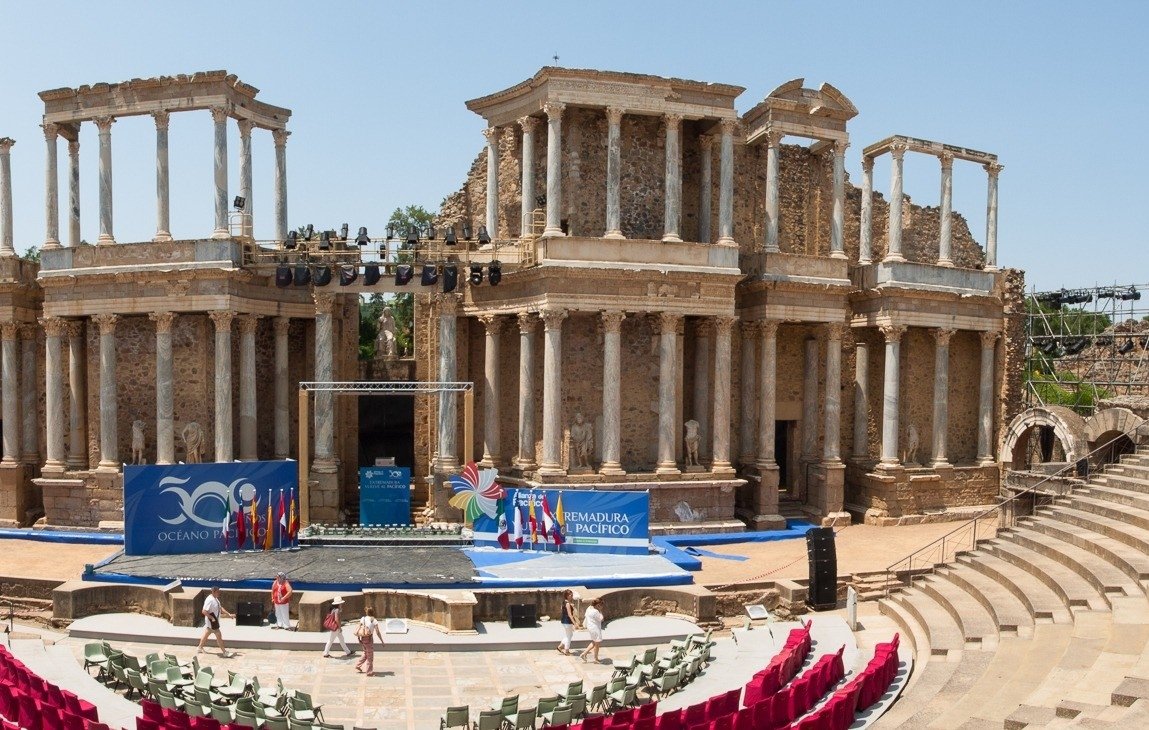
Forget the Colosseum crowds – Mérida’s Roman Theatre is Spain’s most complete Roman site, and it’s criminally underrated. Built in 16 BC under Emperor Augustus, this isn’t just ruins; it’s a time machine to ancient Rome that’s still used for performances today.
The complex includes a 6,000-seat theater with marble columns that’ll make you question everything you thought you knew about ancient engineering. Plus, there’s a massive amphitheater where actual gladiator fights happened, complete with underground chambers where fighters and wild animals waited for their moment in the arena.
Visitor Experience
- Best time to visit: April-June or September-October (perfect weather, fewer crowds)
- Entry fee: €15 for the full archaeological site
- Time needed: Half a day minimum
- Accessibility: Wheelchair accessible paths available
Pro tip: Visit during the annual Classical Theatre Festival (July-August) to see ancient Roman plays performed in their original setting. It’s absolutely surreal.
Getting There
Mérida sits in Extremadura, about 5 hours by car from Madrid or 2 hours from Seville. The high-speed train from Madrid takes just 5 hours and drops you walking distance from the sites.
2. Cuenca’s Hanging Houses: Medieval Architecture Defying Gravity
The Mind-Bending Reality
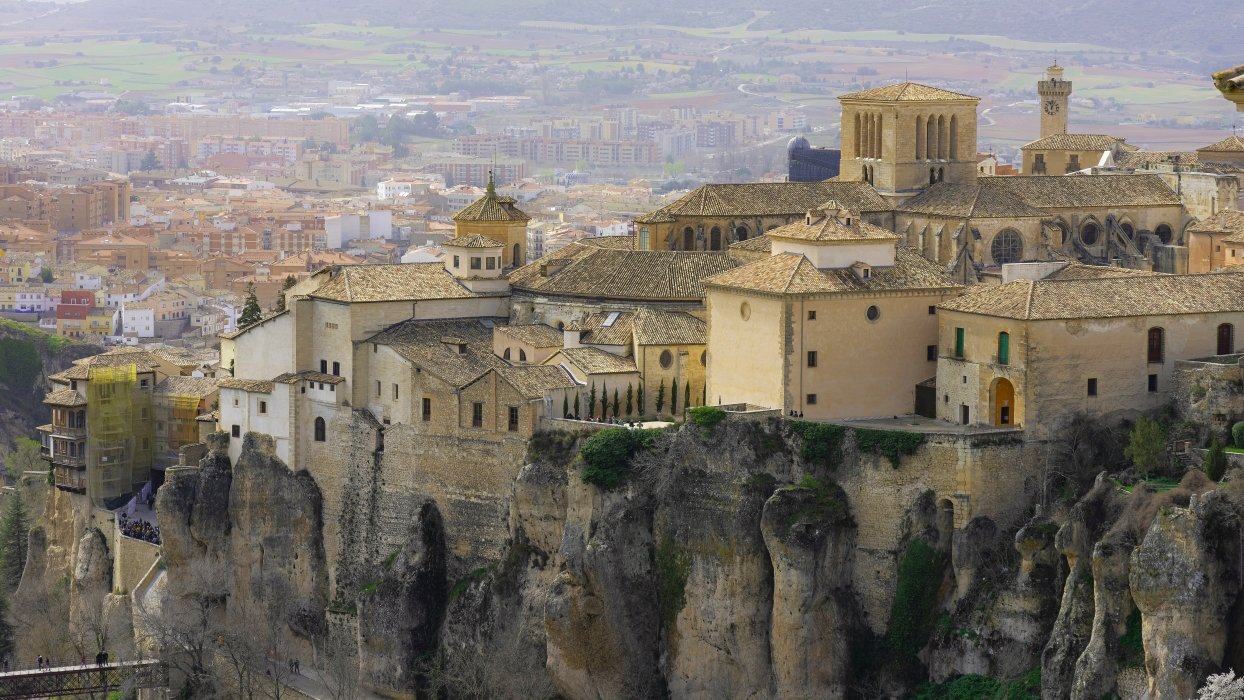
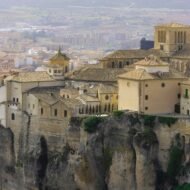
Picture this: 14th-century houses literally hanging off a cliff face, with wooden balconies suspended over a 100-meter drop into the Huécar River gorge. Cuenca’s Casas Colgadas aren’t just architecture – they’re a medieval engineering marvel that seems to defy physics.
These aren’t tourist reconstructions; people actually lived in these gravity-defying homes for centuries. Today, one houses the Museum of Spanish Abstract Art, where you can admire Picasso while wondering how the building doesn’t just tumble into the ravine.
The Full Experience
The entire old town is a UNESCO World Heritage site, with winding medieval streets that feel like a fantasy movie set. The Gothic cathedral sits at the heart of it all, while the famous San Pablo Bridge offers jaw-dropping views of the hanging houses from across the gorge.
Planning Your Visit
- Best photo spots: San Pablo Bridge at sunset
- Entry to Museum of Abstract Art: €3
- Accommodation: Stay in the old town for the full medieval experience
- Difficulty level: Lots of uphill walking on cobblestones
Local secret: Most visitors miss the lower viewpoints along the river path – these offer the most dramatic angles of the hanging houses without the crowds on the bridge.
3. Carmona’s Roman Necropolis: Spain’s Underground City of the Dead
An Archaeological Goldmine
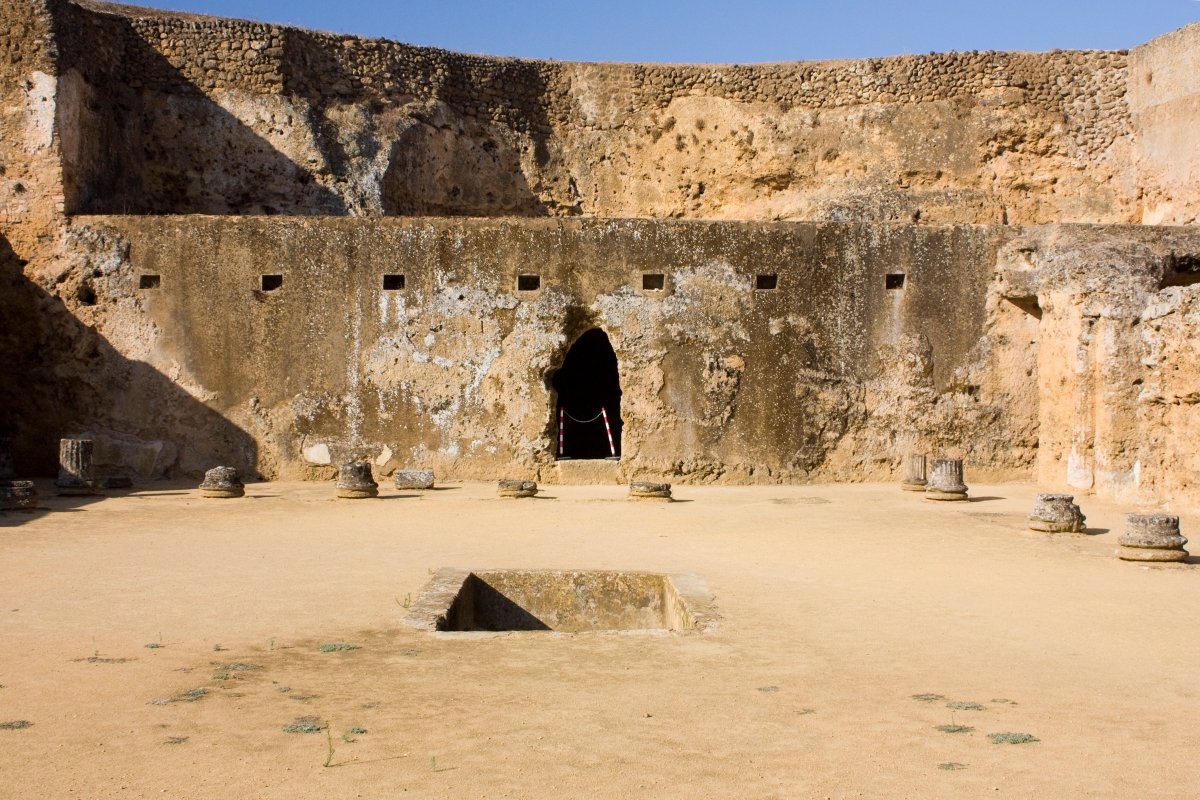
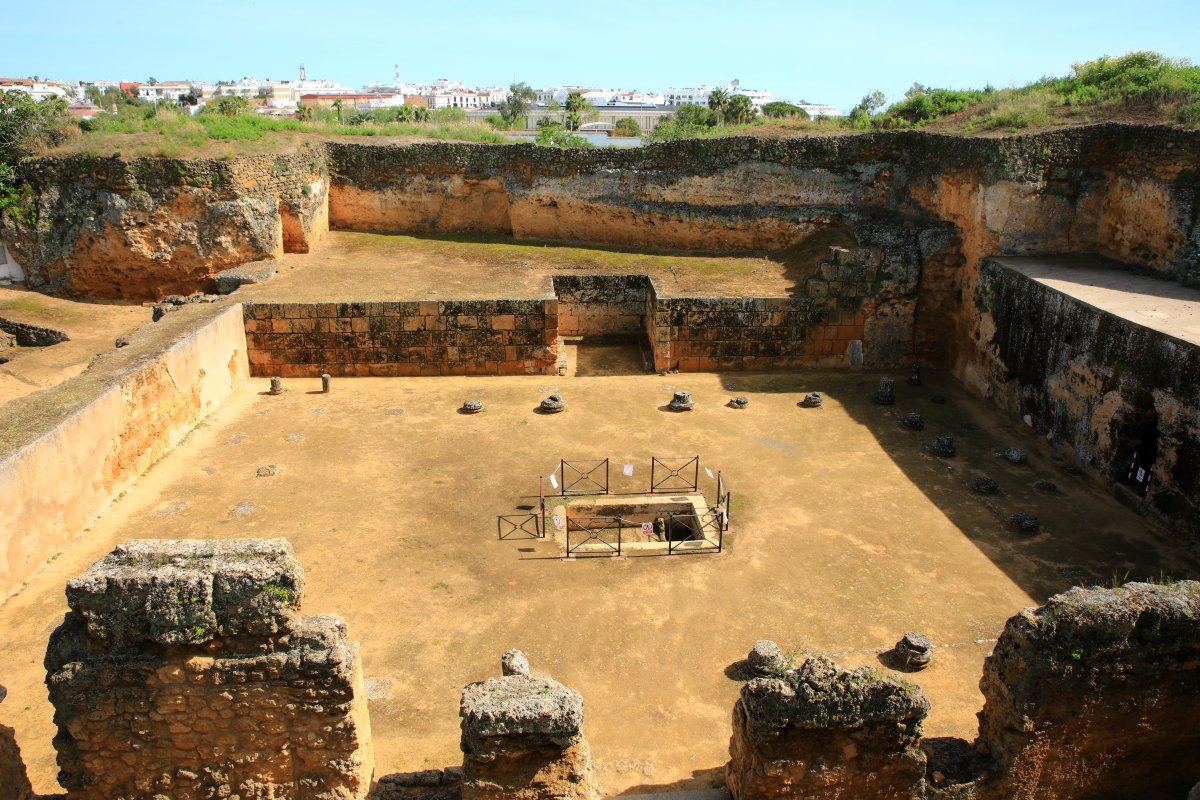
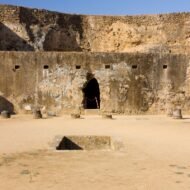
While everyone flocks to Seville (just 30 minutes away), Carmona quietly guards one of Europe’s most impressive Roman burial grounds. This isn’t your typical cemetery – it’s an entire underground city with over 900 family tombs carved into rock, complete with frescoes, mosaics, and architectural details that rival Pompeii.
The star attraction is the Elephant Tomb, a massive family mausoleum with intricate carvings and a mysterious elephant sculpture that’s baffled archaeologists for decades. The Servilia Tomb feels like stepping into an ancient Roman villa, complete with courtyards and decorated chambers.
Why Archaeologists Get Excited
These tombs span from the 2nd century BC to the 4th century AD, offering an unbroken timeline of Roman burial practices. You’ll see everything from simple cremation urns to elaborate family mausoleums that cost more than most people’s houses.
Visitor Information
- Entry fee: €2.50 (seriously, that’s it)
- Opening hours: Tuesday-Sunday, 9 AM-5 PM
- Best for: History buffs and archaeology enthusiasts
- Combine with: Carmona’s Alcázar and old town exploration
The site museum displays artifacts found in the tombs, including jewelry, pottery, and personal items that make the ancient Romans feel remarkably human.
4. Úbeda’s Renaissance Palace District: Italy’s Beautiful Rival
A Renaissance Masterpiece Nobody Talks About
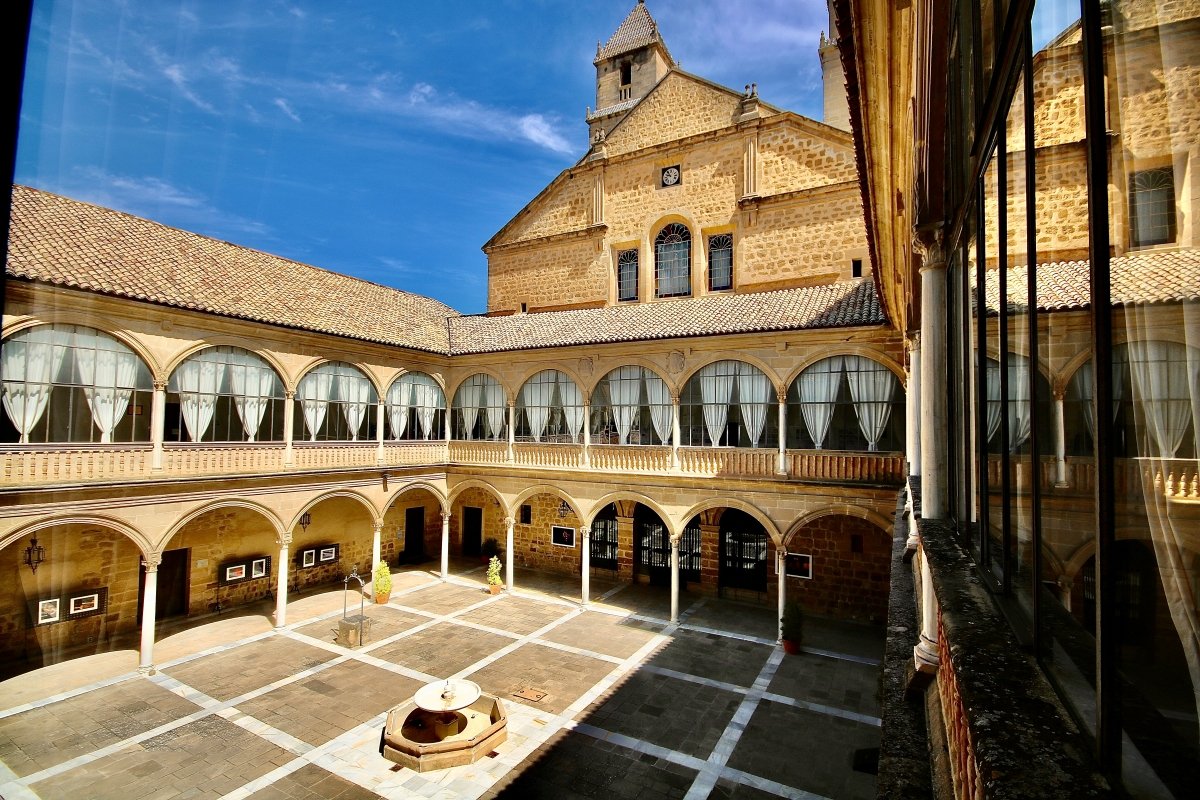
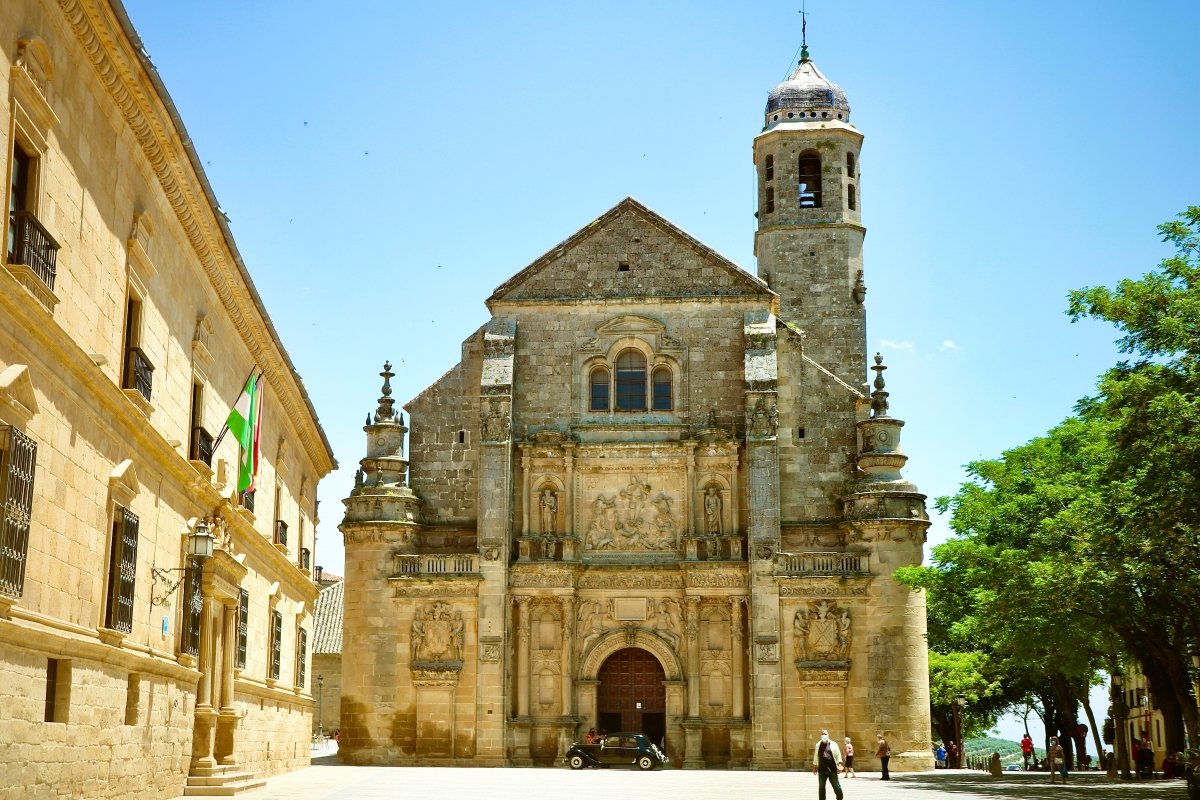
Úbeda might be the most beautiful town in Spain that you’ve never heard of. This Andalusian gem is essentially a perfectly preserved Renaissance city, with palaces and churches designed by the same architects who worked on the Escorial and Granada’s cathedral.
The town exploded in importance during the 16th century when local nobility competed to build the most spectacular palaces. The result? An entire district of Renaissance architecture that rivals anything in Florence or Rome, minus the tour bus chaos.
Architectural Highlights
Palacio Vázquez de Molina (now a luxury parador hotel) represents Spanish Renaissance at its peak, with mathematical precision in its proportions and decoration that’ll make architecture students weep with joy.
El Salvador Chapel contains some of the finest Renaissance sculptural work in Spain, including pieces by Diego de Siloé, who also worked on Granada’s cathedral.
The Modern Experience
- Stay where: Parador de Úbeda (sleep in a Renaissance palace)
- Best walking route: Start at Plaza Vázquez de Molina, spiral outward
- Food scene: Outstanding olive oil cuisine (this is olive country)
- Shopping: World-class pottery and ceramics
Insider tip: Visit the olive oil mills on the outskirts of town – Úbeda produces some of the world’s finest extra virgin olive oil.
5. Albarracín: The Pink Medieval Town Time Forgot
A Living Medieval Fantasy
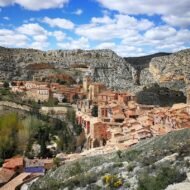
Albarracín looks like someone took a medieval fairy tale and made it real. This tiny Aragonese town clings to a rocky outcrop, surrounded by ancient walls, with salmon-pink buildings that seem to grow organically from the red rock beneath.
The town peaked during the 11th-12th centuries as an independent Muslim kingdom, then later as a Christian stronghold. Walking its narrow, winding streets feels like time travel – no modern intrusions, no chain stores, just pure medieval atmosphere.
What Sets It Apart
The town’s defensive position is incredible – built on a triangular plateau surrounded by the Guadalaviar River on two sides and massive walls on the third. Medieval military engineers couldn’t have chosen a better natural fortress.
The architecture represents a unique blend of Islamic, Mudéjar, and Gothic influences, with wooden balconies, iron grillwork, and stone carvings that tell stories of cultural mixing over centuries.
Planning Your Visit
- Best season: Spring or early fall (summer can be brutally hot)
- Accommodation: Limited but charming small hotels
- Main attractions: Cathedral, city walls, Casa de la Julianeta
- Activities: Hiking in the surrounding Sierra de Albarracín
Photography note: The pink buildings look most spectacular during the golden hour, about an hour before sunset.
Making the Most of Your Spanish Historical Adventure
Smart Travel Strategy
These sites work brilliantly as a alternative Spanish itinerary or as additions to a traditional Spain trip. Mérida pairs perfectly with a Seville visit, while Úbeda makes an excellent stop between Granada and Madrid.
Budget Considerations
One of the biggest advantages of these underrated sites? They’re incredibly affordable compared to Spain’s main attractions. You’ll save money on everything from accommodation to restaurant meals, while experiencing historical sites that are often more impressive than their famous counterparts.
Best Resources for Planning
- Official tourism sites: Each region has excellent English-language resources
- Local guides: Available at all sites, often with fascinating stories not found in guidebooks
- Combine with: Nearby wine regions, natural parks, or other historic towns
Transportation Tips
Renting a car gives you maximum flexibility for visiting these sites, especially in rural areas like Albarracín. However, most are accessible by public transport, though it might require some planning and patience.
The Bottom Line
Spain’s most incredible historical landmarks aren’t necessarily its most famous ones. These five sites offer everything that makes travel meaningful – stunning architecture, fascinating history, authentic local culture, and the joy of discovery that comes with exploring places that haven’t been completely overrun by mass tourism.
Whether you’re fascinated by Roman engineering, medieval military architecture, or Renaissance artistry, these hidden gems deliver experiences that’ll stick with you long after you’ve forgotten that overcrowded cathedral you waited two hours to enter.
Pack comfortable walking shoes, bring a good camera, and prepare to discover the Spain that most travelers never see. Your Instagram followers might not immediately recognize these places, but that’s exactly what makes them special.
Ready to explore Spain’s hidden historical treasures? Start planning your trip to these underrated landmarks – your future self will thank you for choosing the road less traveled.