


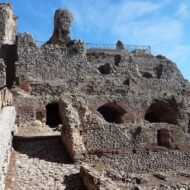
TL;DR: Hidden roman archaeological gems in italy. Skip the tourist crowds and discover five spectacular ancient Roman sites across Italy—from seaside villas with intact frescoes to underground cities and cliff-top temples. These archaeological gems offer better photos, fewer lines, and way more “wow” moments than Rome’s overcrowded attractions.
- 1. Ostia Antica (Lazio) – Rome’s Forgotten Port City
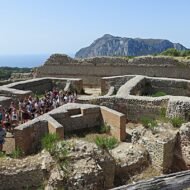
- 2. Villa Jovis, Capri (Campania) – Emperor Tiberius’s Cliff-Top Palace
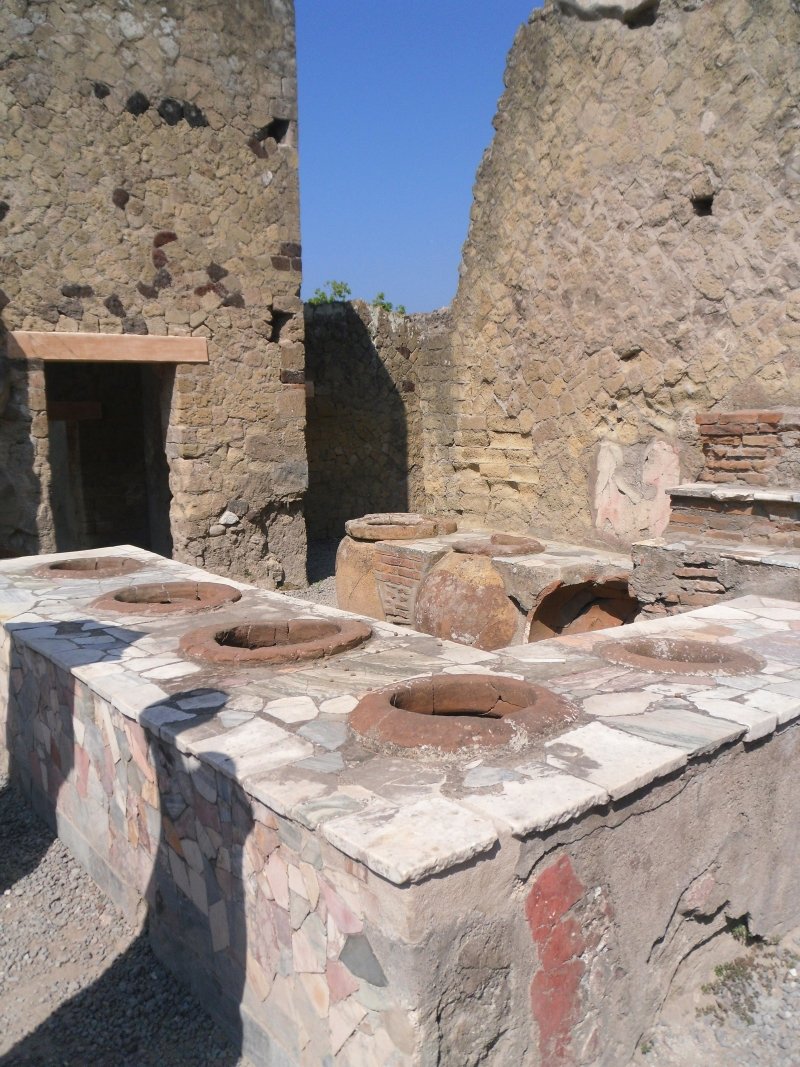
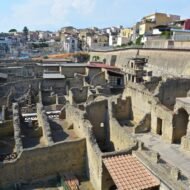
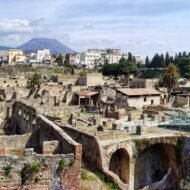
- 3. Herculaneum (Campania) – Pompeii’s Better-Preserved Sister City
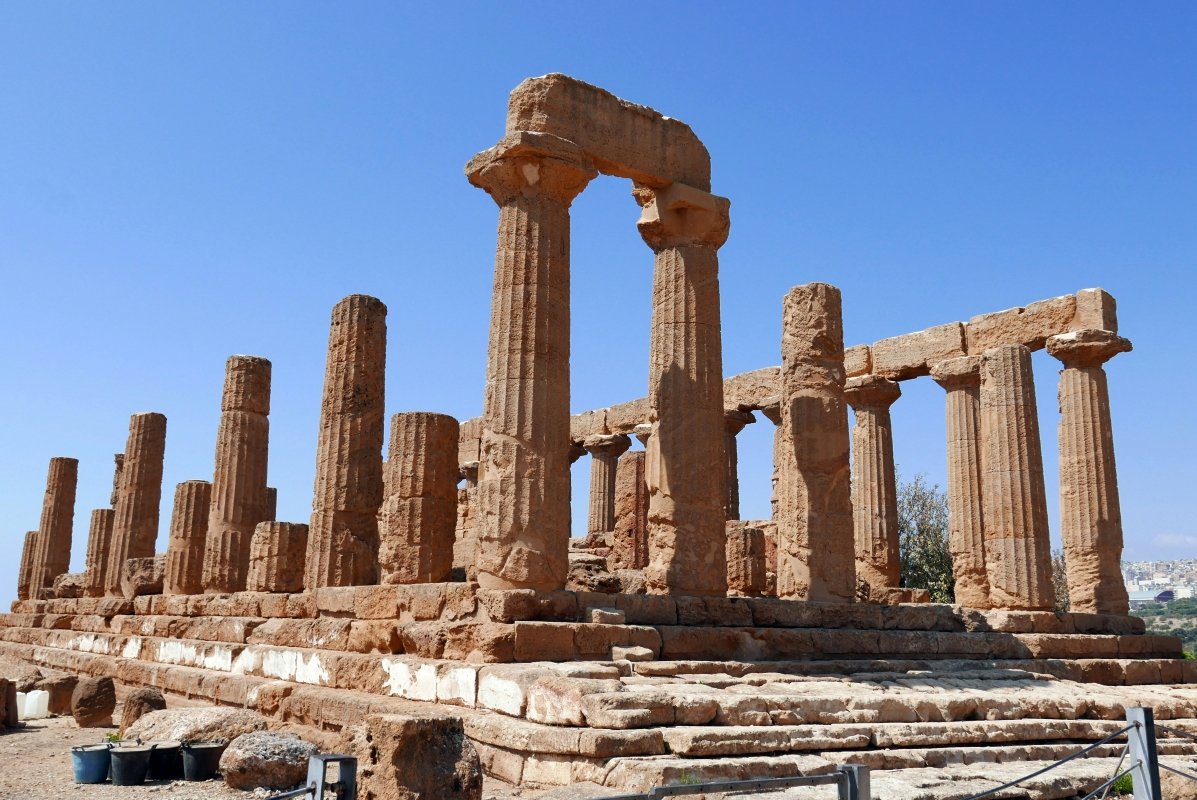
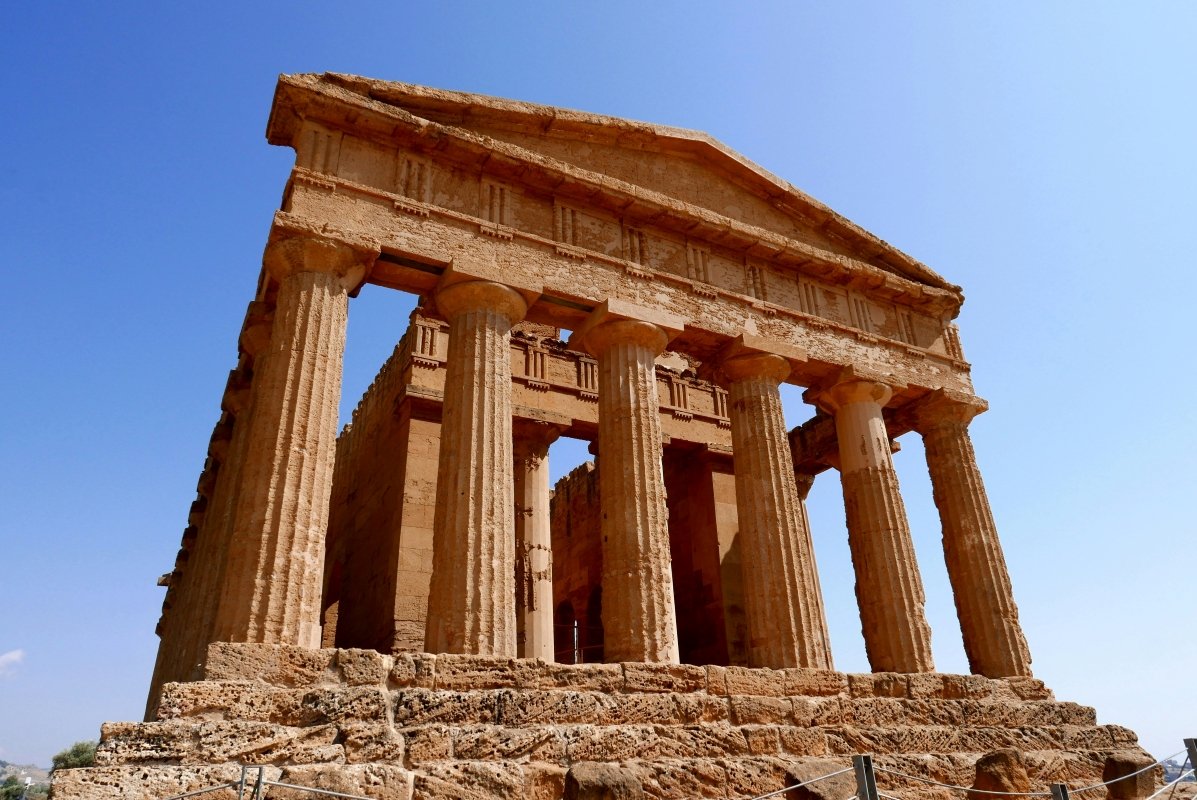
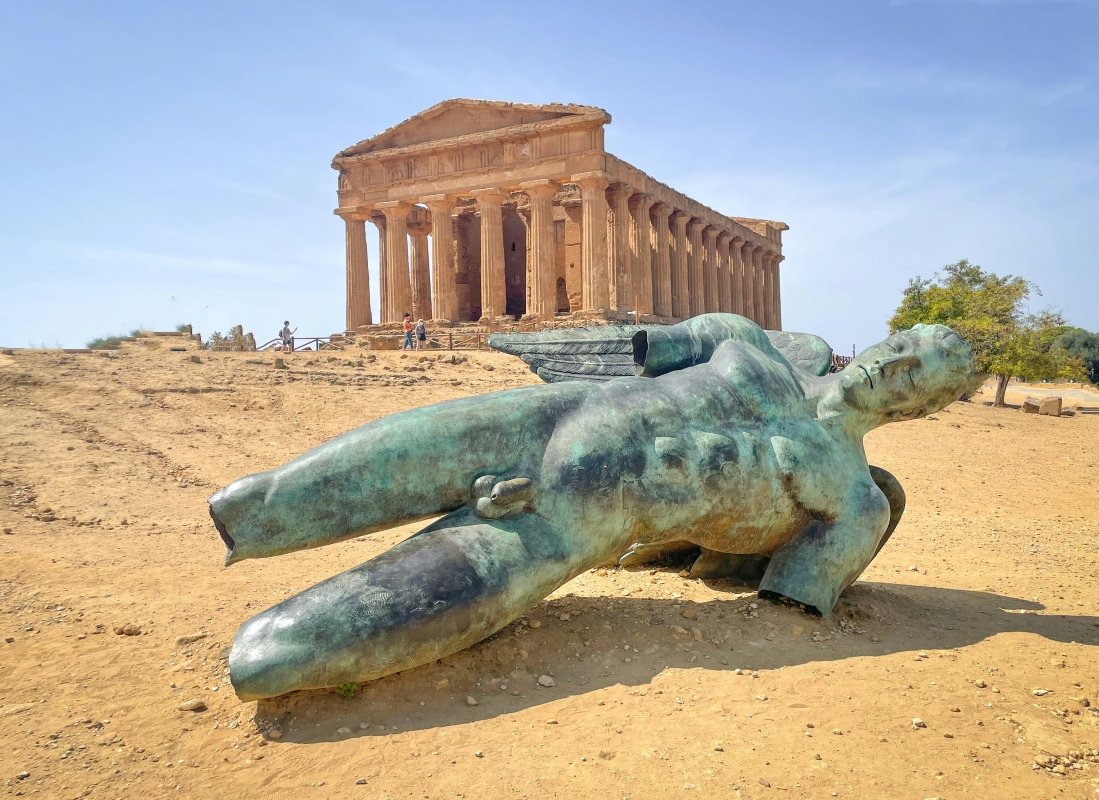
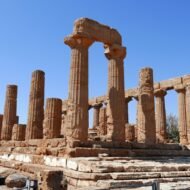
- 4. Valle dei Templi, Agrigento (Sicily) – Greece in Italy
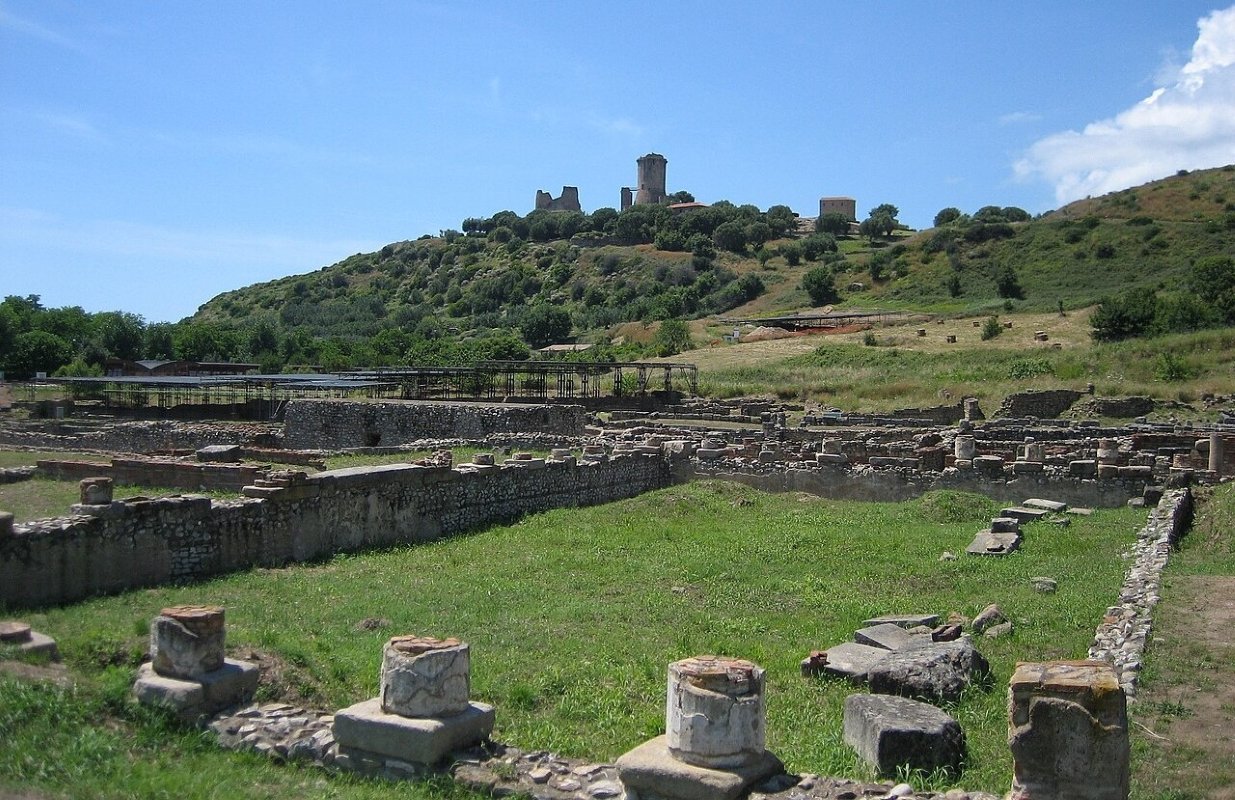
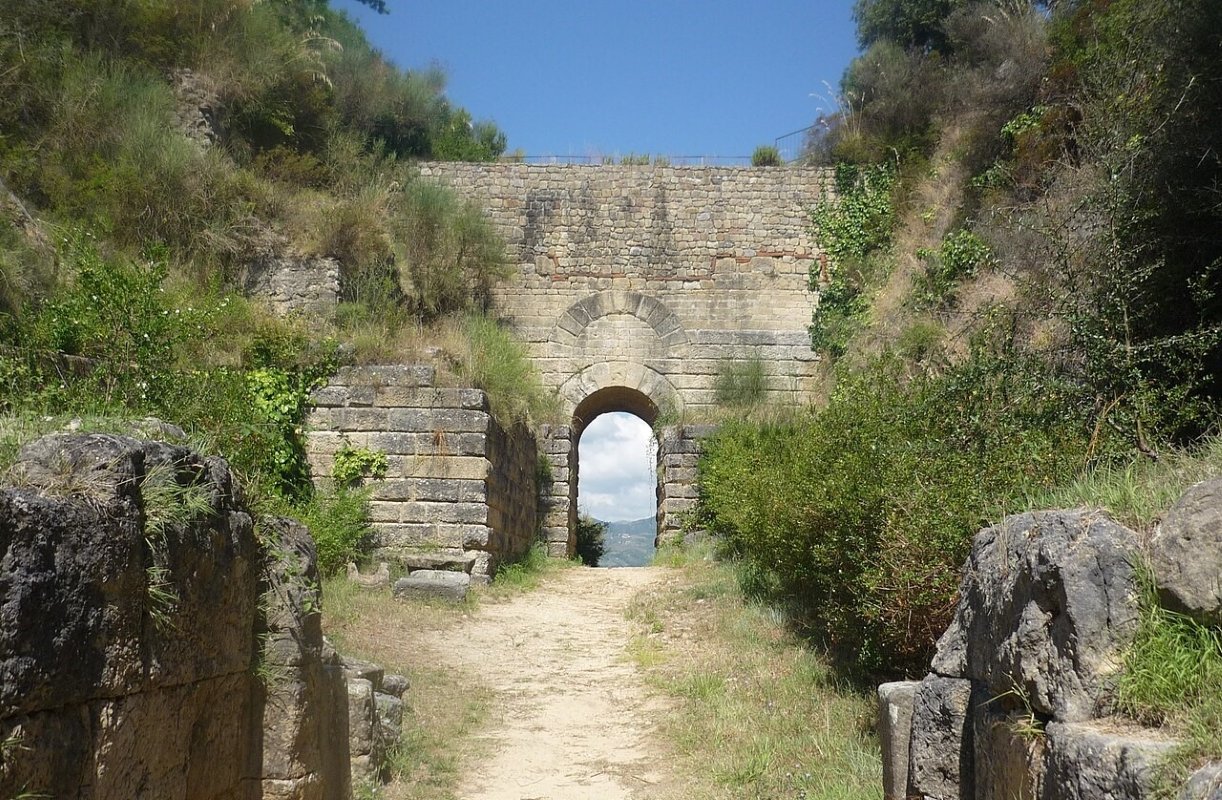
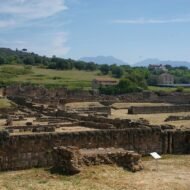
- 5. Velia (Campania) – The Seaside Philosopher’s Paradise
- Planning Your Underground Roman Adventure
- Why These Sites Matter
Look, we all love the Colosseum. But if you’ve ever stood in a two-hour line just to shuffle through with 5,000 other people, you know there’s got to be a better way to experience ancient Rome. And here’s the secret: some of Italy’s most jaw-dropping Roman sites are hiding in plain sight, waiting for travelers smart enough to venture beyond the usual circuit.
These aren’t just “runner-up” ruins—we’re talking about places with better-preserved mosaics, more dramatic settings, and stories that’ll actually stick with you. Plus, you can actually breathe, take photos without someone’s selfie stick in your shot, and genuinely feel the history.
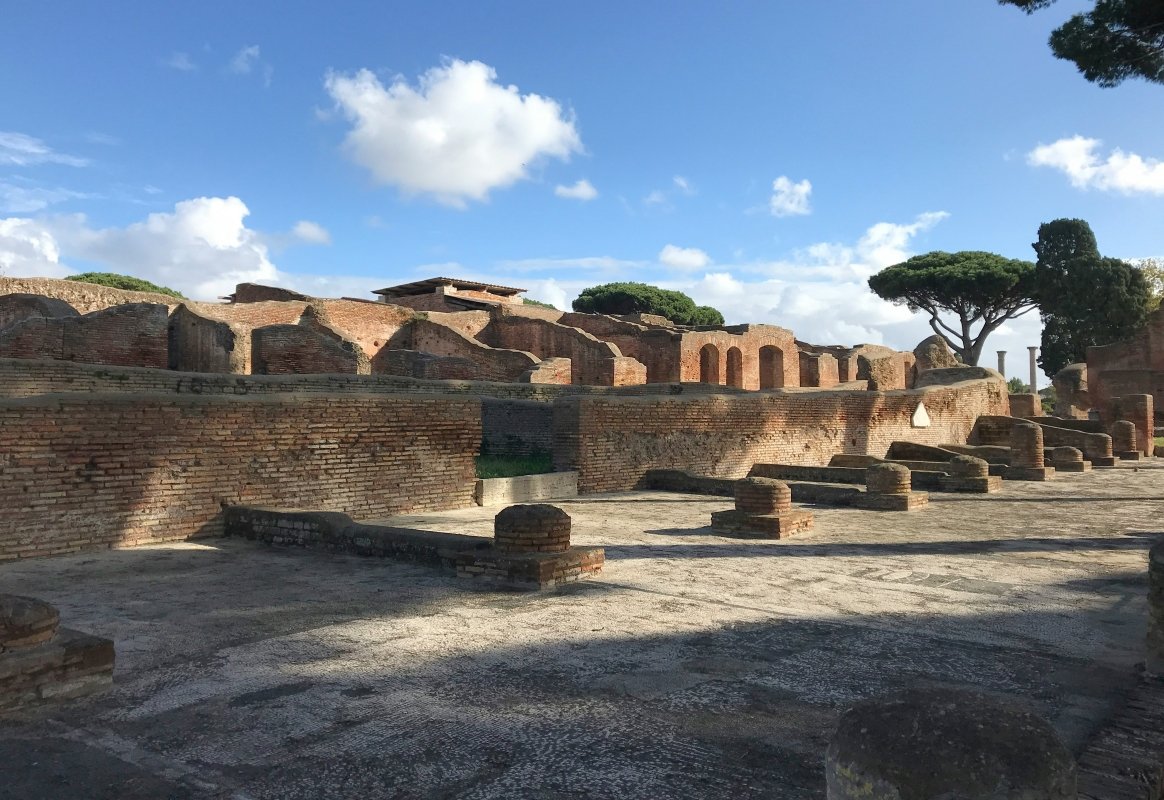
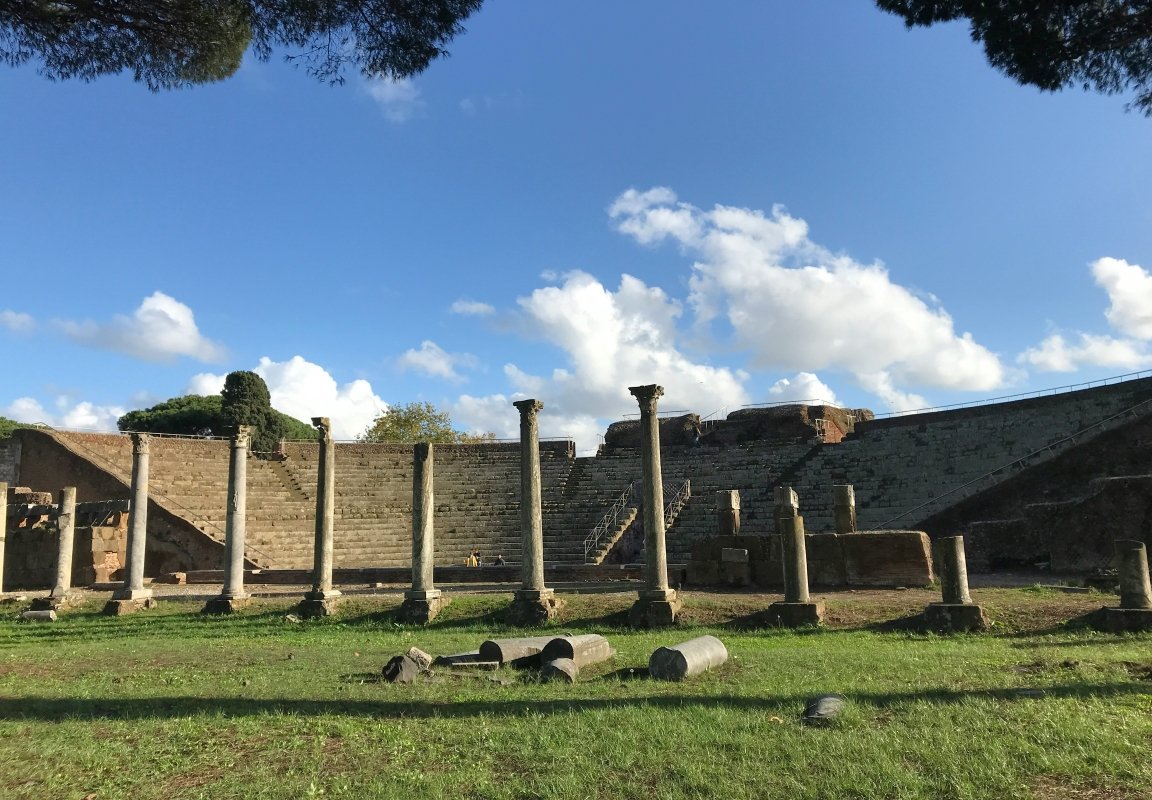
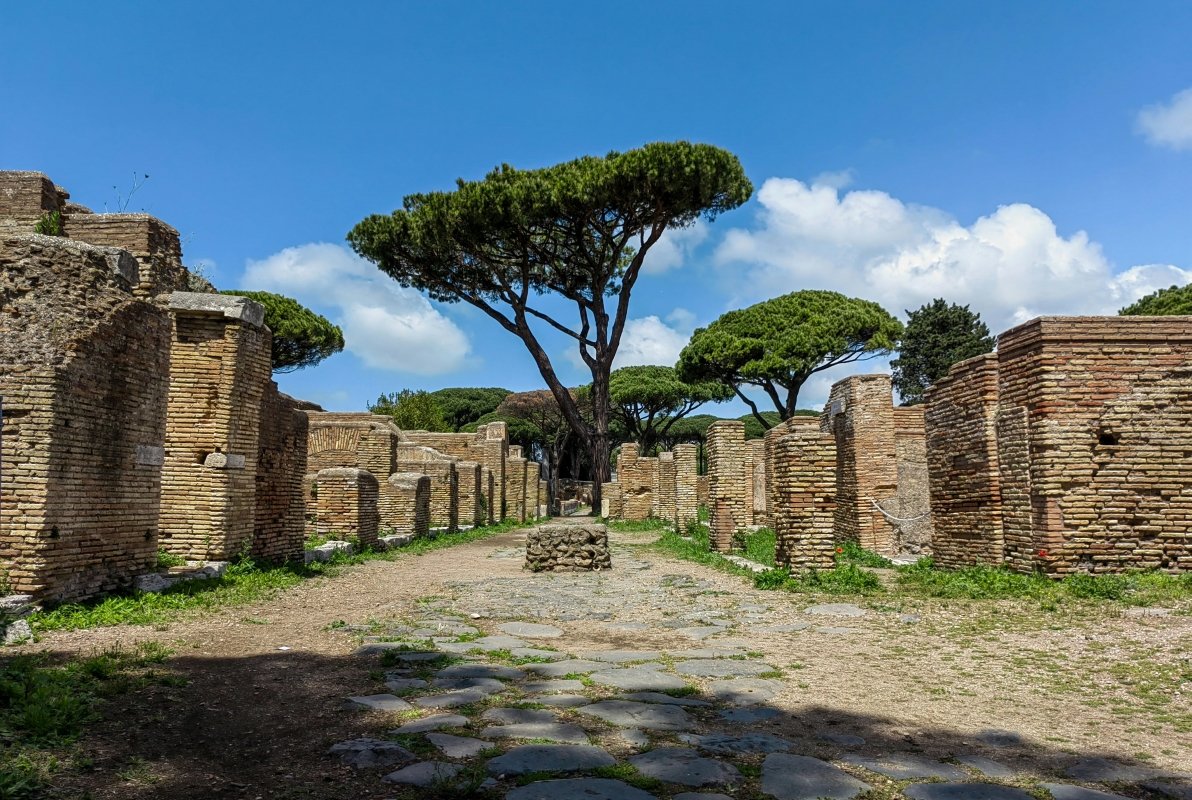
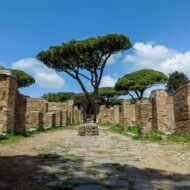
1. Ostia Antica (Lazio) – Rome’s Forgotten Port City
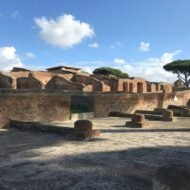
Just 30 minutes from Rome’s chaos lies what might be Italy’s best-kept archaeological secret. Ostia Antica was once a thriving port city of 50,000 people, and today it’s basically ancient Rome without the crowds.
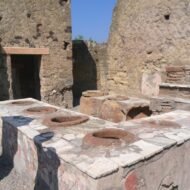
Why It’s Incredible: Walking through Ostia feels like someone hit pause on daily Roman life 2,000 years ago. The entire street grid is intact, complete with apartment buildings (yes, the Romans had apartments), taverns, public baths, and even a ancient public toilet where you can see exactly how communal bathroom breaks worked. The black-and-white mosaics in the Baths of Neptune are absolutely stunning—think intricate sea creatures and mythological scenes that look like they were laid yesterday.
Practical Info:
- Getting There: Take the Rome-Lido train from Porta San Paolo station (€1.50, 30 minutes). Get off at Ostia Antica station and walk 5 minutes.
- Entry: €12 adults, free first Sunday of each month
- Best Time: Weekday mornings, especially September-November. Summer afternoons can be scorching with limited shade.
- Time Needed: 3-4 hours minimum. Bring water and snacks—there’s one small café but options are limited.
- Accessibility: Mostly flat pathways, though ancient cobblestones can be uneven.
Pro Tip: Grab the audio guide app before you go—it brings the ruins to life without the expense of a guided tour.
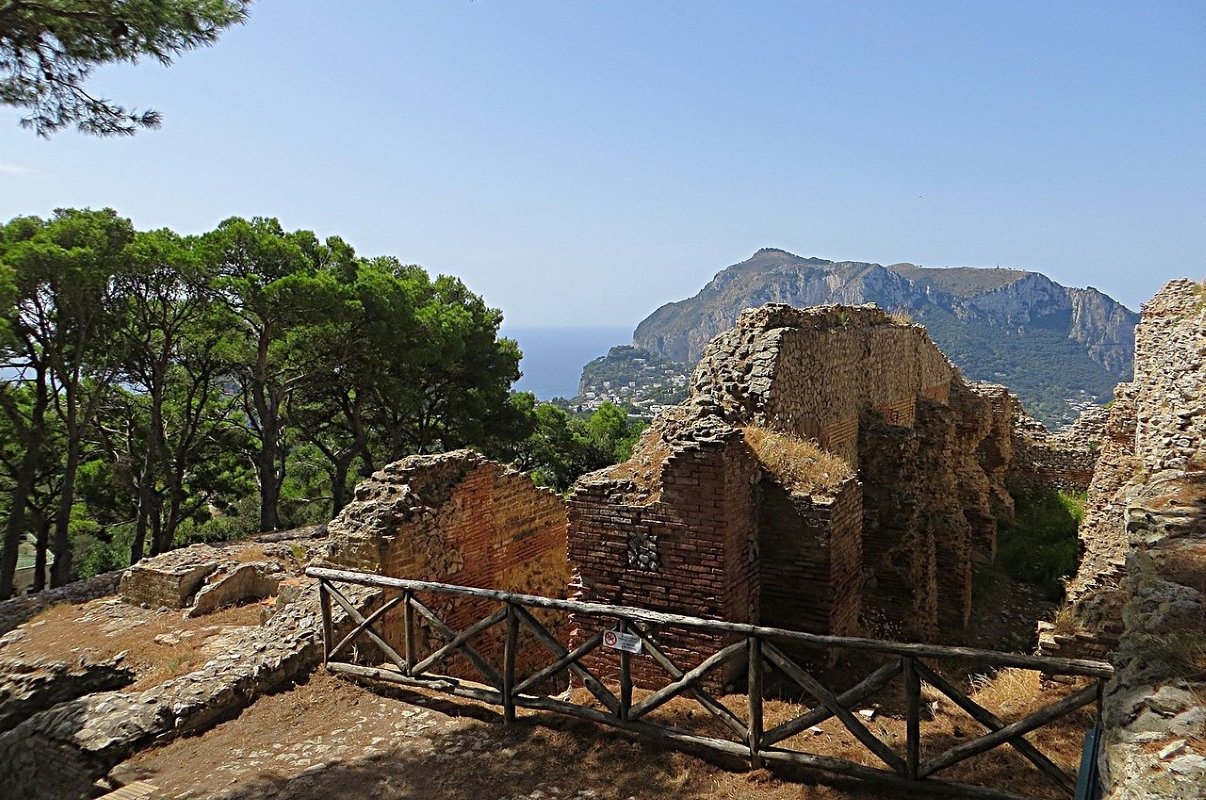
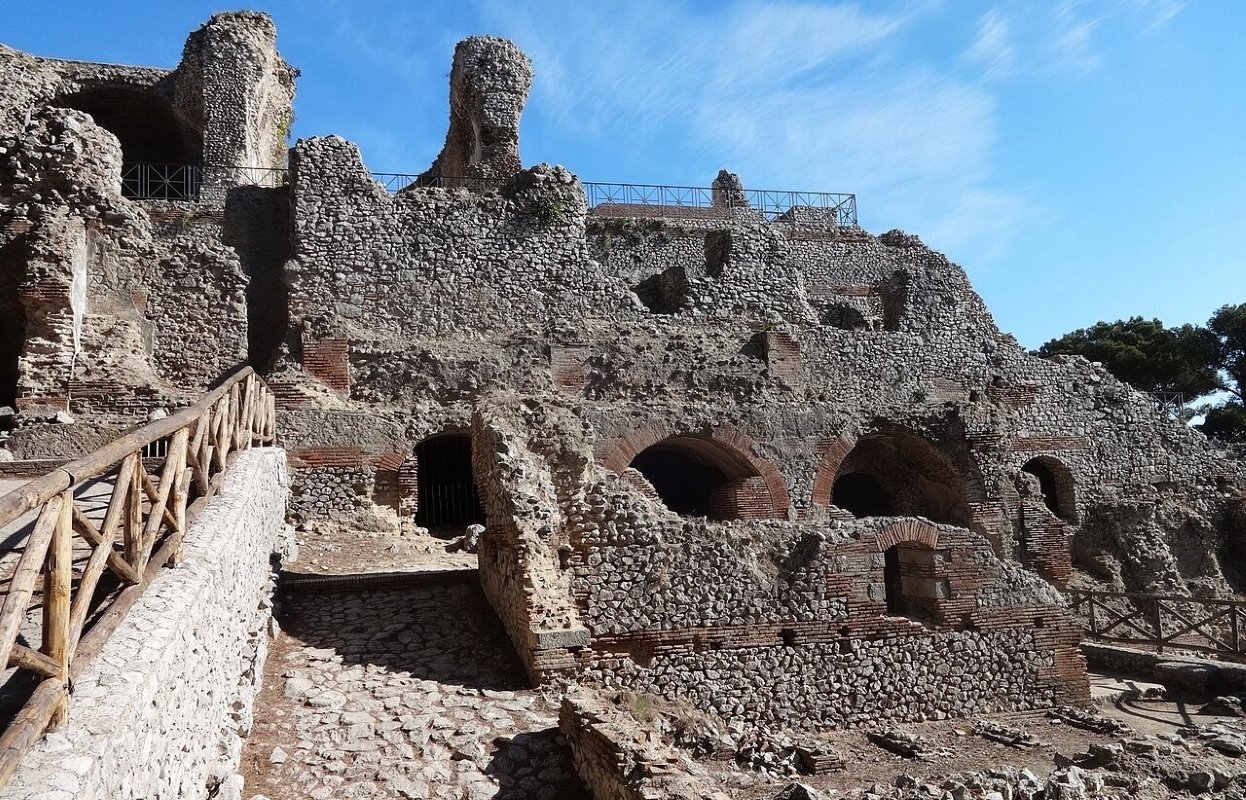
2. Villa Jovis, Capri (Campania) – Emperor Tiberius’s Cliff-Top Palace
Forget Capri’s Blue Grotto for a second. Perched 1,000 feet above the sea on Capri’s eastern tip, Villa Jovis was Emperor Tiberius’s pleasure palace where he spent the last decade of his rule. And by “pleasure palace,” ancient historians meant… well, let’s just say Tiberius had a reputation.
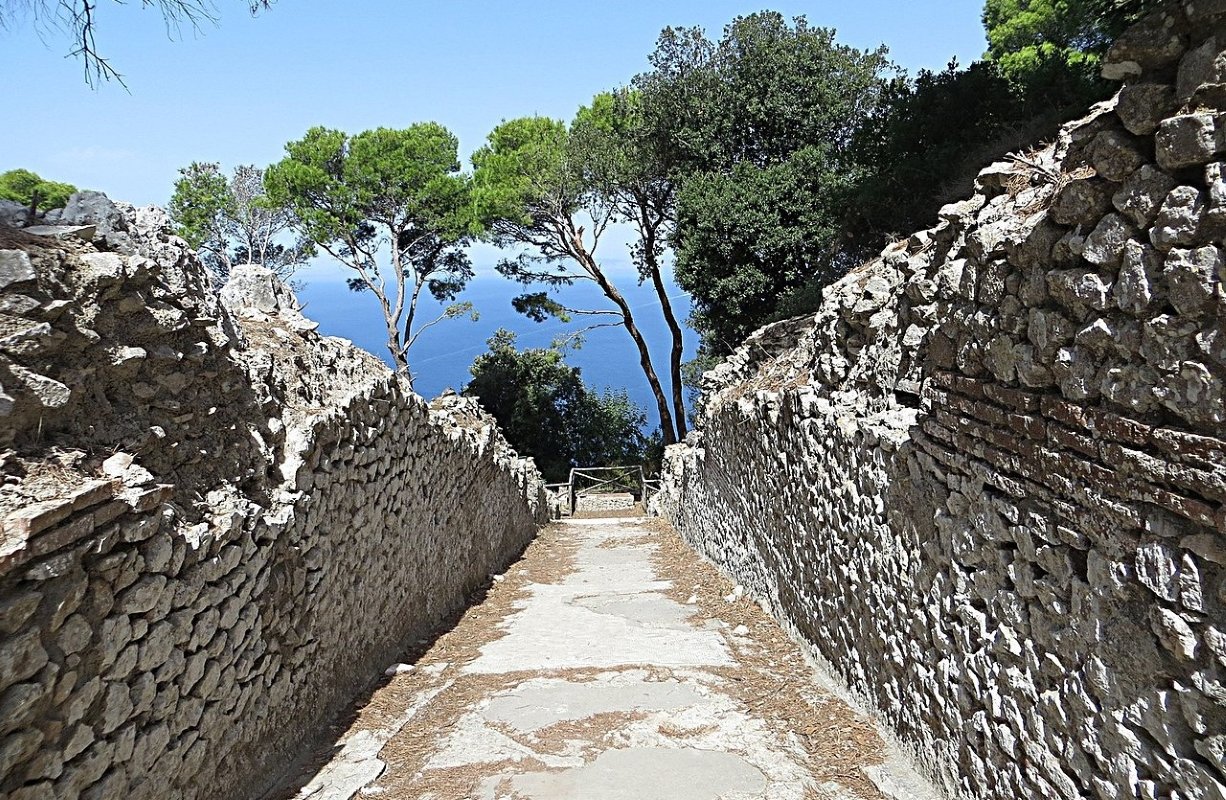
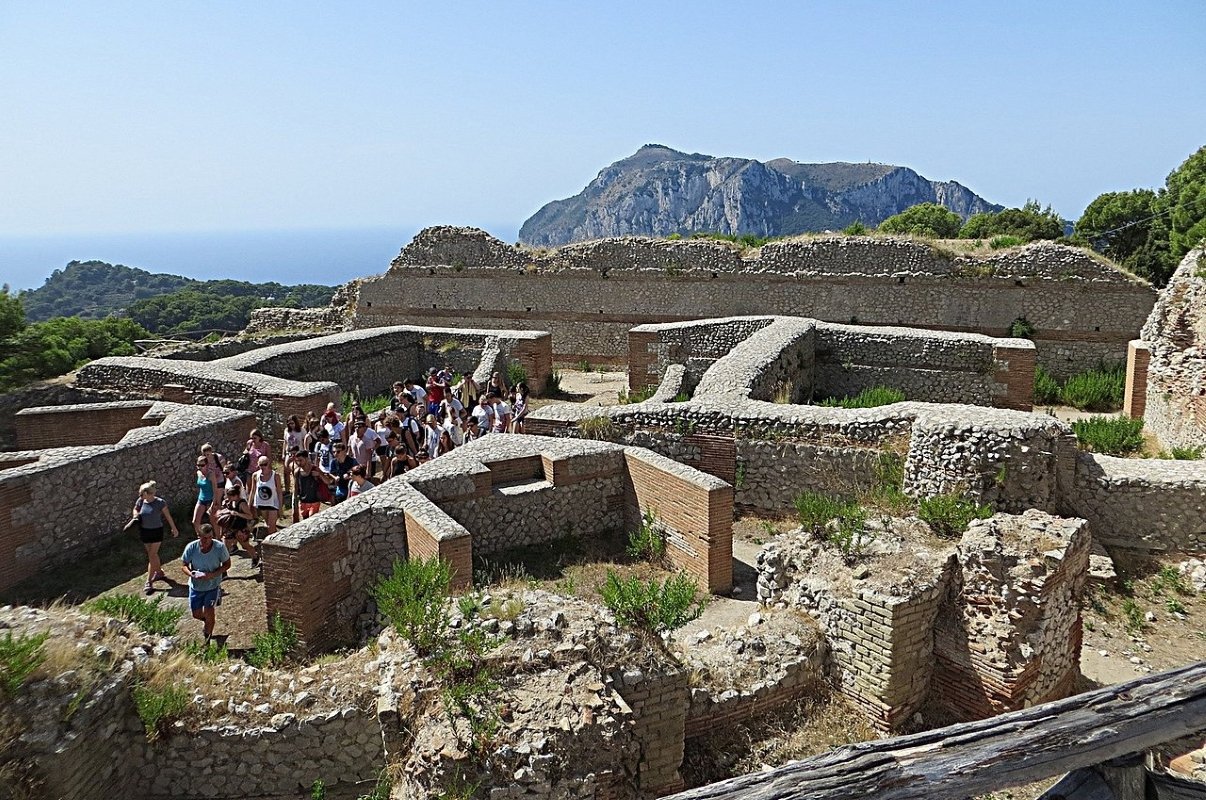
Why It’s Incredible: The setting alone is worth the hike—360-degree views of the Bay of Naples, the Amalfi Coast, and the open Mediterranean. The ruins sprawl across multiple levels carved into the clifftop, with cisterns, baths, and quarters for the imperial court still visible. Standing on the Salto di Tiberio (Tiberius’s Leap), the 1,000-foot drop where the emperor allegedly threw people who displeased him, is genuinely spine-tingling.
Practical Info:
- Getting There: From Capri town center, it’s a 45-minute uphill walk (well-marked signs). No roads reach the villa—this is strictly foot traffic.
- Entry: €2 (seriously, that’s it)
- Best Time: Early morning before 10am or late afternoon. Midday sun is brutal with zero shade on the approach.
- Time Needed: 1.5-2 hours including the hike
- Fitness Level: Moderate. The path is paved but steep. Wear proper walking shoes.
- Accessibility: Not wheelchair accessible due to steep terrain and steps throughout the site.
Pro Tip: Combine this with a visit to Capri’s less-crowded Villa Lysis—another spectacular clifftop villa just 15 minutes away.
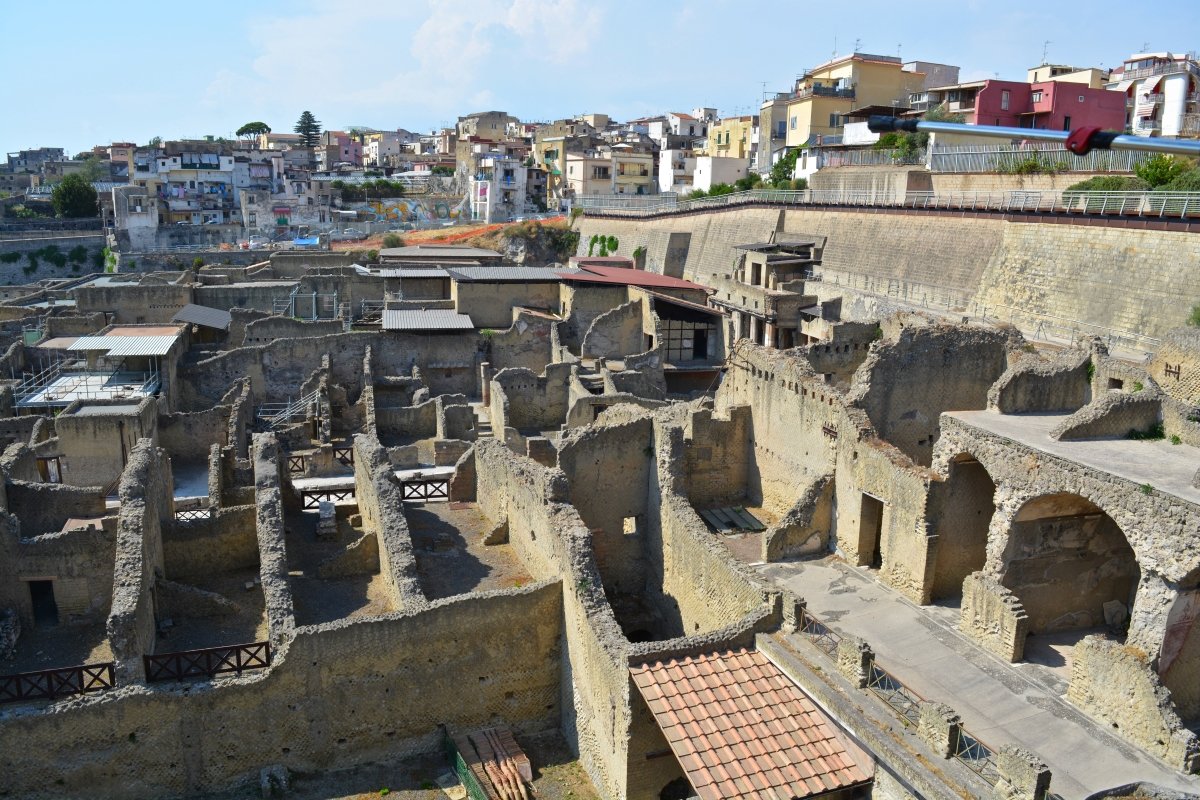
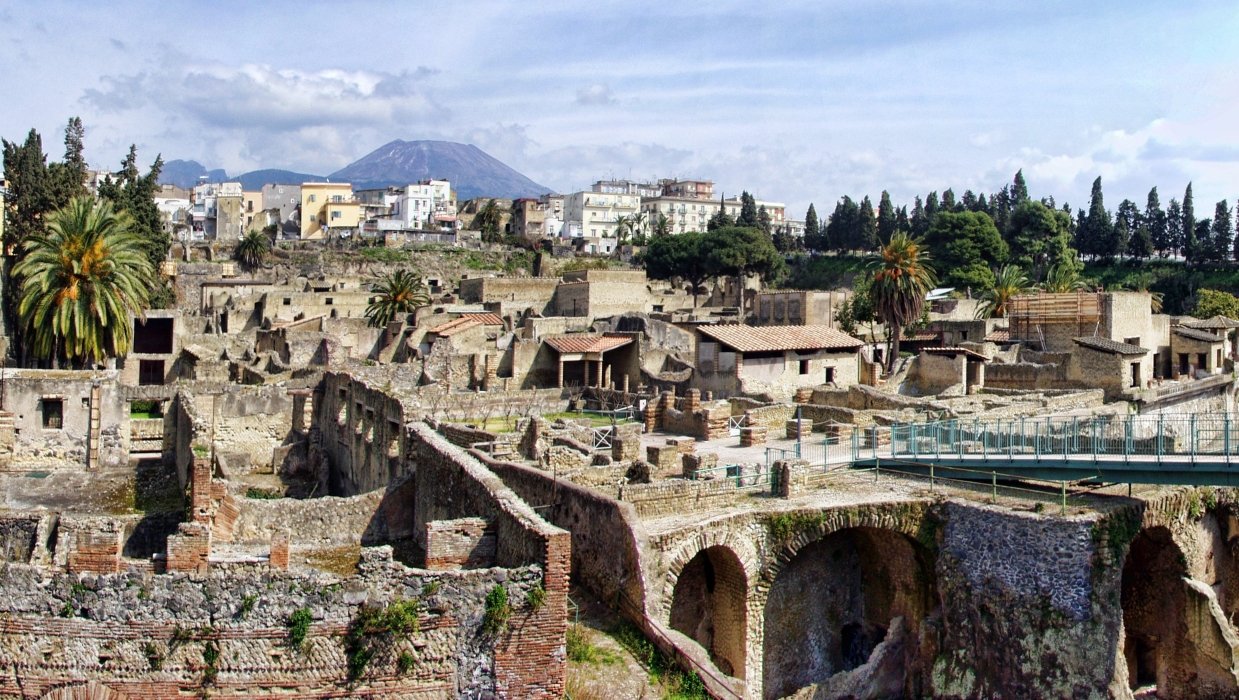
3. Herculaneum (Campania) – Pompeii’s Better-Preserved Sister City
Everyone knows Pompeii. But Herculaneum, destroyed by the same 79 AD eruption of Mount Vesuvius, is where archaeologists and history nerds actually prefer to go. Why? Because the pyroclastic surge that buried it was so hot and fast that it carbonized organic materials and sealed everything in a protective shell.
Why It’s Incredible: The preservation here is unreal. You’ll see wooden furniture, intact roof structures, and even an ancient library with scrolls that researchers are still trying to read using cutting-edge scanning technology. The House of the Beautiful Courtyard has original floor mosaics that look brand new. The ancient boat houses along the beachfront contain the skeletons of people who fled there seeking shelter—a haunting reminder of the disaster’s human toll.
Practical Info:
- Getting There: Circumvesuviana train from Naples to Ercolano Scavi station (€2.80, 20 minutes), then 10-minute walk downhill to entrance.
- Entry: €13 adults; €22 combined ticket with Pompeii (valid 3 consecutive days)
- Best Time: Weekday mornings, especially October-April. It’s much smaller than Pompeii, so crowds feel more concentrated.
- Time Needed: 2-3 hours
- Accessibility: The site is built on multiple levels with stairs and uneven surfaces. Limited accessibility for wheelchair users, though some areas are reachable.
Pro Tip: Book a guided tour for this one. The smaller size means guides can really dive deep into the stories, and you’ll catch details you’d otherwise miss.
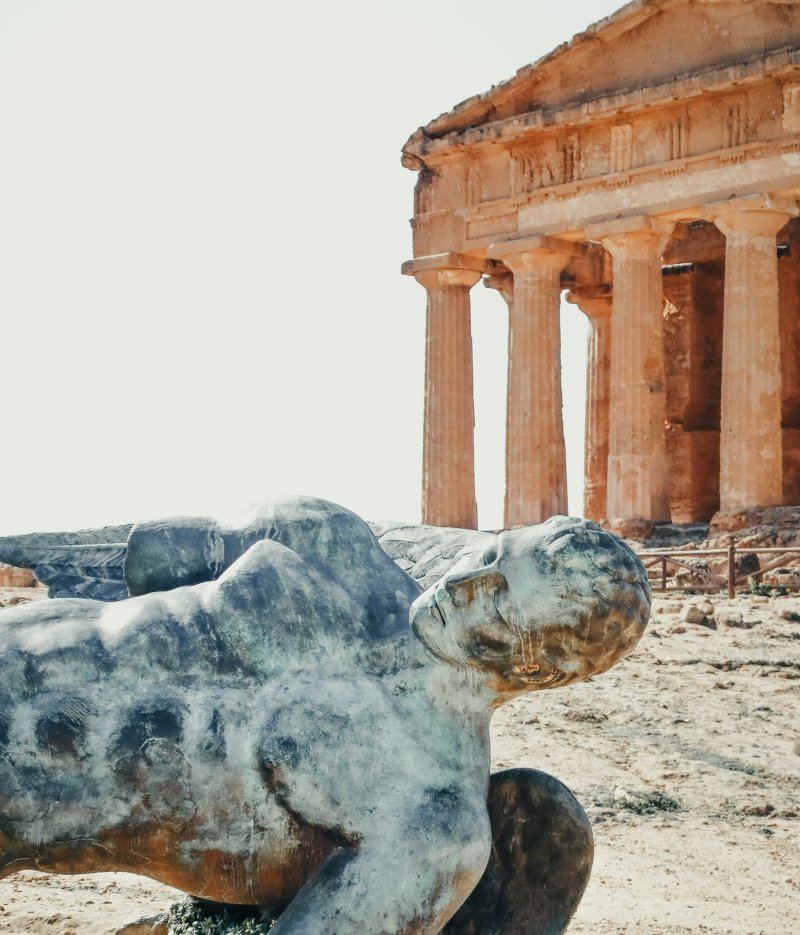
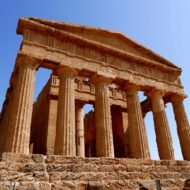
4. Valle dei Templi, Agrigento (Sicily) – Greece in Italy
Wait, Greek temples on a Roman list? Here’s the thing: these stunning temples became part of Roman territory, and the Romans preserved and adapted them. Plus, they’re criminally undervisited compared to mainland sites, and we’re not about to let you miss them.
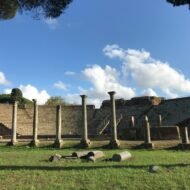
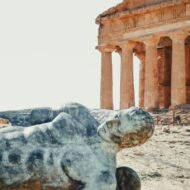
Why It’s Incredible: Picture this: a ridge overlooking the Mediterranean, dotted with some of the best-preserved Greek temples outside of Greece itself. The Temple of Concordia is nearly intact and glows golden at sunset. Unlike most archaeological sites that feel like piles of rubble, these temples still have their columns standing tall, making it easy to imagine the ancient world. The almond trees blooming in February create an absolutely magical landscape.
Practical Info:
- Getting There: Fly to Palermo or Catania, then bus or rental car to Agrigento (2-3 hours). Local buses run from Agrigento city center to the temples.
- Entry: €12 adults; €17 combined ticket with archaeological museum
- Best Time: February for almond blossoms; April-May and September-October for weather. Summer is extremely hot with limited shade.
- Time Needed: 3-4 hours for the main archaeological park
- Accessibility: The park has both uphill and downhill paths. Some areas are wheelchair accessible via designated routes.
Pro Tip: Stay for sunset—the lighting on the Temple of Concordia is photographer’s gold. Better yet, visit during the Almond Blossom Festival in early February when the whole valley turns white and pink.
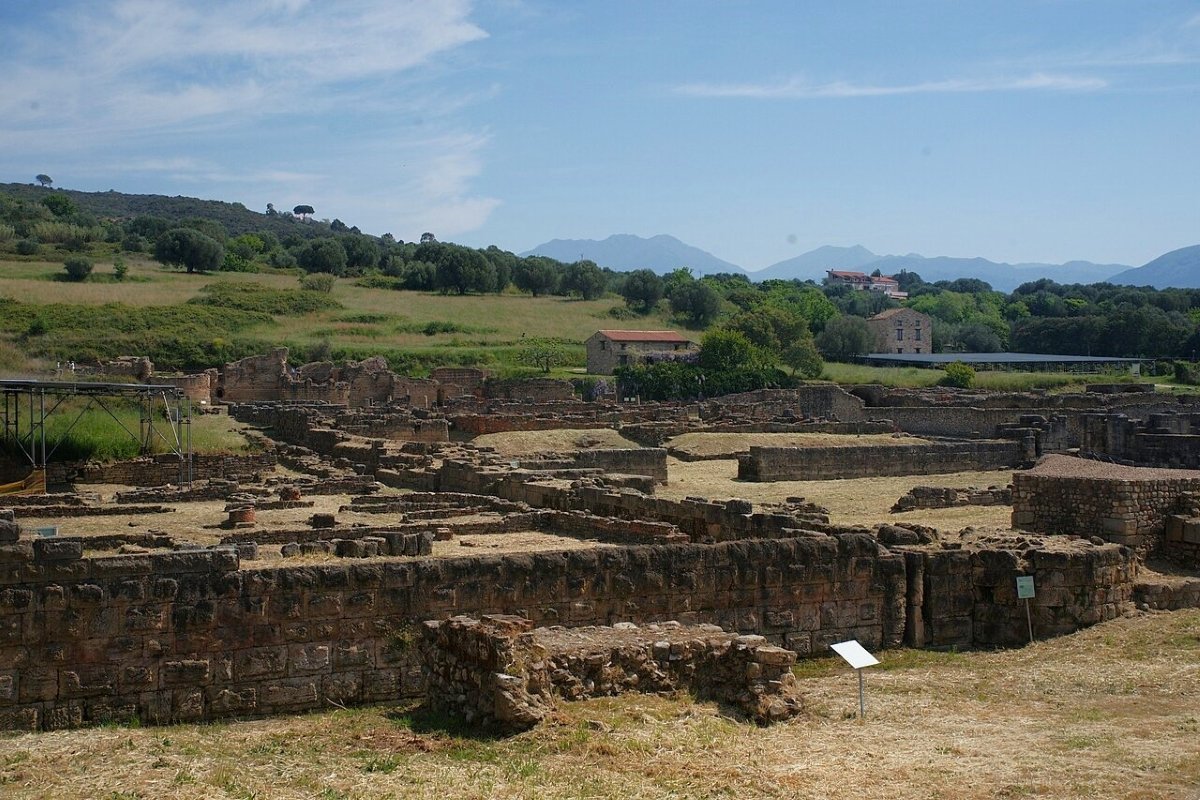
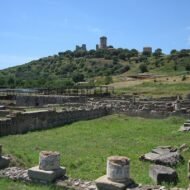
5. Velia (Campania) – The Seaside Philosopher’s Paradise
Never heard of it? You’re not alone. Velia (ancient Elea) was home to the Eleatic school of philosophy and later became a Roman resort town. It’s spectacularly located on the Cilento coast, combining archaeological ruins with gorgeous coastal hiking.
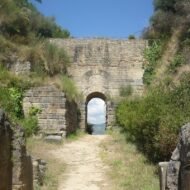
Why It’s Incredible: This site has everything: a Greek gate that’s still standing after 2,500 years, Roman baths with visible heating systems, an amphitheater carved into the hillside, and a medieval tower perched on top of the acropolis providing panoramic views. The best part? You’ll probably have entire sections to yourself. The setting along the Cilento Coast—part of a UNESCO World Heritage site—means you can combine ancient history with beach time and some of Italy’s best coastal hiking.
Practical Info:
- Getting There: Train to Ascea station on the Naples-Reggio Calabria line, then local bus or 20-minute walk to the archaeological site. Driving is easier if you’re exploring the Cilento region.
- Entry: €5 adults
- Best Time: May-June or September-October. Summer weekends bring Italian beachgoers, but the ruins remain quiet.
- Time Needed: 2-3 hours
- Accessibility: Steep paths and stairs limit accessibility. Not suitable for wheelchairs.
Pro Tip: Make this part of a Cilento Coast road trip. The nearby towns of Palinuro and Acciaroli are gorgeous, and you can hit Paestum (another incredible Greek temple site) on the way north.
Planning Your Underground Roman Adventure
Getting Around: All these sites are reachable by public transport, but having a car opens up flexibility—especially for Velia and Valle dei Templi. Regional trains in Italy are affordable and reliable for reaching Ostia Antica and Herculaneum.
Budgeting: Entry fees range from €2-13 per site—dramatically cheaper than Rome’s major attractions. Most sites offer free entry on the first Sunday of each month or discounted combination tickets. If you’re under 25 and from the EU, bring your ID for reduced rates.
What to Pack:
- Sturdy walking shoes (ancient cobblestones are not Instagram-heel friendly)
- Sun protection (hat, sunscreen, sunglasses—Mediterranean sun is no joke)
- Water bottle (facilities are limited at most sites)
- Light layers (even summer evenings can cool down)
- Portable phone charger (for photos and navigation apps)
Accessibility Considerations: Ancient sites weren’t built with accessibility in mind, and many of these locations involve uneven terrain, stairs, and steep paths. Ostia Antica offers the best accessibility among these five, while Villa Jovis and Velia are the most challenging. Contact sites directly before visiting if you have specific accessibility needs.
Why These Sites Matter
Beyond the selfie potential and the escape from tourist masses, these places offer something the big-name sites can’t: intimacy with history. When you’re standing alone in a Roman bath house in Ostia, running your fingers over 2,000-year-old mosaics in Herculaneum, or watching the sunset over Greek temples in Sicily, you’re not just seeing ancient Rome—you’re feeling it.
These sites prove that Italy’s archaeological treasures extend far beyond the tourist trail. They’re where history comes alive without the crowds, where you can sit on ancient stones without someone rushing you along, and where every corner reveals something that makes you go “wait, this is how old?”
Ready to explore? Pack your walking shoes, charge your camera, and prepare for the ancient Roman experience you actually want—minus the tour buses and plus all the authentic “I can’t believe I have this place to myself” moments. Your future self scrolling through these photos will thank you.