




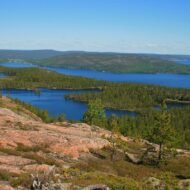
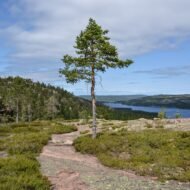

TL;DR: Sweden’s High Coast (Höga Kusten) is a UNESCO World Heritage gem featuring dramatic cliffs, island-hopping adventures, midnight sun hiking, and world-class whisky distilling. Perfect for nature lovers seeking an off-the-beaten-path Scandinavian experience without the crowds of Norway’s fjords.
- What Makes the High Coast So Special?
- Getting There and Getting Around
- When to Visit: Timing is Everything
- Must-Do Experiences
- Hike Skuleberget for Views That’ll Ruin Other Mountains for You
- Island Hopping in Ulvöarna Nature Reserve
- Box Distillery: World-Class Whisky in the Middle of Nowhere
- The Skuleskogen National Park Adventure
- Kayak Between Islands
- Hidden Gems Only Locals Know About
- Where to Stay: From Luxury to Budget-Friendly
- Foodie Adventures
- Practical Tips for Your High Coast Adventure
- Beyond the Obvious: Cultural Experiences
- Planning Your Perfect High Coast Itinerary
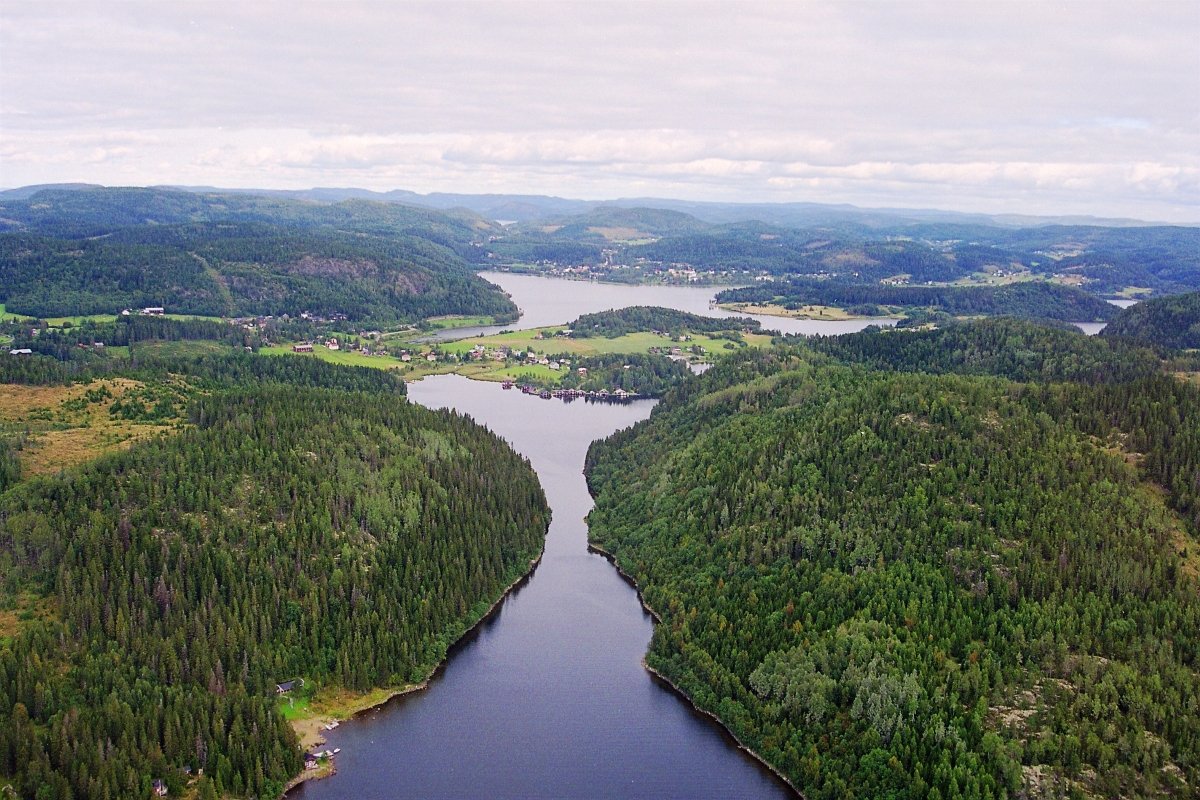
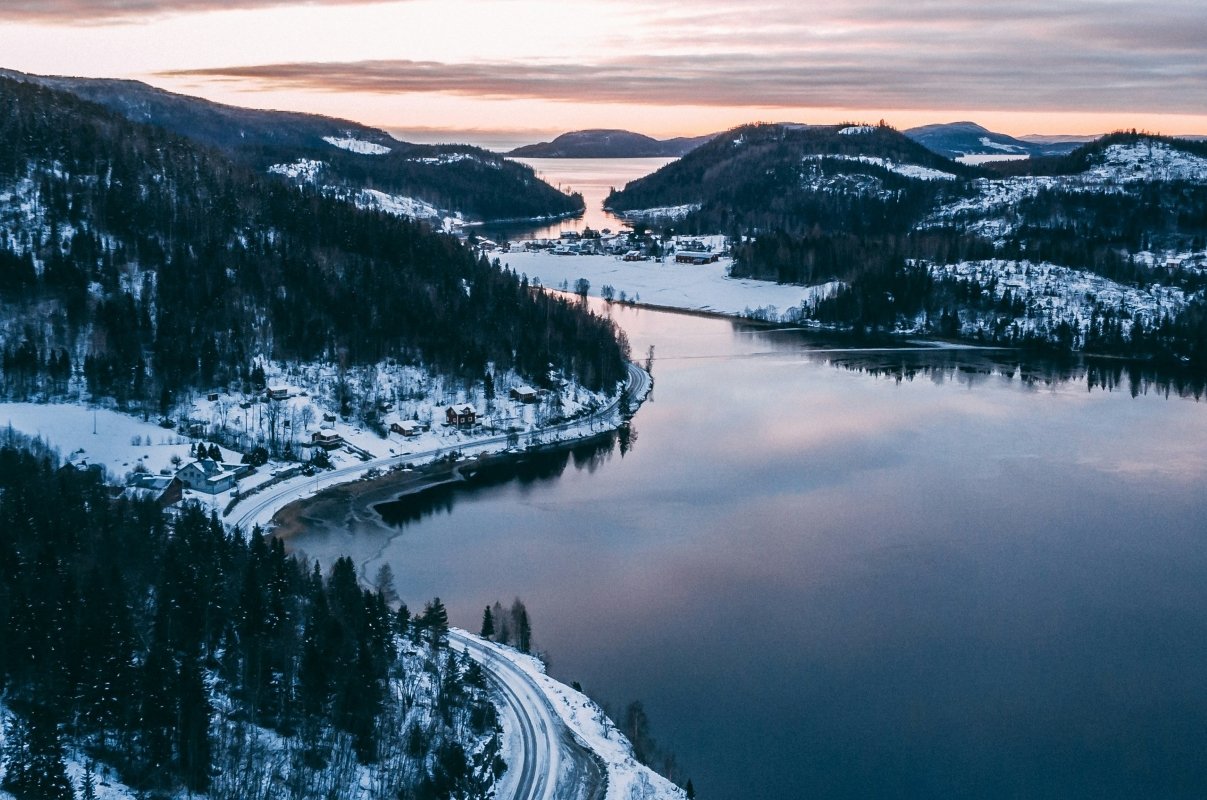
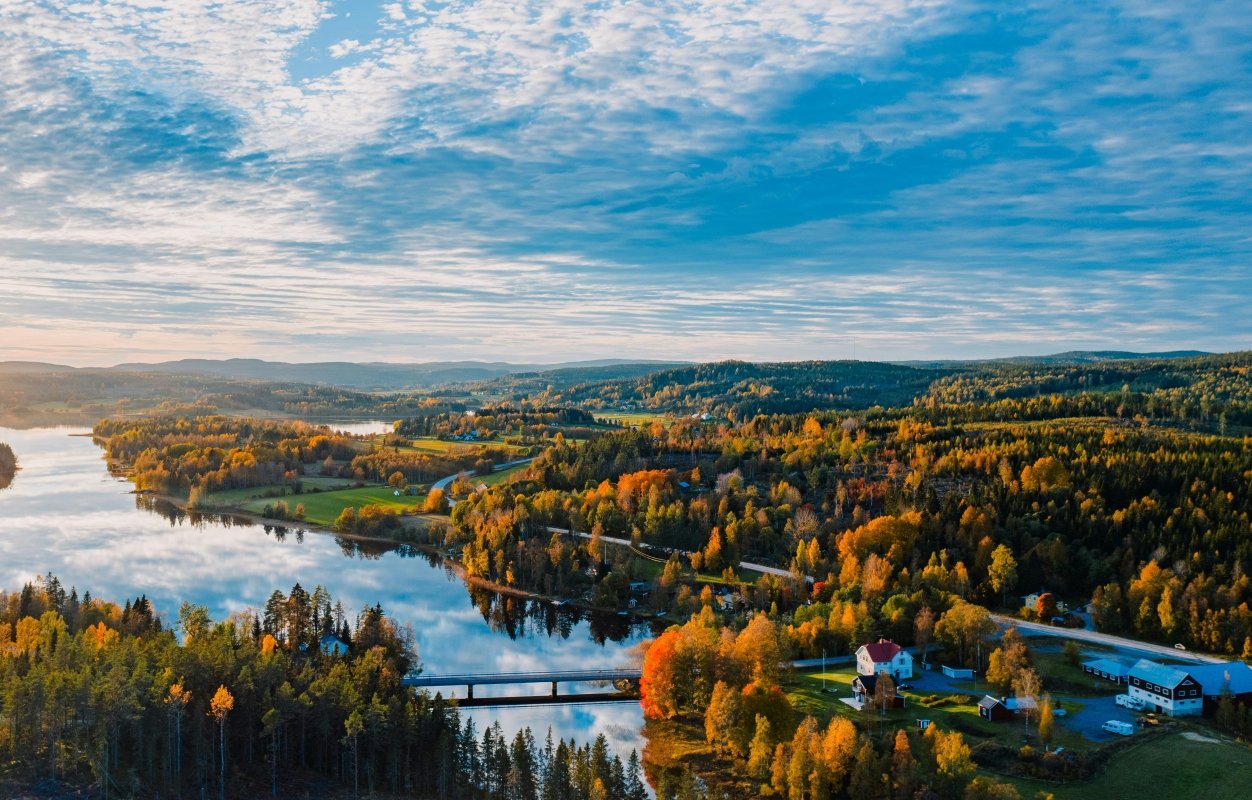
Picture this: towering red granite cliffs plunging into pristine Baltic waters, ancient forests hiding crystal-clear lakes, and islands so beautiful they’ll make your Instagram followers weep with envy. Welcome to Sweden’s High Coast, where Mother Nature decided to show off in the most spectacular way possible.
What Makes the High Coast So Special?
The High Coast isn’t just another pretty face in Sweden’s stunning landscape collection. This 100-kilometer stretch along the Gulf of Bothnia holds the distinction of being a UNESCO World Heritage Site, and trust me, it earned that title fair and square.
What sets this region apart is its unique geological story. After the last Ice Age, when those massive glaciers finally decided to pack up and leave, something incredible happened. The land literally started rising from the sea at a rate faster than anywhere else on Earth – we’re talking about 8-9 millimeters per year. This ongoing land uplift has created a landscape that’s constantly evolving, with new islands emerging and coastlines reshaping themselves.
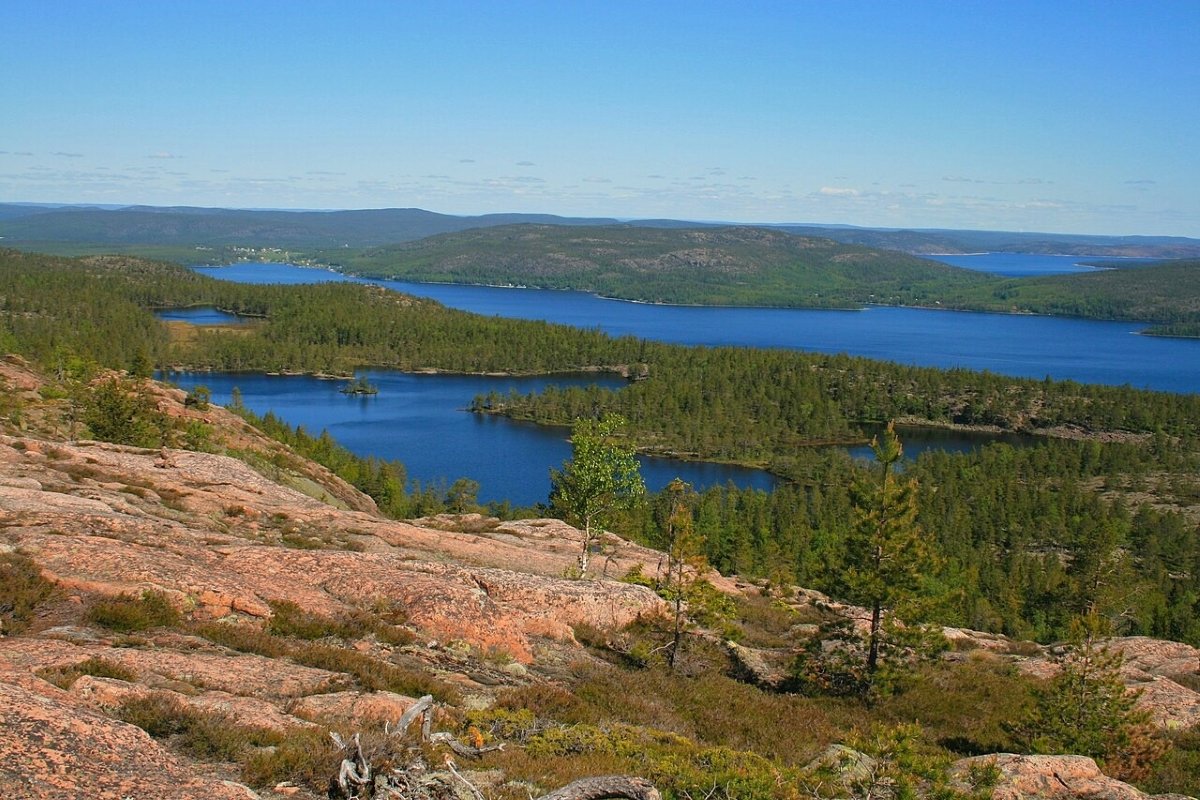
The result? Dramatic granite cliffs that soar up to 286 meters above sea level (that’s Skuleberget, the crown jewel), countless islands dotting the archipelago, and some of the most pristine wilderness you’ll find anywhere in Scandinavia.
Getting There and Getting Around
By Car: The E4 highway runs right through the region, making it easily accessible from Stockholm (about 4.5 hours) or from the north. Having your own wheels gives you the freedom to explore hidden gems and stop whenever that perfect photo opportunity presents itself.
By Train: SJ trains serve Kramfors station, and from there you can catch buses to various parts of the High Coast. It’s doable, but you’ll be more limited in terms of spontaneous exploration.
By Plane: The nearest airports are Sundsvall-Timrå (about an hour’s drive) and Örnsköldsvik (45 minutes). Both connect to Stockholm Arlanda.
Once you’re there, the High Coast is best explored by car, though cycling enthusiasts will find plenty of scenic routes. The region is well-connected with good roads, and parking is generally free and abundant.
When to Visit: Timing is Everything
Summer (June-August): Peak season brings midnight sun magic, perfect hiking weather, and all attractions open. Expect crowds during July, but honestly, this place never feels overwhelming like some other Scandinavian hotspots.
Spring (April-May): Fewer visitors, migrating birds, and that fresh awakening-of-nature vibe. Some seasonal attractions might still be closed, but the savings on accommodation make up for it.
Fall (September-October): Stunning autumn colors, mushroom and berry picking, and that cozy Scandinavian hygge feeling. Weather can be unpredictable, so pack layers.
Winter (November-March): Northern lights hunting, cross-country skiing, and ice fishing. Many tourist facilities close, but winter sports enthusiasts will find their paradise.
Must-Do Experiences
Hike Skuleberget for Views That’ll Ruin Other Mountains for You
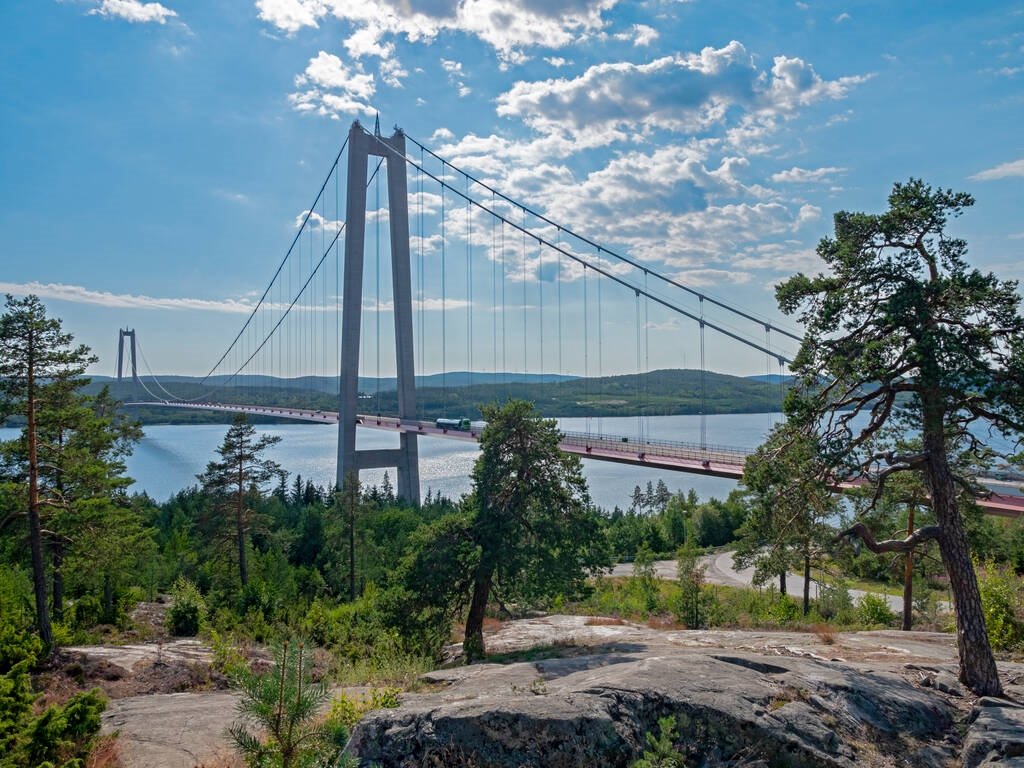
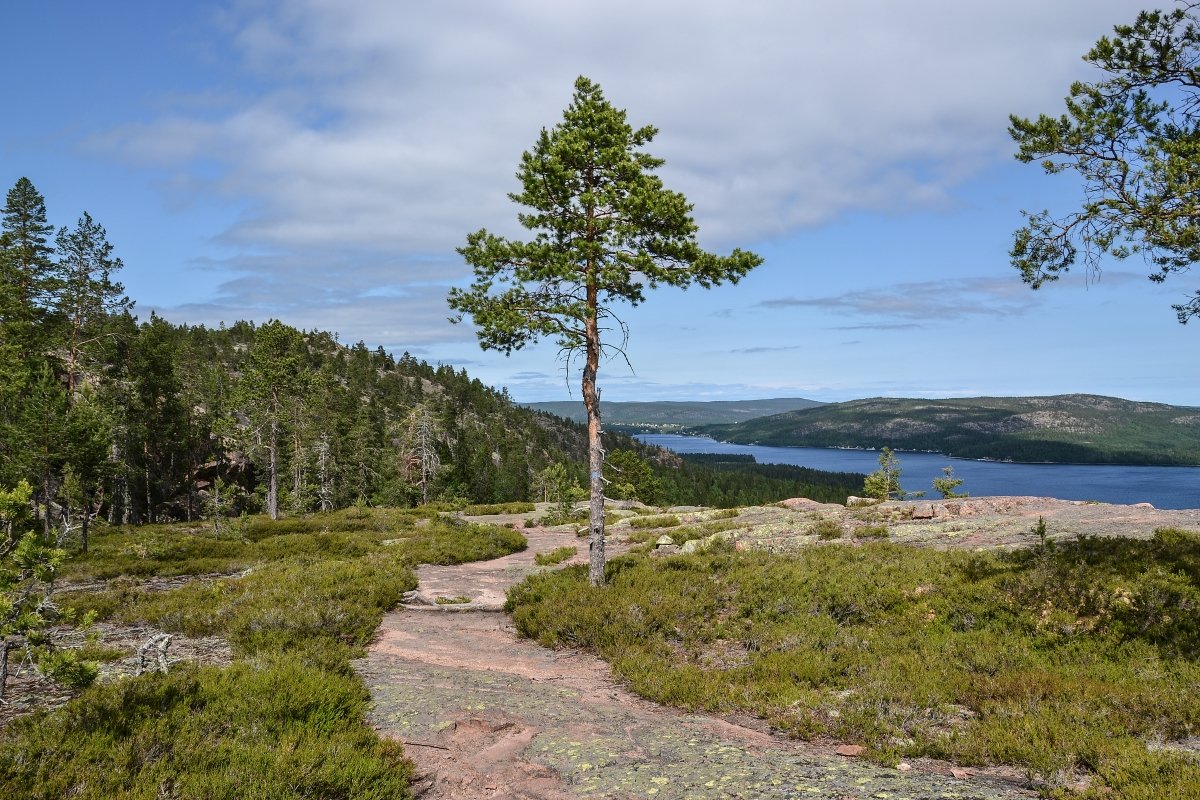
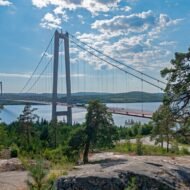
The crown jewel of High Coast hiking, Skuleberget offers multiple trails leading to breathtaking viewpoints. The classic route takes about 2-3 hours round trip and rewards you with panoramic views over the archipelago. There’s also a suspension bridge that’ll give you those perfect “look at me conquering my fears” photos.
Pro tip: Start early to avoid crowds and catch the morning light hitting the cliffs just right.
Island Hopping in Ulvöarna Nature Reserve
Take the boat from Docksta to explore the Ulvöarna islands, where you can spot seals, sea eagles, and if you’re incredibly lucky, maybe even catch a glimpse of the elusive white-tailed eagle. The islands offer great hiking, swimming spots that locals keep secret, and some of the best bird-watching in Sweden.
Box Distillery: World-Class Whisky in the Middle of Nowhere
Yes, you read that right. In the tiny village of Björna sits Box Distillery, producing award-winning whisky that’s putting Swedish spirits on the global map. Their distillery tours and tastings are intimate affairs, and their whisky has won international awards. Book ahead – this place is becoming legendary among whisky enthusiasts.
The Skuleskogen National Park Adventure
This national park showcases the High Coast’s diverse ecosystems, from ancient forests to rugged coastlines. The hiking trails range from family-friendly walks to challenging multi-day treks. Don’t miss the “Slåttdalsskrevan” – a dramatic ravine that feels like stepping into a fairy tale.
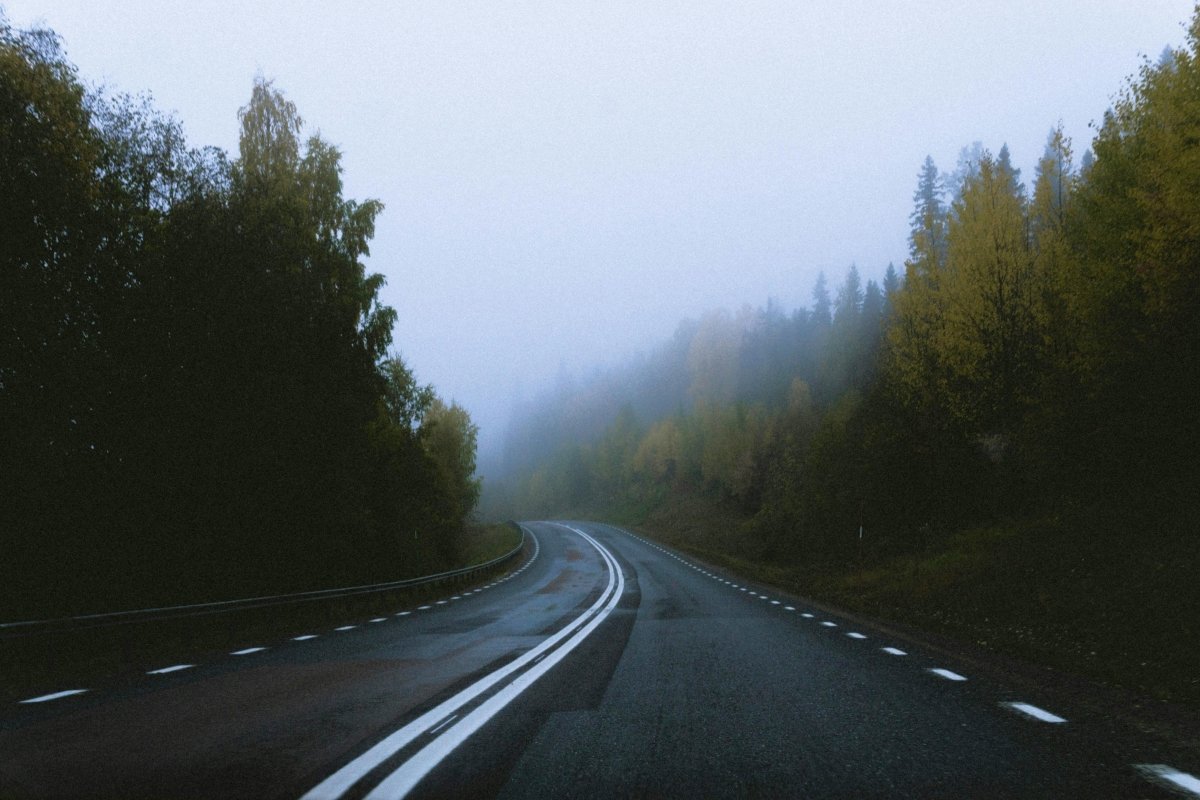
Drive the Coastal Road: The “High Coast” road is a scenic route that winds along the coastline, offering stunning views and access to small fishing villages like Norrfällsviken. It’s the perfect way to spend a day exploring at your own pace.
Kayak Between Islands
The High Coast’s inlets and islands are made for kayaking. Glide across glassy waters, stop on tiny deserted islands for fika (coffee + cinnamon bun), and camp right by the shore.
Hidden Gems Only Locals Know About
Rotsidan Viewpoint
Skip the crowds at Skuleberget and head to this lesser-known viewpoint for equally stunning views with a fraction of the visitors. The short hike through old-growth forest is gorgeous, and you’ll likely have the summit to yourself.
Trysunda Island
Mjällom Village
A traditional Sami village where you can learn about indigenous culture, try reindeer herding, and experience authentic Sami cuisine. It’s a respectful way to engage with Sweden’s indigenous heritage.
Visit Härnösand & Örnsköldsvik
- Härnösand: culture capital of the High Coast, with museums, art galleries, and a relaxed harbor vibe.
- Örnsköldsvik (Ö-vik): gateway to nature, and yes—it’s the hometown of Fjällräven, Sweden’s iconic outdoor brand.
Where to Stay: From Luxury to Budget-Friendly
High-End Options
- Hotell Höga Kusten: Perched right on the cliffs with rooms featuring floor-to-ceiling windows overlooking the Gulf of Bothnia
- Villa Lyckan: Boutique accommodation in a restored 19th-century villa with modern Scandinavian design
Mid-Range Comfort
- Skuleberg Hotell: Family-run hotel offering cozy rooms and excellent local cuisine
- High Coast Destination: Modern cabins with kitchenettes, perfect for families or groups
Budget-Friendly
- STF Vandrarhem: Several youth hostels throughout the region offering clean, basic accommodation
- Camping: Numerous campsites with facilities ranging from basic to glamping-style options
Foodie Adventures
The High Coast takes its local cuisine seriously. Expect fresh seafood pulled straight from the Gulf of Bothnia, locally foraged ingredients, and that distinctly Nordic approach to cooking that makes simple ingredients sing.
Must-try dishes:
- Fermented herring (surströmming) – if you dare
- Locally smoked salmon
- Wild game like elk and reindeer
- Cloudberries and lingonberries in various preparations
- Arctic char caught in pristine mountain lakes
Several restaurants focus on “new Nordic” cuisine, transforming traditional ingredients with modern techniques. The region also has a growing craft beer scene worth exploring.
Practical Tips for Your High Coast Adventure
What to Pack: Weather changes quickly, so layers are essential. Waterproof jacket, comfortable hiking boots, and bug spray for summer visits are must-haves.
Money Matters: Sweden is largely cashless – make sure your cards work internationally. Most places accept major credit cards.
Language: English is widely spoken, especially in tourist areas, but learning a few Swedish phrases goes a long way with locals.
Connectivity: Cell coverage is generally good, but remote hiking areas might leave you disconnected – plan accordingly and inform someone of your hiking plans.
Respect Nature: Follow the “allemansrätten” (right to roam) principles: take only photos, leave only footprints, and always respect private property and wildlife.
Beyond the Obvious: Cultural Experiences
The High Coast isn’t just about natural beauty – it’s got cultural depth too. Visit local artisan workshops where traditional crafts are still practiced, attend summer festivals celebrating everything from music to local food, and engage with the region’s maritime history at various museums and cultural centers.
The area has a thriving arts scene, with many artists drawn to the dramatic landscapes for inspiration. Gallery hopping between natural adventures adds another dimension to your visit.
Planning Your Perfect High Coast Itinerary
3 Days: Focus on Skuleberget hike, one island excursion, and Box Distillery visit 1 Week: Add Skuleskogen National Park exploration, multiple island visits, and cultural experiences 2 Weeks: Include winter activities (if visiting in season), extended hiking, and deeper cultural immersion
The High Coast proves that you don’t need to venture to Norway’s famous fjords to experience dramatic Scandinavian landscapes. This UNESCO World Heritage gem offers everything from adrenaline-pumping adventures to peaceful moments of Nordic tranquility, all without the overwhelming crowds found elsewhere.
Whether you’re seeking that perfect Instagram shot, planning a romantic getaway, or looking for family adventures that’ll create lasting memories, Sweden’s High Coast delivers experiences that’ll have you planning your return visit before you’ve even left. The land is literally rising to meet you – isn’t it time you answered the call?


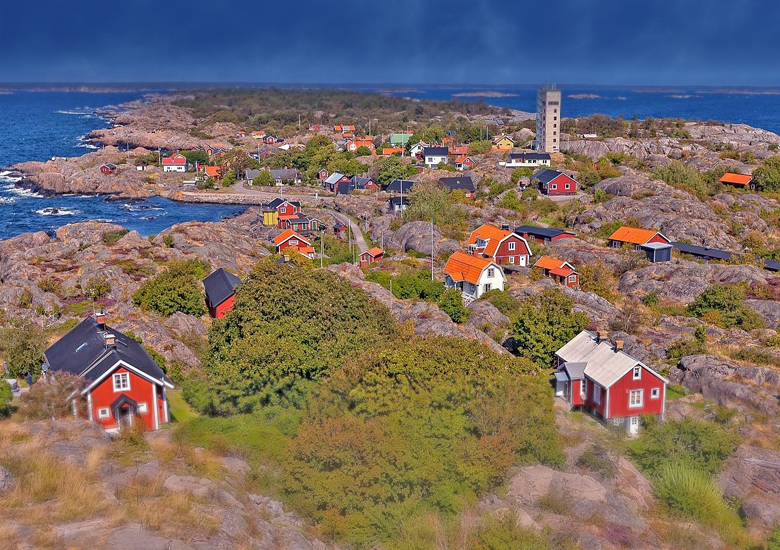


 is a UNESCO World Heritage gem featuring dramatic cliffs, island-hopping adventures, midnight sun hiking,)