












TL;DR: How to Navigate the 2026 Tulip Season in the Netherlands , The Netherlands transforms into a living rainbow every spring, and 2026 is shaping up to be one of the best tulip seasons yet. This guide covers everything from the famous Keukenhof Gardens to hidden flower fields, local festivals, budget hacks, and the food you absolutely can’t miss. Whether you’re planning your first tulip adventure or you’re a returning bloom-chaser, we’ve got the insider tips to make your trip unforgettable.
- Why 2026 Is THE Year for Tulip Tourism
- Highlights: What You Absolutely Can’t Miss
- Keukenhof Gardens: The Main Event
- The Bollenstreek (Bulb Region)
- Noordoostpolder’s Tulip Route
- Amsterdam’s Floating Flower Market
- Local Traditions: Living Like a Dutch Tulip Lover
- Budget Considerations: How to Do This Without Breaking the Bank
- Food: What to Eat During Tulip Season
- Cultural Aspects: Understanding Dutch Flower Culture
- Events: What’s Happening in 2026
- Outdoor Activities: Beyond Just Looking at Flowers
- Useful Info: Practical Tips for Your Trip
- Best Time to Visit
- What to Pack
- Getting Around
- Language
- Tulip Photography Ethics
- Money
- Mobile Connectivity
- Recap: Your Tulip Season Cheat Sheet
- Disclaimer
Why 2026 Is THE Year for Tulip Tourism
Let’s be real—you’ve seen the Instagram posts. Those endless rows of red, yellow, and pink stretching toward the horizon, windmills photobombing in the background, and everyone looking impossibly happy. But here’s what those photos don’t tell you: timing is everything, crowds can be brutal, and there’s SO much more to the Netherlands’ tulip season than just Keukenhof.
The 2026 season is particularly exciting because climate patterns are predicting an extended bloom period, and several regions are opening new cycling routes specifically designed for flower-field viewing. Plus, the Netherlands is celebrating 400 years since the infamous Tulip Mania bubble burst in 1637—and trust me, the Dutch have a sense of humor about it.
Highlights: What You Absolutely Can’t Miss
Keukenhof Gardens: The Main Event
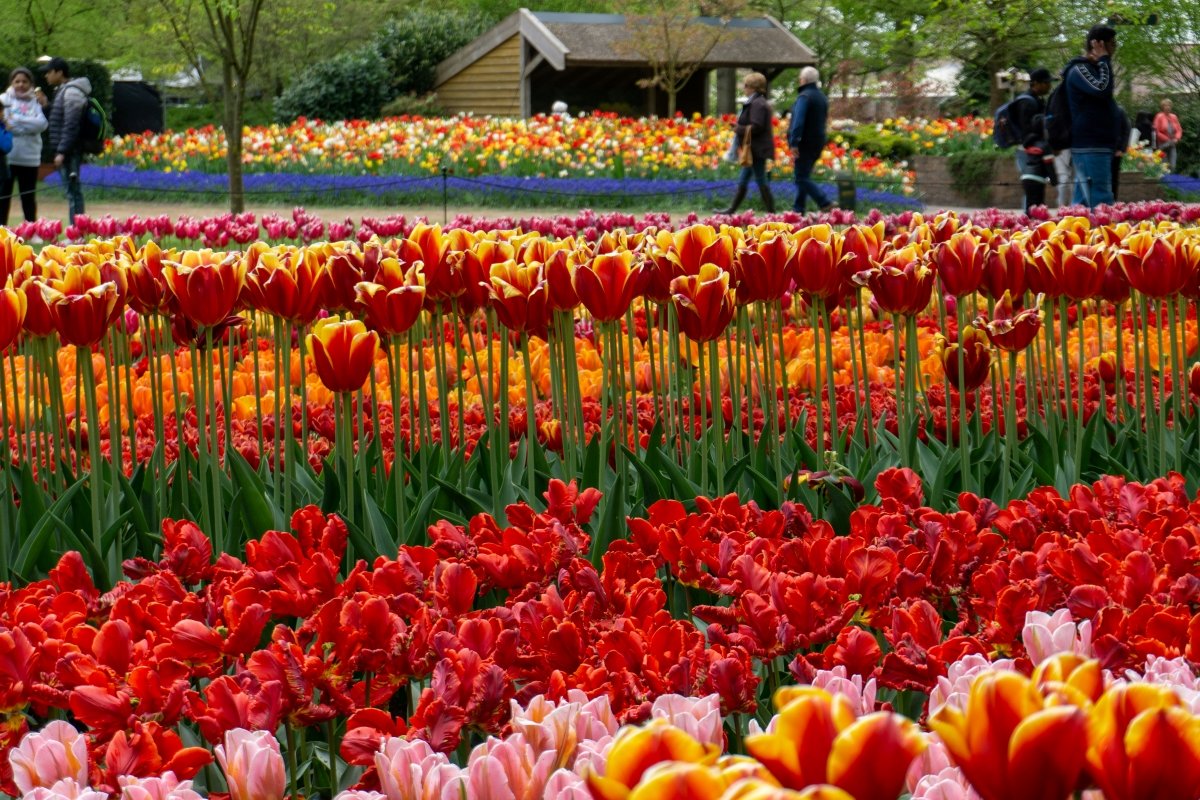
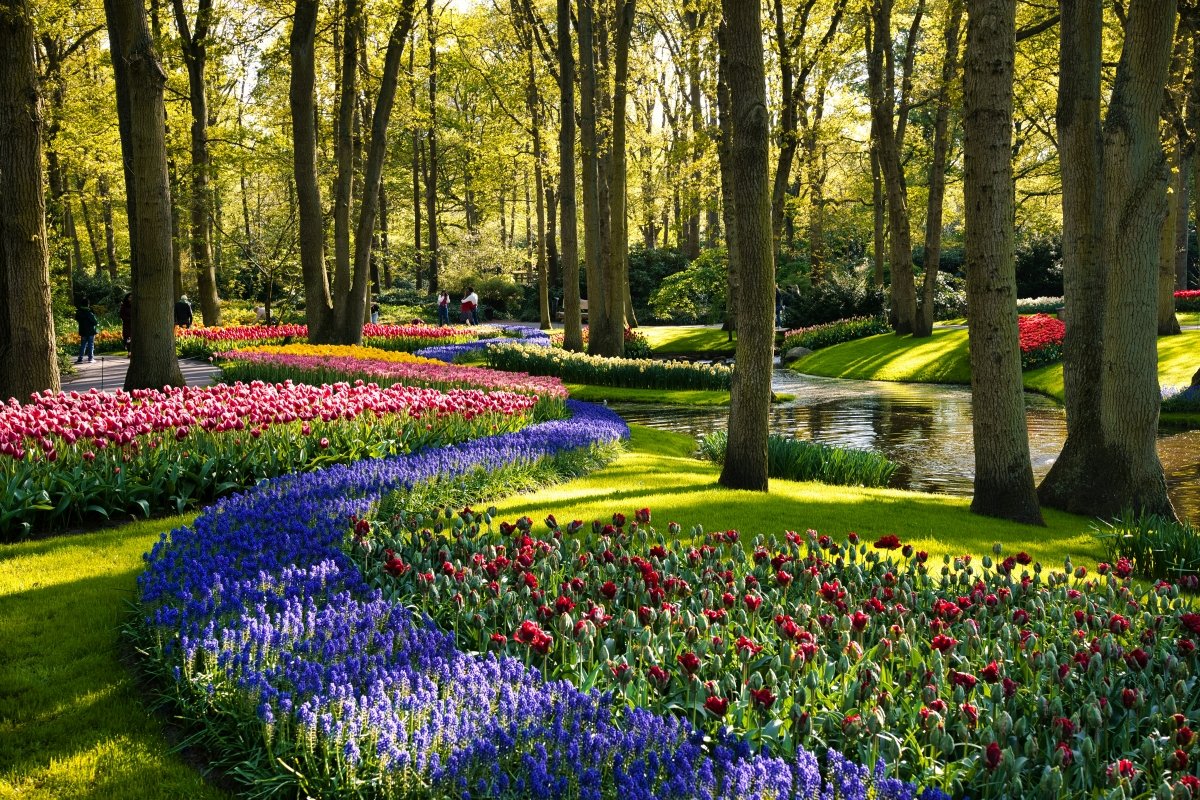
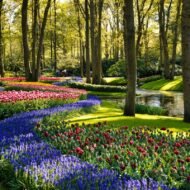
Yes, it’s touristy. Yes, it’s crowded. And yes, it’s absolutely worth it. Keukenhof opens mid-March through mid-May (exact 2026 dates typically announced in November 2025), showcasing over 7 million bulbs across 79 acres. The secret? Go on a weekday morning right when it opens, or visit during the last two weeks when crowds thin but flowers are still gorgeous.
Pro tip: Buy tickets online at least a week in advance. You’ll save money and skip the entrance queue.
The Bollenstreek (Bulb Region)
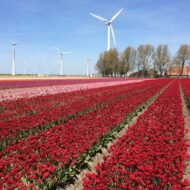
This is where the magic really happens. The area between Leiden and Haarlem explodes with color from late March through early May. Rent a bike in Lisse or Noordwijkerhout and just… ride. You’ll stumble upon fields that make Keukenhof look like a warm-up act. The best part? Most fields are free to admire from the designated cycling paths.
Noordoostpolder’s Tulip Route
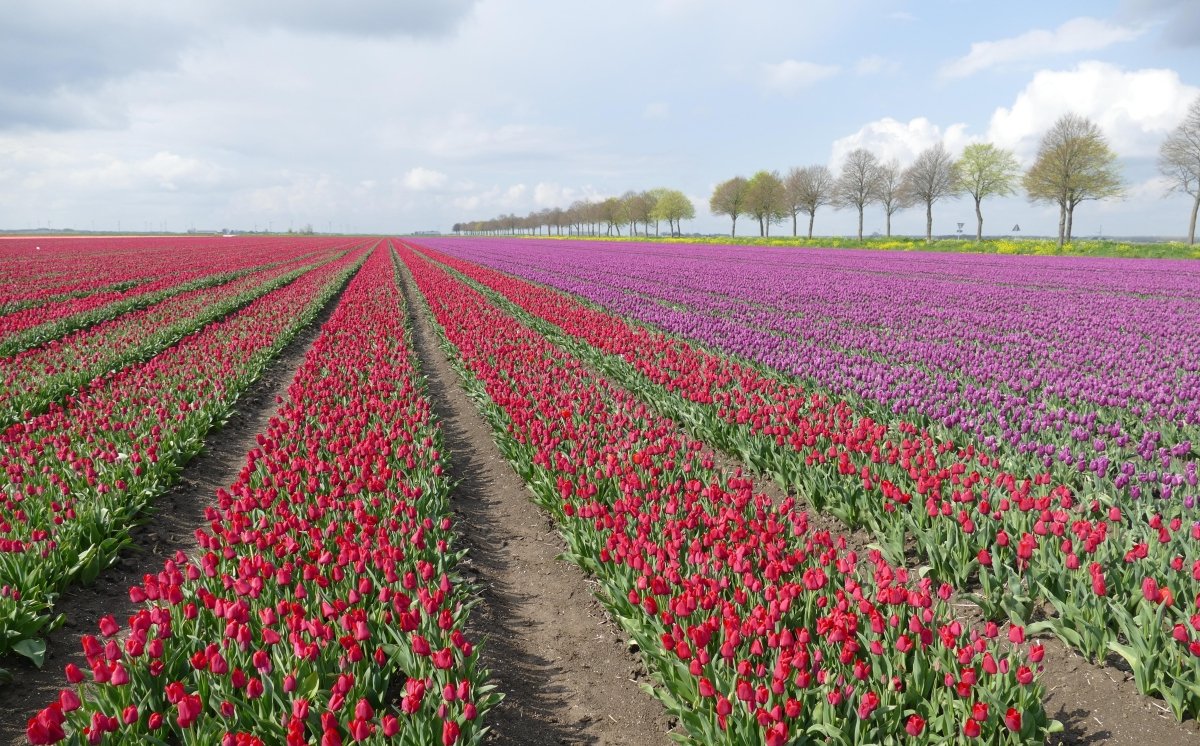
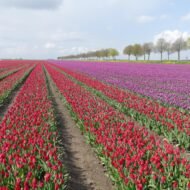
If you want to avoid the crowds entirely, head north to Flevoland province. The Noordoostpolder has become a hidden gem for tulip enthusiasts, with a 100km tulip route that’s far less traveled but equally stunning. Plus, the pancake houses here are legendary.
Amsterdam’s Floating Flower Market
The Bloemenmarkt on Singel canal operates year-round, but spring is when it truly shines. It’s the world’s only floating flower market, and while it’s become a bit commercialized, it’s still the best place to buy tulip bulbs to take home. Just make sure they’re certified for international transport!
Local Traditions: Living Like a Dutch Tulip Lover
The Bloemencorso (Flower Parade)
The annual Flower Parade from Noordwijk to Haarlem (typically late April) is a spectacle you won’t forget. Massive floats covered entirely in hyacinths, tulips, and daffodils roll through town while locals line the streets with picnics and beers. It’s like a Rose Parade, but Dutch—meaning there’s stroopwafels and everyone’s on bikes.
Tulpendag in Amsterdam
National Tulip Day (third Saturday in January) kicks off the season early. A giant tulip garden pops up in Dam Square, and everyone gets to pick 20 free tulips. While the main season is later, if you’re planning ahead, this is a fun preview event.
“Plukdagen” (Picking Days)
Some farms open their fields for public tulip picking—usually mid to late April when they need to remove the flowers anyway (the bulb is the crop, not the bloom). You’ll pay a few euros per bouquet and get the freshest flowers imaginable. Check local tourism boards for participating farms.
Budget Considerations: How to Do This Without Breaking the Bank
Let’s talk money, because tulip season can get expensive fast if you’re not careful.
Accommodations
Budget (€30-60/night): Hostels in Haarlem, Leiden, or Amsterdam. Try The Student Hotel or hostels in Zandvoort for beach access too.
Mid-range (€80-150/night): Hotels in smaller towns like Lisse, Noordwijk, or Sassenheim put you right in the bulb region at lower prices than Amsterdam. Plus, parking is easier.
Splurge (€200+/night): Boutique hotels in Amsterdam or luxury accommodations with direct tulip field views in Noordwijkerhout.
Hack: Consider staying in Rotterdam or The Hague. Both are under an hour away by train, much cheaper, and offer fantastic urban experiences when you need a break from flowers.
Transportation
- Bike rental: €10-15/day (best investment you’ll make)
- Train day pass: €40-60 depending on class (unlimited travel)
- Keukenhof Combi-ticket: €45-50 (includes park entry + round-trip bus from major cities)
- Car rental: €35-70/day (only worth it if you’re visiting multiple regions or traveling with family)
Free Activities
- Cycling through tulip fields (just stick to paths—don’t walk into fields!)
- Exploring towns like Leiden, Haarlem, or Delft
- Picnicking by canals
- Visiting the free tulip display at Schiphol Airport’s Holland Boulevard
Food Budget
- Street food/snacks: €5-10
- Casual restaurant: €15-25
- Nice dinner: €35-60 per person
Food: What to Eat During Tulip Season
Must-Try Dutch Classics
Poffertjes: Tiny fluffy pancakes dusted with powdered sugar. Get them from a street vendor for €5-7.
Stroopwafels: Two thin waffles sandwiching caramel syrup. Buy them fresh at markets—they’re life-changing when warm.
Bitterballen: Deep-fried meatballs, perfect with beer. Every pub serves them.
Haring (Herring): Raw herring with onions and pickles. It sounds weird, but this spring tradition is quintessentially Dutch. Try it at a herring cart (€3-5).
Poffertjes met Aardbeien: Poffertjes with strawberries during late April/May when local strawberries arrive.
Where to Eat
In the Bulb Region:
- De Vier Seizoenen (Lisse): Farm-to-table Dutch cuisine with tulip field views
- Pancake restaurants: Nearly every town has one. Try “De Keuken van Hackfort” in Noordoostpolder
In Amsterdam:
- Van Dobben: No-frills Dutch sandwich shop (try the kroket)
- Café de Reiger: Traditional brown café with great stamppot
- Winkel 43: Famous apple pie that’s worth the queue
Pro tip: Grocery stores like Albert Heijn have fantastic prepared foods for picnics. Grab some kaas (cheese), brood (bread), and rookvlees (smoked meat) for under €10 total.
Cultural Aspects: Understanding Dutch Flower Culture
The Tulip Economy
The Netherlands produces 4.3 billion tulip bulbs annually, with 1.3 billion grown specifically for cut flowers. It’s a €6 billion industry that employs thousands. The irony? Tulips aren’t even native to the Netherlands—they came from Central Asia via Turkey in the 16th century.
The 1637 Tulip Mania
During the Dutch Golden Age, tulip bulbs became more valuable than houses. A single “Semper Augustus” bulb sold for more than 10 times the annual income of a skilled craftsman. The bubble burst spectacularly, leaving many ruined. The 2026 season marks 400 years since this madness, and museums are planning special exhibitions.
Sustainability Initiatives
Many Dutch flower growers have gone green. Look for “MPS-ABC” certified farms (a sustainability rating system) or visit “Duin & Bollenstreek” National Park where traditional farming methods are preserved alongside nature conservation.
Museum Recommendations
- Museum de Zwarte Tulp (Lisse): Small museum dedicated to bulb cultivation history (€5 entry)
- Hortus Botanicus (Leiden): Oldest botanical garden in the Netherlands, with rare tulip varieties
- Frans Roozen Nursery (Vogelenzang): Working flower auction you can visit
Events: What’s Happening in 2026
March-May 2026 Tulip Season Calendar
Mid-March:
- Keukenhof opens (check website for exact date)
- Early bloomers start appearing in southern regions
Early April:
- Peak bloom begins in Bollenstreek region
- Tulip Route Noordoostpolder fully accessible
Late April:
- Bloemencorso (Flower Parade) from Noordwijk to Haarlem (date TBA)
- Many farms hold “plukdagen” (picking days)
- 400 Years After Tulip Mania special exhibitions begin
Early-Mid May:
- Late bloomers still gorgeous
- Keukenhof final weeks (less crowded!)
- Spring food festivals in various towns
Special 2026 Events
Watch for announcements about Tulip Mania anniversary celebrations in Haarlem and Amsterdam. These typically include:
- Historical reenactments
- Special museum exhibitions
- Flower auction tours at FloraHolland (world’s largest flower auction)
Outdoor Activities: Beyond Just Looking at Flowers
Cycling Routes
The Bollenstreek Route: 40km loop through the heart of tulip country. Relatively flat (this is the Netherlands, after all). Start in Lisse, hit Keukenhof, wind through Sassenheim and Noordwijkerhout.
Noordoostpolder Tulip Route: 100km route through Flevoland’s polder landscape. More ambitious but rewards you with solitude and endless color.
Amsterdam to Keukenhof: 35km one-way. A long but lovely ride through the countryside.
Rental shops: Try “Black Bikes” or local shops in Lisse and Haarlem. E-bikes available for €25-30/day.
Hiking
Nationaal Park Zuid-Kennemerland: Near Zandvoort, combines dunes, forest, and spring wildflowers. Perfect for when you need a break from tulips.
Amsterdamse Waterleidingduinen: Water supply dunes near Zandvoort with walking trails and wildlife.
Water Activities
Canal Boat Tours: Amsterdam, Leiden, and Haarlem all offer spring tours that take different perspectives on the flower fields.
Kayaking: Rent kayaks in Warmond or Noordwijk to paddle between fields. It’s magical.
Useful Info: Practical Tips for Your Trip
Best Time to Visit
Peak bloom: Mid-April (though this varies yearly by 1-2 weeks based on weather)
Fewer crowds: First two weeks of May or mid-March
Weather: Expect 10-15°C (50-59°F), rain gear essential, layers necessary
What to Pack
- Waterproof jacket: Dutch weather is unpredictable
- Comfortable walking shoes: You’ll walk/bike miles
- Sunglasses: Tulip fields are BRIGHT
- Reusable water bottle: Tap water is excellent and free
- Phone with good camera: Obviously
- Small backpack: For picnic supplies and tulip bulbs
Getting Around
The Netherlands has one of the world’s best train systems. Buy an OV-chipkaart (transit card) at any station. Load it with credit and tap in/out. Buses connect smaller villages not on train lines.
Language
Nearly everyone speaks English fluently, especially in tourist areas. That said, learning a few Dutch phrases is appreciated:
- “Dank je wel” (thank you)
- “Alsjeblieft” (please/you’re welcome)
- “Waar zijn de mooiste tulpenvelden?” (Where are the prettiest tulip fields?)
Tulip Photography Ethics
- NEVER walk into flower fields. Stay on designated paths.
- Use zoom lenses if you want close-ups.
- Many farmers post signs allowing photography from path edges—respect boundaries.
- Don’t pick tulips unless at designated “plukdagen” events.
- Drones require permits and are often prohibited over agricultural areas.
Money
- Credit cards widely accepted, but have some cash for small vendors
- ATMs abundant in cities, less so in small villages
- Tipping: Not obligatory but rounding up or 5-10% is nice
Mobile Connectivity
- Free Wi-Fi common in cafes and hotels
- EU roaming included if you have an EU plan
- Buy a prepaid SIM at Schiphol Airport if needed (Vodafone, KPN, T-Mobile)
Recap: Your Tulip Season Cheat Sheet
Best viewing period: Mid-April (but check bloom forecasts)
Must-sees: Keukenhof Gardens, Bollenstreek bike route, Bloemencorso parade
Budget estimate: €100-150/day (mid-range travel including accommodation, food, activities)
Essential experiences:
- Bike through actual tulip fields
- Try fresh herring from a street vendor
- Visit at least one flower parade or festival
- Pick your own bouquet at a “plukdag”
- Eat stroopwafels from a market vendor
Top tip: Book accommodations and Keukenhof tickets as early as possible. The best-priced options disappear by February.
Hidden gem: Noordoostpolder’s tulip route offers 80% of the beauty with 20% of the crowds.
Disclaimer
This guide reflects conditions and recommendations as of February 2026. Tulip bloom times vary based on weather patterns and can shift by up to two weeks. Always check current bloom reports through sources like Keukenhof’s official website, local tourist boards (VVV offices), or real-time bloom trackers before finalizing travel dates.
Event dates, particularly for the Bloemencorso and special 2026 Tulip Mania celebrations, should be verified on official websites closer to your travel dates. Prices mentioned are estimates and subject to change.
While we’ve made every effort to provide accurate information, this guide is for informational purposes only. Individual travel decisions should account for personal circumstances, abilities, and preferences. We’re not responsible for any inconveniences, disappointments, or unexpected rain showers during your trip—but we can promise the tulips will be worth it anyway.
COVID-19 or other health measures may affect travel. Check current Netherlands entry requirements and local health guidelines before your trip.
Finally: Please respect private property, agricultural land, and local communities. These aren’t just tourist attractions—they’re people’s livelihoods and homes. Travel responsibly, and the Netherlands will welcome you back every spring.
Now get out there and chase some tulips. The Netherlands is waiting, and trust us—it’s even better than the Instagram posts suggest. 🌷


![Pmelton87 [CC BY-SA 4.0 (https://creativecommons.org/licenses/by-sa/4.0)]](https://www.thewanders.eu/wp-content/uploads/2019/11/Naryn.jpg)