































4. Tromsø, Norway 🇳🇴
History at a Glance
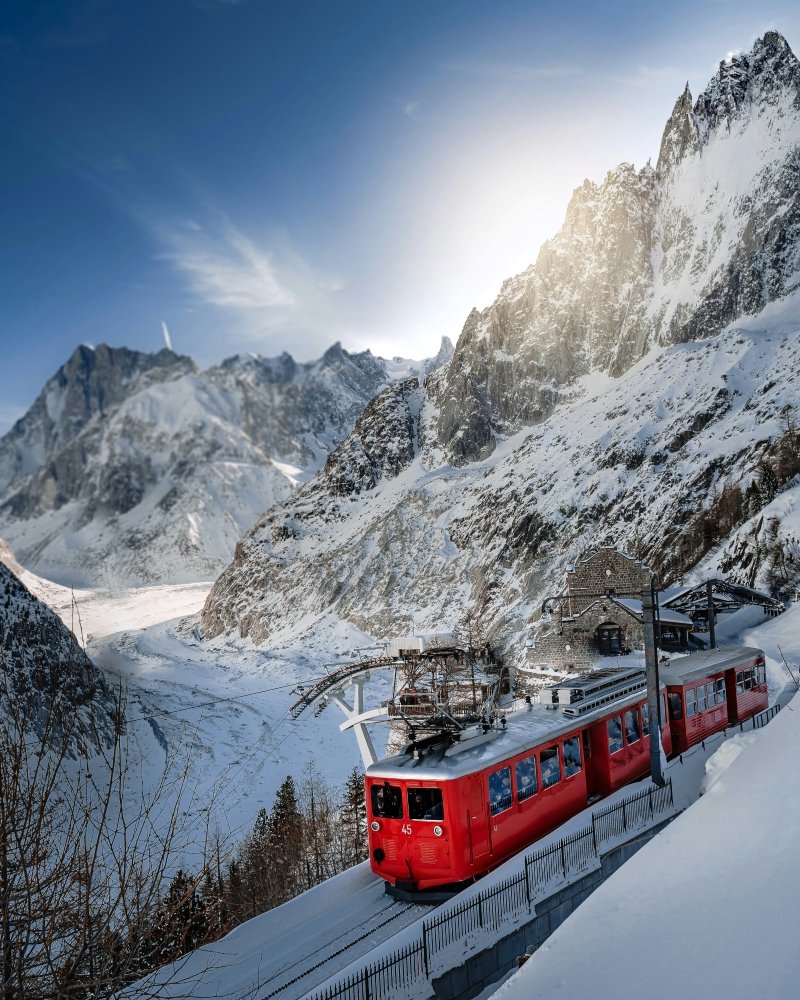
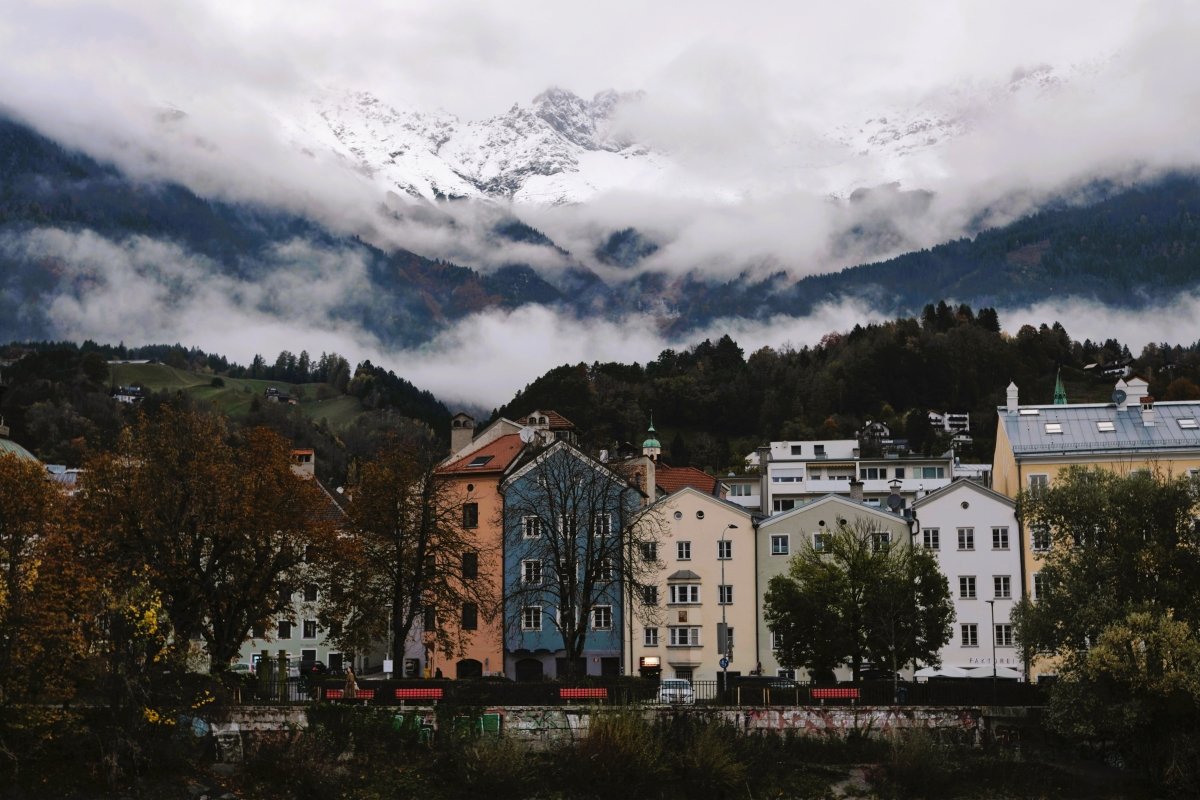
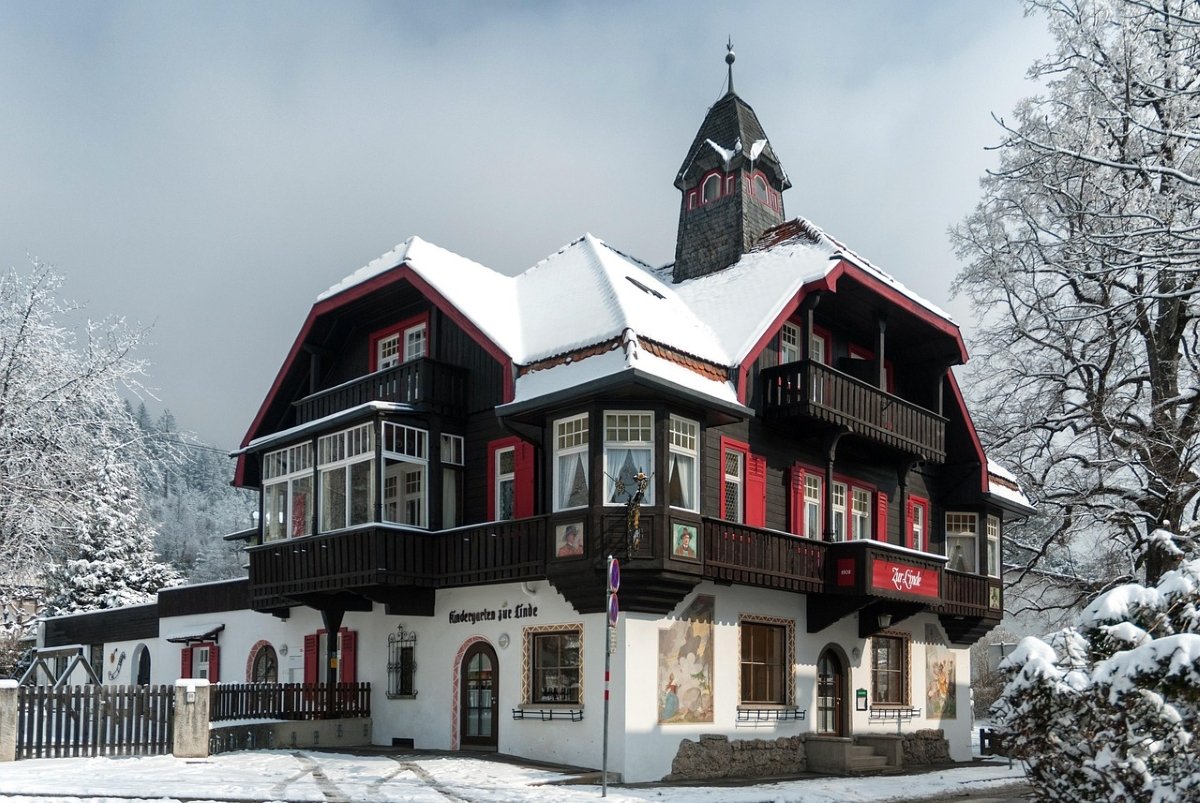
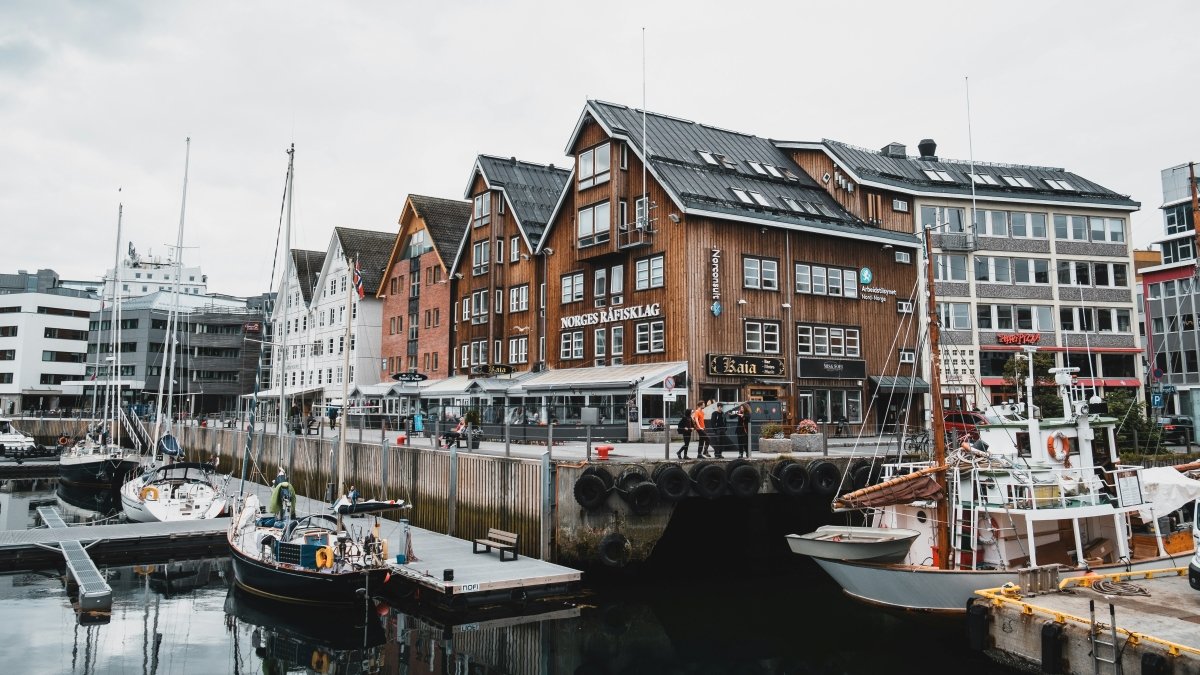
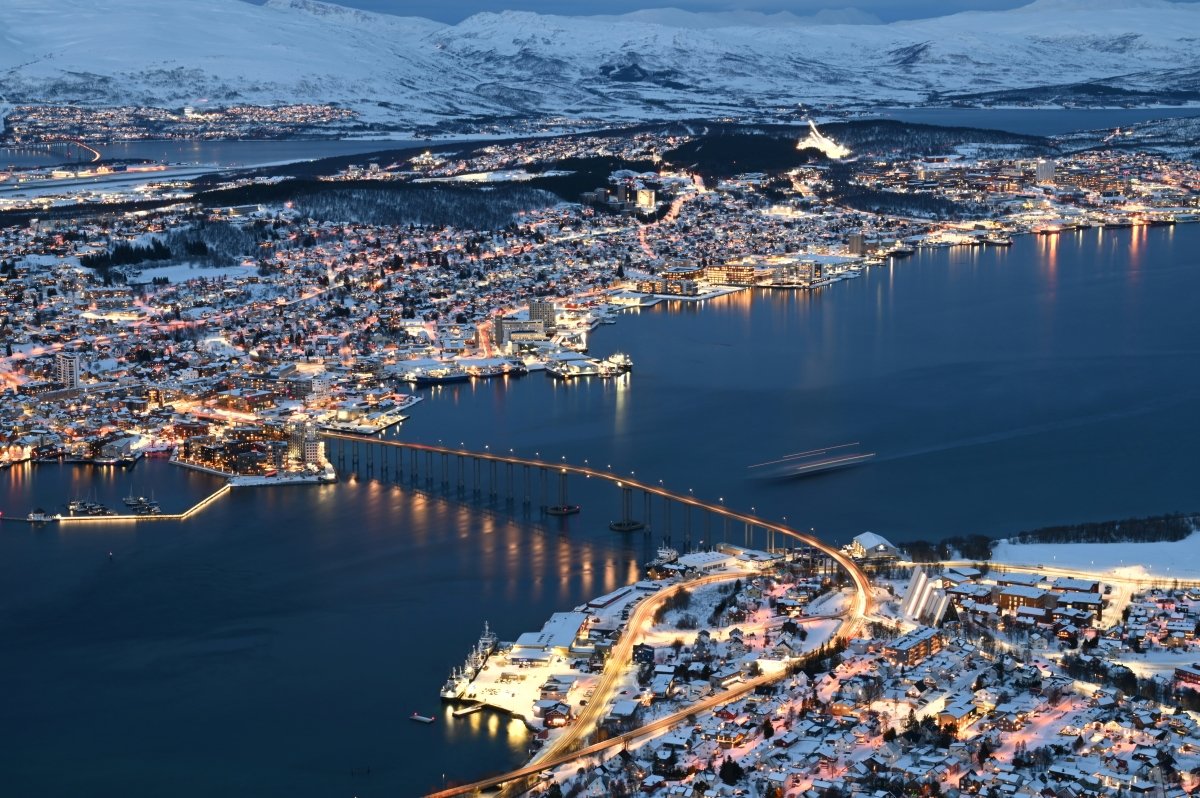
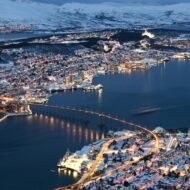
Known as the “Gateway to the Arctic,” Tromsø became a hub for polar exploration in the 19th century. Legendary expeditions to the North Pole launched from here, and the city still carries that adventurous spirit. Located 350 kilometers north of the Arctic Circle, this is where Sami culture meets Norwegian coastal traditions.
Outdoor Adventures & Winter Activities
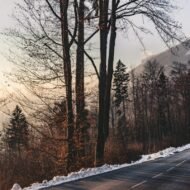
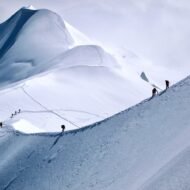
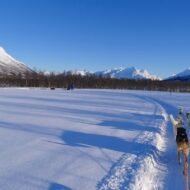
While Tromsø isn’t primarily a ski destination, the real magic is in arctic experiences. Dog sledding through snow-covered forests (€150-200), snowmobile safaris under the northern lights (€180-250), and whale watching in the fjords (November-January, €120-150) create unforgettable memories. The small Kroken ski area offers affordable local skiing.
Where to Stay
- Luxury: Malangen Resort (€250-400/night) offers aurora viewing from private hot tubs
- Mid-range: Clarion Hotel The Edge (€150-220/night) has stunning harbor views
- Budget-friendly: Tromsø Activities Hostel (€40-85/night) perfect for meeting fellow adventurers
Shopping & Local Traditions
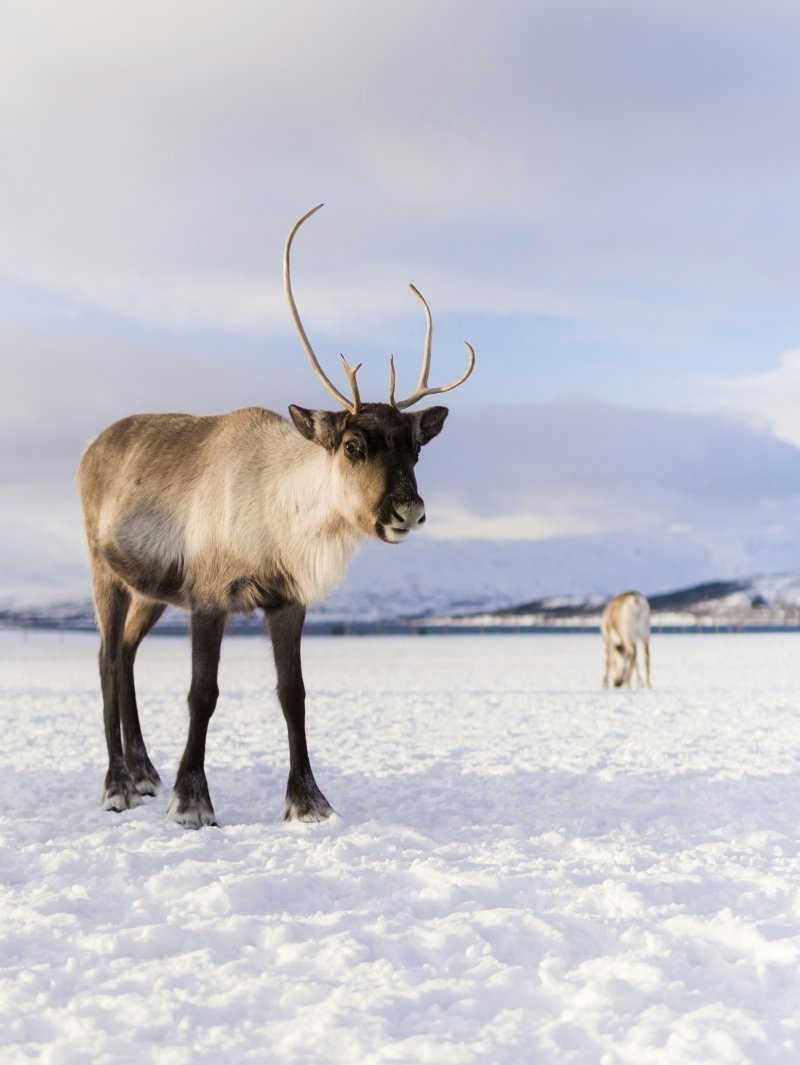
Browse Sami handicrafts including hand-sewn reindeer leather boots, silver jewelry, and traditional gákti clothing at Juhls’ Silver Gallery. Tromsø’s compact center features Nordic design shops and outdoor gear stores. Experience joik (traditional Sami singing) and learn about indigenous reindeer herding culture.
Food Scene
Arctic cuisine shines at Fiskekompaniet (€35-50 for fresh catch of the day) or splurge at Mathallen (€60-90) for innovative Nordic tasting menus. Try reindeer stew, king crab, and cloudberry desserts. Budget option: Rema 1000 supermarket for Norwegian salmon and cheese, or grab fish soup at the harbor (€12-15).
Cultural Highlights & Events
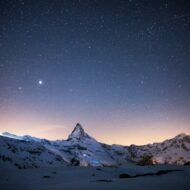
- Northern Lights: September-March, with peak viewing January-February
- Polar Night: November-January, when the sun doesn’t rise—magical twilight hours
- Tromsø International Film Festival: Mid-January, world’s northernmost film fest
- Arctic Cathedral: Stunning architecture with midnight sun concerts
- Polaria: Arctic aquarium and experience center (€160 NOK/€14)
Budget Breakdown
- Daily budget: €130-200 (Norway is pricey, but experiences are priceless)
- Northern lights tour: €90-150
- Alcohol is expensive—consider buying duty-free at the airport
- Money saver: Cook some meals in hostel kitchens, book activities in advance online
Useful Info
- Best time: January-March for northern lights and winter activities
- Getting there: Direct flights from Oslo (2 hours) or European cities
- Language: Norwegian, but nearly everyone speaks perfect English
- Dress in layers—temps average -5°C but can drop lower
- Download aurora forecast apps to catch the lights
5. Prague, Czech Republic 🇨🇿
History at a Glance
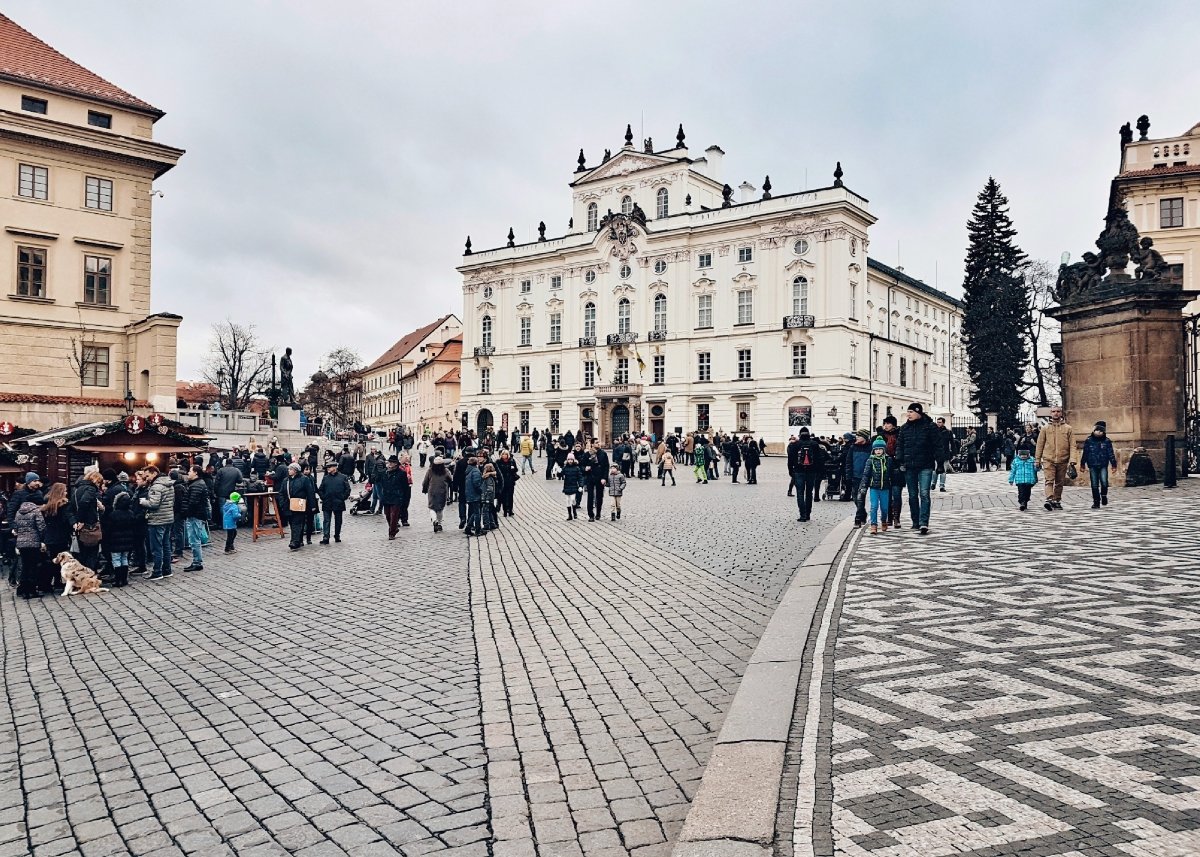
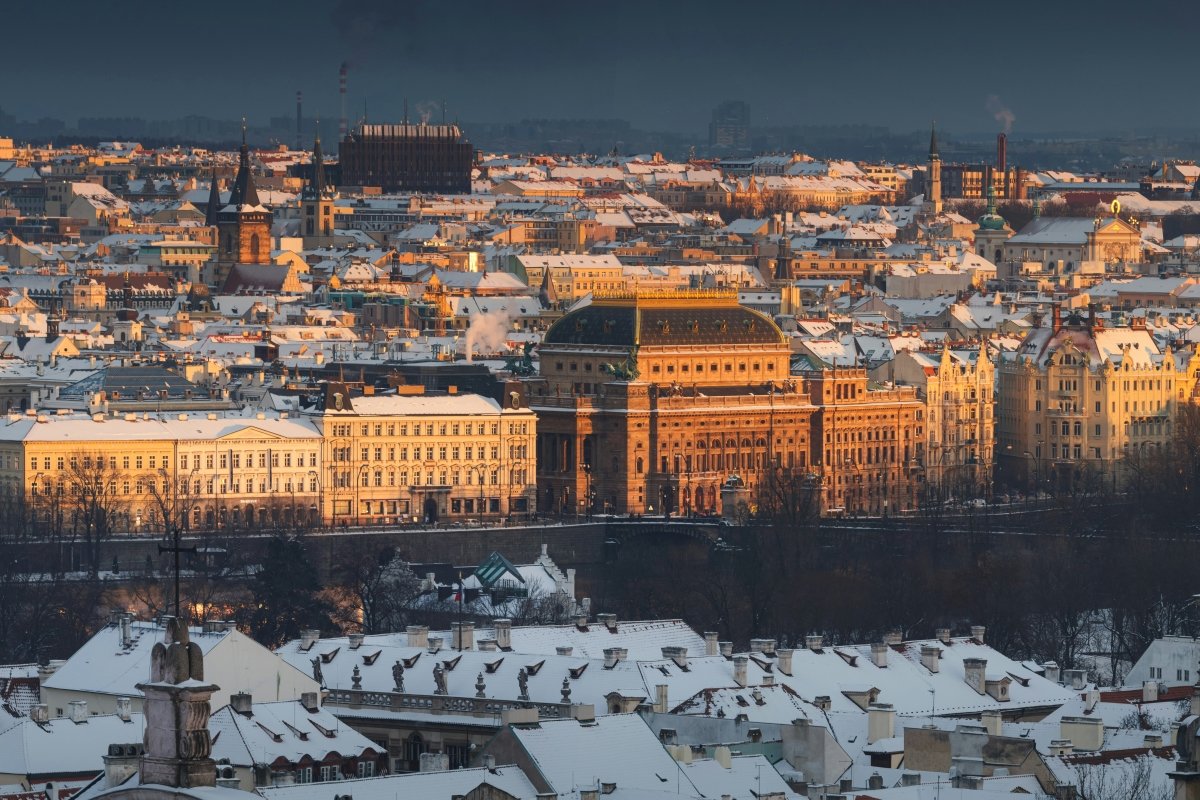
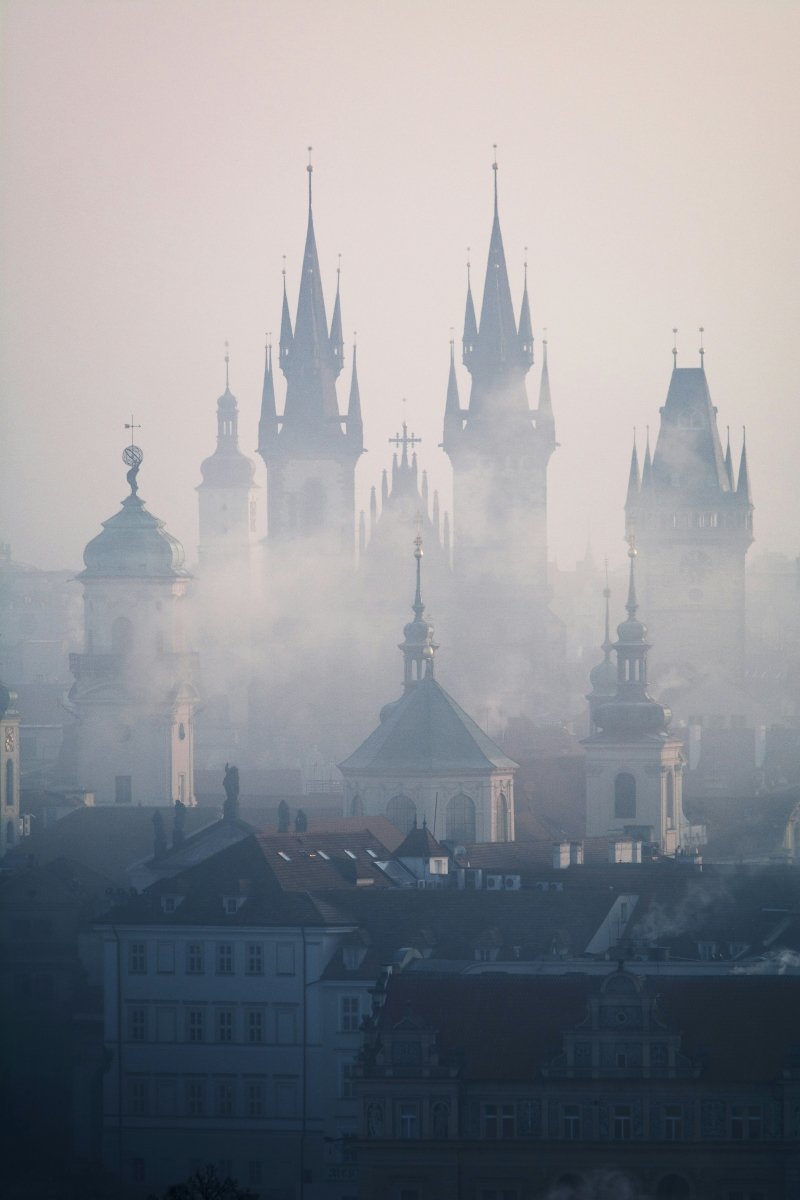
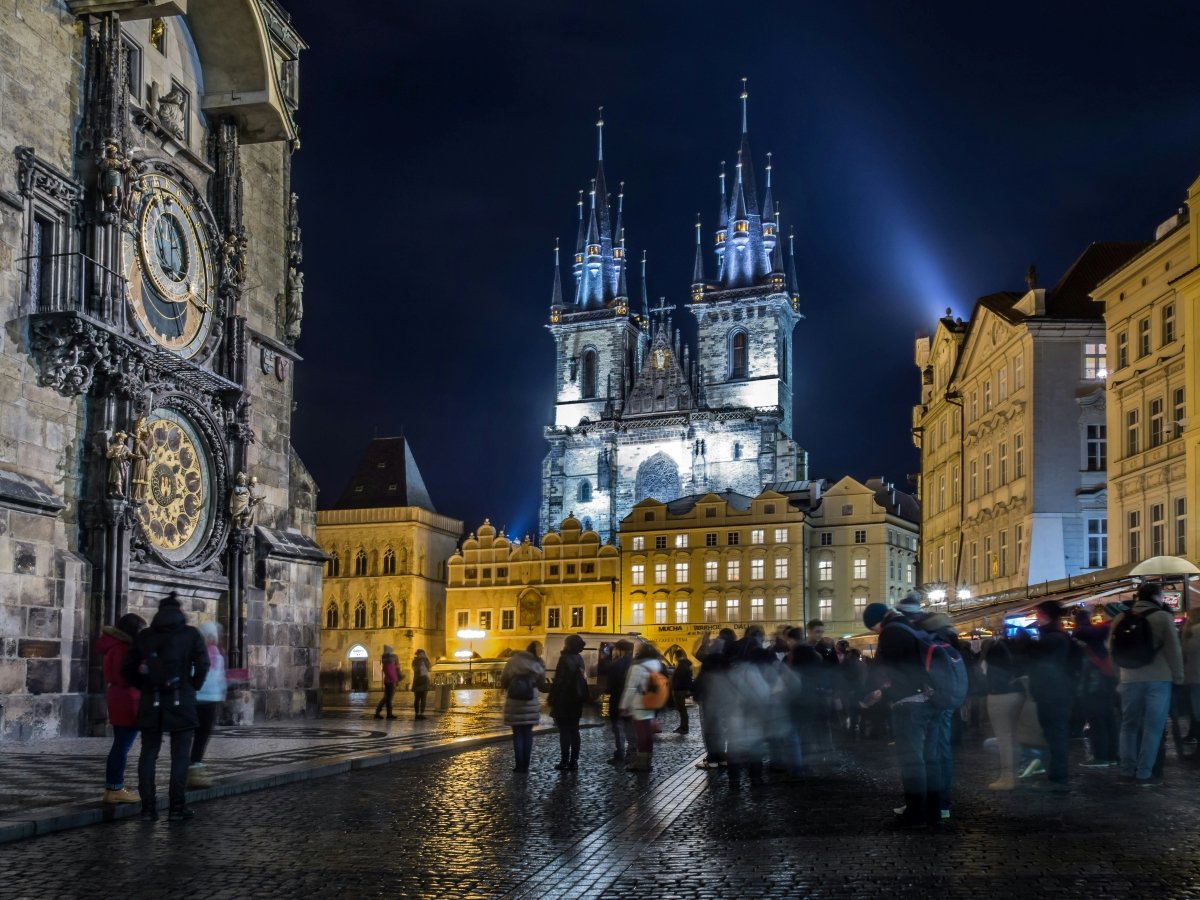
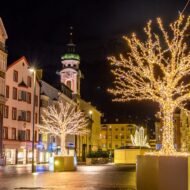
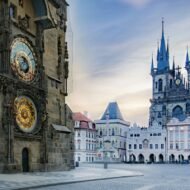
Prague’s fairy-tale spires have watched over a thousand years of history, from medieval kingdoms to communist rule to today’s vibrant democracy. The city miraculously survived WWII intact, preserving Gothic, Baroque, and Art Nouveau architecture that glows magical under winter snow. Charles Bridge, dating to 1357, remains the heart of this enchanting capital.
Outdoor Adventures & Winter Activities
While Prague isn’t a ski destination, nearby resorts like Špindlerův Mlýn (2 hours away) offer affordable slopes (day trip €40-60 including transport and pass). In the city, ice skating at Ovocný trh (€5-7), winter hiking in Petřín Hill, and Christmas market wandering provide plenty of outdoor enjoyment.
Where to Stay
- Luxury: Four Seasons Prague (€300-450/night) overlooks Charles Bridge
- Mid-range: Hotel Kings Court (€120-180/night) offers Art Deco elegance near Old Town
- Budget-friendly: Czech Inn (€20-60/night) has social atmosphere and excellent breakfast
Shopping & Local Traditions
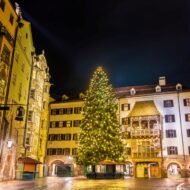
Wander the Christmas markets at Old Town Square and Wenceslas Square for hand-painted ornaments, Bohemian crystal, wooden toys, and marionettes. Pařížská Street offers luxury shopping, while Havelské Tržiště market has affordable souvenirs. Czech traditions include carp for Christmas dinner and making gingerbread decorations.
Food Scene
Feast on Czech classics like goulash, svíčková (beef sirloin in cream sauce), and trdelník (sweet pastry) for €8-15 at traditional pubs like U Fleků or Lokál. Fine dining at La Degustation Bohême offers Michelin-starred tasting menus (€100-150). Budget wins: order the daily lunch special (€5-7) or grab street trdelník (€3-4).
Cultural Highlights & Events
- Christmas Markets: Late November-January 6, some of Europe’s most atmospheric
- Old Town Square: Astronomical Clock and stunning Gothic architecture
- Prague Castle: Largest ancient castle complex in the world (€250 CZK/€10)
- New Year’s Eve: Massive celebrations and fireworks over the Vltava River
- Black Light Theatre: Unique Czech art form combining dance and optical illusions
- Classical concerts: Daily performances in historic churches (€15-30)
Budget Breakdown
- Daily budget: €50-90 (excellent value compared to Western Europe!)
- Prague Card: €62 (2 days) includes transport and attractions
- Beer costs less than water—Pilsner Urquell for €2-3
- Castle entry: €10-16 depending on circuit chosen
- Pro tip: Exchange currency at exchange offices, not at airport
Useful Info
- Best time: December for Christmas markets; January-February for fewer crowds and lowest prices
- Getting there: Václav Havel Airport with connections across Europe
- Language: Czech, English widely spoken in tourist areas
- Public transport is excellent—buy a 3-day pass (€32)
- Download Lítačka app for tickets
- Watch for pickpockets in crowded tourist areas
Final Thoughts
Europe’s winter destinations offer something magical for every type of traveler. Whether you’re carving powder in the Swiss Alps, chasing northern lights in Arctic Norway, or sipping mulled wine in Prague’s medieval squares, these five iconic spots deliver unforgettable winter memories.
The beauty of European winter travel is its diversity—you can find luxury and budget options side by side, world-class skiing and cultural immersion, adventure sports and cozy café culture. Start planning early for the best deals on flights and accommodations, especially for peak periods like Christmas markets and school holidays.
Remember that winter in Europe isn’t just about the destination—it’s about embracing the season. The crisp air, twinkling lights, warm hospitality, and centuries-old traditions create experiences that summer simply can’t match. Each destination rewards those who venture beyond the main attractions to discover local haunts, hidden trails, and authentic moments.
Pack those thermal layers, charge your camera, and get ready for the European winter adventure of a lifetime. The mountains, lights, and medieval magic are waiting for you.
Disclaimer
Travel information accuracy: All prices, opening hours, and travel details were accurate at the time of writing (December 2025) but are subject to change. Always verify current information directly with hotels, attractions, and transportation providers before booking.
Budget estimates: Costs provided are approximate and can vary significantly based on season, booking timing, exchange rates, and personal spending habits. Prices are in euros (€) unless otherwise specified.
Safety considerations: Winter sports carry inherent risks. Always use appropriate equipment, consider hiring qualified guides for challenging terrain, purchase comprehensive travel insurance, and follow local safety recommendations. Weather conditions in alpine and arctic environments can change rapidly.
Booking recommendations: Reserve accommodations and popular activities well in advance, especially for peak periods (Christmas, New Year’s, February half-term). Many mountain accommodations require minimum stays during holidays.
COVID-19 and travel restrictions: Entry requirements, health protocols, and operational status of attractions may change. Check current travel advisories and requirements for your nationality before booking.
Environmental responsibility: These destinations face challenges from climate change and overtourism. Travel responsibly by using public transport, respecting local guidelines, staying on marked trails, and supporting sustainable tourism operators.
This guide is for informational purposes only and does not constitute professional travel advice. Individual experiences may vary. The author and publisher are not liable for any losses, injuries, or damages arising from the use of this information.