












TL;DR: January 2026 transforms Europe into a playground of cultural celebrations, from Venice’s legendary carnival kickoff to Vienna’s glittering ball season, Rotterdam’s cutting-edge film festival, and winter markets that keep the holiday spirit alive. Whether you’re chasing masked elegance, indie cinema, or traditional festivities across a dozen countries, Europe’s opening month delivers unforgettable experiences without the summer crowds.
- Why January? Europe’s Secret Sweet Spot
- The Main Event: Venice Carnival Begins (January 31)
- Oulu, Finland: European Capital of Culture 2026
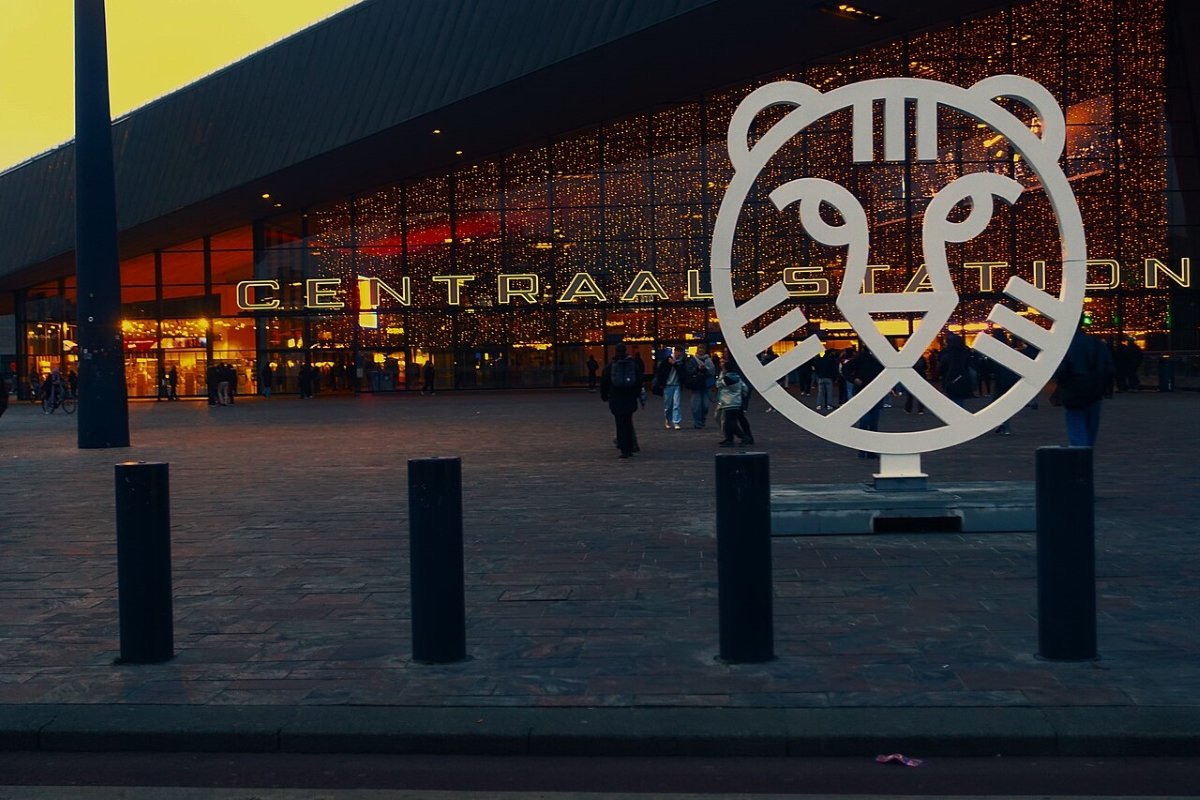
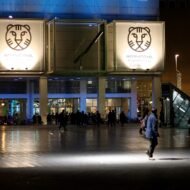
- Rotterdam International Film Festival (January 29 – February 8)
- Three Kings Day / Epiphany (January 6)
- Europe’s Hidden Gift-Giving Holiday
- Spain: The Big One
- Italy: La Befana’s Magical Visit
- Poland: Warsaw’s Elaborate Parades
- France: King Cake Heaven
- Vienna Ball Season: Waltz Into January
- Winter Markets That Linger Into January
- Hidden Gems: January Events Off the Beaten Path
- Practical Planning: Make January Work for You
- Health & Safety Tips
- Sustainable Travel Choices
- Digital Nomad Corner
- Final Thoughts: Why January Europe Hits Different
- Quick Reference: January 2026 Key Dates
Why January? Europe’s Secret Sweet Spot
Let’s be real: January gets a bad rap as the “recovery month” after holiday madness. But here’s what savvy travelers know—Europe in January is chef’s kiss. You’ll find fewer crowds at major attractions, better hotel deals (except during specific events), and locals actually happy to see you. Plus, the cultural calendar is packed with events that’ll make your Instagram followers seriously jealous.
The weather? Yeah, it’s cold. Pack layers, embrace it, and you’ll be rewarded with atmospheric fog over Venetian canals, snow-dusted Alpine villages, and cozy moments in centuries-old cafés. This is Europe at its most authentic.
The Main Event: Venice Carnival Begins (January 31)
The World’s Most Beautiful Masquerade Awakens
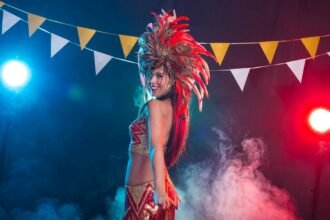
Venice Carnival 2026 kicks off on January 31 and runs through February 17, with the theme “Olympus – At the Origins of the Game” celebrating Italy’s Olympic year. While the main festivities peak in February, late January offers a golden opportunity to experience the magic before the massive crowds arrive.
What makes late January special:
- Easier accommodation availability (book now anyway)
- More intimate atmosphere in St. Mark’s Square
- Private palace balls begin, offering exclusive masked parties in historic Venetian venues
- Costume makers still have slots for custom fittings
Must-do experiences:
- Walking tours with costumed guides through Venice’s hidden streets, where actors bring Carnival legends to life
- Mask-making workshops with traditional artisans—create your own piece to take home
- Early scouting of the best photography spots before February’s chaos
Pro tip: The pre-carnival boat parade along the Grand Canal happens before the official start. It’s authentic, non-commercial, and absolutely stunning for early arrivals.
Oulu, Finland: European Capital of Culture 2026
The Arctic Circle Gets Its Cultural Moment
Oulu opens its year as European Capital of Culture with a massive three-day festival from January 16-18, transforming Finland’s northern city into a winter wonderland of art, music, and innovation.
Headline events:
- Ovllá Opera (Jan 16-Feb 28): A groundbreaking production spotlighting Sámi perspectives and the impact of state-led oppression, performed in Northern Sámi and Finnish with multilingual subtitles
- Sámi National Day (Feb 6): Week-long celebrations featuring concerts and art exhibitions
- Off-track Skiing World Championships (Feb 6-8): Arctic adventure meets competitive sport
- Polar Bear Pitching (Feb 26): Yes, entrepreneurs pitch startups while standing in icy water. It’s exactly as Finnish as it sounds.
Why Oulu matters: This isn’t your typical European cultural hub—it’s a chance to experience Sámi culture, Arctic lifestyle, and Nordic innovation in one festival-packed package. Plus, you might catch the Northern Lights.
Rotterdam International Film Festival (January 29 – February 8)
Where Cinema’s Future Gets Discovered
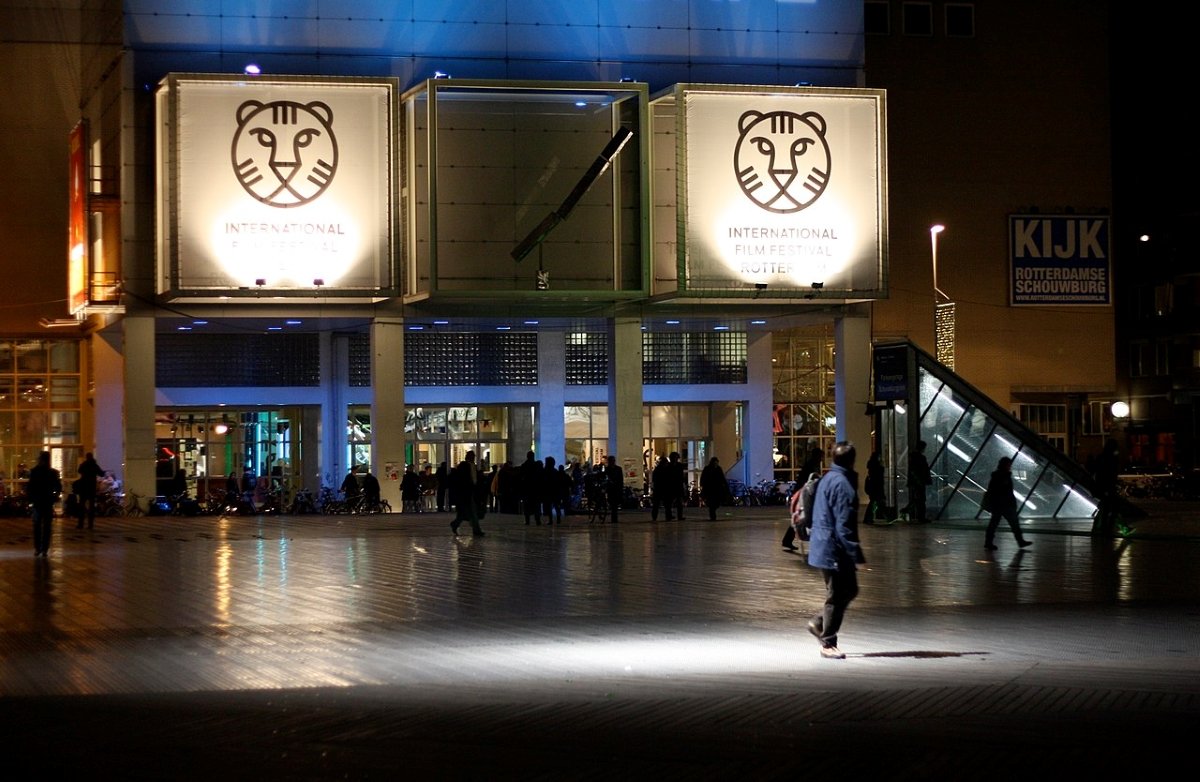
The 55th International Film Festival Rotterdam runs from January 29 to February 8, 2026, bringing 11 days of boundary-pushing cinema to the Netherlands’ coolest port city.
What to expect:
- Opening night world premiere of Portuguese feature “Providence and the Guitar” by João Nicolau, starring Eurovision winner Salvador Sobral in his acting debut
- Tiger Competition showcasing 12 world premieres from emerging filmmakers reshaping cinema
- A retrospective celebrating Egyptian director Marwan Hamed, featuring the European premiere of his Umm Kulthum biopic “El Sett”
Festival vibe: Unlike stuffy film festivals, IFFR feels accessible and electric. You’re as likely to spot industry insiders as hardcore cinephiles debating in Rotterdam’s brown cafés until 3 AM.
Travel hack: Rotterdam is 30 minutes by train from Amsterdam, The Hague, and Utrecht. Base yourself here for festival screenings, then explore Dutch cities by day.
Three Kings Day / Epiphany (January 6)
Europe’s Hidden Gift-Giving Holiday
Forget the New Year’s recovery—January 6 marks Three Kings Day (Epiphany), celebrating when the Magi visited baby Jesus. While this might sound purely religious, it’s transformed into one of Europe’s most beloved family celebrations with distinct traditions across countries.
Spain: The Big One
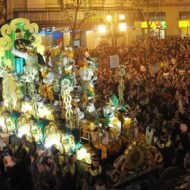
The Three Kings parade in Seville on January 5 is a spectacular 6-8 hour event with over 40 floats, marching bands, and tons of candy thrown to spectators. Kids carry upside-down umbrellas to catch sweets—it’s pure chaos and joy.
Don’t miss:
- Roscón de Reyes cake with a hidden figurine—whoever finds it becomes “king or queen” for the day and wears a paper crown
- Children leaving their shoes out on January 5 for the Three Kings to fill with gifts
Italy: La Befana’s Magical Visit
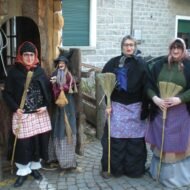
Italian children wait for La Befana, a kind witch-like figure who flies on her broomstick on Epiphany Eve, leaving candy and small toys in stockings. Naughty kids might get “sweet coal”—a black sugar lump that’s actually delicious.
Poland: Warsaw’s Elaborate Parades
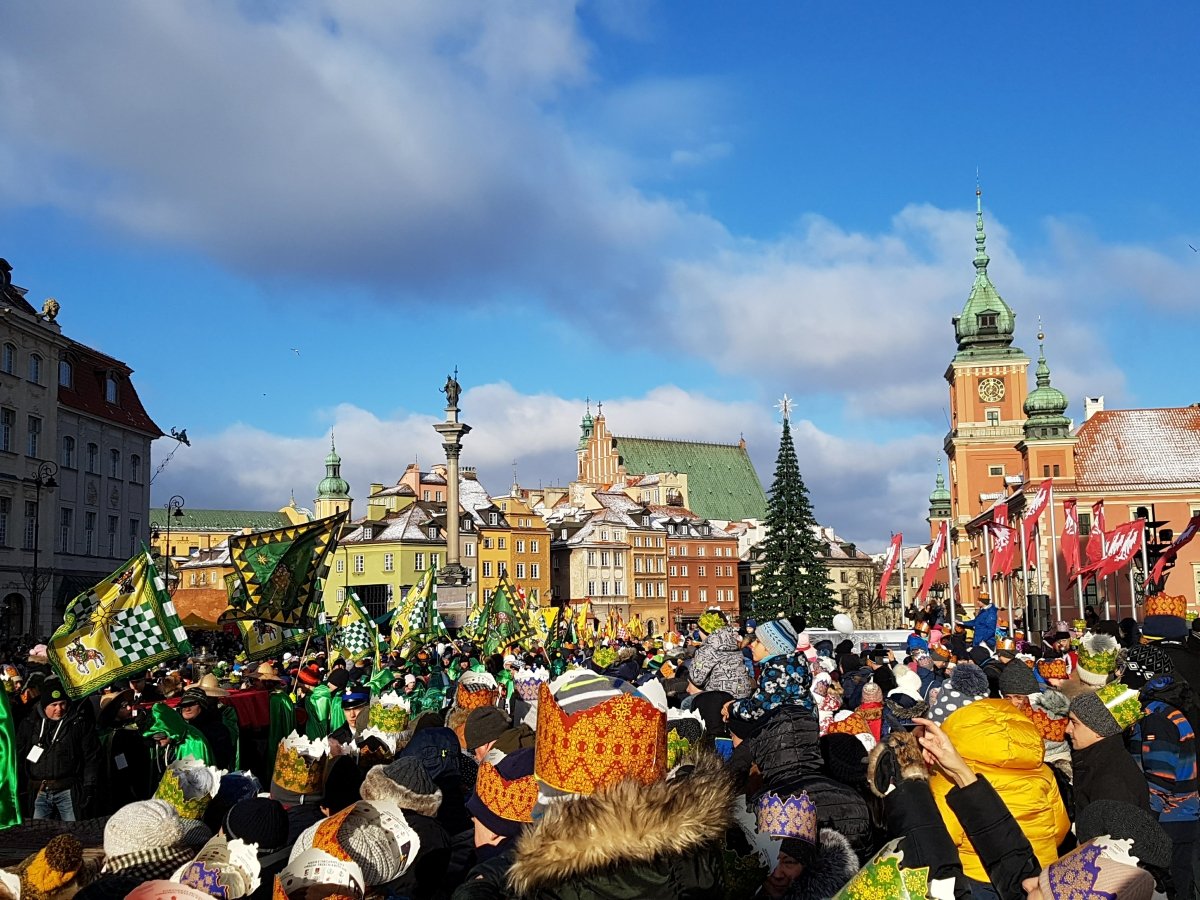
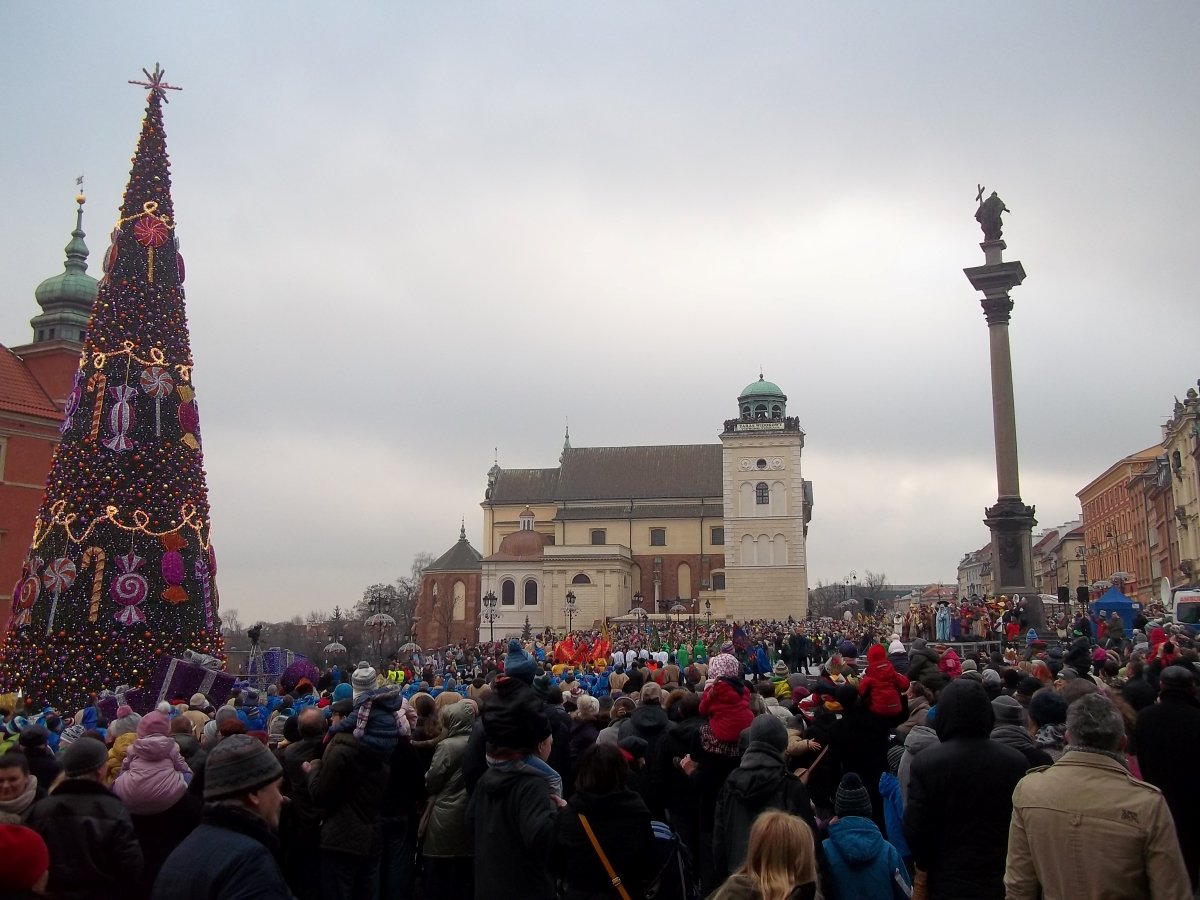
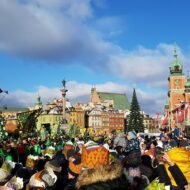
Warsaw’s Three Kings Day parade at noon on January 6 starts from Plac Zamkowy, featuring elaborately costumed participants representing Europe, Asia, and Africa, with a distinctly religious character and community singing.
France: King Cake Heaven
The French celebrate with Galette des Rois, a puff pastry filled with almond cream and a hidden charm called a fève. Bakeries across France compete to create the most beautiful versions—Paris alone has hundreds worth trying.
Budget-friendly tip: Epiphany celebrations are mostly free public events perfect for families and budget travelers seeking authentic cultural experiences.
Vienna Ball Season: Waltz Into January
When the City Becomes One Giant Ballroom
Vienna’s ball season peaks in January and February with over 450 balls transforming the Austrian capital. This isn’t just dancing—it’s living history, where centuries-old traditions meet modern elegance.
Top January balls:
Vienna Philharmonic Ball (January 22) Hosted by one of the world’s greatest orchestras inside the golden Musikverein hall, this combines musical mastery with classical elegance. Pro tip: Even the orchestra members put down their instruments to dance.
Vienna Ball of Sciences (January 24) A modern celebration blending research, innovation, and tradition at Vienna City Hall. Younger vibe than traditional balls, perfect for first-timers.
Blumenball / Flower Ball (January 16) Vienna City Hall transforms into a world of flowers, creating Instagram-worthy backdrops and romantic atmosphere.
What you need to know:
- Dress code is serious: white tie and tails for men, full-length evening gowns for women
- Learning the Viennese waltz isn’t optional—book a workshop
- Balls typically start at 9 PM and go until 5 AM
- Entry tickets range from €70-€410 depending on the ball
Reality check: Yes, it’s formal. Yes, it’s expensive. Yes, it’s absolutely worth experiencing once. The opening ceremony alone—with debutantes in white ball gowns and the traditional “Alles Walzer!” (Let the waltz begin!)—is unforgettable.
Winter Markets That Linger Into January
The Holiday Spirit Doesn’t End on December 26
While most Christmas markets close before the new year, several European cities extend the magic into January, giving you a second chance at that mulled wine and artisan crafts experience.
Munich, Germany The “Winter Village under the Maypole” continues until January 6, 2026, with ice skating, curling, and Bavaria’s largest mulled wine pyramid at 15 meters high. Less crowded than December, same cozy atmosphere.
Heidelberg, Germany Bismarckplatz market and Winterwäldchen run until January 1, 2026, while the Heidelberg Ice Rink stays open until January 11. Skate with views of the famous castle ruins.
Budapest, Hungary Budapest markets often run into early January, offering longer dates useful for post-Christmas visits at shoulder-season pricing. The Christmas Fair on Vörösmarty Square has been crowned “Best Christmas Market in Europe” in recent rankings.
What to eat:
- Glühwein (mulled wine) and Feuerzangenbowle (fire-tong punch) in Germany
- Trdelník (chimney cake) in Prague’s markets
- Heiße Maroni (roasted chestnuts) around Lake Constance
- Vin chaud and raclette at French Alpine markets
Pro tip: Most major markets run from late November until just before Christmas, with some in Budapest, Vienna, Cologne, and select Swiss and French markets stretching into early January.
Hidden Gems: January Events Off the Beaten Path
For Travelers Who Want Something Different
Copenhagen Light Festival (January dates TBD) Denmark’s capital illuminates with captivating light installations, transforming winter darkness into artistic experiences. Free, atmospheric, and perfect for photographers.
Les Borges Blanques Olive Oil Fair, Spain Visit Catalonia in January for an olive oil fair featuring tastings, activities, and awards for the best oil in Les Garrigues region. Foodie travelers, this one’s for you.
Surva Festival, Pernik, Bulgaria The International Masquerade Games Festival in Pernik is the largest event of its kind in Bulgaria and the Balkans, featuring traditional kukeri costumes meant to scare away evil spirits. Wild, authentic, and deeply rooted in pagan traditions.
Skagen Vinterbader Festival, Denmark An invigorating winter bathing event celebrating Nordic resilience and coastal culture in Skagen. If you’re into cold plunge wellness trends, experience the real deal in a Danish fishing village.
Practical Planning: Make January Work for You
Where to Base Yourself
Multi-city itineraries that work:
- Northern Lights + Culture: Helsinki → Oulu (Sámi culture) → Tromsø for auroras
- Film + Canals: Rotterdam (IFFR) → Amsterdam → Bruges
- Winter Elegance: Vienna (balls) → Salzburg (Sound of Music, minus tourists) → Munich
- Carnival Preview: Venice (late Jan) → Florence → Milan
- Three Kings Trail: Barcelona → Valencia → Seville (best parade) → Madrid
Budget Breakdown
Budget travelers (€50-80/day):
- Hostels and Airbnbs: €20-40/night
- Street food, bakeries, supermarkets: €15-25/day
- Free festivals (Epiphany), public transit, walking tours
- Venice Carnival can be experienced for free by wandering St. Mark’s Square and watching street performers
Mid-range (€120-180/day):
- 3-star hotels or boutique guesthouses: €60-100/night
- Casual restaurants and wine bars: €30-50/day
- Event tickets, museum passes, organized tours
- IFFR festival passes and individual screenings
Luxury (€300+/day):
- 4-5 star hotels: €150-400+/night
- Fine dining and Michelin experiences: €100-200/day
- Private Venice Carnival palace balls with costume rental, makeup, and multi-course dinners can cost several hundred euros
- Vienna Opera Ball tickets and formal attire
What to Pack
The essentials:
- Layers, layers, layers: Base layers, mid-layers, waterproof outer shell
- Solid walking boots: You’ll walk 10-15km daily in cities
- Power adapter: Type C/F for most of Europe
- Portable charger: Cold drains batteries fast
- Small day pack: For market shopping and daily essentials
Event-specific:
- Venice: Comfortable mask if attending events (costumes optional for casual visitors)
- Vienna balls: Formal attire or budget for rentals
- Winter festivals: Insulated gloves, wool socks, hand warmers
Booking Strategy
Book NOW:
- Venice Carnival hotel rooms—they fill up months in advance
- Vienna ball tickets and waltz lessons
- IFFR festival passes (general sale started January 15)
Book soon:
- Flights to major cities (prices rise as dates approach)
- Oulu accommodations during European Capital of Culture opening
Book later:
- Last-minute Airbnb deals in non-festival cities
- Restaurant reservations (most take bookings 1-2 weeks out)
Health & Safety Tips
COVID considerations: As of early 2026, most European countries have dropped COVID restrictions, but policies can change. Check current entry requirements for your specific destinations.
Winter health:
- Stay hydrated (heated interiors are super dry)
- Watch for icy sidewalks—Europeans don’t salt like North Americans
- Travel insurance that covers winter sports if you’re skiing
Festival safety:
- Pickpockets love crowded events (Venice Carnival, Vienna balls)
- Keep valuables in hotel safes during big celebrations
- Save offline maps—data can be spotty in crowds
Sustainable Travel Choices
Getting around:
- Most cities are walkable, with excellent public transit
- Europe’s train network is extensive—skip flights for distances under 500km
- Night trains make a comeback: Vienna to Venice, for example
Supporting local:
- Choose family-run guesthouses over chains
- Eat at neighborhood restaurants, not tourist traps
- Buy artisan crafts directly from makers at markets
Off-season benefits:
- January travel naturally reduces overcrowding at popular sites
- Lower energy consumption in accommodations compared to peak season
- Supporting destinations during their slower economic period
Digital Nomad Corner
Best January workation bases:
- Lisbon: Mild weather, great cafés, solid wifi, affordable
- Budapest: Beautiful, cheap, excellent food, many coworking spaces
- Porto: Underrated Portuguese gem with character
- Valencia: Beach city, good weather, lower cost than Barcelona
Event + work balance:
- Take long weekends for festivals
- Cities with major events often have co-working day passes
- Time zone advantage: Europe is GMT to GMT+2 for Americas-based remote workers
Final Thoughts: Why January Europe Hits Different
January in Europe isn’t about ticking off bucket list items in perfect weather—it’s about experiencing the continent when locals are living their actual lives. You’ll see Vienna waltzing not for tourists but because it’s Thursday and there’s a ball. You’ll watch Rotterdam cinephiles debating film theory at 2 AM because they genuinely care. You’ll taste real Roscón de Reyes made for Spanish families, not Instagram.
The magic of January Europe is in these authentic moments between the major events. It’s warming up in a Munich beer hall after the market. It’s finding that perfect mask workshop in Venice’s backstreets. It’s realizing you’re the only tourist in a Budapest café full of locals on a Tuesday morning.
So here’s my advice: Pick 2-3 major events that excite you, build your trip around those, and leave plenty of space for wandering. January Europe rewards curiosity, embraces spontaneity, and welcomes travelers who don’t mind a little cold in exchange for a lot of culture.
The continent is waiting. Your winter adventure starts now.
Quick Reference: January 2026 Key Dates
- January 6: Three Kings Day/Epiphany across Europe
- January 16-18: Oulu2026 Opening Festival (Finland)
- January 16: Vienna Blumenball
- January 22: Vienna Philharmonic Ball
- January 24: Vienna Ball of Sciences
- January 29 – February 8: Rotterdam International Film Festival
- January 31: Venice Carnival begins (through Feb 17)
Additional resources:
- IFFR Official Site – Film festival schedules and tickets
- Oulu2026 – European Capital of Culture events
- Vienna Tourist Board – Ball season information
Last updated: December 2025. Event dates and details subject to change. Always verify directly with official sources before booking.