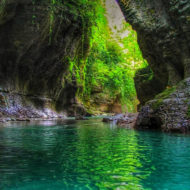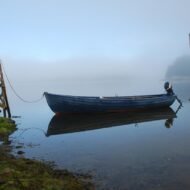


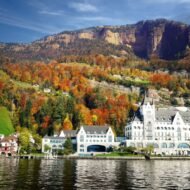
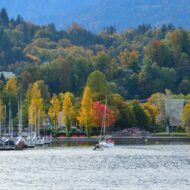
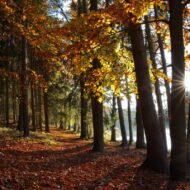
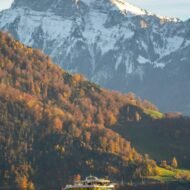
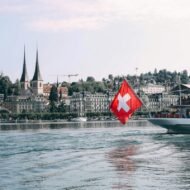
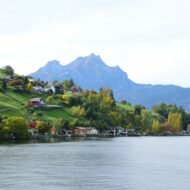
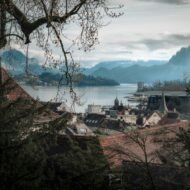
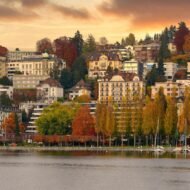
Autumn transforms Lake Lucerne into a golden wonderland with fewer crowds, stunning fall colors, and perfect hiking weather. The top 5 experiences are: cruising the lake for mountain views, riding Mt. Rigi’s cogwheel train through fall foliage, exploring Lucerne’s Old Town, hiking lakeside trails, and indulging in Swiss comfort food. Peak foliage hits mid-October, and you’ll save money compared to summer while getting an authentic Swiss experience.
- The Autumn Vibes Are Unmatched
- 1. Take a Panoramic Lake Cruise (And Actually Relax)
- 2. Ride the Cogwheel Train Up Mt. Rigi (Queen of the Mountains)
- 3. Wander Lucerne’s Old Town Like a Local
- 4. Hike the Lakeside Trails (Without the Summer Sweat)
- 5. Eat and Drink Your Way Through Swiss Comfort Food Season
- Local Highlights You Shouldn’t Skip
- Practical Stuff You Actually Need to Know
- Why Autumn Is Actually the Best Season
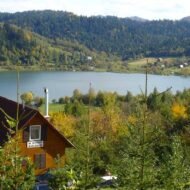
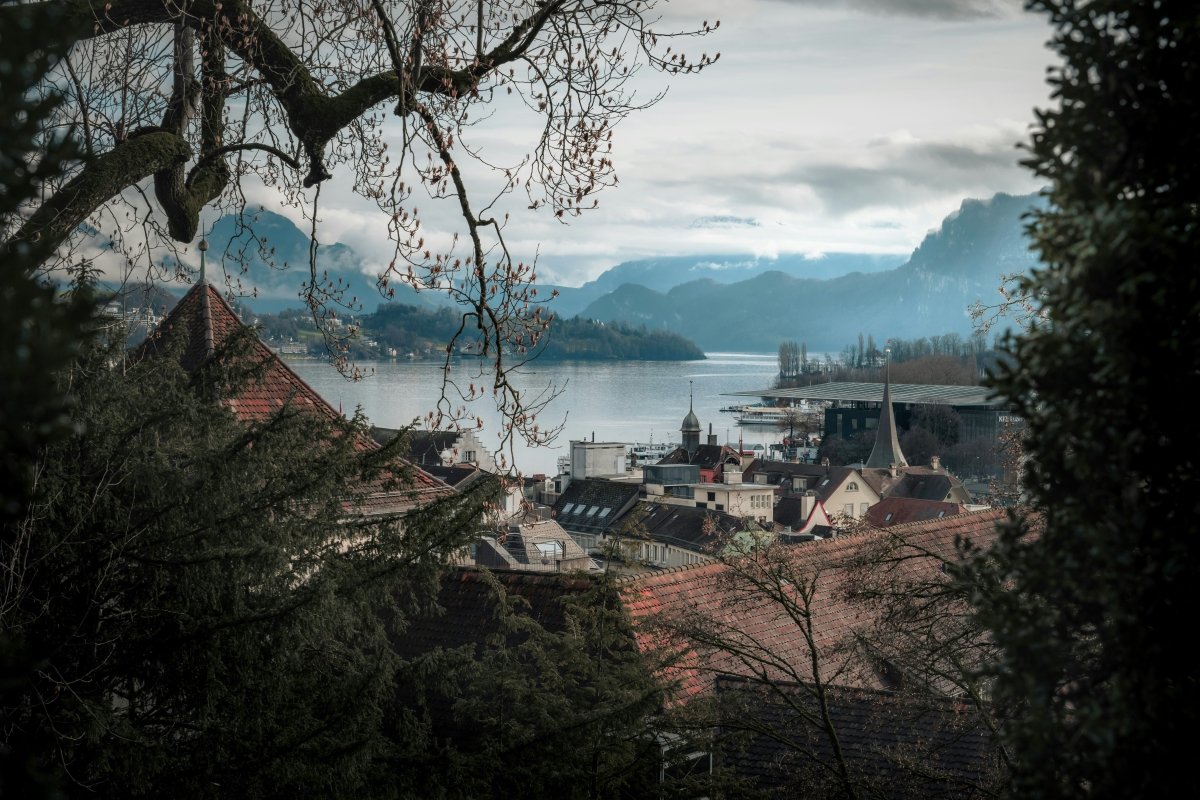
Look, I’m going to be honest with you: Lake Lucerne in autumn is basically Switzerland showing off. While everyone else is fighting summer crowds in the Alps, you’re gliding across mirror-like waters surrounded by mountains dusted with early snow and forests exploding in gold and amber. It’s the kind of place that makes your Instagram followers actually jealous instead of just politely double-tapping.
The Autumn Vibes Are Unmatched
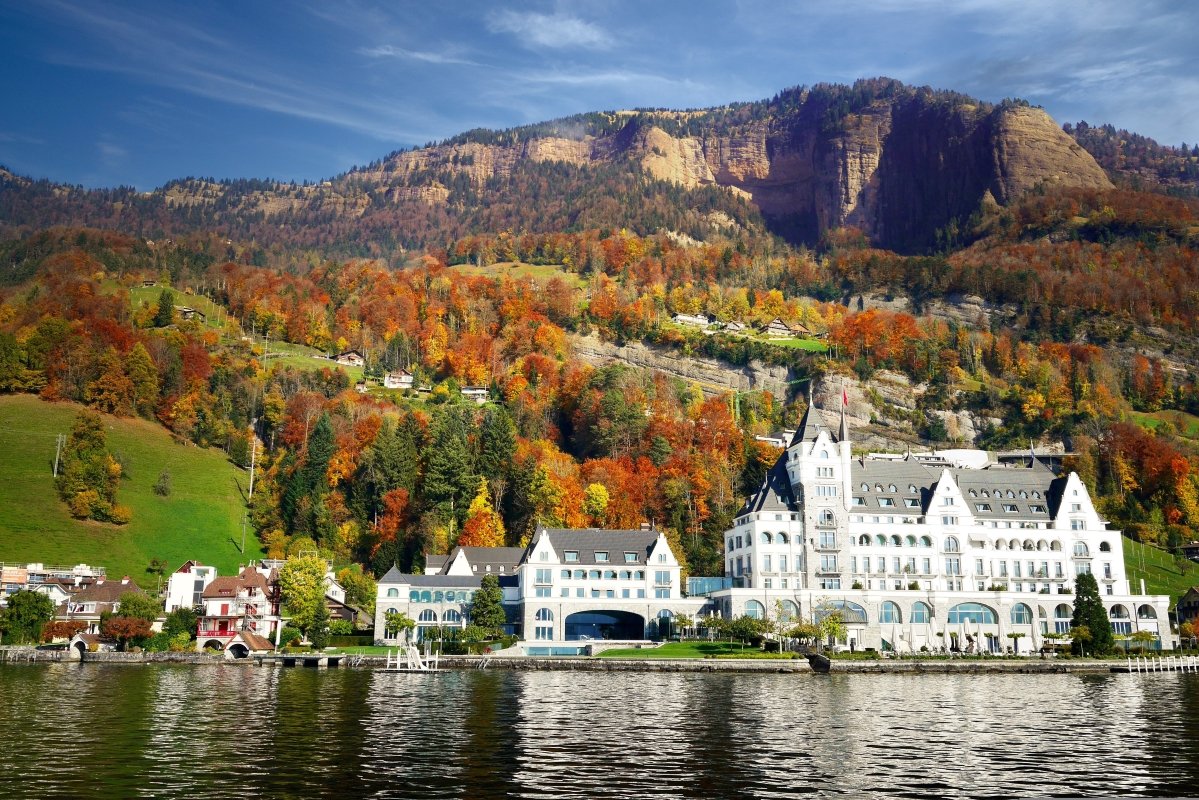
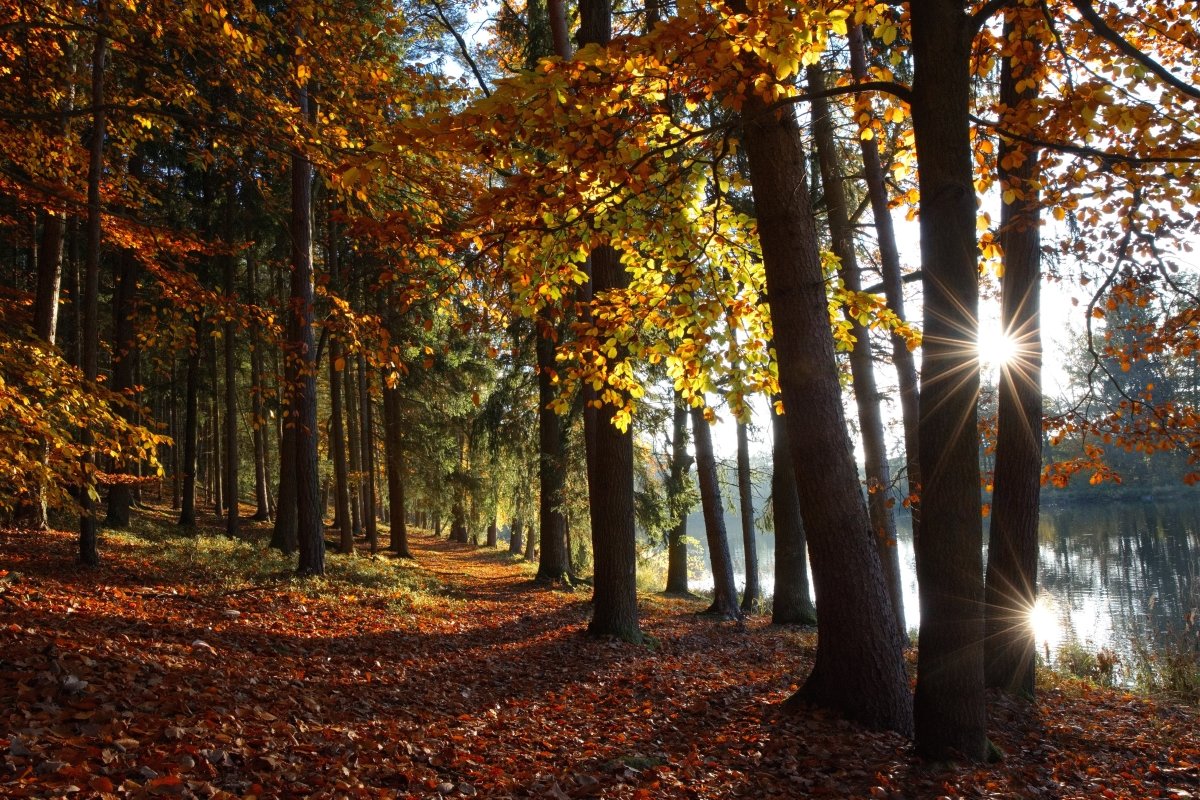
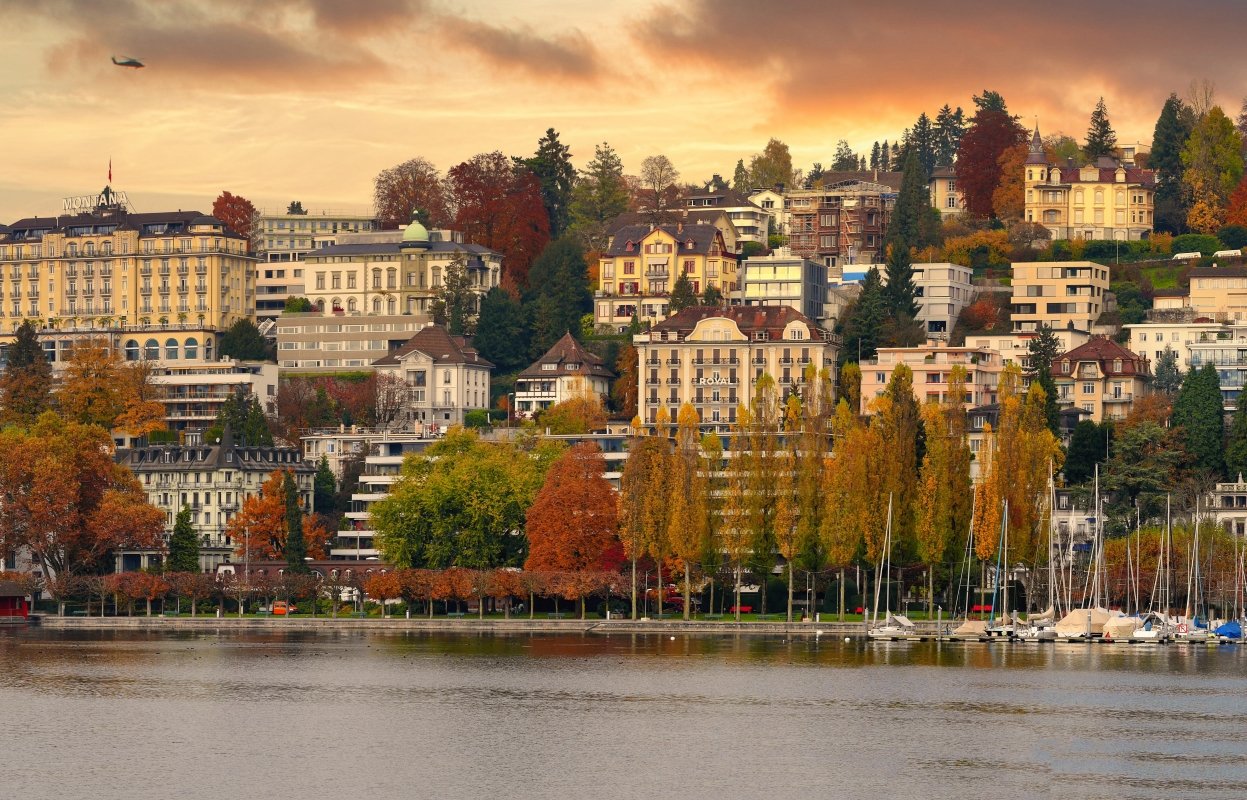
Picture this: crisp mornings where your breath fogs up, afternoons warm enough for a lakeside coffee in just a sweater, and that special autumn light that makes everything look like it belongs in a tourism ad. September through November brings something magical—the crowds thin out after the summer rush, prices drop, and locals reclaim their towns. You’ll actually hear Swiss German being spoken in cafés instead of tour group announcements.
The weather? Surprisingly cooperative. Sure, you might get some rain (pack layers), but autumn in Central Switzerland tends to be stable, with those picture-perfect clear days that make the mountains look close enough to touch.
1. Take a Panoramic Lake Cruise (And Actually Relax)
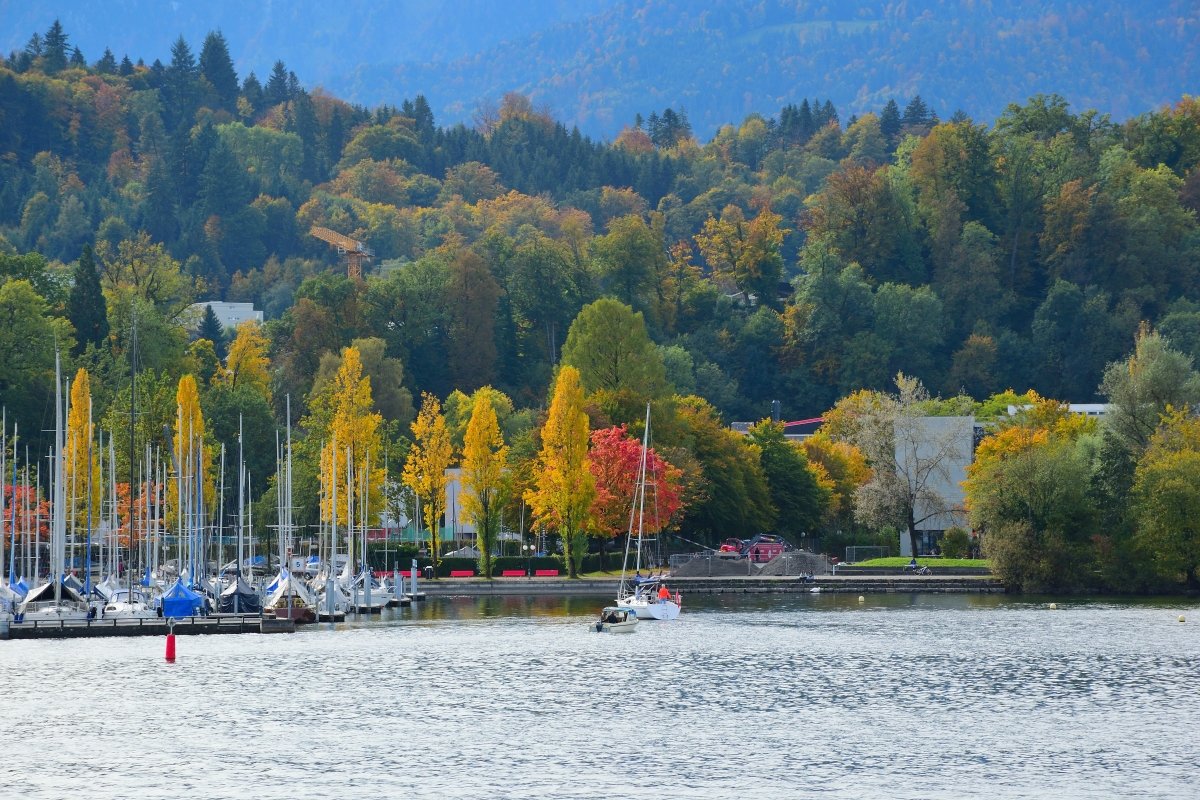
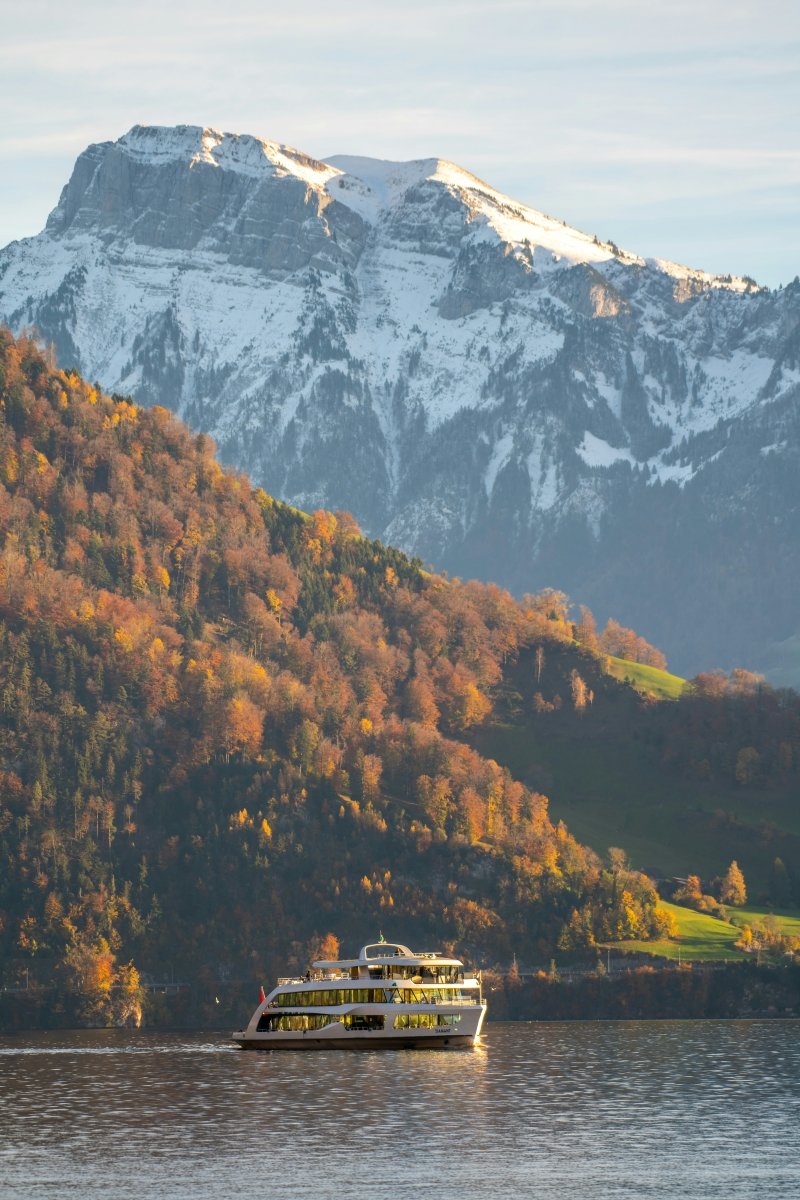
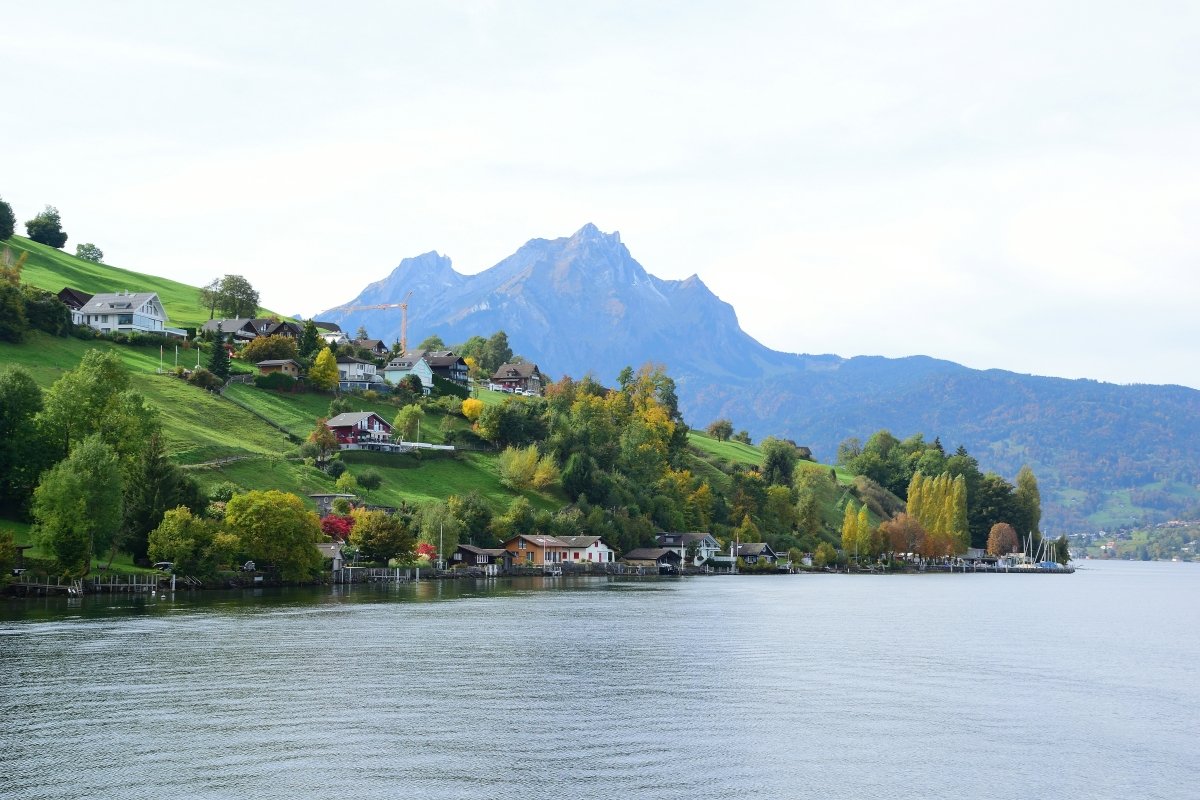
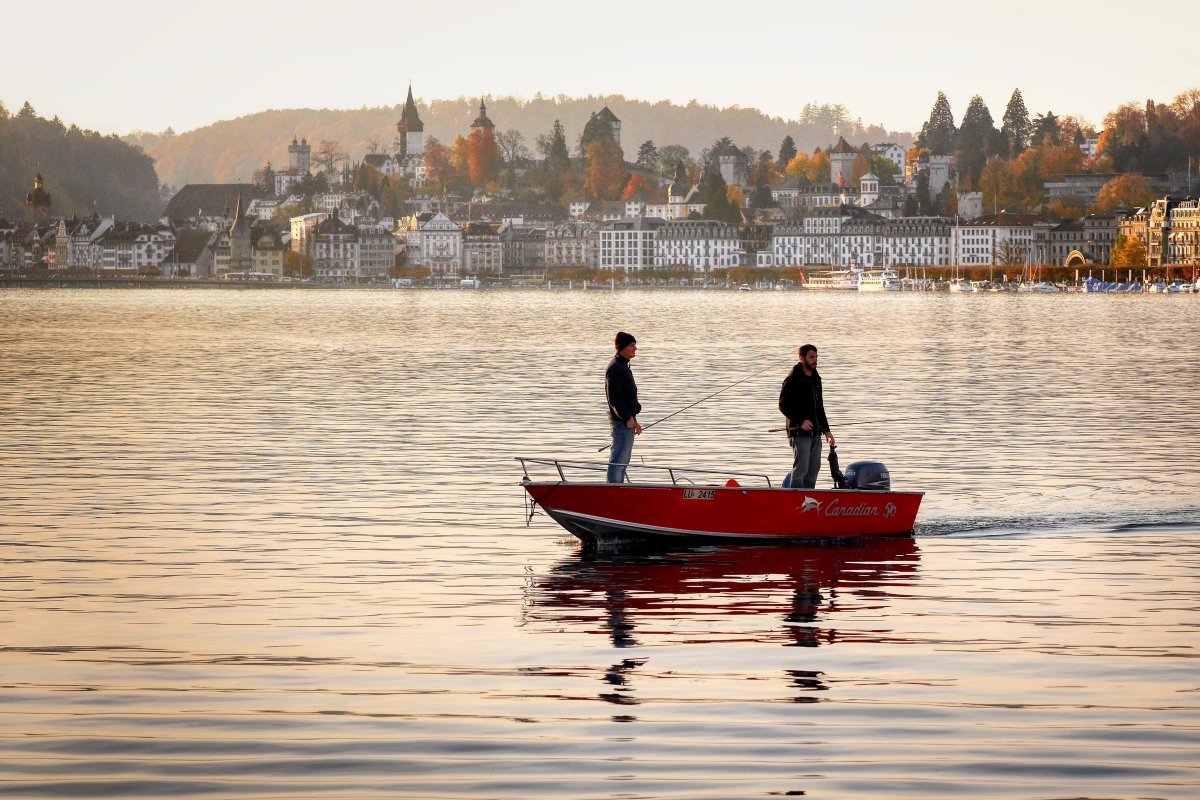
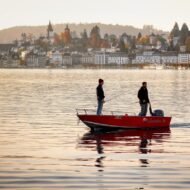
Why everyone raves about it: The historic paddlewheel steamers have been crisscrossing Lake Lucerne since the 1800s, and there’s something ridiculously romantic about boarding one on a crisp autumn morning. The water reflects the surrounding peaks—Pilatus, Rigi, and the Bürgenstock—like a mirror, and when the fall colors hit, the shoreline looks painted.
What to do: Grab the Tellpass if you’re planning multiple days of exploring—it covers boats, mountain railways, and buses around the region. The 5-lake cruise route is the classic choice, but honestly? Even a short hop between villages like Weggis to Vitznau is worth it. First-class tickets get you access to the upper deck (worth it for the views and the avoid-the-crowds factor).
Insider tip: The morning departures from Lucerne (around 9-10am) offer the best light for photos and calmer waters. Afternoon cruises can get choppy. Most visitors skip the smaller villages, so hop off at Beckenried or Brunnen for an hour—you’ll have these charming waterfront towns almost to yourself.
2. Ride the Cogwheel Train Up Mt. Rigi (Queen of the Mountains)
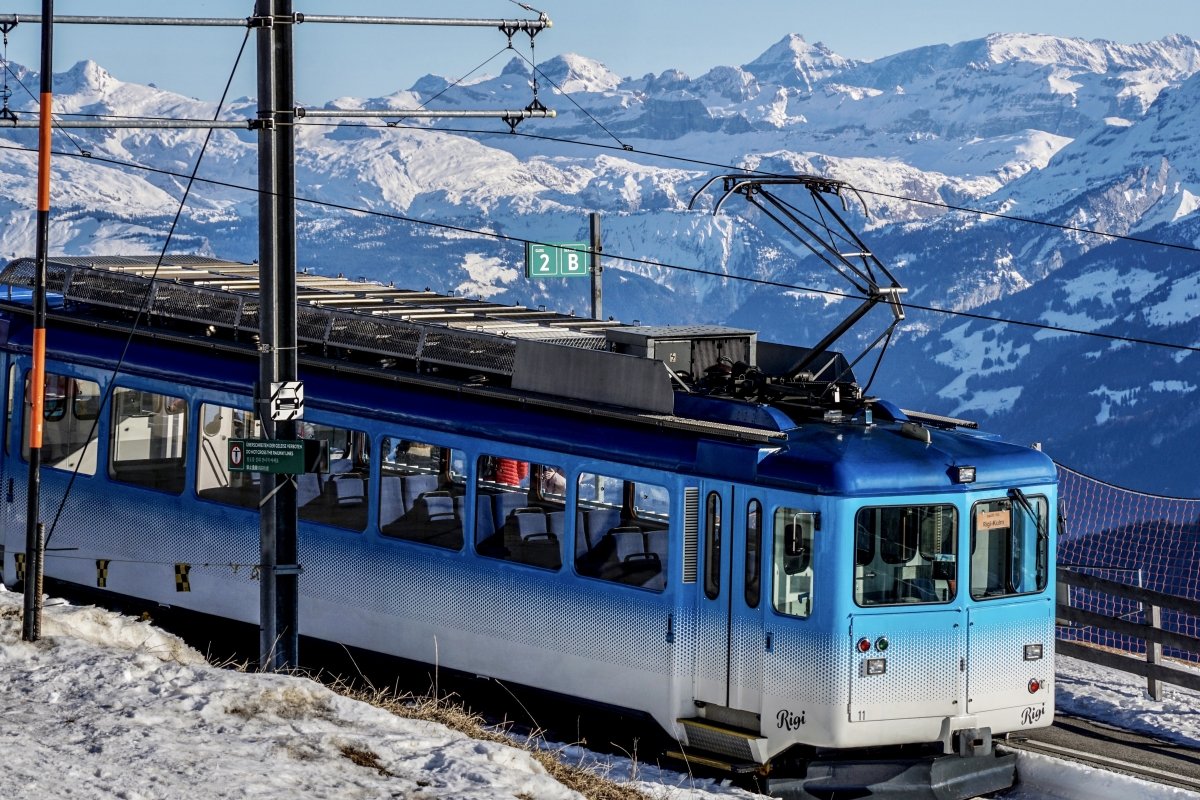
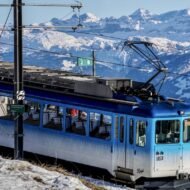
Why it’s brilliant in autumn: Mt. Rigi is nicknamed the “Queen of the Mountains,” and in fall, she’s wearing her best crown. The cogwheel railway—Europe’s first mountain railway, built in 1871—climbs through layers of landscape that change color as you ascend. At the top (1,798m), you’re above the clouds on good days, looking out at 13 lakes and a panorama of Alps.
The experience: You can approach from either Vitznau (the classic route) or Goldau, both accessible by boat or train. The 30-minute journey up passes through golden forests and alpine meadows dotted with cows wearing those iconic bells. At the summit, there are easy walking trails, a couple of restaurants, and multiple viewpoints.
What to eat up there: The Rigi Kulm Hotel restaurant serves rösti (Swiss hash browns, basically) that’ll fuel you for hours. Get the version topped with bacon and a fried egg. No judgment—you’re hiking it off anyway.
Budget hack: If you have a Swiss Travel Pass, the journey is included. Otherwise, the Tellpass covers it. Going up for sunrise (yes, there are early trains) is spectacular but requires dedication—and warm layers.
3. Wander Lucerne’s Old Town Like a Local
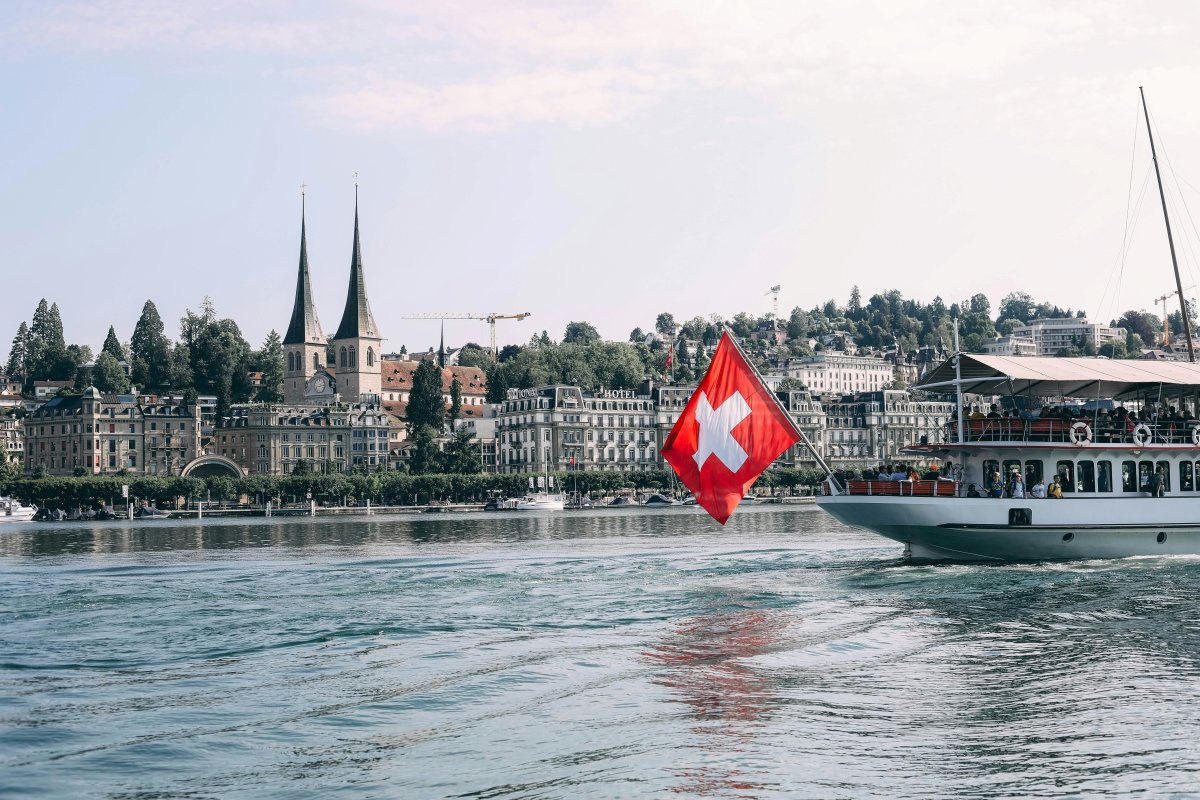
The charm: Lucerne’s Altstadt (Old Town) is compact, walkable, and absurdly pretty in autumn when the tourists thin out and locals settle into their cozy seasonal routines. The covered wooden bridges—Chapel Bridge and Spreuer Bridge—are iconic, but the real magic is in the frescoed buildings, cobblestone squares, and that perfectly Swiss mix of medieval meets modern.
Don’t miss:
- Chapel Bridge (Kapellbrücke): The 14th-century covered bridge is Switzerland’s most photographed landmark. Go early morning for the best light and fewer selfie-takers.
- The Old Town squares: Weinmarkt and Hirschenplatz have cafés perfect for people-watching over an espresso or Rivella (Switzerland’s weird but beloved herbal soda).
- Lion Monument: A little touristy, but the carved lion commemorating Swiss Guards is genuinely moving. It’s a 5-minute walk from the center.
Where locals eat: Skip the tourist traps along the river. Head to Wirtshaus Galliker (Schützenstrasse 1) for traditional Swiss food that’s been family-run since 1856. Their geschnetzeltes (sliced veal in cream sauce) with rösti is exactly what you want on a cool autumn evening. Reservations recommended.
4. Hike the Lakeside Trails (Without the Summer Sweat)
Why autumn hiking hits different: The Swiss Path and countless other trails ringing the lake become absolute perfection in fall. Cooler temperatures mean you can actually hike without feeling like you’re melting, the colors are stunning, and the trail-side restaurants are still open but gloriously uncrowded.
Best routes for everyone:
- Swiss Path (Weg der Schweiz): The 35km trail circles the Uri section of the lake, but you don’t need to do all of it. The Rütli Meadow to Bauen section (2 hours) is doable for most fitness levels and historically significant—this is where Switzerland was supposedly founded in 1291.
- Weggis to Vitznau: A gentle 2-hour lakeside stroll through vineyards and forests. You can reward yourself with a boat ride back.
- Bürgenstock Felsenweg: This cliff-side path offers dramatic views and takes about 90 minutes. It’s carved into the rock face, so not for those with major vertigo, but the engineering alone is impressive.
Trail etiquette: Say “Grüezi” (hello) when passing other hikers—it’s expected. Bring cash for the mountain huts, as cards aren’t always accepted. And seriously, take your trash with you. The Swiss don’t mess around with littering.
5. Eat and Drink Your Way Through Swiss Comfort Food Season
The autumn food scene: Fall in Switzerland means Metzgete (a rustic feast of sausages and pork), wild game dishes, chestnuts everywhere, and new wine (Federweisser). Restaurants bring out heartier menus, and honestly, this is when Swiss cuisine really shines.
Where to drink & eat:
For coffee and pastry:
- Heini Conditorei (Grendelstrasse 3, Lucerne): Multiple locations, but this local chain does excellent Nussgipfel (nut croissants) and proper coffee. Perfect breakfast before a boat trip.
For lunch with a view:
- Seehotel Hermitage (Seeburgstrasse 72, Lucerne): Lakefront terrace dining with seasonal menus. Their autumn mushroom risotto is chef’s kiss.
For dinner:
- Rathaus Brauerei (Unter der Egg 2, Lucerne): Brewery-restaurant in a 500-year-old building. Try their seasonal game dishes and house-brewed beer. The vibe is convivial and local.
- Old Swiss House (Löwenstrasse 4, Lucerne): Yes, it’s famous, but their Wiener schnitzel prepared tableside is a showstopper. Book ahead.
Drinks: Stop into Pilatusblick in Kriens for local beers with mountain views, or try Mövenpick Wein Bar in Lucerne for Swiss wines. Autumn is new wine season—try a glass of Federweisser (partially fermented grape juice) with roasted chestnuts from street vendors.
Local Highlights You Shouldn’t Skip
Swiss Museum of Transport: If you’ve got kids or you’re into engineering (or honestly, just curious humans), this museum on the lakefront is fantastic. Interactive exhibits on trains, planes, automobiles, and space travel. The planetarium is surprisingly excellent. Give it 2-3 hours.
Autumn Markets: Lucerne’s weekly markets (Tuesdays and Saturdays at Weinmarkt and Reusssteg) are where locals shop for regional produce, cheeses, and flowers. Grab some autumn pears and local bread for a picnic.
Mt. Pilatus: Rigi’s dramatic neighbor. The world’s steepest cogwheel railway (48% gradient!) runs from Alpnachstad to the summit. In autumn, you might be above a sea of fog with just the peaks poking through—absolutely surreal. The “Golden Round Trip” combining boat, cogwheel train, and cable car is pricey but memorable.
Stanserhorn CabriO: This double-decker cable car (the world’s first) has an open-top upper deck. The 360-degree views from the summit include 10 lakes and 100km of Alps. On clear autumn days, it’s unbeatable.
Practical Stuff You Actually Need to Know
When to visit: Mid-September through October is peak autumn beauty. Early November can be lovely but some mountain transport starts closing for the season. Check schedules at sbb.ch (Swiss Federal Railways).
Getting there: Lucerne is a major rail hub. Zürich Airport to Lucerne takes 1 hour by train. If you’re coming from other Swiss cities, the trains are punctual, clean, and scenic.
Accommodation: Prices drop 20-40% compared to summer. Lakefront hotels in Weggis, Vitznau, or Brunnen offer more character than Lucerne city center. Hostels and Airbnbs are plentiful if you’re budget-conscious.
Money matters: Switzerland is expensive—just accept it. A decent meal runs 25-40 CHF, coffee 4-5 CHF. BUT autumn is cheaper than summer, and the quality-to-price ratio is generally good. Most places take cards, but carry some cash for mountain huts and markets.
Language: German (Swiss German dialect) is primary, but French and Italian are official languages too. English is widely spoken in tourist areas. Learning “Merci vielmal” (thank you very much) will get you smiles.
What to pack: Layers, layers, layers. Mornings can be 5°C, afternoons 18°C. Waterproof jacket, comfortable walking shoes, sunglasses, and sunscreen (mountain UV is strong even in fall). A small daypack for hikes. And maybe a portable phone charger—you’ll be taking a lot of photos.
Why Autumn Is Actually the Best Season
Here’s the thing nobody tells you: summer Lake Lucerne is gorgeous but packed. Winter is magical but cold and limited. Spring is unpredictable. Autumn? Autumn is the Goldilocks season—just right.
You get the crisp air that makes hiking enjoyable, the fall colors that rival New England, the cozy restaurant vibes, the local festivals, and the distinct feeling that you’re experiencing Switzerland the way locals do. Plus, accommodation and transport are cheaper, crowds are manageable, and the light—that autumn light—makes everything look like a postcard without even trying.
Whether you’re into outdoor adventures, cultural experiences, food tourism, or just sitting by a lake with a good book and a coffee, Lake Lucerne in autumn delivers. It’s Switzerland at its most genuine, most beautiful, and honestly, most worth the flight.
Pro tip: Don’t overschedule. Part of the autumn magic here is slowing down, taking that extra hour at a lakeside café, catching a spontaneous sunset from a boat deck, or just wandering without a plan. Switzerland rewards those who linger.
Now go book those tickets—autumn waits for no one, and mid-October foliage won’t last forever.