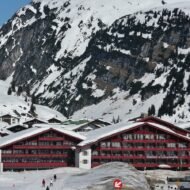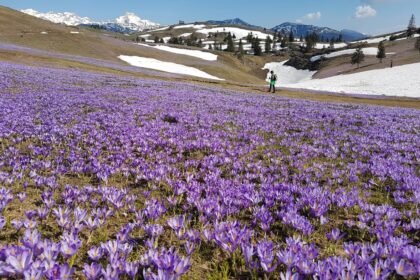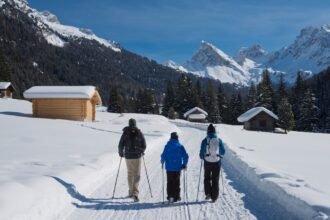





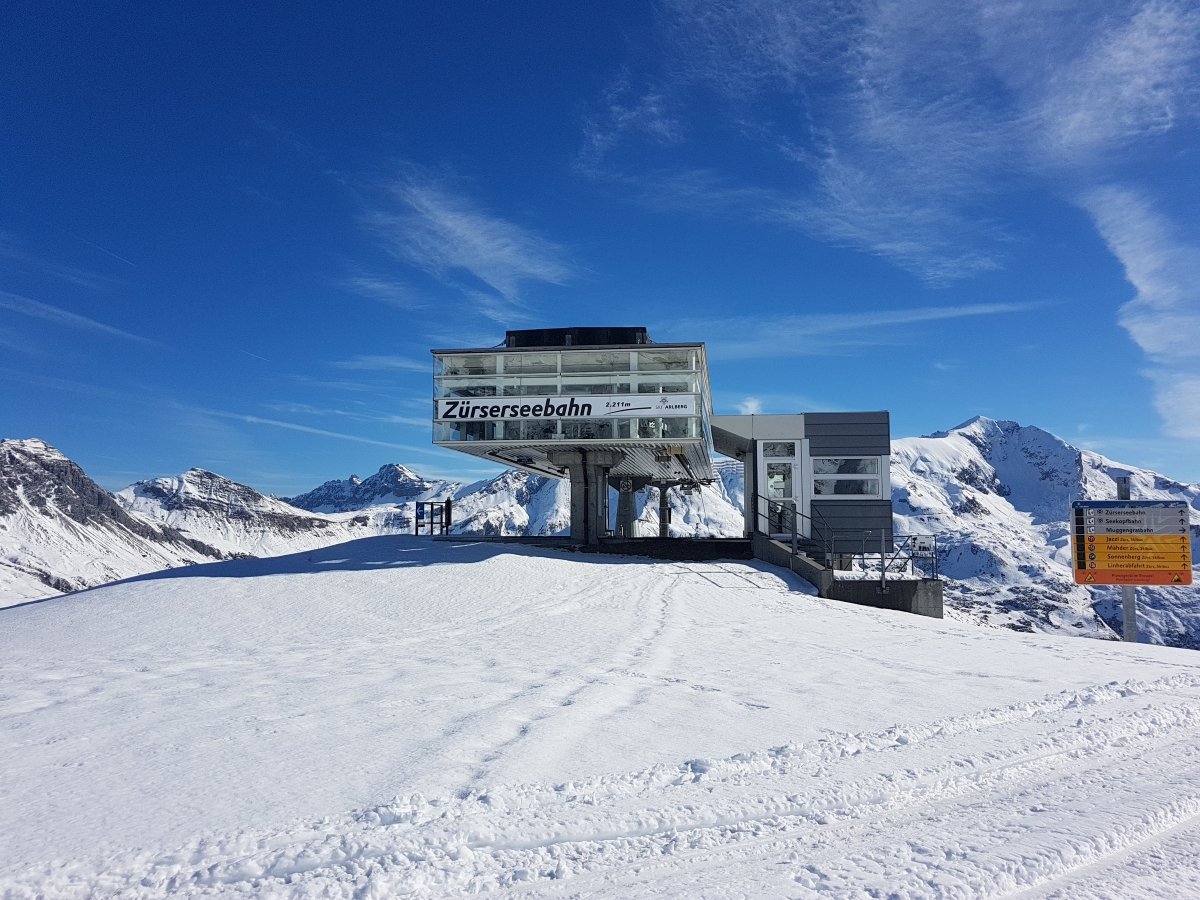




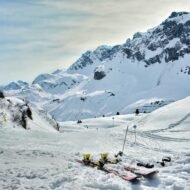
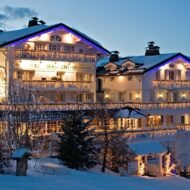
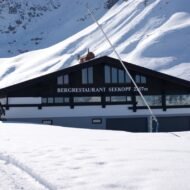
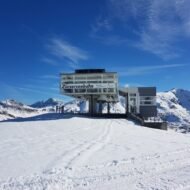
TL;DR: Luxury Ski Resorts in Europe: Winter 2025/2026 Travel Guide , Europe’s most luxurious ski destinations offer world-class slopes, Michelin-starred dining, designer shopping, and authentic alpine culture. From Switzerland’s legendary Zermatt to France’s chic Courchevel, these resorts combine exceptional skiing with unforgettable experiences. Expect to spend €200-500+ daily depending on your style, with peak season running December through March.
- 1. Zermatt, Switzerland – The Crown Jewel of Alpine Skiing
- Why It’s Special
- Winter Weather (2025/2026)
- Where to Stay
- Shopping & Local Traditions
- Outdoor Activities Beyond Skiing
- Budget Breakdown
- Food Scene
- Cultural Highlights
- Winter Events (2025/2026)
- Useful Info
- 2. Courchevel 1850, France – Where Billionaires Go to Ski
- Why It’s Special
- Winter Weather (2025/2026)
- Where to Stay
- Shopping & Local Traditions
- Outdoor Activities Beyond Skiing
- Budget Breakdown
- Food Scene
- Cultural Highlights
- Winter Events (2025/2026)
- Useful Info
- 3. St. Moritz, Switzerland – Twice the Host of Winter Olympics
- Why It’s Special
- Winter Weather (2025/2026)
- Where to Stay
- Shopping & Local Traditions
- Outdoor Activities Beyond Skiing
- Budget Breakdown
- Food Scene
- Cultural Highlights
- Winter Events (2025/2026)
- Useful Info
- 4. Lech-Zürs, Austria – The Royal Family’s Favorite
- Why It’s Special
- Winter Weather (2025/2026)
- Where to Stay
- Shopping & Local Traditions
- Outdoor Activities Beyond Skiing
- Budget Breakdown
- Food Scene
- Cultural Highlights
- Winter Events (2025/2026)
- Useful Info
- 5. Cortina d’Ampezzo, Italy – The Dolomites’ Glamorous Queen
- Why It’s Special
- Winter Weather (2025/2026)
- Where to Stay
- Shopping & Local Traditions
- Outdoor Activities Beyond Skiing
- Budget Breakdown
- Food Scene
- Cultural Highlights
- Winter Events (2025/2026)
- Useful Info
- Recap: Choosing Your Perfect Luxury Ski Destination
- Practical Planning Tips
- Disclaimer
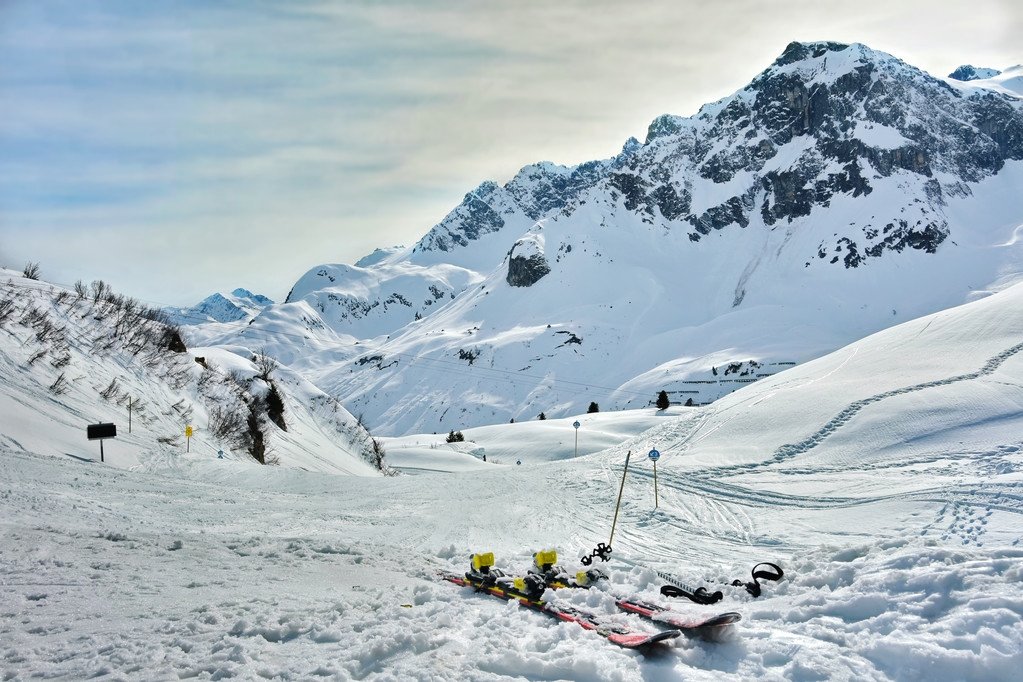
Look, we’re not talking about your average ski trip here. These European resorts have mastered the art of winter luxury—think champagne on sun-drenched terraces at 3,000 meters, spa treatments after fresh powder runs, and villages where centuries-old traditions meet cutting-edge sophistication. Whether you’re a seasoned skier or someone who prefers hot chocolate by the fire while others tackle black runs, these destinations deliver.
Let’s dive into the five highest-rated luxury ski resorts that seasoned travelers consistently rave about.
1. Zermatt, Switzerland – The Crown Jewel of Alpine Skiing
User Rating: 4.8/5 ⭐⭐⭐⭐⭐
“Three countries, one unforgettable mountain. The Matterhorn views alone are worth the trip.” – TripAdvisor Review
Why It’s Special
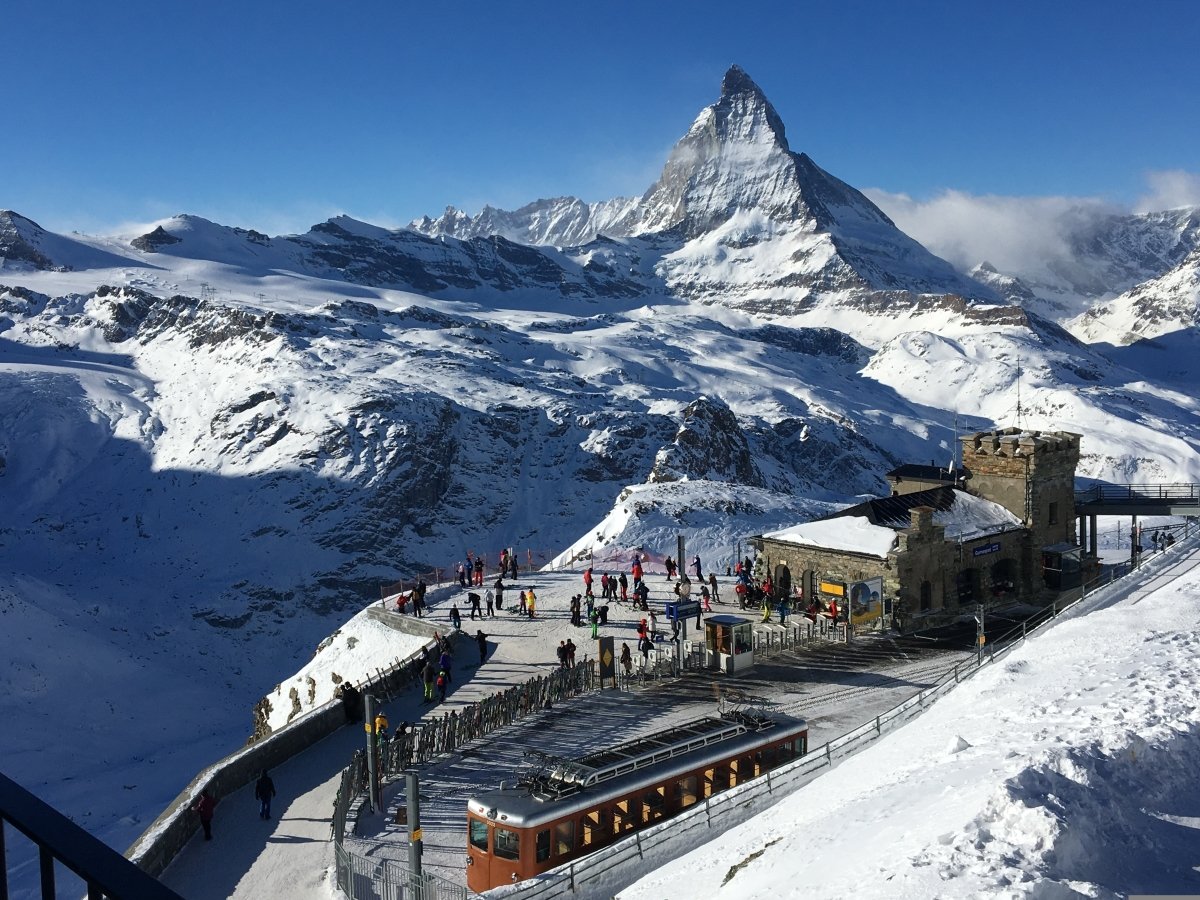
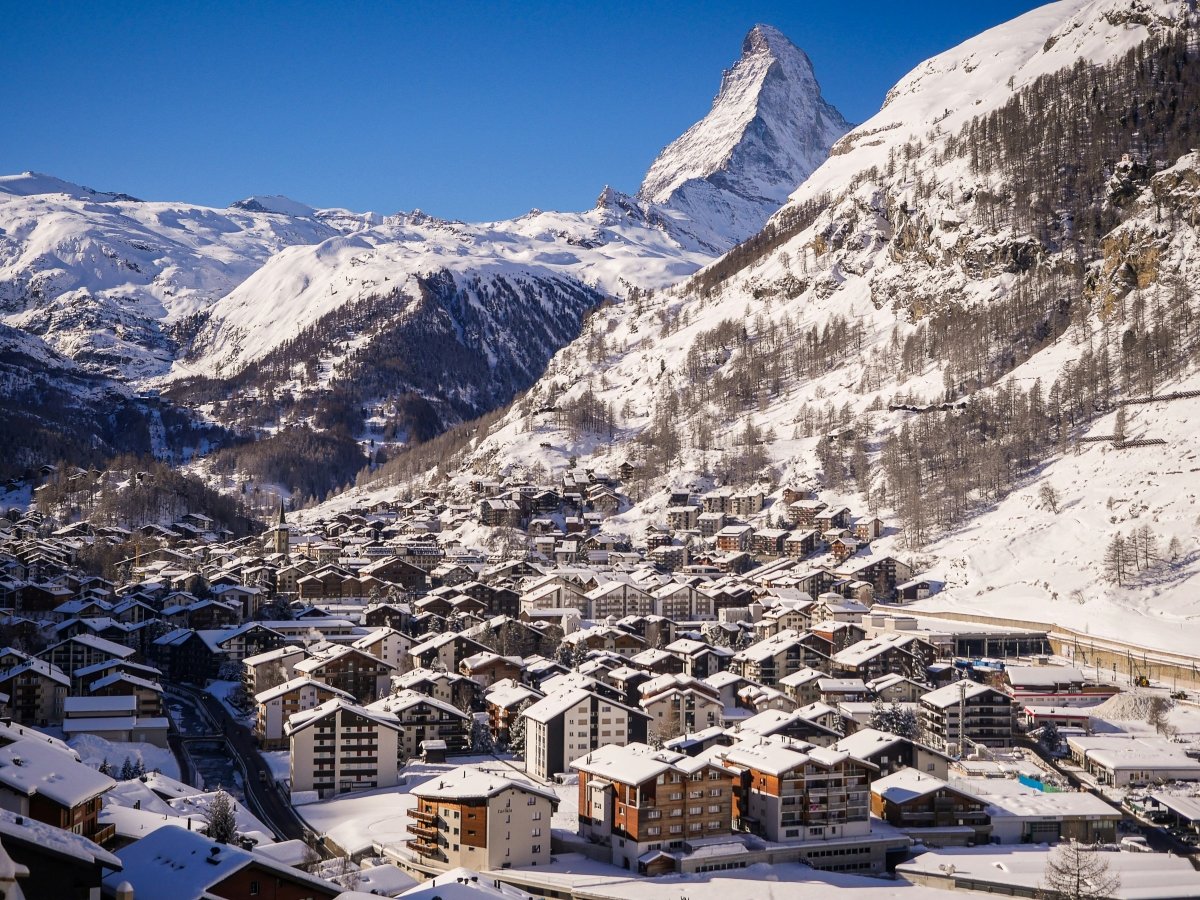
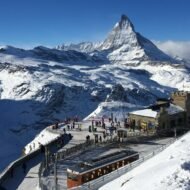
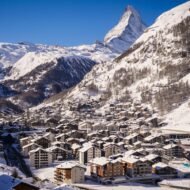
Zermatt isn’t just a ski resort—it’s an experience that borders on spiritual. Picture this: you’re standing at 3,883 meters on the Klein Matterhorn, gazing at the iconic pyramid-shaped Matterhorn, skiing across into Italy for lunch, then returning to Switzerland for après-ski. The car-free village maintains an authenticity that’s increasingly rare, with electric taxis and horse-drawn sleighs replacing regular traffic.
Fascinating fact: Zermatt offers year-round skiing on the Theodul Glacier, making it one of the few places where you can ski 365 days a year.
Winter Weather (2025/2026)
Expect temperatures between -5°C to -15°C at altitude, with the village itself hovering around 0°C to -8°C. Snow reliability is excellent thanks to high elevations (peaks reach 3,899m). December through February brings the coldest temps and best powder, while March offers longer days and spring skiing conditions.
Where to Stay
Ultra-Luxury: The Omnia (from €800/night) – perched on a cliff with jaw-dropping Matterhorn views, accessed by a private underground funicular.
High-End Comfort: Mont Cervin Palace (from €500/night) – Belle Époque elegance in the heart of the village.
Boutique Option: Backstage Hotel (from €350/night) – modern design meets alpine charm, popular with younger luxury travelers.
Shopping & Local Traditions
Bahnhofstrasse is your main shopping street, featuring everything from Rolex and Cartier to local artisan shops selling handcrafted cowbells and Swiss army knives. Don’t miss the weekly farmer’s market for regional cheeses and cured meats.
Local tradition: The Folklore Parade in August might be summer, but winter visitors can catch traditional Swiss folk music performances at various hotels and the Zermatlantis Matterhorn Museum showcases centuries of alpine culture.
Outdoor Activities Beyond Skiing
- Paragliding over the Matterhorn
- Igloo village stays on Gornergrat
- Winter hiking trails (80km of maintained paths)
- Ice climbing workshops
- Helicopter tours of the Alps
Budget Breakdown
- Daily ski pass: €80-90
- Lunch on mountain: €25-40
- Fine dining dinner: €100-200 per person
- Casual meal: €30-50
- Spa treatments: €120-250
Food Scene
Zermatt boasts 4 Michelin stars across multiple restaurants. After Severn at The Omnia offers innovative alpine cuisine with those views, while Ristorante Capri serves authentic Italian with Swiss precision. For something more relaxed, Findlerhof (accessible by ski) serves traditional Swiss fondue on a sun terrace that’ll make your Instagram followers weep with envy.
Cultural Highlights
The village churches, some dating back to the 16th century, offer quiet moments of reflection. The Mountaineers’ Cemetery is a sobering reminder of the Matterhorn’s dangers, honoring those who didn’t make it down.
Winter Events (2025/2026)
- Zermatt Unplugged (April 2026) – acoustic music festival attracting international artists
- New Year’s celebrations – village-wide fireworks with Matterhorn backdrop
- Weekly torchlight descents – watch ski instructors descend in formation with flaming torches
Useful Info
- Getting there: Train from Geneva (3.5 hours), Zurich (3.5 hours), or Milan (4 hours)
- Altitude considerations: The village sits at 1,620m; drink plenty of water your first day
- Best for: Advanced skiers, luxury seekers, photographers, couples
- Accessibility: Excellent – modern lifts, many accessible facilities
2. Courchevel 1850, France – Where Billionaires Go to Ski
User Rating: 4.7/5 ⭐⭐⭐⭐⭐
“Unparalleled luxury meets fantastic skiing. Yes, it’s expensive, but you get what you pay for.” – Luxury Travel Magazine Reader
Why It’s Special
Courchevel 1850 is the highest village in the Courchevel valley and arguably Europe’s most exclusive ski destination. Part of the massive Trois Vallées ski area (600km of slopes—the world’s largest), it’s where Russian oligarchs, Hollywood stars, and European aristocracy maintain winter chalets. The helicopter pad sees more private jets’ passengers land here than commercial flights.
Fascinating fact: Courchevel has more Michelin stars per capita than any ski resort in the world—currently holding 8 stars across 6 restaurants.
Winter Weather (2025/2026)
At 1,850m altitude, expect daytime temperatures of -2°C to -8°C, with higher elevations (3,230m summit) considerably colder. Snow cover is typically excellent from mid-December through April, with the best powder in January and February.
Where to Stay
Ultimate Luxury: Les Airelles (from €1,500/night) – a palace disguised as an Austrian castle, complete with a cigar lounge and ski valets.
Contemporary Chic: Hôtel Barrière Les Neiges (from €800/night) – modern glamour with a 900m² spa.
Boutique Excellence: White 1921 (from €600/night) – intimate 8-suite hotel with Michelin-starred restaurant.
Shopping & Local Traditions
The Croisette is essentially Bond Street on skis—Hermès, Prada, Louis Vuitton, and Chanel all maintain boutiques here. For something uniquely French, visit La Fromagerie for artisanal cheeses and Les Caves de Courchevel for rare wines and champagnes.
Savoyard traditions: The region celebrates its mountain heritage with tartiflette (potato, cheese, and bacon bake), raclette evenings, and beaufort cheese-making demonstrations at local farms.
Outdoor Activities Beyond Skiing
- Dog sledding through pristine forests
- Snow-shoeing to mountain refuges
- Fat biking on groomed trails
- Ice diving in Lac de la Rosière (for the brave)
- Scenic helicopter flights over Mont Blanc
Budget Breakdown
This is where your wallet feels the altitude:
- Daily ski pass: €72-88 (Trois Vallées)
- On-mountain lunch: €35-60
- Fine dining: €150-400 per person
- Ski equipment rental (high-end): €70-100/day
- Ski instructor (private): €400-500/day
Food Scene
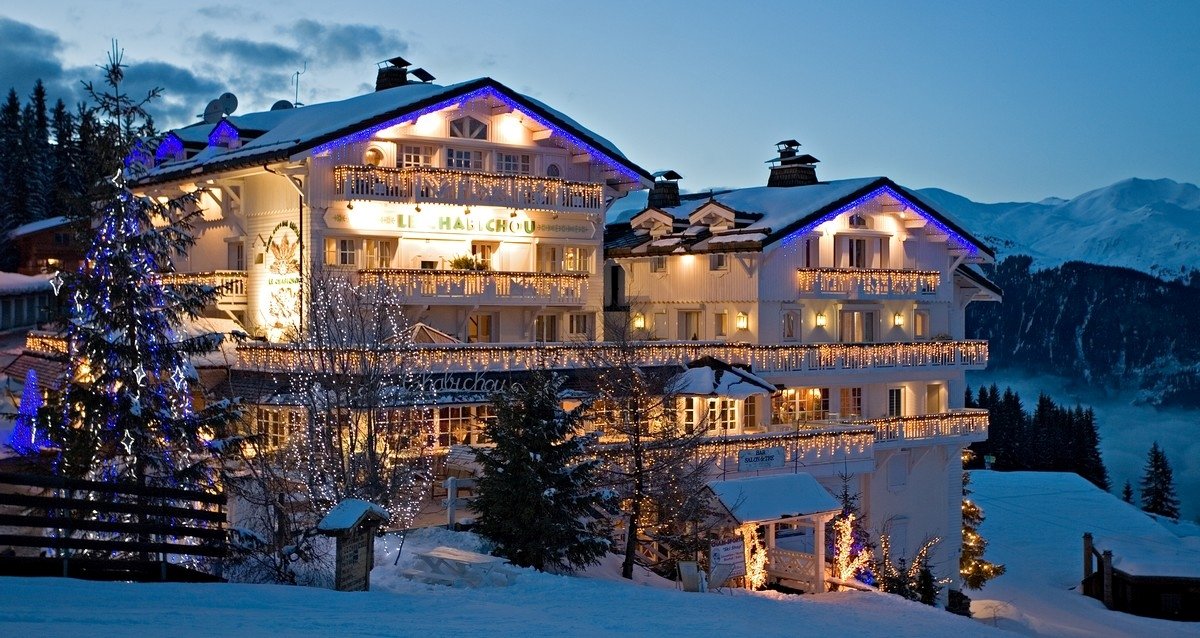
Le Chabichou holds two Michelin stars and serves sophisticated French-Japanese fusion. La Table de Mon Grand-Père offers one-star traditional French cuisine. For lunch on the slopes, La Bergerie in nearby Courchevel 1550 serves incredible Savoyard specialties with views that rival the food.
Cultural Highlights
While Courchevel itself is relatively modern (built in the 1940s), nearby villages like Saint-Bon preserve authentic Savoyard architecture. The Baroque churches scattered throughout the valley showcase the region’s Catholic heritage.
Winter Events (2025/2026)
- Courchevel Inquirer’s Winter Opening (mid-December) – VIP parties and celebrity appearances
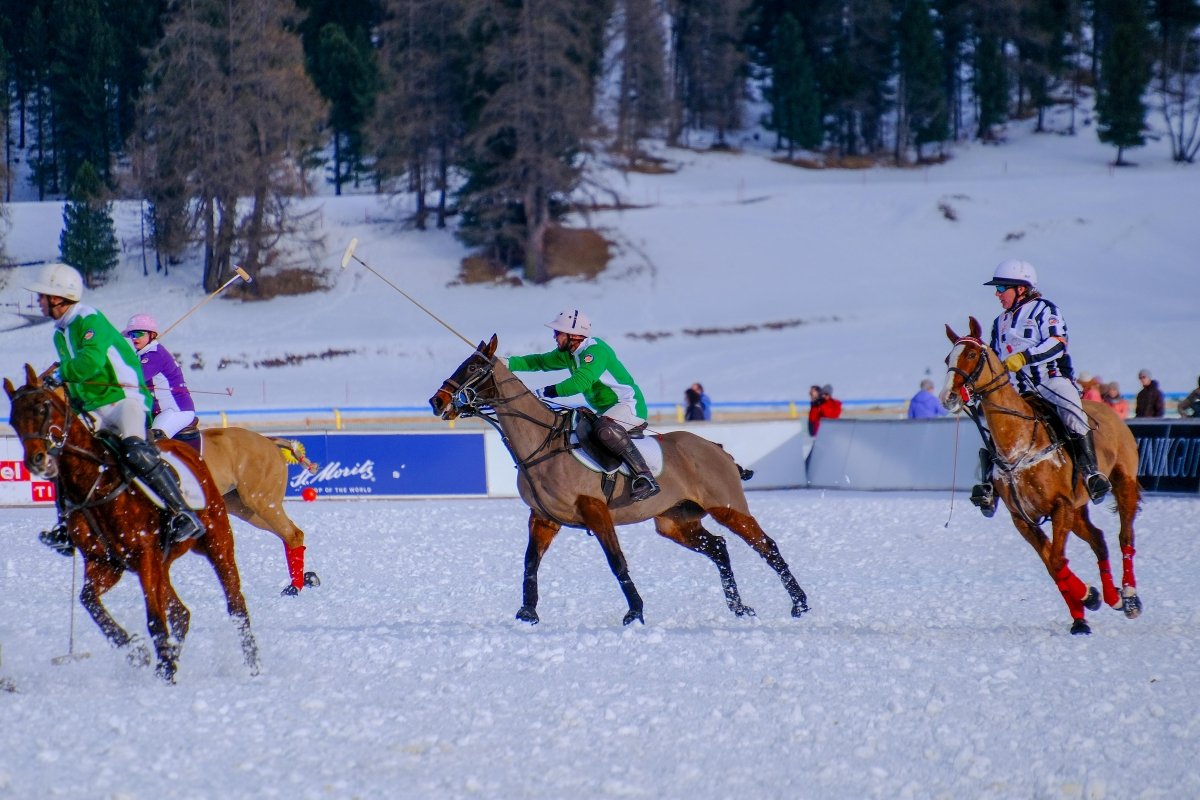
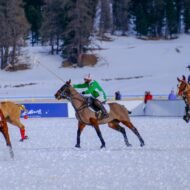
- Polo Masters Courchevel (January) – polo played on snow
- World Cup Slalom (if scheduled) – watching pros tackle the famous slopes
- Various charity galas – black-tie events throughout the season
Useful Info
- Getting there: Geneva airport (2 hours), Lyon (2.5 hours), or land by helicopter
- Best for: Experienced skiers, luxury enthusiasts, foodies, those who want to see and be seen
- Language: French primarily, but English widely spoken in tourist areas
- Mobile coverage: Excellent throughout the resort
3. St. Moritz, Switzerland – Twice the Host of Winter Olympics
User Rating: 4.7/5 ⭐⭐⭐⭐⭐
“Glamorous without trying too hard. The frozen lake activities alone make this worth visiting.” – Condé Nast Traveler Reader
Why It’s Special
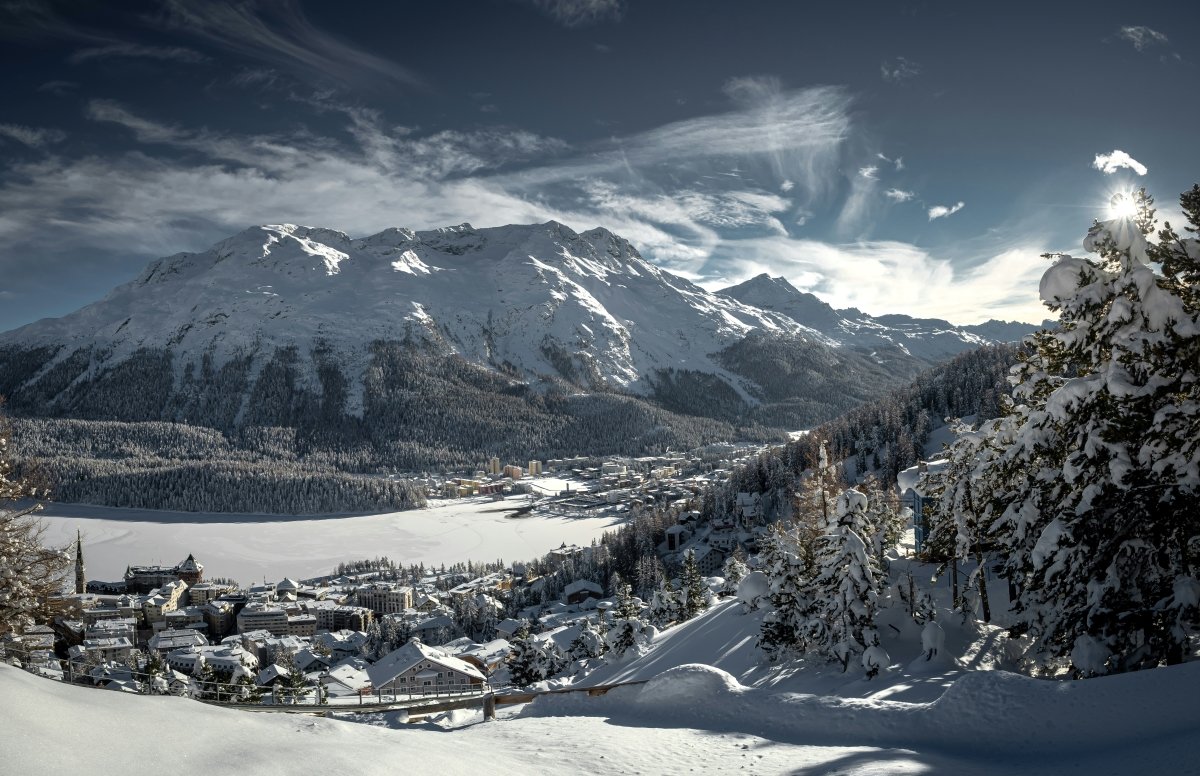
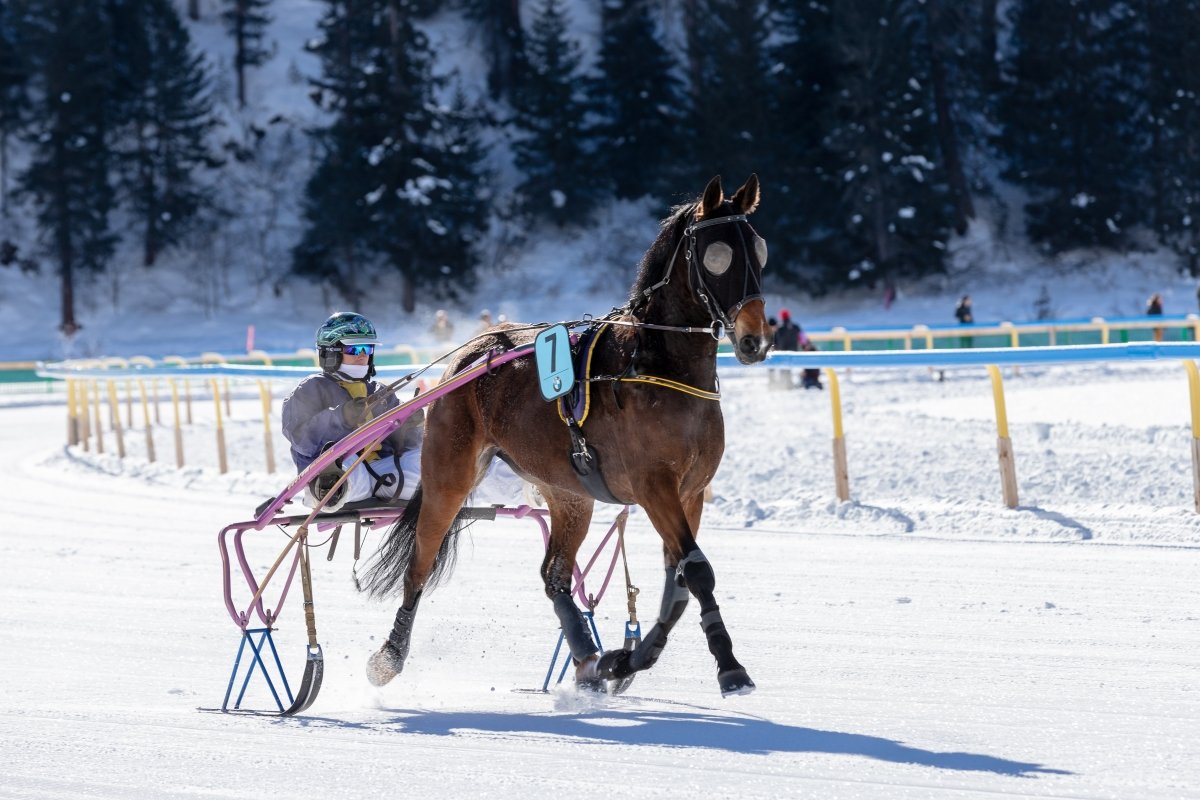
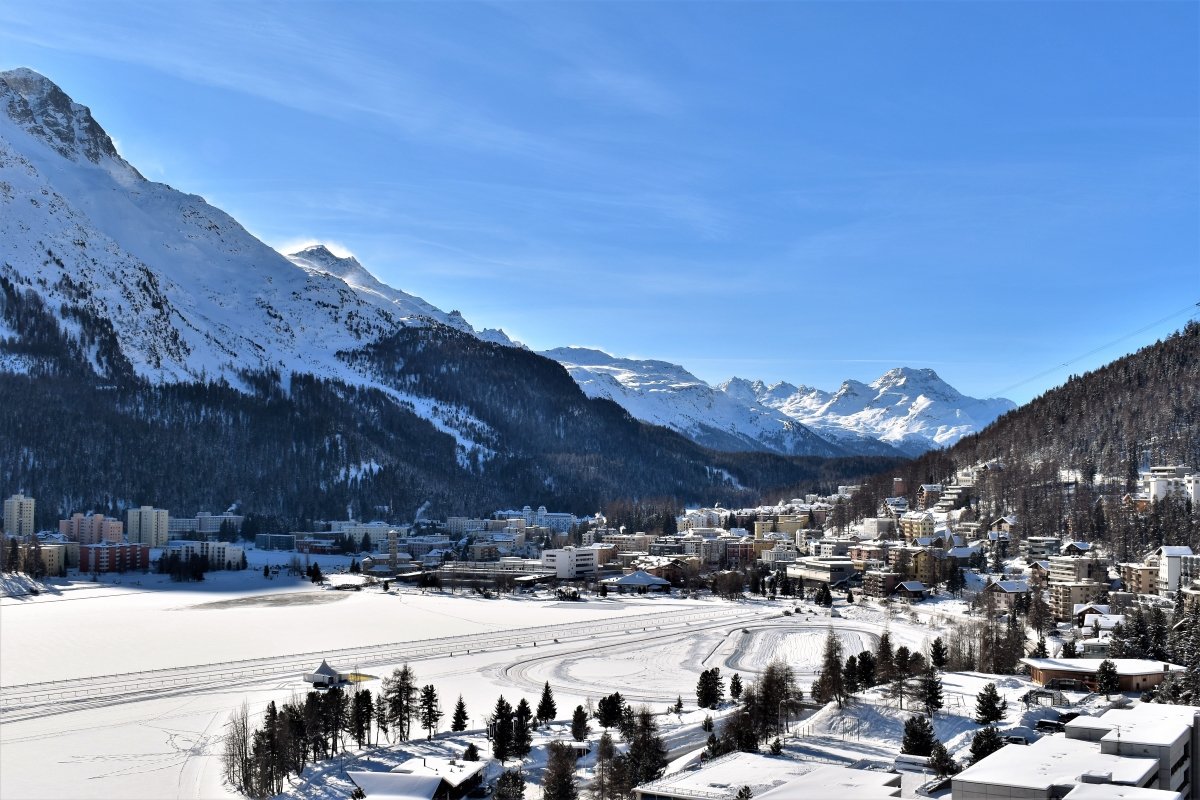
St. Moritz practically invented winter tourism back in 1864 when a hotel owner bet British guests they’d enjoy the Alps in winter. He won that bet, and the resort hasn’t looked back. This is where “champagne climate” was coined (thanks to 322 sunny days yearly), where Cresta Run thrill-seekers hurtle down an ice track at 130 km/h, and where frozen Lake St. Moritz hosts polo matches, cricket games, and horse races.
Fascinating fact: St. Moritz has hosted the Winter Olympics twice (1928 and 1948) and remains one of only three sites to host twice.
Winter Weather (2025/2026)
Despite being lower in altitude than some competitors (1,856m village level), St. Moritz boasts exceptional sunshine—expect clear, sunny days with temperatures around -5°C to -10°C in the village, colder at altitude. The famous “champagne climate” means crisp, dry air with less humidity than other alpine resorts.
Where to Stay
Legendary Luxury: Badrutt’s Palace Hotel (from €900/night) – the grande dame of alpine hotels, operating since 1896.
Modern Elegance: Carlton Hotel St. Moritz (from €600/night) – completely renovated in 2016, blending tradition with contemporary style.
Boutique Charm: Giardino Mountain (from €500/night) – intimate hideaway with Japanese-inspired wellness center.
Shopping & Local Traditions
Via Serlas is your luxury shopping destination—Bulgari, Cartier, Loro Piana, and every high-end brand you can imagine. For something local, Gianpiero Zuccala sells exquisite handmade jewelry incorporating Swiss alpine materials.
Engadine traditions: This region has its own language (Romansh), distinctive architecture (decorated sgraffito facades), and unique pastries like the Engadiner Nusstorte (caramelized nut tart).
Outdoor Activities Beyond Skiing
- Cresta Run – the legendary ice skeleton track (men only, unfortunately)
- White Turf – horse racing on frozen Lake St. Moritz (February)
- Olympic Bob Run – ride with a professional pilot
- Winter hiking – 150km of groomed trails
- Cross-country skiing – 220km of trails through the Engadine valley
Budget Breakdown
- Daily ski pass: €75-88
- Mountain restaurant lunch: €30-50
- Fine dining: €120-300 per person
- Afternoon tea at Badrutt’s Palace: €45-65
- Bob run experience: €280 for two runs
Food Scene
IGNIV by Andreas Caminada offers one Michelin star with a unique sharing concept. Talvo by Dalsass in nearby Champfèr holds two stars and serves innovative alpine cuisine. For lunch, the legendary Trutz on Corviglia serves up sunshine, fondue, and people-watching opportunities.
Cultural Highlights
The Segantini Museum houses works by Giovanni Segantini, who captured the Engadine light brilliantly. The Engadine Museum showcases 500 years of regional culture in a beautifully preserved townhouse.
Winter Events (2025/2026)
- White Turf (three Sundays in February) – horse racing, gourmet village, international atmosphere
- St. Moritz Gourmet Festival (January) – Michelin-starred chefs take over resort restaurants
- Cresta Run opening (late December) – watching riders hit 130 km/h is breathtaking
- Cricket on Ice (February) – exactly what it sounds like, delightfully British
Useful Info
- Getting there: Zurich airport (3.5 hours by train), private helicopter transfers available
- Best for: Sophisticated travelers, sun lovers, sports enthusiasts, history buffs
- Peak season: February (White Turf time) books up a year in advance
- Language: German, Romansh, Italian, English widely spoken
4. Lech-Zürs, Austria – The Royal Family’s Favorite
User Rating: 4.6/5 ⭐⭐⭐⭐½
“Authentic Austrian charm meets world-class skiing. The village hasn’t sold its soul to mass tourism.” – Ski Magazine Reader
Why It’s Special
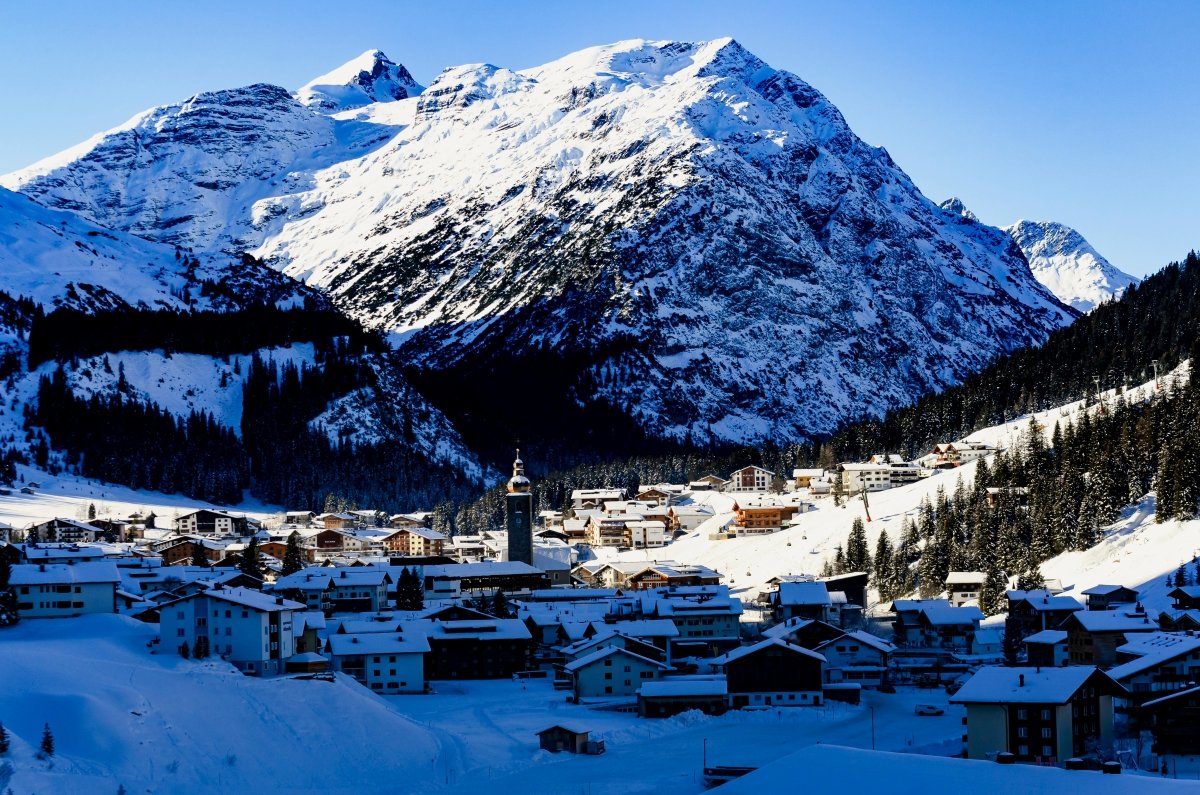
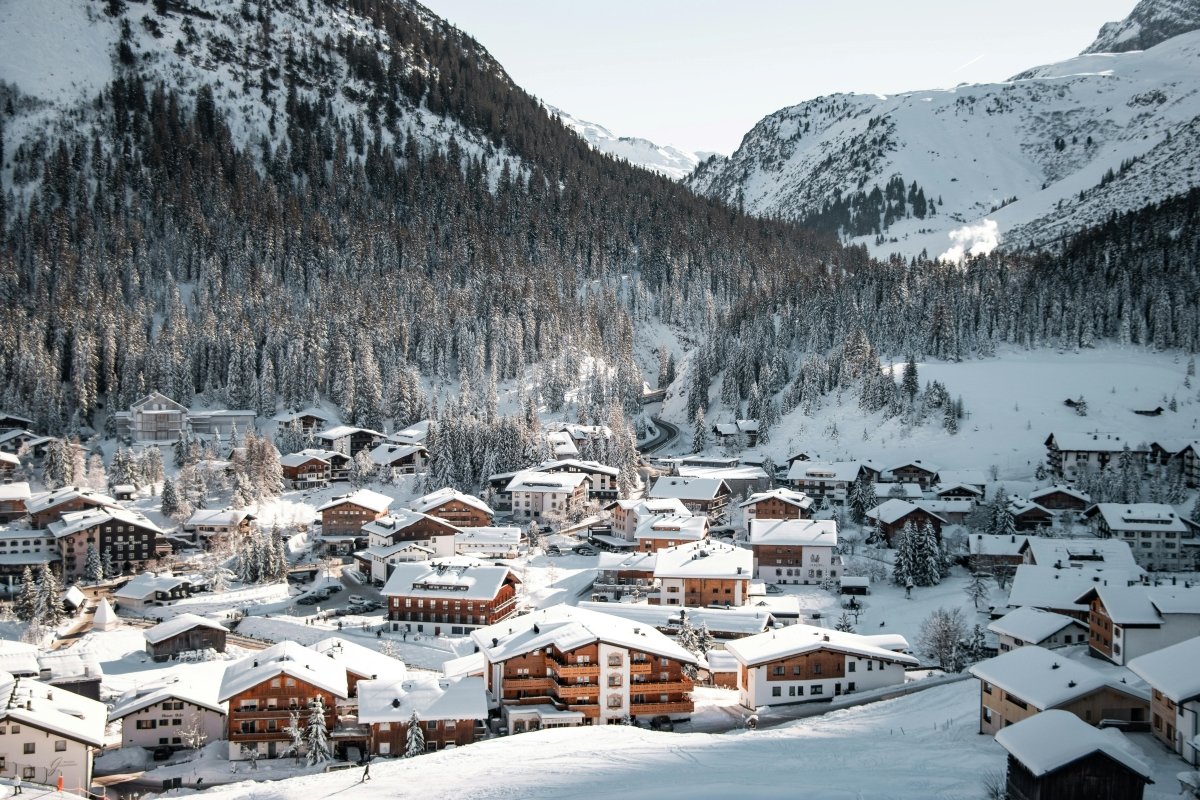
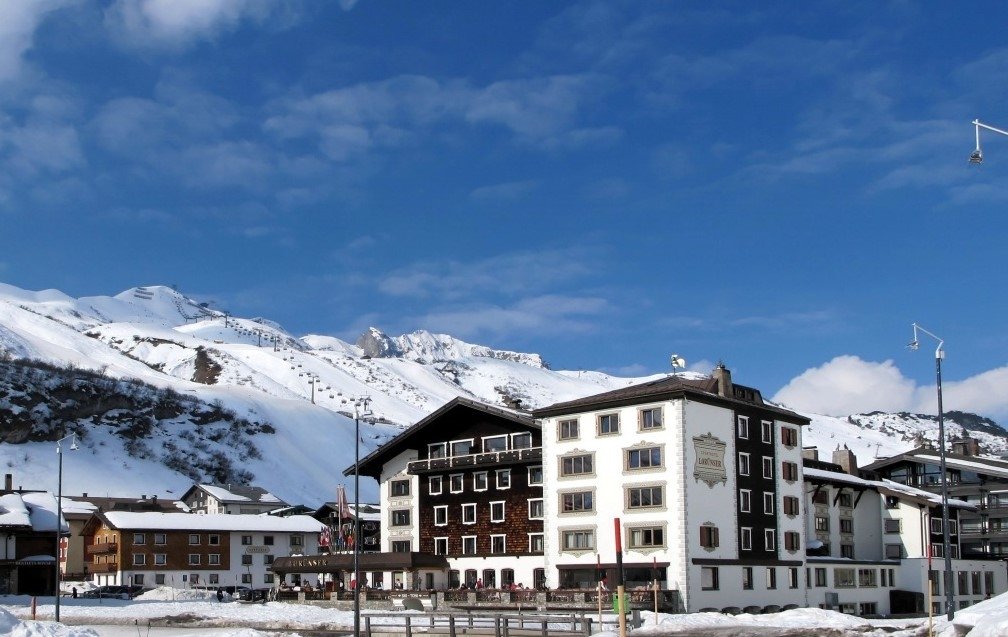
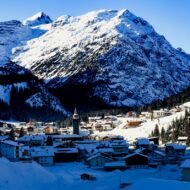
When the Dutch Royal Family chooses your resort for their annual ski holiday, you know you’re doing something right. Lech-Zürs maintains a refreshingly authentic atmosphere despite its luxury status. Limited bed capacity (strictly controlled by the community) means it never feels overcrowded. The skiing is exceptional—challenging terrain, reliable snow, and the Arlberg region offers 305km of interconnected slopes.
Fascinating fact: Lech-Zürs was one of the first resorts to offer ski instruction (1920s) and helped pioneer alpine ski technique development.
Winter Weather (2025/2026)
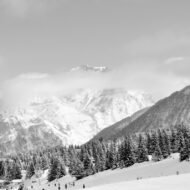
Sitting at 1,450m-1,720m, expect temperatures from -5°C to -12°C throughout winter. The Arlberg region receives some of the Alps’ most consistent snowfall—average 11 meters annually. Peak snowfall typically occurs in January and February.
Where to Stay
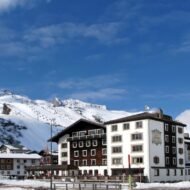
Royal-Approved: Hotel Zürserhof (from €700/night) – where royalty actually stays, offering old-world elegance and impeccable service.
Contemporary Luxury: Aurelio Lech (from €600/night) – modern design with exceptional spa facilities.
Cozy Excellence: Hotel Montana (from €400/night) – family-run for 130 years, authentic Austrian hospitality.
Shopping & Local Traditions
Shopping here is refreshingly low-key compared to Courchevel or St. Moritz. You’ll find quality ski equipment, Austrian fashion boutiques, and local artisan shops. Strolz has been crafting custom ski boots in Lech since 1888.
Tyrolean traditions: The region celebrates with Krampus parades (early December), Almabtrieb ceremonies, and traditional Stuben music nights in local gasthofs. The architectural style—wood-clad chalets with flower boxes—is protected by strict building codes.
Outdoor Activities Beyond Skiing
- Tobogganing on the 5km Zürs run
- Ski touring with certified guides into untouched terrain
- Winter hiking through pristine valleys
- Snowshoeing to mountain huts
- Horse-drawn sleigh rides through snow-covered forests
Budget Breakdown
More reasonable than Switzerland or Courchevel:
- Daily ski pass: €68-76
- Mountain lunch: €20-35
- Fine dining: €80-150 per person
- Traditional gasthof meal: €25-40
- Ski guide (small group): €100-150 per person/day
Food Scene
Steffani (two Michelin stars) in nearby Stuben offers sophisticated Austrian cuisine. Rüfikopf restaurant sits at 2,350m and serves both incredible food and views. For authentic Tyrolean fare, Wirtschaft zum Goldenen Berg is where locals eat—try the käsespätzle (cheese noodles) and schnitzel.
Cultural Highlights
The village churches—particularly Lech’s parish church with its distinctive onion dome—anchor community life. The Museum Huber-Hus showcases regional history and Walser culture (the original settlers who crossed the mountains 700 years ago).
Winter Events (2025/2026)
- White Ring Race (mid-January) – 22km race that anyone can enter, skiing around the entire Lech-Zürs area
- Long Night of Culinary Delights (January) – progressive dinner through multiple restaurants
- Arlberg Derby – fun team competition
- Traditional Advent markets (early December)
Useful Info
- Getting there: Innsbruck airport (1.5 hours), Zurich airport (2.5 hours), or Friedrichshafen (2 hours)
- Best for: Strong intermediate to advanced skiers, families, those seeking authenticity
- Altitude sickness: Generally not an issue at these elevations
- Sustainability: The resort has strong environmental commitments, including using 100% renewable energy
5. Cortina d’Ampezzo, Italy – The Dolomites’ Glamorous Queen
User Rating: 4.6/5 ⭐⭐⭐⭐½
“Italian style meets dramatic mountain scenery. The food alone is worth the trip, and the Dolomites are breathtaking.” – Travel + Leisure Reader
Why It’s Special
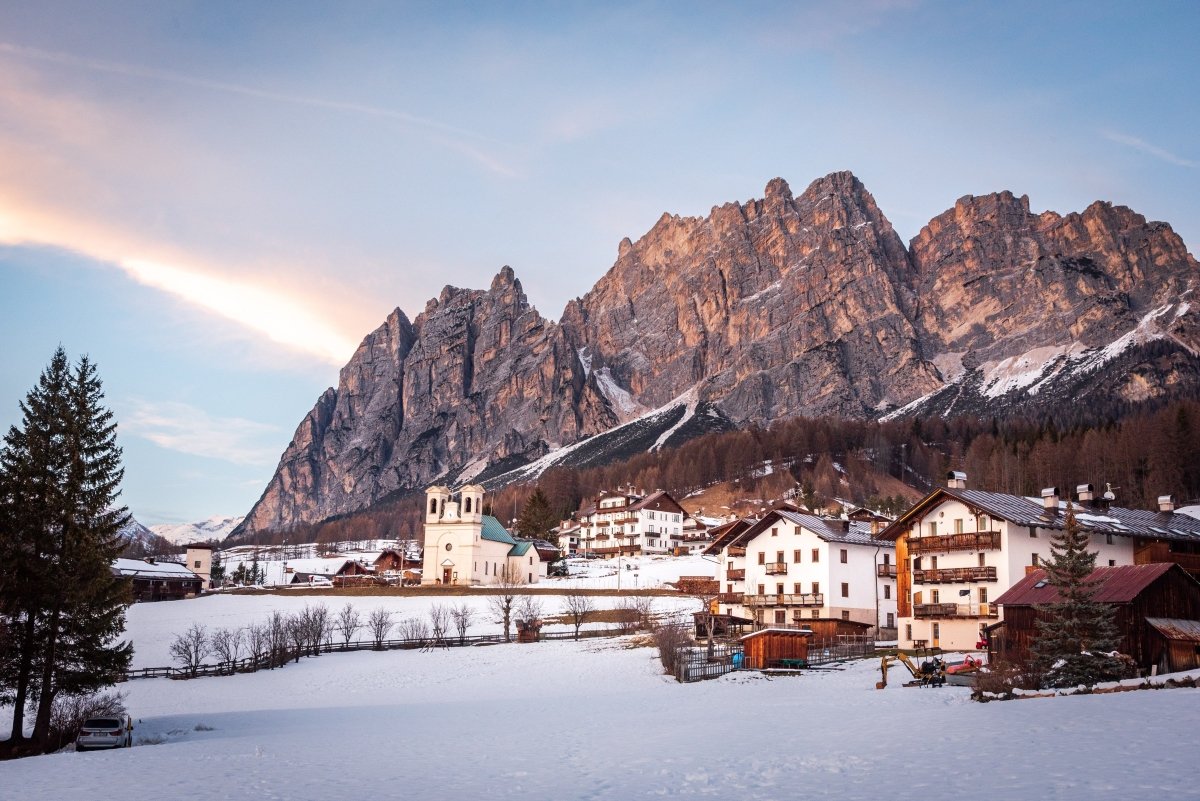
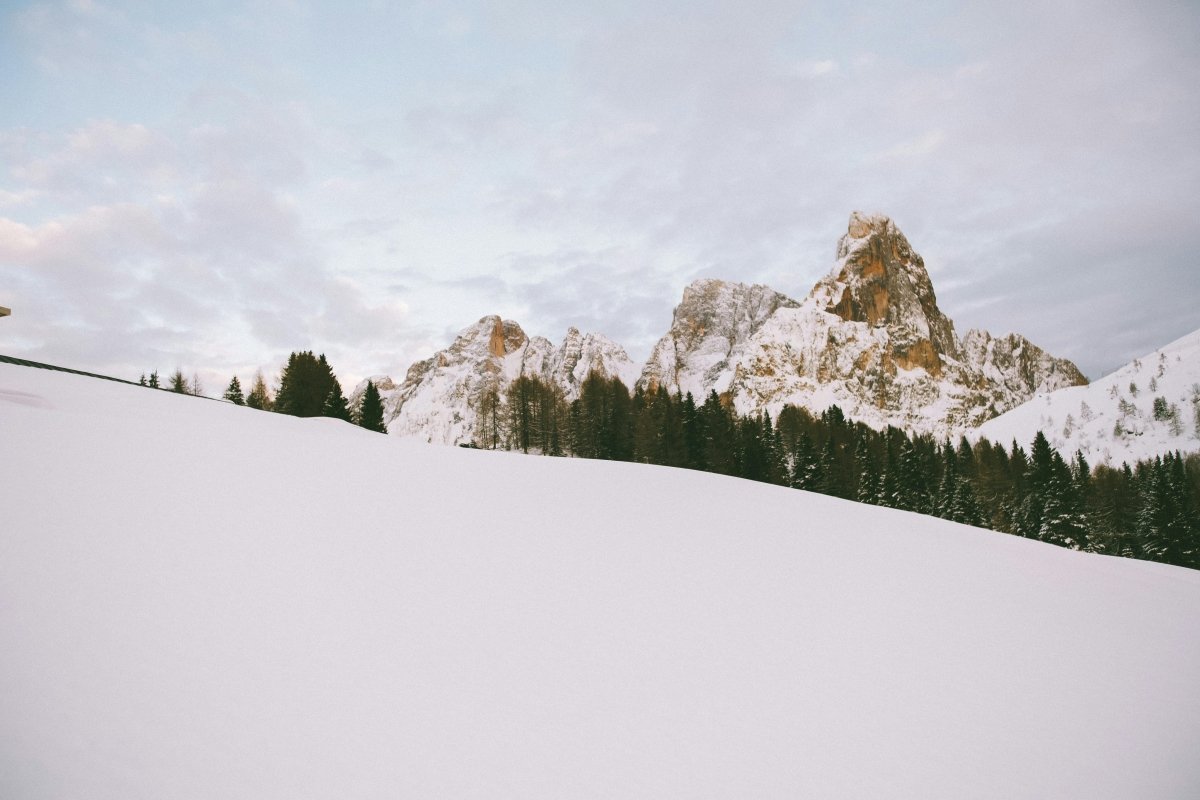
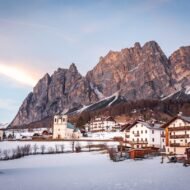
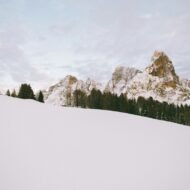
Cortina combines Italian flair with stunning Dolomite landscapes—those dramatic, pink-tinged peaks that look like nature’s cathedrals. This was the resort that put Italy on the luxury ski map when it hosted the 1956 Winter Olympics, and it’s gearing up to host events again in 2026. Unlike other resorts on this list, Cortina has a real town center with actual locals, not just tourists and second-homeowners.
Fascinating fact: The Dolomites are a UNESCO World Heritage Site, and their distinctive pink glow at sunset (called “enrosadira” in the local Ladin language) is caused by their unique mineral composition.
Winter Weather (2025/2026)
At 1,224m (the lowest on our list), Cortina’s village is milder than Swiss resorts—expect -2°C to -8°C. However, slopes reach 3,000m+ where it’s considerably colder. The Dolomites create their own microclimate; January and February offer the best snow, though coverage can be less consistent than higher Austrian or Swiss resorts. Prepare for stunning sunny days and that famous alpenglow.
Where to Stay
Icon Status: Cristallo Resort & Spa (from €600/night) – 1901 Belle Époque palace currently being restored, reopening in phases.
Modern Luxury: Rosapetra Spa Resort (from €450/night) – contemporary wellness-focused retreat with dramatic mountain views.
Historic Charm: Hotel de Len (from €300/night) – family-run since 1813, authentic local character.
Shopping & Local Traditions
Corso Italia is Italy’s highest-altitude luxury shopping street—Prada, Gucci, Moncler, and Bogner all have boutiques here. But the real treasures are local artisan workshops creating hand-carved wooden items, lace, and wrought iron work.
Ladin heritage: Cortina sits in the Ladin-speaking region, a distinct culture with its own language, cuisine, and traditions. Ladin costumes feature prominently during festivals, and traditional crafts are still practiced.
Outdoor Activities Beyond Skiing
- Via ferrata climbing – protected climbing routes with spectacular views (winter routes available with guides)
- Olympic bobsled track rides – experience Olympic speeds with a professional pilot
- Lago di Sorapis trek – winter hiking to a turquoise alpine lake
- Curling – try it at the Olympic ice stadium
- Ice skating at Olympic venues
Budget Breakdown
Generally more affordable than Switzerland:
- Daily ski pass: €65-72
- Lunch on mountain: €18-30
- Fine dining: €70-120 per person
- Casual Italian meal: €20-35
- Aperitivo and drinks: €15-25
Food Scene
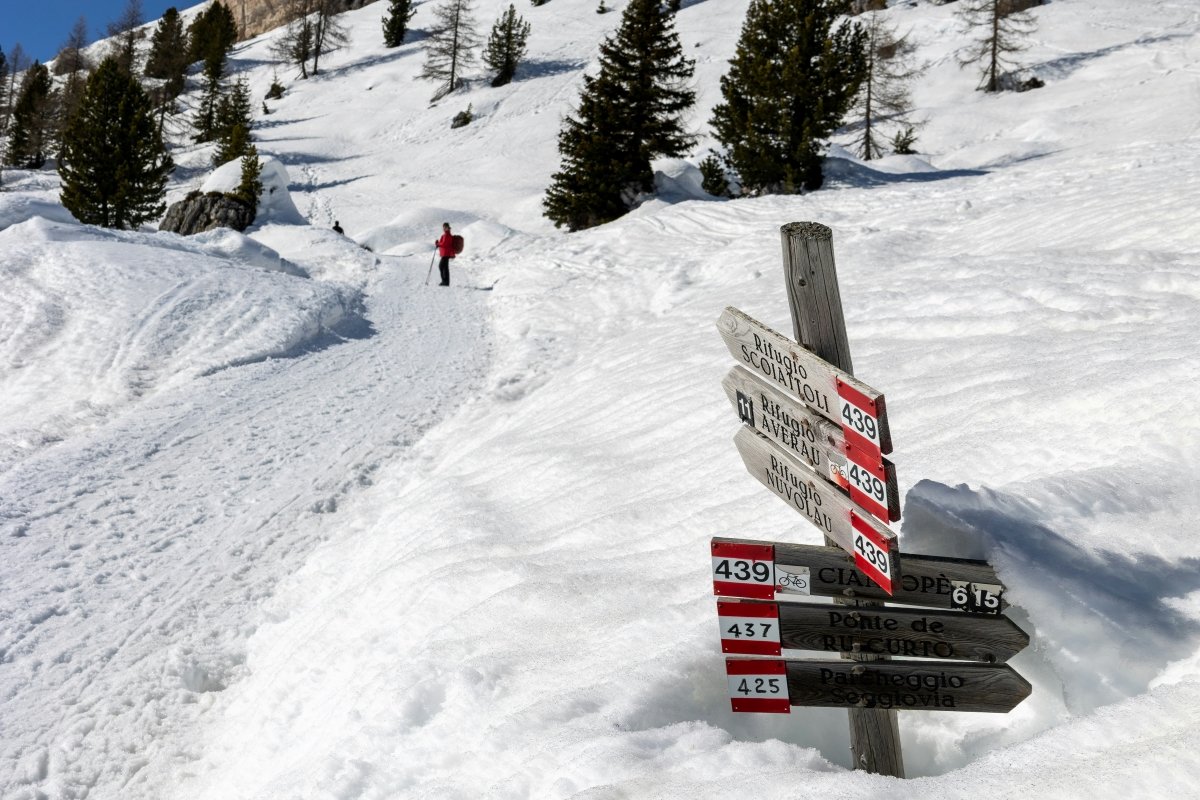
This is where Cortina shines. Tivoli in the center serves Michelin-quality cuisine (though unstarred) focusing on Ladin and Venetian traditions. El Camineto offers rustic mountain fare in a gorgeously decorated hut. For lunch on the slopes, Rifugio Averau (accessible by ski or snowcat) serves polenta and game dishes with 360-degree Dolomite views that’ll stop you mid-bite.
Don’t miss the aperitivo culture—between 6-8pm, bars serve complimentary snacks with your drink. It’s an Italian institution that makes après-ski deliciously civilized.
Cultural Highlights
The Mario Rimoldi Modern Art Museum houses an impressive collection including works by Picasso and de Chirico, donated by a local collector. The Regole d’Ampezzo Museum preserves Ladin culture and explains the unique medieval land-sharing system still partially in effect.
Winter Events (2025/2026)
- Cortina Winter Polo Gold Cup (January) – polo on snow, complete with champagne flowing
- World Cup Alpine Skiing (January 2026) – the women’s race tradition continues
- Milano Cortina 2026 Olympics events (February) – bob, luge, and skeleton competitions
- La Ciaspolada (January) – torchlit snowshoe parade with thousands of participants
Useful Info
- Getting there: Venice airport (2 hours), Innsbruck (2.5 hours), or Verona (3 hours)
- Best for: Intermediate skiers, foodies, families, culture enthusiasts, those who want luxury without pretension
- 2026 Olympics: Expect major infrastructure improvements and potentially higher prices
- Language: Italian and Ladin primarily; English widely spoken in tourist areas
Recap: Choosing Your Perfect Luxury Ski Destination
Let’s break it down:
Choose Zermatt if: You want the most iconic mountain views on Earth, year-round skiing possibilities, and don’t mind paying premium prices for car-free authenticity.
Choose Courchevel 1850 if: Budget isn’t your primary concern, you want the absolute pinnacle of luxury, Michelin stars matter to you, and you enjoy mixing with the international jet set.
Choose St. Moritz if: You crave sunshine alongside snow, appreciate history and tradition, want activities beyond skiing (Cresta Run, White Turf), and prefer glamour with substance.
Choose Lech-Zürs if: You’re a strong skier seeking authentic Austrian culture, value crowd control over see-and-be-seen scenes, and appreciate royal-approved understated elegance.
Choose Cortina d’Ampezzo if: You want UNESCO-listed scenery, Italian food and style, slightly more accessible prices, and a real town atmosphere where locals actually live year-round.
All five offer:
- World-class skiing with extensive lift systems
- Luxury accommodations from historic palaces to modern design hotels
- Exceptional dining from Michelin-starred restaurants to authentic mountain huts
- Reliable snow and excellent ski infrastructure
- Comprehensive non-skiing activities
- Rich cultural traditions and history
- Full accessibility features for travelers with different needs
Budget expectations across all five:
- Economical week: €2,500-3,500 per person (mid-range hotels, casual dining, self-catering some meals)
- Comfortable week: €4,000-6,000 per person (4-star hotels, mix of dining options, some luxury experiences)
- Luxury week: €8,000-15,000+ per person (5-star accommodations, fine dining, private instructors, spa treatments)
Practical Planning Tips
When to visit: January and February offer the best snow and coldest temperatures. March provides spring skiing with longer days and warmer weather. December (especially Christmas/New Year) is magical but crowded and expensive. Book at least 6-8 months ahead for peak dates.
What to pack: Layers are essential. Include base layers, mid-layers, quality outerwear, and don’t forget sunscreen (UV reflection off snow is intense), lip balm, and sunglasses. Most resorts have excellent rental shops if you don’t want to travel with bulky gear.
Sustainability considerations: All five resorts are increasingly focusing on environmental responsibility. Look for accommodations with Green Globe certification, use public transportation when possible (excellent in all five), and consider carbon offset programs.
Travel insurance: Non-negotiable. Ensure it covers winter sports, medical evacuation (helicopter rescue costs tens of thousands), and trip cancellation. Check if your credit card provides coverage before purchasing separately.
Accessibility: Modern ski infrastructure in these resorts is generally excellent for travelers with mobility considerations. Contact resorts directly about specific needs—adaptive ski programs, accessible accommodations, and wheelchair-accessible lifts are increasingly common.
Disclaimer
Accuracy and Currency: While every effort has been made to ensure accuracy, prices, conditions, events, and operational details are subject to change. The winter 2025/2026 season information is based on current data and historical patterns, but always verify directly with resorts, hotels, and service providers before booking.
Personal Recommendations: Resort rankings and descriptions reflect aggregate user ratings, professional reviews, and general reputation. Your experience may vary based on personal preferences, snow conditions, crowd levels, and individual circumstances.
Financial Information: All prices are approximate and quoted in Euros (€) as of late 2024. Exchange rates fluctuate, and prices typically increase 3-5% annually. Budget estimates assume two people sharing accommodations where applicable.
Safety: Winter sports carry inherent risks. Always ski within your ability level, follow resort safety guidelines, consider hiring qualified instructors, wear appropriate safety equipment (helmets strongly recommended), and check avalanche warnings for off-piste skiing.
Health Considerations: High-altitude resorts can cause altitude sickness in susceptible individuals. Consult your doctor before traveling if you have pre-existing health conditions. Ensure you have adequate travel and health insurance.
Booking and Cancellation: Read cancellation policies carefully before booking. Weather conditions, personal circumstances, and global events can impact travel plans. Consider flexible booking options and comprehensive travel insurance.
Third-Party Information: Links, references, and recommendations to third-party services, accommodations, and activities are for informational purposes only and don’t constitute endorsements.
Personal Responsibility: This guide is for informational purposes only. Travelers are responsible for their own research, decisions, bookings, and safety. Always verify current conditions, requirements, and restrictions before traveling.
Ready to book your ultimate European ski adventure? Whether you’re drawn to Zermatt’s Matterhorn majesty, Courchevel’s champagne lifestyle, St. Moritz’s sunny glamour, Lech-Zürs’s authentic charm, or Cortina’s Italian dolce vita, these resorts deliver experiences that go far beyond just skiing. The slopes are world-class, but it’s the combination of mountain magic, culinary excellence, cultural richness, and luxurious comfort that makes these destinations truly unforgettable.
Start planning now—the best properties for peak season are already booking up for 2025/2026. Your mountain adventure awaits.