






TL;DR: Experience Europe’s last surviving prehistoric forest! The Laurisilva of Madeira is a 20-million-year-old UNESCO World Heritage site covering 15,000 hectares. Best explored via levada walks, this mystical cloud forest houses unique endemic species and requires responsible tourism to preserve its ancient ecosystem.
- What Makes Laurisilva So Special?
- Your Adventure Awaits: Best Ways to Explore
- Getting There: Your Practical Guide
- What You’ll Discover: The Living Encyclopedia
- Planning Your Visit: Essential Tips
- Sustainable Tourism: Protecting Our Living Heritage
- Eco-Friendly Accommodation Options
- Beyond the Forest: Complete Your Sustainable Madeira Experience
- The Bottom Line
- The Critical Importance of Protecting Our Natural Heritage
Picture stepping into a real-life fairy tale where mist dances between ancient trees that have stood since before humans walked the Earth. Welcome to Madeira’s Laurisilva forest – a place so magical it literally served as inspiration for Star Wars filming locations and represents the last glimpse of what covered most of Europe millions of years ago.
What Makes Laurisilva So Special?
This isn’t just any forest – it’s a living time capsule. The Laurisilva forest is about 20 million years old, dating back to the Tertiary Age, and UNESCO declared it a World Heritage Site in 1999. Think of it as Europe’s botanical museum, except everything is still alive and thriving.
The forest is believed to be 90% primary forest and contains a unique suite of plants and animals, including many endemic species such as the Madeiran long-toed pigeon. What’s mind-blowing is that forty million years ago, great swathes of lush, green Laurisilva forest covered much of southern Europe right up until the last Ice Age, but now only fragments survive in Madeira, the Azores, and the Canary Islands.
Currently, it occupies an area of around 15,000 hectares in Madeira, which corresponds to 20% of the island, with greater expression in the high areas of the north.
Your Adventure Awaits: Best Ways to Explore
The Famous Levada Walks
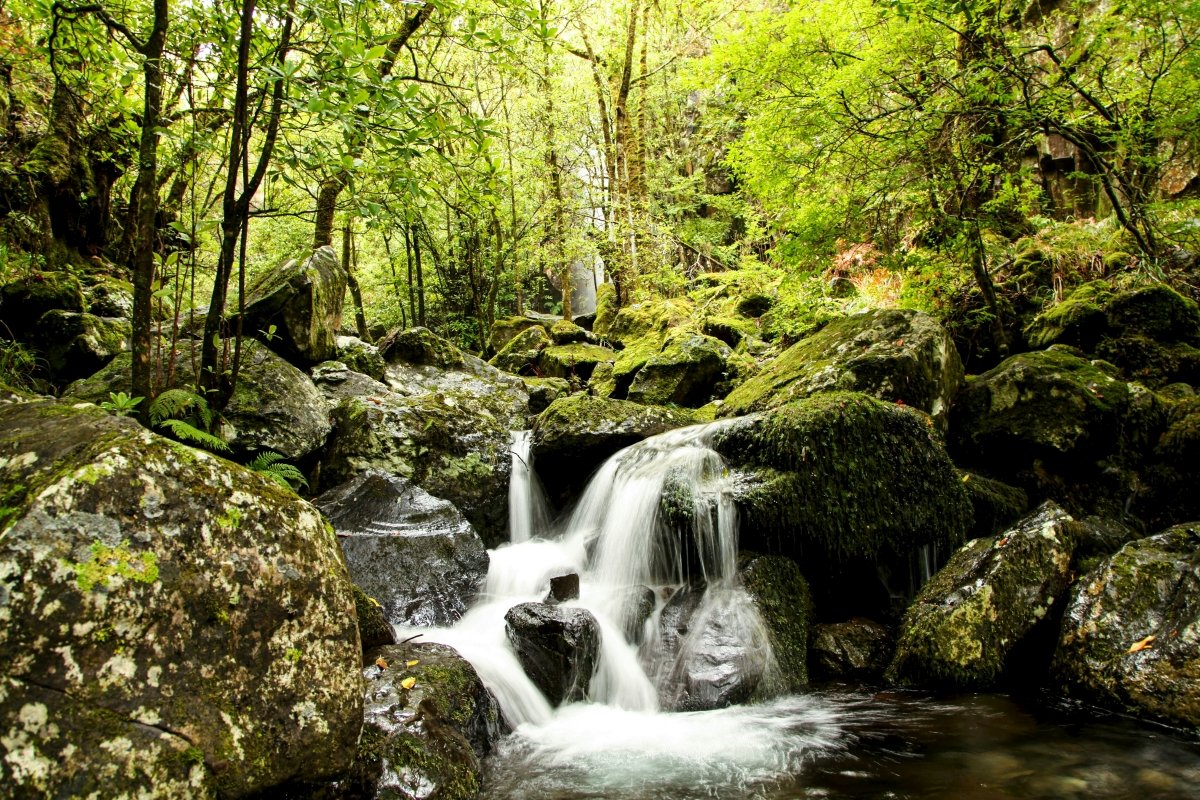
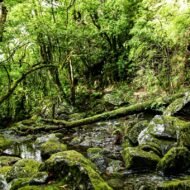
The coolest part about exploring Laurisilva? You’ll be walking alongside water channels, known as levadas, which run through the forest following the contours of the landscape, and clinging to the cliffs and steep-sided valleys. These aren’t just random paths – they’re historic irrigation channels built by early settlers that have become some of the world’s most scenic hiking trails.
Top Levada Routes for Every Traveler:
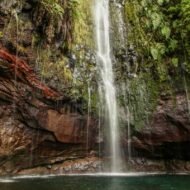
Levada do Caldeirão Verde – The Instagram-worthy option! This popular trail takes you through lush vegetation and dramatic cliffs, ending at the stunning Caldeirão Verde waterfall. Perfect for those “I can’t believe this is real” photos.
Levada do Risco – Great for beginners wanting that epic waterfall payoff without the intense hike. You’ll get breathtaking views of the Risco waterfall while immersed in the Laurisilva atmosphere.
Levada dos Cedros – For the nature lovers who want to go deep. This route takes you into the heart of the forest where you might spot unique endemic species.
The Mystical Fanal Forest Experience
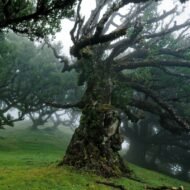
Within the larger Laurisilva ecosystem lies something truly otherworldly – Fanal Forest. The unique atmosphere of Fanal Forest often draws comparisons to mythical landscapes, making it a perfect subject for photographers and nature lovers seeking an otherworldly experience.
The thick mist that often lingers in Fanal Forest creates a mystical atmosphere, making this place even more impressive. Pro tip: The highest chance of mist is in the morning, so set that early alarm for the most magical experience.
Getting There: Your Practical Guide
From Funchal:
- By car: About 1 hour 20 minutes drive to Fanal Forest parking
- Tours: Multiple eco-friendly tour operators offer sustainable group experiences
- No public transport: Unfortunately, buses don’t reach the forest areas
From Funchal, it takes about an hour’s drive to the Fanal parking lot, and from there, you can directly enter Fanal Forest. The drive itself is spectacular – the road to Fanal is one of the most beautiful roads in Madeira, and along the way, be sure to make a stop at the viewpoint Miradouro Lombo do Mouro.
What You’ll Discover: The Living Encyclopedia
Incredible Wildlife
This forest is like nature’s exclusive VIP club. The Trocaz pigeon, an endemic species found only in Madeira Island, calls this place home, along with the Madeiran Firecrest (the smallest bird on the island and one of the smallest in Europe) and the colorful Chaffinch.
Many unique bird species call the forest home, such as the Madeira firecrest (Regulus madeirensis), the Trocaz pigeon (Columba trocaz), and the elusive Zino’s petrel (Pterodroma madeira).
Ancient Trees That Tell Stories
The trees here aren’t just old – they’re ancient. Most of the property is believed to have never been felled and includes some massive old trees, possibly over 800 years old, which have been growing since before the island was settled. The old laurel trees often have peculiar shapes and are covered with up to 20 different species of moss.
Endemic Plant Paradise
At least 76 vascular plant species endemic to Madeira occur in the property, including the beautiful Madeira Orchid (Dactylorhiza foliosa) – yes, Madeira has its own orchid species!
Planning Your Visit: Essential Tips
What to Pack
- Sturdy hiking boots: The trails can be slippery, especially when misty
- Layers: The elevation of the Laurisilva Forest and the little sun make things a bit chilly
- Packable rain jacket: You’re in a cloud forest, after all!
- Camera with extra batteries: The mist drains batteries faster
- Headlamp or flashlight: Some levada tunnels require lighting
Best Time to Visit
For the mystical experience: Early morning when mist is most likely For clear views: Late morning to afternoon Year-round destination: The subtropical climate means it’s always lush and green
Sustainable Tourism: Protecting Our Living Heritage
Here’s the real talk – this ancient forest has survived ice ages, but it needs our help to survive tourism. The influx of tourists places immense pressure on Madeira’s natural habitats. Popular sites, such as the Laurisilva forest (a UNESCO World Heritage site), suffer from trampling and littering, which disrupt the delicate ecosystem.
How to Be a Forest Guardian
Stay on marked trails: Visitors are encouraged to stay on marked trails, respect the fragile environment, and support local businesses to ensure the long-term preservation of this incredible natural treasure. Seriously, those paths exist for a reason – to protect both you and the forest.
Leave no trace: Pack out everything you bring in. This 20-million-year-old ecosystem doesn’t need your energy bar wrapper.
Support local eco-businesses: Book accommodation that does its part. Thankfully, Madeira in general is very aware and proactive when it comes to this topic. Look for Green Key certified hotels and eco-friendly tour operators.
Travel in smaller groups: Consider joining smaller, locally-led tours rather than large bus groups.
Respect wildlife: Keep noise levels down and never feed or disturb animals. That Trocaz pigeon you’re hoping to photograph? Give it space.
Eco-Friendly Accommodation Options
For the eco-conscious luxury traveler:
- Quinta do Furão (Santana) – Located on the coast near Santana you’ll find this stunning hotel surrounded by vineyards, solar panels, and a 180-degree ocean view
- Aqua Natura Bay (Porto Moniz) – Recognized on a global scale with its Green Key Portugal which is an international award that promotes Sustainable Tourism in Portugal
For the nature-immersed experience:
- Socalco Nature Hotel – Has a heavy focus on permaculture. The hotel collects and reuses rainwater, uses solar energy, carefully controls its waste and makes use of an onsite organic fruit and vegetable garden and orchard
Beyond the Forest: Complete Your Sustainable Madeira Experience
Combine your forest visit with:
- Whale watching tours (supporting marine conservation)
- Local organic wine tastings
- Traditional poncha workshops at local museums
- Community-based cultural experiences
There are countless activities committed to sustainability in Madeira for visitors and locals to enjoy: walking trails, nature reserves, cycling, diving, boat trips to observe cetaceans, safaris, and more.
The Bottom Line
Visiting Madeira’s Laurisilva isn’t just about getting that perfect Instagram shot (though you definitely will). It’s about connecting with something truly ancient and irreplaceable. This year, Madeira’s Laurisilva celebrates the 25th anniversary of its UNESCO World Heritage designation, making 2025 a particularly special time to visit.
Every step you take on these ancient paths is a step back in time, but also a step toward ensuring this prehistoric wonder survives for future generations. So lace up those hiking boots, pack your sense of wonder, and prepare to walk through a forest that has been quietly thriving since before humans existed.
Ready to explore one of Europe’s last prehistoric forests? The adventure of a lifetime awaits in the mists of Madeira.
The Critical Importance of Protecting Our Natural Heritage
As we wrap up this guide, let’s address the elephant in the room – or rather, the ancient forest under threat. The Laurisilva of Madeira represents more than just a beautiful destination; it’s a living library of evolution, a natural heritage site that belongs not just to Portugal, but to all humanity.
Madeira’s forests are special because this is the kind of forest that most Europeans had at their doorstep a few thousand years ago. Think about that for a moment – this is what we’ve lost across an entire continent, preserved now only on this small Atlantic island.
Why Every Visit Matters
The synergetic effects of fire and spread of invasive species is also of concern and introduction of new invasive species and/or pathogens is also considered the most serious potential threat. Every tourist who chooses sustainable practices, every visitor who stays on marked trails, and every traveler who supports eco-certified businesses contributes to a protective barrier around this irreplaceable ecosystem.
Biodiversity is important not only for the environment but also for our happiness. When we protect places like the Laurisilva forest, we’re not just preserving trees and birds – we’re safeguarding the complex web of life that sustains our planet and enriches our human experience.
Your Role as a Guardian Traveler
The next time you walk through those misty paths, remember: you’re not just a tourist, you’re a temporary guardian of a 20-million-year-old treasure. The difficult access to the core areas of Laurisilva of Madeira and long history of protection have until recently resulted in generally low levels of impact in these core areas, but growing tourism means we must be more vigilant than ever.
Make your visit count:
- Choose tour operators committed to conservation
- Support local reforestation projects like those run by environmental volunteers
- Share your experience responsibly, emphasizing conservation alongside beauty
- Consider volunteering with local environmental organizations
The Laurisilva forest has survived ice ages, climate changes, and six centuries of human habitation. With conscious, sustainable tourism, it can survive and thrive for millions of years more. The choice – and the responsibility – lies with each of us who have the privilege to walk among these ancient giants.
Travel mindfully. Explore responsibly. Protect fiercely.