

TL;DR: Every first Sunday in October, the charming hilltop town of Marino transforms into Italy’s most enchanting wine festival destination. For one magical day, fountains flow with wine instead of water, locals share their finest vintages, and you’ll experience authentic Italian culture just 25 kilometers from Rome. Here’s everything you need to plan the perfect visit to the Sagra dell’Uva.
- What Makes Marino’s Wine Festival So Special?
- When to Visit: Timing Your Perfect Trip
- The Festival Experience: What to Expect
- Getting There: Your Transportation Options
- Where to Stay: Accommodation Options
- What to Do Beyond the Wine
- Festival Etiquette and Insider Tips
- Food and Drink: A Culinary Adventure
- Planning Your Perfect Festival Day
- Early Morning (9:00-11:00 AM)
- Mid-Morning (11:00 AM-1:00 PM)
- Afternoon (1:00-4:00 PM)
- Late Afternoon (4:00-7:00 PM)
- Evening (7:00 PM onwards)
- Budget Planning: What to Expect
- Cultural Context: Understanding the Tradition
- Beyond the Festival: Year-Round Marino
- Making the Most of Your Visit
- Final Thoughts: Why Marino’s Festival Matters
What Makes Marino’s Wine Festival So Special?
Picture this: you’re standing in a picturesque medieval Italian square, glass in hand, watching actual wine cascade from ornate fountains while locals in traditional costumes celebrate their harvest with infectious joy. This isn’t a tourist-manufactured experience – the Sagra dell’Uva in Marino is not a manufactured tourist attraction; it’s a heartfelt tradition celebrated by people who live the story they tell.
The festival has taken place on the first Sunday of October since 1925, making it the very first of its kind in Italy. What started as poet Leone Ciprelli’s dream to celebrate local farming traditions has evolved into one of Italy’s most beloved harvest festivals, yet it remains refreshingly authentic.
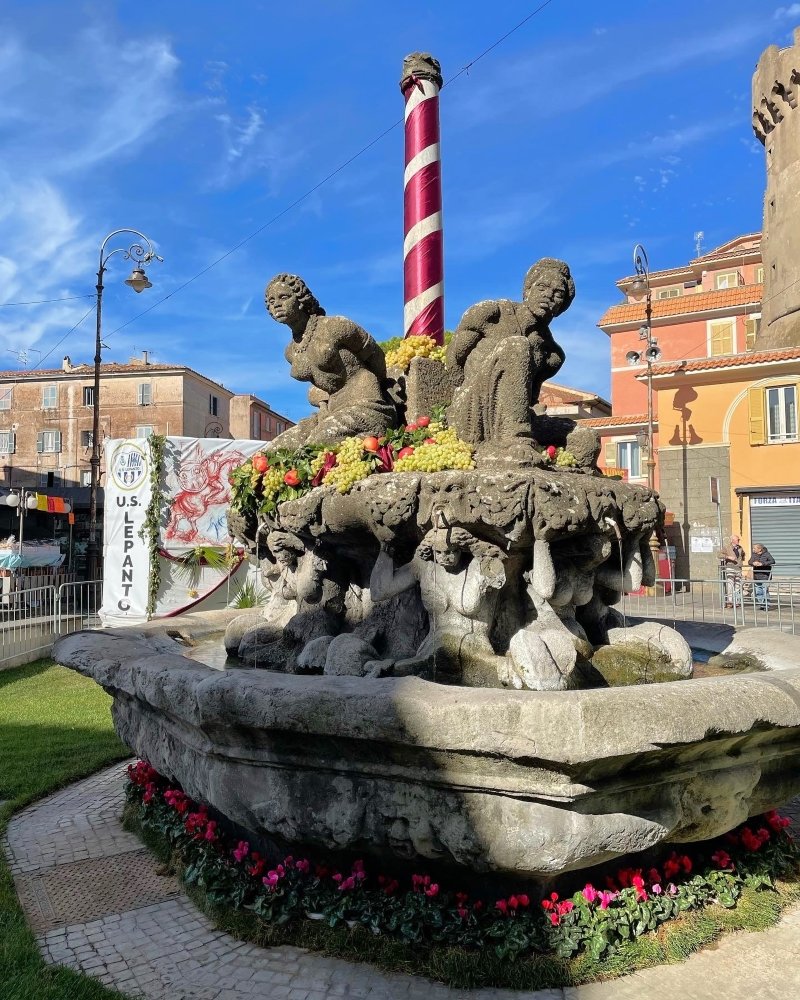
The real magic happens when 3000 litres at a time are pumped through the fountain – transforming the historic Fountain with the 4 Moors into a wine-dispensing wonder that draws crowds from across Italy and beyond.
When to Visit: Timing Your Perfect Trip
Festival Dates: The Sagra dell’Uva always occurs on the first Sunday in October. However, the festivities often extend throughout the weekend and sometimes longer – in 2024, the 100th edition celebrations ran from September 27 to October 7.
Best Time to Arrive: Get there early! The wine fountain ceremony typically happens in the afternoon, but festivities begin in the morning. Pro tip: weekdays during the festival period offer a more intimate experience with locals, while Sunday brings the full spectacle.
Weather: Late September to early October brings mild, changeable weather, think warm afternoons followed by crisp evenings. Pack layers – you’ll want to be comfortable while exploring cobblestone streets and outdoor festivities.
The Festival Experience: What to Expect
The Famous Wine Fountains
The crown jewel of the festival is witnessing the “miracle” where wine flows freely from the fountains. This isn’t just a gimmick – it’s a tradition rooted in celebrating the town’s victory at the Battle of Lepanto in 1571, which coincides with the feast of Madonna del Rosario.
Authentic Local Culture
The festival includes markets, fairs, exhibitions and live music, with the town festooned with grapes for the duration. You’ll also witness a religious procession and historical re-enactment of the victorious return to Marino of Prince Marcantonio Colonna after the Battle of Lepanto in 1571.
Food and Wine Paradise
This isn’t just about the spectacle – it’s a genuine celebration of local gastronomy. Expect:
- DOC Marino wines: Sample the town’s protected designation wines
- Traditional Roman-style dishes: Think supplì, porchetta, and seasonal specialties
- Harvest-themed treats: Fresh grape-based sweets and preserves
- Local olive oils and cheeses from the surrounding Castelli Romani region
Getting There: Your Transportation Options
From Rome by Train (Recommended)
The easiest and most economical way to reach Marino is by train from Rome:
- Departure: Direct trains from Roma Termini to Marino Laziale
- Journey Time: 34-39 minutes on average
- Frequency: Around 13-20 trains per day
- Cost: From $2.16-$2.98
- First Train: 6:13 AM
- Last Train: 9:58 PM
Festival Day Transportation: Special shuttle buses often run during festival weekends, connecting key points in town and helping manage the crowds.
By Car
- Distance: 14 miles (22 km) from Rome
- Driving Time: Approximately 29 minutes
- Parking: Expect limited parking during the festival – arrive very early or use park-and-ride options
Important Travel Tips
- Book early: With Jubilee 2025 drawing more travelers to Rome and its surroundings, planning is essential, especially if you’re hoping to experience the Sagra dell’Uva
- Download offline maps: The signal can be spotty when the crowds are at their peak
- Plan return journey: Train services can be overwhelmed on festival Sunday – consider staying later to avoid the rush
Where to Stay: Accommodation Options
In Marino
Local accommodations fill up quickly during festival weekend. Book months in advance for:
- Boutique B&Bs: Charming family-run establishments in the historic center
- Agriturismos: Farm stays in the surrounding vineyards
- Small hotels: Limited but authentic options
Alternative Bases
Consider staying in nearby Castelli Romani towns:
- Frascati: Famous wine town with excellent restaurants (15 minutes away)
- Castel Gandolfo: Papal summer residence with lake views (20 minutes)
- Albano Laziale: Historic town with good train connections (10 minutes)
Rome as a Base
Many visitors day-trip from Rome, which offers:
- Unlimited accommodation options
- Easy train access to Marino
- Opportunity to explore other attractions
What to Do Beyond the Wine
Explore the Historic Center
Marino’s medieval streets offer year-round charm:
- Chiesa di San Barnaba: The town’s beautiful parish church
- Palazzo Colonna: Historic noble residence
- Ancient Roman ruins: Scattered throughout the area
Discover the Castelli Romani
Use Marino as your base to explore:
- Lake Albano: Volcanic lake with scenic walks
- Papal residences: Castel Gandolfo’s historic significance
- Ancient Tusculum: Archaeological ruins with panoramic views
- Wine tasting: Year-round cellar tours and tastings
Seasonal Activities
- Hiking trails: Through volcanic hills and vineyards
- Photography tours: Capturing the beautiful landscape
- Cooking classes: Learning traditional Roman cuisine
Festival Etiquette and Insider Tips
Respectful Participation
- Bring a reusable cup: Many locals bring their own glasses for the fountain wine
- Dress comfortably: You’ll be walking on cobblestones and standing for periods
- Learn basic Italian phrases: Locals appreciate the effort, even if they speak some English
- Respect traditions: This is a genuine community celebration
Insider Secrets
- Arrive early on Friday or Saturday: Experience the setup and smaller crowds
- Connect with locals: Many families open their homes and share stories
- Explore side streets: The best food often comes from small family stalls
- Stay for the evening: Post-fountain celebrations can be the most magical part
What to Bring
- Layers of clothing: Weather can change throughout the day
- Comfortable walking shoes: Cobblestones can be challenging
- Camera: But be respectful when photographing locals
- Cash: Many vendors prefer cash payments
- Appetite: Come hungry and ready to try everything
Food and Drink: A Culinary Adventure
Must-Try Local Specialties
- Marino DOC wines: The stars of the show, especially the crisp whites
- Porchetta: Herb-crusted roast pork, a Roman specialty
- Supplì: Fried rice balls with mozzarella hearts
- Cacio e pepe: Simple but perfect Roman pasta
- Fresh grape-based sweets: Made especially for the festival
Wine Education
The festival offers an excellent opportunity to understand:
- DOC classification: What makes Marino wines special
- Local grape varieties: Malvasia, Trebbiano, and others
- Traditional winemaking: Many producers offer informal tastings and education
- Food pairing: How local dishes complement regional wines
Restaurant Recommendations
While street food dominates during the festival, consider:
- Family-run trattorias: Often offer special festival menus
- Enotecas: Wine bars with carefully curated selections
- Agriturismos: Farm-to-table experiences in the surrounding countryside
Planning Your Perfect Festival Day
Early Morning (9:00-11:00 AM)
- Arrive by train from Rome
- Explore the town before crowds arrive
- Visit local churches and historic sites
- Grab coffee and cornetti at a local bar
Mid-Morning (11:00 AM-1:00 PM)
- Browse market stalls and artisan booths
- Meet local producers and learn about their crafts
- Take photos of the decorated streets
- Purchase any souvenirs while selection is best
Afternoon (1:00-4:00 PM)
- Enjoy lunch at a local trattoria or food stall
- Participate in wine tastings
- Watch traditional performances and parades
- Position yourself for the fountain ceremony
Late Afternoon (4:00-7:00 PM)
- Witness the wine fountain “miracle”
- Join in the community celebrations
- Try different food stalls and local specialties
- Experience the peak festival atmosphere
Evening (7:00 PM onwards)
- Enjoy dinner with wine pairings
- Participate in evening entertainment
- Mingle with locals and other visitors
- Consider staying for the sunset views over Rome
Budget Planning: What to Expect
Transportation
- Train from Rome: $2-5 per person each way
- Taxi from Rome: $55-70 (split among group)
- Parking: Free to challenging depending on location
Food and Drink
- Street food: $3-8 per item
- Wine tastings: $5-15 per session
- Restaurant meals: $15-35 per person
- Souvenir bottles: $10-30 depending on quality
Accommodation
- Rome hotels: $50-200+ per night depending on season and quality
- Local B&Bs: $60-120 per night (book well in advance)
- Agriturismos: $80-150 per night including breakfast
Total Daily Budget
- Budget traveler: $30-50 per person (day trip from Rome)
- Mid-range experience: $60-100 per person
- Luxury celebration: $150+ per person
Cultural Context: Understanding the Tradition
Historical Significance
The Sagra del’Uva in Marina dates back to the Middle Ages in honor of the victory in Lepanto over the Turks in 1571. In 1573, the festival was officially celebrated for the first time. This isn’t just a harvest celebration – it’s a commemoration of a significant military victory that helped shape European history.
Religious Elements
The festival coincides with the feast of Madonna del Rosario, blending secular celebration with religious observance. You’ll witness processions and blessings that have remained unchanged for centuries.
Community Significance
For those visiting Rome in the Jubilee 2025, it offers a meaningful, festive, and uniquely local experience. This is community celebration at its finest – neighbors opening their doors, sharing their best wines, and welcoming strangers as friends.
Beyond the Festival: Year-Round Marino
Wine Tourism
Marino’s wine culture doesn’t stop with the festival:
- Cellar visits: Many producers offer year-round tours
- Harvest participation: September visits allow hands-on grape picking
- Wine education courses: Learn from local experts
- Seasonal festivals: Smaller celebrations throughout the year
Natural Beauty
The Castelli Romani region offers:
- Volcanic lakes: Perfect for swimming and boating
- Hiking trails: Through ancient forests and vineyards
- Archaeological sites: Roman ruins and medieval castles
- Panoramic viewpoints: Overlooking Rome and the Mediterranean
Making the Most of Your Visit
Photography Tips
- Golden hour shots: Early morning and late afternoon provide the best light
- Candid moments: Capture locals in traditional dress and celebration
- Architectural details: Medieval streets and historic buildings
- Food photography: Document the incredible array of local specialties
Connecting with Culture
- Language: Learn basic Italian wine terminology
- History: Read about the Battle of Lepanto before visiting
- Music: Traditional Italian folk songs often accompany celebrations
- Crafts: Local artisans often demonstrate traditional techniques
Sustainable Tourism
- Support local businesses: Choose family-run establishments
- Respect the environment: The volcanic soil and ancient vines need protection
- Cultural sensitivity: Remember you’re a guest in a genuine community celebration
- Leave no trace: Help keep this beautiful town pristine for future visitors
Final Thoughts: Why Marino’s Festival Matters
In our age of Instagram-perfect tourist attractions and manufactured experiences, Marino’s Sagra dell’Uva stands as something increasingly rare: an authentic community celebration that welcomes outsiders without losing its soul. In a world of over-curated travel moments, Marino’s grape festival reminds us that the best memories are often fermented slowly, shared generously, and poured into a glass held high in good company.
Whether you’re a wine enthusiast, a cultural explorer, or simply someone seeking genuine Italian experiences, the Marino Wine Festival offers something magical. It’s a chance to step back in time, to experience community in its purest form, and to understand why Italians have been celebrating life’s simple pleasures for centuries.
Plan ahead, arrive with an open heart and an empty stomach, and prepare for one of Italy’s most authentic and joyful celebrations. Just remember – the wine may flow from the fountains for only one day, but the memories will last a lifetime.
Saluti from Marino!