



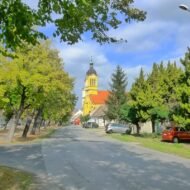

TL;DR: Modra is Slovakia’s charming wine capital just 35 minutes from Bratislava, famous for its blue ceramic pottery, world-class wines from the Small Carpathians region, and rich history dating back to medieval times. Perfect for day trips or weekend getaways combining wine tastings, cultural experiences, and mountain hiking.
- Why Modra Should Be Your Next Destination
- Getting There: Easier Than You Think
- Wine Culture: Slovakia’s Liquid Gold
- The Small Carpathians Wine Region
- Must-Visit Wineries & Wine Experiences
- Wine Events Not to Miss
- Wine Varieties to Try
- The Famous Blue Pottery: A Living Art Tradition
- Why Blue? The Story Behind Modra Ceramics
- Where to Experience Pottery Culture
- Pottery Experiences You Can’t Miss
- Historic Sights & Cultural Attractions
- Outdoor Adventures & Nature
- Food & Drink: Taste the Local Life
- Family-Friendly Activities
- Shopping & Souvenirs
- Where to Stay
- Planning Your Visit
- Practical Tips
- Beyond Modra: Day Trip Extensions
- Final Thoughts: Why Modra Matters
Why Modra Should Be Your Next Destination
Picture this: rolling vineyards cascading down hillsides, centuries-old wine cellars carved into rock, artisans crafting stunning blue pottery by hand, and some of Central Europe’s most underrated wines waiting to be discovered. That’s Modra – Slovakia’s best-kept secret that’s finally ready for its close-up.
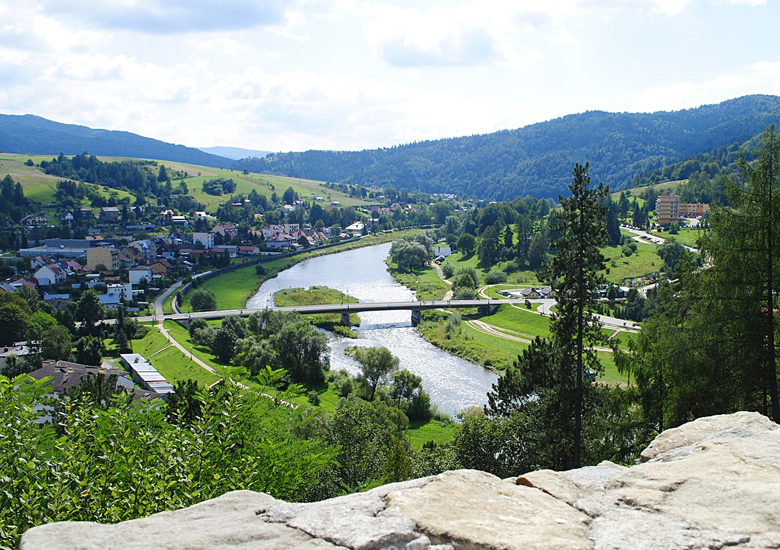
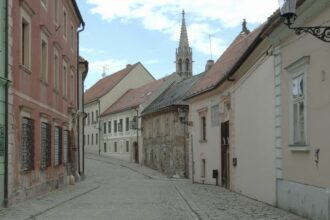
This historic town of about 9,200 people sits nestled in the foothills of the Little Carpathian mountains, just 35 minutes northeast of Bratislava. The name literally means “blue” in Slovak, and you’ll understand why the moment you see the town’s famous azure-colored ceramics that have been crafted here for centuries.
What makes Modra special isn’t just one thing – it’s the perfect storm of wine culture, artistic tradition, outdoor adventure, and authentic Slovak charm all wrapped up in one incredibly accessible package.
Getting There: Easier Than You Think
From Bratislava:
- By Car: 35-40 minutes via highway (perfect for wine tours!)
- By Bus: Route 502, about 1 hour
- By Train: Just 20 minutes to nearby Šenkvice, then quick transfer
From Vienna: About 1.5 hours by car – ideal for a cross-border adventure
Pro tip: If you’re planning wine tastings, consider hiring a Wine Taxi service with fixed rates from Bratislava (around €76 for a passenger car) – it’s worth every euro for the peace of mind and local knowledge.
Wine Culture: Slovakia’s Liquid Gold
The Small Carpathians Wine Region
Modra sits in the heart of Slovakia’s Small Carpathians wine region, the country’s oldest and most prestigious wine area, where winemaking traditions stretch back over 2,000 years to Celtic and Roman times. It’s been called Slovakia’s wine capital since 1922, when it became home to the country’s specialized viticulture school.
Must-Visit Wineries & Wine Experiences
ELESKO Wine Park 🌟 This ultra-modern winery complex features luxury apartments, a full relaxation center, restaurant, and the largest collection of Andy Warhol originals in Slovakia at the Zoya Gallery. It’s where cutting-edge winemaking meets world-class art – uniquely Slovak!
Vino Fiala 🍷 Consistently rated as visitors’ favorite winery experience, featuring authentic Slovakian goulash cooked by Martin’s mother, expert wine cellar tours, and fascinating WWII history stories. Dog-friendly too!
Chateau Modra The Šebo family has been making wine here for over 400 years. Their premium wines from exclusively estate-grown grapes have earned numerous international awards.
R.K. Vin Modra Specializes in traditional varieties like Grüner Veltliner, Riesling, and St. Laurent grown on Modra’s distinctive sandy, rocky soils and clay slopes.
Wine Events Not to Miss
- September: Little Carpathians Vintage Festival and Vitis Aurea wine competition
- November: Day of Open Cellars – over 100 cellars open their doors for tastings during the two-day Malokarpatská vínna cesta celebration
Wine Varieties to Try
Must-taste varieties include Veltlínske Zelené (Grüner Veltliner), Rizling Vlašský (Welschriesling), Frankovka Modrá (Blaufränkisch), and Svätovavrinecké (St. Laurent). Slovakia has also created unique varieties like Dunaj, Alibernet, and Hron that you literally can’t taste anywhere else in the world.
The Famous Blue Pottery: A Living Art Tradition
Why Blue? The Story Behind Modra Ceramics
Modra’s ceramic tradition dates back to at least the 14th century, but the famous colorful pottery began with Haban Anabaptists in the 16th century who used four basic colors – blue, green, yellow, and purple – with red banned for religious reasons.
The modern majolica tradition was preserved when a pottery workshop was established in 1883, which eventually became the cooperative Slovak Folk Majolica in 1952. This pottery-making tradition has earned inscription in Slovakia’s Representative List of Intangible Cultural Heritage.
Where to Experience Pottery Culture
Slovenská ľudová majolika (Slovak Folk Majolica) Take educational tours starting every hour from 10:00-16:00, including workshop visits, demonstrations by master ceramists, and documentary films. You can even paint your own pottery that gets fired and delivered to you!
Ceramics Museum Located in a beautifully restored technical monument building that’s now also the Majolika Hotel, featuring preserved historic kilns.
Fedor Malik & Son One of several artisan workshops where you can watch pottery being made and purchase authentic pieces.
Pottery Experiences You Can’t Miss
- Paint Your Own Pottery: 90-minute sessions where you decorate mugs, bowls, or vases (€20-35) that are fired and shipped to you
- Workshop Tours: See the largest car chamber kilns in Slovakia in action
- Shopping: Browse traditional patterns including Variegated (multi-color), Blue, Green, and historic Haban designs
Historic Sights & Cultural Attractions
Churches & Religious Architecture
Church of St. John the Baptist This Gothic church from the second half of the 14th century is the town’s oldest and most valuable historical monument.
Church of St. Stephen the King Beautiful Roman Catholic church from 1873-1876 located right on the market square.
Evangelical Churches Two historic Protestant churches – the “German church” from 1714 and “Slovak church” from 1715, standing side by side with a small Baroque chapel.
Historical Significance
Modra received Free Royal Town privileges in 1607 from Emperor Rudolf II, making it one of the most significant Hungarian Royal towns. Between 1610-1646, impressive town fortifications were built, with ruins and the Upper Gate still visible today.
Museums & Galleries
Zoya Gallery Houses one of Europe’s largest Andy Warhol collections, though pieces often travel for exhibitions worldwide. Set in a beautiful vineyard location.
Ľudovít Štúr Memorial The famous Slovak language codifier lived his final years in Modra and died here in 1856. Learn why he’s crucial to Slovak identity and why Modra is considered the third national cemetery.
Outdoor Adventures & Nature
Hiking in the Little Carpathians
Veľká Homoľa Observation Tower The most popular hiking destination – a 2.5-hour walk from town center to a 20-meter observation tower offering panoramic views of the Little Carpathians, Austrian Alps, and surrounding regions. The tower was completely rebuilt in 2018.
Mountain Recreation Resorts Two historic mountain retreats: Modra-Harmónia and Piesky (Sand) resort with Zochova Cottage, both perfect for forest walks and relaxation.
Cycling & Wine Route Trails
Excellent walking and biking trails wind through vineyards and scenic countryside, offering stops at various wineries along the way. Follow the official Little Carpathians Wine Route connecting Modra with Pezinok and Svätý Jur.
Food & Drink: Taste the Local Life
Traditional Slovak Cuisine
Wine and food pairing is serious business here. Little Carpathians wines pair exceptionally well with traditional Slovak cuisine, and many wineries offer food pairings featuring:
- Goulash: Authentic Slovak goulash as served at Vino Fiala
- Venison specialties: Popular at upscale wine parks
- Traditional bread and cheese combinations
- Seasonal harvest dishes
Where to Eat
Most visitors combine dining with winery visits, but the town also has traditional Slovak restaurants and cafes. ELESKO Wine Park offers high-end dining, though expect premium prices for the quality and setting.
Family-Friendly Activities
For Kids & Families
Family Farms Visit idyllic family farms under the forest where kids can watch domestic animals, ride horses, and participate in creative workshops during thematic weekends.
Pottery Activities Children love the hands-on pottery painting experiences – it’s both educational and fun!
Nature Exploration Easy walking trails suitable for families, plus playground areas at some recreational sites.
Shopping & Souvenirs
What to Buy
Authentic Modra Pottery
- Traditional blue and white pieces
- Contemporary designs from local artisans
- Custom-painted pottery from your own workshop experience
Local Wines
- Bottles from small family producers
- Unique Slovak grape varieties
- Award-winning selections from major wineries
Local Crafts Browse workshops and studios throughout the old town for handmade items and traditional crafts.
Where to Stay
Accommodation Options
Modra Town Range of options from budget-conscious accommodations to spa resorts, with June-August typically offering the lowest hotel prices.
Wine Country Lodging Charming guesthouses and boutique hotels nestled in vineyard-covered hills, particularly in and around Modra, providing easy access to wineries and tasting rooms.
Near Bratislava Many visitors choose to stay in Bratislava and take day trips, given the short travel time.
Recommended Areas
Stay close to the historic town center for walking access to pottery workshops, restaurants, and the beginning of hiking trails. Wine enthusiasts might prefer accommodations near the vineyard areas.
Planning Your Visit
Best Time to Visit
September-October: Peak season during wine harvest with festivals, perfect weather, and vibrant community celebrations
May-August: Great weather for hiking and outdoor activities, though busier with tourists
November: Perfect for serious wine lovers during the two-day open cellars celebration
Winter: Quieter but cozy, with opportunities for intimate winery visits and pottery workshops
How Long to Stay
- Day Trip from Bratislava: 6-8 hours for pottery workshop, wine tasting, and town exploration
- Weekend: Perfect for in-depth wine experiences, hiking, and cultural sites
- 3-4 Days: Ideal for wine route touring, combining with nearby Pezinok and Svätý Jur
Budget Considerations
- Pottery workshops: €20-35 per person
- Wine tastings: €10-30 depending on the winery
- Meals: €15-40 per person (higher at wine parks)
- Accommodations: €40-120 per night depending on style and season
Practical Tips
Language & Communication
- Slovak is the main language, but many winery staff speak English and German
- Local guides often offer tours in multiple languages, particularly German
Transportation
- Rent a car for maximum flexibility, especially for winery hopping
- Wine Taxi services available for safe wine touring
- Good public transport connections to Bratislava
Cultural Etiquette
- Wine tasting is taken seriously – don’t rush
- Pottery workshops require advance booking, especially on weekends
- Hiking trails are well-marked but bring proper footwear
What to Pack
- Comfortable walking shoes for cobblestone streets and vineyard trails
- Camera for the stunning vineyard landscapes
- Casual smart clothes for winery visits
- Weather-appropriate gear for hiking
Beyond Modra: Day Trip Extensions
Nearby Attractions
Červený Kameň Castle Historic castle with tours available, popular for wedding photography with beautiful grounds.
Pezinok & Svätý Jur Other charming wine towns along the Little Carpathians Wine Route, each with distinctive winemaking traditions.
Bratislava Perfect for extending your trip with urban culture, riverside dining, and historic old town exploration.
Final Thoughts: Why Modra Matters
Modra isn’t just another wine region or tourist destination – it’s a place where authentic Slovak culture is alive and thriving. Here, you can witness centuries-old pottery techniques being preserved and evolved by passionate artisans. You can taste wines from one of Europe’s truly cool-climate regions that’s finally emerging on the international scene. And you can experience the genuine warmth of Slovak hospitality in a setting that’s both historically significant and naturally beautiful.
Whether you’re a wine enthusiast, culture lover, outdoor adventurer, or simply someone seeking authentic travel experiences, Modra offers something special that you won’t find anywhere else. It’s Slovakia’s hidden gem that’s ready to be discovered – and once you visit, you’ll understand why locals are so passionate about sharing their “blue” town with the world.
Ready to explore Modra? Start planning your wine and pottery adventure in Slovakia’s most charming small town – your taste buds and Instagram feed will thank you!
Have you visited Modra or are you planning a trip? Share your experiences and questions in the comments below!