











TL;DR: Monemvasia is a jaw-dropping medieval fortress town built into a 1,000-foot rock island off Greece’s Peloponnese coast. Think Venice meets Game of Thrones, minus the crowds. This Byzantine-era gem offers cobblestone streets, boutique hotels in restored medieval mansions, pristine beaches, and some of the best sunset views in Greece—all without the Santorini price tag or Instagram hordes. Plus, you can sail right up to it or park your campervan nearby for a budget-friendly adventure.
- What Exactly IS Monemvasia?
- Getting There (It’s Easier Than You Think)
- Where to Stay: Sleep Inside History (Or Camp Under the Stars)
- What to Actually Do
- Explore the Lower Town (Kato Poli)
- Climb to the Upper Town (Ano Poli)
- Beach Time
- Wine Tasting
- Water Activities
- Food: What You’re Really Here For
- When to Visit
- Money Talk: What’ll This Cost You?
- Practical Stuff Nobody Tells You
- Beyond Monemvasia: Day Trip Ideas
- The Real Deal: Why You Should Go
- Quick Recap
- Disclaimer
Listen, I get it. When you think “Greek island getaway,” your mind probably jumps straight to Santorini’s blue domes or Mykonos’s beach clubs. But what if I told you there’s a place in Greece that feels like you’ve stumbled through a time portal into the 1300s, where cars literally can’t go, where Byzantine churches outnumber tourists, and where you can sip local Malvasia wine while watching the Aegean shimmer below ancient stone ramparts?
Welcome to Monemvasia—and trust me, you’re going to want to bookmark this.
What Exactly IS Monemvasia?
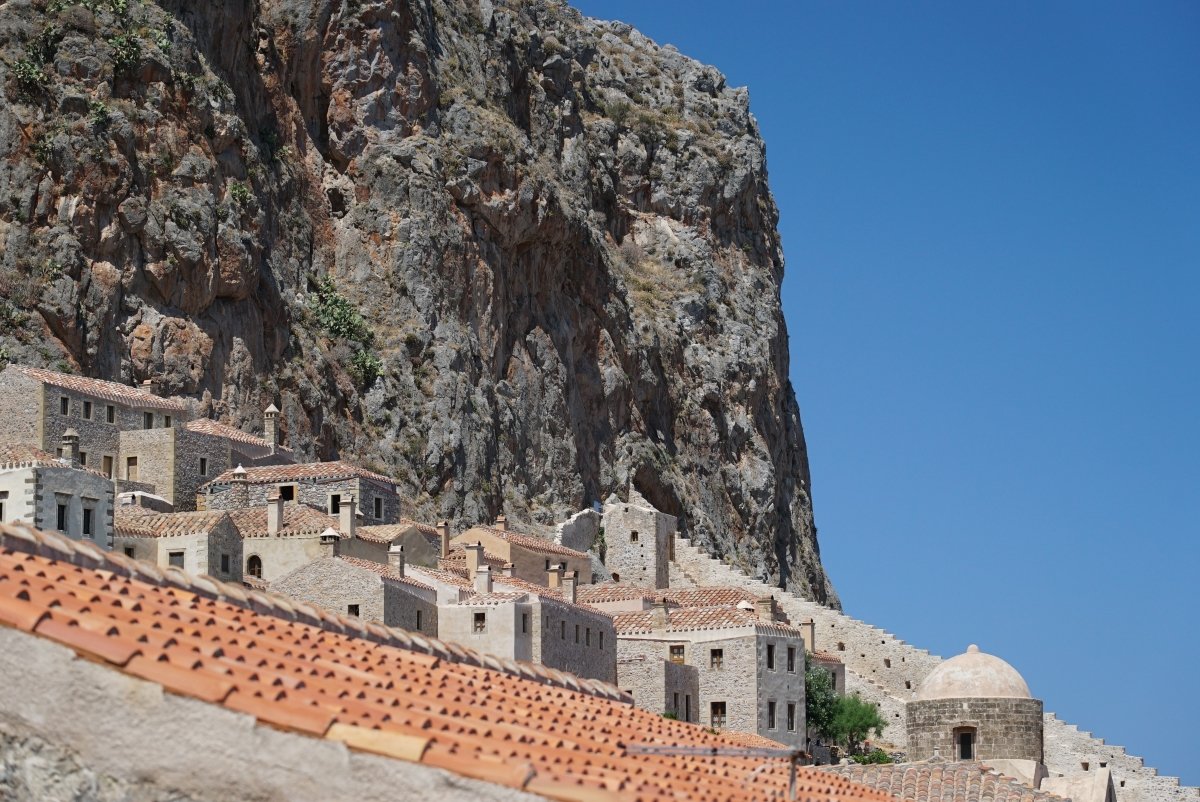
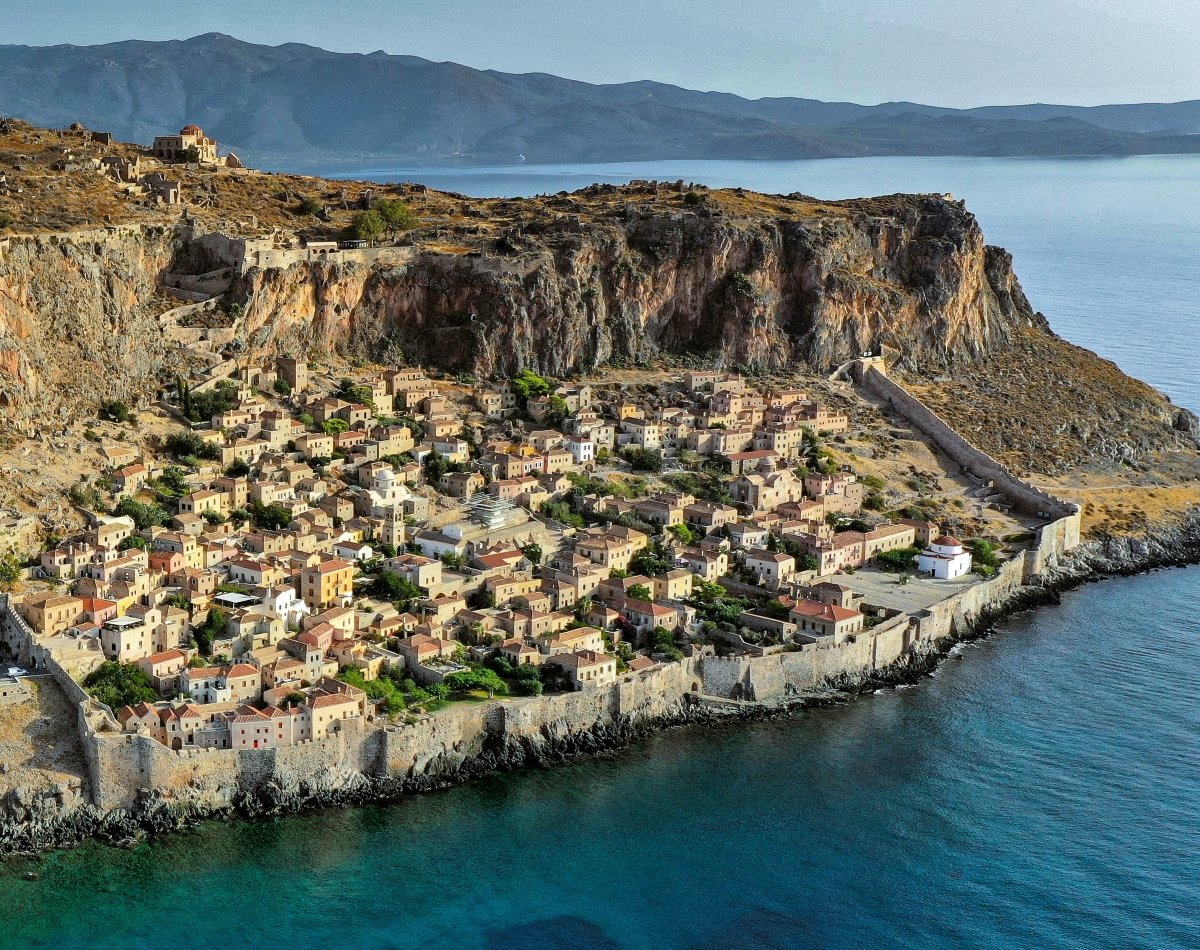
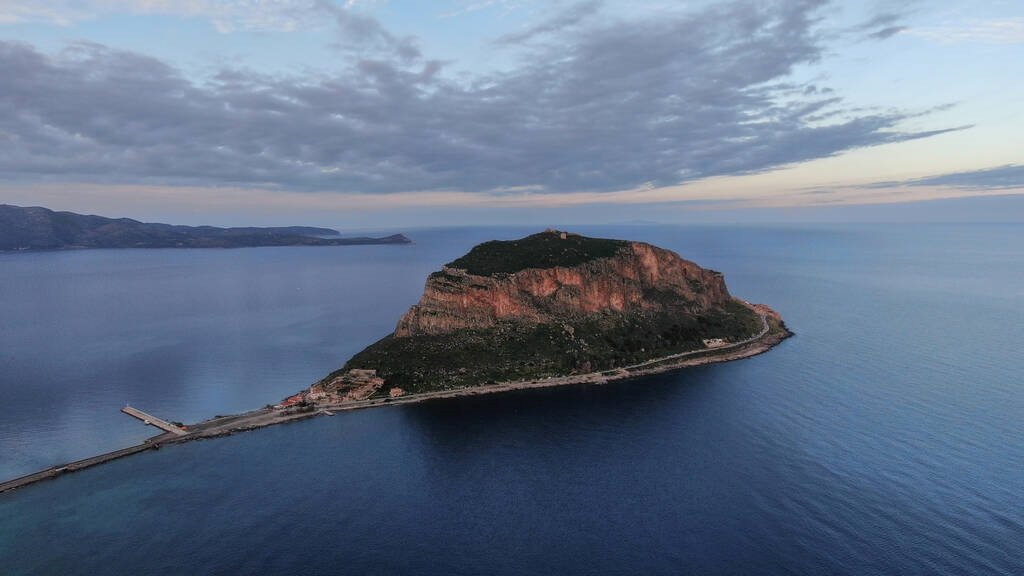
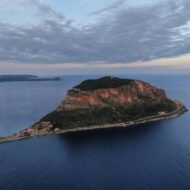
Picture this: a massive rock island, connected to mainland Greece by a single 200-meter causeway, with an entire medieval town hidden on its seaward side. The name literally means “single entrance” (moni emvasis), and that’s not marketing spin—there’s genuinely only one way in.
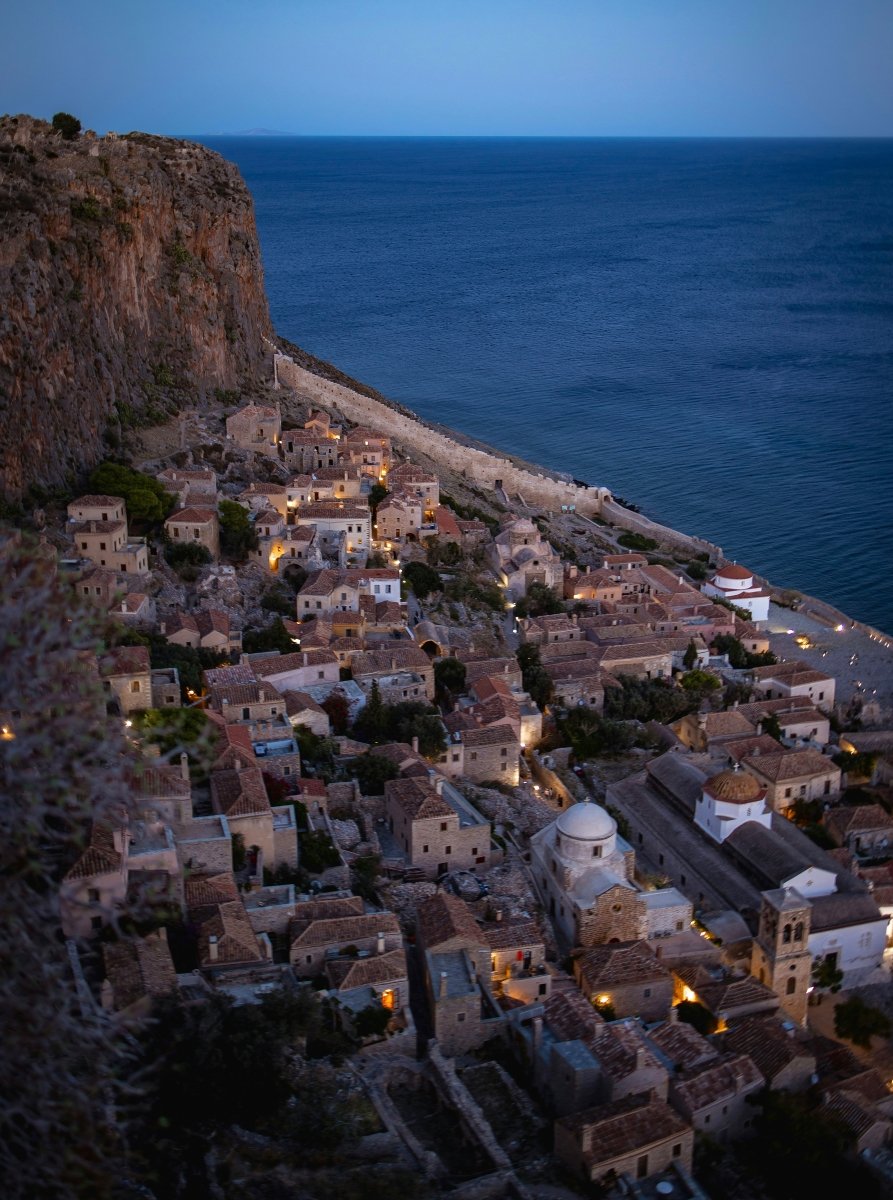
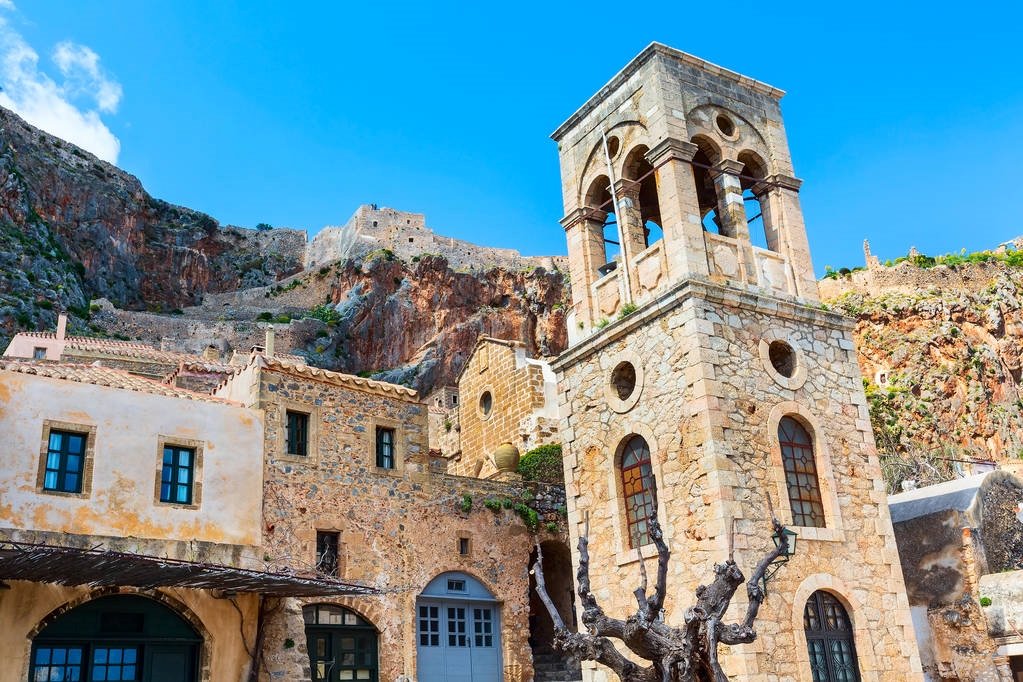
This isn’t some reconstructed tourist trap. Monemvasia has been continuously inhabited since 583 CE, when refugees fleeing Slavic invasions built a fortress city on this Gibraltar-like rock. Byzantines, Crusaders, Venetians, and Ottomans all fought over it, each leaving their architectural fingerprints. The result? A living museum where people actually live, work, and run businesses inside 13th-century buildings.
Getting There (It’s Easier Than You Think)
From Athens:
- Drive: 4-4.5 hours southeast through the Peloponnese (totally doable as a road trip)
- Bus: KTEL buses run daily from Athens to Monemvasia town (around €30-35)
- Fly + Drive: Athens to Kalamata Airport, then 2.5-hour scenic drive
From Other Greek Destinations:
- Sparta: 1.5 hours
- Nafplio: 2.5 hours
- Gythio: 1.5 hours
By Boat/Sail:
Here’s where it gets exciting for sailors and boat owners. Monemvasia is accessible by sea and makes an incredible stop on a Peloponnese sailing itinerary.
Marina Facilities:
- Small harbor on the northern side of the rock with limited mooring spots
- Primarily fishing boats and small pleasure craft
- No formal marina with full facilities, but anchorage is possible
- Depths vary 3-8 meters depending on location
- Protection from southern winds, but exposed to north winds
Approach Notes:
- Prominent landmark visible from miles away (that giant rock is unmistakable)
- Approach from the north is straightforward
- Watch for the causeway connecting to mainland
- Local tavernas may help arrange mooring if harbor spots are full
- Consider anchoring in nearby bays (Pori Bay to the south) and dinghying in
Charter Connections:
- Several sailing charters from Nafplio, Athens, or Hydra include Monemvasia stops
- Day trip boats run from nearby ports in summer season
- The view of the fortress from the water is absolutely spectacular—arguably better than from land
Pro tip for sailors: The dramatic cliff face and medieval walls rising from the sea make for stunning photos. Sunset anchorage here is genuinely magical, with the fortress lit up against the darkening sky.
Pro tip for road trippers: Rent a car. The freedom to explore the surrounding Peloponnese coast and villages is absolutely worth it, even though you’ll park it on the mainland side before crossing the causeway on foot.
Where to Stay: Sleep Inside History (Or Camp Under the Stars)
Here’s where Monemvasia gets really cool—many accommodations are inside restored medieval mansions within the fortress itself. We’re talking stone walls that have stood for 600+ years, vaulted ceilings, and views that’ll make your Instagram followers weep.
Inside the Castle Town (Kastro):
- Kinsterna Hotel: Converted Byzantine cistern complex with a pool overlooking the sea (splurge-worthy)
- Malvasia Traditional Hotel: Family-run spot in a captain’s mansion, all exposed stone and wooden beams
- Likinia Hotel: Budget-friendly option with genuine medieval character
Mainland Side (Gefyra):
- Modern hotels and apartments with castle views
- Generally cheaper, with parking and easier luggage handling
- Still just a 5-minute walk to the causeway
Camping & Campervan Options:
Now we’re talking budget-friendly adventure! The Monemvasia area has several options for campers and van-lifers.
Official Campgrounds:
- Camping Paradise: Located about 7km north of Monemvasia near Agios Fokas beach
- Full facilities: showers, electricity, WiFi
- Direct beach access
- Around €10-15 per person per night
- Campervan-friendly with hookups
- Open roughly April-October (seasonal)
- Camping Elafonissos: About 45 minutes away on Elafonissos island
- Worth it for the incredible beaches
- Good facilities, beach camping vibe
Wild/Free Camping Considerations:
- Greece technically prohibits wild camping, but enforcement varies
- Some travelers park campervans along coastal roads near beaches
- Be discreet, leave no trace, and respect private property
- Beach parking lots near Pori and other southern beaches sometimes tolerate overnight parking
- Local attitudes are generally relaxed in off-season, stricter in July-August
Campervan Practicalities:
- Parking in Gefyra (mainland) has space for larger vehicles
- Obviously can’t drive into the castle town
- Fresh water available in Gefyra
- Dump stations limited—nearest reliable facilities in larger towns like Molai
- Fuel stations available in Gefyra and surrounding villages
Budget Hack: Camp at Paradise or park your van in Gefyra, then walk into the castle town for exploring. You get the medieval experience by day, beachside camping vibes by night, and save serious money on accommodation.
Honestly? Try to spend at least one night inside the castle if your budget allows. Yes, you’ll lug your suitcase over cobblestones. Yes, it costs more. But waking up inside a medieval fortress town as the sun rises over the Aegean? That’s the kind of memory that justifies the whole trip. That said, I’ve met plenty of happy campers (literally) who loved the freedom of their van setup combined with daily fortress visits.
What to Actually Do
Explore the Lower Town (Kato Poli)
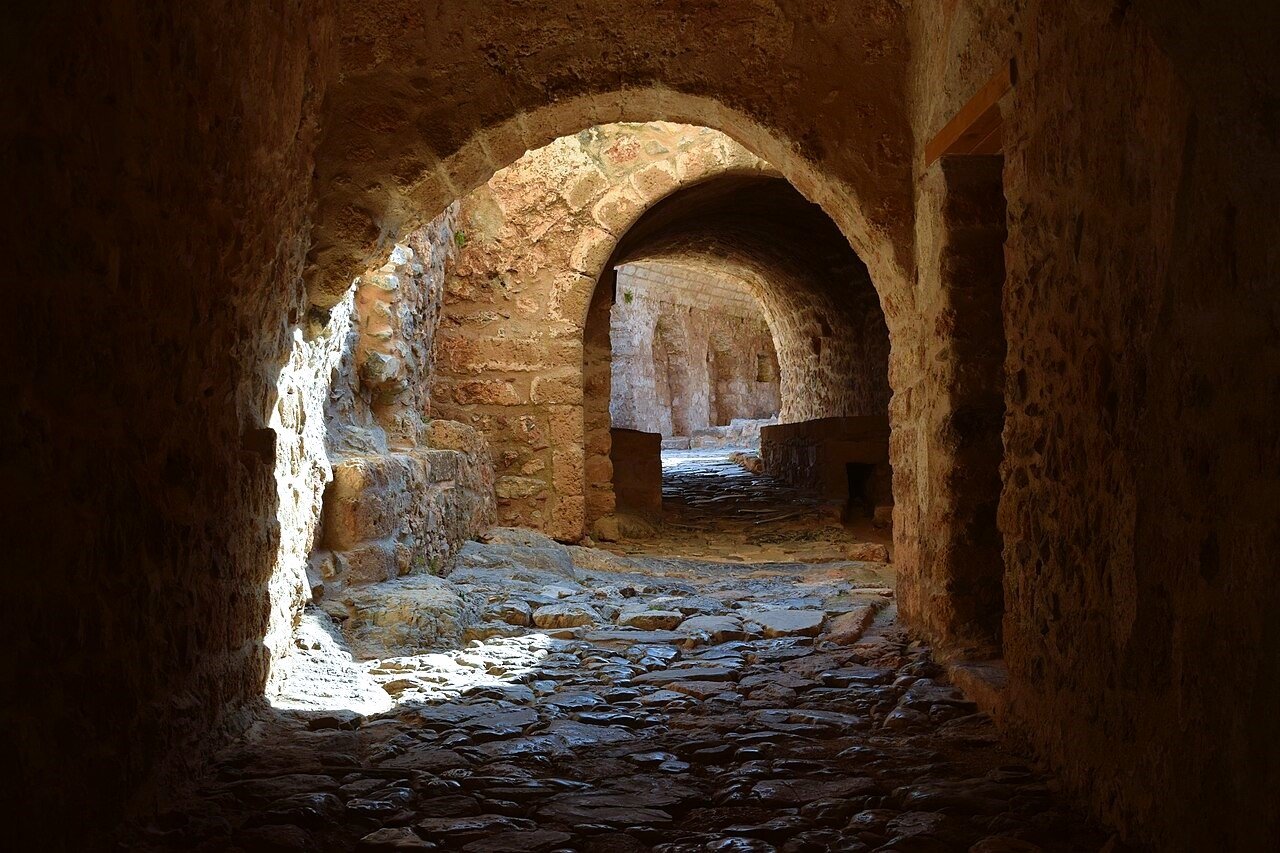
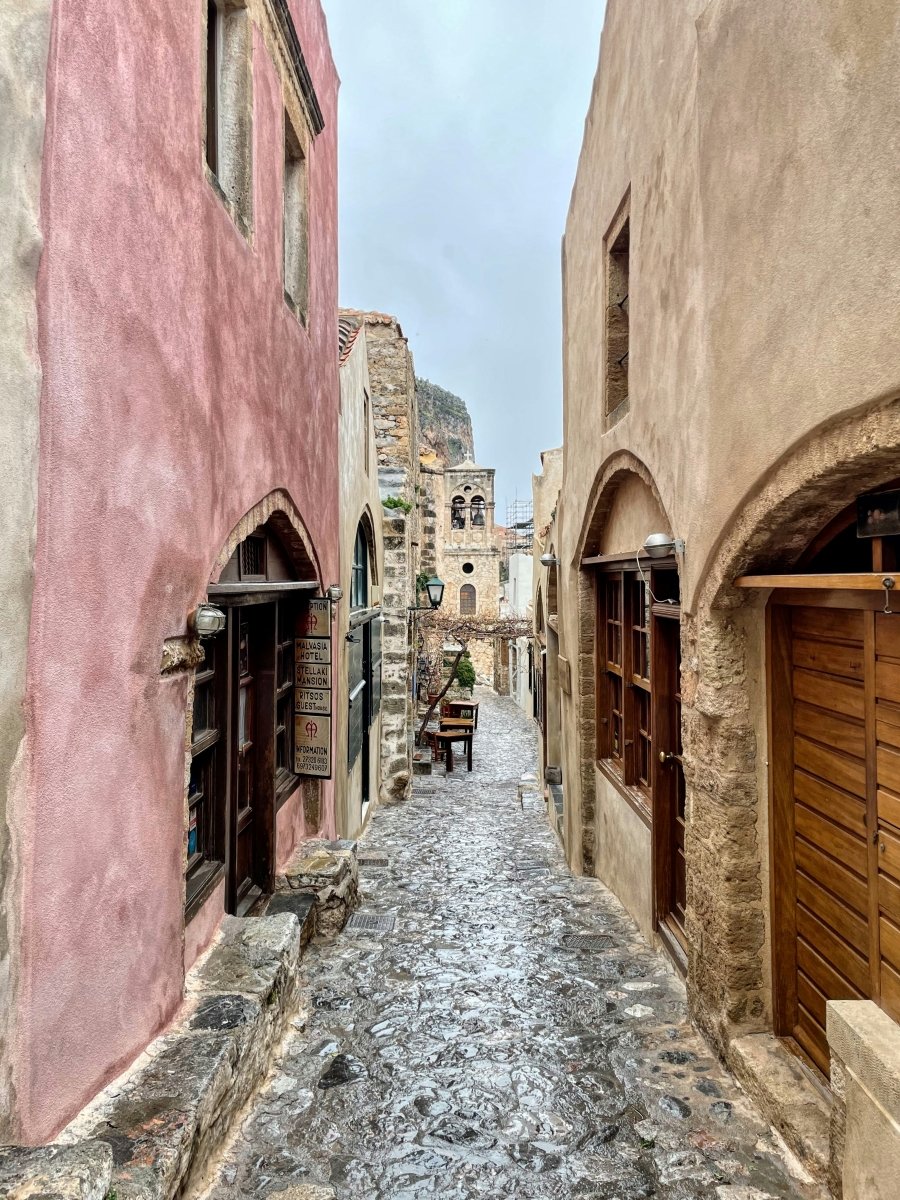
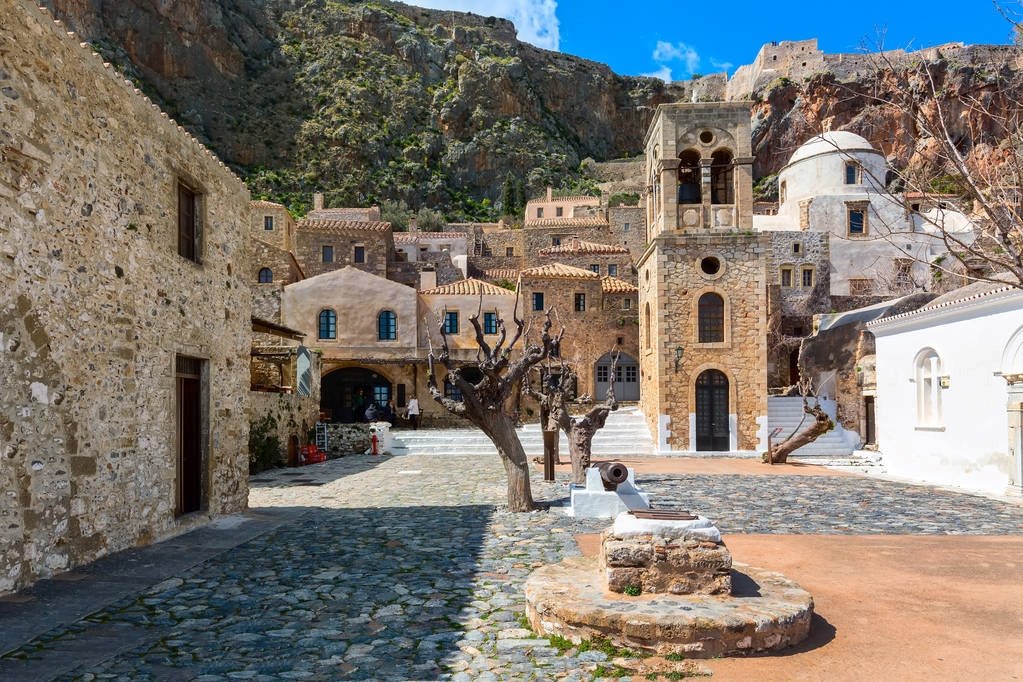
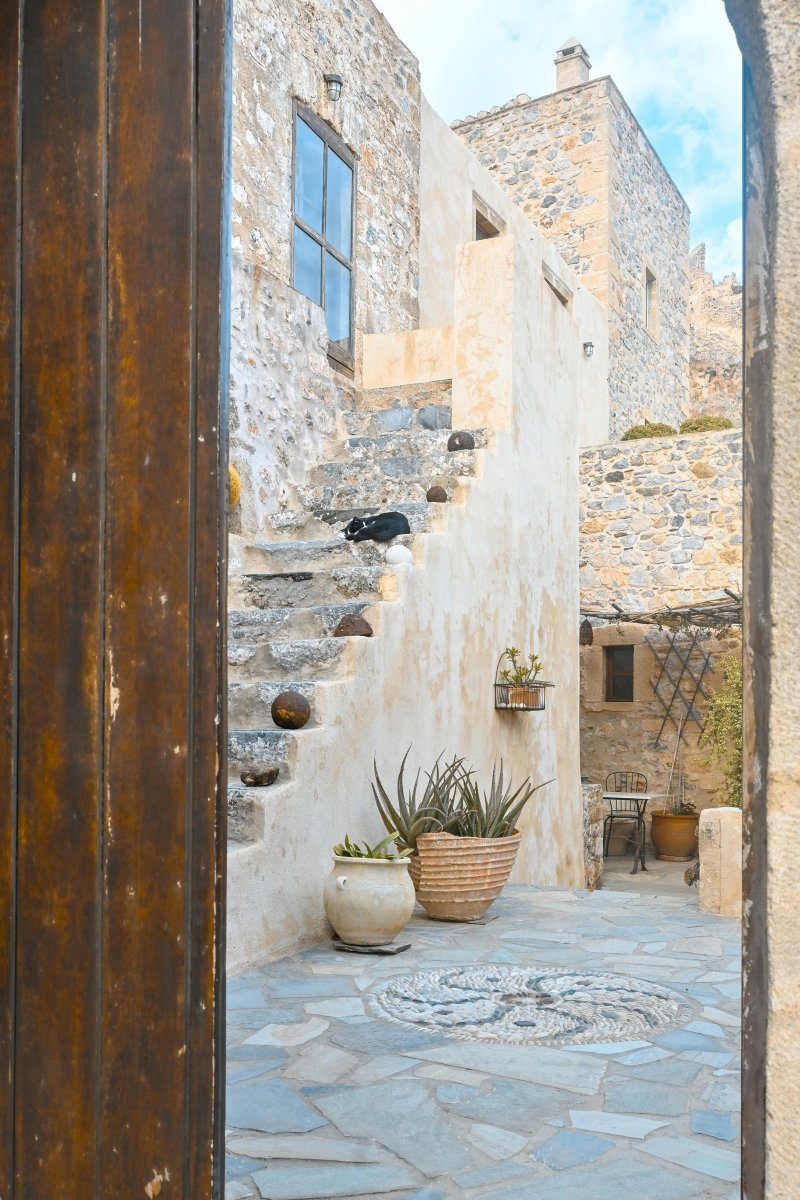
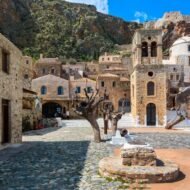
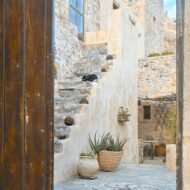
This is where most visitors spend their time, and it’s absolutely magical. The maze of narrow cobblestone alleys winds between stone houses, each turn revealing another Byzantine church, a hidden courtyard, or a perfectly framed sea view.
Must-sees:
- Elkomenos Christos Church: The main cathedral, 13th-century elegance with a carved marble iconostasis
- Mosque of 1574: Ottoman legacy turned cultural center, with great views from its courtyard
- The Main Square: Lined with tavernas and cafes where locals actually hang out
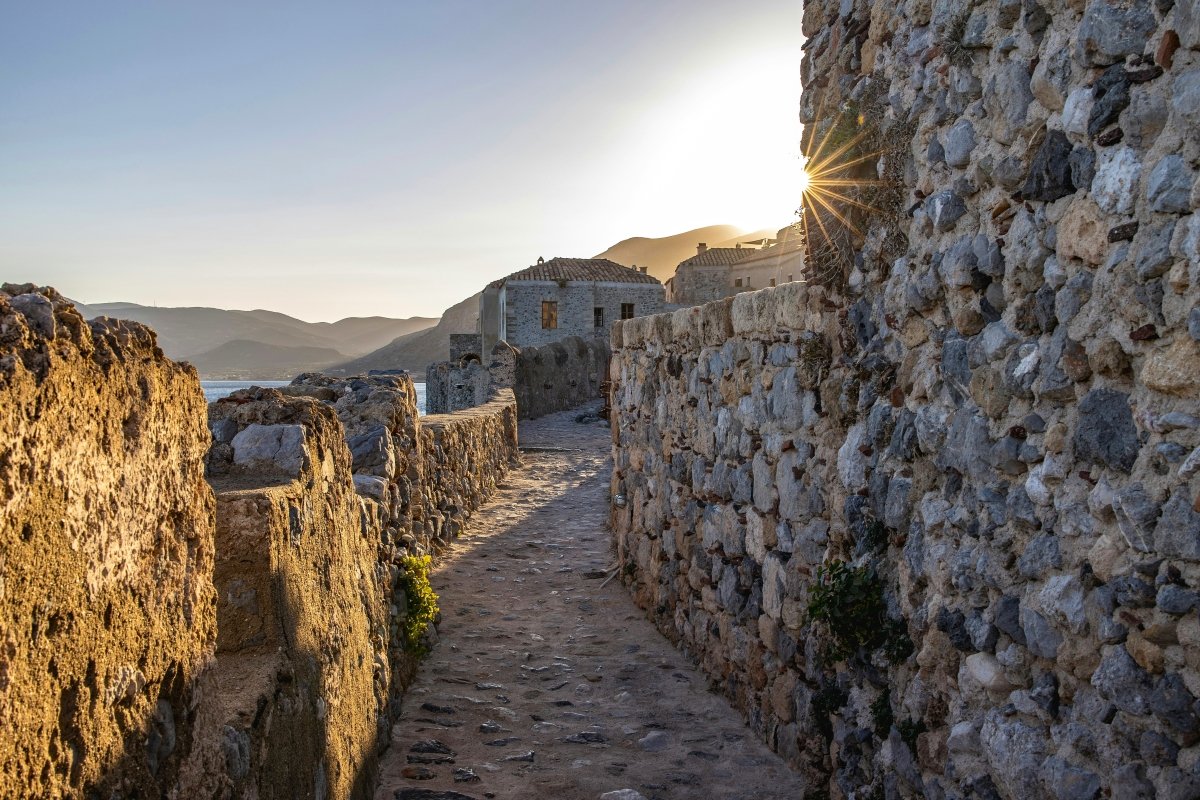
- Medieval Walls: Walk the ramparts for panoramic views
Get lost. Seriously. The town is small enough that you can’t actually get lost-lost, but wandering without Google Maps is half the fun.
Climb to the Upper Town (Ano Poli)
Okay, this is where casual tourists separate from adventure seekers. A steep, zigzagging stone path climbs 300 meters up to the Upper Town—the original fortress settlement that’s now romantically ruined.
What’s up there:
- Agia Sophia Church, perched on the cliff edge like a Byzantine eagle’s nest (6th century!)
- Crumbling walls and cisterns
- Possibly the best view in the entire Peloponnese
- Blissful solitude (most visitors don’t make the climb)
Pack water, wear proper shoes, and give yourself 30-40 minutes for the ascent. Going at sunset? Chef’s kiss.
Beach Time
The surrounding coastline is studded with gorgeous beaches, and none of them feel overrun.
Top picks:
- Pori Beach: 15 minutes south, pebbly and crystal-clear (popular campervan parking area)
- Plytra Beach: Organized with sunbeds, good for families
- Ampelakia Beach: Secret local spot with turquoise water
- Agios Fokas Beach: Near Camping Paradise, quieter and swimmable
Pro tip: The beaches get packed with Greek families in July-August weekends. Visit weekdays or shoulder season for that “private beach” feeling.
Wine Tasting
Monemvasia gave its name to Malvasia wine—a sweet variety that was exported across medieval Europe and mentioned in Shakespeare. Local wineries have revived production, and tasting sessions are both educational and delicious.
Try:
- Monemvasia Winery (the official revival project)
- Local tavernas serving estate wines
Pair it with local cheeses and you’ve got yourself an afternoon.
Water Activities
For Sailors & Boaters:
- Explore the dramatic coastline by sea
- Hidden coves and swimming spots only accessible by boat
- Snorkeling around the rock’s base (clear waters, interesting rock formations)
- Day sails to nearby Elafonisos or up the coast toward Kyparissi
For Everyone Else:
- Kayak rentals available seasonally
- Stand-up paddleboarding
- Fishing trips from local boats
- Scuba diving centers in nearby towns
Food: What You’re Really Here For
Greek island food hits different, but Monemvasia takes it up a notch with Laconian specialties.
Must-try dishes:
- Gouna: Sun-dried mackerel, an ancient preservation method still used locally
- Syglino: Smoked pork with orange and spices (Mani region specialty)
- Fresh seafood: Grilled octopus, red mullet, sea bream straight from local boats
- Xinomizithra: Local sour cheese that’s addictively tangy
Best restaurants:
- Matoula: Old-school taverna with grandma-level cooking
- Kanoni: Upscale twist on traditional dishes, castle views included
- Marianthi’s Tavern: Where locals eat (always a good sign)
Camper/Budget Options:
- Supermarket in Gefyra for self-catering supplies
- Local bakeries for spanakopita and tyropita—these cheese and spinach pies are criminally cheap and delicious
- Fish straight from morning boats if you’ve got cooking facilities
- Produce stands along the main road for fresh fruits and veggies
Budget-conscious? Between camping costs and self-catering, you can do Monemvasia on a serious shoestring while still hitting the tavernas for special meals.
When to Visit
Peak Season (July-August):
- Warmest weather, liveliest atmosphere
- Greek families on holiday, so busier (but not Mykonos-level)
- Hottest temperatures (30°C+)
- Best sailing conditions, though marinas more crowded
- Book accommodations and camping spots way ahead
Sweet Spot (May-June, September-October):
- Perfect weather (22-28°C)
- Fewer crowds, lower prices
- Sea still warm enough for swimming
- Excellent sailing conditions, especially September
- My personal recommendation
Off-Season (November-March):
- Genuinely quiet, some businesses closed
- Many campgrounds closed
- Atmospheric and moody
- Rougher seas, less reliable for sailing
- Good for writers and history nerds who want solitude
- Cheaper everything
Money Talk: What’ll This Cost You?
Monemvasia sits in that Goldilocks zone—not backpacker-cheap, not Santorini-expensive.
Rough daily budget:
- Ultra-Budget (Camping/Van): €30-50 (camping fees, self-catering, free beaches)
- Budget: €50-80 (mainland accommodation, self-catering, beaches)
- Mid-range: €100-150 (castle hotel, taverna meals, activities)
- Splurge: €200+ (luxury hotels, fine dining, wine tours, boat rentals)
Sailing Costs:
- Mooring fees: Minimal to none (mostly free anchorage)
- Charter day rates: €150-300+ depending on boat and season
- Fuel and provisions: Budget accordingly
Cash is useful for smaller tavernas and shops, though most places take cards now.
Practical Stuff Nobody Tells You
No cars in the castle: You’ll park on the mainland and walk. Bring luggage you can manage on cobblestones. Campervans park in Gefyra lots.
Steep climbs: The whole place is vertical. If mobility is a concern, stick to the lower town’s more accessible areas.
Limited ATMs: Grab cash in Gefyra before entering the castle.
Water for campervans: Fill up in Gefyra or at campgrounds. Don’t assume beach parking areas have facilities.
Waste disposal: Be responsible with gray water and waste. Use proper facilities when camping.
Weather for sailors: Check forecasts carefully. The Laconian Gulf can get choppy, especially with meltemi winds in summer.
Modest dress: For church visits, cover shoulders and knees.
Photography: Golden hour here is insane. Sunrise shoots in the empty alleys, sunset from the upper fortress or from your anchored boat.
Day trip from where? Nafplio (2.5 hours), Gythio (1.5 hours), or even Athens if you’re ambitious.
Beyond Monemvasia: Day Trip Ideas
With a car or boat, the surrounding region is playground:
Elafonissos Island (1.5 hours by car, less by boat): Caribbean-blue beaches in Greece, seriously Mystras (1.5 hours): Byzantine ghost city near Sparta, UNESCO World Heritage Mani Peninsula: Dramatic stone tower villages, wild landscapes, authentic Greece Neapolis: Cute fishing port, ferry connections to Kythira island Kyparissi: Remote fishing village to the north, spectacular for sailors
The Real Deal: Why You Should Go
Look, Greece has no shortage of beautiful places. But most of the famous ones have been Instagram-ified into oblivion—curated, crowded, and honestly a bit exhausting.
Monemvasia feels different. It’s still authentic. Kids play soccer in Byzantine squares. Old men debate politics in harbor-side kafenia. Cats nap on sun-warmed stone walls that have stood since the Crusades. You can actually live here for a few days, not just photograph it—whether you’re sleeping in a medieval mansion or waking up in your campervan with a beach view.
And here’s the thing—it won’t stay secret forever. Every year, a few more travel articles pop up (hello, irony). A few more boutique hotels open. The word spreads. So honestly? Go sooner rather than later.
Quick Recap
The Good:
- Genuinely unique medieval town experience
- Less crowded than famous Greek islands
- Beautiful beaches nearby
- Great food and wine scene
- Incredibly photogenic
- Good value for money
- Camping and sailing options for adventurous travelers
- Accessible by land or sea
The Challenging:
- Requires some physical fitness (hills and stairs)
- Limited public transport connections
- Marina facilities basic (not a problem, just know what to expect)
- Campground options limited compared to western Europe
- Can be windy (especially upper fortress and when sailing)
- Some businesses close off-season
Best For:
- History and culture enthusiasts
- Couples seeking romantic hideaways
- Photographers and creatives
- Sailors and boating enthusiasts
- Campervan travelers and budget adventurers
- Travelers who like to wander and get lost
- Anyone tired of over-touristed destinations
Skip If:
- You need constant nightlife
- You require full accessibility
- You prefer modern luxury resorts all-inclusive style
- You’re traveling with very young children or elderly folks with mobility issues
- You need extensive marina facilities for a large yacht
Disclaimer
*This travel guide reflects conditions and information current as of February 2026. Travel details including prices, opening hours, business operations, and accessibility may change. Road conditions, weather patterns, and local regulations can vary seasonally. Always verify current information with official sources, local tourism offices, or your accommodation before traveling. COVID-19 or other health regulations may affect travel plans—check current Greek entry requirements before booking.
Camping regulations in Greece can be enforced differently by region and season. Wild camping is technically illegal; always camp responsibly and respect local ordinances. Campground availability and opening dates vary—confirm before arrival.
Maritime information including anchorage depths, harbor facilities, and weather conditions are approximate and subject to change. Sailors should consult current nautical charts, local port authorities, and weather services before navigation. Sea conditions can change rapidly; exercise appropriate seamanship and safety precautions.
This article contains the author’s personal opinions and experiences. Your experience may differ. The author is not responsible for any travel disruptions, changes in services, or personal experiences that differ from those described. Always exercise standard travel safety precautions, and consider travel insurance for trip protection.
Wine consumption, water activities, hiking the fortress paths, and sailing involve inherent risks. Drink responsibly, assess your fitness level honestly, stay hydrated in Mediterranean heat, and ensure proper safety equipment for all maritime activities. Emergency medical services in remote areas may be limited compared to major cities.*
So there you have it—Monemvasia in all its medieval, stone-walled, wave-crashed glory. Whether you’re sailing in at sunset, parking your campervan by the beach, or splurging on a castle hotel, this place has something genuinely special that mega-tourist destinations have lost. Pack your walking shoes, charge your camera, and prepare to fall in love with a place that somehow managed to survive a thousand years of history without losing its soul.
Your future self, scrolling through photos of empty Byzantine alleys (or that perfect shot from your boat at sunset) while everyone else posts the same Santorini sunset, will thank you.