




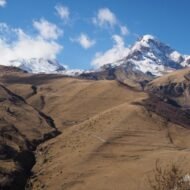

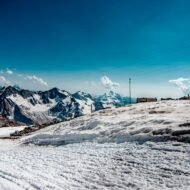
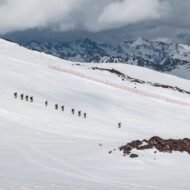
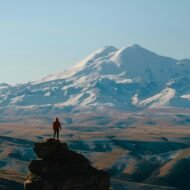

Ready to stand on top of Europe? Mount Elbrus isn’t just another mountain – it’s your gateway to the legendary Seven Summits and one hell of an adventure that’ll leave you with stories for a lifetime. Standing at a whopping 5,642 meters (18,510 feet), this sleeping giant in Russia’s Caucasus Mountains is calling your name, and trust me, you want to answer.
- Why Mount Elbrus Should Be Your Next Adventure
- Best Time to Climb Mount Elbrus (2025 Season Guide)
- Getting to Mount Elbrus: Your Journey Begins
- Permits and Paperwork (2025 Update)
- Routes: Choosing Your Path to the Summit
- What It Really Takes: Difficulty and Training
- Essential Gear: What You Actually Need
- Budget Breakdown: What You’ll Actually Spend
- Accommodation: Where You’ll Rest Your Head
- Food and Culture: Fuel Your Adventure
- Safety First: What You Need to Know
- When to Go Guide vs. Solo
- Beyond the Climb: Exploring the Caucasus
- Overland Routes and Camper Van Access
- Getting There by Overland Vehicle
- Off-Road Access Points
- Camper Van Parking and Camping Spots
- Vehicle Requirements and Considerations
- Overland Route Planning
- Practical Tips for Overlanders
- 2025 Specific Updates and Changes
- Final Thoughts: Your Elbrus Adventure Awaits
Why Mount Elbrus Should Be Your Next Adventure
Picture this: you’re standing on a snow-covered dome, looking down at clouds swirling around peaks that stretch to the horizon, knowing you’ve just conquered the highest point in Europe. That’s the Elbrus experience – and it’s more achievable than you might think.
Mount Elbrus is special because:
- It’s one of the famous Seven Summits (highest peaks on each continent)
- Surprisingly accessible for a major peak (cable cars and mountain huts!)
- Perfect training ground for bigger mountains like Denali or Everest
- Incredible cultural experience in Russia’s wild Caucasus region
- Relatively straightforward technically – no extreme rock climbing required
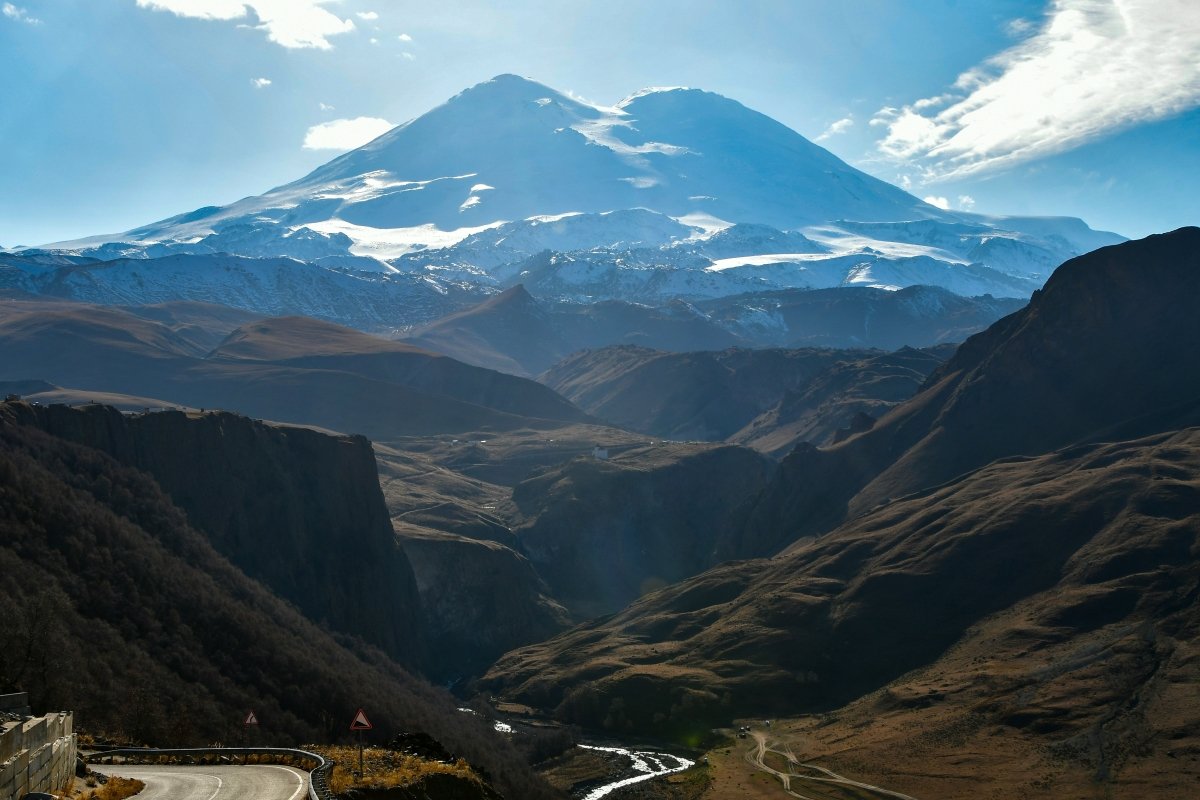
This dormant volcano last erupted in 50 AD, and today its twin peaks (West: 5,642m, East: 5,621m) are covered in 22 glaciers that create an absolutely stunning landscape. Most climbers aim for the higher western summit via the popular southern route.
Best Time to Climb Mount Elbrus (2025 Season Guide)
The sweet spot? July and early August. July and the first half of August is the best season for climbing with the sunniest days and the warmest temperatures, though you’ll be sharing the mountain with more climbers during peak season.
Month-by-Month Breakdown:
June: You still get colder days and a lot of snow even at lower altitudes (3500-3800m), but it’s less crowded and the mountain meadows are in full bloom – absolutely gorgeous if you don’t mind extra snow.
July-August: Peak season with the most stable weather, but expect crowds. By this time, all winter snow had already melted, it is warm, and there is a sufficient duration of daylight hours.
September: The situation with snow and ice can be even more stable than during the peak season, but the daylight hours become shorter and the average daily temperature drops. Great for experienced climbers wanting fewer crowds.
Weather Reality Check: Even in summer, expect serious cold. Temperatures as low as -30 degree Celsius are common during summit attempts, which start around midnight. The weather can change in a heartbeat – one minute it’s sunny, the next you’re in a whiteout.
Getting to Mount Elbrus: Your Journey Begins
International Travel
Most international travelers fly into Moscow (multiple airports) or St. Petersburg, then catch a domestic flight to Mineralnye Vody (MRV) – your gateway to the Caucasus. From there, cable cars and lifts facilitate access to higher camps. The drive from Mineralnye Vody to the Elbrus region takes about 3.5 hours through some seriously scenic countryside.
Pro tip: There’s also the option of flying into Nalchik Airport, which is closer to Elbrus than Mineralnye Vody, but offers fewer flights.
Base Towns
- Terskol: The main climbing base with good hotels, gear rental shops, and that essential mountain town vibe
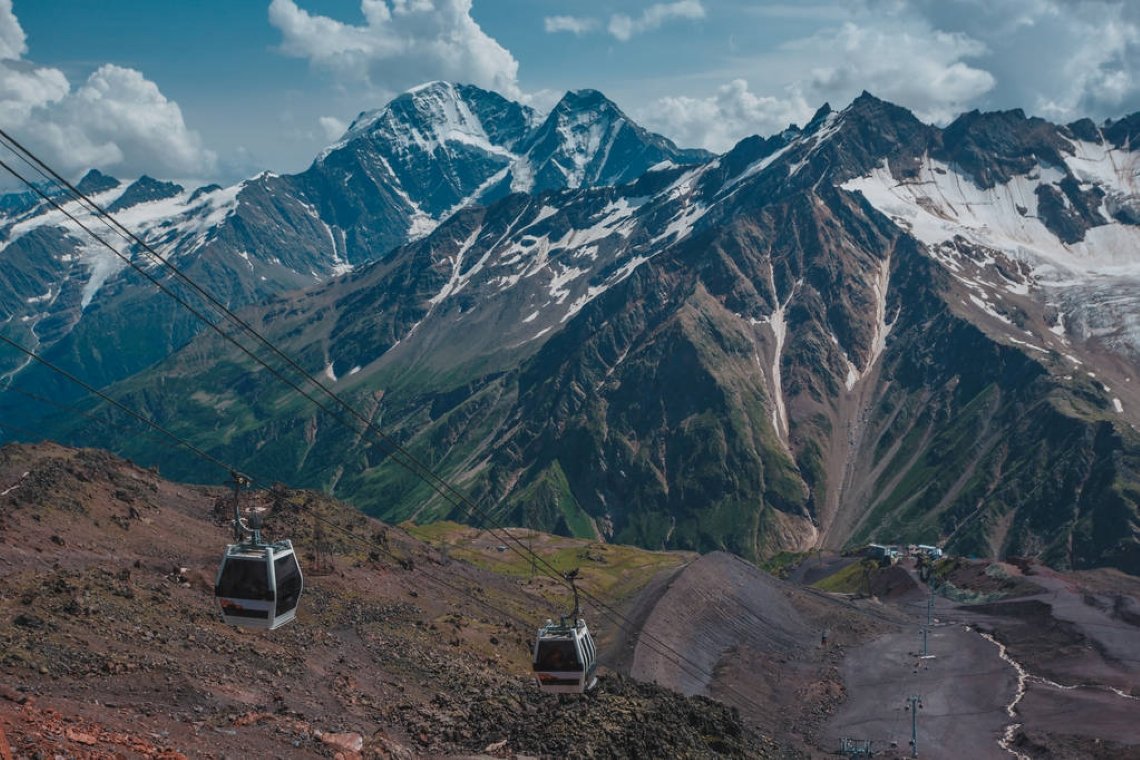
- Azau: Where the cable car starts – this is where your vertical journey begins
- Cheget: Great for acclimatization hikes and amazing views of Elbrus
Permits and Paperwork (2025 Update)
Good news: the permit situation has gotten much simpler! Climbing Elbrus via the southern route is an achievable goal for well-prepared mountaineers, and nowadays it’s more accessible than ever: no border permit is required, and the park entry fee is just 200 rubles.
What You Actually Need:
- Russian Visa: Unless you are a citizen of a visa-exempt country, you will need a visa. For tourism, you can apply for a traditional visa or an electronic visa (eVisa) if your nationality qualifies
- Elbrus Climbing Permit: If you are going to climb Elbrus, or if you plan to overnight at the huts at 3800m or higher, you need to have Elbrus climbing permit. Cost is 25 Euro per person
- Border Permit: Only needed if you plan to explore valleys near the Georgian border – For the climbing of Mount Elbrus itself the border permit is not necessary
Important: Register at the Rescue center in Terscol (MCHS), you can do it in person or over the phone (+7-928-694-51-19; +7(866-38)-7-14-89). This is crucial for safety – they need to know you’re on the mountain.
Routes: Choosing Your Path to the Summit
South Route (Most Popular – 90% of climbers)
This is your best bet unless you’re looking for a serious wilderness experience. South Route: The most popular and accessible path, featuring well-established infrastructure, including cable cars and mountain huts.
Why the South Route Rocks:
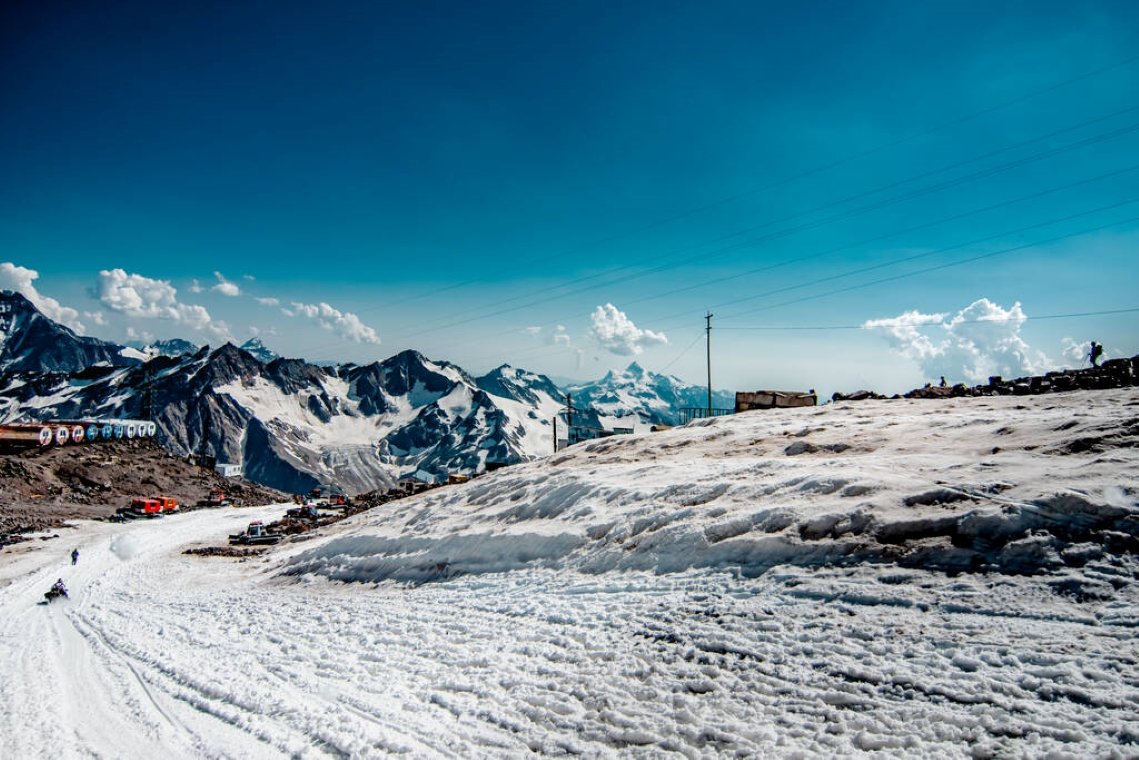
- Cable car gets you to 3,800m (12,467ft) – saves energy for the real climbing
- Mountain huts mean you don’t need to carry camping gear
- Well-marked trail with good rescue support
- Snowcats can transport gear to higher camps
The Route Breakdown:
- Day 1-2: Arrive in Terskol, gear up, acclimatization hikes
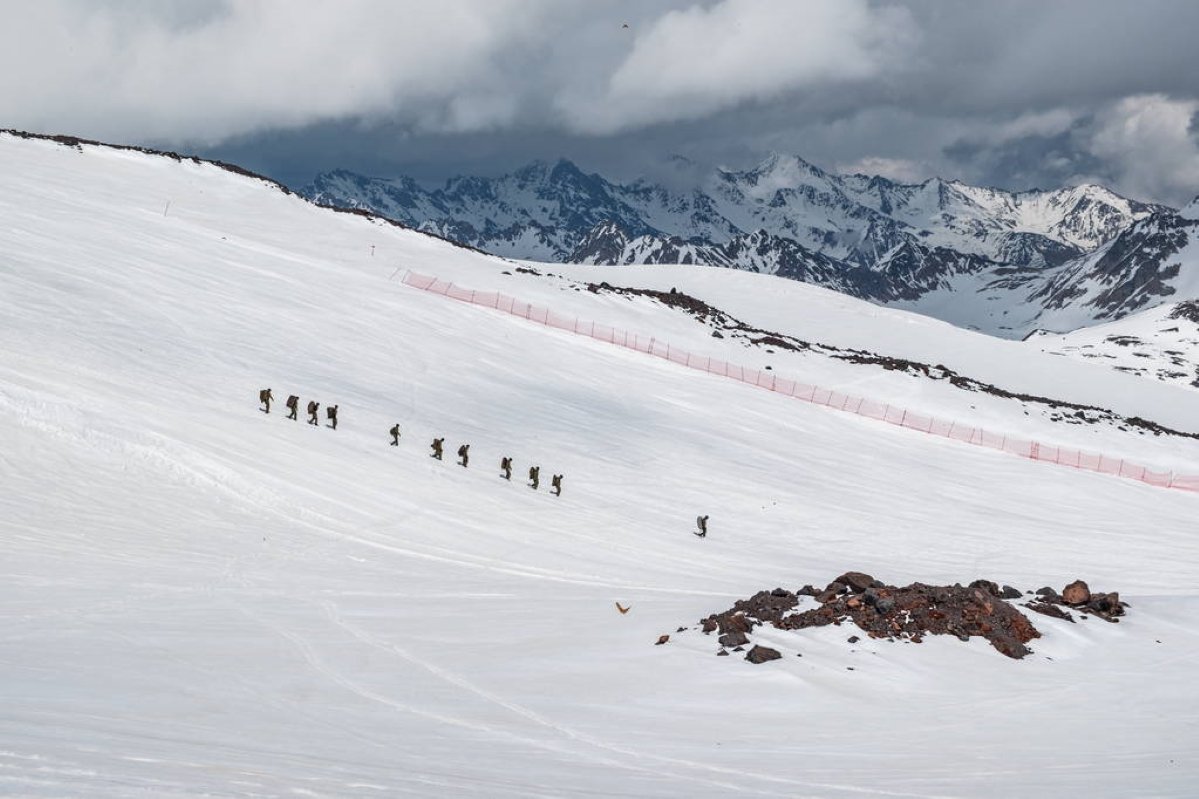
- Day 3: Cable car to Garabashi station (3,800m), overnight in barrel huts
- Day 4: Move to higher camp around 4,200m (Pastukhov Rocks area)
- Day 5: Acclimatization hike to 5,000m+, return to camp
- Day 6: Summit day! Begin your climb from the Barrels Hut and ascend southward up the slopes to the Diesel Hut, located at an elevation of 4157 meters (13,638 feet)
- Day 7: Descent and celebration
North Route (For Adventurers)
More remote, more challenging, more rewarding if you want the full wilderness experience. This requires serious mountaineering skills and glacier travel experience.
What It Really Takes: Difficulty and Training
Let’s be honest – Elbrus isn’t a walk in the park. Only 60% of people make the summit of Mount Elbrus. This comes down to two things. Bad weather and lack of physical preparation.
Technical Skills You’ll Need:
- Crampon use: Essential for walking on snow and ice
- Ice axe self-arrest: Could save your life if you slip
- Basic rope work: Useful in poor visibility or difficult sections
- Navigation: GPS skills are crucial in whiteout conditions
Physical Preparation (Start NOW!)
Cardio is King: You need to be able to hike uphill for 8-12 hours with a pack. Think long weekend hikes with elevation gain.
Strength Training: Developing your back and shoulder muscles are necessary to comfortably carry your backpack during the climb, while calve muscles and hamstrings are needed to climb uphill and descend the snowy slopes.
Altitude Training: If possible, get to altitude before your trip. Acclimatization is everything, so if you fail to acclimatize well, then you run the risk of getting altitude sickness higher up.
Reality Check: Due to the northern location of Mt. Elbrus at the high altitude, the amount of oxygen in the air is even less than at the same altitudes more south. We can confirm it 100% it was more difficult to breathe than for example hiking in the Andes, trekking to Everest Base Camp, or climbing Mount Kilimanjaro.
Essential Gear: What You Actually Need
The Big Four (Rent Locally or Bring):
- Mountaineering Boots: Double climbing boots – plastic-shelled models are fine, but modern non-plastic boots are better. We recommend the LA Sportiva Spantik or the Scarpa Phantom 6000
- Crampons: 12-point crampons are standard
- Ice Axe: For balance and self-arrest
- Sleeping Bag: Rated to -20°C minimum
Clothing System:
Base Layer: Bottom synthetic base under layer. We recommend Smartwool Base Layers Insulation: Down jacket rated for extreme cold Shell: Waterproof, windproof jacket and pants Extremities: 3 pairs of climbing socks. Smartwool or Bridgedale socks are good, warm gloves, goggles
Local Rental: We recommend budgeting for about $ 100 – $ 120 for the hiring charges of the climbing equipment. Most gear is available in Terskol, and local shops know exactly what works on Elbrus.
Budget Breakdown: What You’ll Actually Spend
Independent Climbing (Budget Option):
- Permits and park fees: ~€25-50
- Accommodation in Terskol: $30-60/night
- Mountain hut fees: RUB700/US$12 pp per night
- Cable car: ~$30-40 round trip
- Gear rental: $100-120 for 5-6 days
- Food and miscellaneous: $20-40/day
- Total for independent climb: $800-1,200
Guided Expeditions:
- Budget operators: $1,500-2,500
- Premium operators: $3,000-5,000+
- What’s typically included: Guides, permits, accommodation, most meals, group gear
Pro tip: Alpine Ascents offers a 10% discount for those partaking in back-to-back climbs of Mt. Elbrus and Kilimanjaro if you’re planning multiple Seven Summits.
Accommodation: Where You’ll Rest Your Head
In the Valley:
Terskol offers everything from budget guesthouses to comfortable hotels. Expect basic but clean accommodation with great mountain views and hearty Russian meals.
On the Mountain:
Barrel Huts (Bochky): While you are up on the mountain, we stay in the traditional Barrel Huts. This is a dormitory system where typically 5 / 6 people share a Dom. They’re basic but functional – shared sleeping areas, communal cooking facilities, and toilets outside.
LeapRus (New Huts): More comfortable modern facilities at 3,800m with better heating and amenities, but at a premium price.
Food and Culture: Fuel Your Adventure
The Caucasus region has incredible food that’ll fuel your climb and warm your soul:
Must-try dishes:
- Shashlyk: BBQ meat cooked on the fire beef or lamb meat. It’s a nice treat after the climb
- Khychin: A traditional fried pancake-pie with filling; potato and cheese, meat
- Shurpa: Thick soup with meat (lamb, beef) and vegetables, very good with local bread
Local culture: The mountain communities are incredibly welcoming. Don’t miss the chance to visit mineral spring Narzan, 25min. walk from Terskol, here you can drink some water/refill your bottles for free.
Safety First: What You Need to Know
The sobering truth: We estimate the death rate at Mount Elbrus could be as high as 25 people a year. The main killers are bad weather, poor visibility, and altitude sickness.
Stay Safe:
- Check weather obsessively – turn back if conditions deteriorate
- Carry navigation tools – GPS, compass, and know how to use them
- Watch for altitude sickness – headaches, nausea, confusion are red flags
- Travel with experienced people – guides or experienced climbers
- Have evacuation insurance – Without proper evacuation cover in place, evacuation will be more than expensive. We recommend having Global Rescue evacuation cover
When to Go Guide vs. Solo
Go Guided If You:
- Have limited high-altitude experience
- Want logistics handled for you
- Prefer safety in numbers
- Don’t speak Russian
Go Solo If You:
- Have extensive mountaineering experience
- Speak some Russian
- Want to save money
- Prefer flexibility in your schedule
While some experienced climbers go solo, a certified guide dramatically increases your safety and success rate.
Beyond the Climb: Exploring the Caucasus
Acclimatization activities:
- Mount Cheget: You can walk or take a ski lift to 3000m, it’s a part of acclimatization before climbing Elbrus
- Observatory Peak: Great views and good acclimatization
- Cultural sites: Russian Orthodox churches, local markets, and traditional villages
Photography: The Caucasus offers some of the most dramatic mountain photography in the world. Golden hour lighting on Elbrus from Cheget is absolutely spectacular.
Overland Routes and Camper Van Access
Good news for overland enthusiasts: The Caucasus region, including the Mount Elbrus area, is becoming increasingly accessible for overlanders and camper van travelers, though it requires some planning and the right vehicle setup.
Getting There by Overland Vehicle
Main Access Routes:
- European Route E50 (M29/R217 Highway): Mount Elbrus is accessible from European route E50, known to Russians as either the M29 highway or the R217 highway
- A158 Road from Baksan: Nationalpark Elbrus, which is accessed by the A158 road out of Baksan, lies on its southeastern flank
Off-Road Access Points
Northern Route Access: For the more adventurous, the northern route requires a Soviet era 4WD van or similar robust vehicle. In about 3 hours of driving that includes some impressive off-road sections, a 4WD takes you to Elbrus North basecamp at 2,500m elevation.
Important: Because authorities have declared the mountain to be closed [on certain routes], you couldn’t take the most direct road. By driving an extra three hours on back roads you would avoid the police checkpoint – always check current access restrictions.
Camper Van Parking and Camping Spots
In Base Villages:
- Terskol: The biggest village with shops, hotels, a couple of campsites, rental shops, etc. Very convenient location, 5min. drive to Azau, 15-20min. walk to Cheget
- Camping costs: Accommodation (camping) – from RUB200/US$3,5 per tent
Wild Camping Options: The broader Caucasus region offers excellent wild camping opportunities. With breathtaking and diverse nature, Georgia is the great choice for those who love camping. Here you can set up a tent or park your camper car or a motorhome pretty much anywhere you desire, or better to say anywhere you can reach
Recommended Spots Near Elbrus:
- Emmanuel Meadow: Base camp at an altitude of 2500 meters for the northern route
- Azau Area: Near the cable car base station – limited but possible
- Cheget Area: Good for acclimatization and has some informal camping spots
Vehicle Requirements and Considerations
What You’ll Need:
- 4WD Vehicle: Essential for northern routes and off-road access
- High Clearance: The road conditions can include mud and wet rocks, requiring a tough machine
- Self-Sufficient Setup: No RV hookups or services at wild camping spots
- Winter Preparations: Even summer nights can be cold at altitude
Historical Note: In 1997 a team led by the Russian mountaineer Alexander Abramov took a Land Rover Defender to the summit of the East Peak, entering the Guinness Book of Records. They were able to drive the vehicle as high as the mountain huts at The Barrels (3,800 m or 12,500 ft)
Overland Route Planning
Caucasus Overland Circuit: Overland trips often include the highest mountain road of Kabardino-Balkaria and drive through the Shkolny Pass of 3,150 meters, with breathtaking panorama of the five-thousand meter high Koshtan-Tau and Dykh-Tau
Popular Overland Routes:
- Caucasus Mountains Loop: Including Georgia, Armenia, and southern Russia
- Black Sea to Elbrus: From Bulgaria to Turkey, along the lesser-known Black Sea coast all the way to Georgia. Through Georgia and Armenia
Practical Tips for Overlanders
- Border Crossings: 12 border crossings are typical for a full Caucasus overland trip
- Currency: Bring Russian rubles in cash – limited ATM access
- Fuel: Stock up when possible; remote areas have limited fuel stations
- Communications: Limited cell coverage in mountain areas
- Weather Windows: Mountain weather changes rapidly; have flexible plans
Reality Check: While overlanding to Elbrus is absolutely possible and increasingly popular, it’s more challenging than typical European overland routes. The combination of border complexities, mountain terrain, and limited infrastructure means you need serious preparation and a capable vehicle.
2025 Specific Updates and Changes
- Infrastructure improvements: Ongoing upgrades to cable car systems and mountain huts
- Simplified permits: No border permits needed for standard south route climbs
- Increased guide regulations: More certified local guides available
- Weather monitoring: Better forecasting systems in place
- Overland access: Improved road conditions and clearer regulations for 4WD access
Final Thoughts: Your Elbrus Adventure Awaits
Mount Elbrus isn’t just about reaching a summit – it’s about pushing your limits, experiencing Russian mountain culture, and joining the ranks of those who’ve stood on top of Europe. Mount Elbrus, standing at 5,642 meters, is not only the highest mountain in Europe but also one of the renowned Seven Summits.
The bottom line: If you’re physically prepared, mentally ready for a challenge, and excited about adventure, Elbrus is calling. The mountain doesn’t care about your excuses, but it’ll reward your preparation and determination with an experience you’ll never forget.
Whether you choose to go guided or independent, summer or shoulder season, the key is starting your preparation now. Every day you wait is a day you could be getting stronger, learning skills, or planning your adventure.
Ready to make it happen? Your summit photo on top of Europe is waiting – all you have to do is take the first step.
Remember: Mountains are dangerous, weather is unpredictable, and proper preparation is everything. This guide provides general information, but always consult with current local conditions, guides, and authorities before making your attempt.