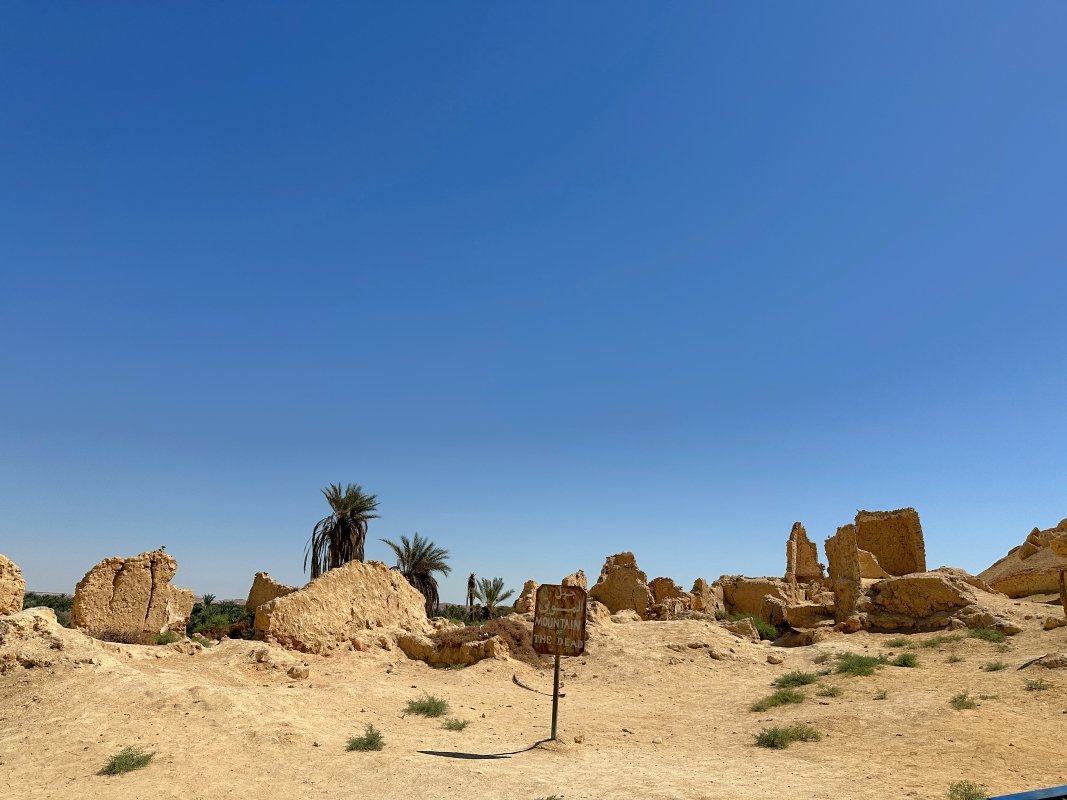


Forget the crowded pyramids of Giza for a moment. Deep in Egypt’s Western Desert lies something far more haunting and infinitely more peaceful – the Mountain of the Dead in Siwa Oasis. This isn’t your typical tourist trap, and honestly, that’s exactly what makes it so incredible.
- What Makes This Place So Special?
- The Tombs That Time Almost Forgot
- Getting There (The Adventure Begins)
- Best Time to Visit (Trust Me on This)
- What to Expect When You’re There
- Why This Beats the Tourist Crowds
- The Siwa Bonus Round
- Practical Stuff You Actually Need to Know
- The Real Magic Happens After Dark
- Final Thoughts
What Makes This Place So Special?
Picture this: you’re standing at the base of a limestone hill that looks like Swiss cheese, except instead of holes, you’re staring at ancient tombs carved directly into the rock face. The Mountain of the Dead (locally called Gebel al-Mawta) isn’t actually a mountain – it’s more like a honeycomb of burial chambers that have been watching over Siwa Oasis for over 2,000 years.
The whole place feels like stumbling into a real-life Indiana Jones movie, minus the booby traps and rolling boulders.
The Tombs That Time Almost Forgot
Here’s where things get really interesting. These aren’t just random holes in the ground – we’re talking about elaborate burial chambers with paintings that’ll make your jaw drop. The most famous tomb belongs to a guy named Si-Amun, and the artwork inside is so well-preserved you’d think it was painted yesterday, not during the Ptolemaic period.
The coolest part? Many of these tombs were discovered completely by accident during World War II when locals were looking for hiding spots during Italian air raids. Talk about accidental archaeology!
The Big Three Tombs You Can’t Miss
Si-Amun’s Tomb: This is the crown jewel. The paintings depict the journey to the afterlife with vivid colors that somehow survived centuries of desert conditions. The level of detail is mind-blowing – you can make out individual feathers on the wings of gods.
The Crocodile Tomb: Named after the crocodile deity paintings inside, this one gives you serious ancient Egyptian vibes with its traditional iconography mixed with Greek influences.
Mesu-Isis Tomb: Less crowded but equally fascinating, with some of the best-preserved hieroglyphics you’ll see outside of a museum.
Getting There (The Adventure Begins)
Siwa Oasis sits about 300 miles southwest of Alexandria, and getting there is half the adventure. Most people fly into Cairo or Alexandria, then either rent a car for the scenic desert drive or hop on one of the daily buses. Pro tip: the bus ride takes about 7-8 hours, but the changing landscape from Nile Delta to pure Sahara is absolutely worth it.
Once you’re in Siwa town, the Mountain of the Dead is just a short walk or bike ride away. You literally can’t miss it – it’s the hill with all the holes in it.
Best Time to Visit (Trust Me on This)
Skip the summer months unless you enjoy feeling like a rotisserie chicken. The sweet spot is October through March when temperatures are actually bearable. Early morning or late afternoon visits are magical – the light hits the limestone just right, and you’ll have most of the place to yourself.
What to Expect When You’re There
Don’t expect Disney World-level infrastructure. There’s a small entrance fee (usually around 30 Egyptian pounds), and you might encounter a local guide who’ll show you around for tips. Some of the tombs require flashlights, so bring one or use your phone’s light.
The climb to the higher tombs is moderate – think of it as ancient Egyptian CrossFit. Wear comfortable shoes because the limestone can be slippery.
Why This Beats the Tourist Crowds
While busloads of tourists are elbowing each other at the Great Pyramid, you’ll probably have the Mountain of the Dead mostly to yourself. It’s that perfect combination of historically significant and blissfully uncrowded. You can actually take your time, absorb the atmosphere, and maybe even meditate in a 2,000-year-old tomb (how’s that for a unique experience?).
The Siwa Bonus Round
Since you’re already in Siwa, you’d be crazy not to explore the rest of this desert paradise. The Oracle Temple where Alexander the Great supposedly received prophecies is walking distance away. The salt lakes are perfect for floating (seriously, it’s like the Dead Sea’s cousin), and the hot springs are ideal for relaxing after tomb exploration.
Practical Stuff You Actually Need to Know
Entry Fee: Around 30-50 Egyptian pounds (prices change, but it’s always cheap) Opening Hours: Usually 8 AM to 5 PM, but check locally What to Bring: Water, flashlight, comfortable shoes, camera, sunscreen Where to Stay: Siwa has everything from budget guesthouses to eco-lodges Food: Try the local dates and olive oil – Siwa is famous for both
The Real Magic Happens After Dark
Here’s something most guidebooks won’t tell you: if you can arrange it, seeing the Mountain of the Dead at sunset or even better, under a full moon, is absolutely otherworldly. The limestone seems to glow, and the desert silence is profound. Some local guides can arrange evening visits – just ask around town.
Final Thoughts
The Mountain of the Dead isn’t just another ancient site to check off your bucket list. It’s a place where you can genuinely connect with Egypt’s incredible past without fighting crowds or dealing with aggressive vendors. It’s raw, authentic, and hauntingly beautiful in a way that stays with you long after you leave.
Plus, you’ll have incredible photos that none of your friends will recognize, and isn’t that worth the trip alone?
Ready to explore one of Egypt’s best-kept secrets? Pack your sense of adventure and prepare to discover why Siwa Oasis should be at the top of every Egypt itinerary.
Disclaimer: This article is for informational purposes only. Travel conditions, entry fees, opening hours, and site accessibility can change without notice. Always check current local conditions, political situation, and travel advisories before visiting. Respect local customs and archaeological sites – do not touch or damage ancient artifacts or paintings. Travel insurance is recommended. The author and publisher are not responsible for any travel disruptions, safety issues, or changes to the information provided in this article.