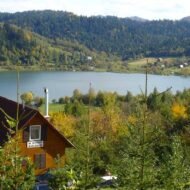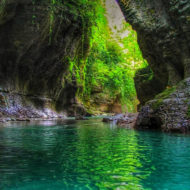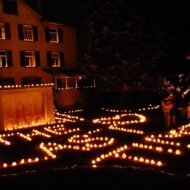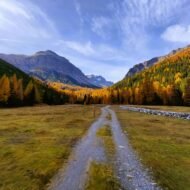
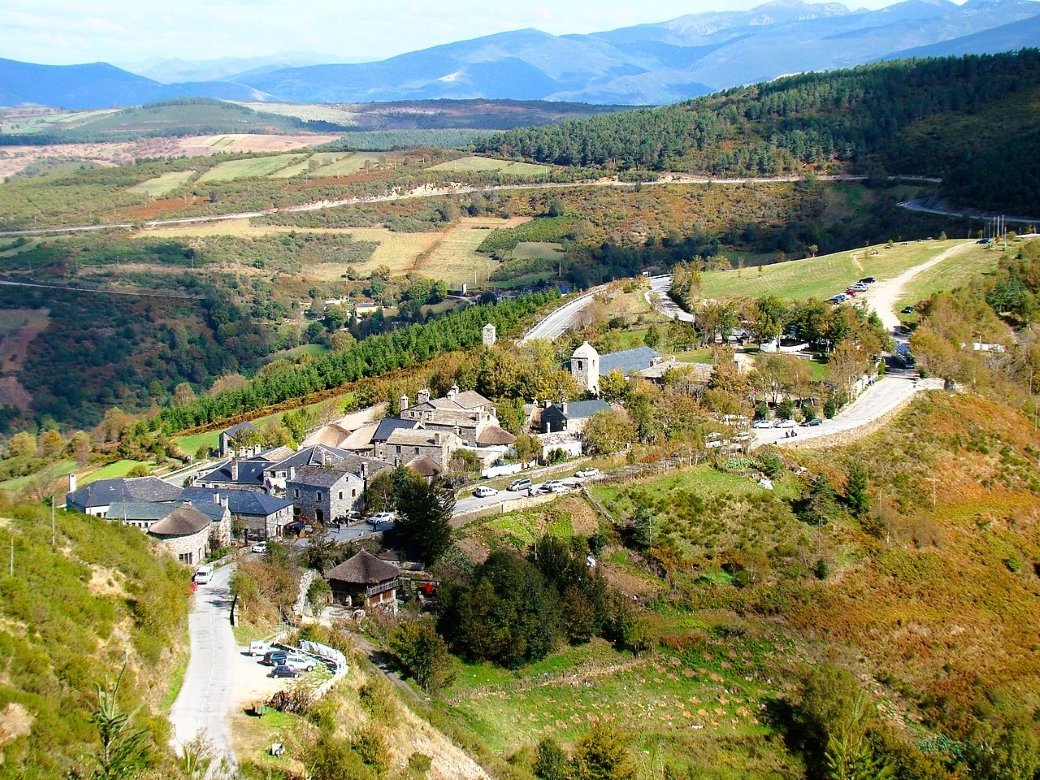


Situated at an altitude of 1,300 meters in the misty mountains of northwestern Spain, Pedrafita do Cebreiro feels like a village frozen in time. As the first Galician settlement on the famous Camino de Santiago pilgrimage route, this tiny mountain hamlet with its ancient pallozas (traditional thatched-roof stone houses) offers travelers a glimpse into Spain’s Celtic past. The name “Pedrafita” itself means “standing stone” in Galician, hinting at the village’s mystical heritage. Whether you’re a pilgrim seeking spiritual enlightenment, a foodie hunting for authentic Galician cuisine, or simply a traveler looking to escape the crowds, Pedrafita do Cebreiro’s misty mountains and stone pathways offer an authentic slice of rural Spain that many visitors never experience. Here, where the provinces of León and Galicia meet, you’ll find a place where time slows down and traditions endure.
History at a Glance
Pedrafita do Cebreiro’s history stretches back to pre-Roman times when Celtic tribes inhabited the region, leaving behind mysterious standing stones and an enduring cultural legacy. The village gained prominence during the Middle Ages as an important stop on the Camino de Santiago, with its 9th-century Pre-Romanesque church of Santa María la Real standing as one of the oldest surviving churches on the pilgrimage route. Legend has it that in the 14th century, a miraculous Eucharistic transformation occurred here when bread and wine physically transformed into flesh and blood during Mass, an event that drew pilgrims from across Europe. Through centuries of wars and political changes, Pedrafita remained relatively isolated due to its mountainous location, which helped preserve its ancient traditions and architecture. Today, the village remains a living museum of Galician rural life, with its restored pallozas giving visitors a window into how locals lived for generations.
Location/Coordinates
- Province: Lugo, Galicia, Spain
- Coordinates: 42°43′N 7°1′W
- Altitude: 1,300 meters (4,265 feet) above sea level
- Situated at the border between Galicia and Castile and León
- Nearest cities: Lugo (60 km) and Ponferrada (50 km)
- Access: Via National Road N-VI and Autovía A-6
Fun Facts
- Pedrafita marks the spot where pilgrims traditionally first enter Galicia on the Camino Francés route
- The village experiences some of the harshest winters in Spain, with snow often blocking mountain passes
- Local legend claims the Holy Grail was temporarily hidden in Cebreiro during medieval times
- The distinctive pallozas (round stone houses with thatched roofs) date back to Celtic designs from 2,000+ years ago
- The village’s name comes from a Roman milestone or “standing stone” that marked provincial boundaries
- The area features a unique microclimate that allows for special cheeses and cured meats found nowhere else in Spain
- Locals still speak Galician, a language closer to Portuguese than Spanish
Reasons to Go
- Experience authentic Galician mountain culture away from tourist crowds
- Walk in the footsteps of centuries of pilgrims on the historic Camino de Santiago
- Witness the stunning transition between the landscapes of Castile and verdant Galicia
- Sample unique local cuisine including Queixo do Cebreiro (local cheese) and hearty winter stews
- Explore perfectly preserved medieval architecture and pre-Roman Celtic sites
- Enjoy breathtaking mountain panoramas and misty, mystical landscapes
- Connect with the spiritual heritage of one of Europe’s most important pilgrimage routes
- Experience the unique Celtic-influenced culture of Galicia, distinctly different from the rest of Spain
Main Attractions
- Santa María la Real Church – 9th-century pre-Romanesque church housing sacred relics
- Ethnographic Museum – showcasing traditional Galician mountain life
- Traditional Pallozas – restored Celtic-style dwellings with original furnishings
- O Cebreiro Pass – offering spectacular views across the mountains
- Holy Grail Chapel – site of the famous 14th-century Eucharistic miracle
- Ancient Roman Milestone – the “pedra fita” that gave the village its name
- Celtic Stone Circle – prehistoric monument just outside the village
- Camino de Santiago Marker – iconic milestone for pilgrims entering Galicia
Things To Do
- Follow a local guide for a tour of the restored pallozas to learn about traditional mountain life
- Attend a Celtic music performance featuring the traditional Galician gaita (bagpipes)
- Join a workshop to learn traditional Galician crafts like basket weaving or pottery
- Participate in bread-making using ancient stone ovens
- Visit local shepherds and learn about traditional cheese production
- Take a botany walk to discover the medicinal plants used in local folk remedies
- Photograph the stunning mountain views from the Alto do Poio viewpoint
- Collect your “Compostela” stamp if you’re walking the Camino de Santiago
Culinary Adventures
Pedrafita do Cebreiro offers hearty mountain cuisine that has sustained generations of farmers and pilgrims:
- Queixo do Cebreiro – The village’s famous cone-shaped cheese with Protected Designation of Origin status
- Caldo Gallego – Warming vegetable and bean soup perfect after a day of hiking
- Botelo – Smoked and cured pork sausage unique to the region
- Empanada – Galician savory pastry filled with various ingredients
- Androlla – Spiced pork sausage cured in the mountain air
- Filloas – Thin pancakes often served with honey or as a savory dish
- Tarta de Santiago – Almond cake traditionally served to pilgrims
- Aguardiente de Hierbas – Herbal liqueur often offered as a digestif
Visit Casa Carolo for traditional home cooking or Mesón O Cebreiro for slightly more upscale regional cuisine with magnificent views.
Events Not to Miss
- Festa da Queima das Fachas (June 23) – Ancient fire festival celebrating the summer solstice
- Romería de Santa María la Real (September 8) – Religious procession and village celebration
- Magosto (November) – Chestnut harvest festival with bonfires and traditional music
- Festa do Queixo (February) – Celebration of the local cheese-making tradition
- Holy Week Processions (March/April) – Unique mountain interpretations of Easter traditions
- Summer Solstice Celtic Festival (June) – Featuring traditional music, dance, and food
Cycling
The mountains around Pedrafita offer challenging terrain for experienced cyclists:
- Alto do Cebreiro Climb – A famous ascent featured in the Vuelta a España
- Ancares Route – Circular route through the stunning Ancares mountain range
- Camino Natural de San Rosendo – More leisurely cycling path following ancient pilgrimage routes
- Sil Canyon Circuit – Challenging route with spectacular views of vineyards and canyons
- Local Mountain Bike Trails – Varying difficulties through forests and mountain paths
Several shops in the village offer bike rentals and repair services, including Bici Cebreiro and Ruedas Peregrinas.
Hiking Trails
- Camino de Santiago Main Path – The classic pilgrim route passing through the village
- Ancares-Courel Route – Multi-day trek through two stunning mountain ranges
- Lagos de Teixedo Circuit – Day hike to mountain lakes with Celtic legends
- Pena do Cebro Trail – Moderate 3-hour loop with panoramic views
- Pedrafita-Triacastela Forest Path – Gentle descent through ancient woodlands
- O Cebreiro-Linares Route – Following ancient Roman roads with historical markers
Travel Tips and Practical Information
- Best Time to Visit: May-October for mild weather; expect snow December-March
- Accommodations: Albergue de Peregrinos (pilgrim hostel), Casa Rural O Cebreiro (traditional guest house), Hotel Capricho de Josana (more upscale option)
- Transportation: Limited public buses from Lugo and Ponferrada; car rental recommended
- Weather Considerations: Mountain weather can change rapidly; always bring layers and rain gear
- Language: While Spanish is understood, many older locals speak primarily Galician
- Currency: Euros; bring cash as card facilities are limited
- Connectivity: Mobile coverage can be spotty; most accommodations offer WiFi
- Pilgrim Information: Obtain a Credencial (pilgrim passport) if walking the Camino
Nearby Attractions and Points of Interest
- Las Médulas (40 km) – UNESCO World Heritage ancient Roman gold mines with dramatic landscapes
- Samos Monastery (25 km) – Magnificent Benedictine monastery with important historical library
- Lugo Roman Walls (60 km) – Best-preserved Roman walls in Europe, UNESCO site
- Ribeira Sacra (45 km) – Stunning river canyon with ancient monasteries and vineyards
- Os Ancares Natural Park (20 km) – Protected mountain ecosystem with unique flora and fauna
- Ponferrada Templar Castle (50 km) – Impressive medieval fortress with Knights Templar history
- O Courel Mountains (30 km) – Breathtaking landscapes with traditional mountain villages
Final Thoughts
Pedrafita do Cebreiro represents the soul of hidden Spain – a place where ancient traditions don’t exist for tourists but continue as living practices. As you stand in the swirling mountain mist, watching shepherds move their flocks across slopes their ancestors have tended for millennia, you’ll understand why this remote outpost has captivated travelers for centuries. Whether you’re pausing briefly on your Camino journey or settling in for a deeper exploration of Galicia’s mountain culture, Pedrafita offers a rare authenticity increasingly difficult to find in modern Europe. The village doesn’t just showcase history – it lives it daily through its food, architecture, and customs. For travelers seeking meaningful connections with Spain’s Celtic past and rural traditions, Pedrafita do Cebreiro provides not just a destination, but a journey back through time that will leave you with memories as enduring as the stone pallozas themselves. photo credit.Pedrafita-do-Cebreiro