







TL;DR: Pnyx Hill is Athens’ most underrated historical gem – the actual birthplace of democracy where ancient Greeks gathered for political assemblies. Skip the crowded Acropolis for a bit and discover this sacred democratic site with incredible views, fascinating megalithic walls, and zero tourist crowds. Great politicians, generals and orators such as Themistocles, Aristides, Pericles, Demosthenes, Ubas, Aeschines spoke from the ancient podium of this sacred space.
- What Makes Pnyx Hill So Special?
- The Cultural Powerhouse: Democracy’s Ground Zero
- Architectural Marvels: More Than Meets the Eye
- The Mysterious Megalithic Retaining Wall
- The Bema: Democracy’s Original Stage
- Cave of Pan: The Mystical Side
- Historical Influence: Ripples Across Time
- Your Pnyx Hill Travel Experience: Insider Tips
- Getting There Like a Local
- Best Times to Visit
- What to Bring
- Exploring the Site: Don’t Miss List
- Combining Your Visit
- Cultural Etiquette
- Hidden Gems and Local Secrets
- Planning Your Visit: Practical Details
- Why Pnyx Hill Deserves Your Time
What Makes Pnyx Hill So Special?
Picture this: you’re standing on the exact spot where Pericles delivered his famous speeches, where Athenian citizens debated the fate of their city-state, and where democracy as we know it took its very first breath. That’s Pnyx Hill for you – not just another ancient site, but literally the birthplace of people power.
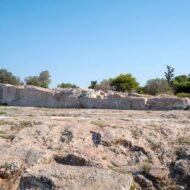
Located in central Athens, just a short walk southwest of the Acropolis, this limestone hill might not look like much at first glance. But don’t let its humble appearance fool you. This unassuming hillside holds more democratic DNA than any other place on Earth.
The Cultural Powerhouse: Democracy’s Ground Zero
Where It All Began
Back in the 6th century BCE, when kings and tyrants ruled most of the known world, something revolutionary was happening on this hill. Athenian citizens (and yes, we know it was limited to free male citizens back then – democracy had some growing up to do) would climb up here for the ecclesia – the popular assembly that gave birth to democratic governance.
Imagine 6,000 people packed onto these slopes, passionately debating everything from war declarations to public works projects. The acoustics were so perfect that speakers at the bema (speaker’s platform) could be heard clearly throughout the natural amphitheater. It was ancient Greece’s version of going viral, but with actual civic engagement.
Cultural Impact That Changed Everything
The decisions made on this hill didn’t just affect ancient Athens – they shaped the entire trajectory of Western civilization. Here’s where:
- The concept of citizen participation in government was born
- Public debate became a cornerstone of political life
- The idea that ordinary people could have a say in their governance took root
- Democratic principles that would later inspire revolutions worldwide were first tested
Every time you vote, participate in a town hall, or engage in political discourse, you’re participating in a tradition that started right here on Pnyx Hill.
Architectural Marvels: More Than Meets the Eye
The Mysterious Megalithic Retaining Wall
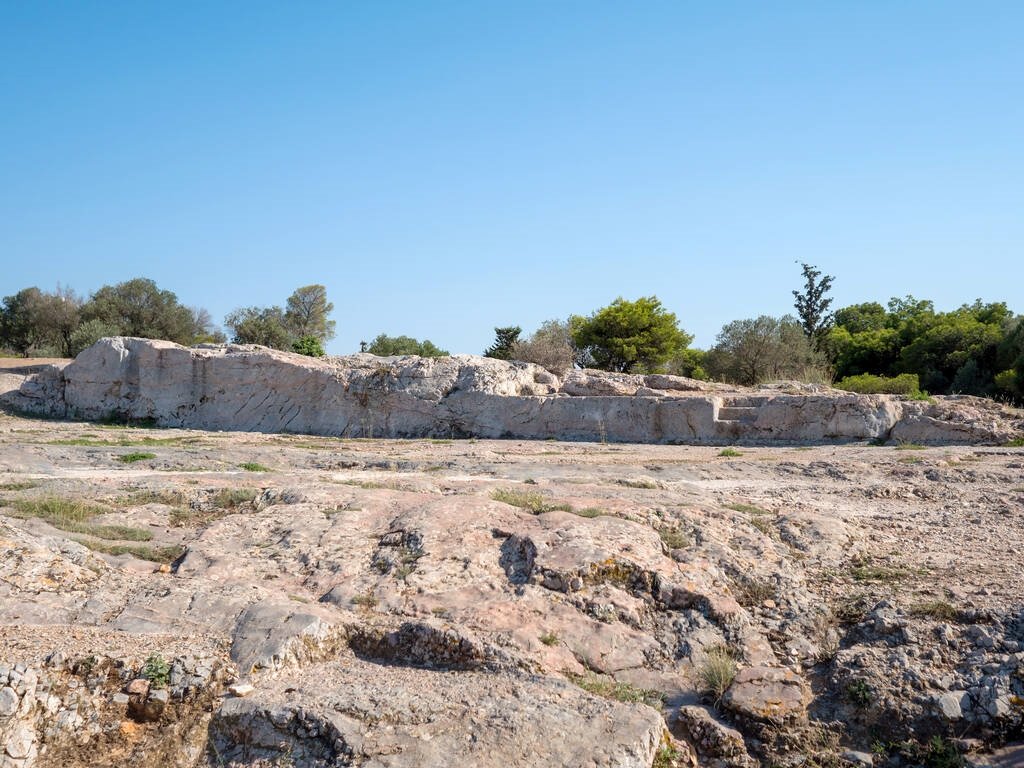
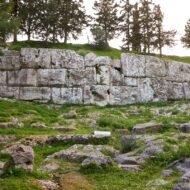
One of Pnyx’s most impressive features is its massive retaining wall – a testament to ancient Greek engineering prowess that’ll make you question everything you thought you knew about “primitive” construction techniques.
This isn’t your average stone wall. Built in three distinct phases between the 5th and 4th centuries BCE, the wall showcases different construction techniques:
Phase I (Late 5th century BCE): The original modest structure that supported the first formal assembly area.
Phase II (Early 4th century BCE): A major expansion that could accommodate larger crowds, featuring precisely cut limestone blocks fitted together without mortar – a technique called “polygonal masonry.”
Phase III (Late 4th century BCE): The most impressive section, with massive rectangular blocks that create an almost fortress-like appearance.
The largest stones in this wall are absolutely mind-blowing – some weighing several tons and fitted together with millimeter precision. How did they move these massive blocks up a hill without modern machinery? Ancient Greek engineers were clearly operating on another level.
The Bema: Democracy’s Original Stage
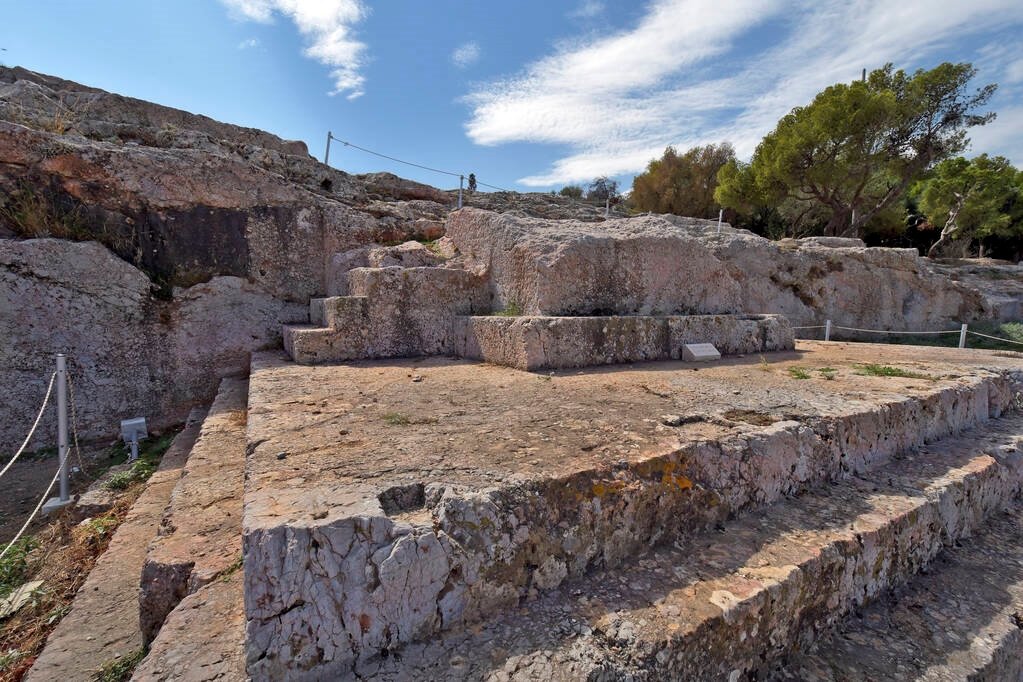
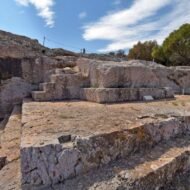
The reconstructed speaker’s platform (bema) sits at the center of the archaeological site. While the current structure is a modern reconstruction, it stands where countless orators once swayed public opinion and shaped history.
The platform’s positioning is brilliant – elevated enough for visibility and acoustics, but not so high as to create an intimidating barrier between speakers and citizens. It’s democracy’s sweet spot, architecturally speaking.
Cave of Pan: The Mystical Side
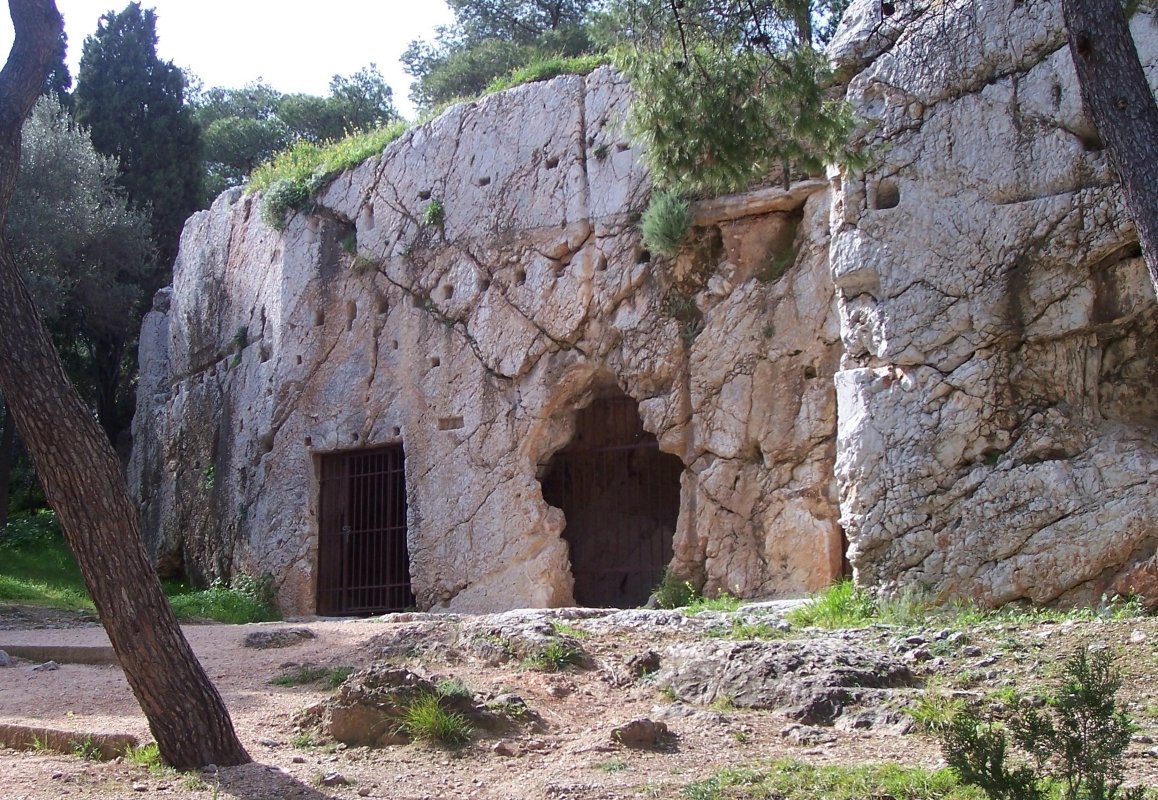
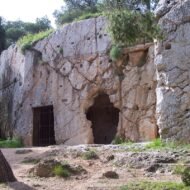
Don’t miss the Cave of Pan, carved into the hillside. This wasn’t just a random cave – it was dedicated to Pan, the god of nature and wild places. The ancient Athenians believed that having divine protection for their democratic assemblies was pretty important stuff. Smart thinking, really.
Historical Influence: Ripples Across Time
From Athens to America (And Beyond)
The democratic principles tested on Pnyx Hill didn’t stay in ancient Greece. They traveled across centuries and continents, influencing:
- Roman Republic: Adapted Athenian assembly concepts for their Senate
- Medieval Italian City-States: Revived citizen participation models
- American Founding Fathers: Drew heavily from Athenian democratic ideals (Jefferson was obsessed with ancient Greek political theory)
- Modern Parliamentary Systems: Echo the debate structures first used here
Revolutionary Moments Born Here
Some of history’s most consequential decisions originated from debates on this hill:
- The decision to build the Athenian navy that defeated Persia at Salamis
- Voting on the construction of the Parthenon
- Debates about military strategies that shaped the Peloponnesian War
- Ostracism votes that banished political figures (democracy’s original “cancel culture”)
Your Pnyx Hill Travel Experience: Insider Tips
Coordinates: 37°58′18″N 23°43′10″E
Getting There Like a Local
From Syntagma Square: 15-minute walk through the National Gardens and up Dionyssiou Areopagitou Street. Perfect for combining with an Acropolis visit.
From Monastiraki: 10-minute uphill walk. Follow signs toward the Acropolis, but veer left toward Pnyx before reaching the main archaeological site.
Public Transport: Take Metro Line 2 (red) to Acropoli Station, then a 5-minute walk.
Pro Tip: The approach from Filopappou Hill offers the most scenic route and amazing photo opportunities.
Best Times to Visit
Golden Hour Magic: Arrive 1-2 hours before sunset for incredible lighting and views over modern Athens. The contrast between ancient stones and contemporary cityscape is absolutely stunning.
Early Morning Solitude: Visit between 8-10 AM for peaceful exploration without crowds. You might have the entire site to yourself.
Avoid: Midday summer visits can be brutal – limited shade and scorching limestone surfaces.
What to Bring
- Comfortable walking shoes: The paths can be uneven and rocky
- Water: Especially in summer – there are no facilities on-site
- Hat and sunscreen: Limited shade available
- Camera: The views are Instagram gold
- Notebook: For contemplating democracy while sitting where it all began
Exploring the Site: Don’t Miss List
- Walk the entire perimeter – Different vantage points reveal new architectural details
- Sit on the ancient steps – Feel the history beneath you (respectfully)
- Find the boundary stones – Mark the sacred space of the assembly
- Check out the view toward the Acropolis – Understand the geographical relationship between democratic and religious centers
- Visit the information panels – Recently updated with fascinating archaeological discoveries
Combining Your Visit
Perfect Combinations:
- Acropolis + Pnyx + Areopagus Hill: The ultimate “ancient Athens governance” tour
- Pnyx + Filopappou Hill: Great for sunset views and extended hiking
- Ancient Agora + Pnyx: Compare commercial and political centers of ancient Athens
Cultural Etiquette
- Respect the site: Don’t climb on ancient structures
- Keep voices moderate: Honor the contemplative atmosphere
- Take only photos: Leave artifacts and stones undisturbed
- Share the space: Be mindful of other visitors seeking quiet reflection
Hidden Gems and Local Secrets
The Acoustic Test
Stand at the reconstructed bema and speak in a normal voice – you’ll be amazed at how your voice carries across the hillside. Ancient Greeks knew their acoustics.
Wildflower Season
Visit in spring (March-May) when the hill explodes with Mediterranean wildflowers. The contrast between ancient stones and vibrant blooms is magical.
Photography Spots
- Sunset silhouettes: Position subjects against the golden sky from the western edge
- Acropolis views: The northeastern corner offers postcard-perfect shots
- Wall details: Get close-ups of the megalithic construction techniques
Connect with Modern Democracy
Bring a government or civics textbook and read about democratic principles while sitting where they originated. It’s a surprisingly moving experience that makes abstract concepts tangible.
Planning Your Visit: Practical Details
Opening Hours: Daily, sunrise to sunset (no official gate – it’s an open archaeological site)
Admission: Free! One of Athens’ best bargains
Duration: Allow 1-2 hours for thorough exploration
Accessibility: Moderate difficulty – uneven terrain but manageable for most fitness levels
Facilities: None on-site (plan accordingly)
Languages: Information panels in Greek and English
Why Pnyx Hill Deserves Your Time
In a city packed with must-see ancient sites, Pnyx Hill offers something unique: the chance to connect with democracy’s origins without fighting crowds or paying hefty entrance fees. It’s where you can literally stand where history pivoted, where human civilization took a giant leap toward self-governance.
Whether you’re a history enthusiast, democracy nerd, or just someone who appreciates incredible views and peaceful ancient spaces, Pnyx Hill delivers an experience that’s both educational and deeply moving. In our current global political climate, there’s something especially powerful about visiting democracy’s birthplace and reflecting on how far we’ve come – and how far we still need to go.
So skip the souvenir shops for an hour, climb this historic hill, and give yourself the gift of standing where it all began. Your inner political science student will thank you, and your Instagram followers will be seriously impressed by your off-the-beaten-path Athens discovery.
Democracy started here. Your understanding of it can too.