





TL;DR: The Parthenon isn’t just a pile of old stones – it’s the crown jewel of ancient Greek architecture that’s been inspiring visitors for over 2,400 years. Perched on Athens’ Acropolis, this UNESCO World Heritage site offers incredible views, mind-blowing history, and Instagram-worthy shots that’ll make your friends jealous. Best visited early morning or late afternoon, with combo tickets starting around €20.
- Why the Parthenon Should Be Your Athens Must-See
- Architectural Genius That Still Blows Minds
- Cultural Powerhouse of the Ancient World
- Global Influence That Never Ended
- Your Essential Visit Guide
- Getting There Like a Pro
- Ticket Strategies That Save Money
- What to Bring (And What to Leave Behind)
- Accessibility and Inclusive Visiting
- Hidden Gems and Pro Tips
- Cultural Etiquette and Respect
- Making the Most of Your Athens Adventure
- Final Thoughts
Why the Parthenon Should Be Your Athens Must-See
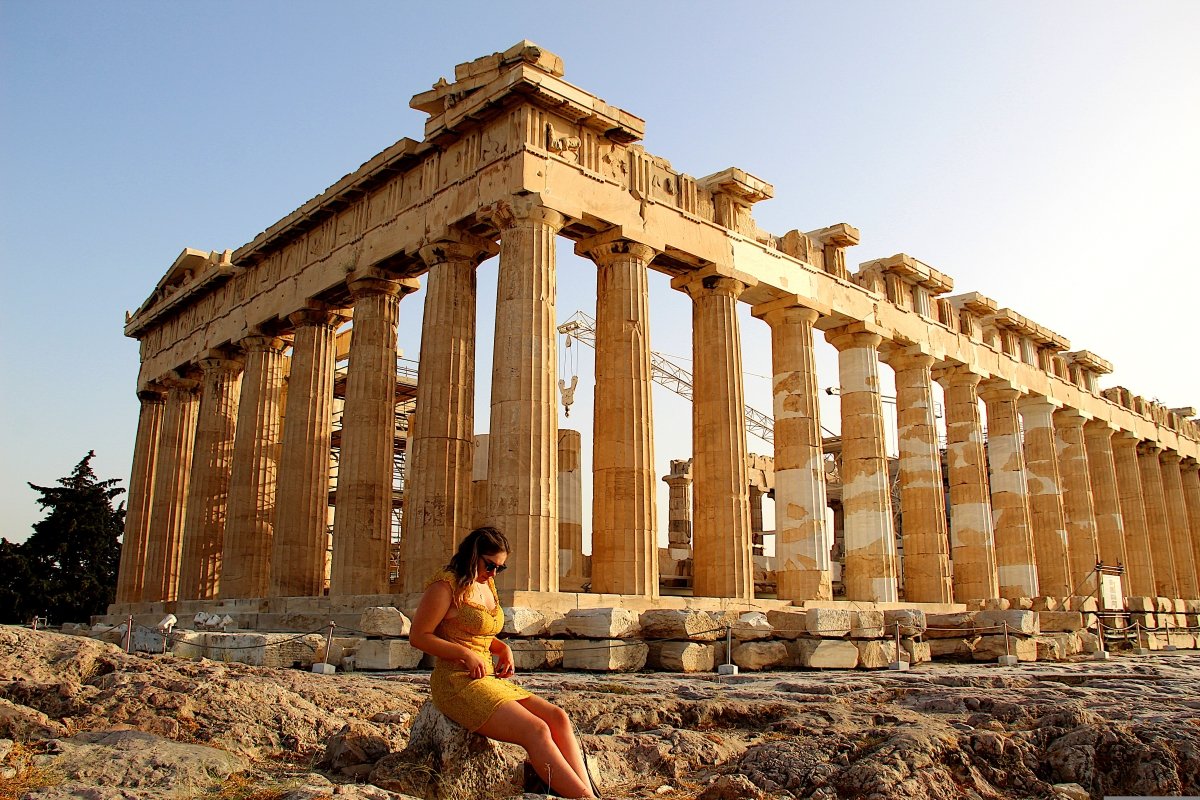
Let’s be honest – you can’t visit Athens without climbing up to see this ancient marvel. The Parthenon isn’t just another tourist trap; it’s literally one of the most influential buildings ever constructed. Built between 447-432 BCE, this temple dedicated to goddess Athena has survived wars, explosions, earthquakes, and centuries of tourists like us trying to get the perfect selfie.
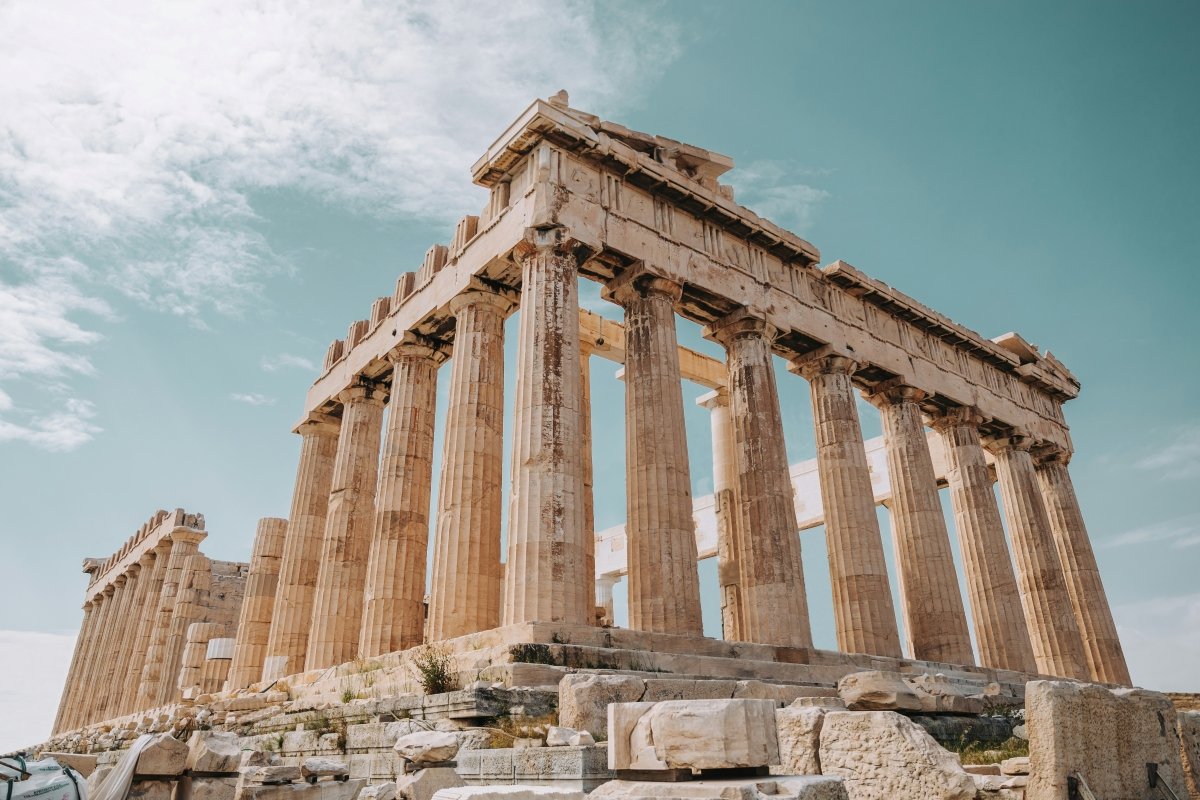
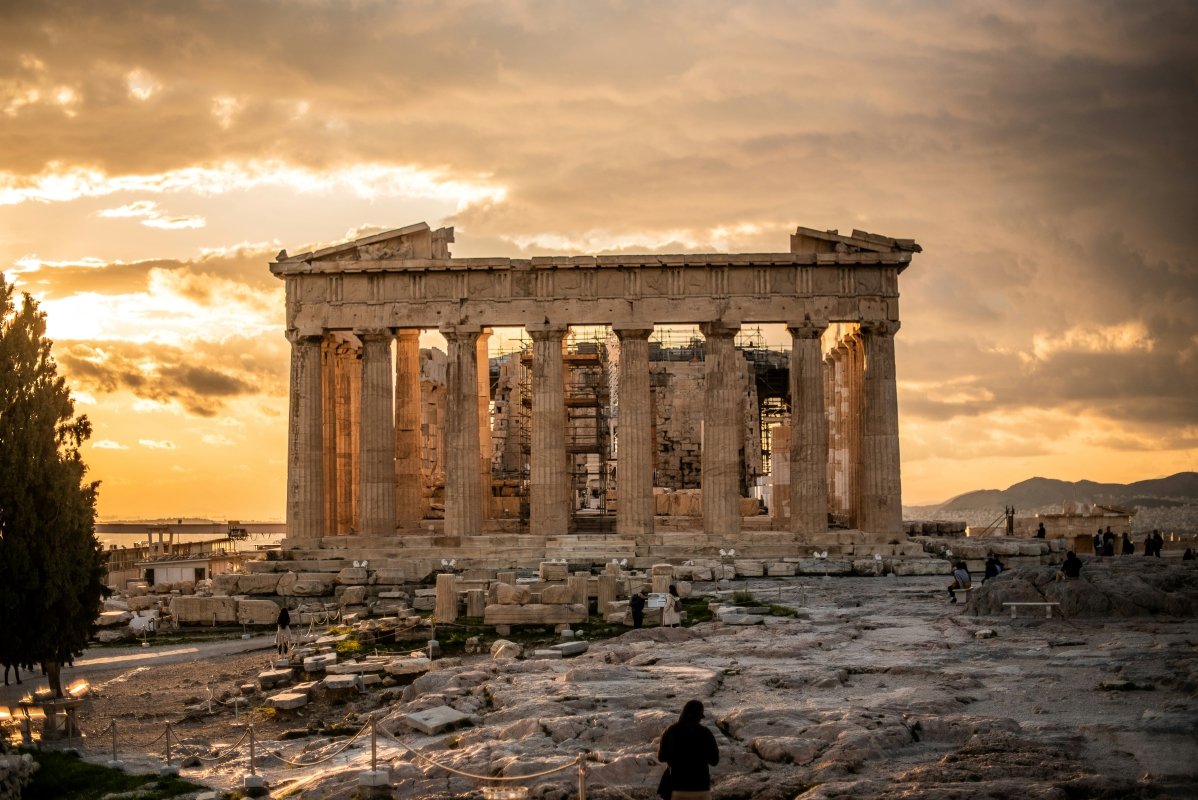
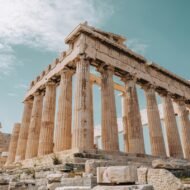
Standing 150 feet long and 70 feet wide, the Parthenon dominates the Athenian skyline from its perch 490 feet above sea level. When you first catch sight of those iconic columns rising against the Mediterranean sky, you’ll understand why people have been making pilgrimages here for millennia.
Architectural Genius That Still Blows Minds
The Optical Illusion Masters
Here’s where it gets seriously cool – those ancient Greek architects were basically optical illusion wizards. What looks like perfectly straight lines and right angles? Total illusion. The columns actually bulge slightly in the middle (called entasis), the floor curves upward, and the columns lean slightly inward. Without these sneaky tricks, the building would look warped and saggy from a distance.
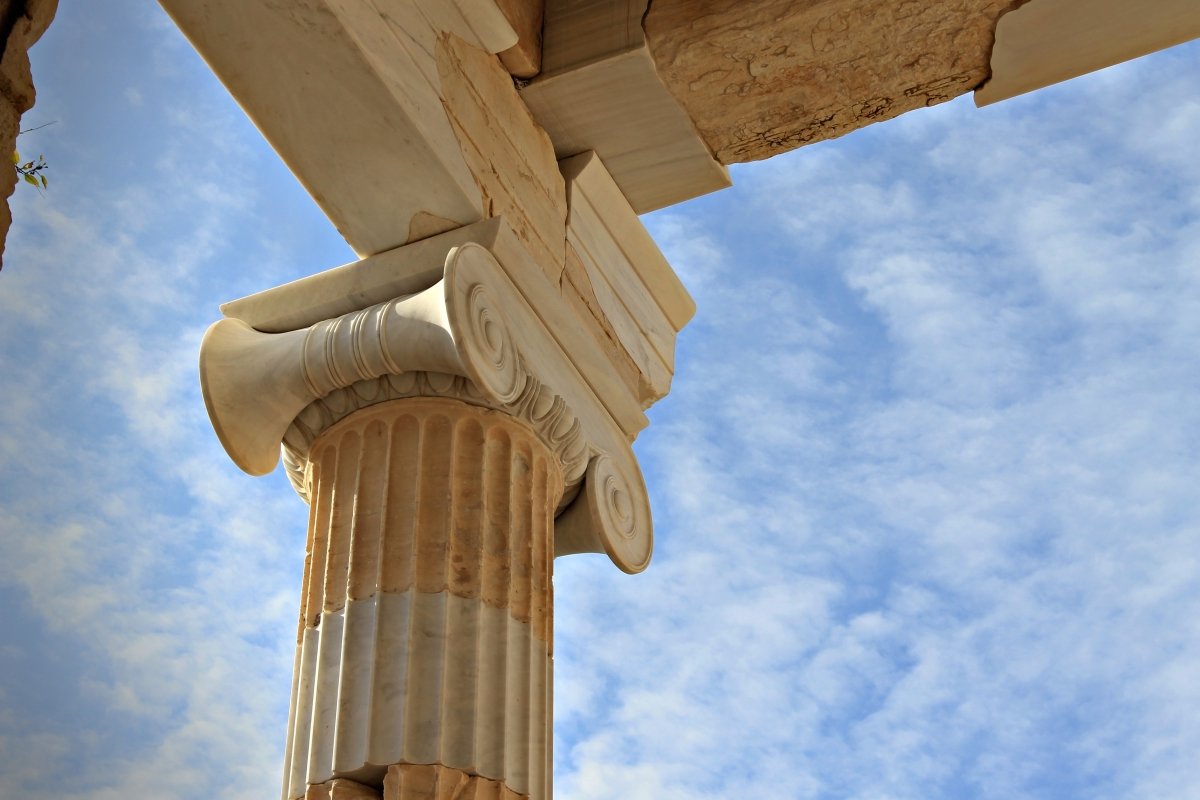
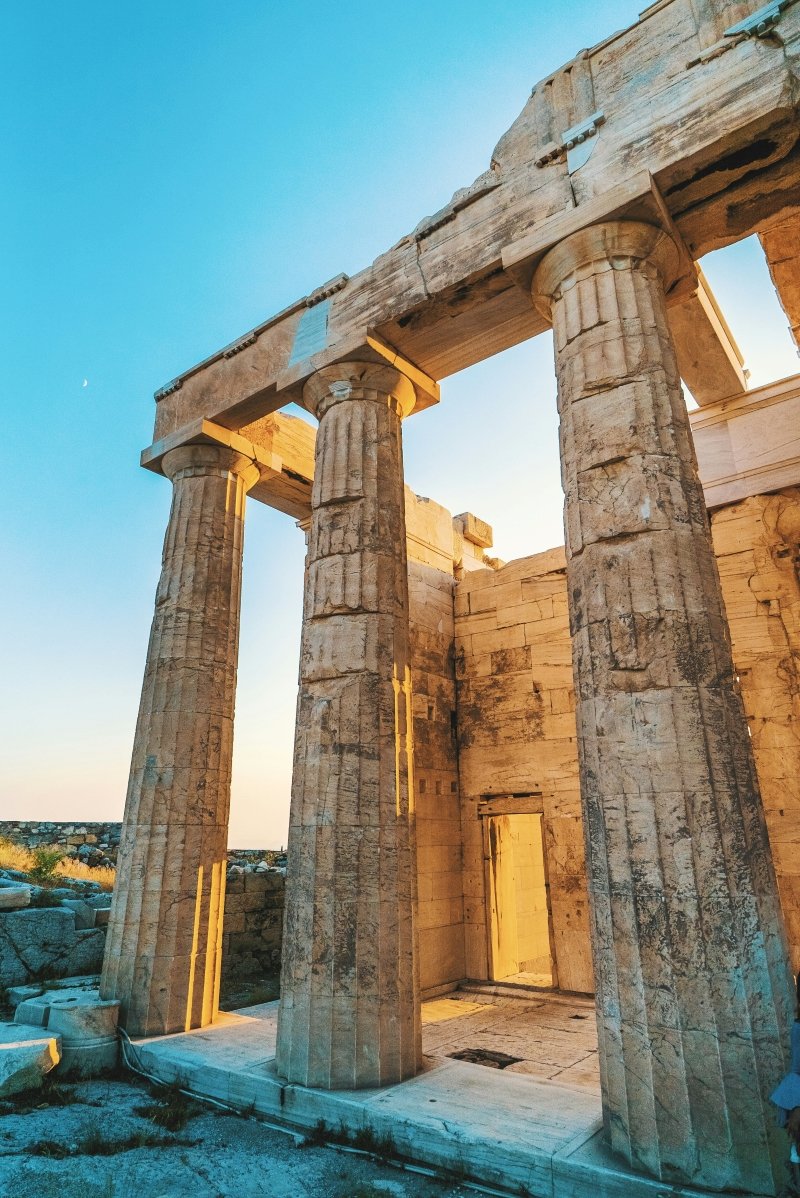
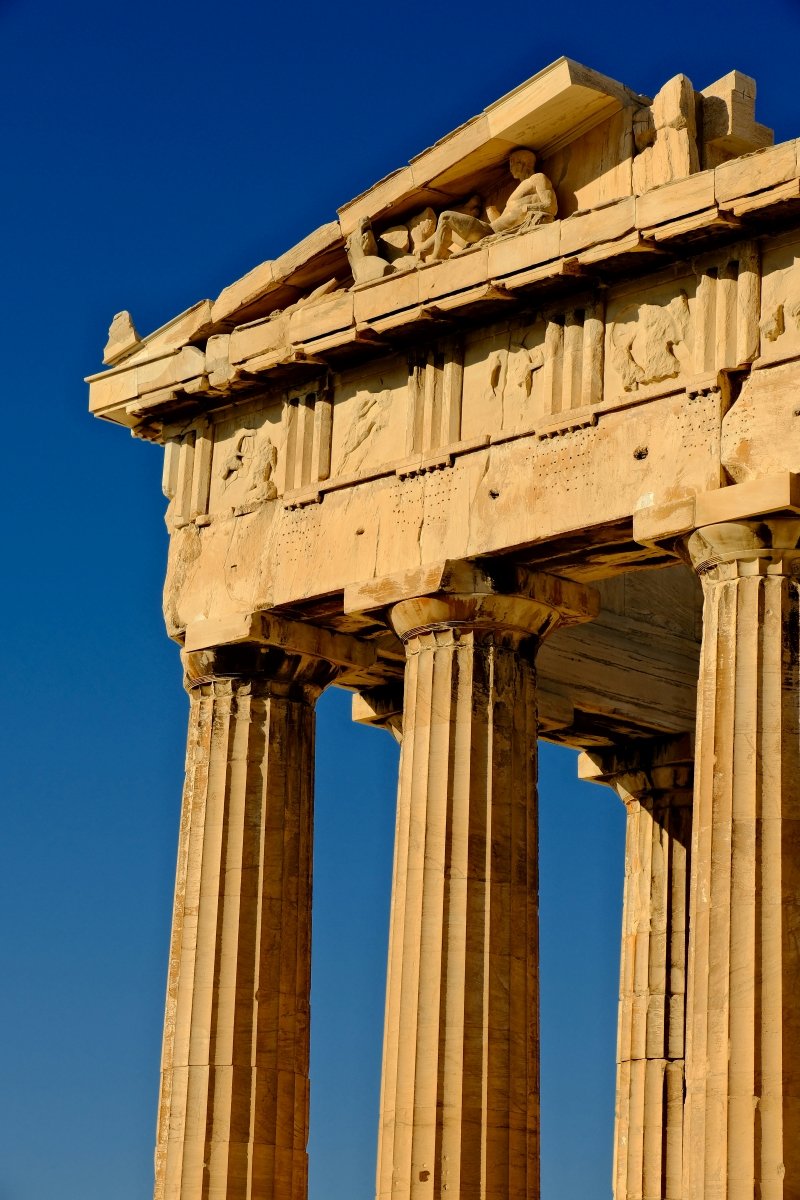
The Parthenon showcases the Doric order at its absolute peak – those chunky, fluted columns topped with simple capitals that scream “timeless elegance.” There are 46 outer columns and 23 inner columns, each carved from Pentelic marble that still gleams white after all these centuries.
Mathematical Perfection
The whole structure follows the golden ratio, that magical mathematical proportion that just feels “right” to human eyes. The ratio of width to length, the spacing of columns, even the height relationships – it’s all mathematically calculated to create visual harmony. No wonder architects still study this building today.
Cultural Powerhouse of the Ancient World
Athens’ Golden Age Symbol
The Parthenon wasn’t just a temple – it was Athens flexing its cultural muscles during its golden age. This was democracy’s birthplace showing off to rival city-states, proving that Athenian civilization was the cream of the crop. The building project employed hundreds of skilled craftspeople and artists, basically functioning as ancient Athens’ economic stimulus package.
Religious and Political Center
Inside the original temple stood a massive 40-foot-tall statue of Athena Parthenos (Athena the Virgin), crafted by the legendary sculptor Phidias. Made of gold and ivory, this wonder was worth more than the building itself. The Parthenon served as both religious sanctuary and treasury, housing Athens’ wealth and sacred objects.
Art That Changed Everything
The sculptural decorations – those famous marble friezes, metopes, and pediment sculptures – revolutionized ancient art. They showed movement, emotion, and realistic human forms like never before. Many of these masterpieces now reside in museums worldwide (yes, there’s ongoing drama about the British Museum’s Elgin Marbles), but seeing the remaining pieces in context is absolutely breathtaking.
Global Influence That Never Ended
Architectural DNA Everywhere
Look around any major city, and you’ll spot the Parthenon’s influence everywhere. The U.S. Capitol, British Museum, countless banks, universities, and government buildings – they’re all architectural descendants of this Athenian masterpiece. The neoclassical movement of the 18th and 19th centuries basically copy-pasted Parthenon elements across the Western world.
Democracy’s Visual Symbol
The Parthenon has become shorthand for democratic ideals and Western civilization. It appears on everything from currency to political campaign materials. Whether that’s historically accurate or not, the building’s visual power as a symbol of human achievement is undeniable.
Restoration Influence
The ongoing Parthenon restoration project, which started in 1975, has pioneered conservation techniques used worldwide. The careful balance between preserving authentic ancient materials and ensuring structural integrity has become the gold standard for heritage site preservation.
Your Essential Visit Guide
Getting There Like a Pro
Metro Magic: Take the red line (M2) to Acropolis station – it’s literally designed as an archaeological showcase with glass floors revealing ancient ruins below. The 10-minute uphill walk to the entrance is part of the experience.
Timing Is Everything:
- Best times: 8 AM (opening) or after 5 PM for golden hour photography
- Avoid: 11 AM – 3 PM when tour groups swarm and temperatures soar
- Shoulder seasons: April-May and September-October offer perfect weather and smaller crowds
Ticket Strategies That Save Money
Smart Combo Deal: The €20 combo ticket includes the Acropolis plus six other ancient sites (Ancient Agora, Roman Agora, Hadrian’s Library, Kerameikos, Temple of Olympian Zeus, and Aristotle’s Lyceum). Valid for 5 days – absolute steal compared to individual tickets.
Free Days: EU students and visitors under 25 get free admission. First Sunday of each month (November-March) is free for everyone.
Skip-the-Line: Pre-book online or buy tickets at less crowded sites like the Ancient Agora, then use them for direct Acropolis entry.
What to Bring (And What to Leave Behind)
Essential Gear:
- Water bottle (there’s one small café, but it’s overpriced)
- Comfortable walking shoes with good grip
- Sun protection (hat, sunscreen, sunglasses)
- Power bank for your camera
- Light jacket for windy conditions
Photography Tips:
- Early morning light makes the marble glow golden
- Wide-angle lens captures the full structure
- Respect the barriers – those ropes are there for preservation
- The view from the southwest corner includes the city sprawl
Accessibility and Inclusive Visiting
The site has made significant accessibility improvements, including an elevator for visitors with mobility challenges. Wheelchair-accessible paths lead to viewing areas, though not all areas are accessible due to the ancient terrain. The Acropolis Museum (nearby) is fully accessible and provides context that enhances any visit.
Audio guides are available in multiple languages, and the museum offers materials in Braille and sign language interpretation by advance request.
Hidden Gems and Pro Tips
Acropolis Museum First: Visit the ultra-modern museum at the hill’s base before or after the Parthenon. The top-floor Parthenon Gallery is arranged exactly like the temple, with original sculptures positioned where they once stood. Mind-blowing context.
Philopappos Hill Viewpoint: For the classic postcard shot of the Parthenon, walk 10 minutes to this nearby hill. Especially magical at sunset.
Theater of Dionysus: Often overlooked, this ancient theater on the Acropolis south slope is where Greek drama was born. Your combo ticket includes it.
Cool Morning Secret: Visit right at opening to experience the site in relative solitude – those Instagram-perfect empty shots are totally doable.
Cultural Etiquette and Respect
Being a Responsible Visitor
This isn’t just a photo op – it’s a sacred site with over 2,400 years of history. Stay on designated paths, don’t touch the marble (oils from skin cause damage), and remember that this is an active archaeological site. The restoration work you’ll see happening is crucial for preserving this wonder for future generations.
Understanding the Context
Take a moment to appreciate what you’re seeing beyond the Instagram potential. This building represents the birth of democracy, revolutionary art, and architectural principles still used today. The craftspeople who built it were among history’s most skilled artisans, and their work continues to inspire architects, artists, and dreamers worldwide.
Making the Most of Your Athens Adventure
Nearby Must-Sees
Ancient Agora: Where democracy was practiced daily – just a short walk downhill. The reconstructed Stoa of Attalos houses an excellent museum.
Plaka Neighborhood: The old town’s narrow streets offer traditional tavernas and souvenir shopping with Acropolis views.
National Archaeological Museum: Houses some of history’s greatest ancient Greek artifacts, perfect for deeper cultural context.
Local Experiences
After your Parthenon visit, grab traditional Greek coffee and baklava in Plaka, or head to a rooftop restaurant with Acropolis views for dinner. The locals are incredibly proud of their ancient heritage and love sharing stories with curious visitors.
Final Thoughts
The Parthenon delivers on every level – stunning architecture, fascinating history, cultural significance, and those epic photos for social media. But beyond all that, standing in the shadow of those ancient columns connects you to 2,400 years of human civilization. Philosophers, artists, conquerors, and millions of visitors have stood exactly where you’re standing, all feeling that same sense of awe.
Whether you’re an architecture buff, history enthusiast, or just someone who appreciates beautiful things, the Parthenon will exceed your expectations. Just remember to book that combo ticket, bring water, and arrive early for the best experience. This ancient wonder isn’t going anywhere (thanks to those ongoing restoration efforts), but your perfect visit window might be shorter than you think.
Pro tip: Allow at least 3-4 hours for the full Acropolis experience, including the museum. Trust us – you’ll want to savor every moment of this once-in-a-lifetime encounter with ancient greatness.