


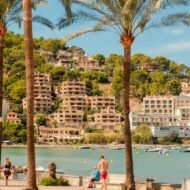
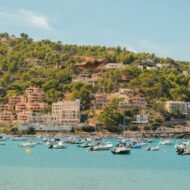
TL;DR: Port de Sóller travel guide and tips , Port de Sóller is a stunning, circular bay village located between the UNESCO-protected Tramuntana Mountains and the Mediterranean Sea, on Mallorca’s northwest coast. It’s got golden beaches, a legendary vintage tram, world-class sunsets, great food, and enough adventure to keep every type of traveller happy — from families and solo explorers to couples and outdoor enthusiasts. It’s quieter than Palma, more charming than Alcúdia, and honestly? It might be Mallorca’s best-kept secret.
- Why Port de Sóller Deserves a Spot on Your Bucket List
- Know Before You Go
- Getting There: The Journey Is Part of the Adventure
- The Beaches: Calm, Clear, and Genuinely Lovely
- Top Things to Do
- Arriving by Sea: The Marina, Moorings & Boat Access
- The Marina: Marina Tramontana
- Anchorage
- Seasonal Tip for Sailors
- Boat Rental & Charter (For Non-Sailors)
- Marina at a Glance
- Where to Eat and Drink
- Shopping: What to Buy and Where
- When to Go: Season by Season
- Where to Stay
- Is It Family Friendly?
- Practical Tips
- A Quick Recap
Why Port de Sóller Deserves a Spot on Your Bucket List
Let’s be real — most people who book a trip to Mallorca default to Palma, Alcúdia, or the party vibes of Magaluf. And look, no judgment. But if you want the Mallorca that makes people say “I need to go back,” Port de Sóller is it.
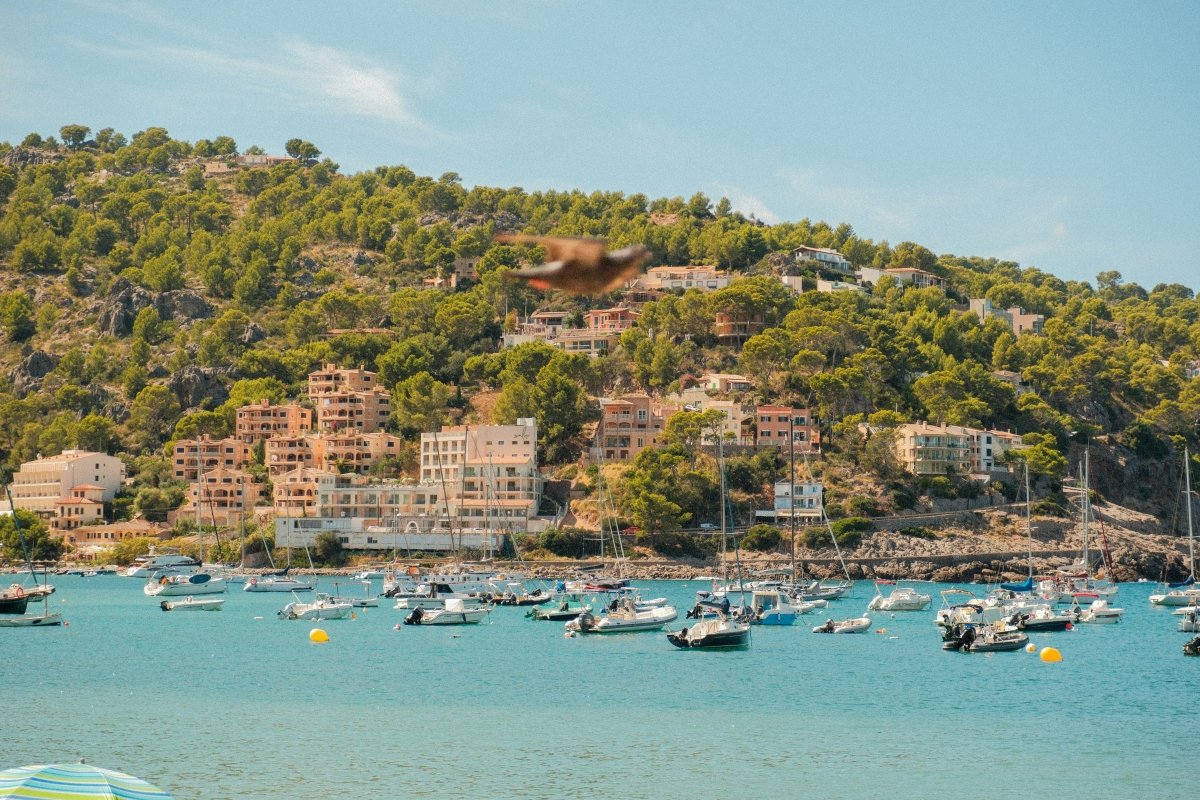
A charming and picturesque coastal town on the west coast of Mallorca, Port de Sóller sits at the foot of the enormous UNESCO-protected Tramuntana Mountains, cradled inside one of the most beautiful natural bays on the island. The village has a warm, unhurried energy that’s genuinely hard to find in high-season Mediterranean Europe. It’s the kind of place where your biggest daily decision is whether to hike, swim, or simply sit by the harbour with a cold glass of something local.
It’s family-friendly, couple-approved, solo-traveller-welcoming, and accessible — and we’ll cover exactly why below.
Know Before You Go
| Category | Details |
|---|---|
| Location | Northwest Mallorca, Balearic Islands, Spain |
| Language | Catalan (Mallorquí dialect) & Spanish; English widely spoken in tourist areas |
| Currency | Euro (€) |
| Best Time to Visit | April–June & September–October (mild weather, fewer crowds) |
| Peak Season | July–August (busiest, hottest, priciest) |
| Getting There | Fly into Palma de Mallorca (PMI) Airport, then ~45 min by car or the vintage Sóller train + tram |
| Getting Around Locally | On foot, historic tram, local bus, taxi, or rental bike |
| Beach Type | Sandy, calm bay — great for families and swimmers |
| Family Friendly? | Yes — calm waters, accessible tram, beach fun, museum for kids |
| Couple-Friendly? | Incredibly romantic — especially at sunset |
| Solo Travel? | Easy and safe; walkable, sociable promenade scene |
| LGBTQ+ Friendly? | Mallorca is generally welcoming; Port de Sóller is relaxed and inclusive |
| Budget Level | Mid-range to high-end; day trips possible on a budget |
| Tipping | Not mandatory, but rounding up is appreciated |
| Internet/SIM | Good 4G/5G coverage; most cafés have free WiFi |
| Plug Type | Type F (European two-pin); 220V |
| Emergency Number | 112 (EU standard) |
Getting There: The Journey Is Part of the Adventure
Flying into Palma is easy — there are direct flights to Palma from JFK International, making it very straightforward to reach Mallorca from North America, and connections from most European cities are plentiful.
Once on the island, you’ve got a couple of options to reach Port de Sóller. You can rent a car (useful if you plan to explore the island), but honestly, the most memorable way to arrive is by taking the historic Sóller Railway from Palma, followed by the vintage tram down to the port.
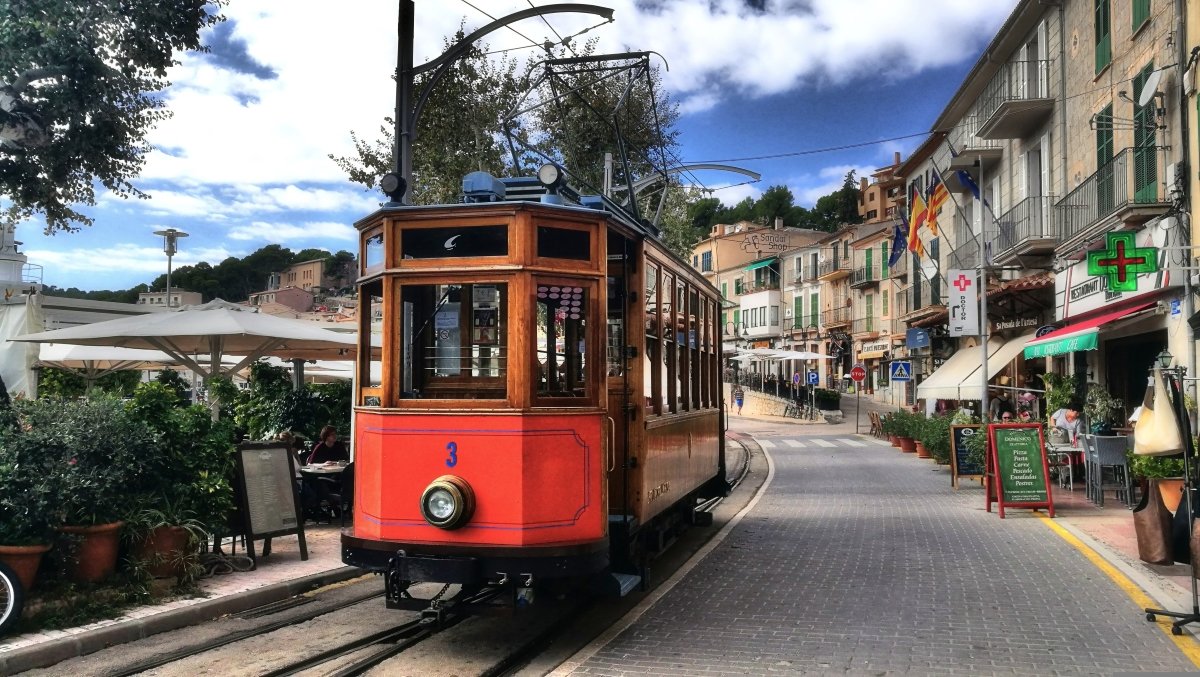
The Ferrocarril de Sóller — the antique train that connects Sóller and Palma — was inaugurated back in 1912, and all the original cars with mahogany panels and brass fittings are still going strong. During the ride, you’ll see some of the most magnificent areas of the Tramuntana: green valleys, fruit plantations, almond fields, and forests.
Car-free travel is genuinely feasible here: the historic railway connects to Palma, the tram runs to the harbour, and coastal buses cover the rest. This is a huge bonus for travellers who’d rather not drive on narrow mountain roads (though those roads are equally spectacular if you do).
The Beaches: Calm, Clear, and Genuinely Lovely
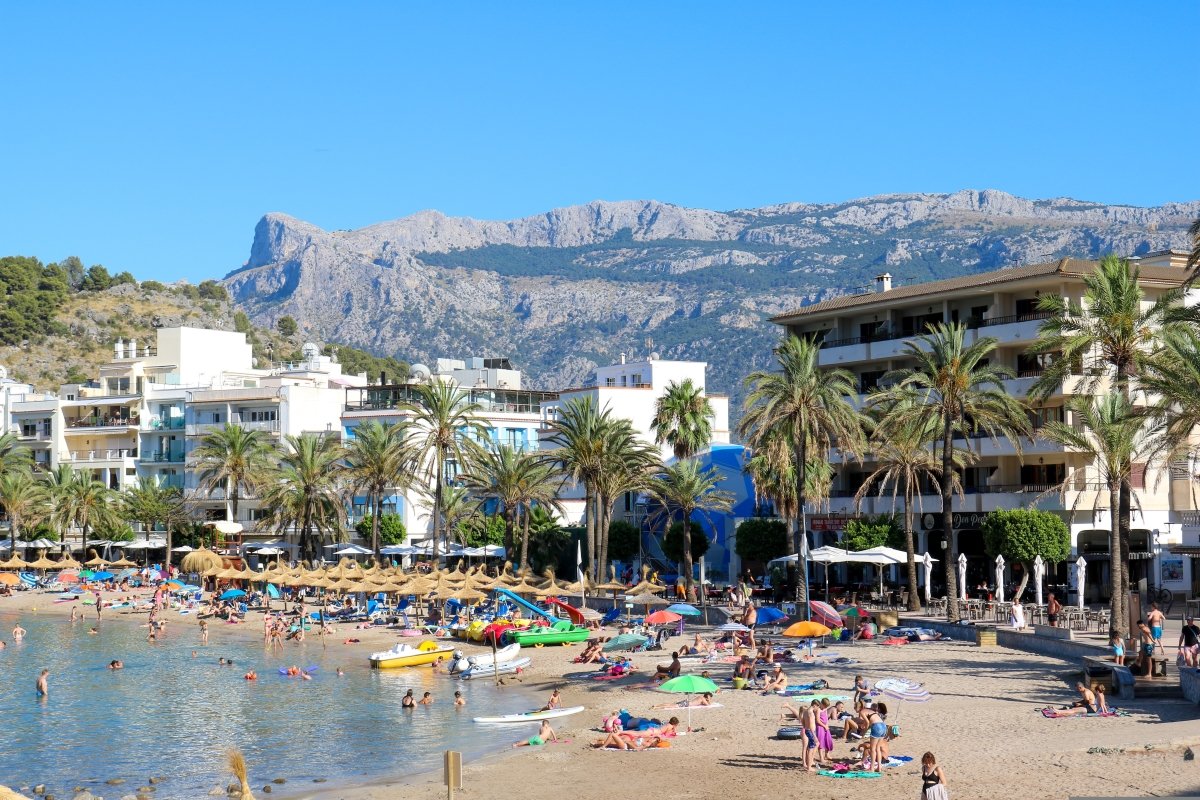
Platja des Través is a fine sandy beach close to the marina with gently shelving water — very family-friendly. Platja d’en Repic is a longer stretch to the southwest, lined with a promenade of cafés and terraces.
The bay itself is naturally sheltered, meaning the water stays remarkably calm — perfect for little ones splashing around or anyone who prefers their swim without wrestling waves. SUP and kayak rentals are available in season; on calm days, paddling along the cliffs reveals turquoise coves that feel like a reward for the effort.
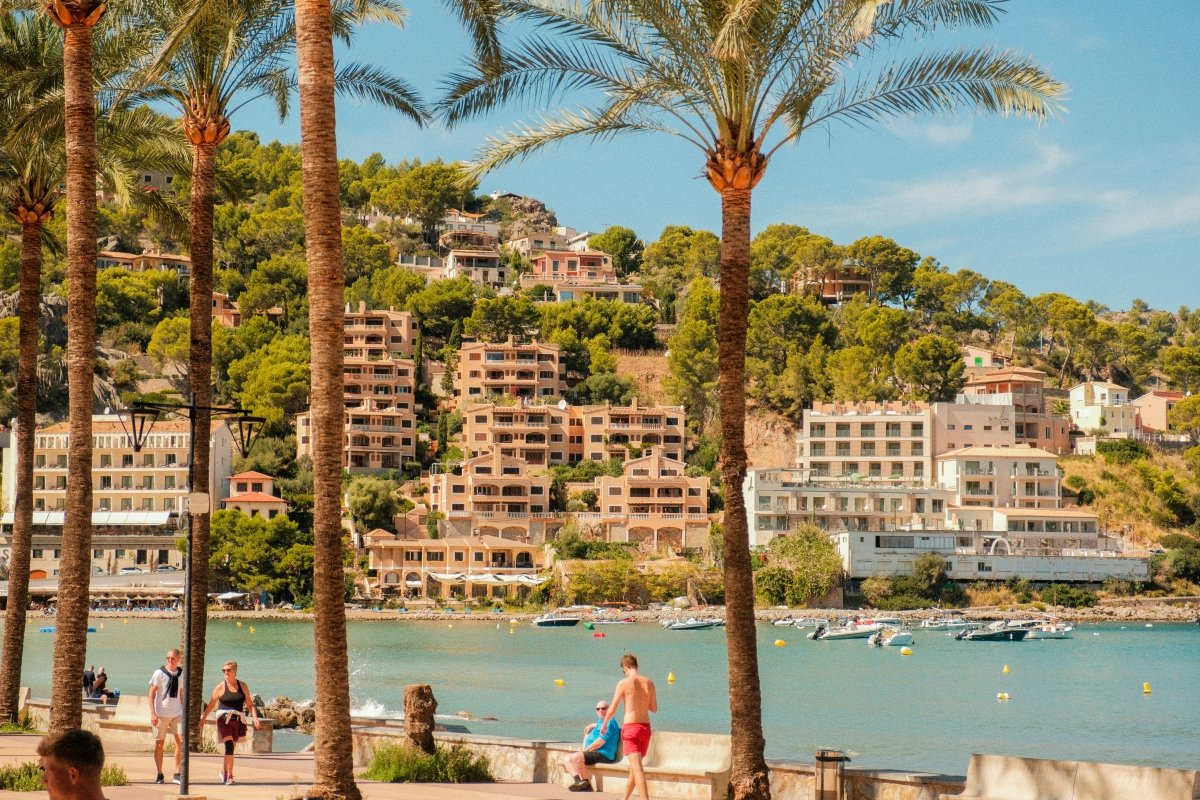
One genuinely romantic detail: Port de Sóller faces west, so in the summer months the sun sets directly in the middle of the bay, making it considered one of the most romantic spots in all of Mallorca.
Top Things to Do
Ride the Iconic Orange Tram A tramway has connected Port de Sóller and the inland town of Sóller in about 20 minutes since 1913, and some of the original cars are still used today. This isn’t just transport — it’s a genuine slice of island history that winds through orange and olive groves. Kids love it, adults love it, everyone loves it.
Hike to Cap Gros Lighthouse Hiking to Far des Cap Gros is one of the more active things to do in Port de Sóller. The lighthouse sits on a dramatic headland closing off the western end of the bay, and the views back over the village and surrounding mountains are nothing short of spectacular. It’s a manageable hike that rewards you enormously.
Visit Torre Picada Starting from the Port, a walk of less than half an hour between terraces of olive trees and pine forest takes you to the foot of the Torre Picada watchtower, magnificently preserved. Although the interior is not accessible, the views of the bay, the mountains, and the rugged north coast make the walk completely worthwhile.
Explore the Museu de la Mar The Museum of the Sea is part of the Maritime Museum of Mallorca and serves as a research and interpretation centre for the relationship between Sóller and the sea. Its exhibition room displays old naval pieces, fishing objects, boat models, photographs, and historical images. In the audiovisual room you can listen to testimonies from the old fishermen of the village. It’s genuinely fascinating, and great for families.
Take a Boat Trip to Sa Calobra and Cala Tuent From the port, you can explore the rugged north coast by sea: cliffs, coves, caves, and crystal-clear waters. Boat excursions reach the dramatic coves of Sa Calobra and the natural bay of Cala Tuent — a magical place surrounded by pine forests at the foot of the highest Tramuntana peaks, ideal for relaxation.
Day-Trip to Fornalutx For a mountain-village atmosphere, head to Fornalutx, repeatedly awarded as one of Spain’s most beautiful villages. Dry-stone walls, terraced orchards and stone houses make it feel timeless. It’s only a short drive or taxi ride away and worth every minute.
Cycle the Tramuntana Roads The road to Sa Calobra is one of the reasons so many cyclists come to Mallorca, with an average gradient of 7% and a height gain of 668 metres over 9.4 kilometres. For cycling enthusiasts, this is bucket-list territory. Bike hire and guided tours are available right in the village.
Watch the Es Firó Festival (May) In May, don’t miss the Es Firó Festival, which commemorates ancient battles against Barbary pirates in a festival full of emotion and colour. Speaking of pirates — during the 16th century, Sóller was raided twice by Barbary pirates, and these continuous attacks led to the construction of a line of watchtowers along the entire Mallorcan coastline. The festival brings that dramatic history roaring back to life every year.
Here’s the dedicated Boat Access & Marina section to slot into your existing guide — drop it right after the “Top Things to Do” section, or wherever feels most natural. It’s written to match the same informal, informative tone as the rest of the article:
Arriving by Sea: The Marina, Moorings & Boat Access
If you’re lucky enough to be sailing or motoring your way around Mallorca, Port de Sóller should absolutely be on your nautical itinerary — and here’s the thing: it’s the only properly protected anchorage along the entire exposed northwestern coast of the island. That alone makes it a must-stop.
The horseshoe-shaped bay is easy to enter in most weather conditions, and the anchorage and marina offer genuinely good protection. The views of the Tramuntana mountains from the water as you sail in are, by all accounts, exceptional. It’s one of those arrivals that stays with you.
Coordinates: 39° 47.80′ N, 2° 41.72′ E
The Marina: Marina Tramontana
Marina Tramontana in Port de Sóller is the perfect haven for smaller yachts up to 15 metres in length and can accommodate up to 465 vessels. It’s positioned right at the heart of the port, which means you step off your boat and you’re immediately in the middle of the promenade, the restaurants, and the action.
Boaters can access varied nautical services including a 12-ton crane, slipway, workshop, sewage collection, and gas station, in addition to water and electricity at the moorings. The port also has ramp access for those who travel with light boats on trailers.
Full facilities include mooring lines, electricity, water, showers, restrooms, fuel, sewage water facilities, WiFi, a boat ramp, recycling, bicycle hire, car rental, video surveillance, a night watchman, laundromat, and ice for sale. In other words, it covers everything you’d need for a comfortable stay.
Marina Tramontana also offers 15 moorings for linear berths, with water and electricity for vessels longer than 12 metres. They have a bar and restaurant on-site — “La Base” — right at the water’s edge, which is a very civilised place to wind down after a day at sea.
A note on the inner harbour: Experienced sailors flag that the entrance to the inner harbour gets shallow fairly quickly, and the sand beach is artificial, so waves and currents tend to shift sand toward the harbour entrance — exercise extra caution on the way in. Stern-to mooring is the norm.
Anchorage
Free anchoring is an option, but come with realistic expectations. Anchoring in the bay is only possible at the southwest end, which can be unsuitable much of the time due to swell even when there’s little wind. Mooring buoys are available from the marina, but supply is limited.
In practice, the bay gets very crowded in summer — August is best avoided — and good anchoring spots become genuinely hard to find. If you’re arriving in peak season, book marina berths in advance rather than relying on anchoring.
Seasonal Tip for Sailors
Worth knowing: the floating pontoon at Port IB dock operates seasonally and is typically removed in early October each year. Once the pontoon is taken out, the only options are anchoring or the main marina. If you’re planning an autumn sailing trip, factor this into your timing.
Boat Rental & Charter (For Non-Sailors)
Don’t have your own boat? No problem at all. Port de Sóller has a solid selection of rental and charter options for every budget and experience level.
Nautic Sóller has been running boat hire and water sports services since 1984, offering motorboats with and without licence requirements, as well as sea kayaks and canoes. They also offer guided excursions with an expert local instructor for those who’d prefer company and navigation support.
Options available from the port include motorboats ideal for day trips, licence-free boats perfect for beginners or short excursions, sailboats, luxury yachts, and fishing boats. Most come fully equipped with life vests and navigation tools, and the calm waters of the bay make it a great starting point for all experience levels.
From Port de Sóller, you have easy access to Cala Deià (the most photographed cove on the coast), Cala Tuent (a largely undisturbed beach), Sa Calobra and the dramatic Torrent de Pareis gorge cliffs, and Sa Foradada — where there’s actually a restaurant you can pull up to by boat. Getting to some of these spots by boat is genuinely the best way to experience them.
Marina at a Glance
| Detail | Info |
|---|---|
| Marina Name | Marina Tramontana / Puerto de Sóller |
| Coordinates | 39° 47.80′ N, 2° 41.72′ E |
| Max Vessel Length | Up to 15m (marina berths) |
| Max Draft | ~3m |
| Capacity | Up to 465 vessels |
| Mooring Type | Stern-to; mooring buoys also available |
| Facilities | Water, electricity, fuel, showers, toilets, WiFi, laundromat, crane (12-ton), slipway, boat ramp, workshop |
| On-Site Dining | “La Base” bar & restaurant at the marina |
| Anchorage | SW end of bay only; limited and often unsuitable due to swell |
| Seasonal Pontoon | Removed early October each year |
| Boat Rental Available? | Yes — motorboats, licence-free boats, kayaks, sailboats, luxury yachts |
| Best Months for Sailors | May–June and September |
| Avoid | August (overcrowded, berths scarce) |
Where to Eat and Drink
The promenade is lined with restaurants and terraces, and the quality is generally high. Here are some standout options:
Agapanto Restaurant — Located in Port de Sóller, it offers a genuine Mediterranean dining experience where sharing meals is central, making every visit a relaxed and social occasion. Book for sunset for jaw-dropping views over the bay.
Es Fanals at Jumeirah Mallorca — Perched on the ninth floor, this Michelin Guide-featured restaurant celebrates the gastronomic treasures of the Balearic Islands, with tasting menus crafted from the freshest local produce. A splurge, but an unforgettable one.
La Sal Restaurant — Offers a vibrant Mediterranean experience with a creative twist. Great for a lively dinner with fresh local flavours.
Patiki Beach — A cute beachfront spot with modern food and a fun atmosphere. Reportedly makes a very good spicy margarita if you’re in the mood.
IO Gelats — Highly rated for gelato; essential for beach days.
For traditional Mallorcan food, look out for pa amb oli (bread rubbed with tomato and olive oil), frit mallorquí (fried offal with vegetables — more delicious than it sounds), fresh grilled fish, and local citrus-flavoured liqueurs.
The cafés, bars, and restaurants are lively from morning through to evening, making it easy to unwind in Port de Sóller.
Shopping: What to Buy and Where
Shopping is deliberately low-key here — and that’s a feature, not a bug. You’ll find local produce in many of the shops opposite the promenade, and there are a few boutiques, shoe shops, and souvenir stores within the small town.
The real shopping treasure is next door in Sóller town: the weekly market takes place every Saturday and is the perfect place to pick up local citrus products, olive oil, ceramics, and artisan goods. Agua de Baleares in Sóller creates gorgeous fragrances inspired by the signature scents of the Balearic Islands — orange, sea salt, and lemon — and makes a wonderful, carry-on-friendly souvenir.
When to Go: Season by Season
Spring (March–May): Temperatures are mild and nature is at its most splendid — the perfect season for hiking and exploring the Serra de Tramuntana. May brings the Es Firó Festival, and orange blossoms fill the Sóller valley with an intoxicating scent.
Summer (June–August): High season, lively beach days, a buzzing evening promenade scene. Hot, busy, and brilliant if you love that Mediterranean energy. Book everything in advance.
Autumn (September–October): Arguably the sweet spot. Warm water, thinner crowds, golden light. Ideal for hiking, slow travel, and getting a table at the good restaurants without a three-week wait.
Winter (November–February): Winter is quieter — great for relaxed days by the sea and mountain walks. Many restaurants and some hotels close, but it’s a genuinely peaceful, off-the-beaten-path experience for those who seek it.
Where to Stay
Port de Sóller has something for most budgets:
Luxury: The Jumeirah Port de Sóller Resort & Spa is the showpiece — perched on a cliff overlooking the sparkling Balearic Sea, the hotel is right at a mile from one end to the other and features a garden running through it. The views are genuinely extraordinary.
Mid-range: A number of boutique hotels and aparthotels sit along the promenade and seafront — great for families wanting space and self-catering flexibility.
Budget: Consider staying in inland Sóller (slightly more affordable) and taking the tram down to the port each day — a fun routine in itself.
For quieter nights, look at stays along the southwestern shore; for restaurant variety, base yourself near the fishing harbour.
Is It Family Friendly?
Absolutely, yes. Here’s why Port de Sóller works brilliantly for families:
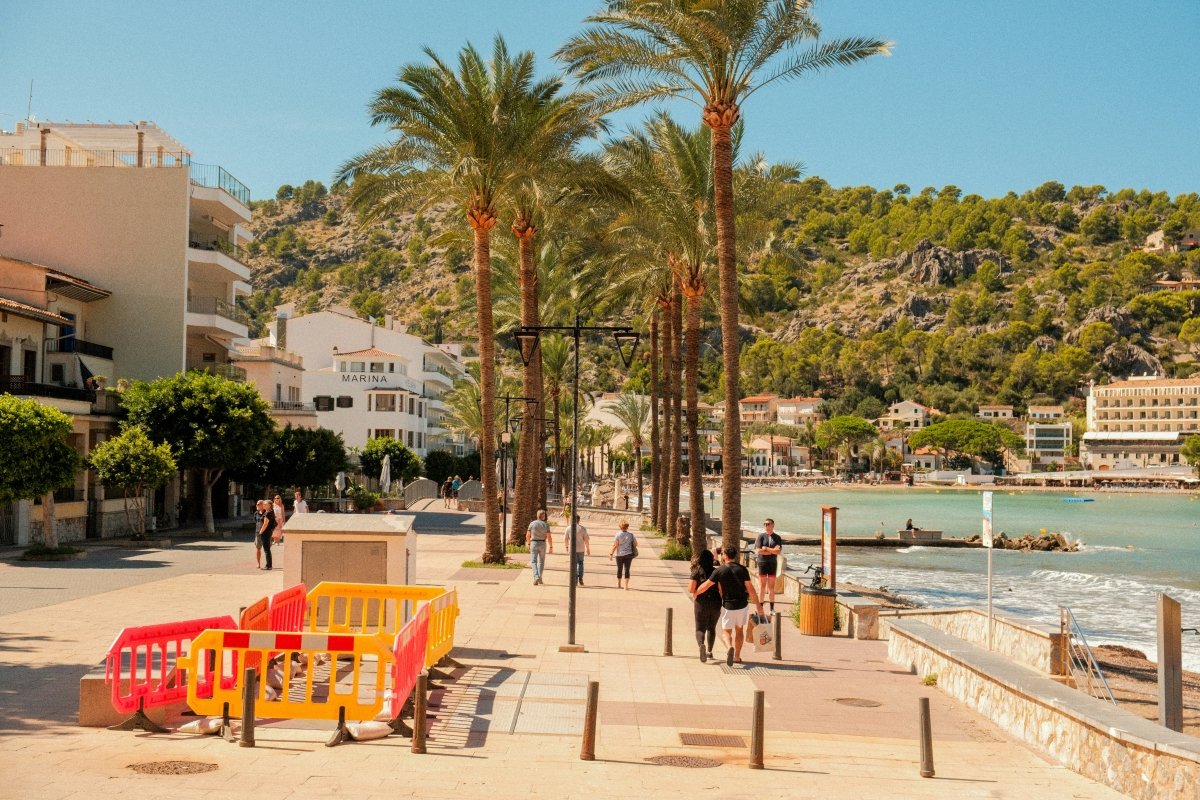
The beaches have gently shelving, calm water that’s safe for young swimmers. The vintage tram ride between Sóller and the port is a genuine highlight for children (and adults who haven’t lost their sense of wonder). The Museu de la Mar has kid-friendly exhibits. The promenade is flat and walkable with pushchairs. Boat trips to hidden coves make for unforgettable family memories. Ice cream is available at approximately every 50 metres. All in all, it’s one of those rare places where the kids are genuinely happy and so are the grown-ups.
Practical Tips
Get there early in summer. Parking in and around the port gets extremely tight by mid-morning in July and August — either arrive before 9am or leave the car in Sóller and tram it down.
Book restaurants in advance. The best spots fill up fast, especially at sunset hour. If you want that killer view table, reserve it.
Carry cash for smaller purchases. Most places accept cards, but markets and smaller stalls often prefer cash.
Respect the mountain roads. If you’re hiring a car and planning to drive to places like Sa Calobra or Deià, the roads are narrow and winding. Take your time, pull over for cyclists, and start early to beat traffic.
Drink local. Sóller’s famous for its oranges — try freshly squeezed juice, orange liqueur, and local olive oil. Support the producers who’ve kept this valley beautiful for centuries.
A Quick Recap
Port de Sóller is the northwest Mallorca village that punches well above its size. It’s got a protected bay with gorgeous beaches, the UNESCO Tramuntana mountains literally at its back, a vintage tram that’s been running since 1913, some of the best sunset views in the Mediterranean, excellent food, and a genuinely warm, welcoming atmosphere. It works for families, couples, solo travellers, hikers, cyclists, foodies, and anyone who just wants to sit somewhere beautiful and exhale.
It’s not trying to be Ibiza. It’s not trying to be Palma. It’s entirely, wonderfully itself — and that’s exactly what makes it special.
Go. You’ll want to go back.
Disclaimer: Travel information, prices, opening hours, and availability can change at any time. Always verify details directly with providers before booking, especially for transport timetables, restaurant reservations, and hotel availability. This article is intended as a general travel guide and does not constitute professional travel, legal, or financial advice. The author and publisher accept no responsibility for any losses or inconveniences arising from information contained herein. Travel responsibly, respect local communities and natural environments, and check current entry requirements for Spain and the Balearic Islands before you travel.