


TL;DR: Queyras Regional Park in the French Alps offers pristine hiking trails, charming mountain villages, and incredible wildlife viewing opportunities. Best visited June-September for hiking, December-March for skiing. Budget €80-150/day. Perfect for outdoor enthusiasts seeking authentic Alpine experiences away from crowds.
Tucked away in the southeastern French Alps, Queyras Regional Park (Parc naturel régional du Queyras) feels like stepping into a nature documentary. This isn’t your typical tourist-packed Alpine destination – it’s where locals still speak in hushed tones about spotting golden eagles and where ancient villages cling to mountainsides like they’ve been there since time began.
Why Queyras Should Be Your Next Adventure
Unlike the celebrity status of Chamonix or the ski resort glitz of Val d’Isère, Queyras keeps things refreshingly real. This 60,000-hectare wonderland straddles the Italian border and offers something increasingly rare: authentic mountain experiences without the Instagram crowds.
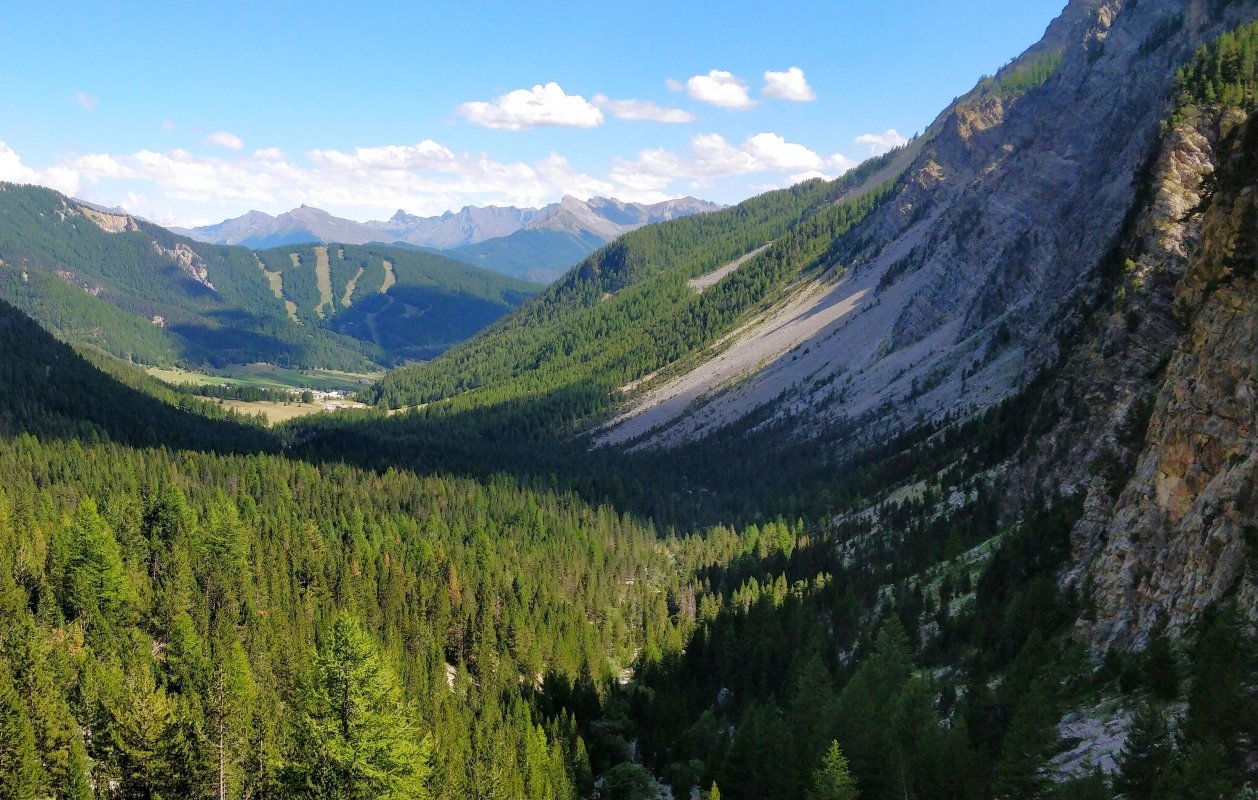
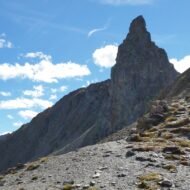
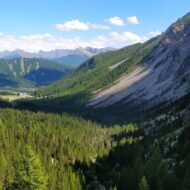
The park’s claim to fame? It’s home to some of Europe’s most pristine wilderness, where wolves have naturally returned, where traditional Alpine farming still happens, and where you can hike for hours without seeing another soul. Plus, with over 300 days of sunshine annually, it’s got better weather than most of the Alps.
Getting There and Around
By Car: The most flexible option. From Marseille, take A51 then D902 through Gap – about 2.5 hours of increasingly scenic driving. From Lyon, it’s roughly 3 hours via A7 and A51. Pro tip: rent a car with good ground clearance; some village roads are narrow and winding.
By Public Transport: Take a train to Montdauphin-Guillestre station, then catch the local bus service that connects major villages. Summer services run more frequently, but winter schedules can be sporadic.
Getting Around: Once you’re in the park, each village has its own personality and trail access. A car gives you maximum flexibility, but many visitors park in one village and explore on foot for several days.
Best Time to Visit
Summer (June-September): Peak hiking season with full trail access, warm days, and all mountain huts open. July-August see the most visitors, but it’s still nowhere near as crowded as other Alpine areas.
Winter (December-March): Perfect for cross-country skiing, snowshoeing, and cozy village vibes. Several small ski areas offer downhill skiing with zero queues.
Spring/Fall: Shoulder seasons offer great value and dramatic weather, but some high-altitude trails may be snow-covered or muddy.
Where to Stay: Villages with Character
Ceillac (1,640m)
This picture-perfect village feels like it was designed by someone obsessed with Alpine postcards. Traditional stone houses with slate roofs cluster around a baroque church, while the surrounding peaks provide a dramatic backdrop. It’s the perfect base for accessing high-altitude hiking trails and offers several family-run hotels and gîtes.
Saint-Véran (2,042m)
Europe’s highest village will literally take your breath away – both from the altitude and the views. The traditional wooden chalets with their distinctive flat roofs are architectural gems, and the village maintains strict building codes to preserve its authentic character. Stay here if you want to wake up above the clouds.
Abriès-Ristolas
Actually two villages that merged administratively but maintained their individual charm. Abriès offers more amenities and accommodation options, while Ristolas provides direct access to some of the park’s most spectacular hiking trails toward the Italian border.
Château-Ville-Vieille
The park’s “capital” and largest village, offering the most services including banks, pharmacies, and a good selection of restaurants. It’s less photogenic than the mountain villages but more practical for longer stays.
Must-Do Activities
Hiking and Trekking
GR5/GR58 Long-Distance Trails: These epic routes cross through Queyras, offering multi-day adventures with mountain hut accommodations. The GR58 “Tour du Queyras” is a 7-10 day circuit that showcases the park’s best landscapes.
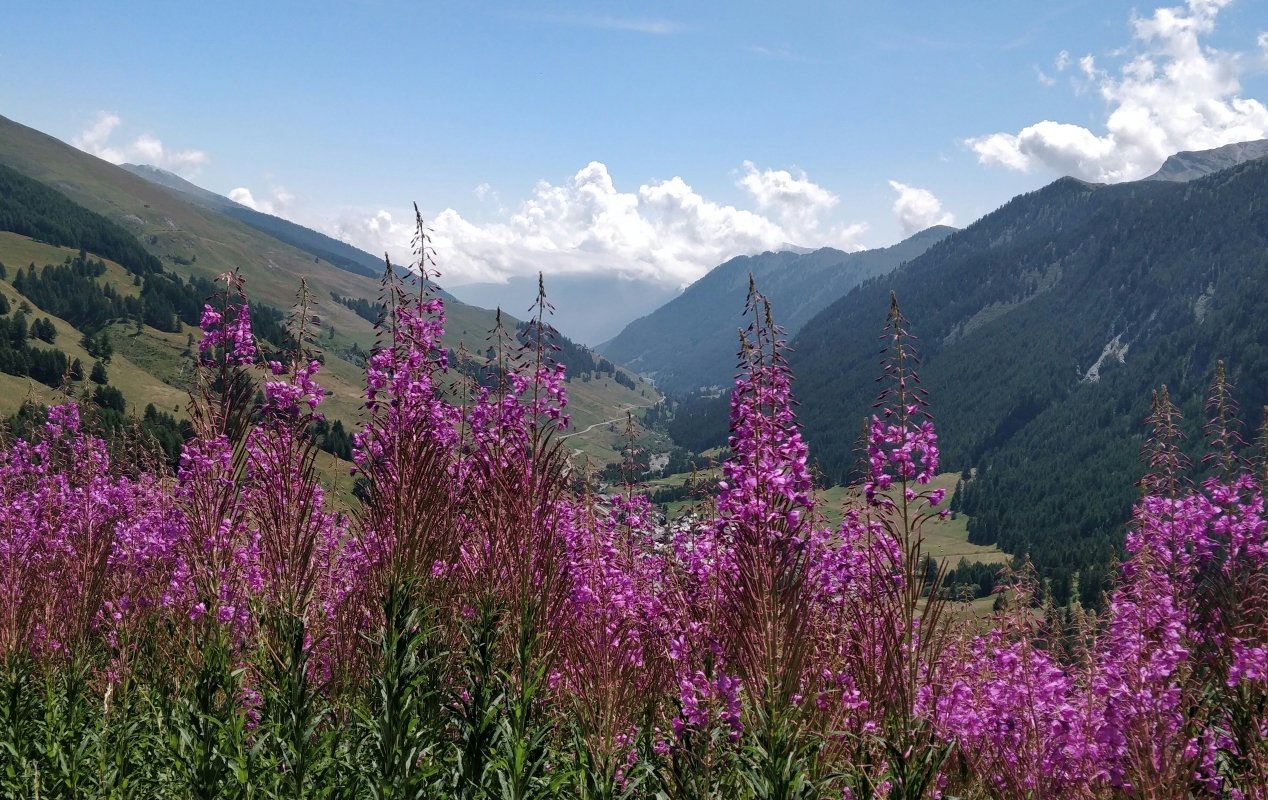
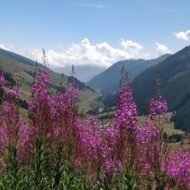
Col Agnel (2,744m): A challenging day hike that takes you to the Italian border with absolutely epic panoramic views. The trail passes through alpine meadows filled with wildflowers in summer.
Lac de Clausis: A more accessible family-friendly hike to a beautiful alpine lake surrounded by peaks. Perfect for picnics and swimming (if you don’t mind cold water).
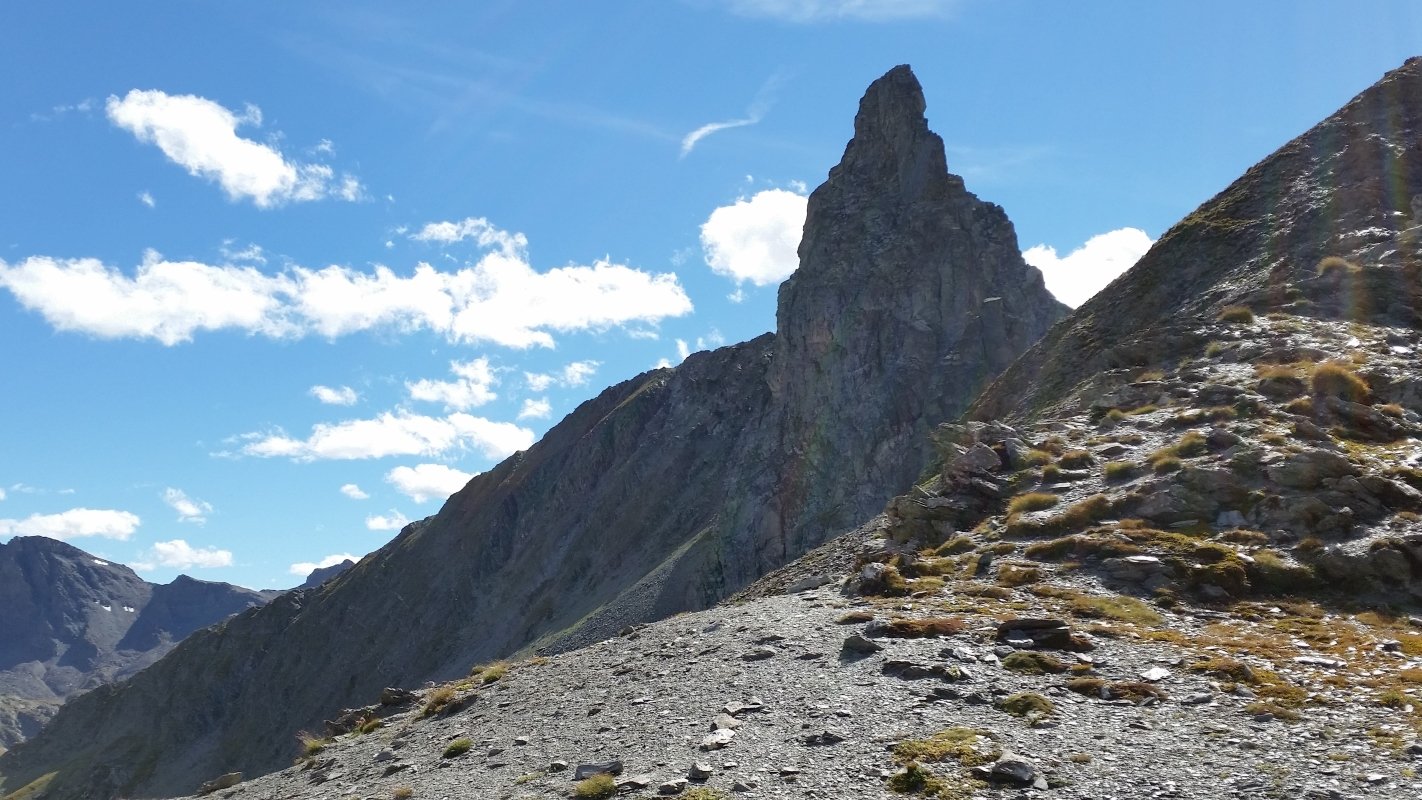
Peak Bagging: For experienced hikers, peaks like Pic de Caramantran (3,025m) offer serious alpine challenges with technical sections.
Winter Activities
Cross-Country Skiing: Queyras is cross-country ski paradise with over 100km of groomed trails connecting villages. The network is well-maintained and offers everything from gentle valley floors to challenging mountain routes.
Snowshoeing: Guided snowshoe tours reveal winter wildlife tracks and provide access to snow-covered landscapes that feel otherworldly.
Alpine Skiing: Small, family-friendly ski areas at Molines-en-Queyras and Abriès-Ristolas offer downhill skiing without the hassle and expense of major resorts.
Wildlife Watching
Queyras is a naturalist’s dream. Golden eagles soar overhead, marmots whistle from rocky outcrops, and if you’re incredibly lucky, you might spot wolves or lynx. Chamois are common on rocky slopes, and the park’s bird life is exceptional.
Food and Local Culture
The park’s isolation has preserved traditional Alpine cuisine. Look for local specialties like tourtons (fried pasta parcels), génépi liqueur made from local herbs, and incredible mountain cheeses from local farms.
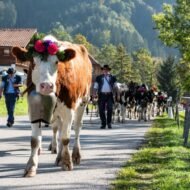
Many villages still practice transhumance – the seasonal movement of livestock to high pastures – which creates a living connection to centuries-old traditions. Summer festivals celebrate this heritage with traditional music, dancing, and local food.
Practical Information
Budget: Expect €80-150 per day including accommodation, meals, and activities. Mountain hut stays cost €15-25 for a dorm bed, while village hotels range from €60-120/night.
What to Pack: Weather changes quickly at altitude. Bring layers, waterproof gear, sturdy hiking boots, and sun protection. Even summer visitors should pack warm clothes for evenings and high-altitude hikes.
Language: French is standard, but many locals speak some Italian due to border proximity. English is less common than in major tourist areas, so basic French phrases are helpful.
Safety: Mountain weather can change rapidly. Always check conditions, carry appropriate gear, and let someone know your hiking plans. Cell phone coverage can be spotty in remote areas.
Sustainable Travel Tips
Queyras has maintained its pristine character partly because visitors respect the environment. Follow Leave No Trace principles, use official trails, respect wildlife viewing distances, and support local businesses. Many accommodations and restaurants source locally, contributing to the park’s economic sustainability.
The park’s commitment to conservation means some areas have access restrictions during wildlife breeding seasons – respect these boundaries to help preserve what makes Queyras special.
Hidden Gems
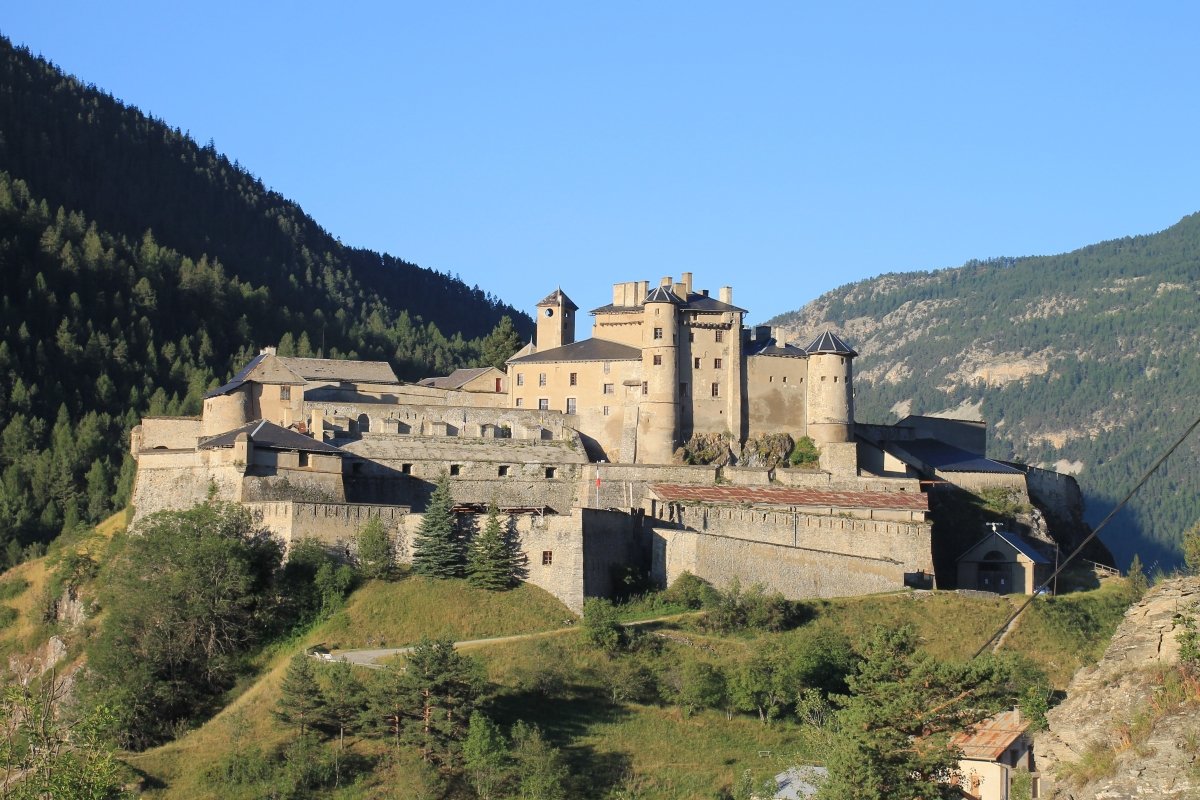
- Fort Queyras: A 13th-century fortress perched dramatically above the Guil River valley
- Maison du Roy: A traditional village house museum showing authentic Alpine life
- Sources chaudes de Monetier: Natural hot springs perfect for post-hike relaxation
- Village festivals: Summer celebrations featuring traditional music and local crafts
Photography Tips
Golden hour in Queyras is absolutely magical. The high altitude creates incredibly clear air, making distant peaks appear closer than they are. Early morning and late evening light turns the limestone peaks into glowing sculptures. Don’t miss sunrise from Saint-Véran – the highest village views are unbeatable.
Final Thoughts
Queyras Regional Park offers something increasingly rare: an authentic Alpine experience where nature still calls the shots. Whether you’re hiking to Italian border peaks, learning traditional cheese-making techniques, or simply sitting outside a village café watching golden eagles soar overhead, Queyras delivers experiences that feel genuinely special.
This isn’t a destination for luxury resort amenities or après-ski scenes. It’s for travelers who want to disconnect, challenge themselves physically, and connect with landscapes and cultures that have remained largely unchanged for centuries. In a world where authentic experiences are becoming harder to find, Queyras feels like discovering a secret that you’ll want to keep to yourself.