









TL;DR: Rennes-le-Château is a tiny hilltop village in southern France that’s become famous for conspiracy theories involving hidden treasure, the Knights Templar, and religious mysteries. While the legends might be questionable, the village offers stunning views, fascinating history, and unique attractions that make it worth visiting.
- Why Rennes-le-Château Became Famous (Or Infamous)
- Getting There and Getting Around
- What to See and Do
- The Church of Saint Mary Magdalene
- Saunière Museum and Villa Bethania
- Tour Magdala
- The Poussin Tomb (Arques)
- Where to Stay
- Dining and Local Specialties
- Best Time to Visit
- Beyond the Mystery: Outdoor Activities
- Practical Tips for Visitors
- The Real Story vs. The Legends
- Making the Most of Your Visit
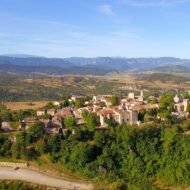
Tucked away in the rolling hills of France’s Aude department, Rennes-le-Château might just be the most intriguing village you’ve never heard of. With fewer than 100 residents, this sleepy hamlet has sparked more conspiracy theories than any other place its size on Earth. But beyond the Dan Brown-style mysteries, it’s a genuinely captivating destination that offers visitors breathtaking landscapes, medieval history, and one heck of a story.
Why Rennes-le-Château Became Famous (Or Infamous)
The village’s claim to fame centers around Bérenger Saunière, a parish priest who served here from 1885 to 1917. During renovations of the local church, Saunière supposedly discovered something that made him incredibly wealthy almost overnight. He began spending lavishly on the church and village, building elaborate structures that seemed way beyond a country priest’s means.
What did he find? Nobody knows for sure, but theories range from Visigoth treasure to proof that Jesus survived the crucifixion. The mystery deepened when author Pierre Plantard fabricated documents in the 1960s claiming the village held secrets about the Merovingian bloodline and the Holy Grail. These hoaxes later inspired countless books, including “The Da Vinci Code.”
Getting There and Getting Around
By Car: The easiest way to reach Rennes-le-Château is by car. It’s about 5km south of Couiza, accessible via the D613 road. The drive up the winding mountain road is scenic but narrow – take your time and watch for oncoming traffic.
Public Transport: Bus services from Couiza are limited and seasonal. Check with local transport authorities for current schedules.
Parking: Free parking is available in the village center, though spaces can fill up during peak tourist season (July-August).
What to See and Do
The Church of Saint Mary Magdalene
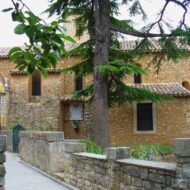
The heart of the mystery lies in this 19th-century church, rebuilt by Saunière himself. The entrance features the cryptic Latin inscription “Terribilis est locus iste” (This place is terrible), setting an ominous tone. Inside, you’ll find unusual decorations including a devil supporting the holy water font and stations of the cross with mysterious additions to the traditional scenes.
Tip: Look for the reversed letters on Saunière’s tomb outside the church – another puzzle that fuels the conspiracy theories.
Saunière Museum and Villa Bethania
This museum, housed in the priest’s former residence, displays artifacts from his life and explores the various theories surrounding his wealth. The villa itself is an impressive structure for such a remote location, complete with exotic gardens and a library tower.
Opening Hours: Typically 10 AM – 6 PM (varies by season) Admission: Around €9 for adults
Tour Magdala
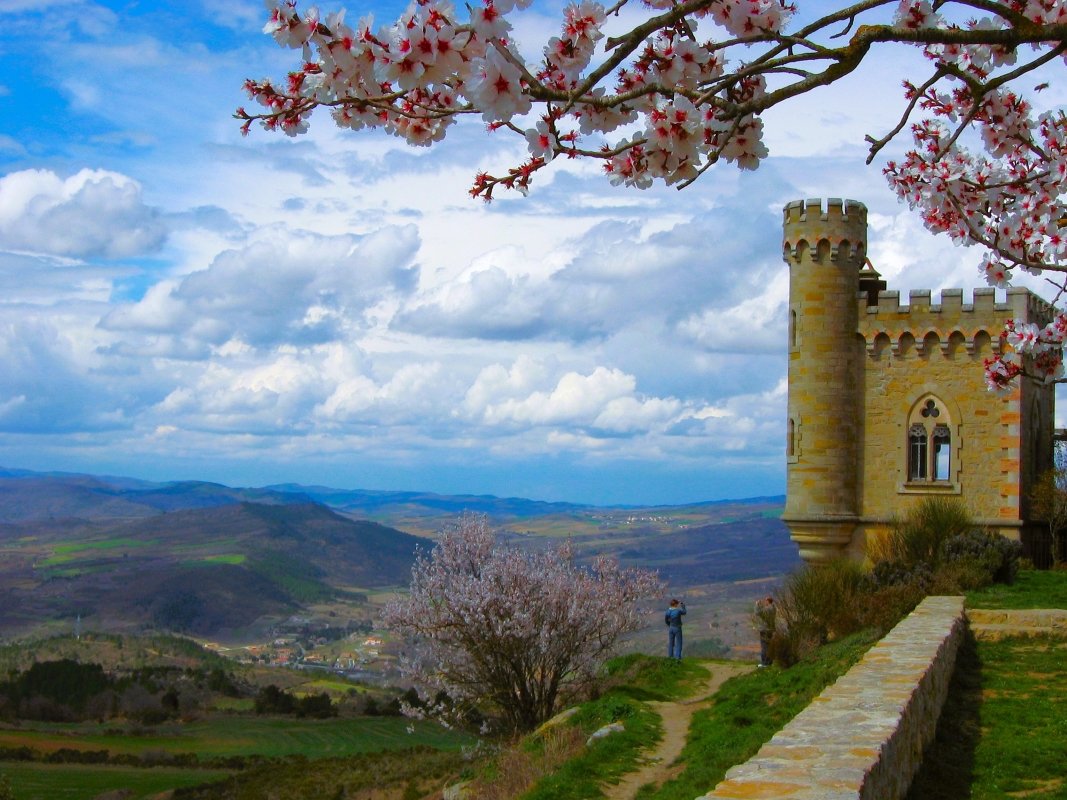
Saunière’s mysterious tower offers panoramic views of the Corbières mountains and the Aude Valley. Built ostensibly as a library, its true purpose remains unclear. The 360-degree views from the top are worth the climb regardless of any hidden meanings.
The Poussin Tomb (Arques)
About 15 minutes away in the village of Arques, you’ll find a tomb that matches one depicted in Nicolas Poussin’s painting “Et in Arcadia Ego.” This connection has fueled additional theories about the area’s significance.
Where to Stay
Accommodation Options
- Domaine de l’Abbaye: A charming bed and breakfast in nearby Rennes-les-Bains with thermal spa facilities
- Hotel des Deux Rocs: Family-run hotel in Roquefort-de-Sault, about 20 minutes away
- Camping Options: Several campsites in Couiza offer affordable stays with good access to the village
Vacation Rentals
Airbnb and local rental companies offer everything from traditional stone cottages to modern apartments in the surrounding area. Book early during summer months.
Dining and Local Specialties
The village itself has limited dining options, but nearby towns offer excellent regional cuisine:
- Traditional Cassoulet: This hearty white bean stew originated in this region
- Local Wines: The Corbières wine region produces excellent reds
- Honey and Herbs: Local producers sell mountain honey and wild herbs
Restaurant Recommendations:
- Le Jardin de Marie (Rennes-les-Bains) – Traditional French cuisine
- La Serpent Rouge (Couiza) – Named after the mystery documents, serves regional specialties
Best Time to Visit
Spring (April-May): Mild weather, fewer crowds, wildflowers in bloom Summer (June-August): Warmest weather but most crowded and expensive Fall (September-October): Pleasant temperatures, autumn colors, harvest season Winter (November-March): Quieter but some attractions may have limited hours
Beyond the Mystery: Outdoor Activities
Hiking and Walking
The surrounding Corbières mountains offer numerous trails for all skill levels. The GR36 long-distance hiking trail passes near the village, providing access to spectacular mountain scenery.
Cycling
Quiet country roads make this area excellent for cycling enthusiasts. The climbs are challenging but rewarding, with views extending to the Pyrenees on clear days.
Nearby Attractions
- Carcassonne: Medieval fortress city (45 minutes away)
- Limoux: Sparkling wine capital of southern France
- Cathar Castles: Ruins of medieval fortresses dot the landscape
Practical Tips for Visitors
What to Bring
- Comfortable walking shoes (cobblestone streets and uneven surfaces)
- Camera (photography is allowed in most areas)
- Cash (some smaller establishments don’t accept cards)
- Weather-appropriate clothing (mountain weather can change quickly)
Visitor Etiquette
- Respect that this is a living village with permanent residents
- Keep noise levels down, especially in residential areas
- Follow posted signs regarding photography restrictions
- Support local businesses when possible
Language
While some tourist-facing businesses have English-speaking staff, learning basic French phrases will enhance your experience and is appreciated by locals.
The Real Story vs. The Legends
While the conspiracy theories make for entertaining reading, most historians agree that Saunière’s wealth likely came from trafficking in masses (accepting payment for prayers said for the dead) and possibly local political connections rather than hidden treasure. The “mystery documents” were later proven to be 20th-century fabrications.
That said, the genuine medieval history of the area is fascinating enough without embellishment. The region has been inhabited since prehistoric times, served as a Visigoth stronghold, and played important roles during the Cathar period and various French conflicts.
Making the Most of Your Visit
Plan to spend at least half a day in Rennes-le-Château itself, with additional time for exploring the surrounding area. The village is small enough to see everything on foot, but the mountain location means lots of walking up and down steep streets.
Consider combining your visit with other regional attractions to make a longer trip worthwhile. The entire Pays Cathare (Cathar Country) region offers dozens of fascinating historical sites within an hour’s drive.
Whether you come for the mystery, the history, or simply the stunning scenery, Rennes-le-Château offers a unique glimpse into rural French life with an extra helping of intrigue. Just don’t expect to solve any ancient puzzles during your visit – if there were ever any real secrets here, they’re keeping them well hidden.
Getting More Information: The local tourist office in Couiza can provide current information about opening hours, special events, and guided tours. Many visits can be self-guided, but guided tours (when available) offer deeper historical context and access to areas not always open to the public.
Remember that while the mystery aspect draws many visitors, the real treasure of Rennes-le-Château lies in its authentic French village atmosphere, stunning natural setting, and the genuine warmth of its residents who’ve learned to embrace their village’s unusual fame with good humor and regional pride.