













TL;DR: Rye is a perfectly preserved medieval hilltop town in East Sussex with cobblestone streets, half-timbered houses, literary connections, and stunning views. Perfect for day trips or weekend getaways, offering history, culture, great food, and accessible attractions for everyone.
- Why Rye Should Be on Your Bucket List
- Getting There and Getting Around
- The Must-See Sights That’ll Make Your Instagram Jealous
- Hidden Gems Only Locals Know About
- Food and Drink: Your Taste Buds Will Thank You
- Where to Stay: From Historic Inns to Modern Comfort
- Shopping: Antiques, Art, and Everything In Between
- Seasonal Considerations: When to Visit
- Practical Tips for Everyone
- Day Trip Itinerary: Making the Most of Your Time
- Beyond Rye: Day Trip Extensions
- Final Thoughts: Why Rye Works for Everyone
Ever wondered what it would be like to step into a medieval fairy tale? Welcome to Rye, East Sussex – a town so ridiculously picturesque that you’ll question whether someone’s playing an elaborate prank on you. This former island port, perched on a hill overlooking the Romney Marsh, is basically England showing off.
Why Rye Should Be on Your Bucket List
Rye isn’t just another pretty English town (though it’s definitely that). It’s a place where history comes alive without feeling stuffy, where every corner reveals something magical, and where you can easily spend hours wandering without realizing time has passed. Plus, it’s compact enough to explore comfortably regardless of your mobility needs.
Getting There and Getting Around
By Train: Direct services run from London St Pancras (about 1 hour 15 minutes) and Brighton (1 hour). The station is a pleasant 10-minute walk from the town center, with clear signage and relatively flat paths.
By Car: It’s about 2 hours from London via the A21. Parking can be challenging in summer, but there are several car parks around town, including accessible spaces.
Getting Around: Rye’s compact size makes it perfect for walking, though the cobblestones can be uneven. Most main attractions are accessible, and the town provides clear accessibility information for visitors with mobility needs.
The Must-See Sights That’ll Make Your Instagram Jealous
Mermaid Street
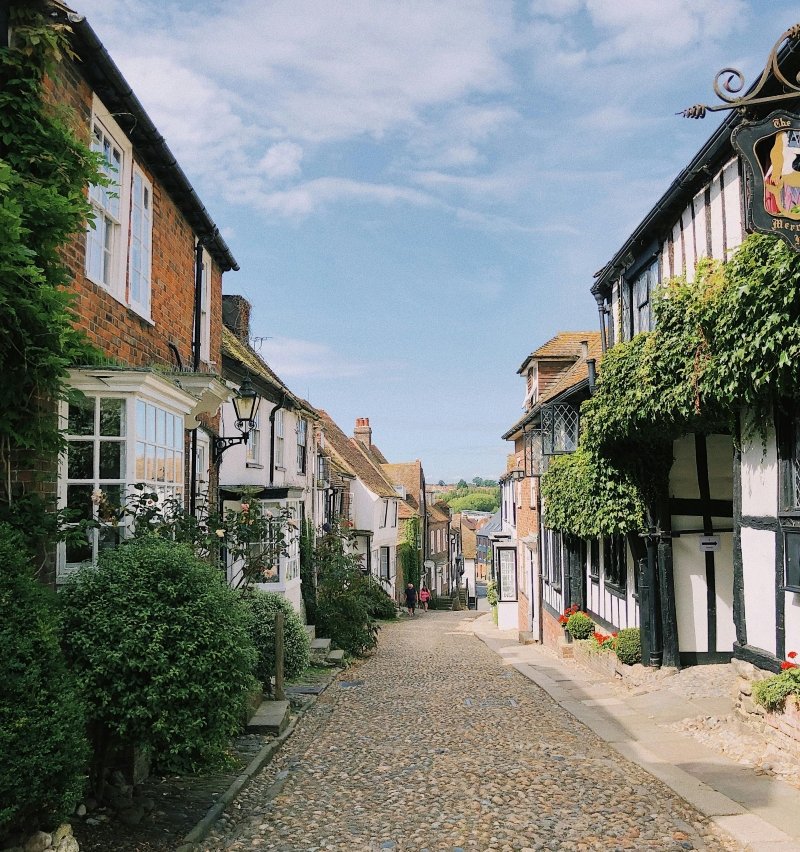
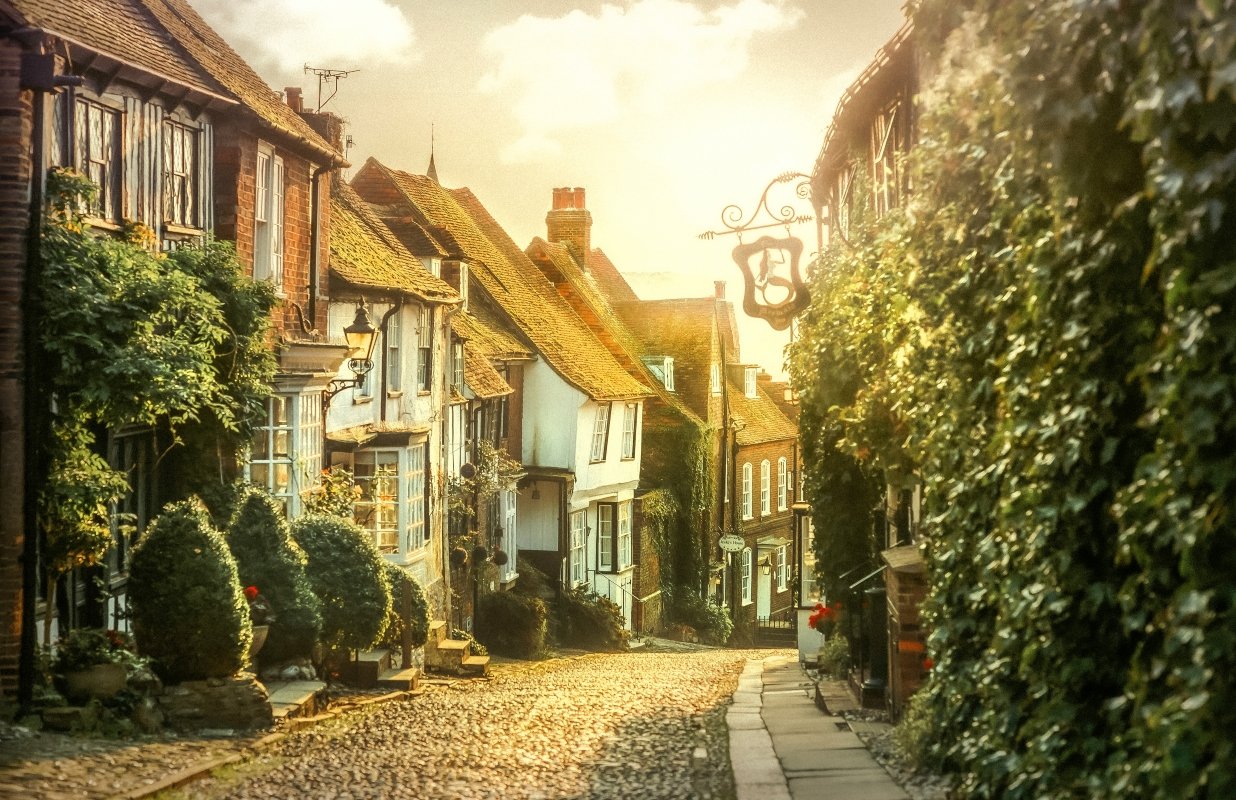
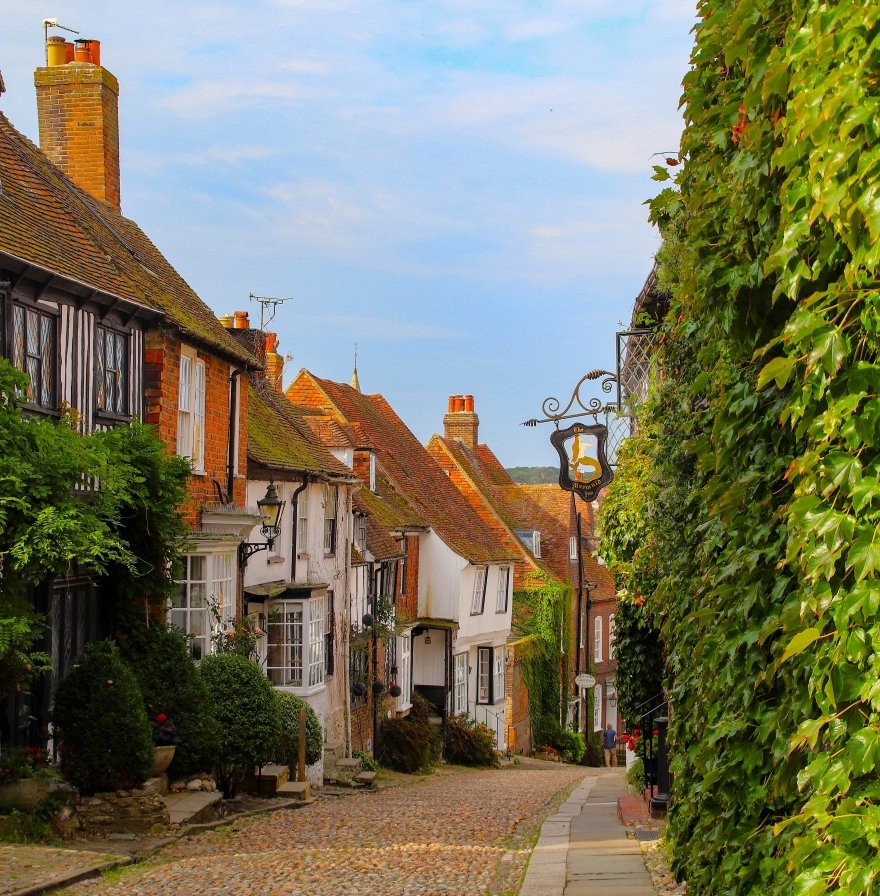
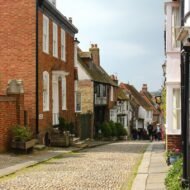
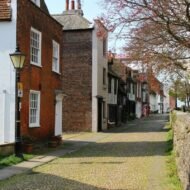
This is the money shot – the cobblestone street that launches a thousand Instagram posts. The medieval timber-framed houses lean into each other like old friends sharing secrets. Visit early morning or late afternoon for the best light and fewer crowds. The street has some steep sections, but there are alternative routes for those who need them.
Rye Castle Museum (Ypres Tower)
Built in 1249, this fortress offers panoramic views over the Romney Marsh. The museum tells the story of Rye’s maritime past, complete with smuggling tales that would make any pirate jealous. Note: The tower involves climbing stairs, but the ground floor exhibitions are fully accessible.
St. Mary’s Church
Home to one of England’s oldest working church clocks (dating from 1561) and the “Quarter Boys” that strike the bells. Climb the tower for breathtaking views – though fair warning, it’s 30 meters up and involves narrow medieval stairs. The church itself is accessible at ground level.
Lamb House
Henry James lived here, and it’s where he wrote some of his most famous works. The Georgian house and garden offer a glimpse into literary life. The National Trust has made significant accessibility improvements, with ramped access and accessible facilities.
Hidden Gems Only Locals Know About
Rye Harbour Nature Reserve
A 20-minute walk from town center, this is where you’ll find incredible bird watching, peaceful walks, and that sense of being completely removed from the world. The reserve has accessible paths and bird hides.
The Old Grammar School
Now an antique shop, but the Tudor building itself is worth admiring from the outside. Perfect for history buffs who love architectural details.
Traders Passage
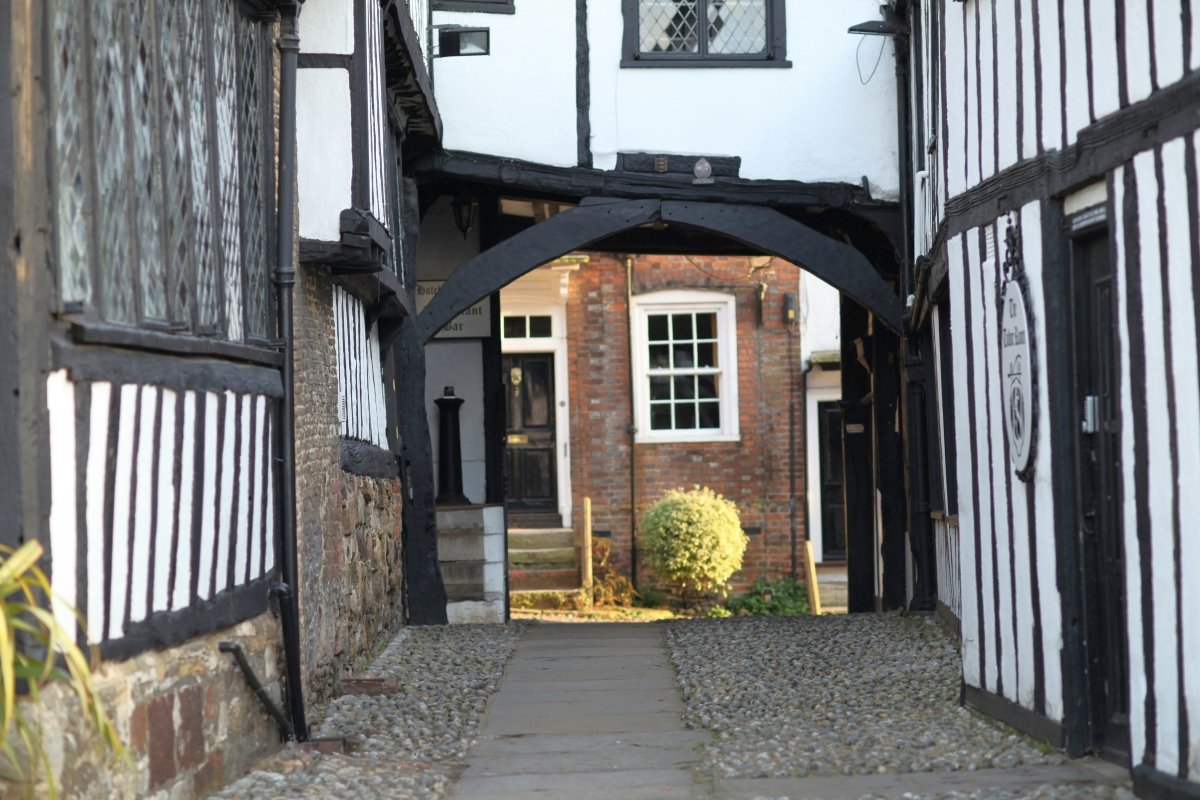
A narrow medieval alley that most tourists miss. It connects the main streets and offers fantastic photo opportunities without the crowds.
Food and Drink: Your Taste Buds Will Thank You
The Mermaid Inn
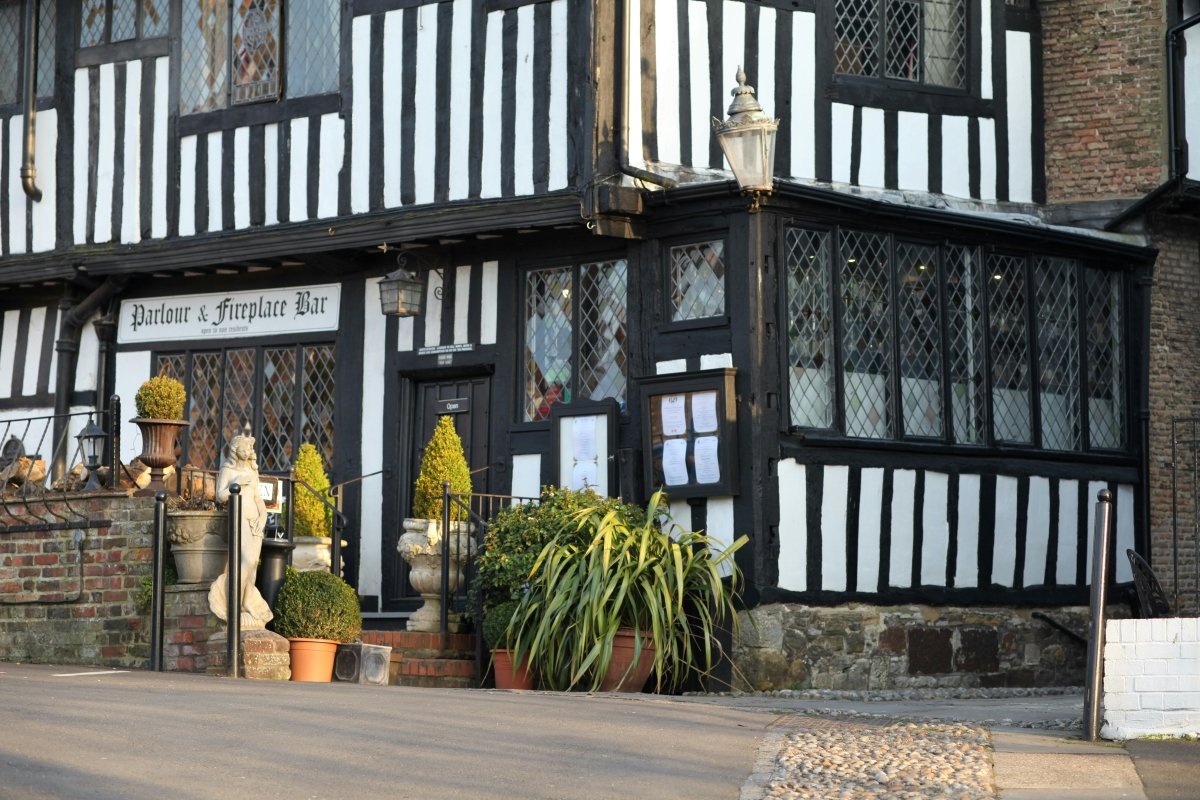
This 15th-century inn is practically a museum you can sleep and eat in. The restaurant serves excellent modern British cuisine in rooms that have hosted everyone from smugglers to celebrities. They accommodate various dietary requirements with advance notice.
Webbes at The Fish Café
Fresh, locally sourced seafood in a relaxed atmosphere. Their fish and chips are legendary, and they offer excellent vegetarian and vegan options too.
The Ypres Castle Inn
Stunning views over the marshes with hearty pub food. Dog-friendly and accommodating to families and groups with different needs.
Knoops Chocolate
Artisanal hot chocolate that’ll ruin you for the powdered stuff forever. They cater to various dietary restrictions including dairy-free options.
Where to Stay: From Historic Inns to Modern Comfort
The Mermaid Inn
Sleep where smugglers once plotted. Rooms vary in accessibility, so contact them directly about specific needs.
The George in Rye
Boutique hotel with modern amenities in a historic building. Several accessible rooms available.
Jeake’s House
A 17th-century poet’s house turned charming hotel. Some rooms are more accessible than others – they’re very helpful about matching rooms to guests’ needs.
Shopping: Antiques, Art, and Everything In Between
Rye’s shopping scene is refreshingly free of chain stores. You’ll find independent bookshops, antique stores, art galleries, and craft shops. Many stores are accessible, and shop owners are generally very accommodating.
Don’t Miss:
- The Rye Bookshop (perfect for book lovers)
- Various antique shops along the High Street
- Local art galleries featuring work by regional artists
Seasonal Considerations: When to Visit
Spring (March-May): Fewer crowds, blooming gardens, mild weather Summer (June-August): Busiest but warmest, longest days, all attractions open Autumn (September-November): Beautiful colors, good weather, harvest festivals Winter (December-February): Quieter, cozy pub atmosphere, some attractions have reduced hours
Practical Tips for Everyone
- Accessibility: Contact attractions directly about specific needs – most are very accommodating
- Families: The town is very family-friendly with baby-changing facilities in most venues
- Budget: Mix expensive experiences (fine dining) with free ones (walking the streets, visiting the church)
- Time Needed: A day trip works, but 2-3 days lets you really soak in the atmosphere
Day Trip Itinerary: Making the Most of Your Time
Morning (9-12pm):
- Arrive and grab coffee
- Explore Mermaid Street for photos
- Visit St. Mary’s Church
Lunch (12-2pm):
- Lunch at a local pub or café
- Browse the shops
Afternoon (2-5pm):
- Visit Rye Castle Museum
- Walk to Rye Harbour Nature Reserve OR explore more of the medieval streets
- Visit Lamb House if you’re a literature fan
Evening:
- Dinner at The Mermaid Inn or another local restaurant
- Evening stroll through the illuminated streets
Beyond Rye: Day Trip Extensions
If you’re staying longer, consider visiting:
- Winchelsea: Another medieval town just a few miles away
- Bodiam Castle: Spectacular 14th-century castle (30 minutes by car)
- Hastings: Beach town with its own rich history (20 minutes away)
Final Thoughts: Why Rye Works for Everyone
Rye manages to be historically significant without being intimidating, beautiful without being precious, and touristy without losing its authentic charm. Whether you’re interested in history, literature, photography, nature, or just want to wander somewhere beautiful, Rye delivers.
The town has made genuine efforts to be welcoming to all visitors, with most venues providing accessibility information and staff who are knowledgeable about accommodating different needs. It’s a place where solo travelers feel safe, families find plenty to explore, and couples discover romantic corners around every bend.
Sure, it can get crowded in summer, and yes, those cobblestones can be challenging. But there’s something magical about a place that has remained essentially unchanged for centuries while still feeling very much alive. Rye isn’t trying to be anything other than what it is – and what it is, is pretty spectacular.
So pack comfortable shoes, bring your camera, and prepare to fall in love with one of England’s most perfectly preserved medieval towns. Just don’t blame us when you start planning your next visit before you’ve even left.