




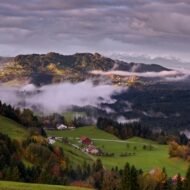
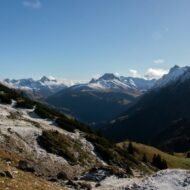

TL;DR: Skip the crowded summer hotspots and discover Europe’s most stunning alpine destinations in September. From Italy’s fairytale Dolomites to Switzerland’s tradition-rich villages, these five mountain escapes offer perfect weather, vibrant fall colors, and authentic cultural experiences without the tourist masses.
- 1. Val di Funes, Italy – The Fairytale Valley of the Dolomites
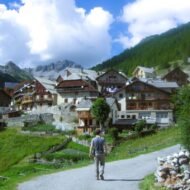
- 2. Appenzell, Switzerland – Where Tradition is the Main Attraction
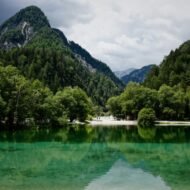
- 3. Kranjska Gora, Slovenia – The Jewel Box of the Julian Alps
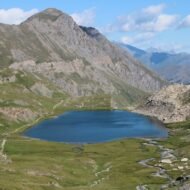
- 4. Queyras Regional Park, Hautes-Alpes, France – The Wild Side of the French Alps
- 5. Bregenzerwald, Vorarlberg, Austria – Where Architecture Meets Alpine Tradition
- Why September is Alpine Magic Time
- Making It Happen: Practical Tips
September is hands down the best-kept secret for alpine adventures. While everyone’s fighting for beach chairs in overcrowded coastal towns, smart travelers are heading to the mountains where the weather’s still gorgeous, the hiking trails aren’t packed, and you’ll actually get to chat with locals instead of dodging selfie sticks.
Here’s your insider guide to five alpine gems that’ll give you the perfect blend of breathtaking scenery, rich cultural traditions, and wallet-friendly adventures.
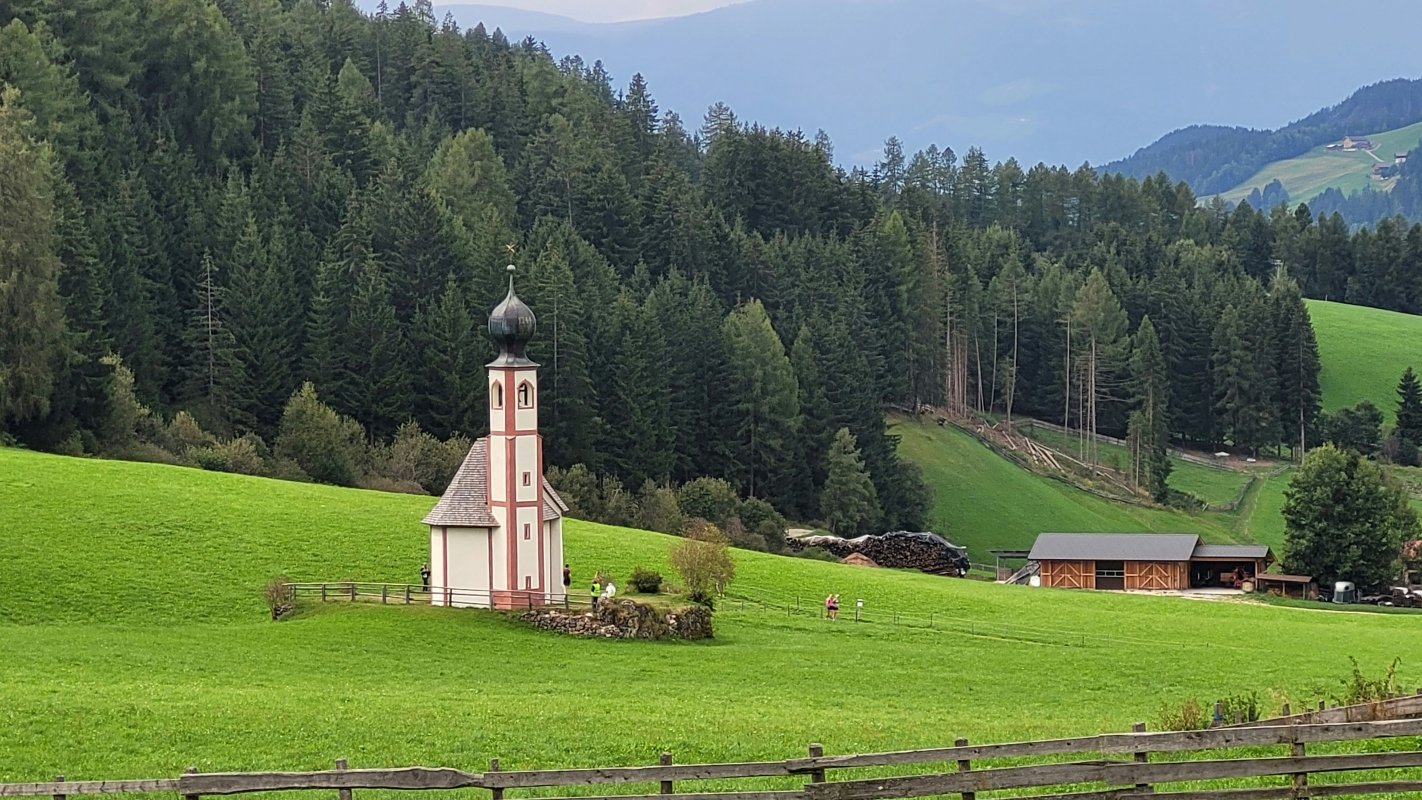
1. Val di Funes, Italy – The Fairytale Valley of the Dolomites
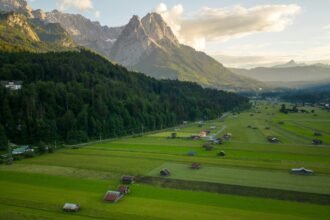
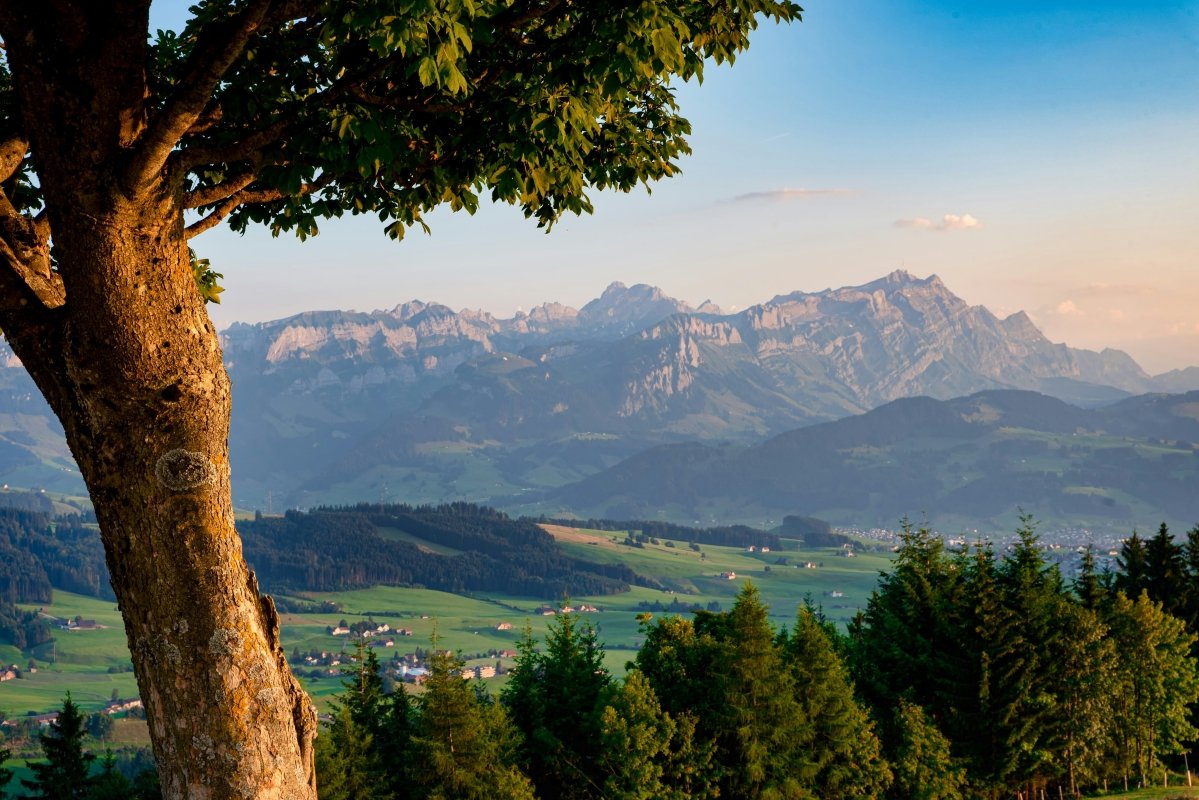
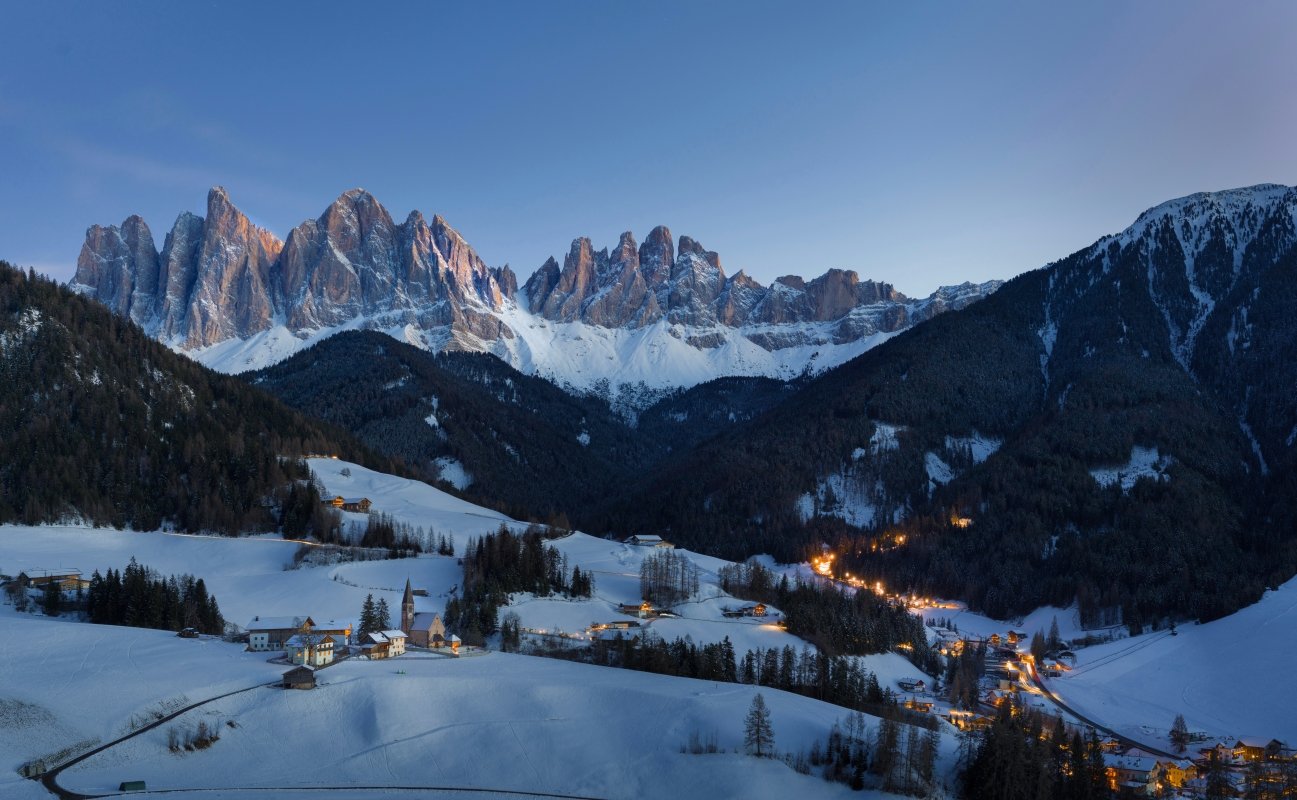
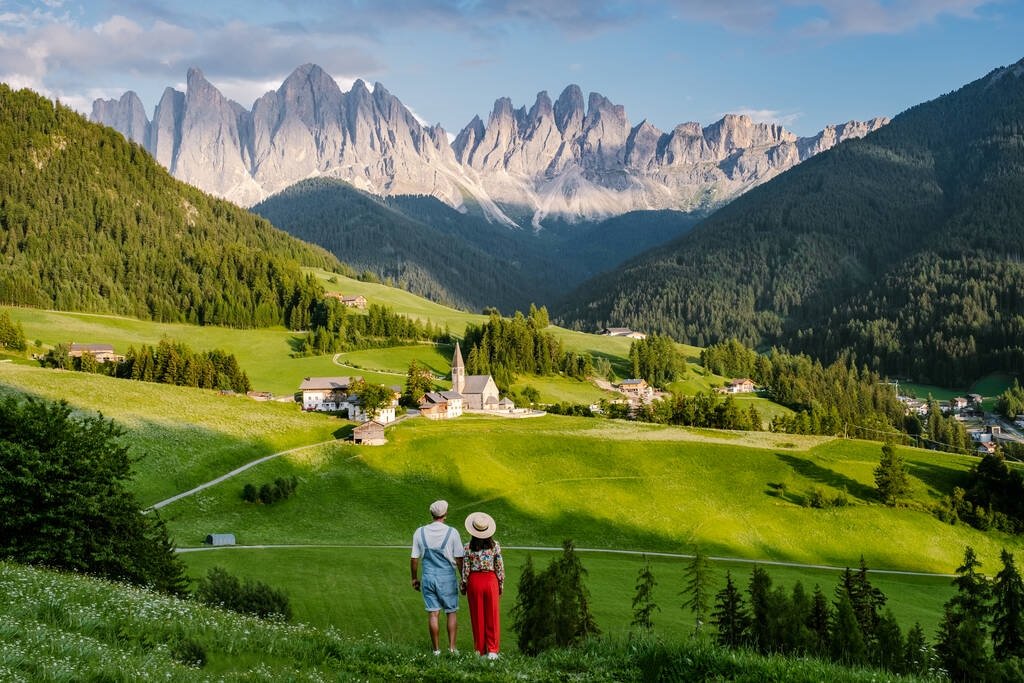
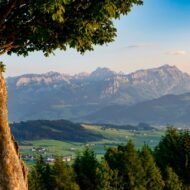
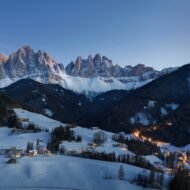
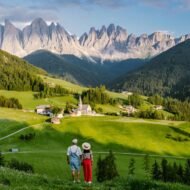
Picture this: emerald meadows dotted with traditional farmhouses, dramatic limestone peaks piercing the sky, and that perfect September light making everything look like a movie set. Welcome to Val di Funes, where the Odle mountain group creates one of Europe’s most photographed landscapes.
Cultural Traditions to Experience
The South Tyrolean culture here is fascinating – it’s like Italy and Austria had a beautiful cultural baby. You’ll hear three languages spoken (German, Italian, and Ladin), and the local festivals in September are pure magic. The Törggelen tradition kicks off in late September, where locals celebrate the new wine harvest with chestnuts, speck, and plenty of laughs in traditional Buschenschänke (wine taverns).
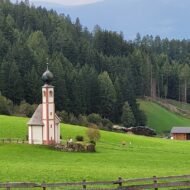
Don’t miss the tiny village of Santa Maddalena, where the iconic church with the Odle peaks backdrop will have you reaching for your camera every five minutes. The locals are incredibly welcoming – many families have been farming here for generations and love sharing stories about mountain life.
Budget Breakdown
- Accommodation: €50-120/night for mountain huts or guesthouses
- Meals: €15-25 for hearty local meals at farm restaurants
- Activities: Free hiking trails, cable cars €15-25 return
- Daily budget: €80-150 per person
Pro tip: Stay in a Urlaub auf dem Bauernhof (farm stay) for authentic experiences and fresh mountain breakfasts that’ll fuel your hiking adventures.
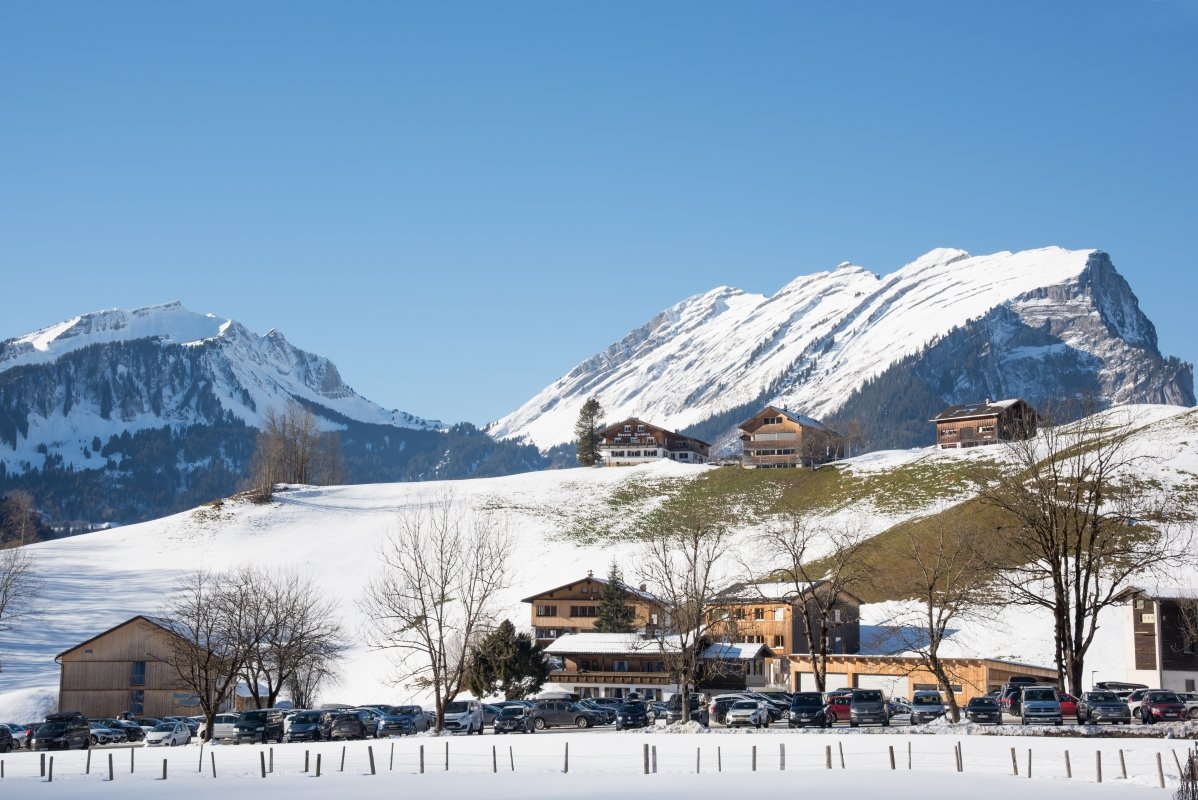
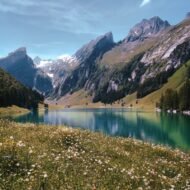
2. Appenzell, Switzerland – Where Tradition is the Main Attraction
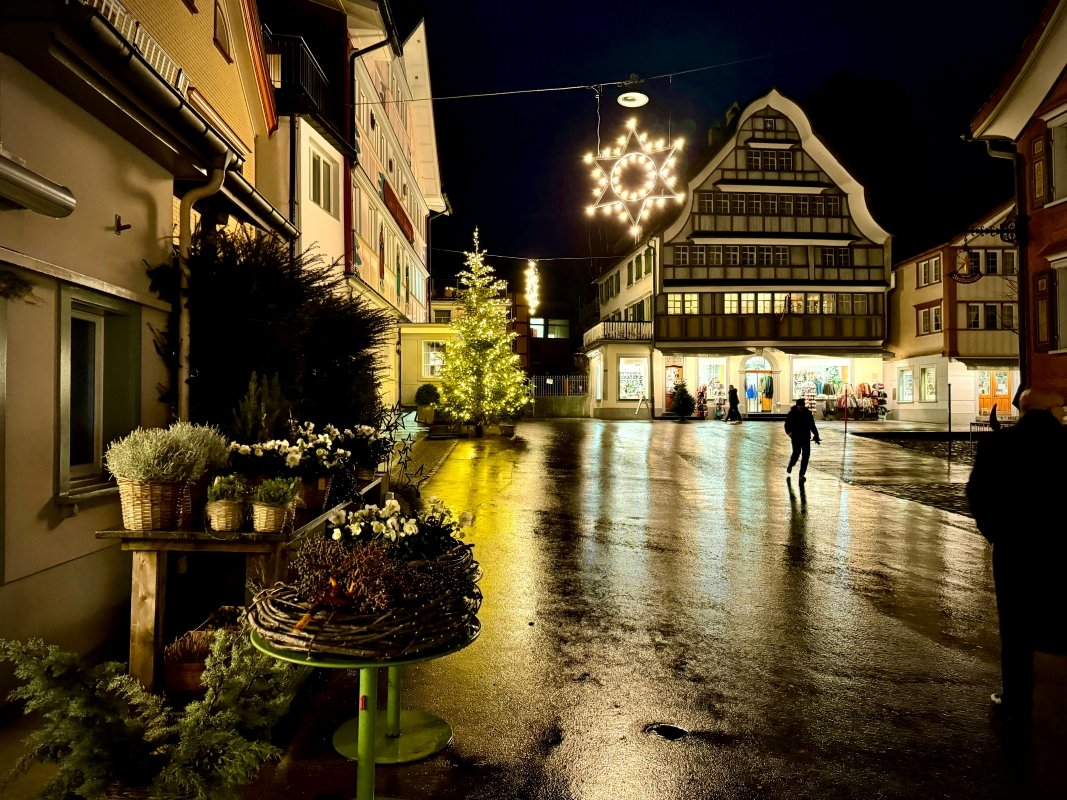
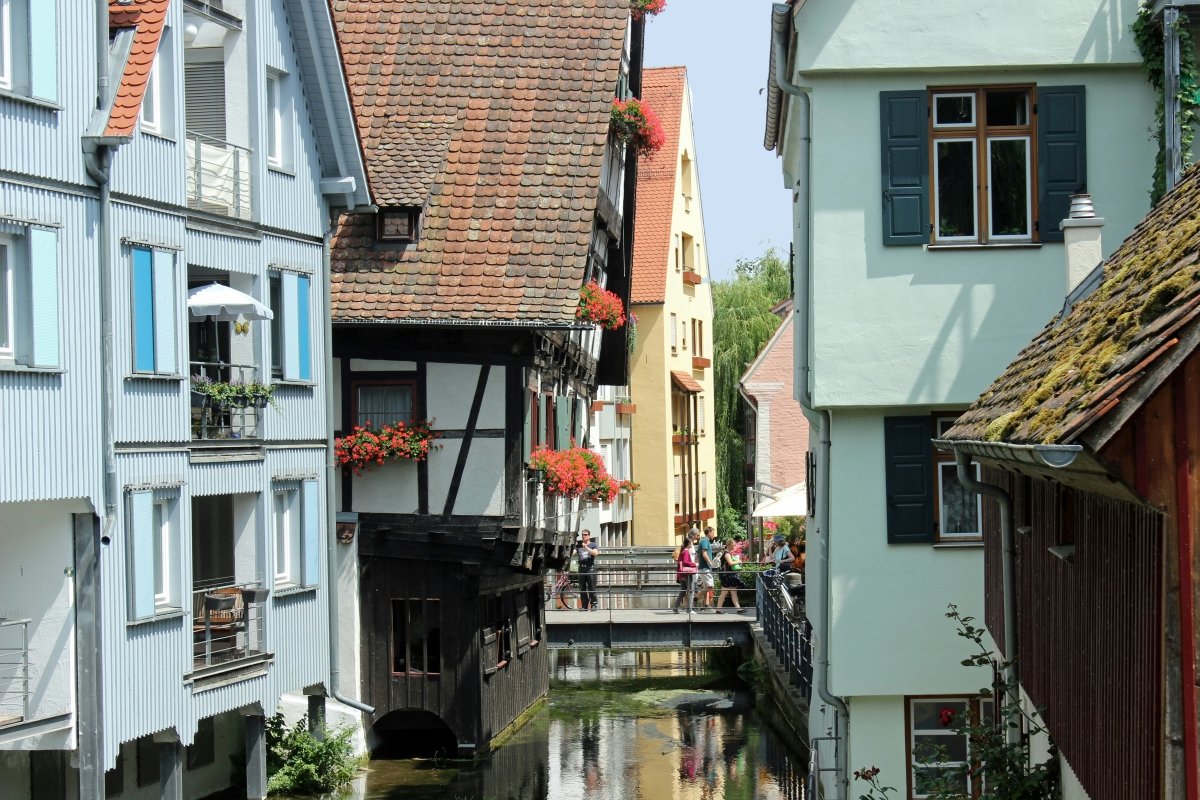
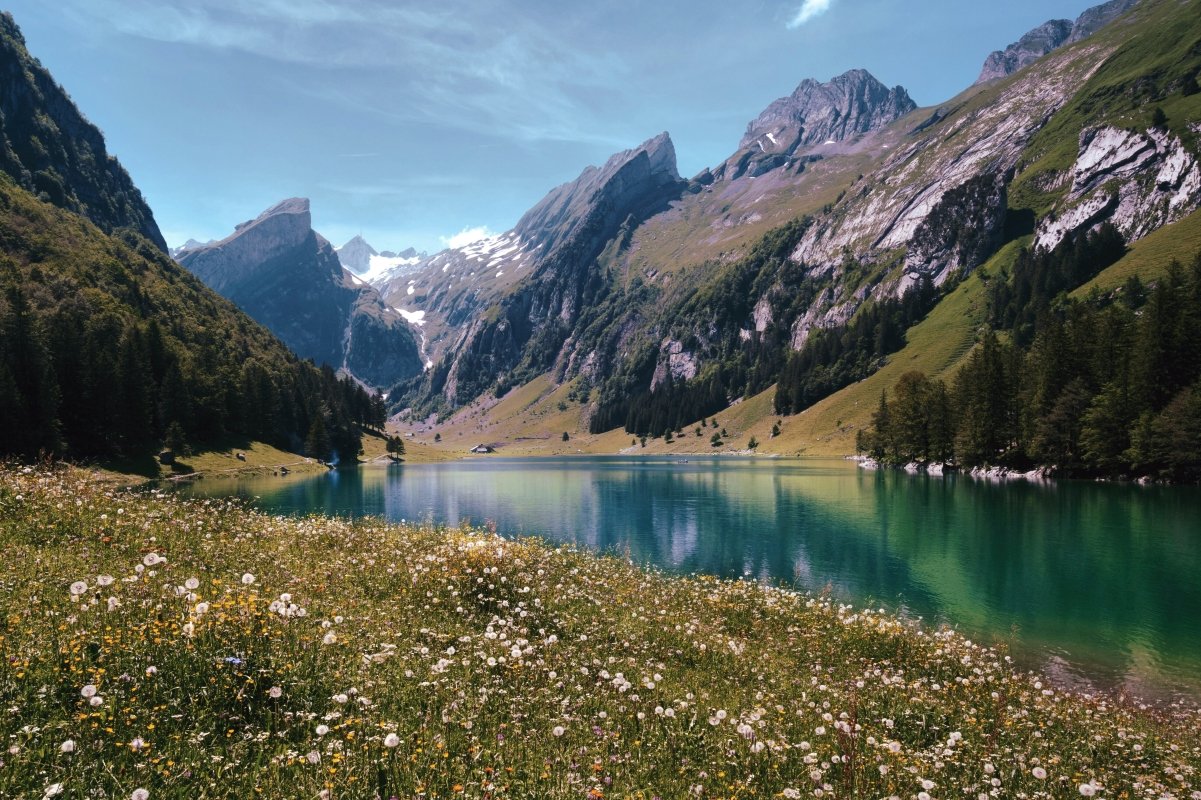
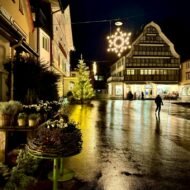
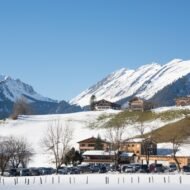
If you want to see Switzerland at its most authentically Swiss, Appenzell is your answer. This car-free village looks like it jumped straight out of a cuckoo clock, complete with hand-painted houses, flower boxes that would make Pinterest jealous, and locals who still wear traditional dress for Sunday church.
Cultural Immersion
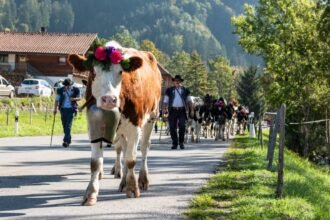
September coincides with the Alpabzug – the ceremonial descent of decorated cattle from summer pastures. It’s like a pastoral parade that’ll make you understand why the Swiss are so proud of their traditions. The cows wear massive bells and flower crowns, and the whole community comes out to celebrate.
The Appenzeller cheese dairies offer tours where you’ll learn why their cheese tastes so incredible (spoiler: it’s the mountain herbs). Plus, you can watch traditional handicrafts being made – the intricate Appenzell embroidery is still done by hand using techniques passed down for centuries.
Budget Considerations
- Accommodation: €90-180/night (Switzerland isn’t cheap, but worth it)
- Meals: €20-35 for traditional mountain meals
- Cheese tours: €8-12 per person
- Cable cars: €25-40 for mountain access
- Daily budget: €150-250 per person
Money-saving hack: Buy groceries at Coop and pack lunches for hiking. The mountain restaurants are pricey, but the views from free hiking trails are priceless.
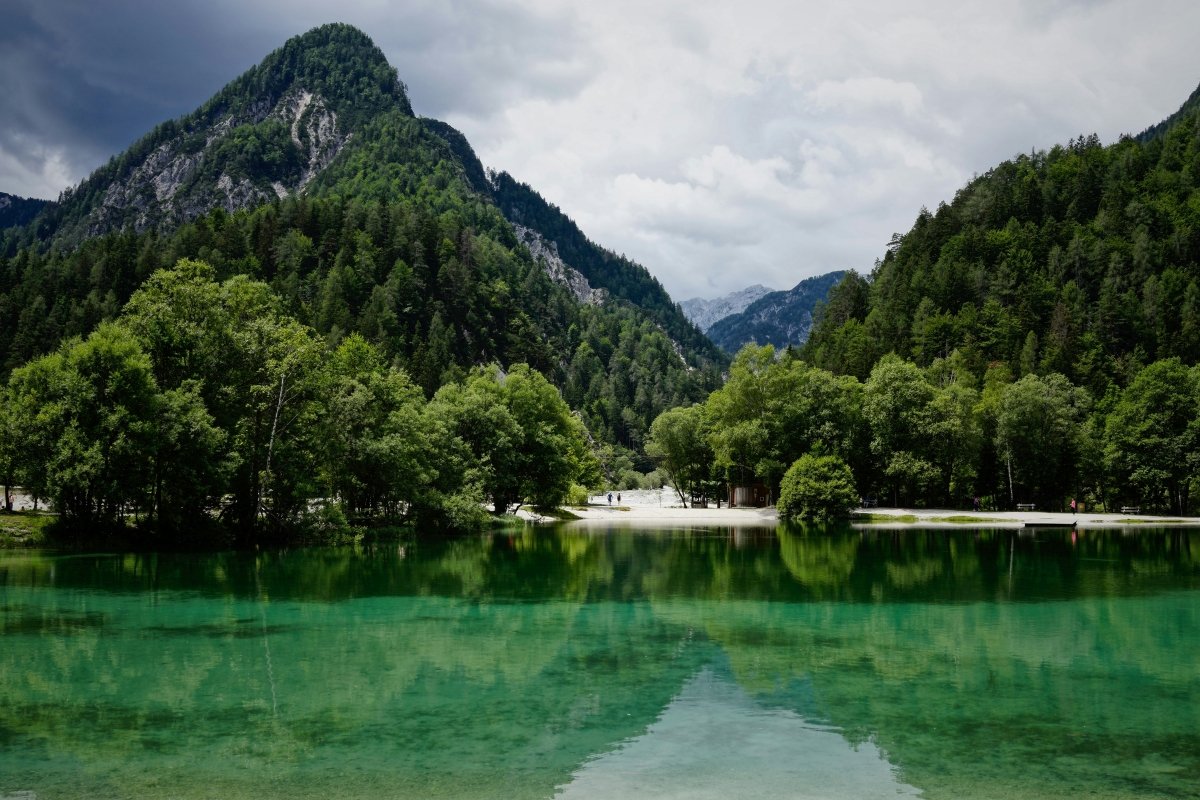
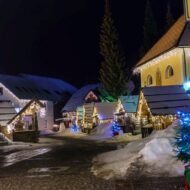
3. Kranjska Gora, Slovenia – The Jewel Box of the Julian Alps
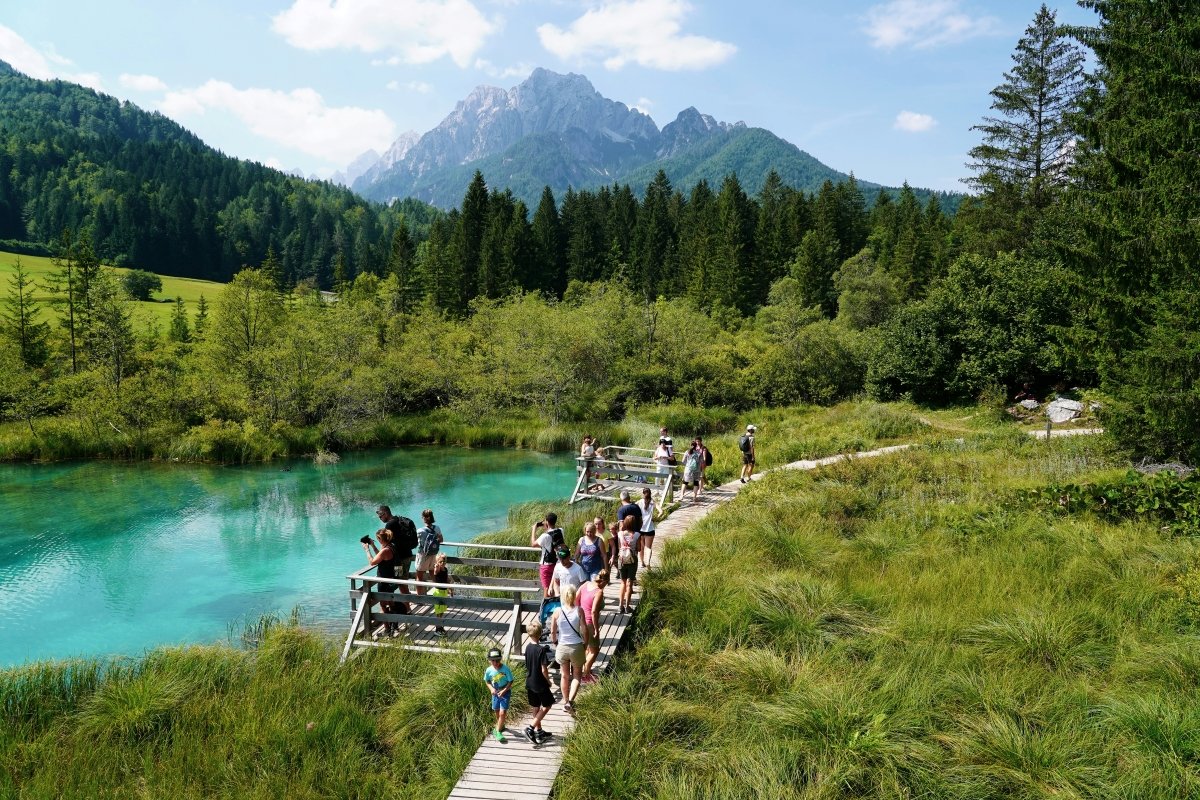
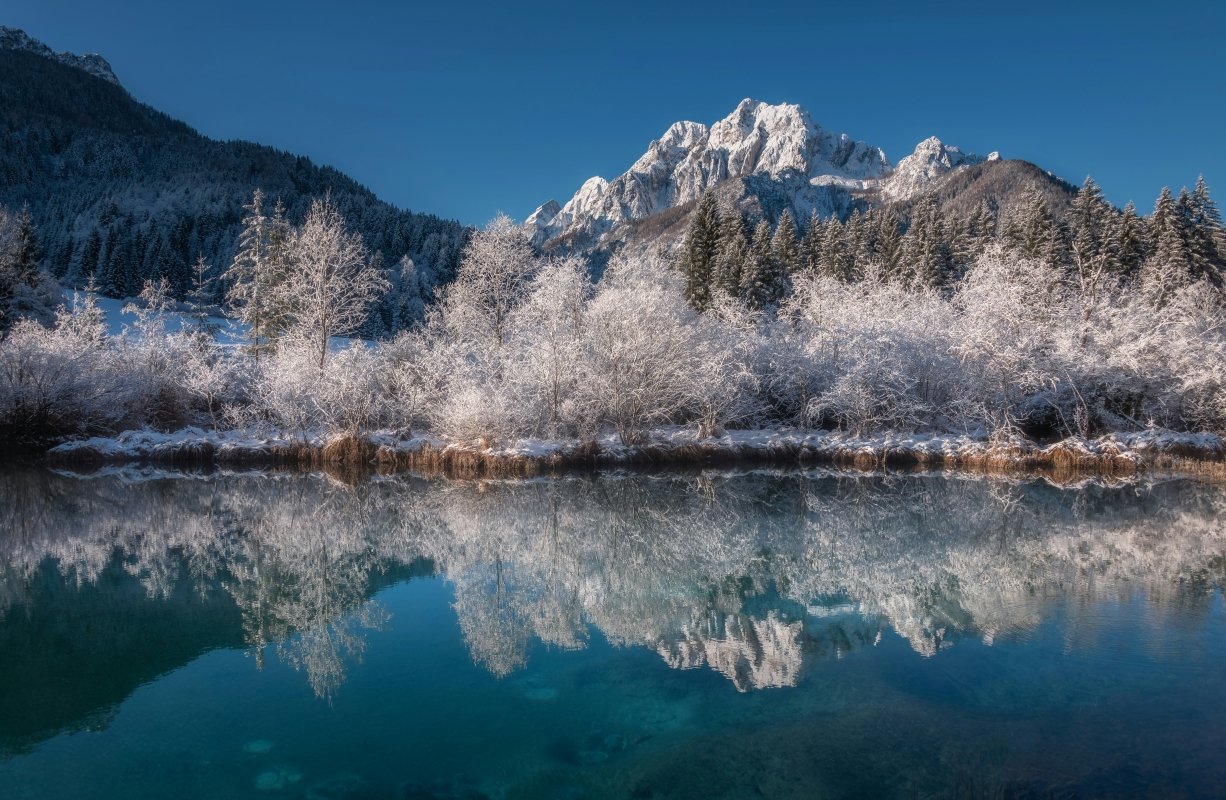
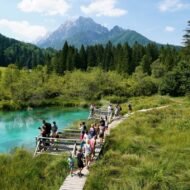
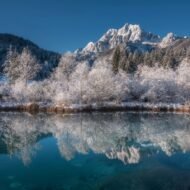
Here’s Europe’s best-kept alpine secret: Slovenia’s Kranjska Gora offers all the alpine beauty of Switzerland at a fraction of the cost. Nestled beneath the dramatic Triglav massif, this charming town is your gateway to Triglav National Park and some seriously underrated mountain adventures.
Rich Cultural Heritage
Slovenia’s mountain culture is deeply tied to mountaineering traditions. September brings the Kekec Festival, celebrating the legendary Slovenian folk hero through storytelling, traditional music, and local crafts. The area’s beekeeping tradition is fascinating too – Slovenia has more beekeepers per capita than anywhere in Europe, and you can visit traditional painted beehive panels that are genuine folk art.
The nearby Planica valley isn’t just famous for ski jumping – it’s where locals have been testing their courage against the mountains for generations. Visit the local museum to understand how this small nation has produced world-class mountaineers and winter sports athletes.
Budget Breakdown
- Accommodation: €30-80/night for guesthouses or mountain lodges
- Meals: €10-20 for generous portions of local cuisine
- National park entry: €10 for weekly pass
- Cable cars: €12-20 return
- Daily budget: €60-120 per person
Local secret: Try žganci (traditional buckwheat dish) at mountain huts – it’s hearty hiking fuel that costs almost nothing.
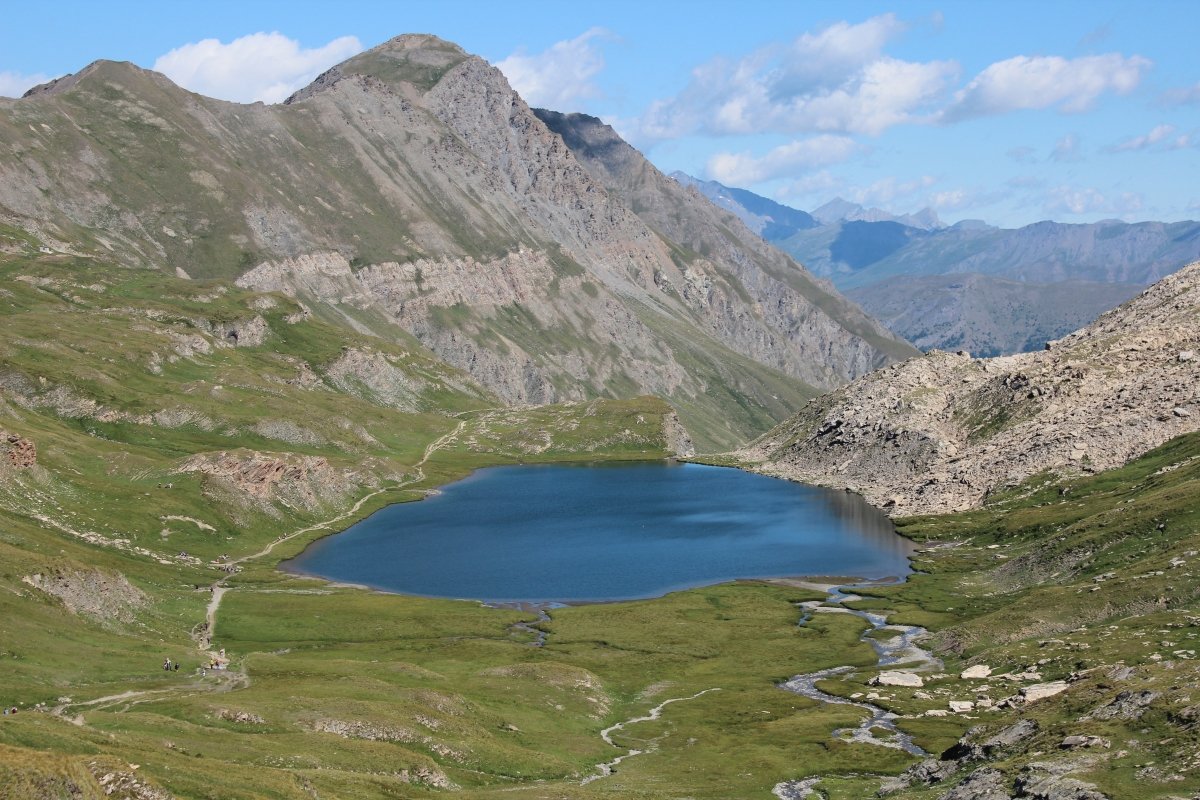
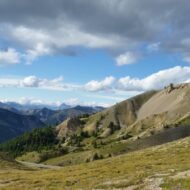
4. Queyras Regional Park, Hautes-Alpes, France – The Wild Side of the French Alps
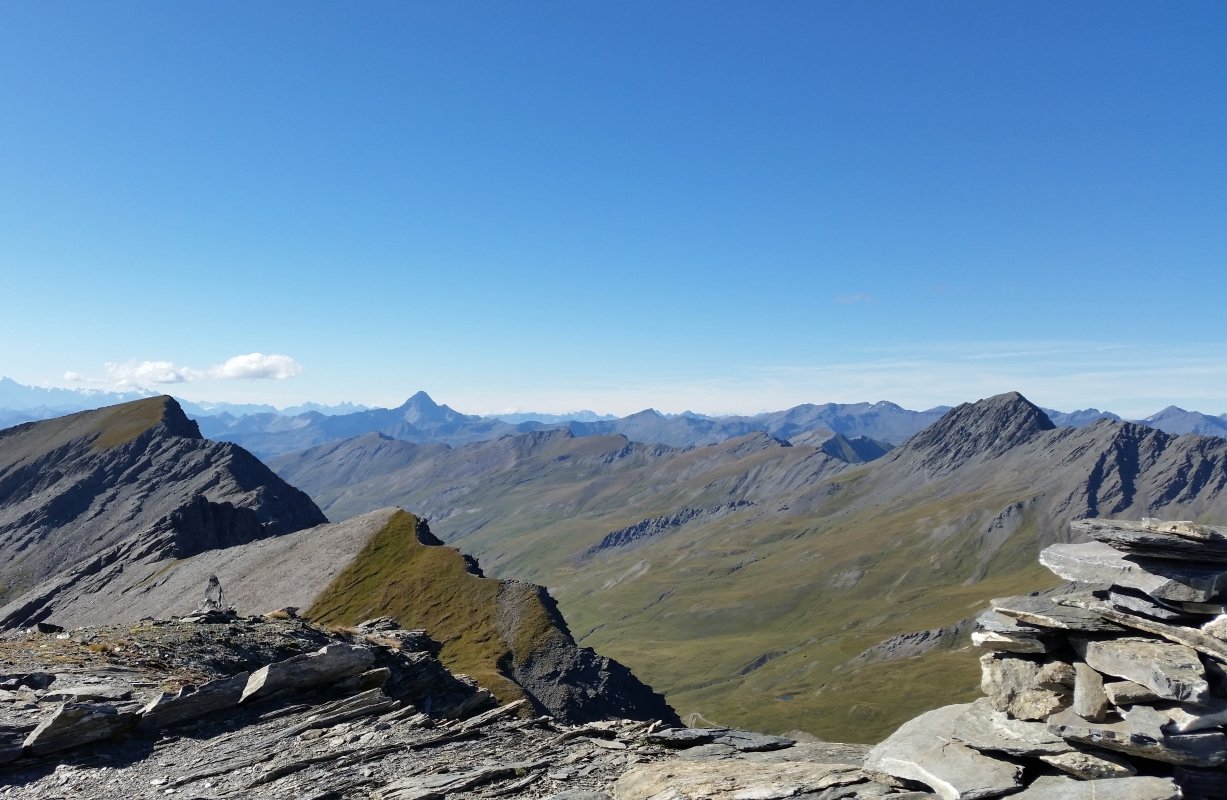
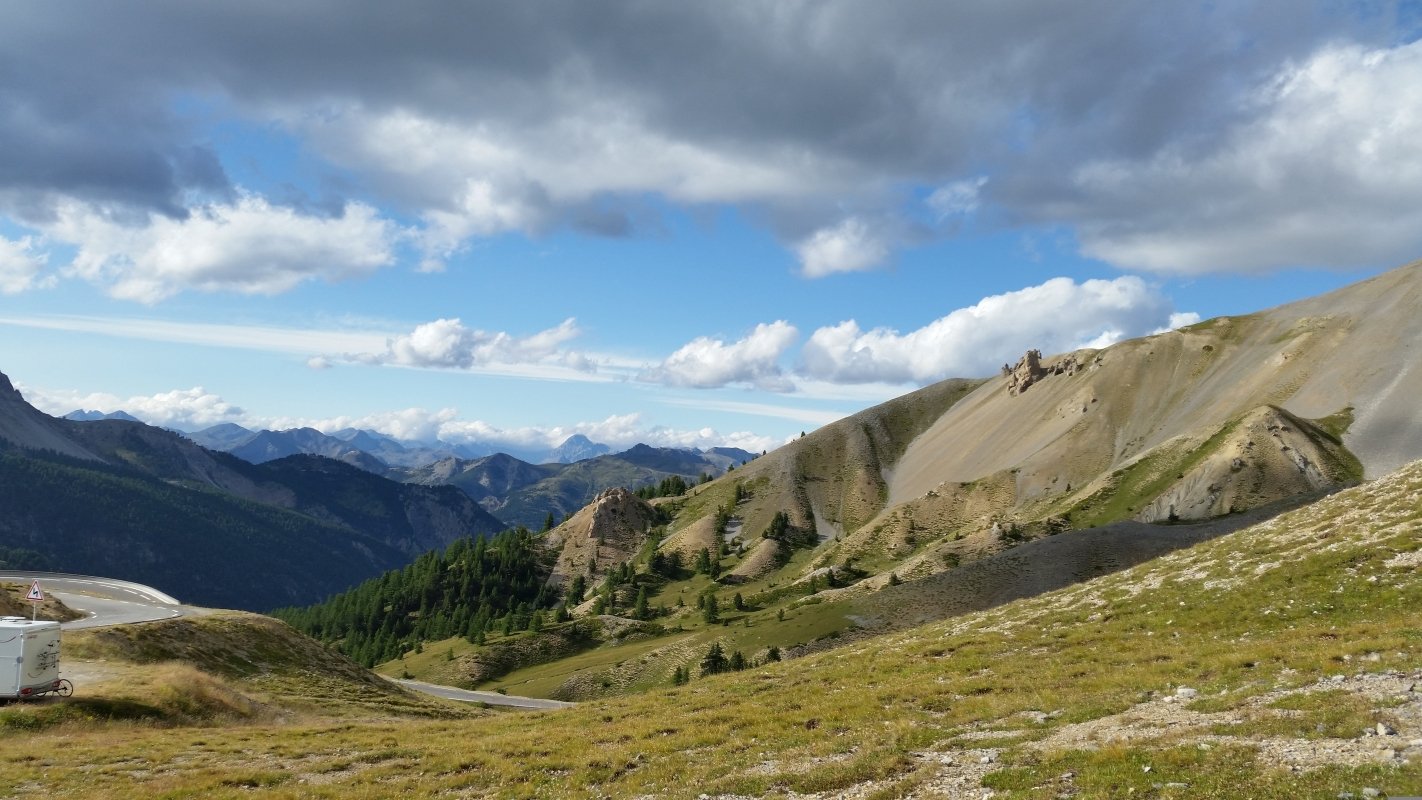
Forget Chamonix’s crowds and discover Queyras, where traditional Alpine life continues largely unchanged. This regional park in the southern French Alps offers some of Europe’s most pristine mountain landscapes, with villages that seem frozen in time and hiking trails that feel genuinely wild.
Living Traditions
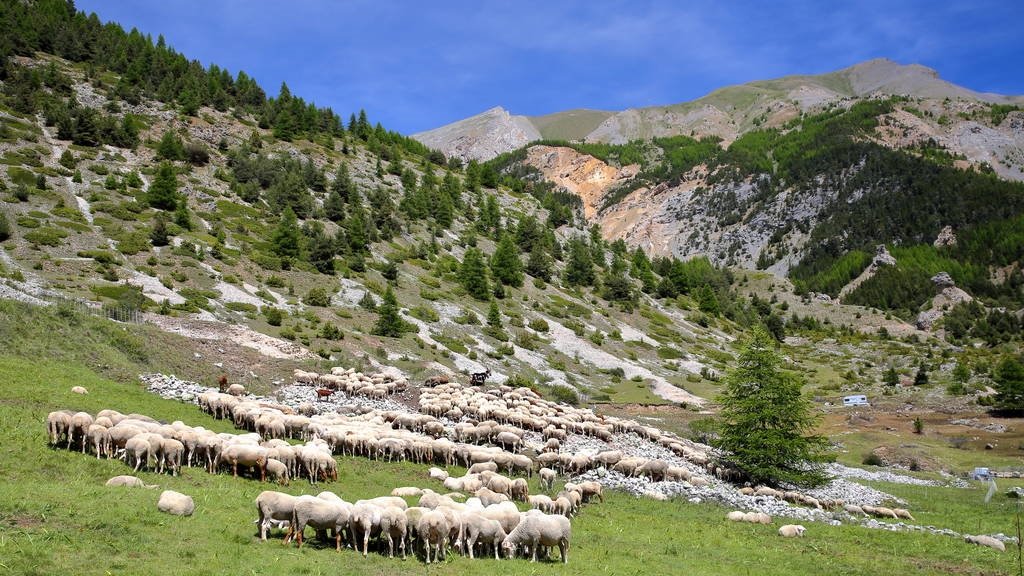
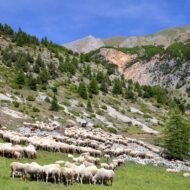
The GR58 hiking trail connects ancient villages where locals still practice traditional crafts. In September, you might catch the transhumance – the seasonal movement of sheep flocks – a practice that’s continued for thousands of years. The shepherds are often happy to share stories about mountain life over a shared meal.
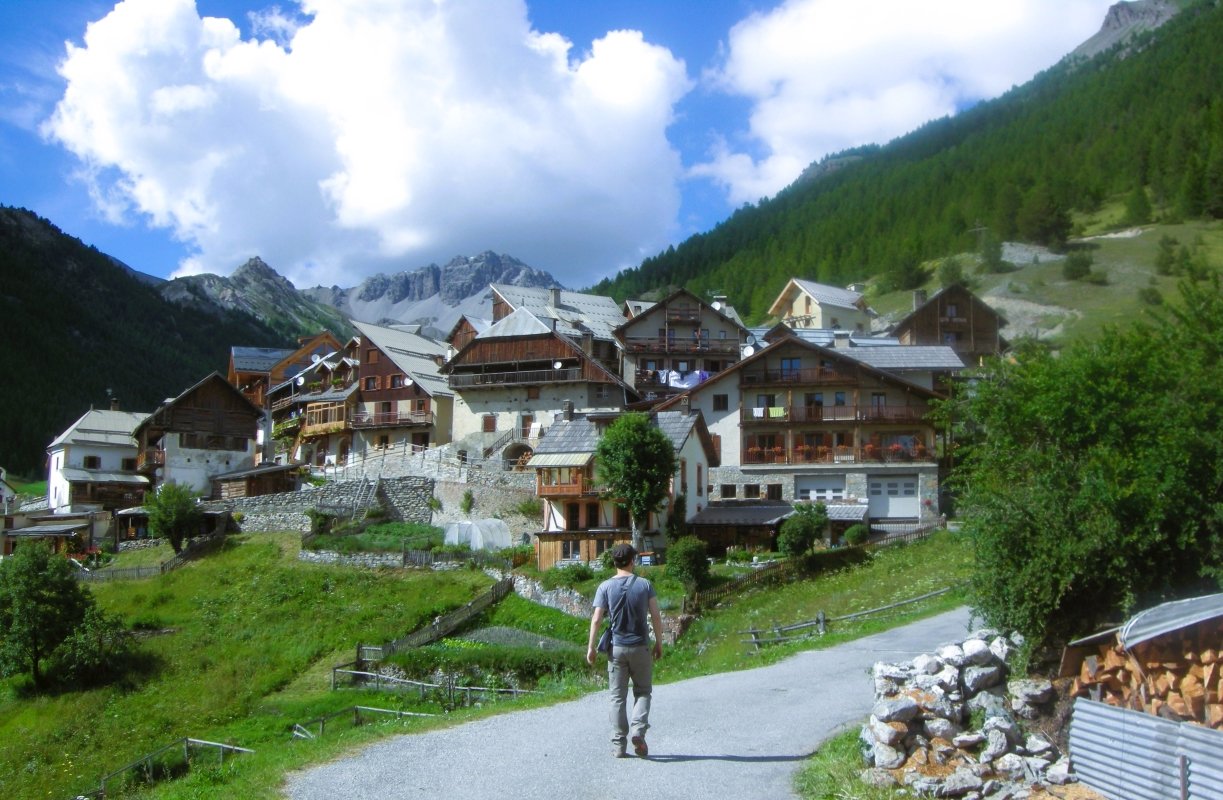
The village of Saint-Véran claims to be Europe’s highest village at 2,040 meters. Here, the traditional wooden houses with their distinctive stone-slab roofs tell stories of ingenious mountain architecture designed to survive harsh winters. The local sundials aren’t just decorative – they’re still used to tell time.
Artisan Traditions
Visit workshops where locals create traditional wooden toys, textiles, and tools using methods passed down through generations. The Maison du Queyras in Château-Ville-Vieille showcases these living traditions.
Budget Considerations
- Accommodation: €40-90/night in mountain refuges or gîtes
- Meals: €15-25 for traditional mountain cuisine
- Park activities: Mostly free hiking and nature observation
- Guided tours: €10-20 for cultural walks
- Daily budget: €70-140 per person
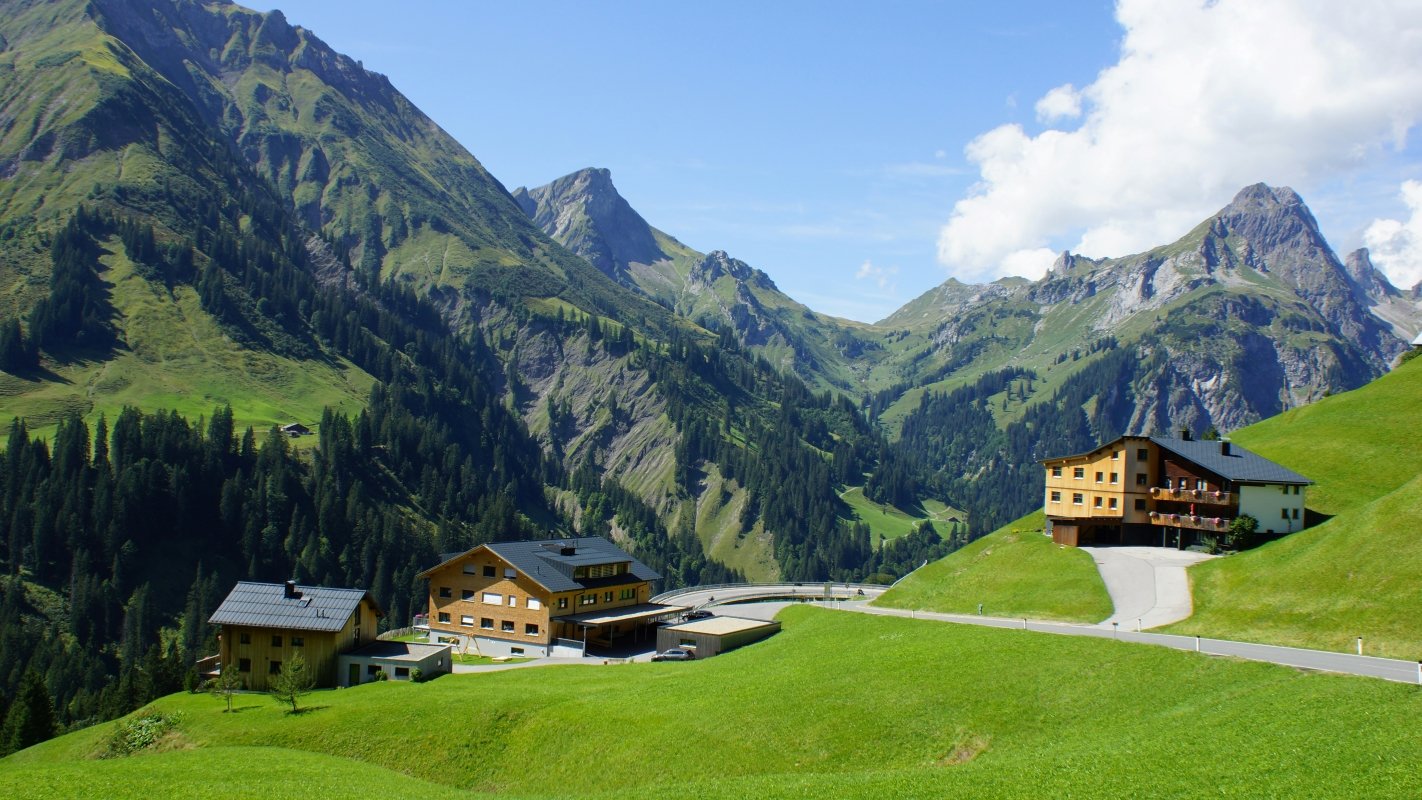
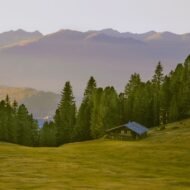
5. Bregenzerwald, Vorarlberg, Austria – Where Architecture Meets Alpine Tradition
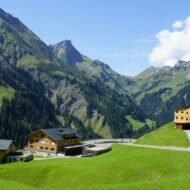
This isn’t your typical Austrian alpine experience. Bregenzerwald combines stunning mountain scenery with cutting-edge contemporary architecture that somehow fits perfectly with centuries-old traditions. It’s where innovative design meets alpine craftsmanship in the most beautiful way possible.
Cultural Innovation Meets Tradition
The region is famous for its Werkraum Bregenzerwald – a cooperative of craftspeople creating contemporary products using traditional techniques. September workshops let you try your hand at woodworking, textile design, or cheese-making alongside local artisans.
The KäseStrasse (Cheese Trail) connects traditional dairies where you can taste varieties you’ve never heard of. The locals take their cheese seriously – each dairy has recipes passed down through families for centuries, and they’re happy to explain why their alpine herbs create such unique flavors.
Architectural Wonders
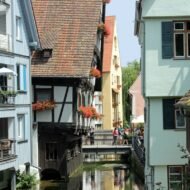
The region’s contemporary wooden architecture has won international awards while respecting traditional building methods. Villages like Schwarzenberg showcase how innovation can honor tradition – every new building must meet strict design standards that complement the historic streetscapes.
Cultural Events
September brings the Lange Nacht der Museen (Long Night of Museums), where traditional and contemporary art spaces stay open late with special exhibitions, local music, and craft demonstrations.
Budget Breakdown
- Accommodation: €60-140/night for design-focused guesthouses
- Cheese trail experiences: €8-15 per dairy
- Craft workshops: €20-40 per session
- Meals: €18-28 for innovative alpine cuisine
- Daily budget: €100-200 per person
Why September is Alpine Magic Time
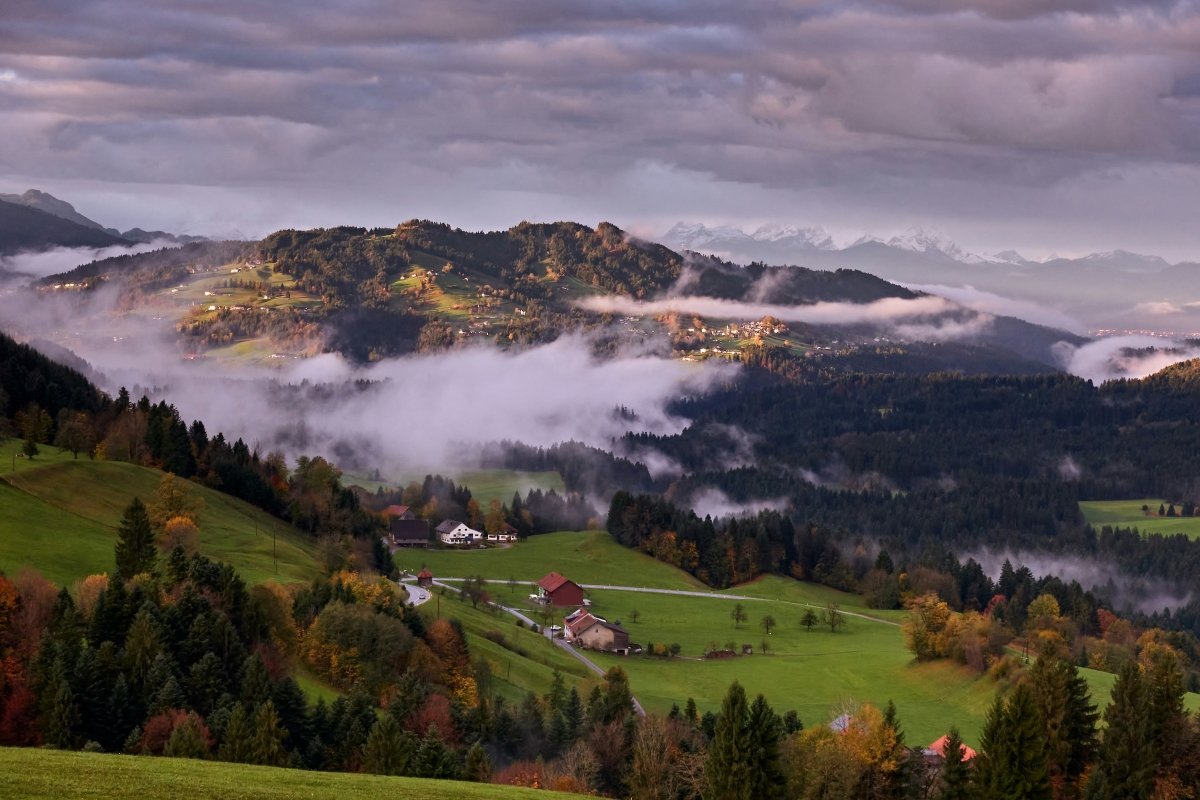
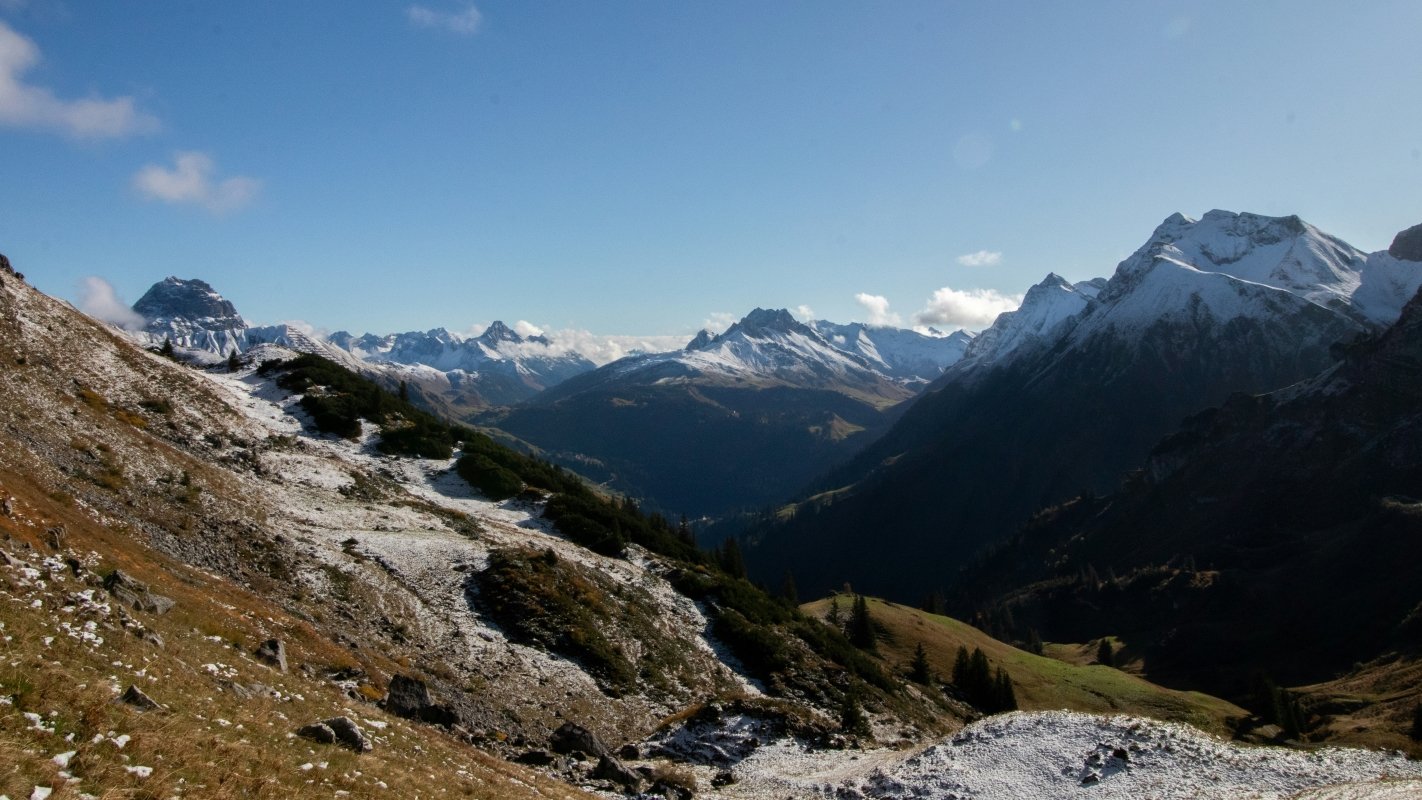
September hits the sweet spot for alpine travel. The weather is still warm during the day (perfect for hiking) but crisp at night (perfect for cozy mountain huts). The summer crowds have headed home, but everything’s still open. Plus, you’ll catch the beginning of fall colors in the lower valleys – think golden larches and deep red mountain ash against dramatic peaks.
The cultural calendar is packed in September too. It’s harvest season, so you’ll experience traditional festivals, wine tastings, and that special energy that comes when communities celebrate another successful year in the mountains.
Making It Happen: Practical Tips
Getting Around: Rent a car for maximum flexibility, but public transport reaches most destinations. Switzerland and Austria have excellent mountain railways and bus networks.
Packing: Layers are everything. Pack for summer hiking and winter evenings. Don’t forget waterproof gear – mountain weather changes fast.
Language: English works in tourist areas, but learning basic local phrases opens doors to genuine connections with locals who are proud to share their mountain heritage.
Accessibility: All these destinations offer trails and experiences for different mobility levels. Many cable cars provide mountain access without strenuous hiking.
Sustainable Travel: These alpine communities depend on respectful tourism. Stay in locally-owned accommodations, eat at family restaurants, and follow Leave No Trace principles on hiking trails.
September in the Alps isn’t just a vacation – it’s a chance to experience Europe’s mountain cultures at their most authentic. While others are posting overcrowded beach selfies, you’ll be sharing stories with traditional cheesemakers, hiking trails with more marmots than people, and discovering that the real magic of Europe happens in its mountains.
Pack your hiking boots and prepare for the kind of travel experience that changes how you see both mountains and the communities that call them home.