


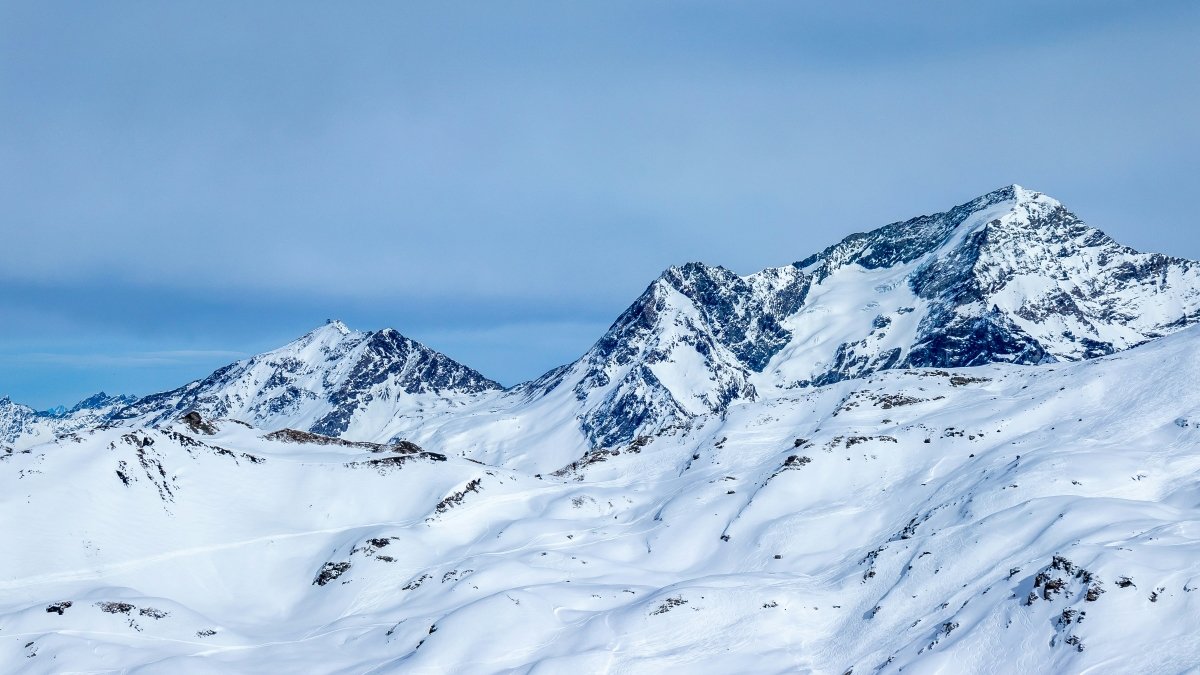
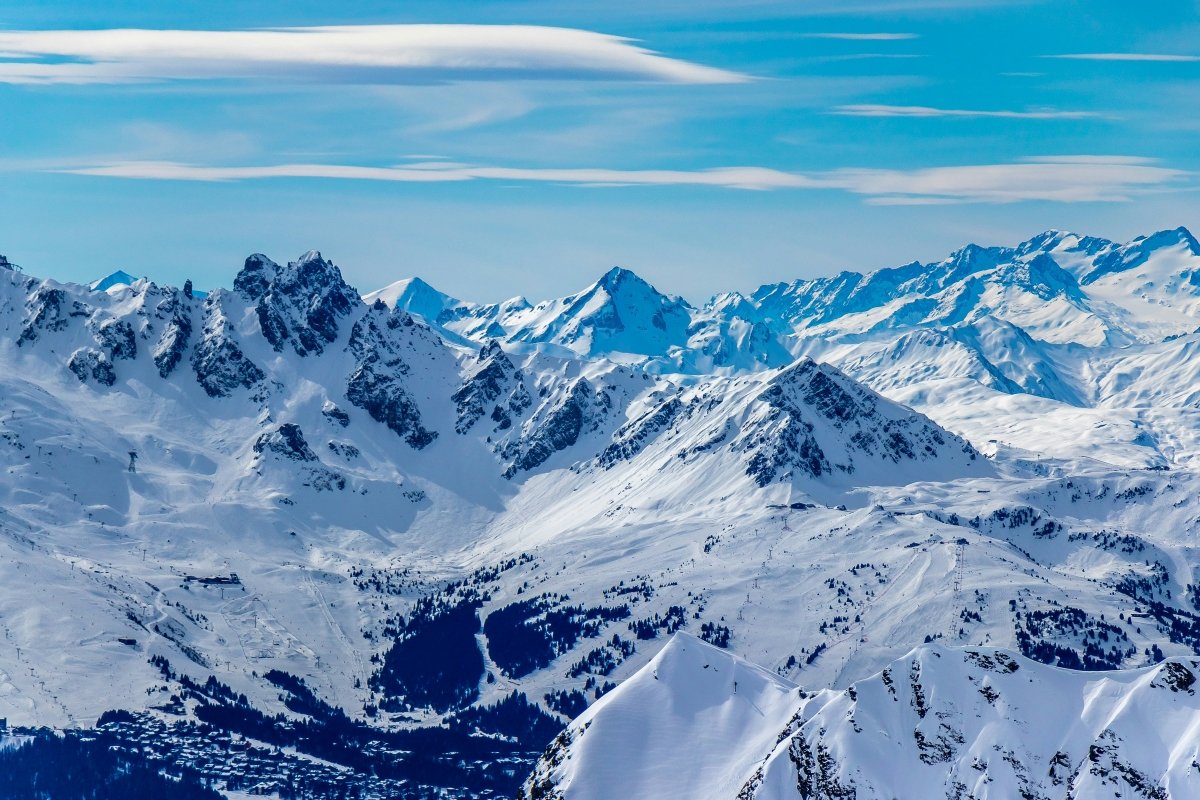




TL;DR: La Plagne is part of Paradiski, one of the world’s largest ski areas with 425km of terrain across stunning French Alps. Perfect for everyone from first-timers to powder hounds. Expect authentic alpine vibes, incredible value, and runs you’ll talk about for years.
So you’re thinking about La Plagne? Smart move. This isn’t just another pretty ski resort—it’s your gateway to Paradiski, a massive interconnected playground that’ll keep you busy for weeks. Let me break down everything you need to know.
What Makes La Plagne Special?
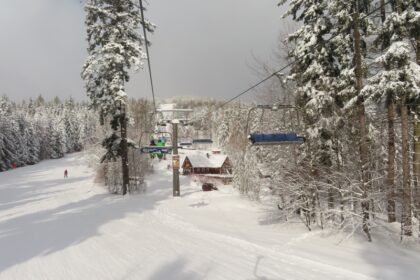
Here’s the thing about La Plagne: it’s actually 11 villages spread across different altitudes, each with its own personality. You’ve got purpose-built ski-in/ski-out villages up high and charming traditional spots down in the valley. The whole setup connects to Les Arcs via the iconic Vanoise Express cable car, creating the Paradiski area—and suddenly you’re looking at 425 kilometers of marked runs.
The Tarentaise Valley has been the beating heart of French skiing for decades, and La Plagne sits right in the sweet spot. You’re getting reliable snow from December through April, with most runs between 2,000m and 3,250m. The glacier? That’s your insurance policy for good conditions.
- 🎿 425 km of slopes via the Paradiski area
- ❄️ Excellent snow reliability thanks to high altitude & glaciers
- 🏡 11 villages, most with ski-in/ski-out access
- 👨👩👧 Very family-friendly (and budget-friendly by Alpine standards)
- 🚠 Home to the world’s largest cable car (Vanoise Express)
- 💸 Cheaper than Courchevel or Val d’Isère, but just as epic
Best for: All levels, families, mixed-ability groups, value-for-money Alpine holidays
Skip if: You want ultra-luxury vibes or hardcore party scenes only
The Villages: Where Should You Stay?
Plagne Centre (1,970m) is the original hub—think convenience over charm. You’ll find the most shops, restaurants, and direct lift access. It’s functional but can feel a bit concrete-heavy.
Belle Plagne (2,050m) gives you that wood-and-stone alpine aesthetic without sacrificing ski-in/ski-out access. It’s where many visitors end up, and for good reason.
Plagne Bellecôte and Plagne Villages hit similar notes—modern, efficient, great for families who want everything within stumbling distance of their accommodation.
Down valley, Montchavin and Les Coches are your traditional Savoyard villages. Genuine character, local restaurants, and you’re still fully connected to the main system. These spots feel more “real France” if that matters to you.
Champagny-en-Vanoise is the quieter option, perfect if you want to escape the crowds while still accessing the entire domain.
The Skiing: What You’re Actually Here For
Let’s talk terrain. La Plagne’s local area alone offers 225km across its various sectors, then you’ve got the whole Les Arcs side via that cable car crossing. The breakdown:
- Beginners: You’re covered with extensive green and blue runs at altitude. The Grande Rochette area is particularly forgiving, and you won’t get stuck on terrifying traverses.
- Intermediates: This is your paradise. Long, cruisy blues and reds that let you clock serious vertical. The runs from Bellecôte glacier down to Plagne Centre are the kind of ego-boosting carving runs that make you feel like a hero.
- Advanced skiers: Hit the north-facing runs off La Grande Rochette for steeps and moguls. Cross to Les Arcs for Aiguille Rouge’s famous black runs. The off-piste is excellent if you know what you’re doing—hire a guide for the good stuff.
- Snowboarders: Decent terrain parks, though not the best in the Alps. The freeride potential more than makes up for it.
The Vanoise Express crossing to Les Arcs takes about 4 minutes and completely changes your day. Suddenly you’ve got access to totally different terrain, aspect, and snow conditions. Some visitors never make the crossing—their loss.
Beyond Skiing: What Else Is There?
The bobsleigh track from the 1992 Olympics is still running. You can ride with a professional pilot or try the solo luge option. It’s genuinely thrilling and makes for stories back home.
Paragliding off the peaks, snowshoeing through the Vanoise National Park, ice climbing, fat biking—there’s plenty if you need a day off planks. Several villages have outdoor ice rinks and swimming pools, which honestly feels amazing after a hard day on the mountain.
The spa scene isn’t as developed as in some Austrian resorts, but you’ll find decent wellness centers in the larger villages.
Getting There and Around
Flying in: Geneva (2 hours), Lyon (2.5 hours), or Chambéry (1.5 hours) are your closest airports. Transfers are straightforward—book a shared shuttle, private transfer, or rent a car.
Train enthusiasts: The TGV gets you to Aime-la-Plagne station, then it’s a short bus up to resort. This is honestly one of the easier European ski destinations to reach without a car.
Getting around: The free shuttle buses connect all villages, though they can get packed during peak times. Most accommodations are genuinely ski-in/ski-out or very close to lifts.
When to Visit
December: Quiet, good early-season snow, but shorter days and some lifts might not be open.
January: Best snow, coldest temperatures, fewer crowds than peak season. Smart choice for serious skiers.
February: Peak season chaos, especially during UK and French school holidays. Book way ahead and expect lift queues.
March: Sweet spot—longer days, better weather, still good snow up high. Spring skiing at its finest.
April: Hit or miss on snow, but sunny days and cheaper prices. Stick to higher villages.
Money Talk: What’ll It Cost You?
La Plagne offers better value than glitzier French resorts like Courchevel or Méribel. Lift passes for Paradiski run around €60-70 per day (less if you book multi-day), which is reasonable for the area you’re accessing.
Accommodation ranges wildly—from €500/week for a basic studio to €3,000+ for fancy chalets. Eating out costs what you’d expect in French ski resorts: budget €15-20 for mountain lunch, €30-50 for evening meals.
Money-saving tips: Self-catering saves loads. Book accommodation and passes together for deals. Visit in January or late March. The local Coop supermarkets in resort aren’t cheap but they’re manageable.
Food Scene
Don’t expect Michelin stars, but you’ll eat well. Mountain restaurants serve proper Savoyard specialties—tartiflette, raclette, fondue. La Chalet de Pierres Blanches and La Bergerie get consistent praise.
Down in the traditional villages, you’ll find more authentic local spots. Le Chalet du Friolin in Champagny is the kind of place locals actually go.
Evening dining in the purpose-built villages is mostly fondue joints and pizza places. It’s fine, occasionally excellent, but nothing groundbreaking.
Practical Stuff You Should Know
Crowds: February and French school holidays get busy. Lift queues form, especially for the Vanoise Express. Start early or ski through lunch.
Language: More English than you’d think in main villages, but learning basic French phrases helps everywhere.
Families: Excellent setup with dedicated children’s areas, ski schools, and convenient layouts. The villages make logistics easier than spread-out resorts.
Accessibility: Purpose-built villages work well for limited mobility. Traditional villages less so with their slopes and stairs.
The Verdict
La Plagne doesn’t pretend to be something it’s not. You’re not getting celebrity-spotting or champagne-soaked après-ski. What you are getting is reliable, extensive skiing across varied terrain, sensible prices, and the flexibility to choose between modern convenience and traditional charm.
The connection to Les Arcs transforms it from “great resort” to “genuinely world-class ski area.” If you’re the type who measures a good day by kilometers skied rather than Instagram posts from designer bars, you’ll love it here.
Is it perfect? The purpose-built architecture won’t win beauty contests, and hardcore après-ski enthusiasts should look elsewhere. But for pure skiing value in a stunning corner of the French Alps, with options that work for everyone from nervous beginners to powder-chasing experts, La Plagne and Paradiski deliver exactly what you’re looking for.
Pack your gear, book early, and get ready for the kind of ski holiday that reminds you why you fell in love with mountains in the first place.
Pro tip: Download the Paradiski app before you go. Live lift status, piste maps, and tracking features make navigating 425km way less overwhelming.