



TL;DR – The Quick Version
Soest is a charming medieval town 50 km east of Cologne featuring stunning Gothic architecture, vibrant local culture, and endless wandering opportunities. Best for history lovers, solo travelers, and families seeking authentic German experiences without the tourist overload. Think: serious character, zero pretense, and actually memorable travel.
- TL;DR – The Quick Version
- Why Soest Should Be on Your Radar
- Getting There: It’s Easier Than You Think
- What to See & Do in Soest
- St. Mary’s Church (Wiesenkirche) – A Game-Changer
- St. Peter and Paul Church – The Powerhouse
- The Old Town (Altstadt) – Where Magic Happens
- Wilhelm Morgner Haus – For Art Enthusiasts
- Möhne Valley – Nature Calls
- Local Art Galleries & Craft Studios
- Where to Eat: Local Flavors Worth Trying
- Where to Stay: Sleep in Character
- Practical Information for Smart Travelers
- Accessibility & Inclusive Travel
- Final Tips: Make the Most of Your Visit
- The Bottom Line
Why Soest Should Be on Your Radar
Here’s the thing—while everyone’s fighting crowds in Cologne, you could be sipping coffee in a centuries-old café in Soest, watching local artisans work in restored medieval buildings. This isn’t just another German town. It’s a place where history feels alive, authenticity isn’t performative, and you won’t need to book museum tickets three weeks in advance.
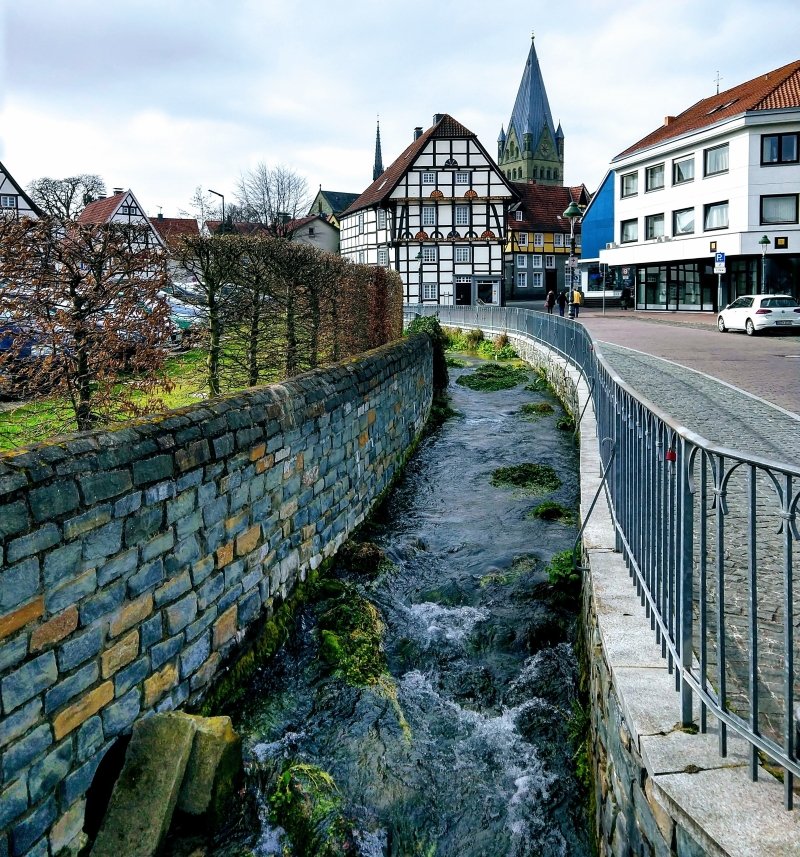
Soest sits right on the eastern edge of the Münsterland plateau with the stunning Möhne Valley as its backdrop. The town has fewer than 40,000 residents but punches way above its weight in terms of charm, culture, and things to explore. Whether you’re into medieval architecture, local food scenes, outdoor adventures, or just getting pleasantly lost in cobblestone streets, Soest has something genuinely worth your time.
The Highlights
- Medieval old town with nearly 700 years of preserved character – Walking through feels like stepping into a living history book
- Stunning churches featuring unique architectural styles – The ‘Soester Grün’ stonework is genuinely impressive and unlike anything else in Germany
- Thriving arts and craft community – Galleries and studios everywhere; actual artists creating actual work
- Access to Möhne Valley outdoor activities – Hiking, cycling, scenic walks just minutes away
- Accessible without being overly touristy – You can actually hear yourself think here
Getting There: It’s Easier Than You Think
Soest’s location is actually perfect for accessibility. It’s only 50 km from Cologne—roughly an hour by train—making it ideal as a day trip or a 2-3 day base for exploring North Rhine-Westphalia.
By Train
This is your best bet. Direct trains connect Cologne (Köln Hbf) to Soest in about 50-60 minutes. You can also easily reach Soest from Dortmund, Düsseldorf, or other major German cities. The train station is just outside the old town—about a 10-minute walk or quick bus ride to the historic center.
Pro tip: Buy a regional rail pass if you’re planning multiple day trips—savings are real.
By Car
Highway access via the A44 is straightforward, but parking in the old town can be tight (it’s medieval, remember). There are paid parking areas around the perimeter, and once you’re in the historic center, the whole point is walking anyway.
By Bus
Regional bus services connect Soest to nearby towns and larger cities, though trains are generally faster and more reliable for long distances.
What to See & Do in Soest
St. Mary’s Church (Wiesenkirche) – A Game-Changer
This is the architectural statement piece of Soest. Built in the 14th century, St. Mary’s features an exterior entirely clad in that distinctive green Soester sandstone. The interior? Gothic perfection—soaring ceilings, intricate stonework, and a sense of peace that hits different. The piece de resistance is the ‘Deidesheimer Altar,’ a masterwork from 1440 that’ll make art lovers actually gasp.
Pro tip: Visit early morning when natural light floods through the stained glass. Seriously transformative. You’ll have the space mostly to yourself, and the light is genuinely magical.
Cost: Free/donation basis | Time needed: 30-45 minutes
St. Peter and Paul Church – The Powerhouse
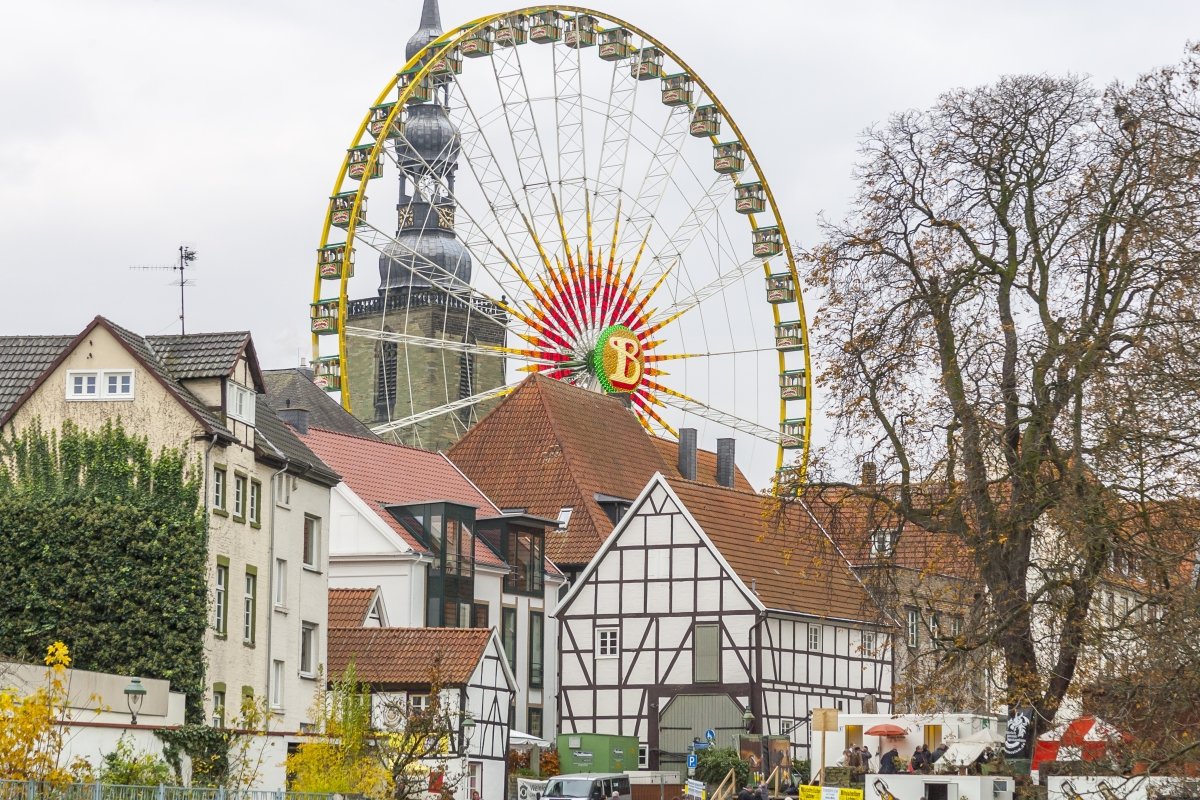
Another 14th-century beauty dominating the skyline with twin towers that you can see from everywhere in town. The exterior’s the real show (that green stone again), and the interior houses some genuinely significant religious art and medieval sculpture. This church has been central to Soest’s identity for centuries, and standing inside, you feel that weight of history immediately.
Cost: Free/donation | Time needed: 30 minutes
The Old Town (Altstadt) – Where Magic Happens
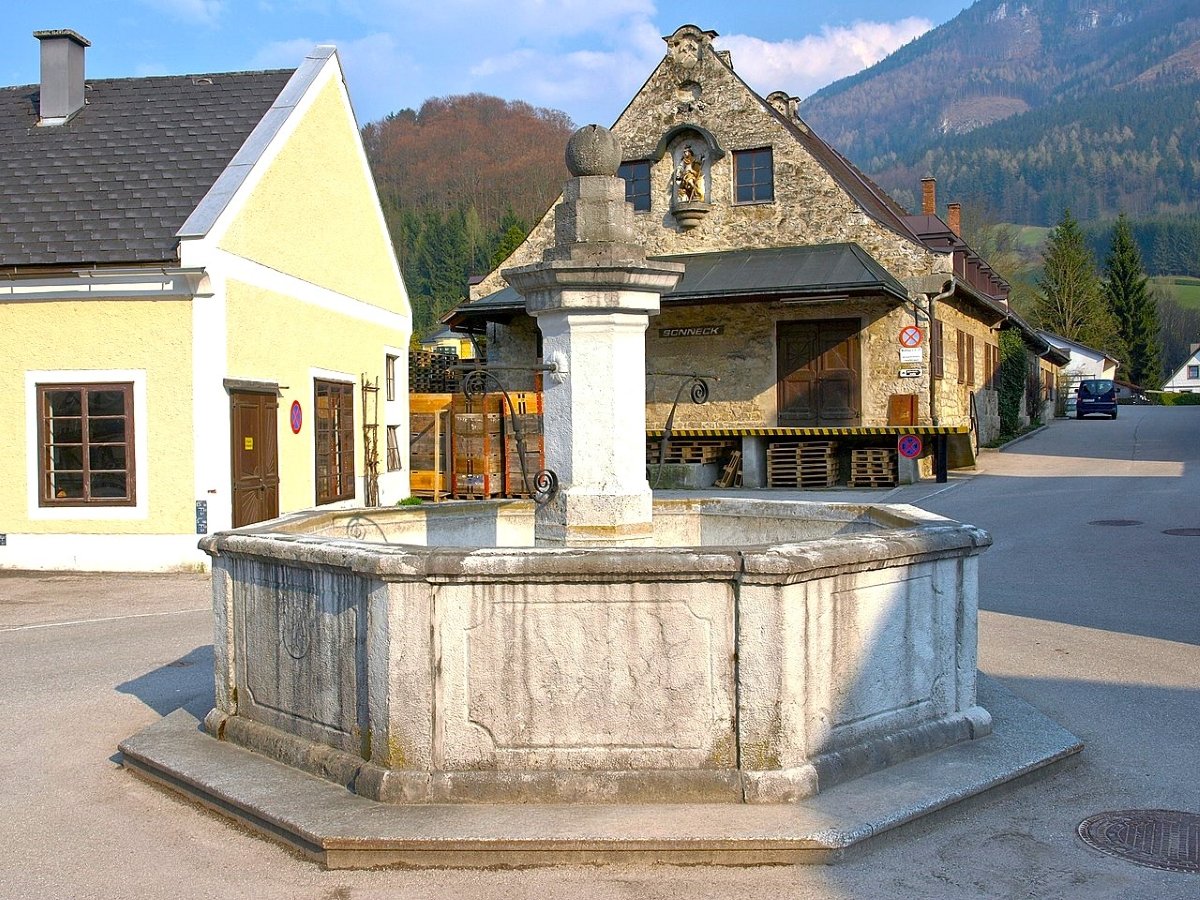
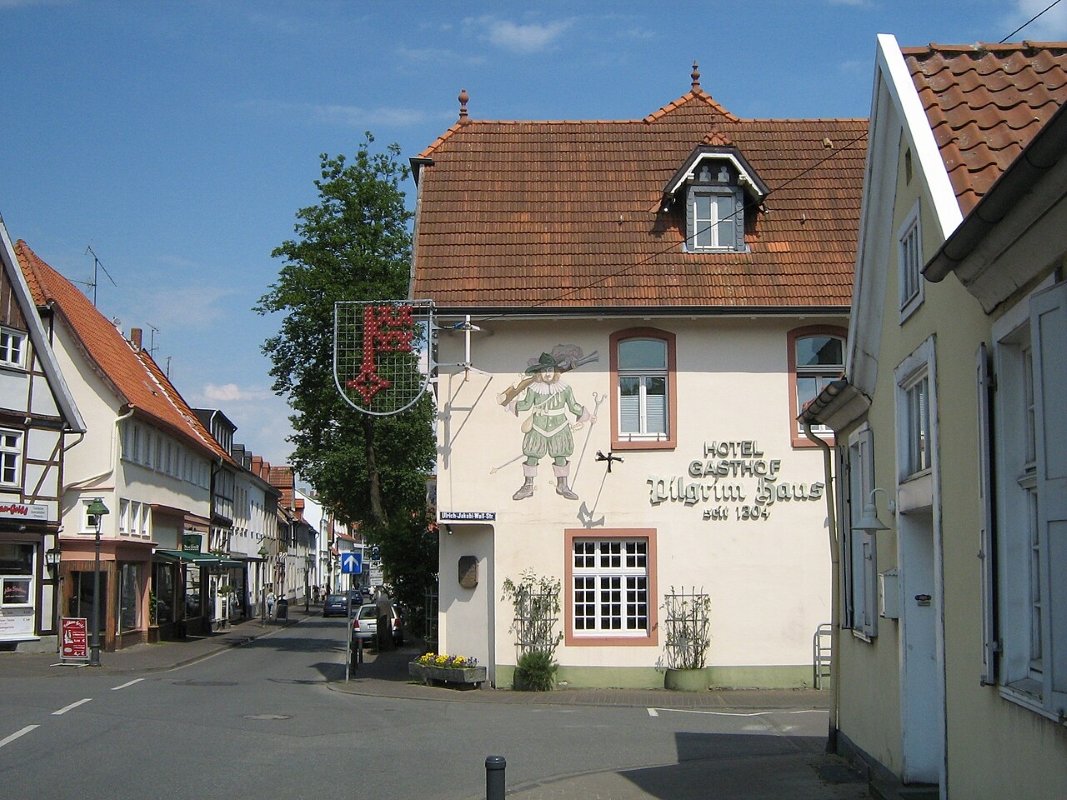
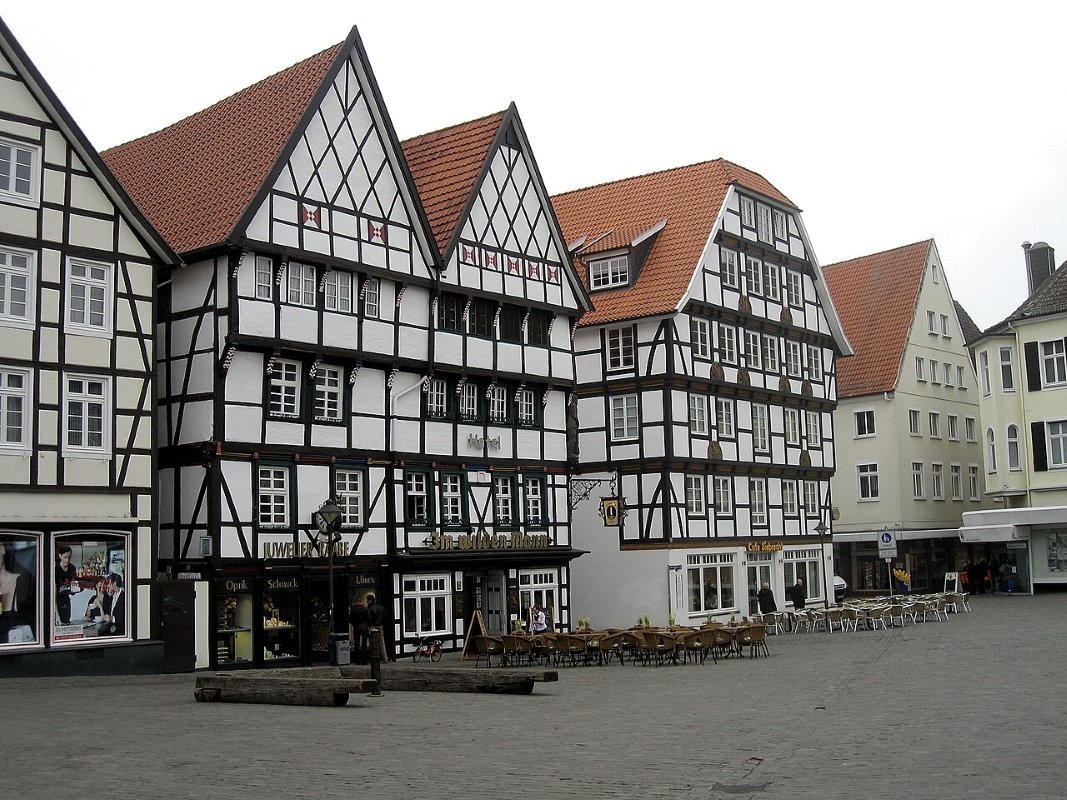
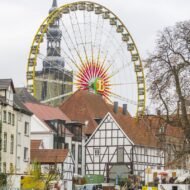
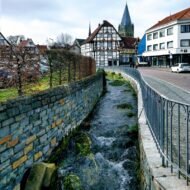
This is the main event. Narrow alleys, half-timbered houses with flowers spilling from windowsills, tiny galleries tucked behind doorways, and cafés operating out of 500-year-old buildings. The town layout hasn’t changed dramatically since medieval times, so wandering feels authentic—you’re literally walking the same routes merchants and townspeople walked centuries ago.
Highlight: The ‘Hohes Feld’ marketplace is where you’ll find local markets, weekend food stalls, and that perfect spot for people-watching while nursing excellent coffee.
Best time: Early morning (6-8am) for photography before crowds, or late afternoon (5-7pm) when the light turns golden
Wilhelm Morgner Haus – For Art Enthusiasts
This museum celebrates local artist Wilhelm Morgner (1891-1917), an Expressionist whose work was bold, emotional, and ultimately cut short by WWI. It’s a smaller museum but packs genuine artistic punch. Even if you’re not deeply into art history, his work is visceral and worth engaging with.
Cost: €5 | Time needed: 1-1.5 hours | Hours: Check locally (often closed Mondays)
Möhne Valley – Nature Calls
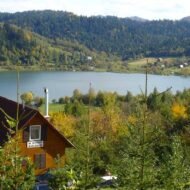
Just minutes outside town, the Möhne Valley offers serious outdoor appeal. Hiking trails range from easy riverside walks to more challenging routes. The Möhne Dam creates a stunning water landscape, and cycling paths crisscross the region. If you need a break from medieval stonework, this is your reset button.
Budget: Trails are free. Bike rentals run about €8-12/day. Perfect for half-day excursions.
Trail recommendation: The riverside path from Soest to the dam is manageable for all fitness levels (about 8km one-way, mostly flat)
Local Art Galleries & Craft Studios
Soest’s art scene is genuinely thriving. You’ll find independent galleries showing everything from contemporary photography to traditional painting. Even better? Many feature working studios where you can see artists actually creating. This community vibe is refreshing—it feels like actual culture, not just tourism infrastructure.
Pro move: Walk around the Altstadt without a plan and pop into any gallery that catches your eye. You’ll find incredible work and have actual conversations with creators.
Where to Eat: Local Flavors Worth Trying
Soest’s food scene balances traditional German comfort food with increasingly sophisticated contemporary options. You’re looking at everything from cozy beer halls to modern bistros, many emphasizing local ingredients and regional specialties.
Traditional & Hearty
Look for ‘Sauerbraten’ (pot roast in vinegar sauce), ‘Westfälischer Schinken’ (Westphalian ham), and locally-sourced game dishes. The beer culture here is serious—several local breweries produce excellent lagers and ales. Pairing proper German beer with hearty regional food? That’s authenticity right there.
Recommendation: Try local ‘Pumpernickel’ bread and ‘Münster cheese’ if available—these are regional specialties that actually taste different and better here.
Modern & Fresh
Recent years have brought younger chefs bringing contemporary techniques to local ingredients. You’re finding seasonal menus, vegetarian-friendly options, and innovative takes on traditional flavors. The Altstadt now has several restaurants combining modern ambiance with culinary respect for tradition.
Budget-Friendly Options
- Döner and Kebab stands – €5-7, solid quality, genuine time-saver
- Bakeries for breakfast – Fresh pastries, excellent coffee, €3-5
- Café culture for lunch – Open-faced sandwiches, salads, usually €7-12
- Market day stands – Saturday farmers market (Hohes Feld) has incredible fresh food deals
Mid-Range Dining (€12-25)
These spots represent genuine value. You’re getting quality ingredients, skilled preparation, and actual atmosphere without premium pricing.
Where to Stay: Sleep in Character
Most visitors choose to stay right in the Altstadt—proximity to everything makes mornings exploring the town before crowds arrive genuinely possible. Soest has decent hotel options ranging from budget to upscale, plus excellent guesthouses and some Airbnb options in historic buildings.
Mid-Range Hotels (€80-150/night)
These are your sweet spot—good central locations, reasonable comfort, often featuring historic building charm. You’re getting authentic experience without sacrificing sleep quality. Many include solid breakfasts that set you up for a full day of exploring.
Guesthouses & B&Bs
Often run by locals who actually love the town. These places give insider perspectives, recommendations, and breakfast that doesn’t taste corporate. €60-100/night typically, sometimes with character you simply cannot get in chain hotels.
Why choose this: You get recommendations from people who know the real Soest, not just the tourist version.
Budget Options
Soest has a hostel and various budget accommodations. If you’re traveling on a shoestring, these work fine for sleeping, though you might miss some Altstadt charm at the lowest price points.
Booking Pro Tips
- Book ahead in high season (May-September, Christmas markets)
- Negotiate for multi-night stays – Many guesthouses offer discounts for 3+ nights
- Check cancellation policies – German travel can be unpredictable
- Ask about late checkout – Helpful if you want to catch the afternoon train out
Practical Information for Smart Travelers
Best Time to Visit
Spring (April-May) and early autumn (September-October): Pleasant weather, manageable crowds, perfect for wandering and outdoor activities.
Peak summer (July-August): Can get touristy but summer festivals make it worthwhile if you’re around.
Winter: Cold and atmospheric but many cafés stay cozy—actually quite charming if you’re okay with fewer outdoor activities. Christmas markets transform the town into something from a holiday movie.
Avoid: Mid-August when many German families are on holiday and everything gets crowded. First two weeks of January when the post-holiday lull means reduced hours everywhere.
Budget Breakdown
Per day estimate (mid-range traveler):
- Accommodation: €80-120 (guesthouses/mid-range)
- Food: €40-60 (mix of casual spots and nicer dinners)
- Activities/Museums: €15-25 (churches free/donation, museums €5-8)
- Transport: €5-10 (local buses, bike rentals)
Total realistic daily budget: €140-220
On a tighter budget? Cut to €80-100/day by choosing budget accommodation, eating mostly at markets and casual spots, and focusing on free activities (exploring town, hiking).
Language & Getting Around
English is widely spoken in hotels, major restaurants, and tourist-facing businesses. Soest’s old town is pedestrian-friendly and small enough to navigate without a car. Public buses are clean, efficient, and inexpensive. Cycling is excellent—flat terrain and well-marked paths.
Pro tip: Download the Citymapper or Google Maps offline map. Not because you’ll get truly lost (the Altstadt isn’t huge), but for transit info and alternate routes.
German phrases that help:
- “Entschuldigen Sie” = Excuse me
- “Sprechen Sie English?” = Do you speak English?
- “Das sieht lecker aus” = That looks delicious
Local Events & Festivals
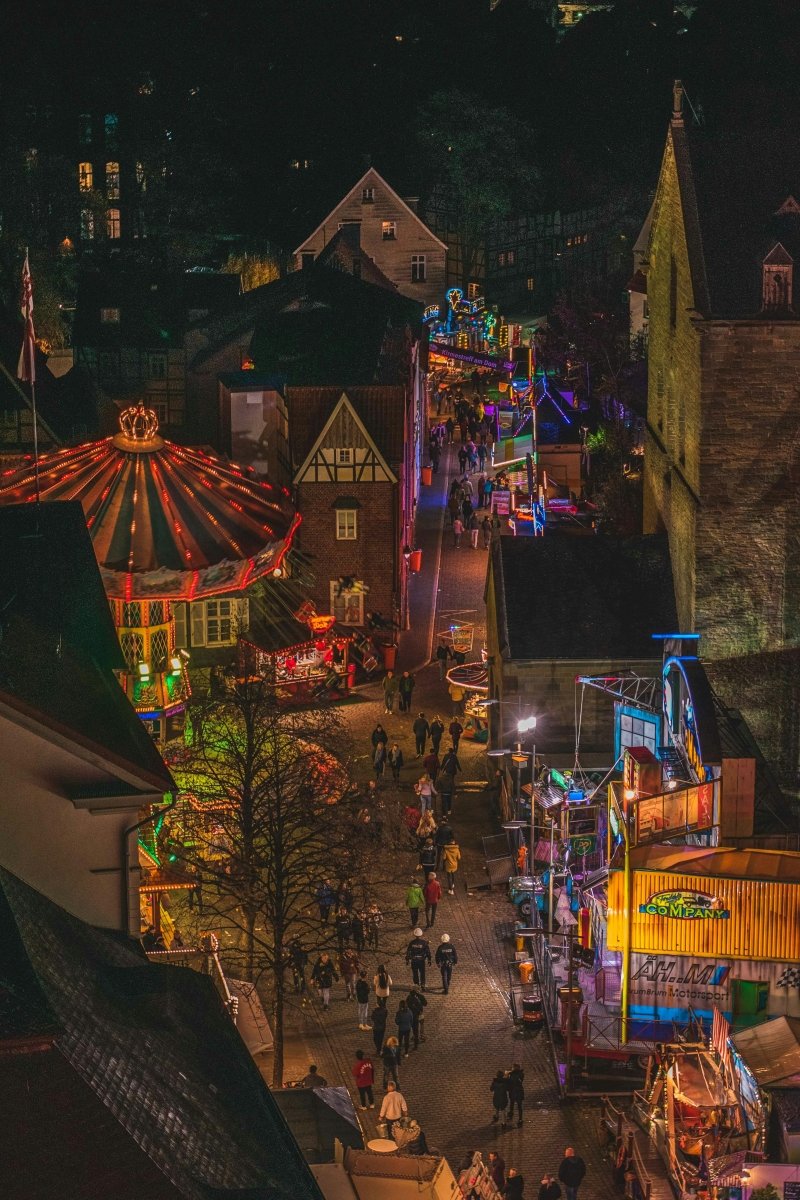
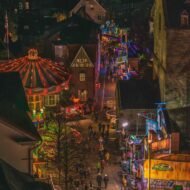
Soest hosts various cultural events throughout the year. The ‘Altstadtfest’ celebrates the historic district with markets, music, and general festivity. Christmas markets transform the town into something from a holiday movie. Check local tourism websites for current event calendars—timing your visit around festivals adds serious value.
Example events:
- Altstadtfest (usually June): Street festival with food, music, local crafts
- Christmas Markets (November-December): Absolutely stunning in the medieval setting
- Local brewery events (year-round): Check with hotels for current schedules
Accessibility & Inclusive Travel
Soest is generally accommodating to travelers with diverse needs, though medieval architecture means some limitations. Here’s what matters:
- Wheelchair access: Main streets in the Altstadt are manageable; smaller side alleys are challenging due to cobblestones and steps
- Public bathrooms: Available in the town center; several restaurants accommodate non-customers
- Elevators/Lifts: Some hotels have them; always ask when booking
- Train station: Modern facilities with accessible bathrooms and elevators
- Seating: Lots of cafés and benches for resting; plenty of places to sit and soak in atmosphere
- Quiet spaces: Several churches and museums offer peaceful respite from the bustle
LGBTQ+ travelers: Soest is a progressive German town; you’ll find welcoming establishments. Larger nearby cities (Cologne, Dortmund) have more explicit LGBTQ+ infrastructure, but Soest itself is safe and inclusive.
Dietary needs: Vegetarian and vegan options are increasingly available; Indian, Asian, and Mediterranean restaurants offer alternatives to traditional German fare. Notify restaurants in advance for special requirements.
Solo travelers: Soest is extremely safe and welcoming to solo explorers. Café culture makes it easy to sit comfortably alone. Walking tours and group activities are easy to join.
Families with kids: Medieval cobblestones can be challenging with strollers, but the Möhne Valley offers kid-friendly outdoor activities. Playgrounds and family-friendly restaurants exist. Expect kids to get tired of churches after the second one—plan accordingly.
Senior travelers: Mostly manageable, though cobblestones and uneven surfaces require careful footing. Taxis and ride services available. Plenty of sitting spots. Slower pace allows genuine engagement.
Final Tips: Make the Most of Your Visit
- Get off the main drag: Soest’s real character lives in quiet side streets where locals actually live
- Support local: Eat at independently-owned restaurants, buy crafts from studio owners, choose guesthouses over chains
- Chat with people: Soest residents are friendly and genuinely proud of their town—locals will recommend hidden spots
- Bring comfortable walking shoes: Cobblestones are picturesque but demanding on feet
- Plan for 2-3 days: One day feels rushed; three days lets you actually experience the place
- Bring a camera (or just use your phone): Those medieval buildings and garden-filled courtyards are genuinely Instagram-worthy without being artificial
- Skip the big tours: Self-exploration in Soest is actually better than guided tours. The town is small enough that you won’t miss anything important
- Eat where locals eat: Skip the obvious tourist spots. Ask your guesthouse owner where they eat breakfast
- Wander at dusk: The light and energy are different. Fewer people, golden hour photography, quieter vibe
The Bottom Line
Soest isn’t on everyone’s radar, and honestly? That’s part of its appeal. You’re getting authentic medieval German charm, genuine local culture, accessible outdoor activities, and the kind of place where travel memories actually stick around. It works as a day trip from Cologne, a 2-3 day base, or part of a larger North Rhine-Westphalia exploration.
Whether you’re a history enthusiast, art lover, outdoor adventurer, solo explorer, or just someone seeking authentic experiences without the overwhelming tourist machinery, Soest delivers. The town has hundreds of years of character embedded in its stones, and it’s genuinely eager to share it with travelers who actually want to be there.
The fact that it’s not overrun with Instagram influencers and cruise ship tours? That’s not a bug. It’s a feature.
Ready to escape the beaten path? Soest is waiting.
Last updated: October 2025