





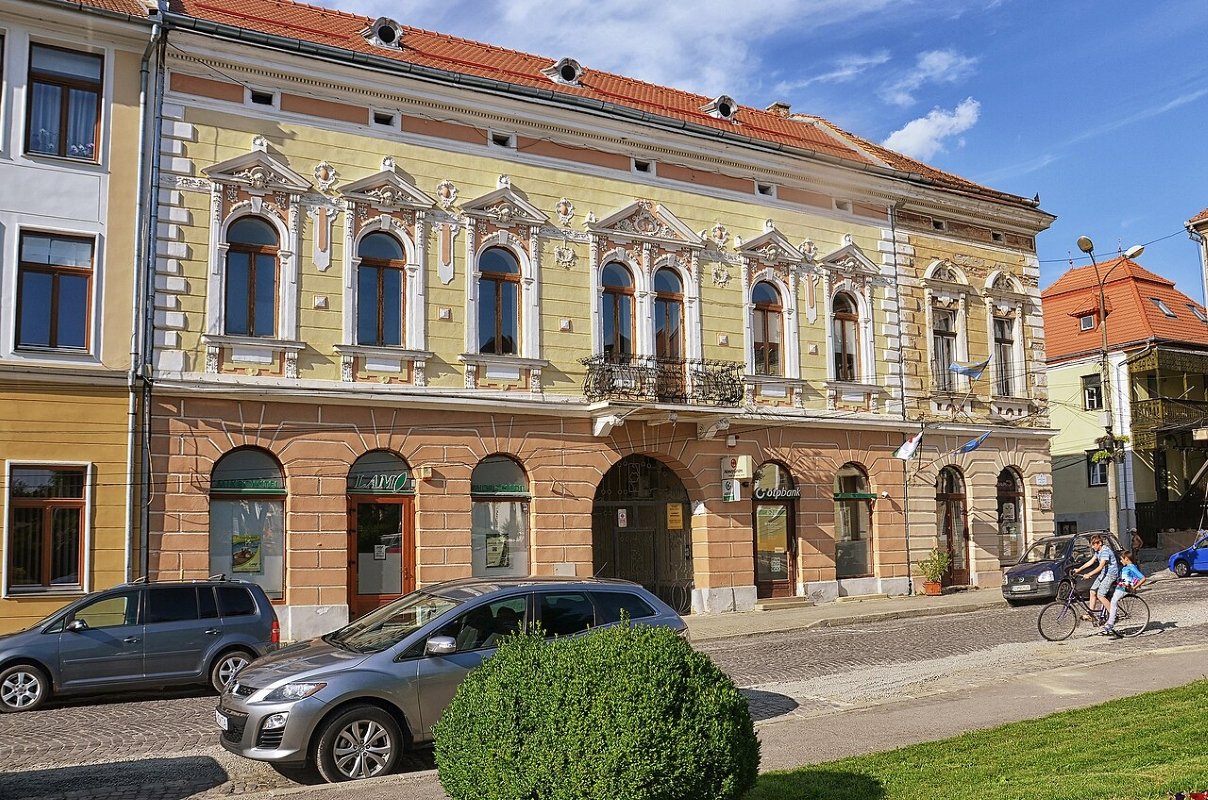



TL;DR: Târgu Secuiesc (Kézdivásárhely) is a charming Székely town in Transylvania’s Covasna County, offering authentic Hungarian culture, medieval architecture, thermal spas, stunning mountain scenery, and some of Romania’s best traditional cuisine—all without the tourist crowds of Brașov or Sighișoara.
- What Makes Târgu Secuiesc Special?
- Getting There and Getting Around
- Top Things to See and Do
- The Historic Town Center
- Churches Worth Your Time
- Museums and Cultural Sites
- Thermal Baths and Wellness
- Outdoor Adventures
- Food and Drink: Prepare Your Taste Buds
- Accommodation Options
- Day Trips and Nearby Attractions
- Festivals and Events
- Practical Information
- Accessibility and Inclusivity
- Budget Breakdown
- Why You Should Visit
So you’ve done Brașov, you’ve seen Bran Castle, and you’re wondering where the real Transylvania is hiding? Let me introduce you to Târgu Secuiesc, a town that most international travelers haven’t even heard of—and that’s exactly what makes it special.
Nestled in the heart of Székely Land (Ținutul Secuiesc), this town of around 18,000 people offers something genuinely different: a place where Hungarian is the primary language, where centuries-old traditions aren’t just performed for tourists, and where you can still find grandmothers selling homemade kürtőskalács (chimney cake) in the town square.
What Makes Târgu Secuiesc Special?
This isn’t your typical Romanian tourist destination, and honestly, that’s the whole point. Târgu Secuiesc sits in a fascinating cultural crossroads where Romanian and Hungarian Székely traditions blend seamlessly. The Székely people—a Hungarian ethnic group with their own distinct identity—have called this region home for over a thousand years, creating a unique cultural landscape you won’t find anywhere else.
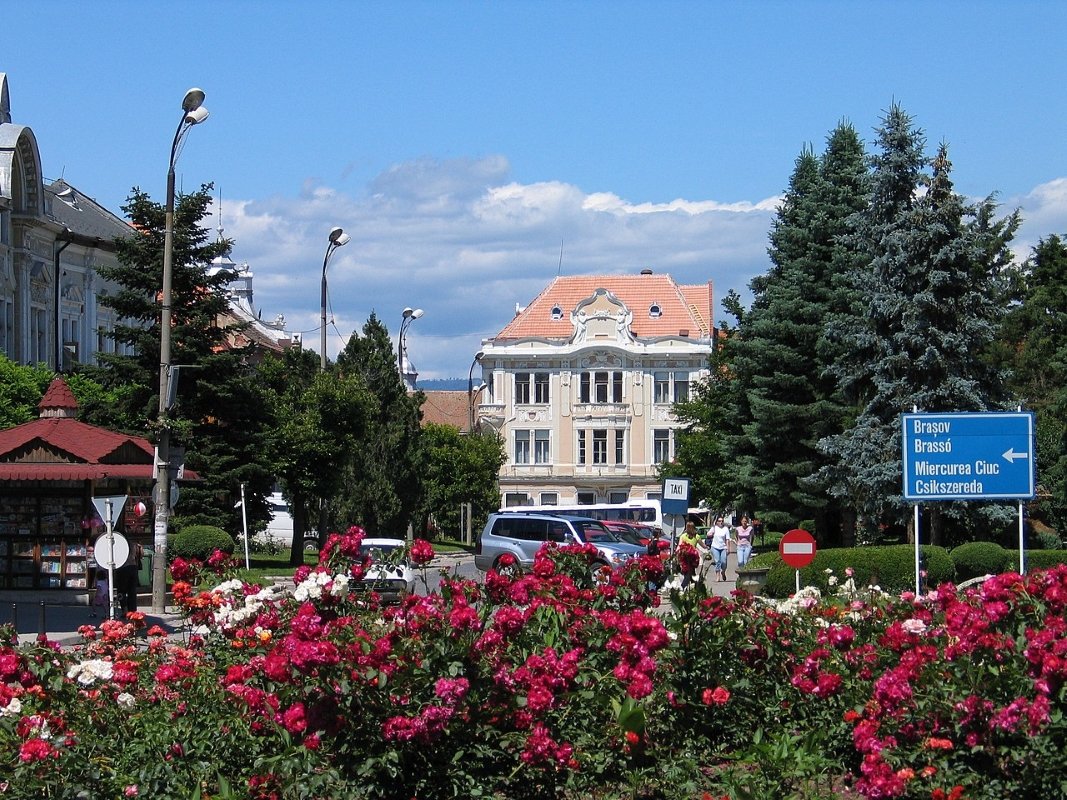
The town’s vibe is laid-back and welcoming. You’ll hear Hungarian spoken more than Romanian, see dual-language signs everywhere, and experience a culture that’s fiercely proud of its heritage while remaining genuinely hospitable to visitors.
Getting There and Getting Around
By Car: The easiest option if you’re touring Transylvania. Târgu Secuiesc is about 60km from Brașov (1 hour), 90km from Brașov Airport (1.5 hours), and makes an excellent base for exploring Covasna County. The roads are decent, and the scenery? Absolutely stunning.
By Bus: Regular connections from Brașov, Sfântu Gheorghe, and other regional cities. The bus station is centrally located, and tickets are budget-friendly (expect around 20-30 RON from Brașov).
By Train: There’s a railway station, though bus connections tend to be more frequent and convenient.
Getting Around Town: Everything worth seeing in the center is walkable. For longer trips or thermal bath visits outside town, you’ll want a car or taxi.
Top Things to See and Do
The Historic Town Center
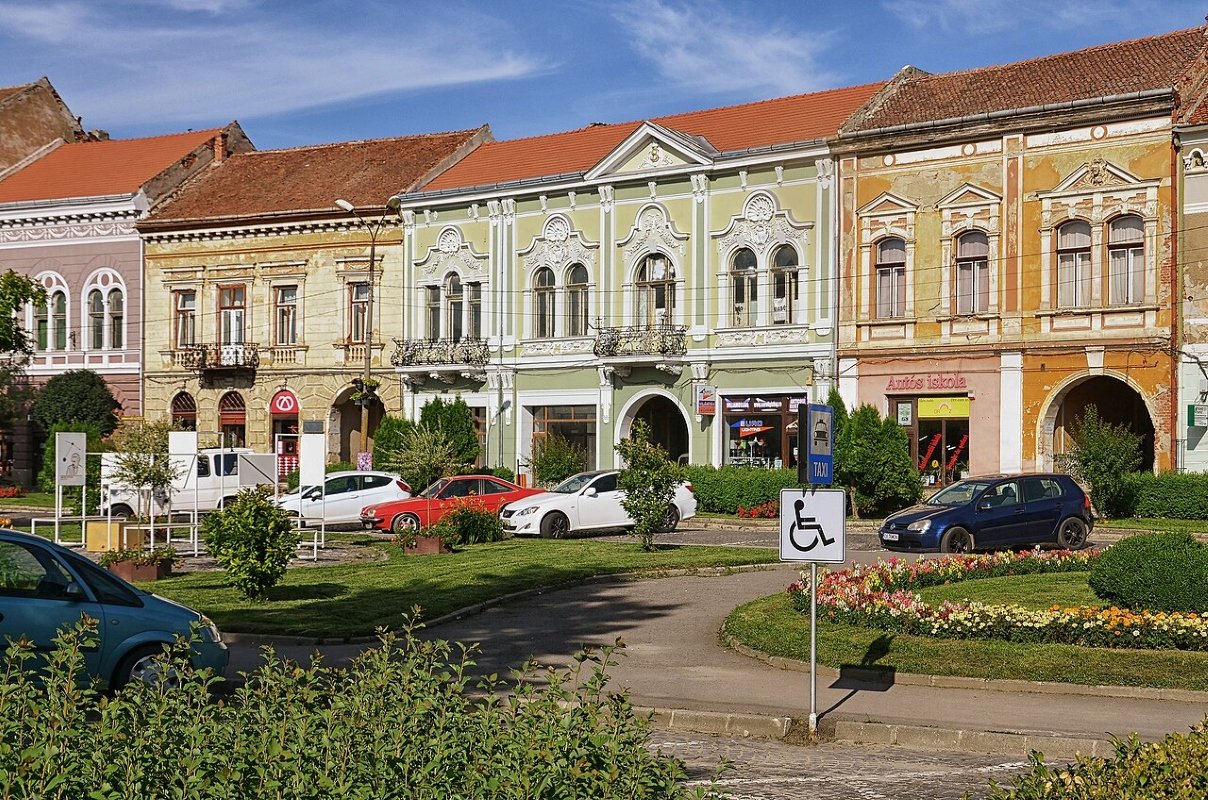
Start your exploration at Gábor Áron Square (Piața Gábor Áron), the town’s beating heart. The square honors Gábor Áron, a Székely military hero who famously forged cannons from church bells during the 1848-49 Hungarian Revolution. His statue dominates the square, and you’ll quickly realize how deeply the Székely people value their history.
The Town Hall and surrounding buildings showcase beautiful architecture from the 18th and 19th centuries. Unlike heavily restored tourist towns, these buildings have a lived-in authenticity—slightly weathered but absolutely charming.
Churches Worth Your Time
The Calvinist Church (Reformed Church) is the town’s most significant religious building, dating back to the 15th century with impressive Gothic elements. The interior is beautifully simple, following the Protestant tradition, with incredible wooden pews and a painted coffered ceiling.
The Roman Catholic Church (St. Nicholas Church) offers another architectural perspective, with Baroque influences and a peaceful atmosphere perfect for quiet reflection.
Museums and Cultural Sites
The Székely National Museum (Szekler Nemzeti Múzeum) is small but absolutely worth visiting. It houses Székely artifacts, traditional costumes, historical documents, and exhibits explaining the unique Székely culture and alphabet. The staff are passionate and often provide informal tours if you show genuine interest.
The Memorial House of Gábor Áron gives deeper context to the revolutionary hero’s life and the 1848 revolution that’s so central to local identity.
Thermal Baths and Wellness
Here’s where things get really good. The Covasna County area is famous for its therapeutic mineral waters and mofette (natural CO2 springs).
Comandău (about 15km away) has excellent thermal baths where you can soak in mineral-rich waters believed to help with circulation, joint pain, and respiratory issues. The facilities range from basic public baths to more upscale spa options.
Bixad (Bikfalva), another nearby village, offers mofette baths—unique dry CO2 treatments where you sit in a natural pit filled with carbon dioxide gas. It sounds weird, feels tingly, and locals swear by the health benefits.
Outdoor Adventures
The surrounding Carpathian foothills and mountains offer fantastic opportunities for nature lovers:
Hiking: Trails range from gentle walks to challenging mountain hikes. The Penteleu Massif and Bodoc Mountains provide stunning scenery, especially in spring and autumn.
Mountain Biking: Well-marked trails through forests and traditional villages make this area increasingly popular with cyclists.
Wildlife Watching: Bears, deer, wild boar, and numerous bird species inhabit these forests. Always respect wildlife and local guidance.
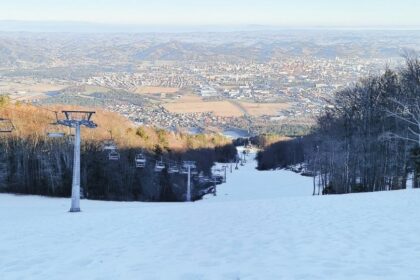
Winter Sports: Small ski resorts nearby offer affordable skiing and snowboarding when snow conditions permit.
Food and Drink: Prepare Your Taste Buds
Let’s be real: the food scene here is one of the main reasons to visit.
Must-Try Dishes
Kürtőskalács (Chimney Cake): You’ll see these being made everywhere—sweet, spiral-shaped pastries cooked over charcoal and coated in cinnamon sugar, cocoa, or walnuts. Get them fresh and warm.
Székely Gulyás (Székely Goulash): Despite the name, this isn’t Hungarian goulash—it’s a hearty stew with pork, sauerkraut, and sour cream. Absolute comfort food perfection.
Csángó Gulyás: Another regional variation with a unique flavor profile.
Lángos: Deep-fried flatbread topped with sour cream and cheese. Not exactly health food, but absolutely delicious.
Pálinka: The local fruit brandy. Powerful, flavorful, and central to Székely hospitality. You’ll likely be offered some—accepting is polite!
Where to Eat
Traditional Restaurants: Look for family-run establishments around the main square. Don’t expect fancy decor—the focus is on authentic, home-style cooking.
Local Markets: The weekly market (typically Thursday) offers fresh produce, artisanal cheeses, cured meats, and baked goods. It’s also a cultural experience watching locals interact.
Bakeries: Small bakeries throughout town offer pogácsa (savory scones), fresh bread, and pastries at incredibly reasonable prices.
Accommodation Options
Guesthouses (Pensiuni): Your best bet for authentic experiences. Many are family-run, offer home-cooked meals, and provide genuine local insights. Prices range from 100-250 RON per night.
Small Hotels: A few modern hotels in town offer standard amenities at reasonable rates (150-350 RON).
Rural Tourism: Consider staying in surrounding villages for an even more immersive experience. Many farmhouses offer accommodation and meals.
Booking Tips: Reserve ahead during summer months and local festivals. Off-season (November-March, excluding Christmas), you’ll find great deals and have the place mostly to yourself.
Day Trips and Nearby Attractions
Sfântu Gheorghe (Sepsiszentgyörgy): The county seat, 30km away, offers more museums, restaurants, and shopping.
Brașov: Only an hour away, perfect for a day trip to see the famous Black Church and Saxon heritage.
Lacul Sfânta Ana (Saint Ana Lake): Romania’s only volcanic lake, absolutely stunning and great for hiking. About 50km away.
Cheile Sugăului (Sugău Gorge): Spectacular natural gorge with hiking trails, roughly 40km distant.
Traditional Székely Villages: Explore villages like Zăbala (Zabola), known for its castle and buffalo farm, or Arcuș (Árkos) with its fortified church.
Festivals and Events
Székely Freedom Day (March 10th): Celebrates Székely heritage with traditional costumes, folk music, and cultural programs.
Summer Folk Festivals: Various events throughout July-August featuring traditional dance, music, and crafts.
Christmas Markets: Small but charming, with handmade crafts and seasonal treats.
Religious Festivals: Both Catholic and Reformed (Calvinist) celebrations bring communities together with special services and gatherings.
Practical Information
Language: Hungarian is predominant, followed by Romanian. English is spoken by younger people and tourism workers, but don’t count on it everywhere. Learning a few Hungarian phrases goes a long way: “Szia” (hi), “Köszönöm” (thank you), “Viszlát” (goodbye).
Money: Romanian Leu (RON). ATMs available in town. Cards accepted in most restaurants and hotels, but carry cash for markets and smaller establishments.
Best Time to Visit:
- Spring (April-June): Beautiful weather, wildflowers, fewer tourists
- Summer (July-August): Warmest, most festivals, busiest
- Autumn (September-October): Stunning fall colors, harvest season, pleasant temperatures
- Winter (December-March): Quiet, authentic, good for thermal baths and winter sports enthusiasts
How Long to Stay: 2-3 days gives you time to explore the town, enjoy the thermal baths, and take a day trip or two.
Accessibility and Inclusivity
The town center has some cobblestone streets and older buildings without elevators, which may challenge wheelchair users. However, newer hotels and restaurants are increasingly accessible. Many guesthouses offer ground-floor rooms—just ask when booking.
The Székely people are welcoming to all visitors regardless of background, orientation, or identity. As a small, traditional town, public displays of affection (regardless of gender) tend to be modest, but travelers report feeling safe and respected.
Vegetarians will find options, though traditional cuisine is meat-heavy. Vegan options are limited but improving—communicate your needs clearly, and most restaurants will accommodate.
Budget Breakdown
Târgu Secuiesc is refreshingly affordable:
Budget Traveler: €25-40/day (hostel/basic guesthouse, street food, local transport, free activities)
Mid-Range Traveler: €50-80/day (comfortable guesthouse, restaurant meals, thermal baths, some paid attractions)
Comfort Traveler: €100+/day (best hotels, fine dining, private tours, spa treatments)
Why You Should Visit
Here’s the thing: Târgu Secuiesc isn’t trying to be anything other than itself. There’s no forced tourism infrastructure, no themed restaurants serving “medieval banquets,” no crowds queuing for Instagram shots. What you get instead is a genuine glimpse into Székely culture, warm hospitality, fantastic food, therapeutic thermal waters, and beautiful natural surroundings.
This is Transylvania off the beaten path—the version that rewards curious travelers who want experiences over photo ops, connection over comfort zones, and authenticity over attractions.
Whether you’re soaking in mineral-rich thermal waters, sampling chimney cake in the town square, hiking through pristine forests, or simply chatting with locals over a glass of pálinka, Târgu Secuiesc offers something increasingly rare: a place where you can still discover rather than just visit.
Pack your curiosity, bring an open mind, and prepare to fall in love with a part of Romania that most travelers never find.
Jó utat! (Safe travels!)





 is a charming Székely town in Transylvania's Covasna County, offering authentic Hungarian culture)