
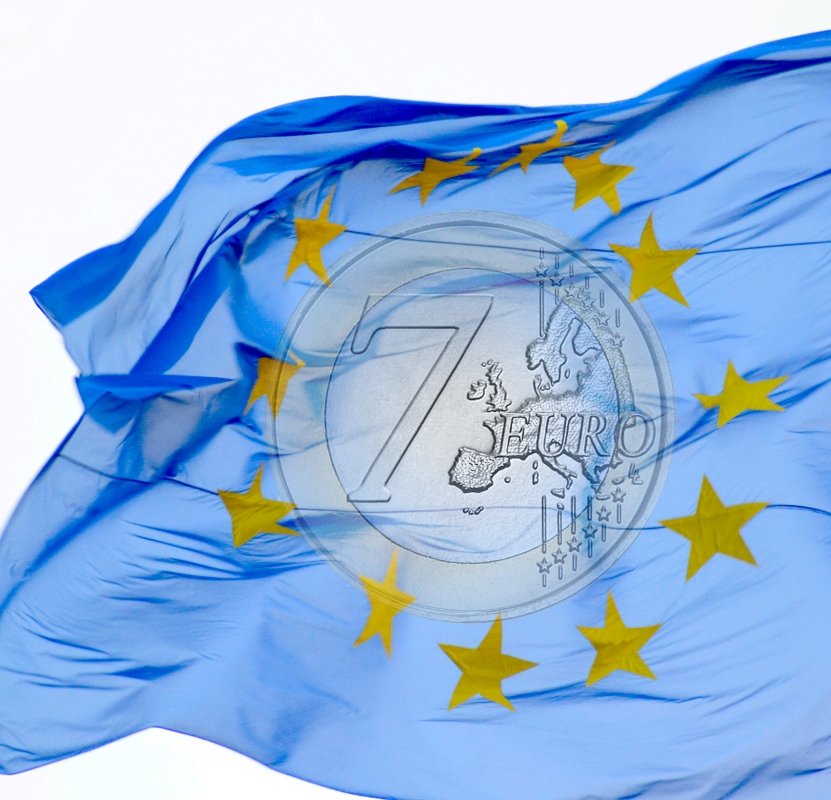


The €7 Fee That’s About to Change European Travel Forever
Just when you thought European travel couldn’t get more complicated, here comes a game-changing requirement that’ll affect over 1.4 billion travelers worldwide.
Picture this: You’re about to book that dream trip to Paris, scrolling through flight deals, when suddenly you realize there’s a new €7 charge you’ve never heard of. Welcome to ETIAS – the European Travel Information and Authorization System that’s quietly revolutionizing how we visit Europe.
What Exactly Is This €7 About?
Starting six months after the Entry/Exit System launches, some 1.4 billion people from 59 visa-exempt countries and territories are required to have a travel authorization to enter 30 European countries. Think of it as Europe’s version of the US ESTA system, but with a much friendlier price tag.
The €7 fee (about $8) covers most travelers aged 18 to 70, making it one of the most affordable travel authorizations globally. Kids and seniors get a free pass – literally.
When Will This Actually Happen?
Here’s where it gets interesting. ETIAS is expected to become operational in the last quarter of 2026, which means your 2025 European adventures are totally safe from this new requirement.
But don’t get too comfortable. It likely won’t impact your travel plans until early 2027, giving you plenty of time to wrap your head around the new system.
Who Actually Needs to Pay This Fee?
If you’re from the US, UK, Canada, Australia, Japan, or any of the other 59 countries that currently enjoy visa-free access to Europe, this affects you. Most travelers from visa-exempt countries will need ETIAS approval before entering EU countries in the Schengen Area.
The countries requiring ETIAS include all the heavy hitters: Austria, Belgium, Bulgaria, Croatia, Cyprus, Czech Republic, Denmark, Estonia, Finland, France, Germany, Greece, Hungary, Iceland, Italy, Latvia, Liechtenstein, Lithuania, Luxembourg, Malta, Netherlands, Norway, Poland, Portugal, Romania, Slovakia, Slovenia, Spain, Sweden, Switzerland.
Notably absent? Ireland. So your Dublin pub crawl remains fee-free.
The Application Process (Spoiler: It’s Actually Easy)
Forget horror stories about visa applications. Most applications are processed within minutes, though some may take up to four days. The whole thing happens online – no embassy visits, no paperwork nightmares.
You’ll need:
- A valid passport (lasting at least 3 months beyond your trip)
- An email address
- A credit/debit card for that €7 fee
- About 10 minutes to fill out basic info
Your ETIAS authorization is electronically linked to your passport, so you won’t need to show a separate document at border control. Pretty neat, right?
Why Europe Is Really Doing This
Let’s be honest – this isn’t just about collecting €7 from tourists. This strict new requirement for a European electronic travel authorization is in response to the increasing terrorist threat within Europe, with the aim of strengthening border controls and checks on all visitors prior to their arrival.
The ETIAS would screen travelers prior to their arrival to Europe and would prevent individuals who pose a security threat from entering the EU. It’s basically Europe’s way of knowing who’s coming before they arrive.
The Fine Print You Need to Know
Here’s where it gets important: Your ETIAS is valid for three years or until your passport expires, whichever comes first. Get a new passport? You’ll need a new ETIAS.
You can stay in the Schengen Area for up to 90 days within a 180-day period – the same rules as before, just with this new pre-approval step.
And here’s a crucial detail: Having a valid ETIAS travel authorization does not guarantee an automatic right of entry. Border guards still have the final say, but having your ETIAS sorted definitely smooths the process.
What This Means for Your Travel Plans
For 2025-2026 trips: You’re golden. Book away without worrying about ETIAS.
For 2027 and beyond: Budget that extra €7 and plan to apply at least a few weeks before your trip. You should apply for an ETIAS travel authorization well in advance of your planned journey.
For frequent Europe travelers: This is actually great news. One €7 payment gets you three years of hassle-free entries (within the 90/180 day rules).
The Bigger Picture
This isn’t just about one small fee – it’s Europe adapting to modern travel realities. Similar entry requirements for visa-free nationals are currently in place in the United States, Canada, and the United Kingdom, so Europe is simply catching up to global standards.
The €7 ETIAS fee represents a shift toward more controlled, secure, but still accessible European travel. It’s a small price to pay for what will likely be faster, more predictable border crossings once the system is running smoothly.
Bottom Line
Seven euros isn’t going to break your travel budget, but forgetting to apply for ETIAS definitely could break your vacation plans. Mark your calendar for late 2026, set a reminder to apply for ETIAS before your first post-2027 Europe trip, and keep doing what you love – exploring the incredible diversity that European travel offers.
The €7 fee might be small, but its impact on streamlining European travel could be huge. Sometimes the smallest changes make the biggest difference – and this could be one of those times.
Stay tuned for updates as the ETIAS launch date approaches, and remember: good things come to those who plan ahead.