






TL;DR: Filitosa is an 8,000-year-old archaeological wonderland in Corsica featuring Europe’s most spectacular prehistoric statue-menhirs. Visit April-November for €9, spend 2 hours exploring ancient mysteries in stunning natural surroundings. Skip the crowds by arriving early or late afternoon.
- What Makes Filitosa So Special?
- Planning Your Visit: Everything You Need to Know
- Getting There: Your Route to Ancient History
- What You’ll Experience: A Journey Through Time
- Diving Deep: The Fascinating History
- Beyond the Stones: Complete Experience Guide
- Family-Friendly Tips
- Making the Most of Your Day
- Practical Considerations
- Why Filitosa Matters Today
- Insider Secrets for the Perfect Visit
- The Verdict: Is Filitosa Worth Your Time?
Ever wondered what Corsica looked like 8,000 years ago? Step into Filitosa, where time stands still and ancient civilizations whisper their secrets through towering stone sentinels. This isn’t just another tourist trap – it’s a genuine journey back to humanity’s prehistoric roots, wrapped in Mediterranean beauty that’ll blow your mind.
What Makes Filitosa So Special?
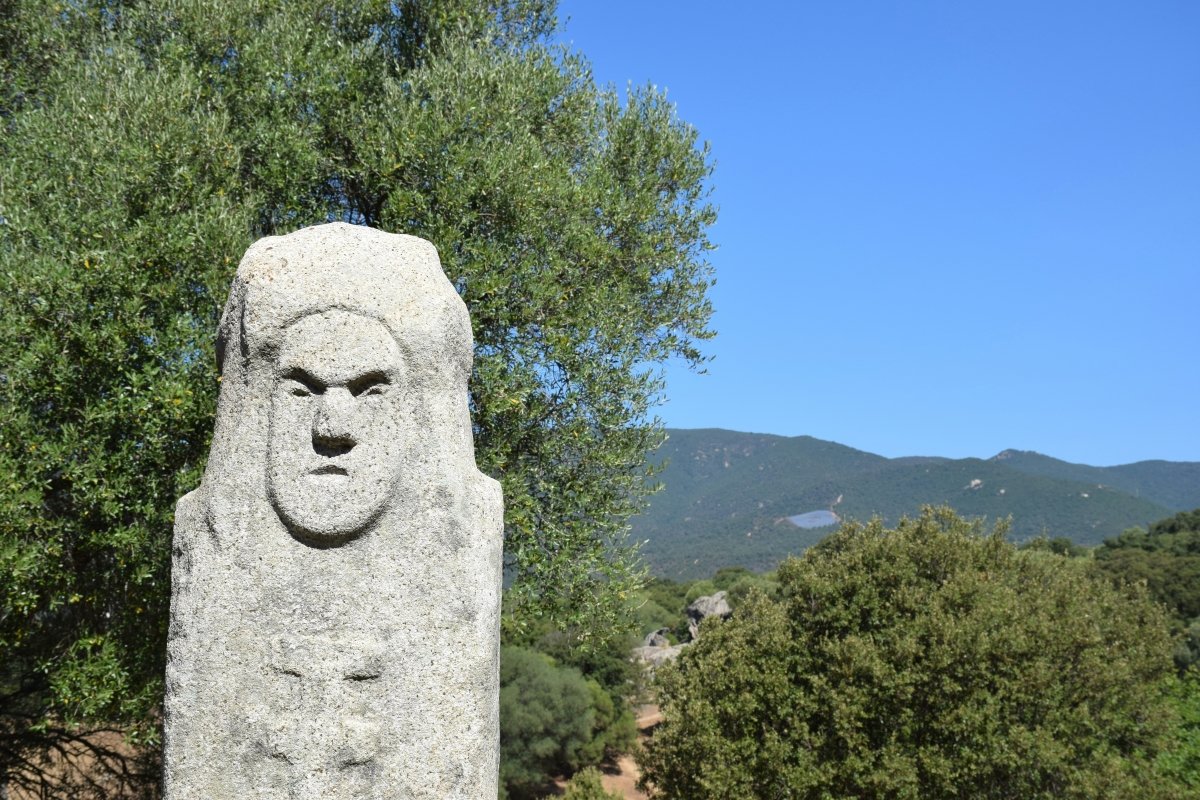
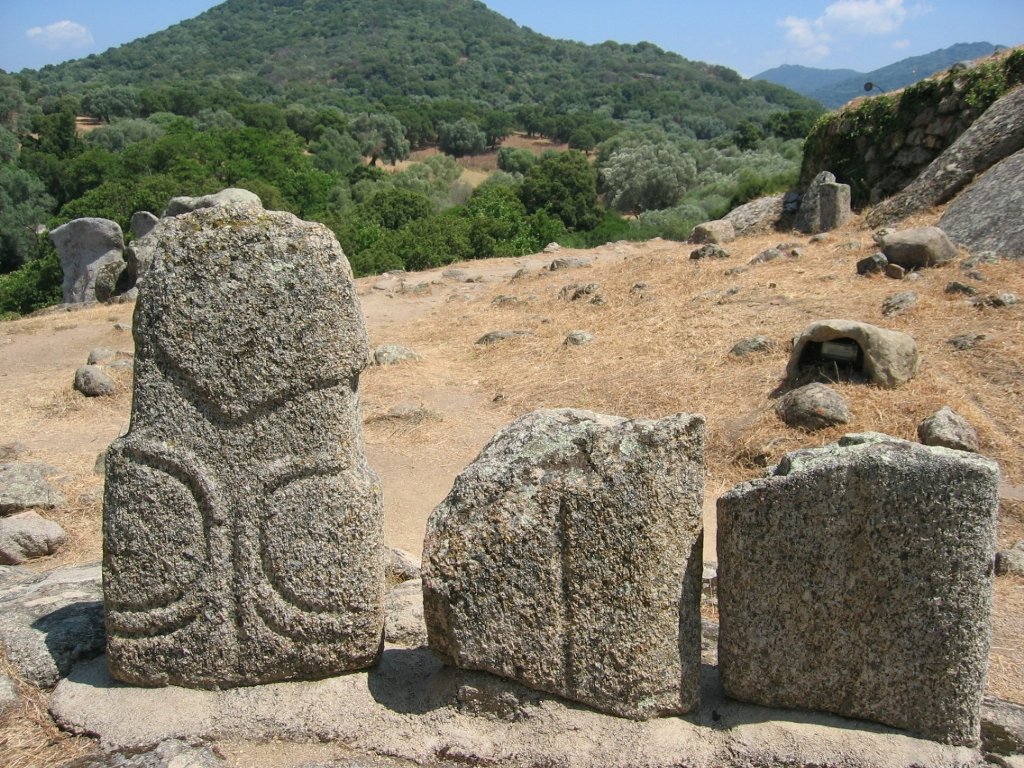
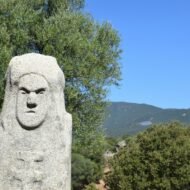
Picture this: you’re walking through olive groves and wild maquis when suddenly, mysterious faces carved in granite emerge from the vegetation. These statue-menhirs are one of the most spectacular and complete illustrations of megalithic art in the Mediterranean, rivaling famous sites like Stonehenge and Easter Island.
Discovered in 1946 by landowner Charles-Antoine Cesari, the site revealed 70 statue-menhirs and traces of continuous human occupation from the 6th millennium BC until Roman times. What started as a chance discovery became one of Europe’s most significant prehistoric sites.
The real showstopper? Filitosa V – standing 3 meters tall and weighing over 2 tonnes, featuring detailed engravings of a sword and dagger. This isn’t just a rock; it’s a 3,500-year-old artwork that puts modern sculptures to shame.
Planning Your Visit: Everything You Need to Know
When to Visit
Best time: April to November (site closes December-March)
Hours: 9:00 AM to sunset daily (about 1.5-hour visit recommended)
Pro tip: Visit early morning or late afternoon for magical lighting and fewer crowds. The golden hour makes these ancient faces come alive!
Ticket Prices (2025)
- Adults: €9
- Youth (6-17): €7
- Children under 6: FREE
- Family ticket: €28 (2 adults + 2 children)
- Disabled visitors: €7 (with proof)
You can buy tickets on-site – no advance booking needed for individuals. Groups should call ahead.
Museum Hours
The Corsican Megalithism Museum is open 9:00 AM – 7:00 PM daily, featuring original artifacts and detailed explanations of the site’s history.
Getting There: Your Route to Ancient History
Coordinates: 41°44′50″N 8°52′17″E
Address: D57, 20140 Sollacaro, Corsica
From Ajaccio (45 minutes):
- Take N196 south toward Propriano
- Turn right on D157 toward Porto Pollo
- Follow D57 to Sollacaro
- Look for clear signage to Filitosa
From Propriano (20 minutes):
- Head north on T40 toward Ajaccio
- Left on D157 toward Porto Pollo
- Right on D57 to Sollacaro
GPS tip: If your navigation doesn’t recognize “Filitosa,” try “Sollacaro” instead.
Parking: Free on-site parking available.
What You’ll Experience: A Journey Through Time
The Walking Route
Your adventure begins at the visitor center, where you’ll grab audio guides (available in multiple languages). The well-marked path takes you through:
Stop 1: Filitosa V – The Guardian
This massive sentinel greets you first, armed with detailed weapon carvings. The craftsmanship is mind-blowing – imagine Bronze Age artisans spending months perfecting these details!
Stop 2: The Fortified Oppidum
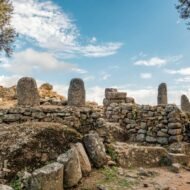
Climb to discover Filitosa VI, a statue broken into three parts with a realistic face and sword. The surrounding cyclopean walls tell stories of ancient conflicts and conquests.
Stop 3: The Western Monument
Built around a rocky outcrop, this structure offers panoramic valley views. Perfect Instagram moment!
Stop 4: The Olive Tree Alignment
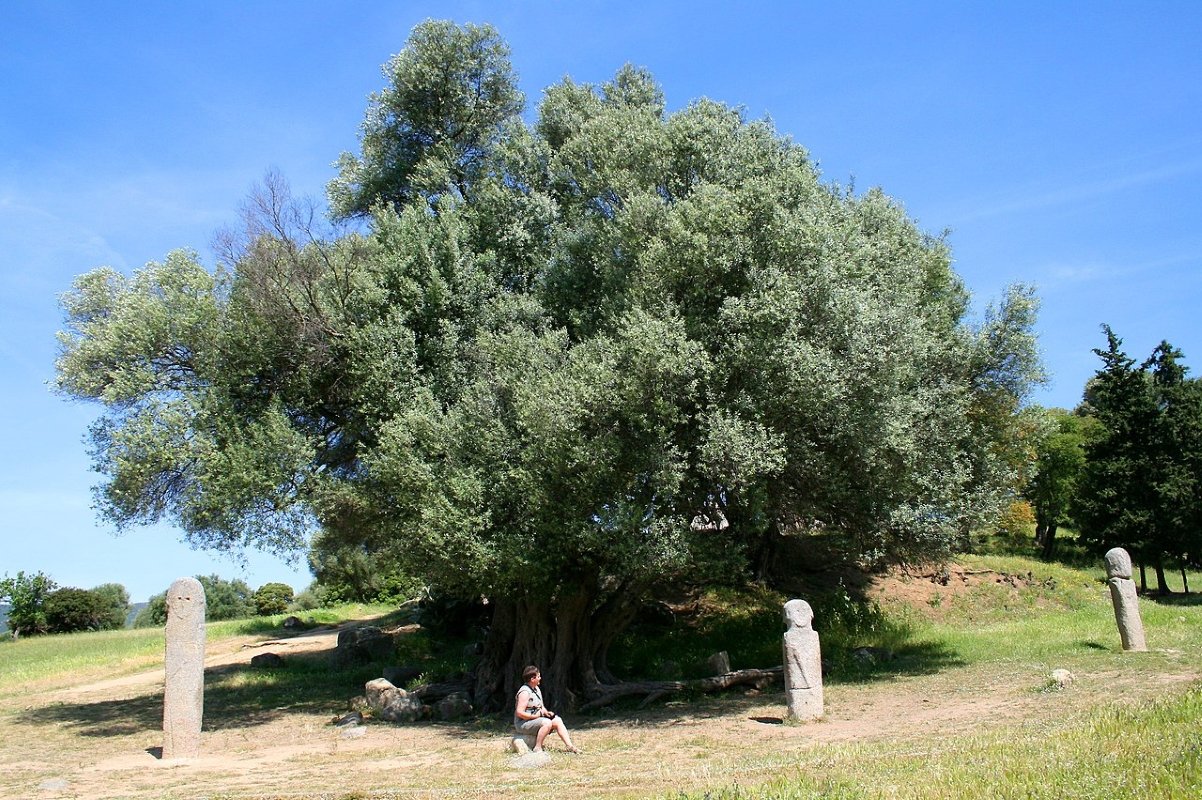
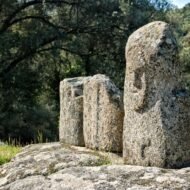
Five statue-menhirs stand guard beneath an ancient olive tree – a scene that hasn’t changed in millennia.
Interactive Features
Modern technology meets ancient history here. QR codes throughout the site provide detailed information, while audio stations offer multilingual commentary. Kids love the treasure hunt aspect of finding all the hidden details!
Diving Deep: The Fascinating History
Timeline of Occupation
6000-4900 BC (Early Neolithic):
First settlements emerge. Hunter-gatherers use stone and wood tools, with obsidian imported from Sardinia for arrowheads.
4900-3100 BC (Middle/Late Neolithic):
Agricultural practices develop, population grows, first simple menhirs erected as possible fertility symbols or warrior memorials.
2200-1300 BC (Bronze Age):
The golden age of Filitosa! Master sculptors create the detailed statue-menhirs we see today.
1300 BC (Torrean Invasion):
The mysterious Torreans conquer Filitosa, destroying some menhirs and using fragments to build defensive walls around their distinctive tower structures.
Unsolved Mysteries
What makes Filitosa truly captivating are its unanswered questions:
- Who were these ancient sculptors?
- What do the weapon carvings really mean?
- Why did the Torreans destroy some statues but preserve others?
- Were these religious monuments, territorial markers, or something else entirely?
Archaeologist Roger Grosjean believed the statue-menhirs represent Sherden warriors, enemies of the Torreans who invaded from the Eastern Mediterranean. But new theories keep emerging!
Beyond the Stones: Complete Experience Guide
The Museum Experience
Don’t skip the on-site museum! This 350m² stone structure, opened in 2020, perfectly integrates with the natural environment. Inside, you’ll find:
- Original artifacts too fragile for outdoor display
- Interactive exhibits explaining prehistoric life
- Detailed archaeological timeline
- Conservation efforts showcase
Artisan Village
Local craftspeople have stands displaying their work in metal, wood, stone, and ceramics, passionate about sharing their traditional techniques. Perfect for unique souvenirs!
Refreshments
The on-site café serves drinks and meals with outdoor seating. After walking in Mediterranean heat, that cold drink hits differently!
Family-Friendly Tips
Kids will love:
- Treasure hunt worksheets available at entrance
- Audio guides with engaging stories
- Wide, safe paths suitable for strollers
- Interactive museum displays
- Picnic areas with valley views
Accessibility: The main path is accessible, though some areas require walking on uneven terrain. Wheelchairs can access most of the site.
What to bring:
- Water (especially summer visits)
- Sun hat and sunscreen
- Comfortable walking shoes
- Camera (no flash on artifacts)
- Pets welcome on leash
Making the Most of Your Day
Combine with Nearby Attractions
Propriano (20 minutes): Beautiful harbor town with excellent restaurants and beaches. Perfect for lunch after your prehistoric adventure.
Sartène (30 minutes): Medieval hilltop town called “the most Corsican of Corsican towns.” Stunning architecture and local culture.
Palaghju (45 minutes): Home to 258 megaliths and 70 menhirs – the largest concentration of prehistoric standing stones in the Mediterranean.
Photography Tips
Golden hour magic: Early morning or late afternoon light transforms these granite faces into something ethereal.
Best angles:
- Filitosa V from slightly below for dramatic effect
- Panoramic shots from the oppidum
- Close-ups of weapon details and facial features
- Landscape shots showing stones in natural setting
Respect the rules: No touching the monuments, no flash photography on artifacts.
Practical Considerations
Weather Prep
Corsican weather can be unpredictable. Summer visits mean heat and crowds, but longer daylight hours. Spring and fall offer comfortable temperatures and stunning light.
Duration Planning
Plan about 1.5 hours for the site visit, plus another 30-45 minutes for the museum. Add time for the café and shop if interested.
Group Visits
Large groups should contact the site in advance. Educational programs available for schools and organized tours.
Why Filitosa Matters Today
In our digital age, Filitosa offers something irreplaceable – a direct connection to our ancestors. These stones contain mysteries sometimes still unsolved, with new remains often found in different parts of the island.
This isn’t just ancient history; it’s living heritage. Every visit supports ongoing archaeological research and conservation efforts ensuring future generations can experience these wonders.
Insider Secrets for the Perfect Visit
Local knowledge:
- Park in the shade – Corsican sun is intense
- Bring water even for short visits
- The site’s microclimate stays cooler than surrounding areas
- Audio guide batteries run low in heat – grab fresh ones if needed
Hidden gems:
- Small details carved on statue backs often missed
- Ancient olive tree estimated at 1,000+ years old
- Stone fragments embedded in torre walls show recycling practices
- Panoramic viewpoint from highest oppidum point
Best photos: Early morning mist occasionally rolls through the valley, creating mystical atmosphere perfect for dramatic shots.
The Verdict: Is Filitosa Worth Your Time?
Absolutely! This is a remarkable site quite unlike anything else, and the location is also very scenic. Whether you’re a history buff, culture enthusiast, or just love unique experiences, Filitosa delivers.
In just 2 hours, you’ll journey 8,000 years back in time, solve ancient puzzles, and create memories lasting a lifetime. Plus, with the site inscribed on the UNESCO World Heritage List, you’re experiencing world-class cultural heritage.
Bottom line: Filitosa isn’t just a stop on your Corsican itinerary – it’s a portal to humanity’s prehistoric soul. The mysterious faces gazing across millennia will haunt you long after you leave. In the best possible way.
Ready to meet your ancient ancestors? Filitosa awaits your discovery.
Planning your Corsican adventure? Check the official website at www.filitosa.fr for the latest updates and seasonal information.